8 Herbs That Are Perfect For 5-Gallon Bucket Gardening In Georgia
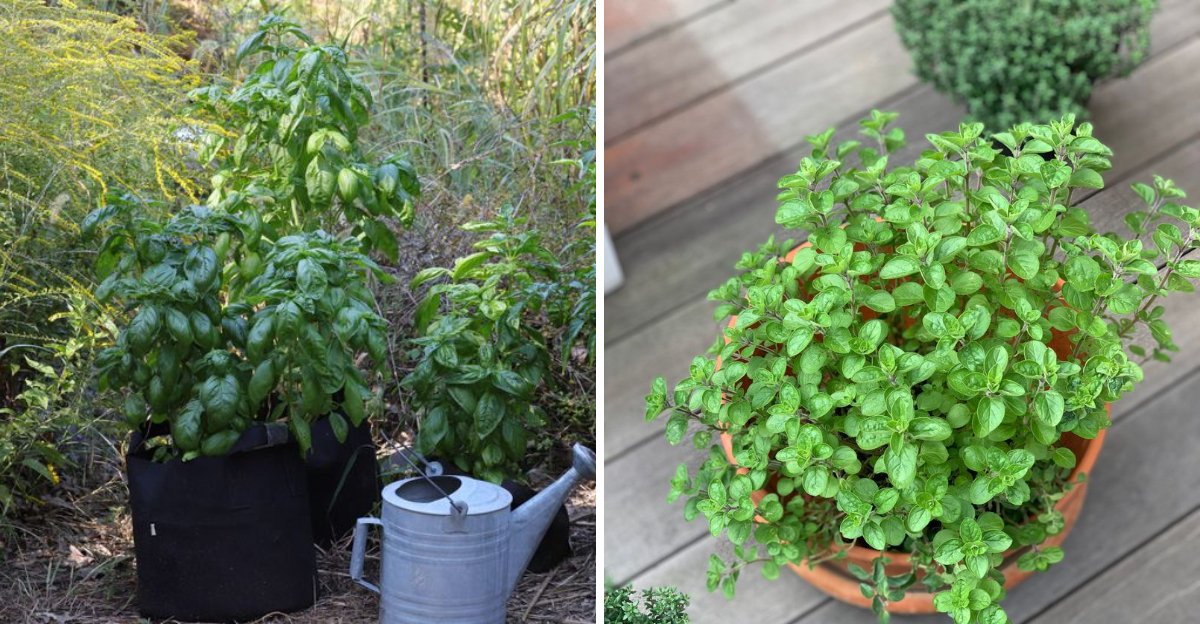
Georgia gardens do not need big space to grow something useful and full of flavor. Buckets step in when ground space feels limited or soil refuses to cooperate, and results can still surprise in the best way.
Fresh herbs thrive in this setup when the right choices go into each container, especially during warm Georgia months when growth speeds up fast.
Simple containers placed near a porch, patio, or sunny corner can turn into a steady source of kitchen staples without much effort.
Good drainage, steady sunlight, and smart plant picks make all the difference between weak growth and strong, healthy plants that keep producing.
Many people overlook just how much a single bucket can handle until they try it for themselves. With the right herbs, even one container can stay productive and useful far longer than expected.
1. Basil Grows Fast And Produces Heavy Harvests
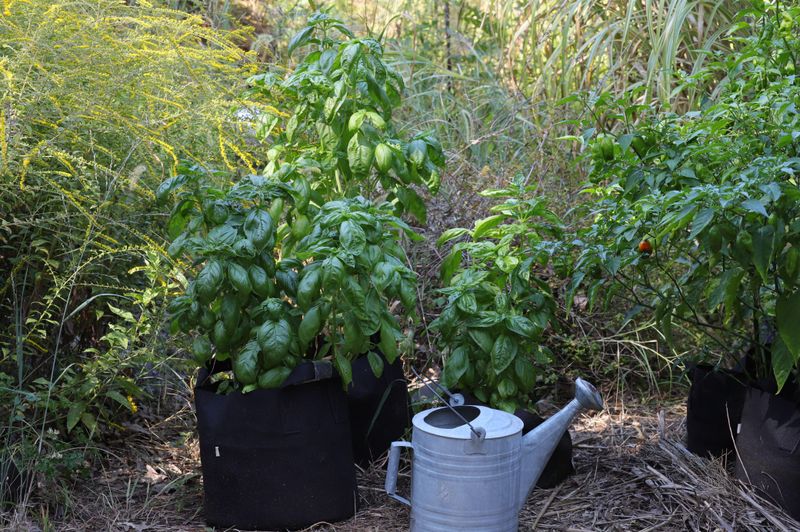
Few herbs reward Georgia gardeners faster than basil. Plant a seedling in a 5-gallon bucket in late April or early May, and within three to four weeks you will have enough leaves to start harvesting regularly.
Warm soil and full sun push basil into overdrive, and Georgia summers deliver exactly that.
Drainage matters a lot with basil. Punch at least five holes in the bottom of your bucket so water never sits around the roots.
Use a well-draining potting mix, not garden soil, and water deeply every two to three days during hot stretches. Wilting in the afternoon heat is normal, but if plants look droopy in the morning, they need more water.
Pinching off flower buds as soon as they appear keeps production going strong. Once basil flowers, leaf quality drops quickly and the plant focuses its energy on setting seed.
Pinching takes about thirty seconds and extends your harvest by weeks.
Sweet basil is the classic choice, but Genovese and Thai basil also perform beautifully in Georgia containers. Keep buckets on a south-facing surface to soak up maximum sun.
Rotate them occasionally so all sides of the plant get even light exposure and growth stays full rather than lopsided.
Fertilize lightly every two weeks with a balanced liquid feed to keep growth steady without pushing too much leaf burn in the heat.
Harvest often by cutting stems just above a leaf pair, which encourages the plant to branch out and produce even more leaves.
2. Mint Spreads Quickly And Fills Containers Easily
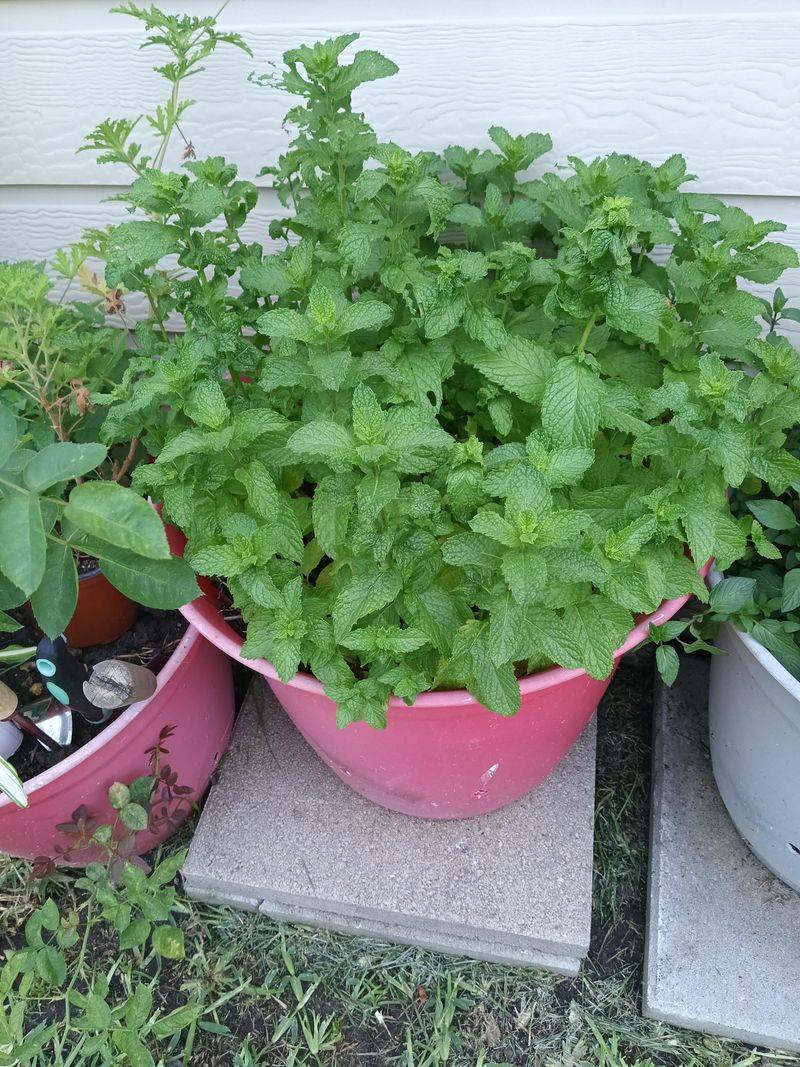
Mint is practically unstoppable once it gets comfortable in a container. Planting it in a bucket is actually the smartest way to grow it in Georgia because mint spreads aggressively and will take over an in-ground garden bed faster than you expect.
A single plant can fill a 5-gallon bucket within one growing season.
Spearmint and peppermint both handle Georgia summers well, though they appreciate a little afternoon shade during the hottest months of July and August. Morning sun is ideal.
Consistent moisture keeps mint lush and fragrant, so check your bucket every day when temperatures climb above ninety degrees.
Your Georgia Garden Changes Every Week. Your Plan Should Too.
Gardening in Georgia changes quickly throughout the season. Every Friday you’ll receive a simple weekly plan showing exactly what to plant, prune, fertilize, harvest, and protect so you never miss the right timing.
Harvest by snipping stems just above a leaf node, which encourages the plant to branch out and get bushier rather than tall and leggy. Regular cutting actually makes mint more productive.
Letting it grow unchecked for too long results in woody stems and smaller leaves.
One bucket of mint can supply enough leaves for teas, cocktails, and cooking all summer long. If you want multiple varieties, keep each one in its own bucket to prevent them from crossing and losing their distinct flavors.
Label your buckets clearly because spearmint and peppermint look almost identical when young.
Refresh the potting mix at least once mid-season if growth starts slowing, since mint quickly uses up nutrients in a confined space.
Trim plants back hard every few weeks to keep them tender and prevent overcrowding inside the bucket.
3. Rosemary Handles Heat And Dry Conditions Well
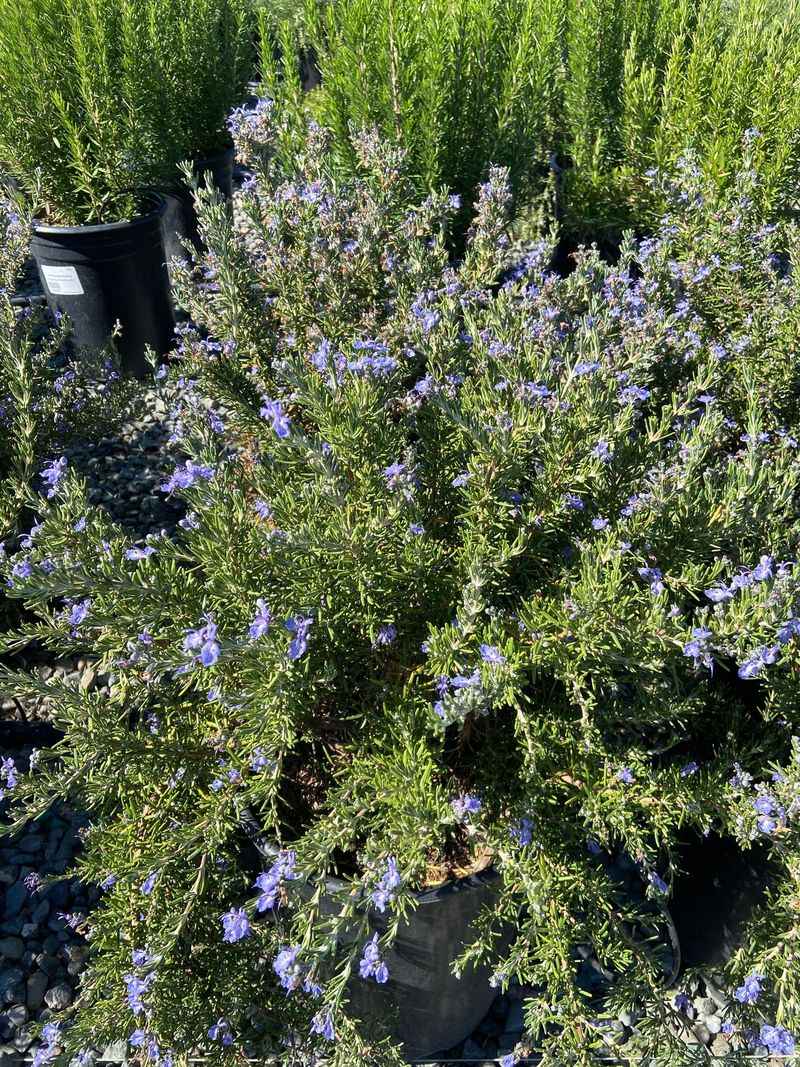
Rosemary was practically made for Georgia summers. Native to the dry, rocky hillsides of the Mediterranean, it thrives in exactly the kind of hot, sunny, occasionally dry conditions that Georgia delivers from June through September.
A 5-gallon bucket gives rosemary just enough room to develop a solid root system without sitting in excess moisture.
Overwatering is the number one problem people run into with rosemary in containers. Water only when the top two inches of soil feel completely dry.
During peak summer heat, that might mean watering every four to five days. In spring and fall, once a week or even less is usually plenty.
Good drainage holes are non-negotiable.
Full sun placement is essential. A south-facing spot on your Georgia patio or driveway works perfectly.
Rosemary in partial shade tends to stretch toward the light and lose its compact, bushy shape. Six to eight hours of direct sun keeps growth dense and aromatic.
Harvest by snipping soft, green tip growth rather than cutting into the older woody stems. Woody stems do not regenerate easily, so always leave plenty of green growth behind.
With proper care, a rosemary plant in a 5-gallon bucket can live for several years and get more productive with each passing season.
Avoid high-nitrogen fertilizers, since they push soft growth and weaken the plant’s signature flavor and structure.
Bring buckets closer to a sheltered spot during winter cold snaps, as container-grown rosemary is more exposed than plants in the ground.
4. Thyme Stays Compact And Easy To Manage
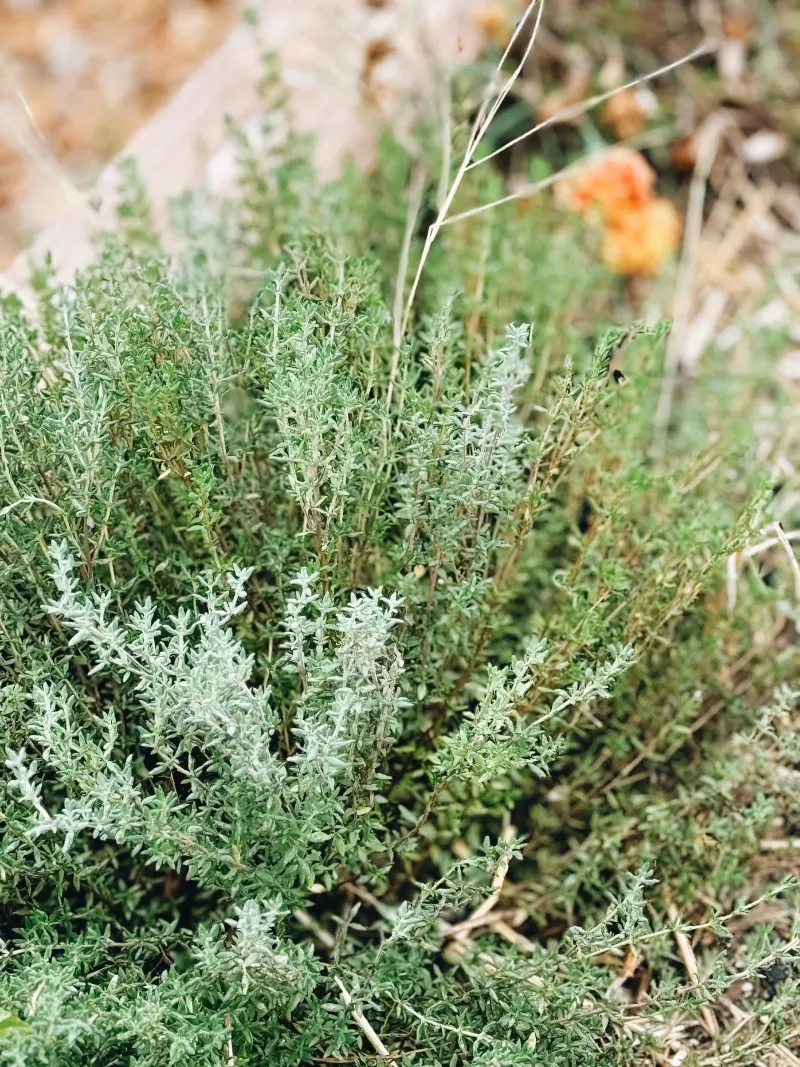
Compact, low-maintenance, and surprisingly tough, thyme is one of the easiest herbs to grow in a 5-gallon bucket anywhere in Georgia. Plants rarely exceed twelve inches in height, which means a single bucket can comfortably hold two or three thyme varieties side by side without crowding.
English thyme and lemon thyme are both excellent performers in Georgia’s climate.
Thyme wants excellent drainage above almost everything else. Sandy or gritty potting mixes work better than dense, moisture-retaining soils.
Adding a handful of perlite to your potting mix before planting improves drainage significantly and gives roots the airy environment they prefer.
During Georgia’s brutal July heat, thyme slows down a bit, but it does not quit. Keep the bucket in full sun, water only when the soil is dry, and avoid fertilizing heavily during peak summer.
A light dose of balanced fertilizer in spring and again in early fall is all thyme really needs to stay healthy and productive.
Harvest by snipping stems just before the plant flowers for the most concentrated flavor. Thyme flowers are edible and attract pollinators, so leaving a few blooms is not a bad idea either.
After flowering, trim plants back by about one-third to encourage a fresh flush of tender new growth before Georgia’s fall season settles in.
5. Oregano Keeps Producing Through Summer Heat
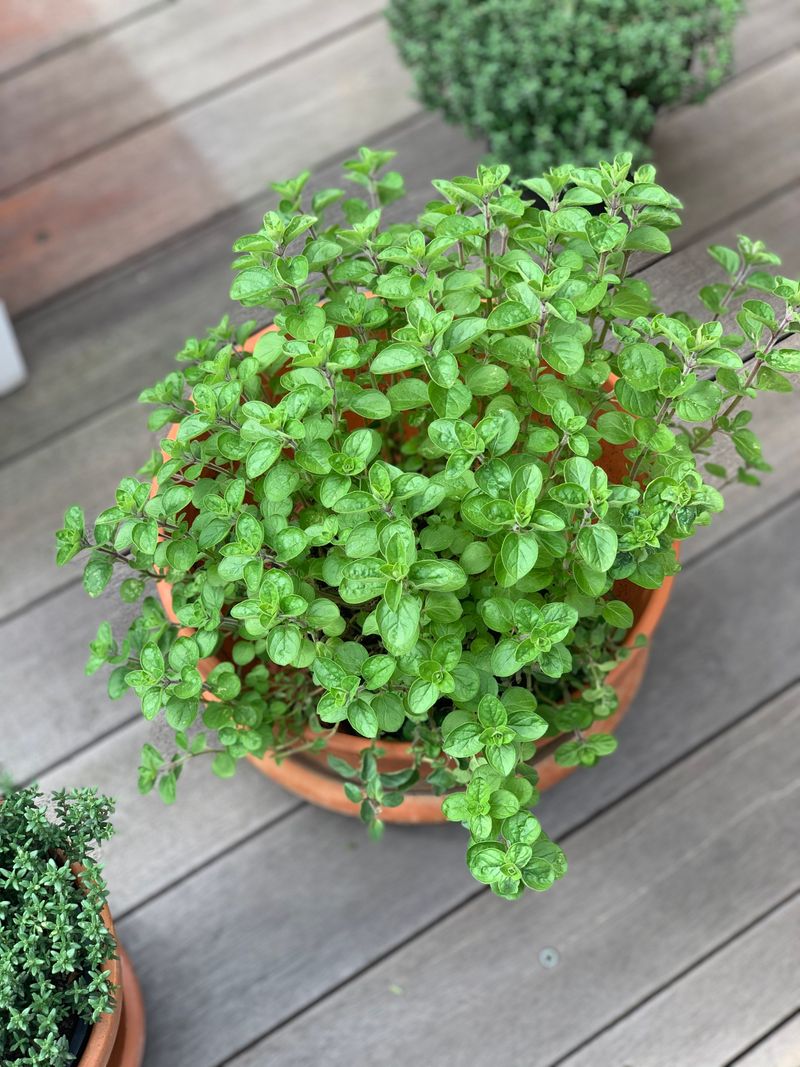
Oregano laughs at Georgia heat. While many plants struggle through August, oregano just keeps pushing out new growth as long as it gets full sun and decent drainage.
Greek oregano is the most flavorful variety and the best choice for container growing in Georgia because it stays compact and handles drought stress without missing a beat.
A 5-gallon bucket works perfectly for oregano because the plant develops a moderately deep root system that benefits from the extra depth. Use a lightweight potting mix and make sure your drainage holes are clear.
Oregano sitting in soggy soil quickly develops root issues, so never let water pool in a saucer underneath the bucket for more than an hour after watering.
Harvest generously and often. Cutting stems back by half every few weeks keeps oregano bushy, productive, and full of flavor.
Plants that are allowed to grow too tall without trimming become woody and less fragrant over time. Regular harvesting is genuinely the best thing you can do for oregano in a container.
Oregano is also surprisingly cold-tolerant for a Mediterranean herb, which means Georgia gardeners can often get harvests from October well into November. Bring buckets inside if a hard freeze is forecast, and plants will bounce back quickly when warmer weather returns in spring.
6. Parsley Grows Steady With Consistent Moisture
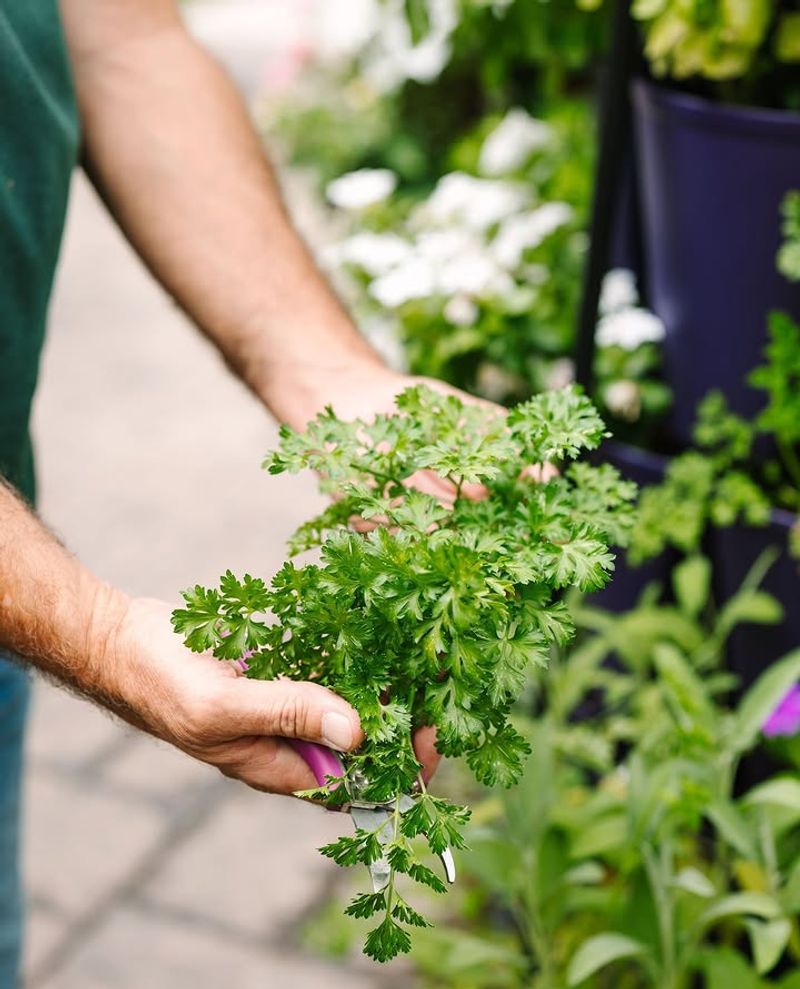
Parsley is the steady, reliable workhorse of the container herb garden. Plant it in a 5-gallon bucket in early spring or fall in Georgia, keep moisture consistent, and it will produce thick, flavorful leaves for months without much fuss.
Both curly and flat-leaf Italian varieties grow well in Georgia containers, though flat-leaf tends to have stronger flavor.
Parsley has a long taproot that genuinely benefits from the depth a 5-gallon bucket provides. Shallow containers stress the roots and slow growth noticeably.
Fill your bucket with a rich, moisture-retaining potting mix and add a layer of mulch on top of the soil to slow evaporation during Georgia’s hot, dry stretches.
Watering consistently is the most important part of growing great parsley in a bucket. Letting the soil swing between bone dry and soaking wet causes leaves to turn yellow and growth to stall.
Aim to keep soil evenly moist but never waterlogged. In Georgia summers, that usually means watering every one to two days.
Harvest outer stems first, cutting them close to the base of the plant. Leaving the inner growth intact allows parsley to keep producing steadily.
Parsley is biennial, meaning it completes its life cycle over two years, but most Georgia gardeners treat it as an annual and replant each season for the best flavor and yield.
7. Chives Regrow Quickly After Each Cut
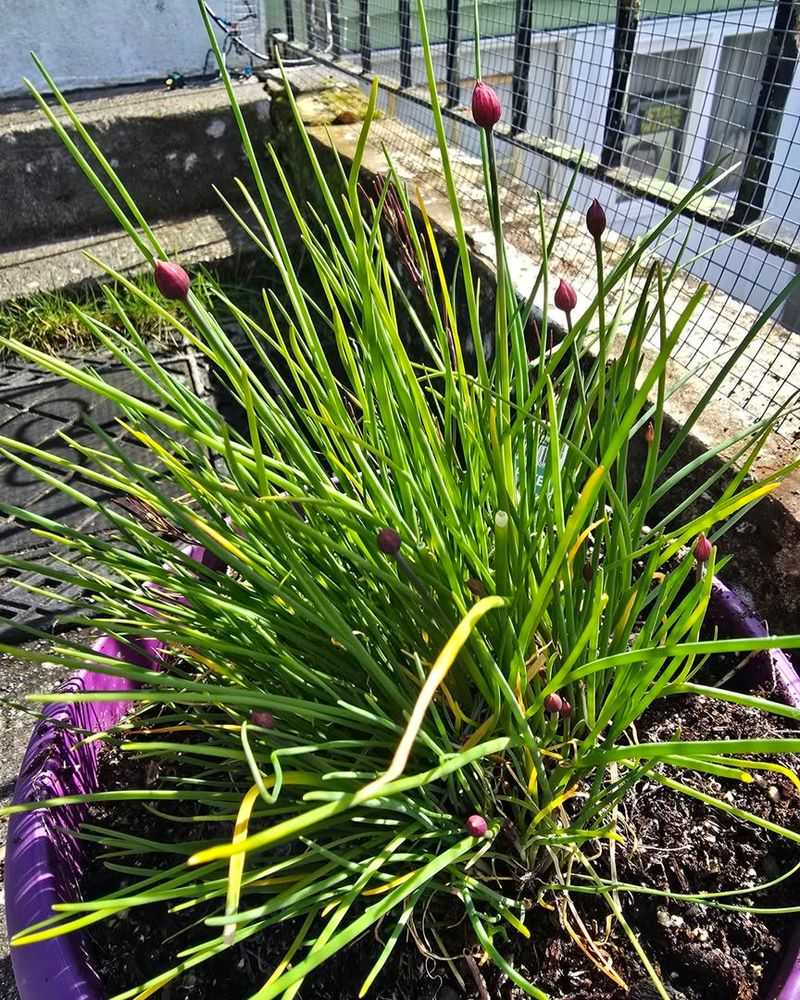
Cutting chives almost feels like it should slow them down, but it does the exact opposite. Snip a clump down to about two inches above the soil, and within a week or two fresh new blades are already pushing up strong and green.
In Georgia’s mild spring and fall weather, chives can be harvested every three to four weeks without any sign of slowing down.
Chives are one of the most cold-tolerant herbs on this list, which gives Georgia gardeners a real advantage. Plantings can go into buckets as early as late February or early March, well before most other herbs are ready.
Fall harvests often stretch into December before cold weather finally shuts growth down for the season.
A 5-gallon bucket holds a nice thick clump of chives comfortably, and that dense growth is exactly what you want. More plants per bucket means more to harvest each time.
Water regularly but avoid keeping soil constantly wet. Chives prefer slightly moist conditions rather than saturated ones.
Every two to three years, clumps can get crowded and productivity drops. Dividing the clump and replanting refreshes growth immediately.
Purple chive flowers that appear in spring are completely edible and add a mild onion flavor to salads. Letting a few flowers bloom in your Georgia garden is a nice bonus that also attracts bees and other pollinators.
8. Cilantro Prefers Cooler Weather And Early Planting
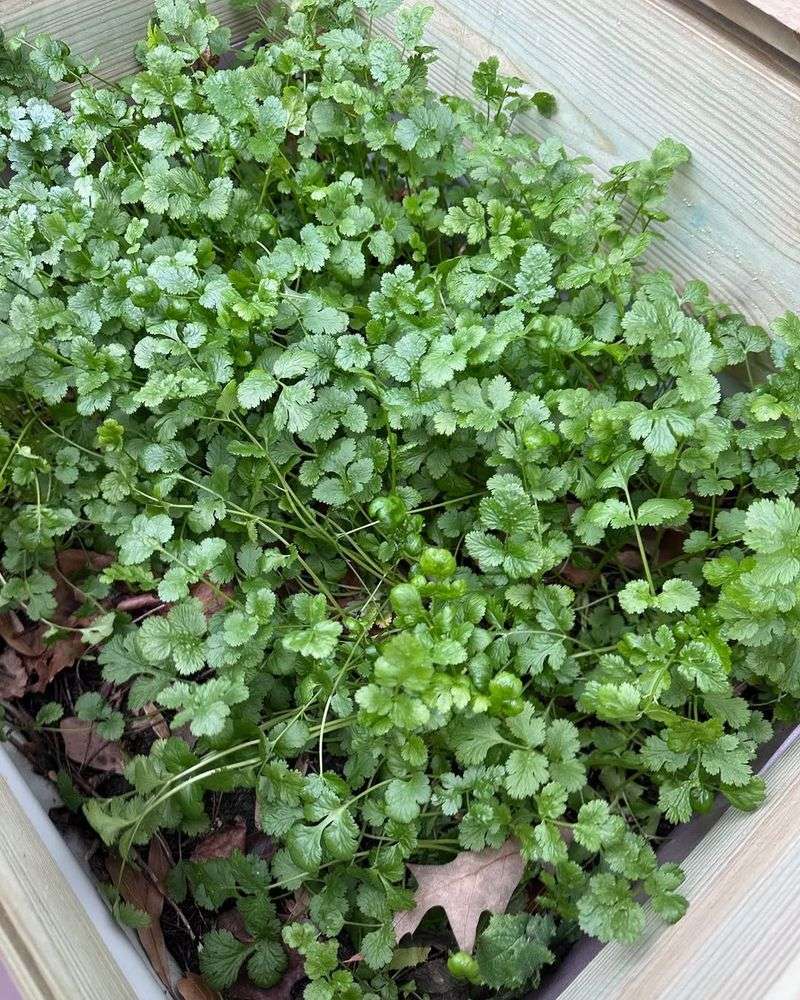
Timing is everything with cilantro in Georgia. Get it in the ground, or in a bucket, before the heat arrives and you will enjoy weeks of lush, fragrant harvests.
Wait too long and the plant rushes straight to seed the moment temperatures climb above eighty-five degrees. Early March or late September are the sweet spots for planting cilantro in Georgia containers.
Succession planting is a smart strategy that keeps cilantro coming in waves. Start a new bucket every two to three weeks from late winter through early spring, and again in early fall.
By the time one planting bolts in the heat, the next one is already producing. A little planning goes a long way with this herb.
Cilantro has a deep taproot and does not love being transplanted. Direct seeding into your 5-gallon bucket works better than starting seedlings elsewhere and moving them.
Scatter seeds across the surface, press them lightly into the soil, and keep moisture consistent until germination, which usually takes seven to ten days in cool Georgia spring weather.
Harvest by snipping outer stems regularly to slow bolting slightly and maximize your window of fresh leaves. Once flowers appear, seeds will follow, and those seeds, called coriander, are a useful spice in their own right.
Letting one bucket go to seed gives you a free supply of coriander and seeds for your next planting round.