Why Deer Are More Active In Michigan Yards From April To September
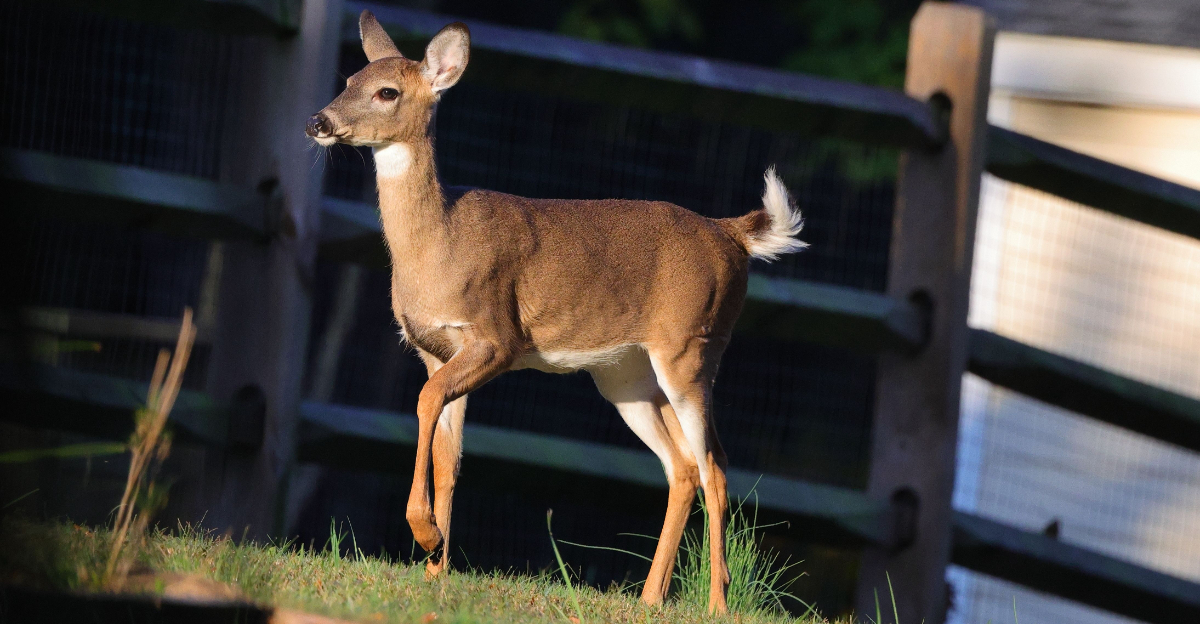
From the dense forests of the Upper Peninsula to the quiet suburbs of Oakland County, Michigan residents witness a dramatic surge in deer sightings as the spring thaw transitions into summer.
Between April and September, these graceful foragers become fixtures in our backyards, navigating the landscape with a focused intensity that peak during the fawning season.
This seasonal movement is fueled by the explosion of lush, nutrient-dense growth that follows the Great Lakes snowmelt, drawing herds away from winter cover and toward the irrigated bounty of residential gardens.
As does seek secure areas to raise their young and bucks capitalize on the high-protein buffet of the Mitten State’s mid-summer greenery, your landscape becomes a primary destination for their daily patrols.
Understanding the biological clock that drives this increased visibility allows you to better anticipate their behavior and adapt your outdoor space for a harmonious coexistence during these vibrant months.
1. Mating Season Begins In Early Spring
Spring in Michigan brings more than just warmer weather and blooming flowers. For white-tailed deer, April and May mark a period of increased movement as breeding cycles shift into a new phase.
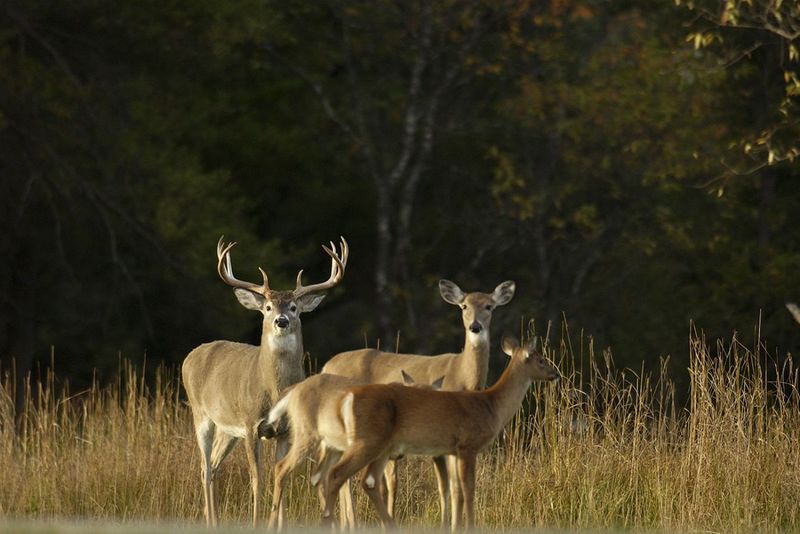
While the main rut happens in fall, does go through a secondary estrus cycle in early spring that gets bucks moving again through fields, forests, and yes, your backyard.
During these months, bucks become noticeably more restless, covering larger areas of land as they search for receptive does. This wandering behavior is what sends deer trotting through suburban neighborhoods and rural yards across Michigan.
You might spot them moving through your garden beds or crossing your lawn early in the morning, seemingly on a mission.
Does also increase their movement during this time, sometimes leading bucks on long chases through wooded neighborhoods. This back-and-forth activity significantly raises the number of deer sightings in residential areas throughout the state.
If you have noticed deer popping up in unexpected places around your property in spring, this seasonal mating behavior is likely a big reason why.
Knowing this pattern can help Michigan homeowners prepare their gardens before the deer show up looking for more than just a mate.
2. Deer Are Feeding More As Vegetation Grows
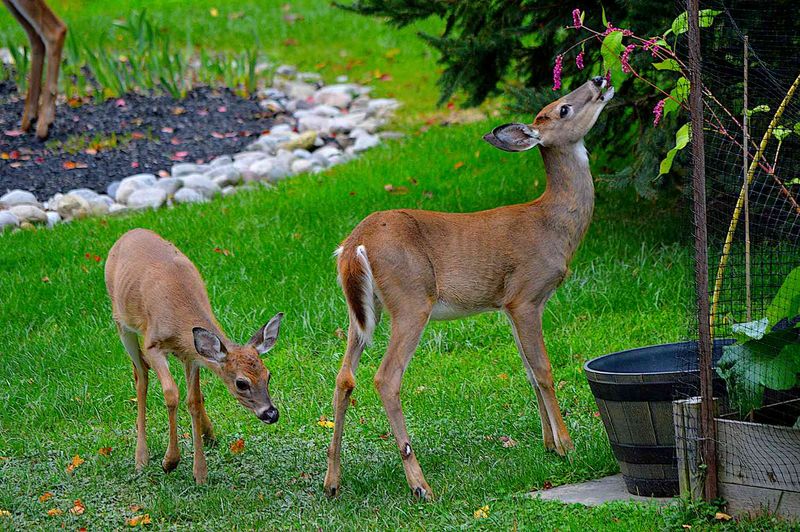
Few things attract deer to a Michigan yard faster than a fresh patch of green. From April through September, new leaves, tender grasses, and blooming flowers emerge across the landscape, offering deer one of the most nutritious buffets of the entire year.
Gardens and lawns essentially become free restaurants that deer visit again and again throughout the season.
Deer are selective feeders, meaning they seek out the most nutritious plants available. Young, soft vegetation is packed with water, protein, and energy that deer need after the long winter months.
Michigan yards often have exactly the kind of plants deer crave, including hostas, tulips, clover, and young shrubs that make easy, appealing snacks.
As summer heats up, deer continue to graze heavily because their bodies are working overtime to store energy and support fawns. The abundance of food during these months keeps deer active and on the move throughout the day and night.
Your Michigan Garden Changes Every Week. Your Plan Should Too.
Gardening in Michigan changes quickly throughout the season. Every Friday you’ll receive a simple weekly plan showing exactly what to plant, prune, fertilize, harvest, and protect so you never miss the right timing.
Homeowners across Michigan often notice bite marks on their plants or hoof prints in soft soil as evidence of these nighttime visitors.
Planting deer-resistant species or using physical barriers around your most prized plants can help protect your garden while still enjoying the beauty of deer passing through your yard.
3. Increased Fawn Development Drives Does Into Yards
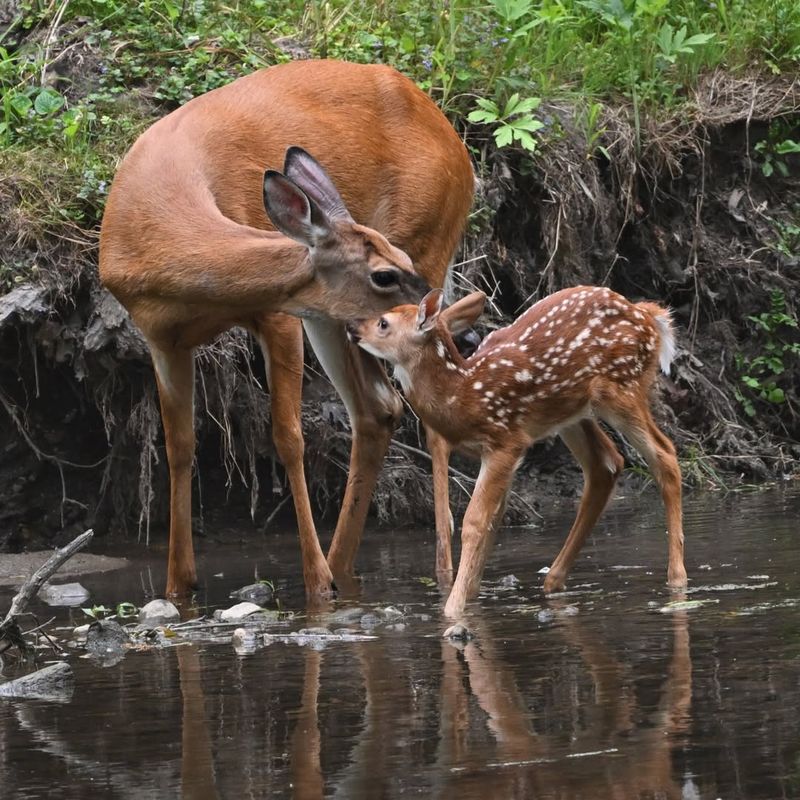
Something magical happens in Michigan backyards around late May and June every year. Does give birth to their fawns, and almost overnight, a single deer becomes a family.
Raising a fawn takes enormous energy, and that need for extra nutrition pushes does to search for food more aggressively, often venturing into yards where plants are lush and easy to reach.
Lactating does require significantly more calories than at any other point in the year. A nursing doe may need to consume up to three times her normal food intake to produce enough milk for her growing fawn.
Michigan yards filled with garden vegetables, ornamental plants, and freshly watered grass become prime targets during this high-demand feeding period.
You may notice a doe grazing in your yard while her fawn rests quietly nearby in tall grass or behind a shrub. Fawns stay hidden during their first few weeks of life while their mothers go out to feed.
This behavior is completely natural and is a big reason why deer activity spikes so noticeably in Michigan neighborhoods during June.
Understanding this stage of fawn development helps homeowners make sense of why deer seem so bold and frequent during the early summer months, often returning to the same yard multiple times each day without hesitation.
4. Deer Become More Visible As They Shed Their Winter Coats

Every spring, deer across Michigan go through a remarkable physical transformation that makes them far easier to spot in yards and open spaces.
As temperatures climb, deer begin shedding their thick, grayish-brown winter coats and replacing them with a lighter, reddish-brown summer coat.
During this transition, their fur looks patchy and uneven, which can make them stand out clearly against green lawns and garden backgrounds.
This coat-shedding process, called molting, happens gradually over several weeks in April and May. As deer feel more comfortable in the warming temperatures, they also move around more freely, spending less time tucked away in dense cover.
You will likely see them grazing in open areas of your yard far more often than during the colder months when they tend to stay hidden.
The lighter summer coat also means deer overheat less quickly during warm days, allowing them to stay active for longer stretches of time.
Michigan residents who pay attention to this seasonal shift often notice a dramatic increase in daytime deer sightings during April and May compared to the winter months.
Watching a deer move through your yard during this transition is a genuine sign that warmer days have arrived. It is one of those small, beautiful reminders that Michigan seasons bring constant change right to your doorstep.
5. Young Deer Becoming Independent Increases Yard Sightings
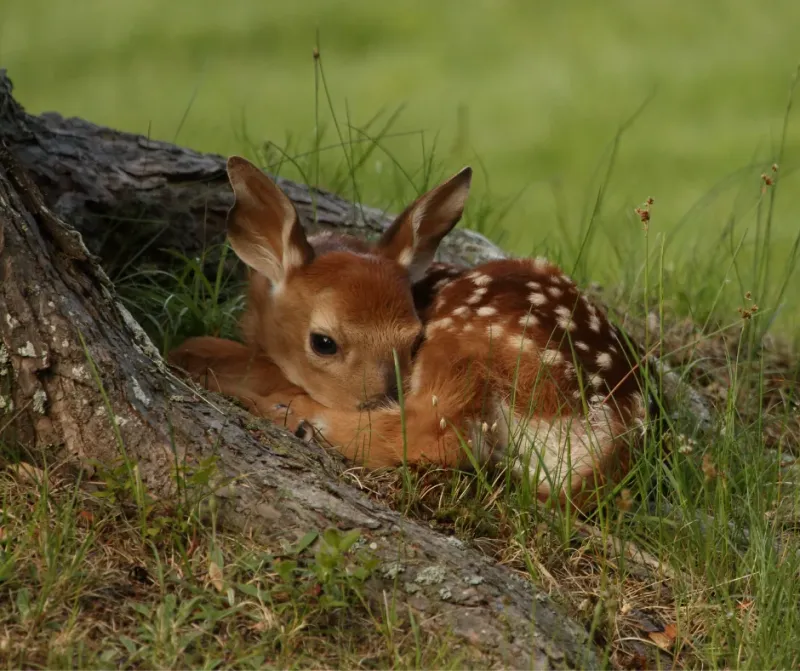
By the time July rolls around in Michigan, something exciting starts happening with the fawns born back in late spring. They are growing fast, their spots are fading, and they are starting to venture out on their own.
This shift toward independence is a major reason why deer sightings in yards and neighborhoods increase noticeably during midsummer.
Young deer, sometimes called yearlings, are naturally curious and bold as they begin exploring the world without their mothers guiding every step. They wander farther from their bedding spots in search of food, often stumbling into suburban yards where gardens and lawn plants offer easy meals.
Unlike older, more cautious deer, these young animals have not yet developed a strong fear of human activity, making them more likely to stroll right through your backyard in broad daylight.
Michigan homeowners often find themselves watching a young deer nibble on their flower beds or stand curiously near a patio without much concern.
While it can feel charming, this is also the time when gardens face some of the highest risk of deer browsing damage throughout the entire season.
Understanding that these are simply young deer finding their footing helps put the experience in perspective. Setting up gentle deterrents during July and August can help protect your plants while the fawns finish growing into their independence and begin making smarter choices about where they feed.
6. Garden Crops Attract Deer From June Through September
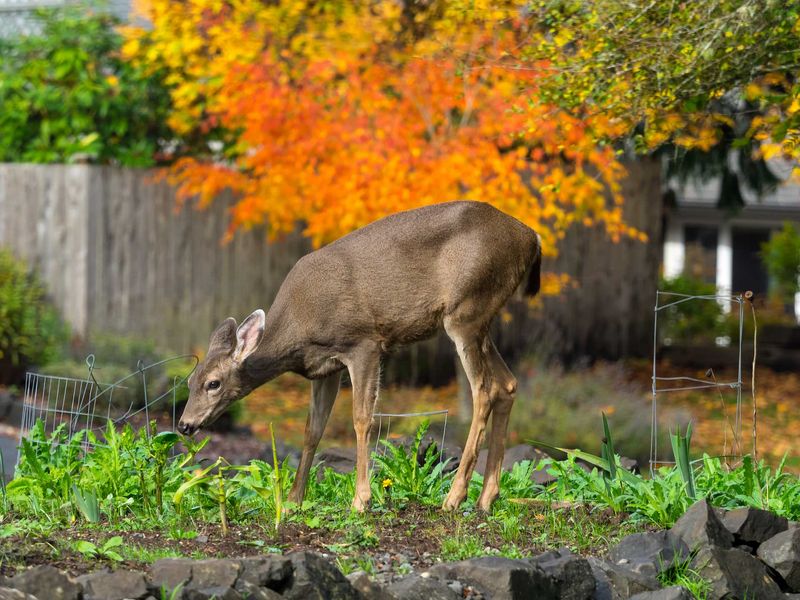
Ask any Michigan gardener what their biggest summer challenge is, and there is a good chance deer will come up quickly in the conversation.
From June through September, when home gardens are bursting with tomatoes, peppers, beans, and ornamental flowers, deer treat these carefully tended spaces like a personal salad bar.
The timing lines up perfectly with peak garden growth, making this one of the most frustrating seasons for plant lovers across the state.
Deer are naturally drawn to the soft, tender, and highly nutritious plants that thrive in cultivated gardens. Hostas, roses, lettuce, and young fruit trees are among their top favorites, but they will sample almost anything that looks fresh and appealing.
A single deer can cause surprising amounts of garden damage in just one overnight visit, leaving behind chewed stems and hoof prints as the only evidence.
Michigan gardeners have found success using a variety of strategies to protect their crops during these active months. Tall fencing, motion-activated sprinklers, and deer-repellent sprays are popular options that can reduce browsing without harming the animals.
Some gardeners also plant strongly scented herbs like lavender and mint around the garden border, which deer tend to avoid.
Taking a few simple precautions before June arrives can make a huge difference in how much of your harvest actually makes it to your dinner table by September.
7. Deer Have Adapted Well To Suburban Michigan Environments
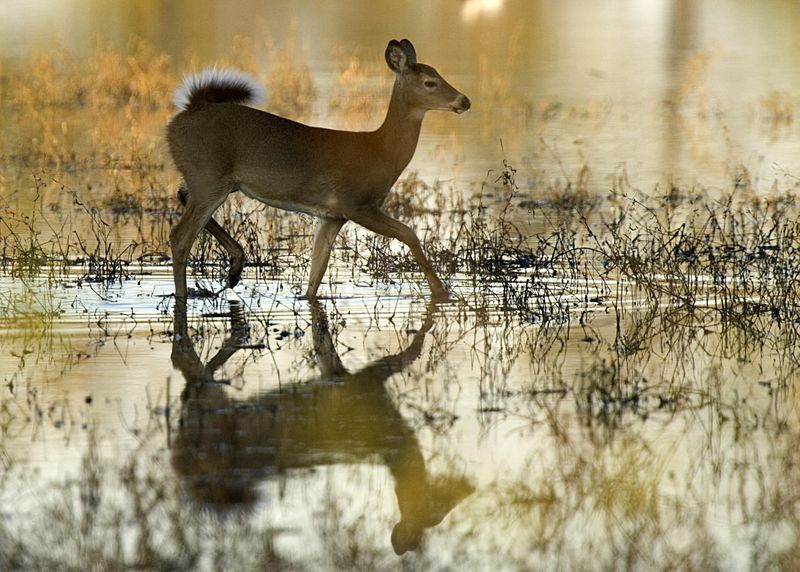
Over the past few decades, deer in Michigan have become remarkably comfortable living alongside people in suburban and even semi-urban areas. As neighborhoods expanded into what was once forest and farmland, deer did not retreat.
Instead, they adapted, learning that subdivisions, parks, and residential streets offer reliable food, water, and cover throughout the warmer months.
Suburban yards often provide exactly what deer need to thrive during spring and summer. Ornamental shrubs, garden plants, bird feeders, and water features create an environment that feels safe and rewarding for deer.
Without the pressure of natural predators that exist deeper in the wild, suburban deer in Michigan grow bolder over time, returning to the same yards season after season with increasing confidence.
This adaptation is not random. Deer are highly intelligent animals that remember where food is available and where they have felt safe in the past.
A yard that offered easy meals one summer is very likely to see repeat visitors the following year.
Michigan wildlife experts note that this suburban comfort zone is one of the main reasons deer activity in residential areas remains so consistently high from April through September.
Homeowners who want to discourage visits can remove attractants like fallen fruit, exposed bird seed, and low-hanging garden plants that make their yard an easy target for these resourceful and adaptable animals.
8. Deer Are Most Active At Dusk And Dawn During Warmer Months
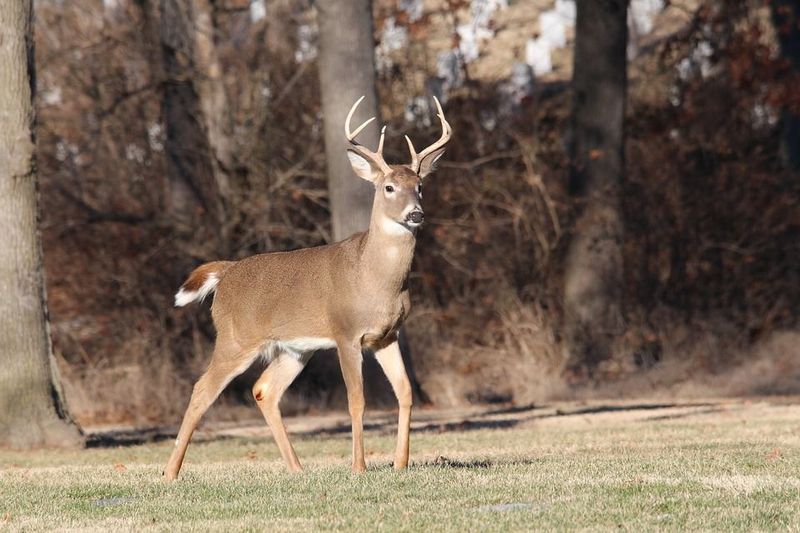
Deer are crepuscular animals, which is a fancy word that simply means they are most active during the low-light hours of dawn and dusk. During the warmer months of April through September in Michigan, this behavior becomes especially noticeable in suburban yards.
As temperatures climb during midday, deer instinctively seek shade and rest, then re-emerge when the air cools down in the early morning and evening hours.
This daily pattern is one of the reasons so many Michigan residents spot deer while drinking their morning coffee or sitting on the porch after dinner.
Deer move through yards, graze along garden edges, and cross streets during these quieter parts of the day when human activity is lower and temperatures are more comfortable.
The longer daylight hours of summer actually extend the window of time when deer feel comfortable moving around in the open.
Understanding this rhythm can be genuinely useful for homeowners who want to catch a glimpse of wildlife or, on the flip side, protect their gardens from browsing.
Checking your yard around sunrise and sunset during the summer months gives you the best chance of spotting deer in action.
Michigan wildlife enthusiasts often set up cameras near garden edges or wooded borders to capture footage of these graceful animals moving through during the golden hours of the day, creating memories that feel truly special.
9. Food Scarcity In Natural Habitats Pushes Deer Into Yards
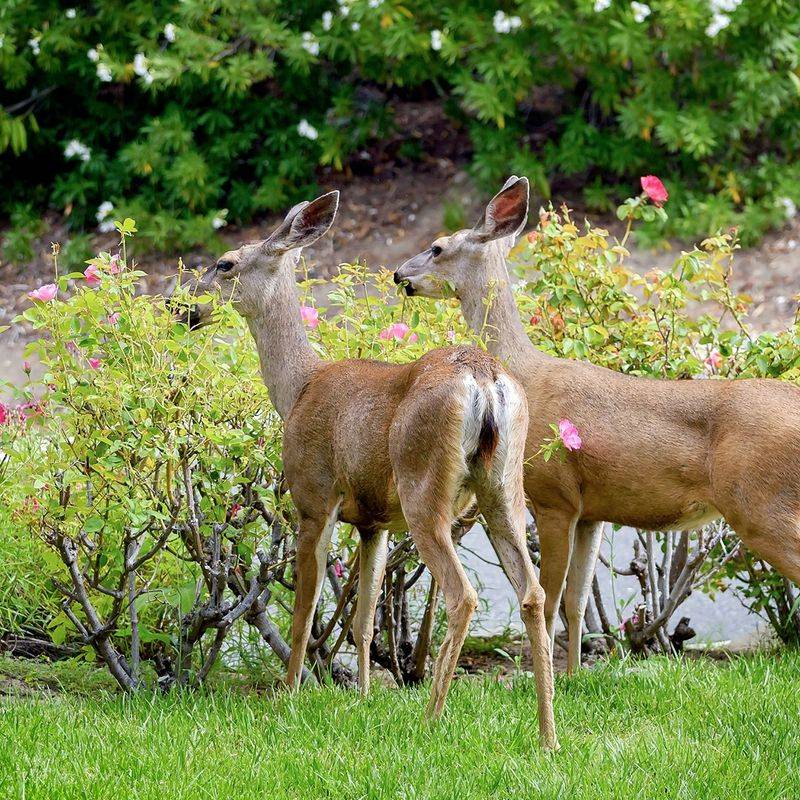
By the time August and September arrive in Michigan, something shifts in the natural landscape that sends deer moving in new directions.
Certain native plants have finished their growing season, dry conditions can reduce the availability of fresh vegetation in forests and fields, and competition among wildlife for remaining food sources increases.
All of this pushes deer toward suburban yards where irrigated gardens and ornamental plants stay green and appealing long after natural areas begin to look tired.
Late summer food pressure is a real and well-documented factor in deer behavior across Michigan. As wild berries get consumed, grasses dry out, and woodland undergrowth thins, deer expand their search radius significantly.
Residential yards with fruit trees, vegetable gardens, or well-watered ornamental plants become highly attractive destinations during these final months of the active season.
Michigan homeowners often notice a second surge of deer activity in August and September that can rival the spring feeding rush.
Deer may arrive in small groups, grazing more urgently and spending longer periods of time in yards compared to earlier in the season.
Keeping gardens protected during this late-summer window is just as important as protecting them in spring.
Simple measures like trimming low-hanging branches, picking ripe fruit promptly, and using repellent sprays can go a long way toward reducing damage and keeping your yard looking great right through the end of September.