7 Plants Texas Gardeners Should Think Twice Before Growing Next To Zinnias
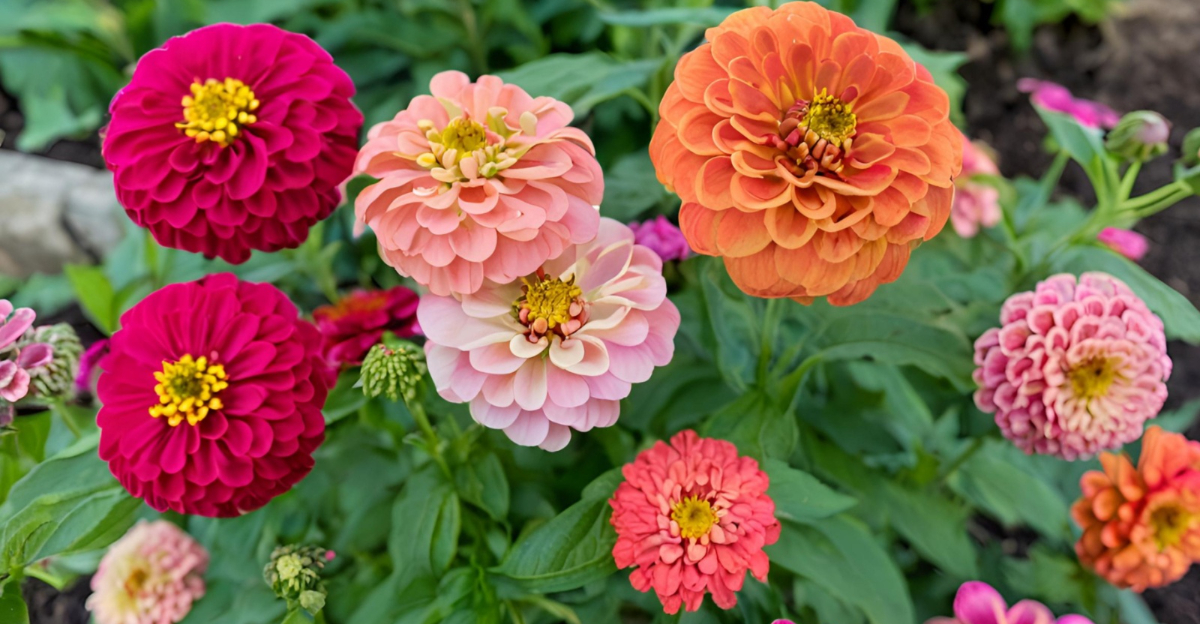
Could the secret to a summer-long explosion of Texas zinnias be as simple as who you don’t plant next to them?
These cheerful, sun-loving icons are famous for thriving in our scorching heat and attracting a parade of pollinators.
However, even the toughest zinnia can struggle when paired with the wrong neighbors. In the intense humidity and rapid growth of a Texas summer, choosing the wrong companions often leads to overcrowding and poor airflow.
This creates a breeding ground for disease that can stifle your blooms just when they should be peaking.
By identifying which fast-growing crops to keep at a distance, you can ensure your zinnias have the breathing room they need to stay vibrant until autumn.
1. Cucumbers Can Crowd Zinnias And Limit Airflow
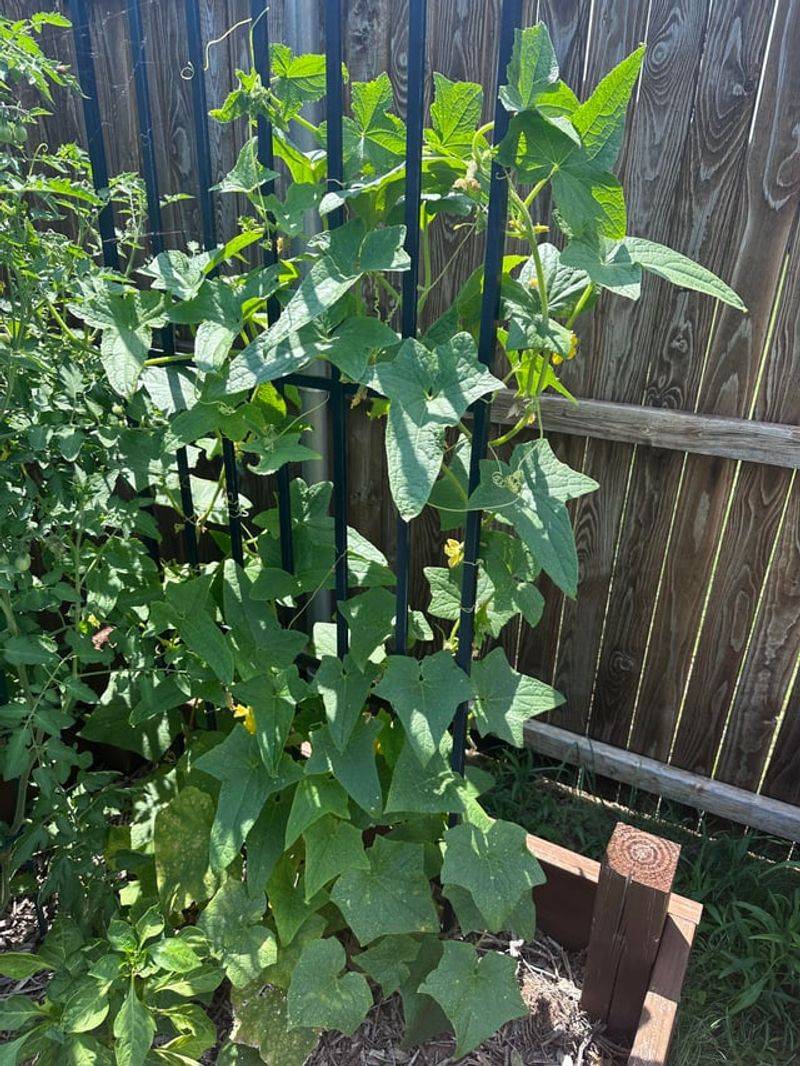
Anyone who has grown cucumbers in a Texas summer knows just how fast those vines can take off once the heat kicks in. What starts as a tidy transplant can become a sprawling tangle of leaves and tendrils within just a few weeks.
When cucumbers are planted close to zinnias, the vines often creep into zinnia space and wrap around stems, making it hard for air to move freely between plants.
Poor airflow is a real problem for zinnias in Texas, where humidity can spike quickly after summer rains. When air gets trapped between dense foliage, moisture sits on leaves longer than it should.
That kind of damp environment is exactly what powdery mildew and other fungal issues look for to get started. Zinnias are already somewhat prone to powdery mildew, so placing them next to a plant that blocks air movement only increases that risk.
Cucumbers are also heavy feeders, pulling significant nutrients from the soil, which can leave less available for nearby zinnias trying to push out new blooms.
A common mistake Texas gardeners make is planting cucumbers and zinnias in the same raised bed without accounting for how much space the vines will need by midsummer.
Giving cucumbers their own trellis system at least four to five feet away from your zinnia bed can help both plants perform better throughout the season.
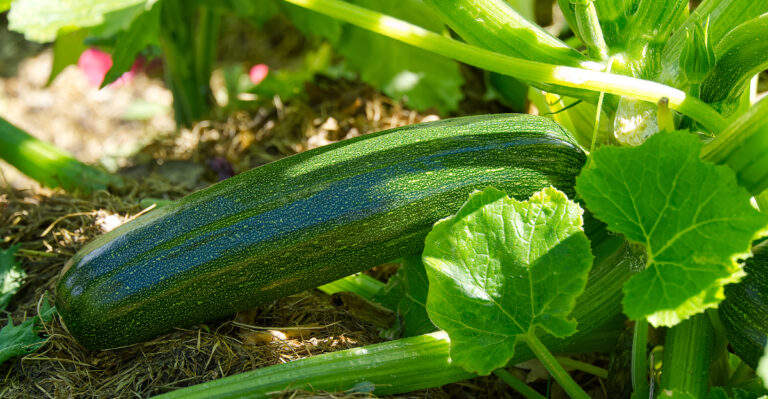
2. Squash Leaves Can Smother Zinnias In A Hurry
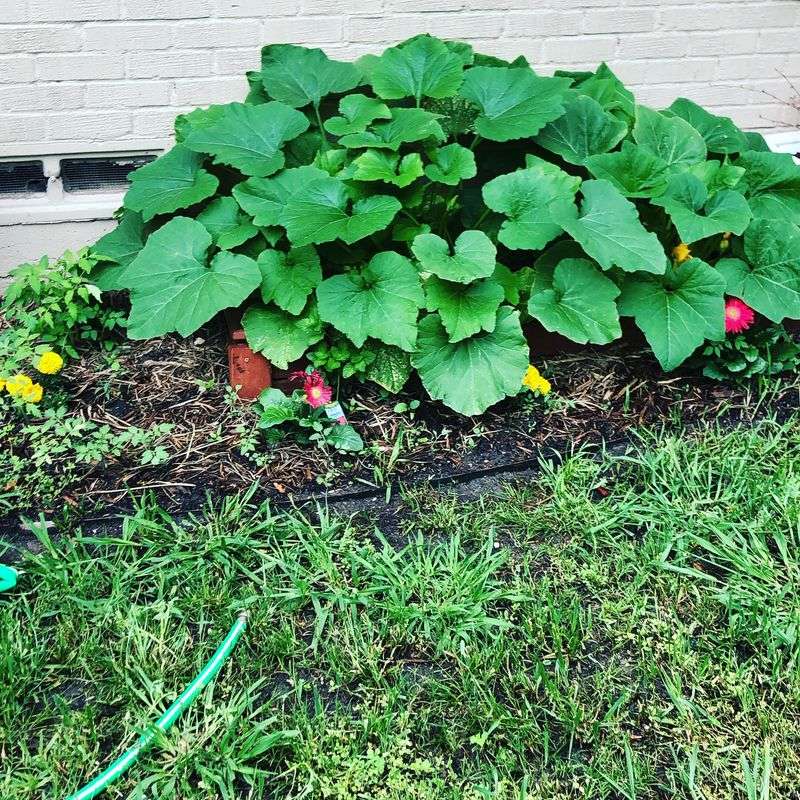
Squash has some of the largest leaves in the vegetable garden, and in Texas heat, those leaves grow at a pace that can genuinely catch gardeners off guard.
A single zucchini or summer squash plant can spread its canopy three to four feet wide in a matter of weeks, easily shading out shorter plants growing nearby.
Zinnias need full sun to produce their best blooms, and when squash leaves start blocking that light, flowering slows down noticeably.
Beyond light competition, squash leaves create a dense microclimate underneath them that stays humid and shaded.
In Texas, where afternoon storms can leave soil and foliage wet for hours, that trapped moisture becomes a breeding ground for fungal problems.
Zinnias sitting under or beside squash leaves may develop spotting, stem rot, or powdery mildew faster than plants growing in open, breezy spots.
Your Texas Garden Changes Every Week. Your Plan Should Too.
Gardening in Texas changes quickly throughout the season. Every Friday you’ll receive a simple weekly plan showing exactly what to plant, prune, fertilize, harvest, and protect so you never miss the right timing.
Squash also sends out roots aggressively near the soil surface, competing with zinnias for both water and nutrients at the same level.
Gardeners sometimes try to tuck zinnias at the base of squash plants thinking the flowers will add color to the bed, but the squash almost always wins that competition by late July.
A smarter approach is to grow squash in its own dedicated section of the garden and plant zinnias along open borders or in separate raised beds where they can get the full sun and airflow they need to thrive through the Texas summer.
3. Pumpkins Take Over Space Zinnias Need To Shine
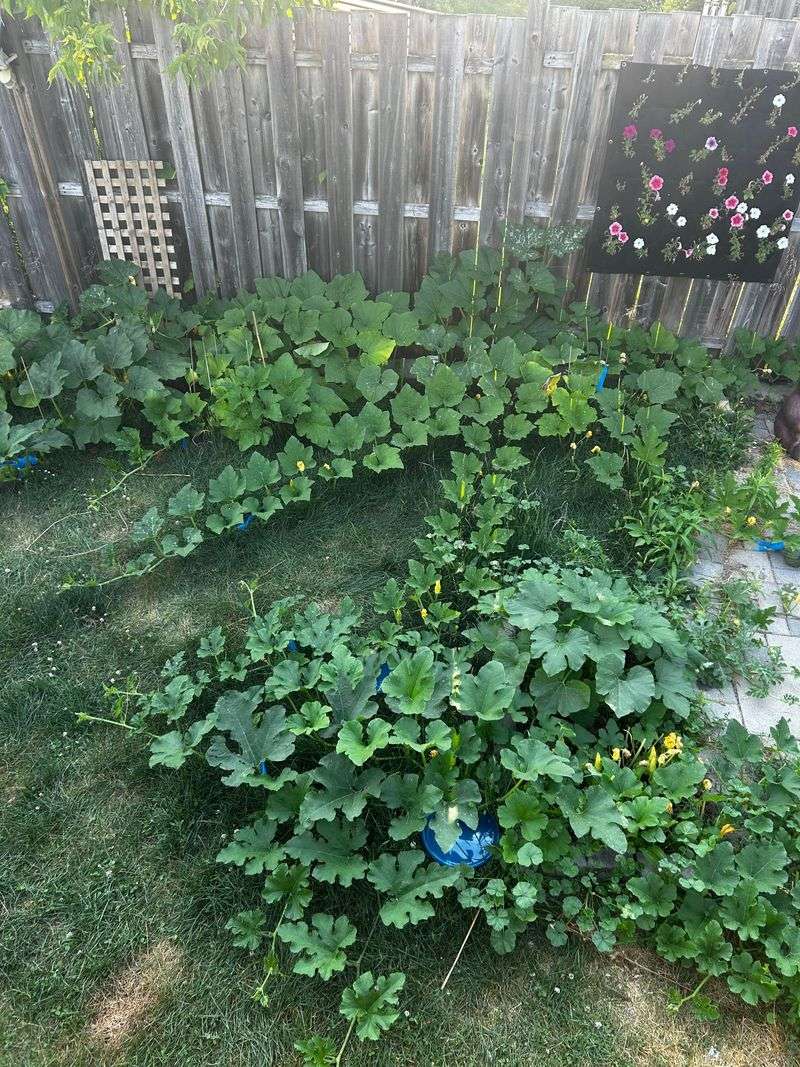
Pumpkins are ambitious plants by nature, and in the warm Texas climate, they live up to that reputation in a big way.
A single pumpkin vine can easily run six to ten feet or more across the ground, sending out side shoots that branch off in every direction.
For zinnias planted anywhere nearby, that kind of aggressive spread can mean getting buried under foliage before the season even hits its peak.
The crowding issue goes beyond just physical space. Pumpkin vines and leaves create a thick mat that blocks sunlight from reaching zinnia stems and lower foliage.
Without adequate light reaching the base of the plant, zinnias tend to get leggy and produce fewer flowers. In a Texas garden where the goal is big, bold color from summer through fall, that is a trade-off most gardeners would rather avoid.
Pumpkins and zinnias also share some of the same pest pressures, including cucumber beetles and squash bugs, which can move freely between plants when they are growing in close quarters.
Keeping pumpkins at a healthy distance from your zinnia patch reduces that shared risk considerably.
If you want to grow both in the same garden, try directing pumpkin vines toward an open area of the yard, away from flower beds. Using row covers early in the season can also help manage pest pressure before the vines get too large to cover.
Spacing is really the key to making both plants happy.
4. Potatoes Compete For Nutrients Zinnias Need For Blooming
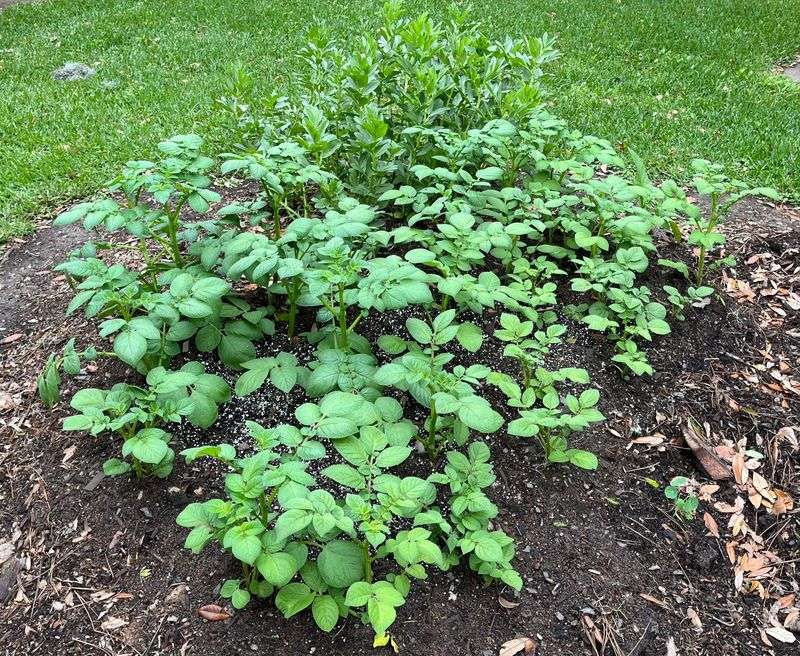
Potatoes might not look like aggressive competitors at first glance, but underground they are quietly pulling nutrients from the soil in impressive amounts.
Phosphorus and potassium are two nutrients that potatoes consume heavily, and those happen to be the same nutrients zinnias rely on most for developing strong roots and producing abundant flowers.
When these two plants share a bed, zinnias often come out on the losing end of that nutrient competition.
Texas gardeners who grow potatoes in spring beds sometimes try to follow up with zinnias in the same space for summer color. While that sounds like a smart use of space, leftover potato roots and depleted soil can leave zinnias struggling to establish and bloom well.
Amending the soil generously between crops helps, but it does not always fully restore what a potato crop has taken.
Potatoes and zinnias also have slightly different watering preferences, which can create management challenges in a shared bed.
Potatoes prefer consistent, deep watering to develop tubers, while zinnias like to dry out a bit between waterings to avoid fungal problems at the soil line.
In humid parts of Texas, overwatering zinnias to satisfy nearby potatoes is a common mistake that leads to root issues and disease.
Growing potatoes in a separate raised bed or dedicated row, then rotating that space to zinnias with fresh compost worked in, tends to give both crops a much better outcome throughout the Texas growing season.
5. Fennel Can Be A Tricky Neighbor For Many Garden Plants
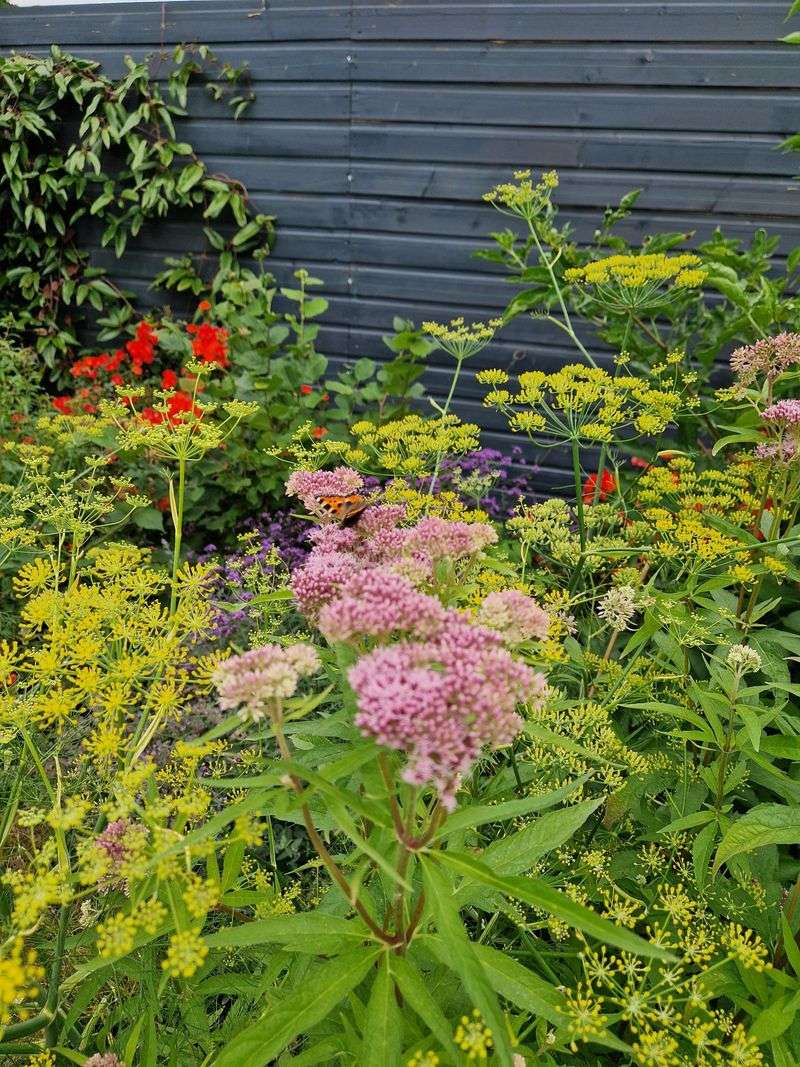
Fennel has earned a bit of a reputation in gardening circles as a plant that does not always play well with others, and that reputation is well deserved.
The plant releases certain natural compounds through its roots and fallen foliage that can interfere with the growth of neighboring plants.
For zinnias, this can mean slower germination from seed, stunted growth in young transplants, or reduced overall vigor even in established plants growing too close to fennel.
This type of chemical interference, sometimes called allelopathy, is not always dramatic or obvious right away.
A Texas gardener might notice that zinnias near fennel just seem to underperform without a clear reason, producing fewer blooms or looking slightly off compared to zinnias growing elsewhere in the garden.
The effect tends to be more noticeable in smaller beds where plants are growing in close proximity with limited soil volume between them.
Fennel also tends to attract beneficial insects like swallowtail butterfly caterpillars and certain parasitic wasps, which is great for the broader garden ecosystem. However, it can also draw aphids that occasionally spread to neighboring plants.
Growing fennel in a container or in a separate section of the garden away from zinnias and most other vegetables is a widely recommended approach.
That way you still get the culinary benefits of fresh fennel and the pollinator activity it brings, without risking the health or productivity of your zinnia bed during the long Texas growing season.
6. Tall Sunflowers Can Steal Light From Nearby Zinnias
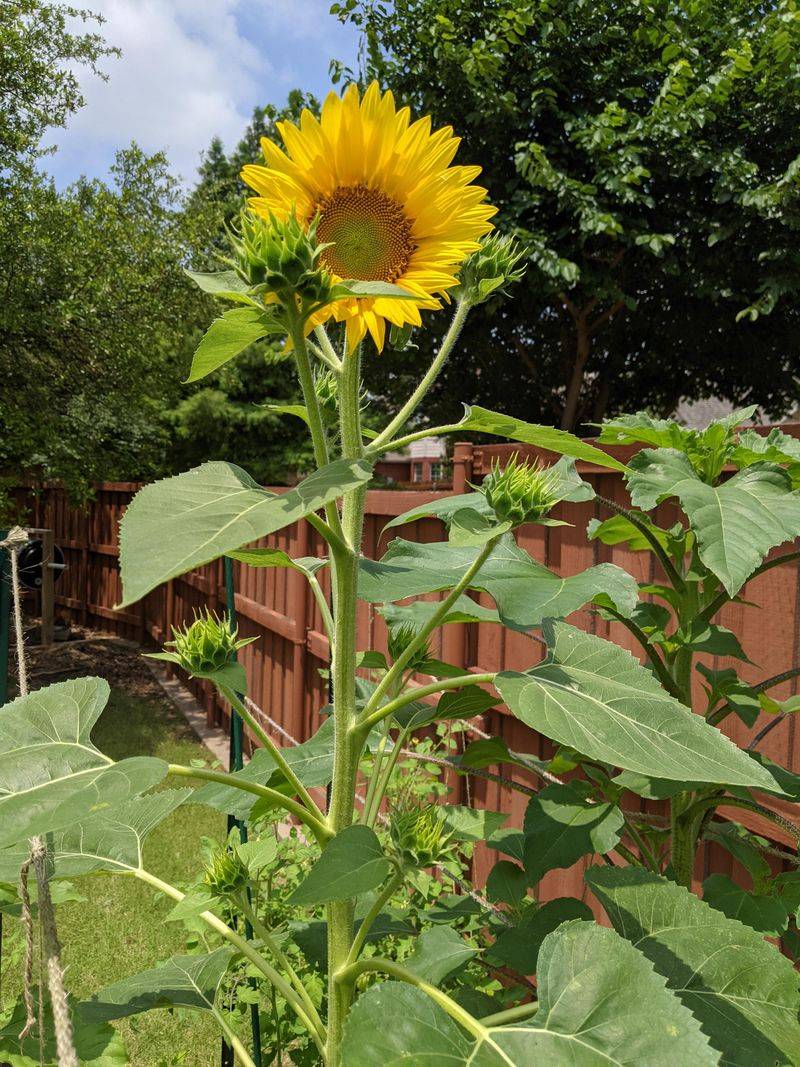
Sunflowers and zinnias are both warm-season favorites that show up in Texas gardens every summer, and it is tempting to plant them together for a bold, colorful display.
The problem is that many sunflower varieties grow six, eight, or even ten feet tall, and those towering plants cast long shadows across whatever is growing nearby.
Zinnias need at least six hours of direct sun each day to bloom at their best, and even a few hours of shade from a tall sunflower can noticeably reduce flower production.
The shading issue gets more complicated depending on the orientation of your garden beds.
In Texas, where the sun moves across the southern sky, tall sunflowers planted on the south or west side of a zinnia bed can block afternoon light during the hottest and brightest part of the day.
That blocked light does not just slow blooming, it can also create a slightly cooler, more humid zone near the base of the zinnias, which encourages fungal problems in an already humid Texas summer.
Sunflowers also have extensive root systems that compete with zinnias for both water and nutrients across a surprisingly wide area.
A practical solution is to plant tall sunflowers along the north side of your zinnia bed, where their shadow falls away from the flowers rather than over them.
Dwarf sunflower varieties that stay under three feet are also a friendlier option for gardeners who want both plants sharing the same general garden space without one dominating the other.
7. Corn Creates Shade And Heavy Competition In Summer Beds
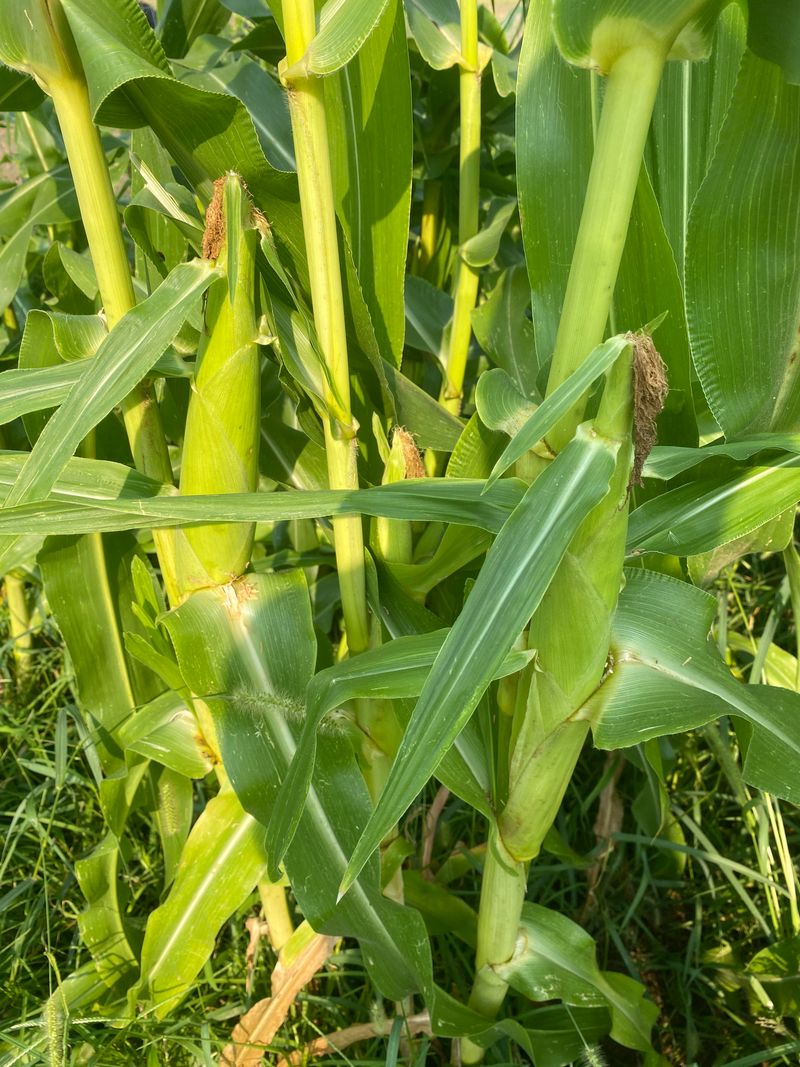
Growing corn in a Texas garden is a satisfying project, but the moment those stalks start shooting up in early summer, everything growing nearby begins to feel the effects.
Corn can reach six to eight feet tall within a couple of months, and a block planting of corn creates a wall of shade that dramatically reduces light levels for any shorter plants growing alongside it.
For zinnias, which are sun-hungry and bloom-driven, that shade is a serious obstacle.
Beyond blocking light, corn is one of the heaviest nitrogen feeders in the vegetable garden.
When corn and zinnias share bed space or even nearby raised beds with connected soil, the corn tends to pull available nitrogen quickly, especially during its rapid vegetative growth phase in late spring and early summer.
Zinnias with limited nitrogen access tend to look pale, grow slowly, and produce smaller blooms than they otherwise would in well-fed soil.
Corn also requires a lot of water to develop properly, and keeping soil consistently moist for corn while trying to avoid overwatering zinnias in the same area is a tricky balancing act in Texas heat.
Wet soil around zinnia crowns in hot, humid conditions can lead to crown rot and other fungal issues relatively quickly.
Planting corn in its own dedicated section of the garden, well away from ornamental flower beds, gives both crops the growing conditions they need and prevents the competition that tends to shortchange zinnias when these two plants share the same summer space.