The Birds That Nest In Oregon Gardens Every Spring
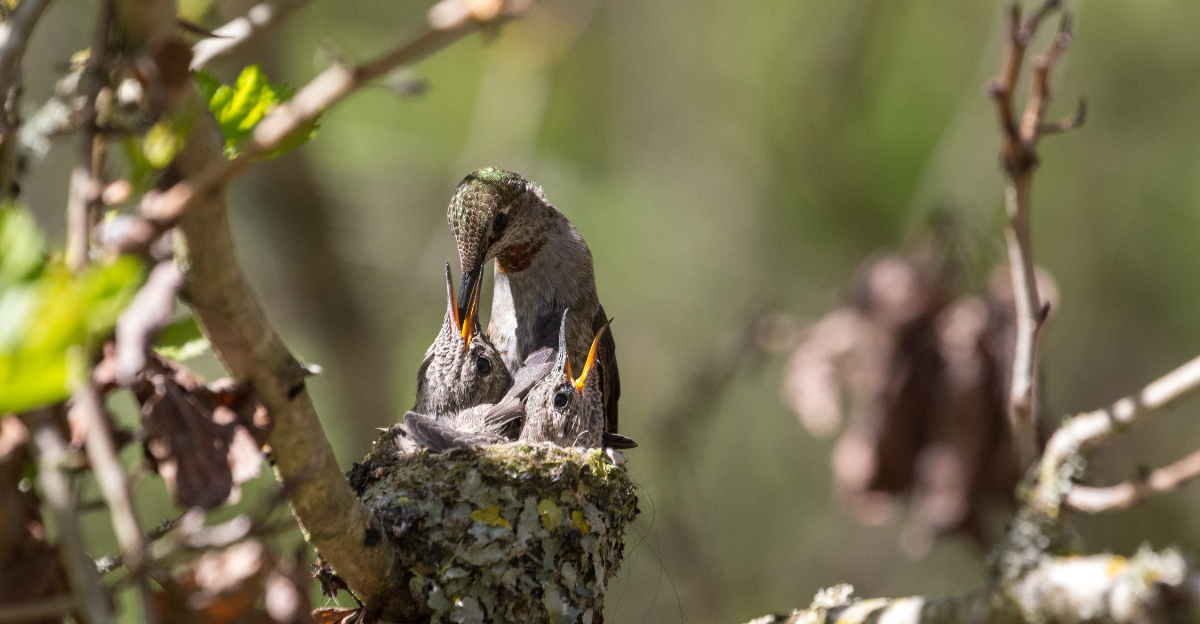
Oregon’s spring season brings more than just rain and blooming flowers. If you look closely at your trees and hedges, you will see a massive construction boom happening.
Local wildlife is busy scouting for the best real estate to build homes and raise their young. It is a lively time of year where your backyard becomes a hub of activity.
These small visitors are incredibly picky about finding a safe spot that offers protection from the weather. You might see them carrying bits of grass or mud to create sturdy structures tucked away in your greenery.
It is fun to watch the progress from your porch while you enjoy the fresh air. Your garden provides a vital space for these neighbors to thrive during the busiest months of the year.
Seeing them work so hard to create a home is a great reminder of how much life is happening right in your neighborhood.
1. American Robin
Few sounds say “spring in Oregon” quite like the cheerful, rolling song of the American Robin echoing across a quiet morning garden.
This bird is one of the most recognizable backyard visitors in the state, thanks to its bold orange-red breast and confident, upright posture.
Robins often show up before other species, sometimes arriving in late February or early March when the ground is still soft from winter rain.
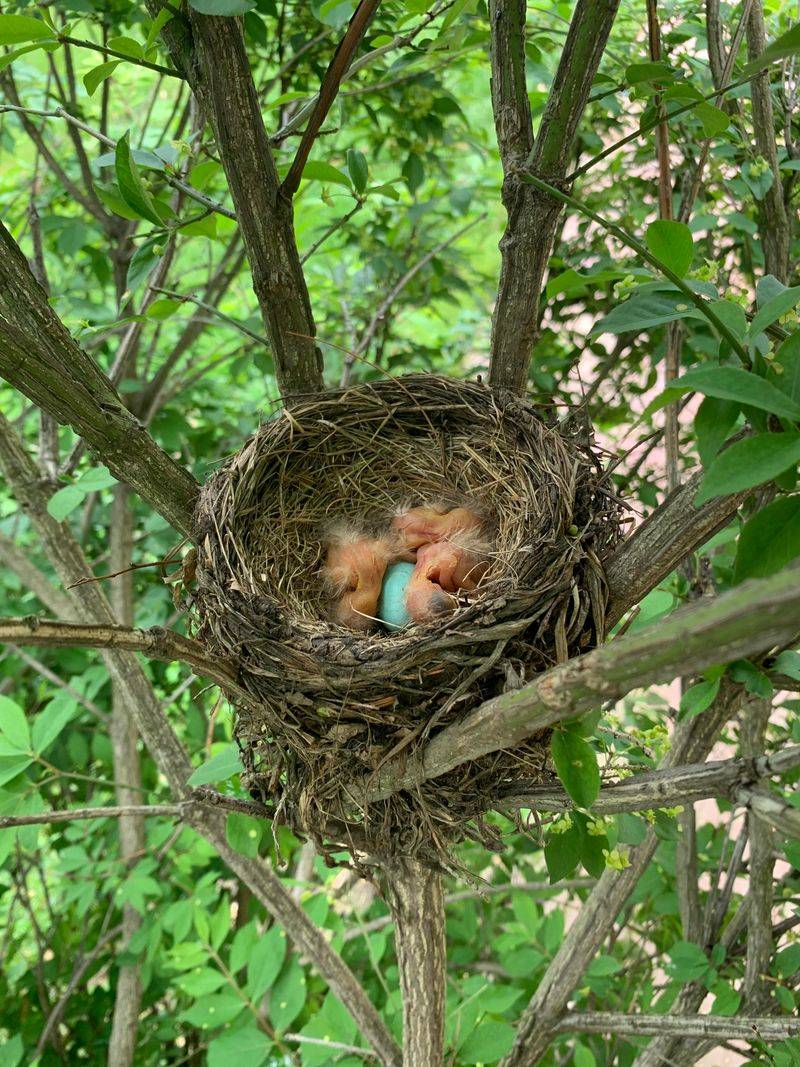
Robins love to nest in trees and shrubs, often choosing spots where branches provide a sturdy platform and some overhead cover. They build cup-shaped nests using mud, grass, and twigs.
Oregon gardeners frequently spot these nests tucked into fruit trees, ornamental shrubs, or even on window ledges and porch beams.
One of the best ways to attract robins is to keep a patch of lawn or bare soil where they can hunt for earthworms. They also enjoy berry-producing plants like serviceberry and elderberry, both of which grow well across Oregon.
A shallow birdbath gives them a reliable water source too. Once a robin finds your garden welcoming, it often returns to the same spot year after year.
2. Anna’s Hummingbird
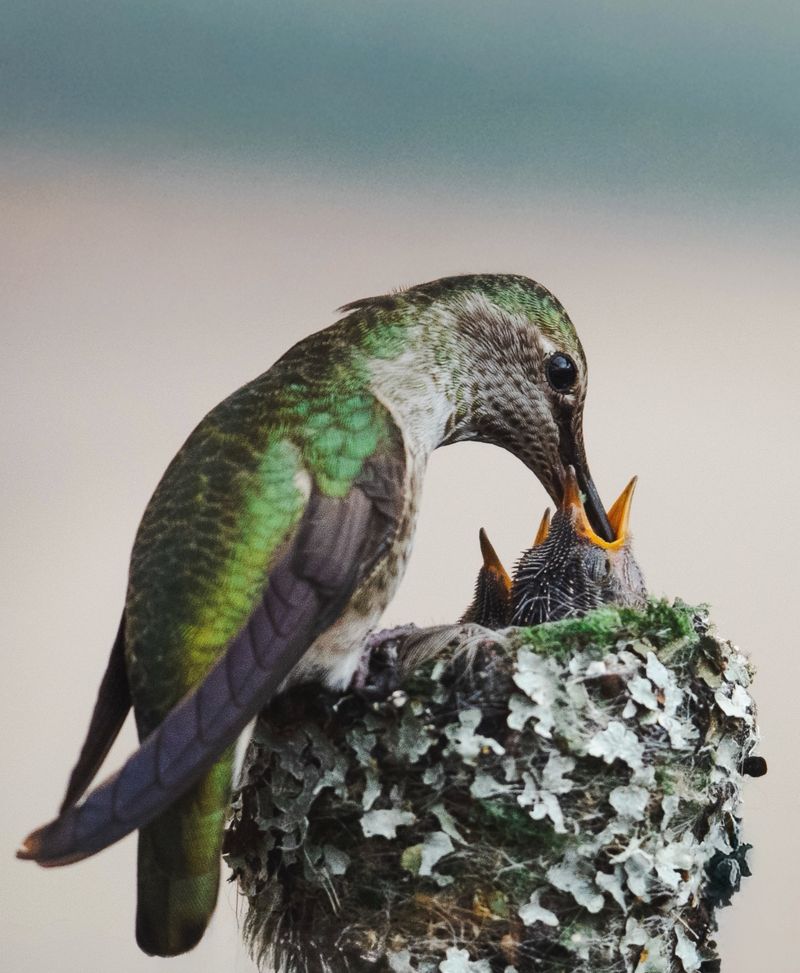
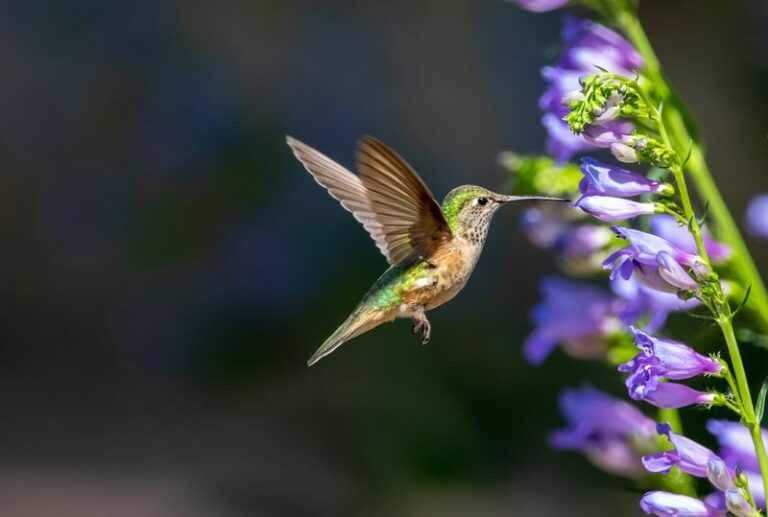
Most hummingbirds head south when temperatures drop, but Anna’s Hummingbird is a true year-round resident of Oregon, tough enough to stick around through chilly Pacific Northwest winters.
By early spring, males are already performing dramatic aerial displays, diving from great heights and pulling up sharply to create a loud popping sound with their tail feathers.
It is one of the most impressive courtship shows in the bird world.
Females handle all the nest-building on their own, constructing a tiny, stretchy cup using plant fibers and spider silk. The silk allows the nest to expand as the chicks grow.
Nests are often placed on small branches or even on wire or string in sheltered garden spots throughout Oregon.
To attract Anna’s Hummingbirds, plant native flowering shrubs like red-flowering currant, which blooms perfectly in sync with their spring nesting season. Hanging a hummingbird feeder with plain sugar water also helps, especially during cold snaps when flowers are scarce.
Your Oregon Garden Changes Every Week. Your Plan Should Too.
Gardening in Oregon changes quickly throughout the season. Every Friday you’ll receive a simple weekly plan showing exactly what to plant, prune, fertilize, harvest, and protect so you never miss the right timing.
Avoid using red dye in the feeder solution since plain sugar water is both safer and just as effective. These tiny birds pack a big personality and will quickly become a garden favorite.
3. Black-Capped Chickadee
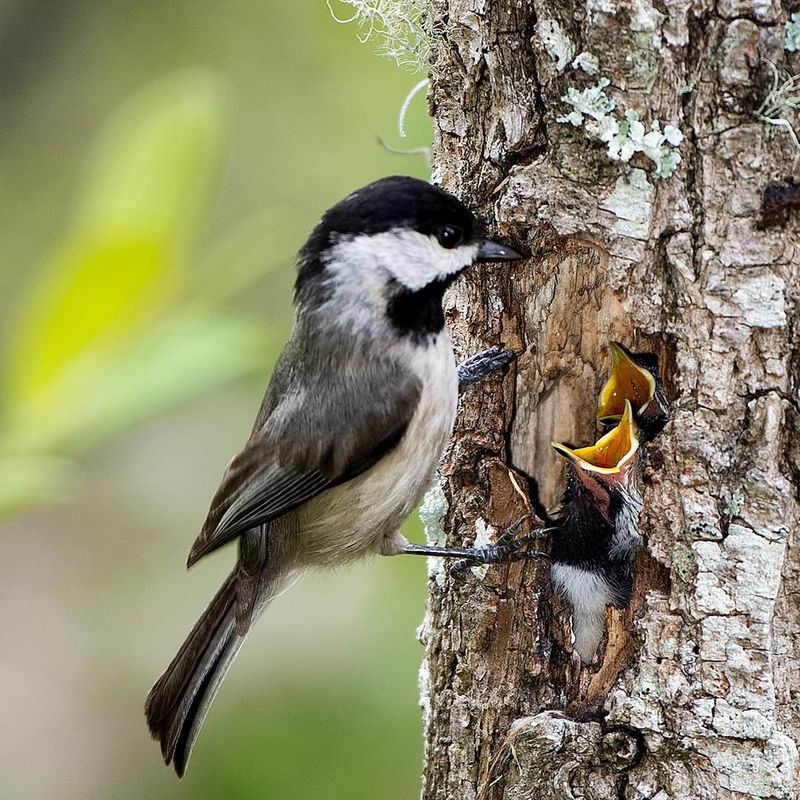
If there is one bird that Oregon gardeners fall in love with instantly, it is the Black-capped Chickadee. Tiny, bold, and endlessly curious, this little bird seems completely unafraid of people.
It will hover just feet away while you garden, sometimes even landing near your tools to investigate. That fearless personality makes every encounter feel personal and special.
Black-capped Chickadees are cavity nesters, meaning they raise their chicks inside hollow spaces like old woodpecker holes or nest boxes. They will readily use birdhouses if the entrance hole is the right size, about 1.25 inches in diameter.
Placing a nest box on a post or tree in a quiet corner of your Oregon garden gives them an ideal home.
These birds eat a wide variety of foods, from insects and caterpillars in spring to seeds and berries later in the year. Sunflower seeds in a hanging feeder are a reliable way to keep them visiting regularly.
Chickadees are also known to cache food, hiding seeds in bark crevices and tiny cracks to eat later. Watching one stuff its tiny beak with multiple seeds before flying off is a genuinely delightful sight any Oregon gardener can enjoy.
4. Chestnut-Backed Chickadee
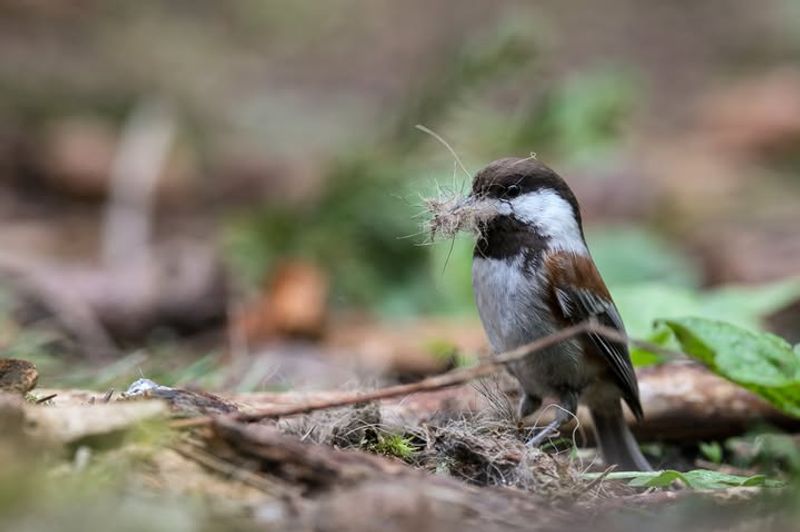
Walk through any forested Oregon neighborhood in spring and you are likely to hear a raspy, buzzy call coming from the treetops.
That is the Chestnut-backed Chickadee, a close relative of the Black-capped Chickadee but with a stunning warm chestnut-brown back that sets it apart immediately.
This bird loves the moist, wooded regions of western Oregon, where dense conifers and leafy shrubs create the perfect nesting habitat.
Like its cousin, the Chestnut-backed Chickadee nests in tree cavities or nest boxes. It lines the inside of its nest with soft materials like moss, animal fur, and plant fibers to keep eggs and chicks warm during unpredictable spring weather.
Females typically lay six to seven eggs, and both parents work hard to feed the growing family.
Gardeners in Oregon who have mature trees, especially conifers like Douglas fir or cedar, are more likely to attract this species. Adding a nest box near a wooded edge increases your chances even more.
These chickadees also visit feeders stocked with sunflower seeds and suet, making them easy to support throughout the season. Their lively, acrobatic movements as they search for insects along branches make them endlessly entertaining to watch.
5. Bewick’s Wren
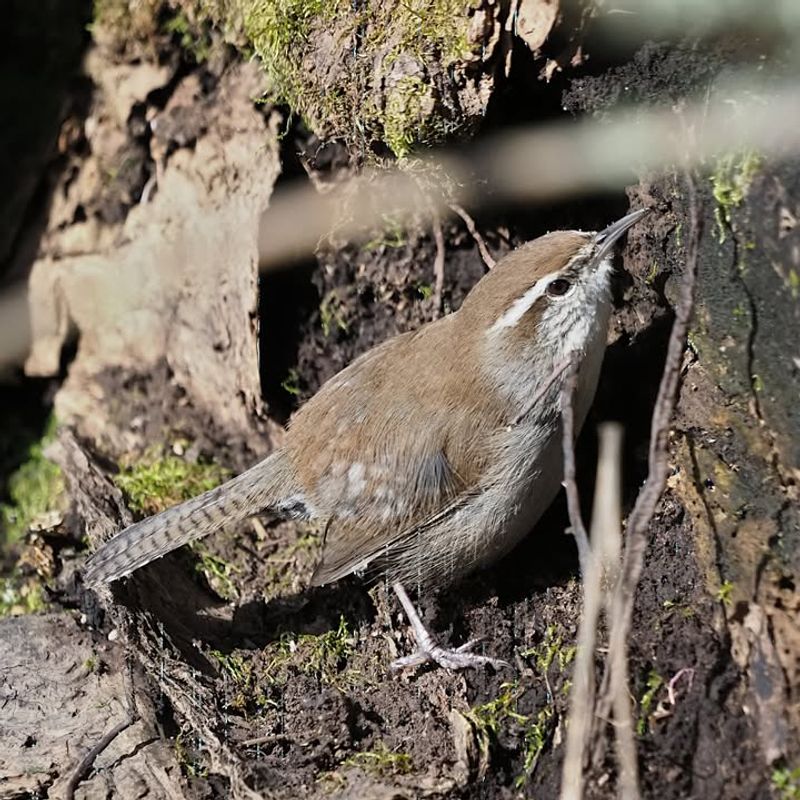
Small but surprisingly loud, the Bewick’s Wren punches well above its weight when it comes to singing. This compact bird produces a clear, bubbly song that carries easily across an Oregon garden on a calm spring morning.
Males sing persistently to claim territory, often perching in plain sight on fences, shrub tops, or garden structures where their voice travels farthest.
Bewick’s Wrens are cavity nesters with a flexible attitude about where they raise their young. They use natural hollows, nest boxes, old flowerpots, and even gaps in garden sheds or stone walls.
Their adaptability makes them one of the more common nesting birds in Oregon gardens, especially in suburban and rural areas west of the Cascades.
To encourage Bewick’s Wrens to nest in your garden, leave some brushy areas with dense low shrubs where they can forage for insects. They feed almost entirely on insects and spiders, making them genuinely helpful for pest control.
Installing a small nest box with a 1.5-inch entrance hole in a sheltered spot can also attract a nesting pair. Once a pair settles in, they often return to the same garden season after season, rewarding patient Oregon gardeners with music all spring long.
6. House Finch
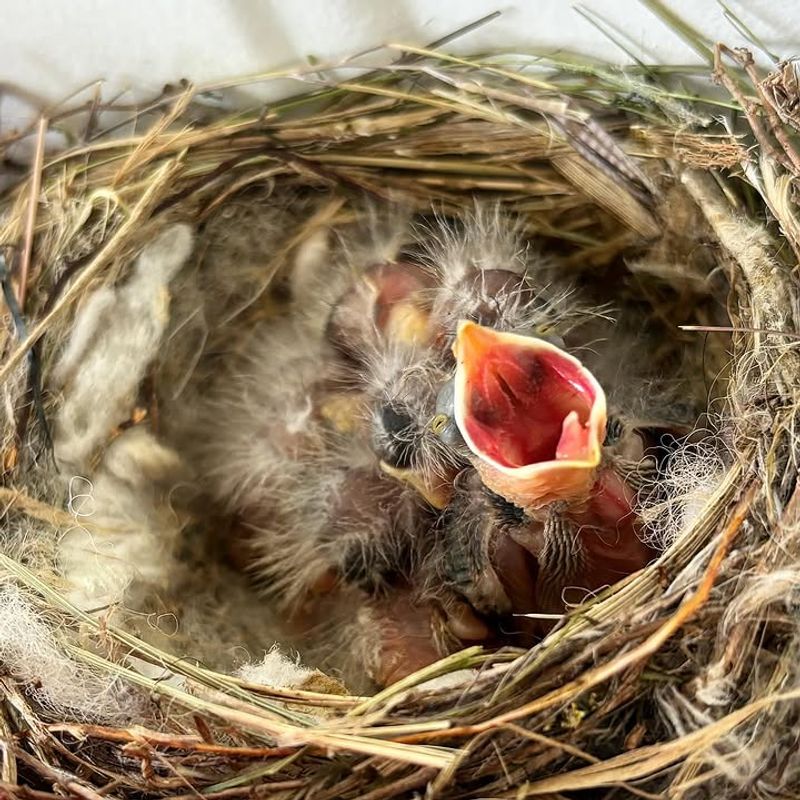
© athomewithbirds
Cheerful, social, and colorful, the House Finch is a familiar face at Oregon garden feeders from early spring through summer.
Males wear a rosy red wash across their head, throat, and chest that brightens noticeably during breeding season, while females sport a streaky brown pattern that helps them blend into nesting sites.
Watching a male sing from a sunny perch is one of the simple joys of spring in Oregon.
House Finches are remarkably flexible nesters. They build cup-shaped nests in a wide range of spots, including dense shrubs, hanging flower baskets, climbing vines on fences, and even wreaths on front doors.
Their nests are woven from grasses, twigs, and plant fibers, and they often complete construction quickly once a site is chosen.
Offering a feeder filled with nyjer seed or black oil sunflower seeds is one of the easiest ways to attract House Finches to your Oregon garden. They tend to feed in small flocks, so once a few arrive, more usually follow.
Planting berry-producing shrubs like toyon or coffeeberry also provides natural food. These birds are comfortable around people, making them ideal backyard companions for gardeners who enjoy wildlife watching up close throughout the season.
7. Song Sparrow
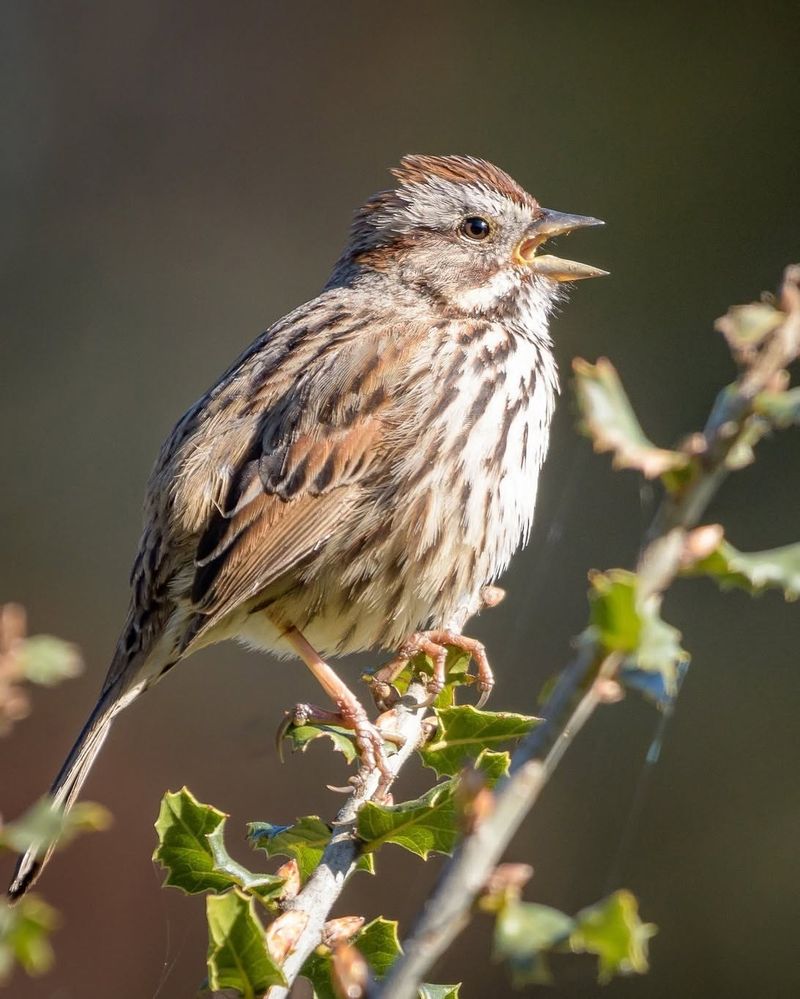
There is something deeply satisfying about hearing a Song Sparrow perform its rich, layered melody from the edge of a garden hedge on a spring morning in Oregon.
Each male has his own unique song, made up of trills, buzzes, and clear whistled notes arranged in a pattern he practices and refines over time.
No two Song Sparrows sound exactly alike, which makes listening to them a genuinely interesting experience.
Song Sparrows prefer nesting in dense, low-growing shrubs close to the ground or on the ground itself, hidden beneath thick vegetation. They build open cup nests using grasses, bark strips, and rootlets, and line the inside with soft materials.
Oregon gardens with naturalistic plantings, overgrown edges, or native groundcovers are especially attractive to nesting pairs.
These sparrows eat a mix of seeds and insects, shifting toward more insects during spring and summer when feeding chicks. Leaving some leaf litter and letting native plants go to seed near garden edges gives Song Sparrows the habitat they need to thrive.
They are not shy birds, and with patience, you can often watch them hop along the ground just feet away. Song Sparrows are a wonderful reminder of how wild Oregon gardens can feel even in the middle of a busy neighborhood.
8. Dark-eyed Junco
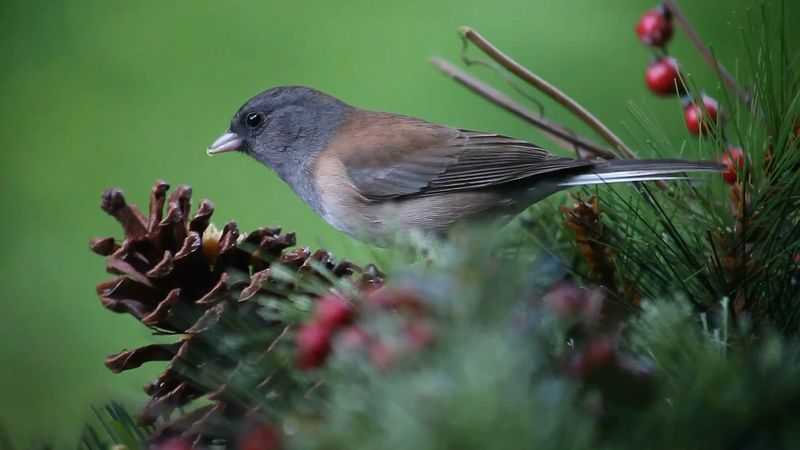
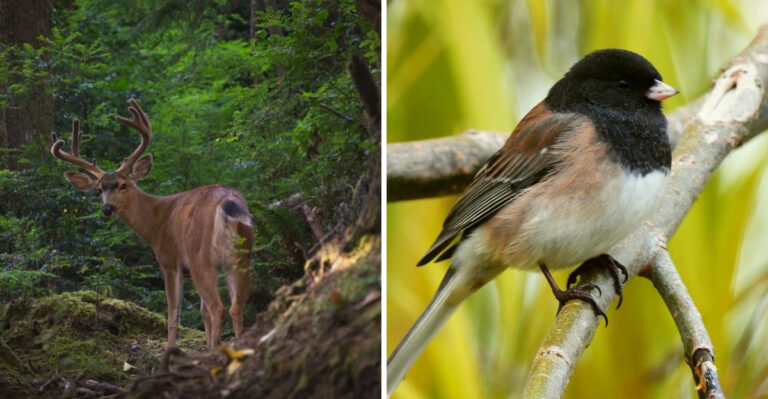
Dark-eyed Juncos are sometimes called “snowbirds” because they seem to appear just as cold weather arrives, but in Oregon, many of them stay to nest right through spring and summer. These small sparrows have a clean, two-toned look, with a dark slate or brown hood and a white belly, plus white outer tail feathers that flash as they fly.
Spotting that white tail flash is one of the easiest ways to identify them in the garden.
Juncos nest on or very close to the ground, tucking their cup-shaped nests under vegetation, along mossy banks, or beneath overhanging roots. Oregon gardens with natural edges, rock borders, or dense groundcovers give them excellent nesting options.
Females are careful to keep the nest well hidden, which helps protect eggs and chicks from predators.
At feeders, Dark-eyed Juncos prefer to forage on the ground beneath hanging feeders, picking up fallen seeds rather than clinging to the feeder itself. Millet and black oil sunflower seeds both work well.
Keeping a section of your Oregon garden a little wild, with leaf litter and low native plants, creates ideal foraging habitat. These quiet, understated birds reward close attention with their calm presence and subtle beauty throughout the nesting season.
9. Northern Flicker
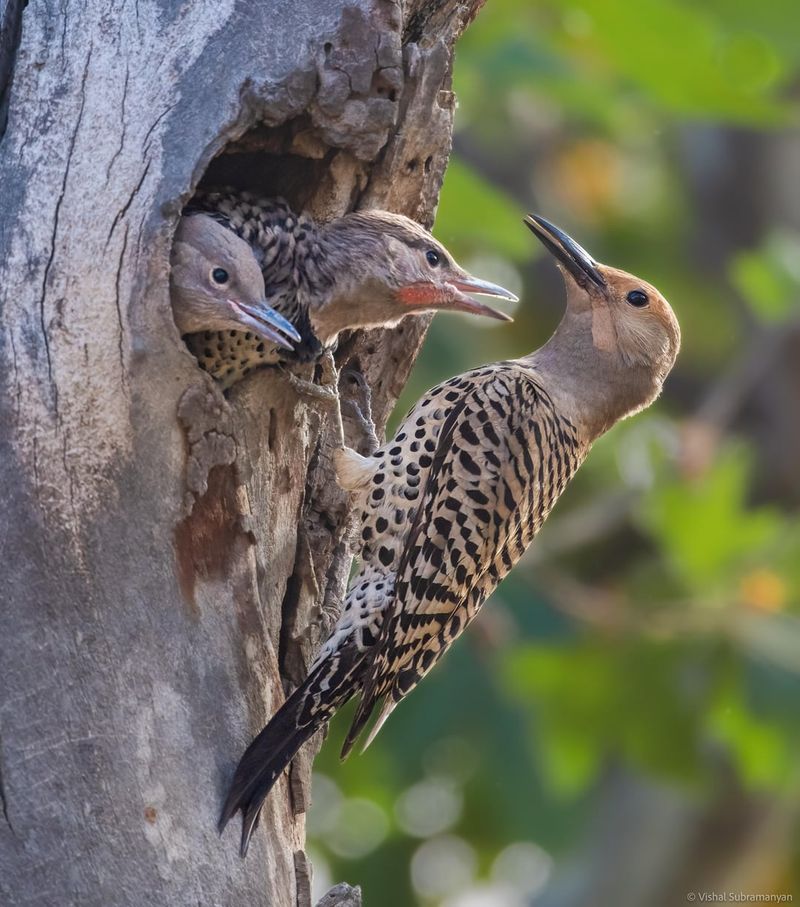
Loud, striking, and a little unexpected, the Northern Flicker is unlike most woodpeckers you might picture. Instead of spending all its time high in tree trunks, this bird frequently drops down to the ground to hunt for ants and beetles with its long, curved bill.
Watching a large, spotted woodpecker striding across a garden lawn is always a surprising and memorable sight for Oregon residents seeing it for the first time.
Northern Flickers nest in tree cavities, often excavating their own holes in dead or soft wood. In Oregon gardens, large older trees and wooden fence posts sometimes attract nesting pairs.
They will also use large nest boxes designed specifically for woodpeckers if natural cavities are hard to find. Males are easy to identify by the red mustache mark on their cheeks.
Leaving a dead tree or large snag standing in your Oregon yard, if it is safe to do so, is one of the best things you can do for Northern Flickers and many other cavity-nesting birds. These flickers also enjoy suet feeders and will visit yards where ants are plentiful in the soil.
Their loud, laughing call is one of the most distinctive sounds of a Pacific Northwest spring and signals that nesting season is fully underway.