These Are The Signs Your Oregon Garden Soil Has A Problem Before Summer Heat Arrives
Soil problems do not announce themselves. They show up quietly in slow growth, struggling transplants, and plants that never quite look right no matter what you do.
By the time summer heat arrives in Oregon, bad soil stops being a background issue and becomes the main event. Heat amplifies every problem that was already sitting under the surface.
Compaction gets worse, drainage failures become obvious, and nutrient deficiencies that were easy to overlook in spring start visibly damaging plants that should be hitting their stride.
The frustrating part is that most of these problems are completely fixable, but only if you catch them before the heat locks everything in place.
Oregon gardens are coming out of a long wet season right now, and that transition period is one of the best times to read what the soil is actually telling you.
A few specific signs in your beds, your lawn, and around your plant roots will tell you exactly what needs attention before summer makes it significantly harder to fix.
1. Water Pools On The Surface After Rain
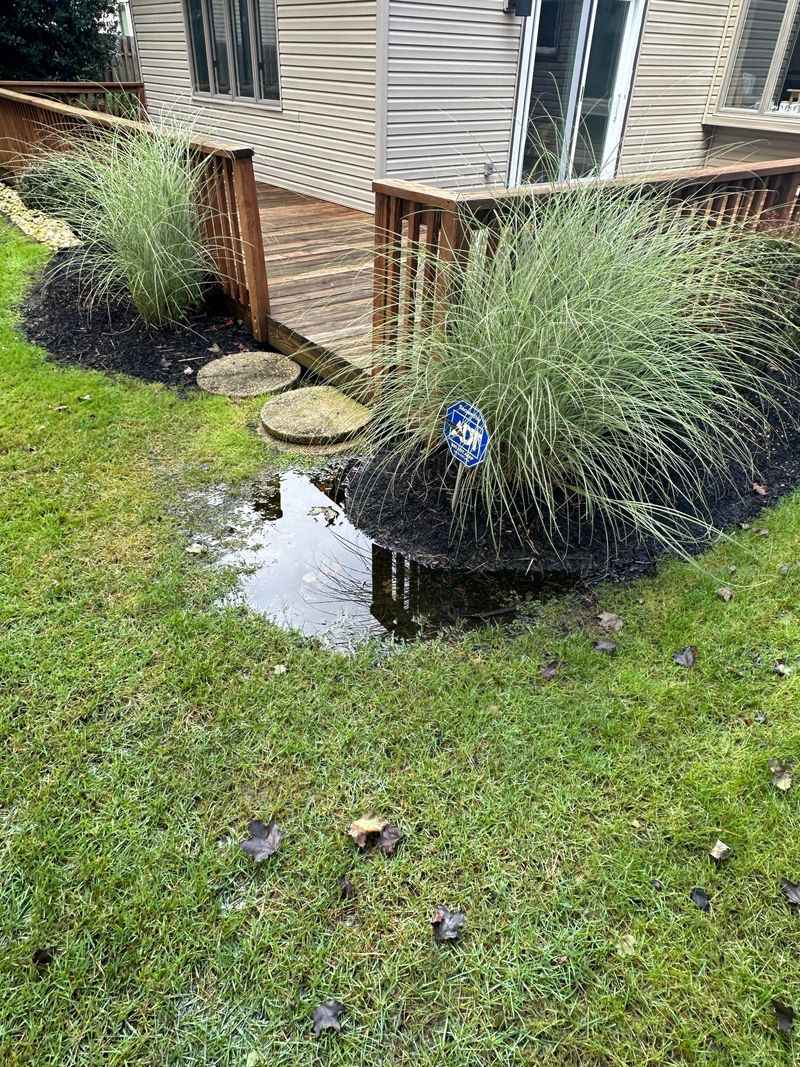
After a good rainstorm, a healthy garden should absorb water within an hour or two. If puddles are sitting on top of your soil long after the rain stops, that is a clear sign something is off below the surface.
Standing water means your soil cannot drain properly, and that spells trouble for plant roots.
Compacted soil is one of the most common reasons water pools on the surface. When soil particles are pressed tightly together, water has nowhere to go.
This is especially common in gardens that get a lot of foot traffic or were tilled during wet conditions. Clay-heavy soils found across much of the Willamette Valley are also known for this problem.
Poor drainage can suffocate roots by cutting off their oxygen supply. Most vegetable and flower roots need air as much as they need water.
When the soil stays flooded, roots struggle to function and plants weaken over time.
To fix this issue, try aerating your soil with a garden fork before summer. Adding compost or aged bark can improve drainage over time.
Raised beds are another great option for areas that consistently flood. If one section of your yard always pools water, consider installing a French drain or redirecting downspouts.
Taking action now, before the heat arrives, gives your soil time to recover and your plants a much better start to the season.
2. Soil Stays Soggy For Days
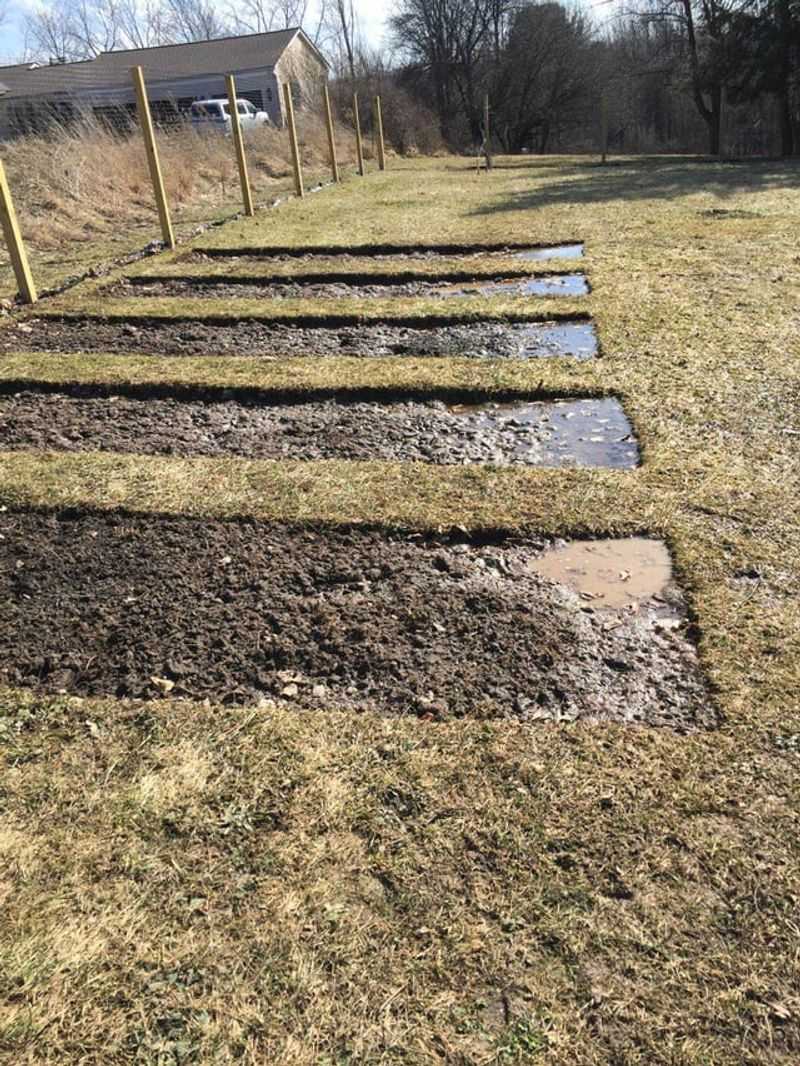
Most garden soils should feel moist but not wet a day or two after rain. When your soil still feels like a wet sponge three, four, or even five days later, that is a serious warning sign.
Soggy soil that lingers is one of the most damaging conditions for garden plants in this state.
Prolonged sogginess usually points to one of two problems. Either the soil has poor structure and cannot drain, or there is a hardpan layer beneath the surface that traps water.
A hardpan is a dense layer of compacted soil or clay that acts like a barrier. Water sits above it with nowhere to go, keeping the upper layer saturated for days.
Your Oregon Garden Changes Every Week. Your Plan Should Too.
Gardening in Oregon changes quickly throughout the season. Every Friday you’ll receive a simple weekly plan showing exactly what to plant, prune, fertilize, harvest, and protect so you never miss the right timing.
Roots sitting in waterlogged soil begin to rot. Rotting roots cannot take up nutrients, which means even well-fertilized plants will look pale and weak.
Fungal diseases also thrive in wet conditions, making soggy soil a double problem.
You can test for a hardpan by pushing a metal rod or screwdriver straight down into the soil. If it stops suddenly at a certain depth, you likely have a compaction layer.
Breaking it up with a broadfork or hiring someone to subsoil till the area can make a big difference. Adding organic matter like compost every season gradually improves soil structure.
Addressing this problem before summer means your plants will have strong roots ready to handle the dry months ahead.
3. The Ground Cracks As It Dries
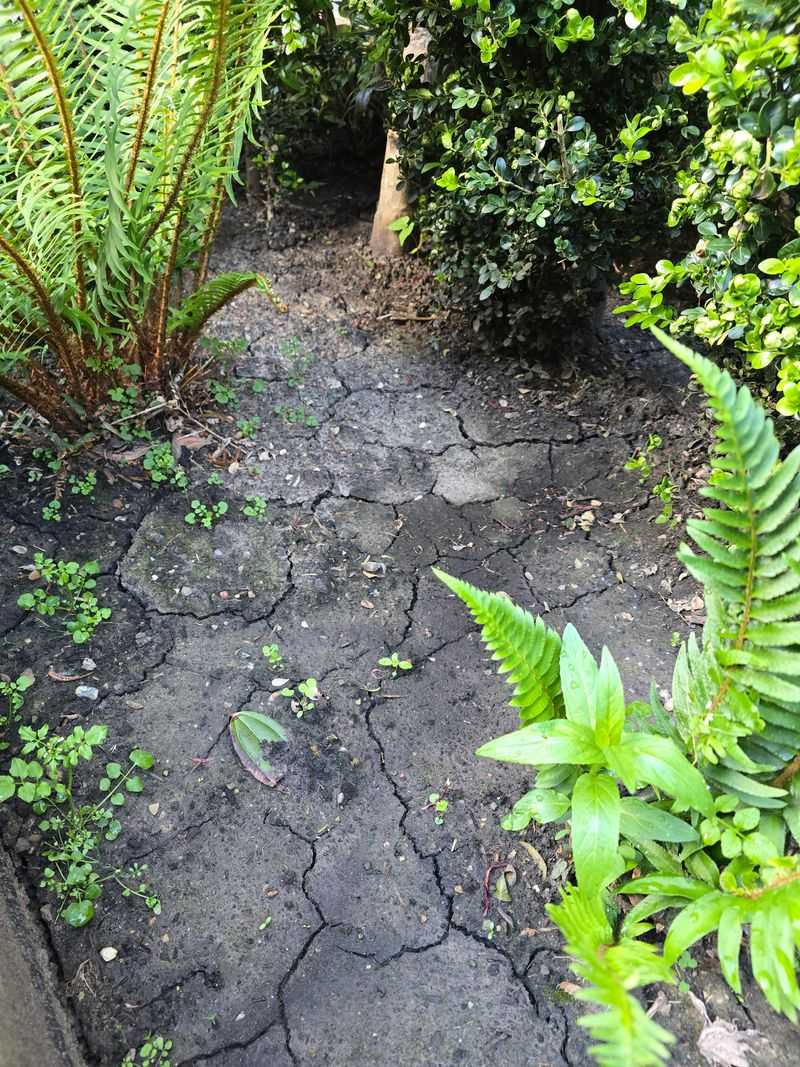
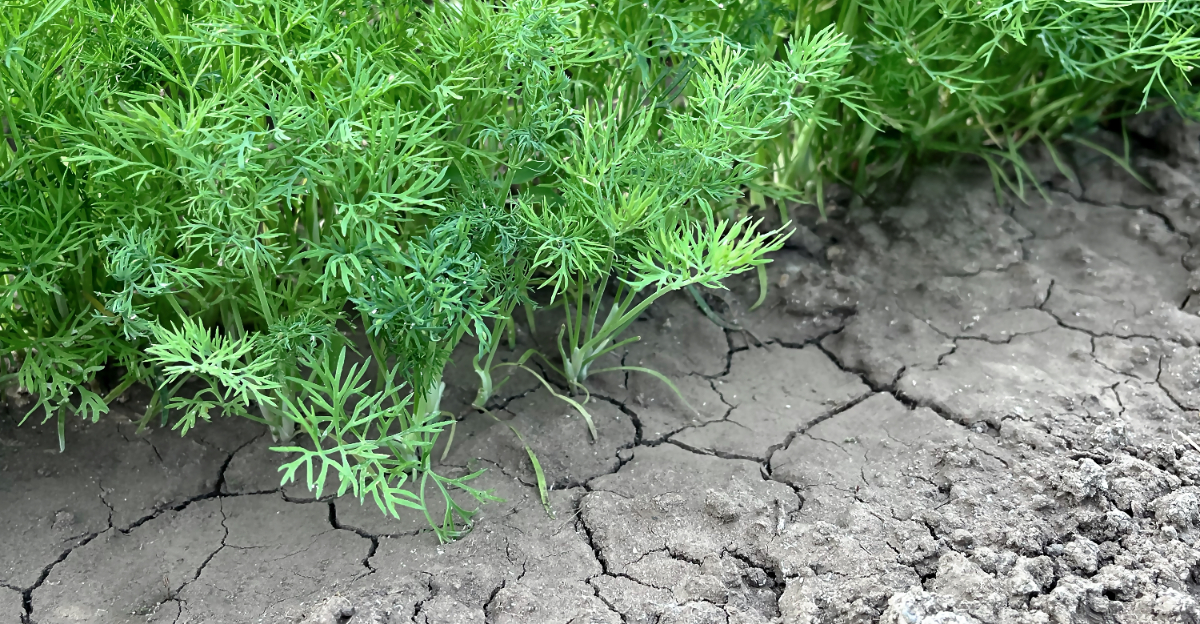
Cracked soil might seem like a summer problem, but spotting it in spring is actually an important early warning. When the ground dries out and forms deep cracks, it usually means the soil has too much clay and not enough organic matter.
Clay soil swells when wet and shrinks when dry, and that constant movement causes those familiar cracks.
Cracks on the soil surface are more than just an eyesore. They can expose plant roots to air and cause them to dry out faster than normal.
Cracks also allow water to rush straight past the root zone during irrigation, making watering less effective. In some cases, surface cracks can even sever shallow roots if they open wide enough.
The fix starts with improving soil texture. Mixing in compost, aged manure, or other organic materials helps clay soil hold its structure better through both wet and dry periods.
Organic matter acts like a sponge and a glue at the same time, keeping particles loosely connected instead of cracking apart.
Mulching heavily over your garden beds also slows evaporation and keeps moisture more even throughout the season. A layer of two to three inches of wood chips or straw can make a noticeable difference.
If cracking is a regular problem in your garden every spring, it is worth doing a soil test to understand your clay content and get recommendations tailored to your specific yard conditions.
4. Seedlings Stay Small Or Yellow
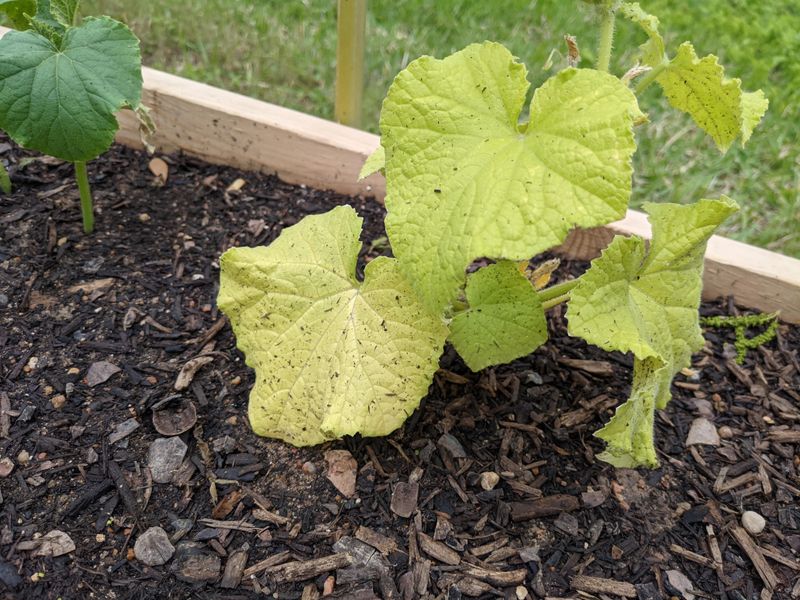
There is nothing more discouraging than watching your seedlings sit there, barely growing and turning yellow, week after week. Healthy seedlings should push out new leaves quickly in spring.
When they stall and go pale, the soil is usually the one to blame, not the seeds or the weather.
Yellowing leaves on young plants often point to a nitrogen deficiency. Nitrogen is one of the most important nutrients for leafy, green growth.
It washes out of soil quickly, especially in areas with heavy winter rainfall like ours. After months of rain, many garden soils in this state are nitrogen-poor by the time spring planting season begins.
Low pH can also cause yellowing. When soil is too acidic, plants cannot absorb nutrients even if those nutrients are present.
Oregon soils tend to run acidic because of all the rainfall, which gradually leaches out minerals and lowers pH over time. A simple soil test from your local extension office can tell you exactly where your pH stands.
Adding a balanced fertilizer or a nitrogen-rich amendment like blood meal or fish emulsion can give seedlings a quick boost. Lime can help raise pH if your soil is too acidic.
The key is to test before you treat so you are not guessing. Giving seedlings the right nutrients early in the season sets them up for strong, healthy growth all the way through the summer months ahead.
5. Plants Wilt Even When The Soil Looks Moist
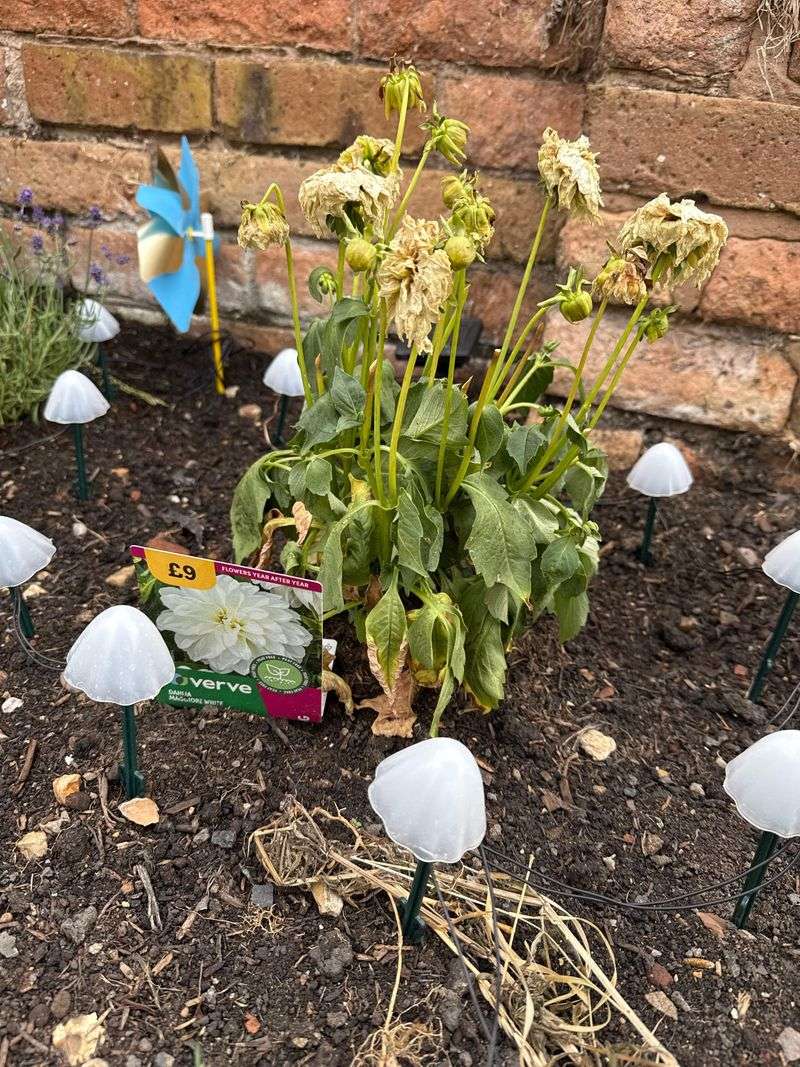
Seeing a plant wilt on a hot afternoon is normal. But when plants are drooping in the morning, or when the soil clearly has moisture and the plant still looks limp, something deeper is going on.
This is one of the trickier soil problems to spot because the surface can look perfectly fine.
Root rot is a common cause of this symptom. When roots sit in waterlogged or poorly aerated soil for too long, they break down and lose their ability to pull water up into the plant.
The soil may feel moist, but the roots cannot do their job anymore. The plant wilts because it is essentially cut off from its water supply.
Compaction is another reason this happens. Roots in heavily compacted soil cannot spread out to find moisture and nutrients.
They stay cramped and shallow, making the plant vulnerable even in conditions that look favorable on the surface. Compacted soil also tends to have low oxygen levels, which further weakens root function.
Gently digging up a wilting plant and checking its roots can tell you a lot. Healthy roots are white or light tan and firm.
Rotting roots are brown, mushy, and may smell bad. If you find rot, improving drainage is the priority.
Aerating and adding organic matter before summer helps prevent this problem from getting worse. Catching it now gives your plants a real chance to recover before the heat sets in.
6. Moss Grows Thick Across Garden Beds
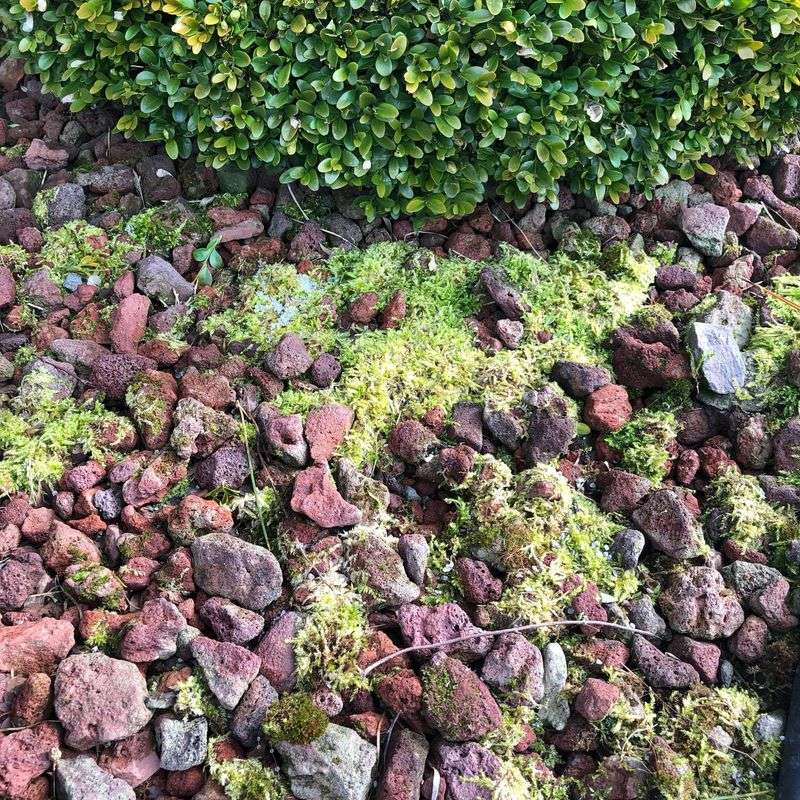
Moss loves the kind of conditions that most garden plants hate. If you walk out to your garden beds and find a thick, fuzzy green carpet of moss spreading across the soil, your garden is sending you a very clear message.
Moss thrives in wet, compacted, shaded, and acidic soil, and all of those conditions are problems for vegetables and flowers.
Seeing moss is not just a cosmetic issue. It means your soil is likely staying too wet for too long, which points to drainage problems.
It also suggests your soil pH may be on the lower end of the acidic scale. Most vegetables and common garden plants prefer a pH between 6.0 and 7.0, and moss tends to take over when pH drops below that range.
Compaction often plays a role too. When soil is packed tight, water sits near the surface and moss moves in quickly.
Moss does not need deep roots, so it can colonize the top of compacted soil with ease while your garden plants struggle to push their roots down.
Raking out the moss and aerating the soil is a good first step. Applying lime raises pH and makes the environment less friendly for moss.
Improving drainage through compost additions or raised beds also helps. Trimming back trees or shrubs that cast heavy shade on garden beds can reduce moisture retention.
Tackling moss in spring gives your soil time to rebalance before planting season gets fully underway.
7. Soil Forms A Hard Crust On Top
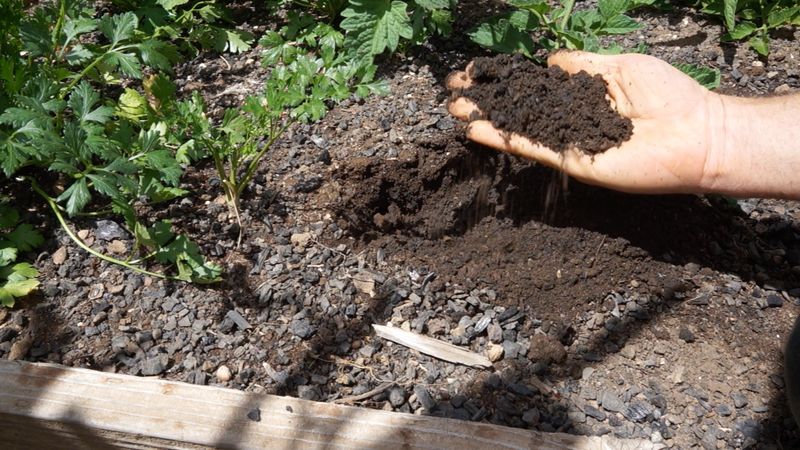
A hard crust forming on the top layer of soil is a sneaky problem that catches a lot of gardeners off guard. You might water your garden and notice the water beads up or runs off instead of soaking in.
That crust acts like a seal, blocking water and air from getting down to where roots need them most.
Soil crusting usually happens when fine particles like silt and clay get beaten down by heavy rain and then dry out quickly.
Our spring weather, with its mix of heavy downpours and occasional sunny stretches, is perfect for creating this kind of surface seal. Once the crust forms, it gets harder with each dry spell.
Seedlings have an especially hard time with soil crust. Tiny sprouts pushing up from below can get blocked by the hardened layer and never make it to the surface.
This is a common reason why direct-sown seeds seem to vanish without a trace. The seeds germinated, but the seedlings could not break through.
Breaking up the crust gently with a hand rake or cultivator can help right away. Adding a thin layer of compost or fine mulch over the surface after planting protects the soil from rain impact and keeps the top layer from sealing over.
Improving overall soil structure with organic matter is the long-term solution. A soil rich in organic content resists crusting because the particles bind together in a more open, spongy way that holds its shape through rain and dry spells alike.
8. Soil Smells Sour Rotten Or Swampy
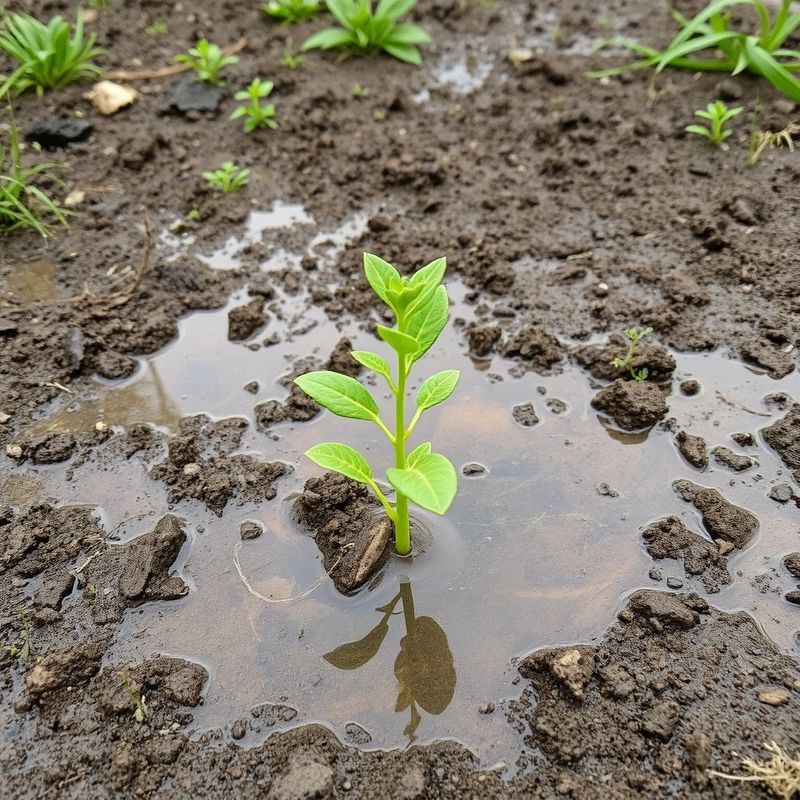
Healthy soil has a rich, earthy smell that most gardeners find pleasant. That familiar scent comes from microorganisms doing their job, breaking down organic matter and cycling nutrients through the soil.
When you dig into your garden bed and smell something sour, rotten, or swampy instead, the microbial community in your soil is in serious trouble.
A sour or sulfur-like smell usually means your soil has gone anaerobic. Anaerobic means without oxygen.
When soil stays waterlogged for too long, the oxygen gets pushed out and harmful bacteria take over. These bacteria produce gases that smell bad and create conditions that are toxic to plant roots.
It is the same process that makes a swamp smell the way it does.
This problem is more common than people think in this state, especially in low-lying areas or gardens with heavy clay soil.
A long, wet winter can push soil into anaerobic conditions, and by the time spring planting arrives, the damage is already done beneath the surface.
If your soil smells off, stop adding more organic material for now. Waterlogged compost can make the smell worse.
Instead, focus on aerating the soil to reintroduce oxygen. Turning the soil with a fork, mixing in coarse materials like perlite or coarse sand, and improving drainage are all helpful steps.
Letting the bed dry out partially before planting gives beneficial microbes a chance to return. A healthy-smelling soil by early summer means your plants have a much stronger foundation to grow from.