Plant These Purple Perennials In Pennsylvania Once And Enjoy Them Forever
Some plants earn their spot in the garden year after year, and purple perennials have a way of doing that faster than most.
In Pennsylvania, where gardeners deal with changing seasons, cold winters, and hot stretches in summer, it is always satisfying to find flowers that come back strong without needing to be replanted every spring.
That is part of the appeal here. You plant them once, give them a good start, and then get to enjoy the payoff again and again with a lot less effort.
Purple blooms also bring something special to a yard that is hard to ignore. They can make flower beds feel richer, brighter, and more polished without looking too formal.
Some shades lean soft and calming, while others stand out in a bold way that catches your eye from across the yard. Either way, they have a way of making everything around them look better.
If you want a Pennsylvania garden that feels colorful, dependable, and easy to love each season, these long-lasting purple perennials are the kind of plants that can keep showing up for you year after year.
1. Purple Coneflower (Echinacea Purpurea)
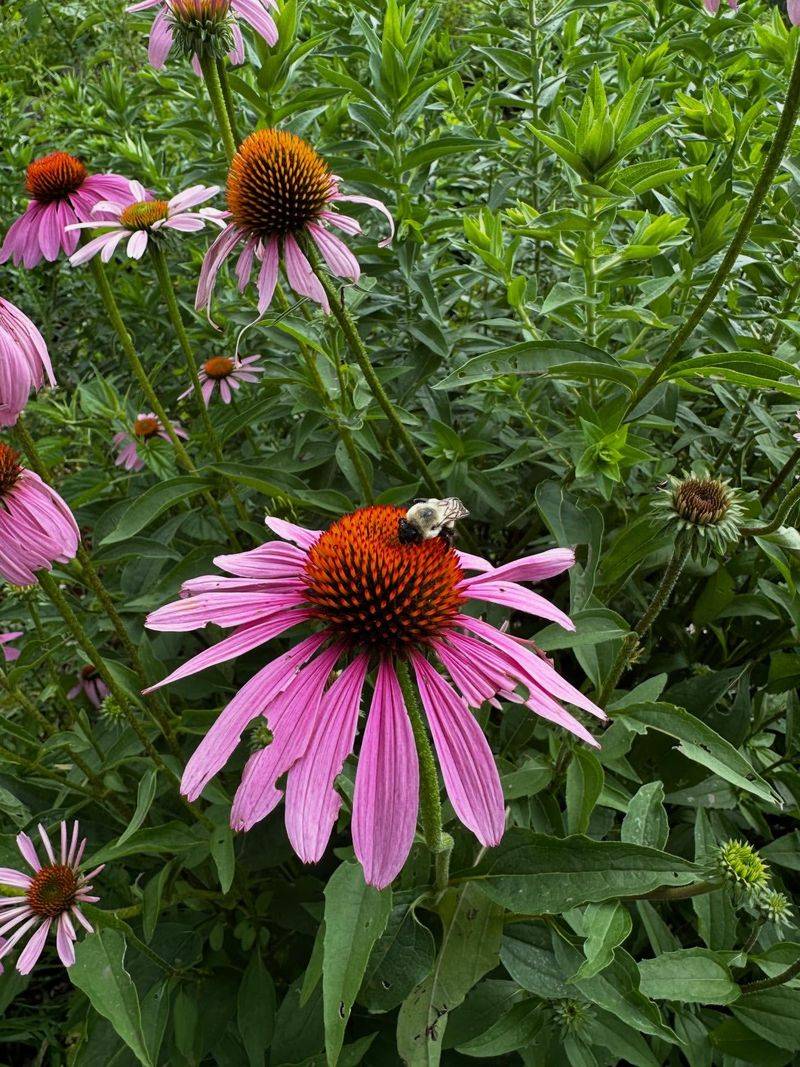
Few plants earn their spot in a Pennsylvania garden quite like the purple coneflower. This tough native perennial has been growing wild across the eastern United States for centuries, and it looks just as stunning in a backyard bed as it does in an open meadow.
The daisy-like blooms feature rich purple petals that sweep back from a spiky orange-brown center, creating a flower that is both bold and beautiful.
Purple coneflowers bloom from June all the way through September, giving you months of color without any fuss. They thrive in full sun and well-drained soil, and once they are established, they handle dry spells like a champ.
Pennsylvania summers can get hot and dry, but this plant barely blinks. It just keeps on blooming.
Pollinators absolutely love this plant. Bees, butterflies, and even goldfinches flock to the flowers and seed heads throughout the season.
Leaving the seed heads up in fall gives birds a natural food source during the colder months. You can also divide clumps every few years to spread them around your yard.
Did you know Native Americans used Echinacea as a medicinal herb for hundreds of years? That rich history makes this plant even more special to grow in your Pennsylvania garden.
2. Lavender (Lavandula Angustifolia)
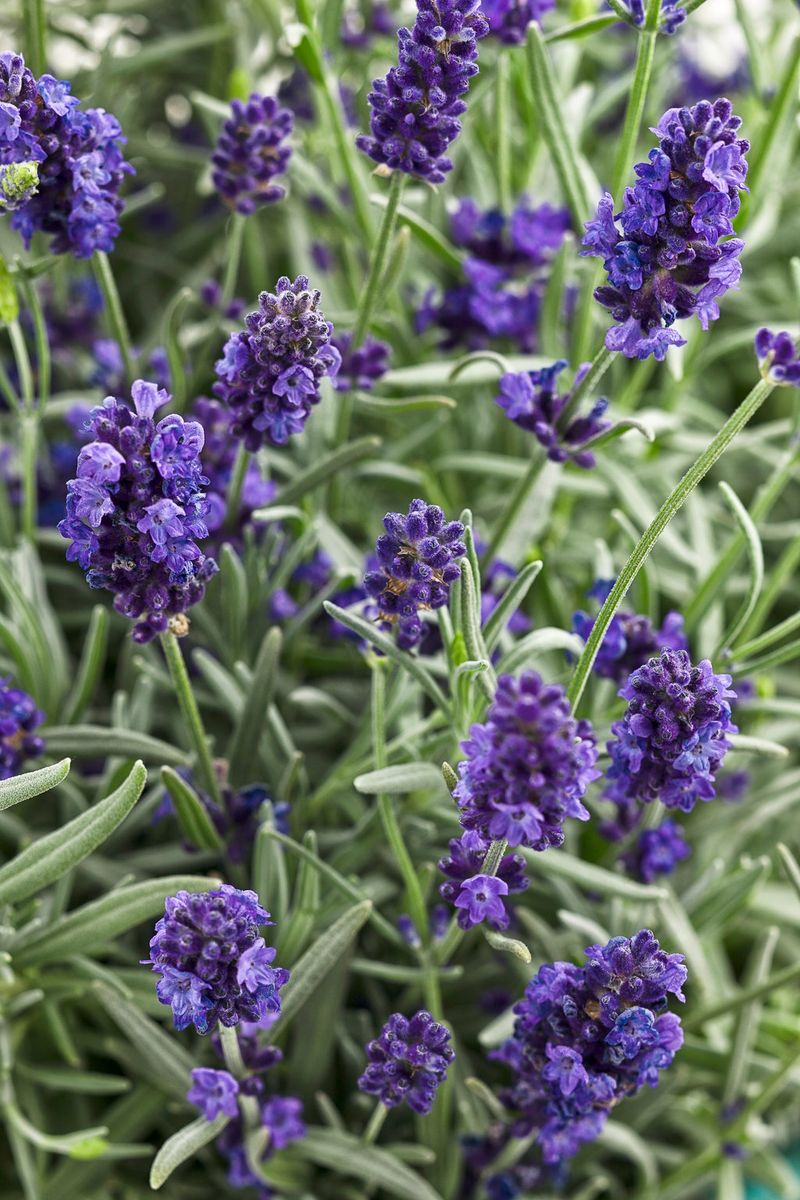
Walk past a lavender plant in full bloom and you will instantly understand why gardeners have been growing it for thousands of years. The sweet, calming scent is almost impossible to describe, but once you smell it, you never forget it.
In Pennsylvania, lavender thrives in sunny spots with well-drained soil, making it a wonderful addition to raised beds, rocky slopes, or the front edge of a sunny border.
The silvery-green foliage looks attractive even when the plant is not blooming. When summer arrives, tall spikes of soft purple flowers shoot up and fill the air with fragrance.
Your Pennsylvania Garden Changes Every Week. Your Plan Should Too.
Gardening in Pennsylvania changes quickly throughout the season. Every Friday you’ll receive a simple weekly plan showing exactly what to plant, prune, fertilize, harvest, and protect so you never miss the right timing.
Lavender typically blooms in late spring through midsummer in Pennsylvania, and cutting the stems back after the first flush encourages a second round of blooms. It is one of those plants that rewards a little attention with a lot of beauty.
Deer tend to stay away from lavender, which is great news for Pennsylvania gardeners who deal with hungry visitors. The plant is also drought-tolerant once established, so you do not need to water it constantly.
Good drainage is the one thing lavender cannot live without, so avoid planting it in soggy spots. A fun fact worth sharing: lavender has been used in sachets, soaps, and teas for centuries, and growing your own means you always have a fresh supply right outside your door.
3. Salvia (Salvia Nemorosa)
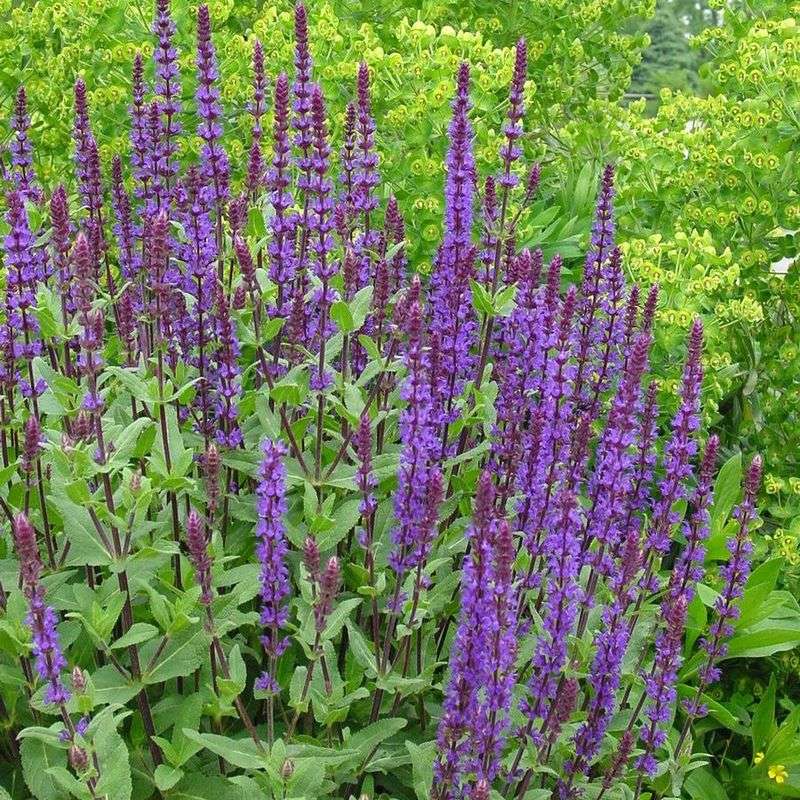
Salvia nemorosa is the kind of plant that makes experienced gardeners smile and beginners feel like pros. The upright spikes of deep purple flowers are neat, tidy, and incredibly eye-catching.
They start blooming in late spring and carry on through summer, and if you trim them back after the first flush, they often reward you with a second wave of color. That kind of reliability is hard to beat in any garden.
Growing salvia in Pennsylvania is straightforward. It loves full sun and handles average soil without complaint.
It does not need a lot of water once it gets going, and it rarely has pest problems. Bees and butterflies are drawn to the flower spikes like magnets, so planting salvia near a seating area means you get a front-row seat to all the pollinator action happening in your yard.
One of the best things about this perennial is how clean and structured it looks in a garden bed. It pairs beautifully with yellow or white flowers, creating contrast that really makes the purple pop.
In Pennsylvania, salvia comes back reliably each spring, often spreading slowly to form a fuller clump over time. Trimming spent flower spikes not only encourages reblooming but also keeps the plant looking sharp all season long.
For a low-effort, high-reward perennial, salvia belongs near the top of every Pennsylvania gardener’s list.
4. Russian Sage (Perovskia Atriplicifolia)
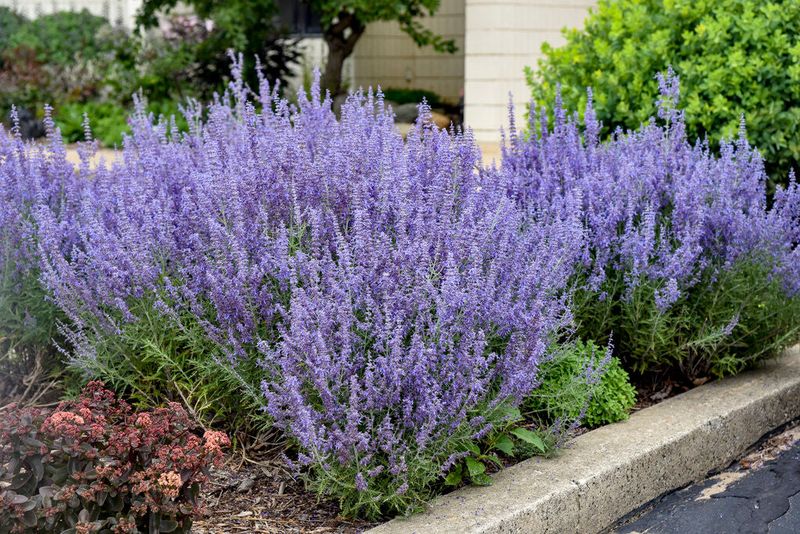
Russian sage has a look that is unlike almost anything else you can plant in a Pennsylvania garden. The long, silver-white stems are covered in tiny lavender-purple blooms that create a soft, hazy cloud of color from midsummer all the way into fall.
When a breeze moves through the garden, the whole plant sways gently, giving your yard a relaxed, natural feeling that is hard to replicate with any other plant.
Tough is an understatement when it comes to Russian sage. It thrives in full sun and poor, dry soil, which makes it perfect for spots where other plants struggle.
Hot Pennsylvania summers do not slow it down at all. Once established, it rarely needs watering and almost never needs fertilizer. It is truly one of the most low-maintenance perennials you can grow.
The silvery foliage also has a pleasant herbal scent when brushed, which adds another sensory layer to your garden experience. Deer tend to avoid it, and it rarely attracts pests or diseases.
Cutting it back hard in early spring encourages fresh, vigorous growth each year. Russian sage works beautifully as a backdrop for shorter plants in sunny borders, and its long bloom season fills the gap when many other perennials have finished for the year.
For Pennsylvania gardeners who want drama without the drama of high maintenance, this is your plant.
5. Catmint (Nepeta Faassenii)
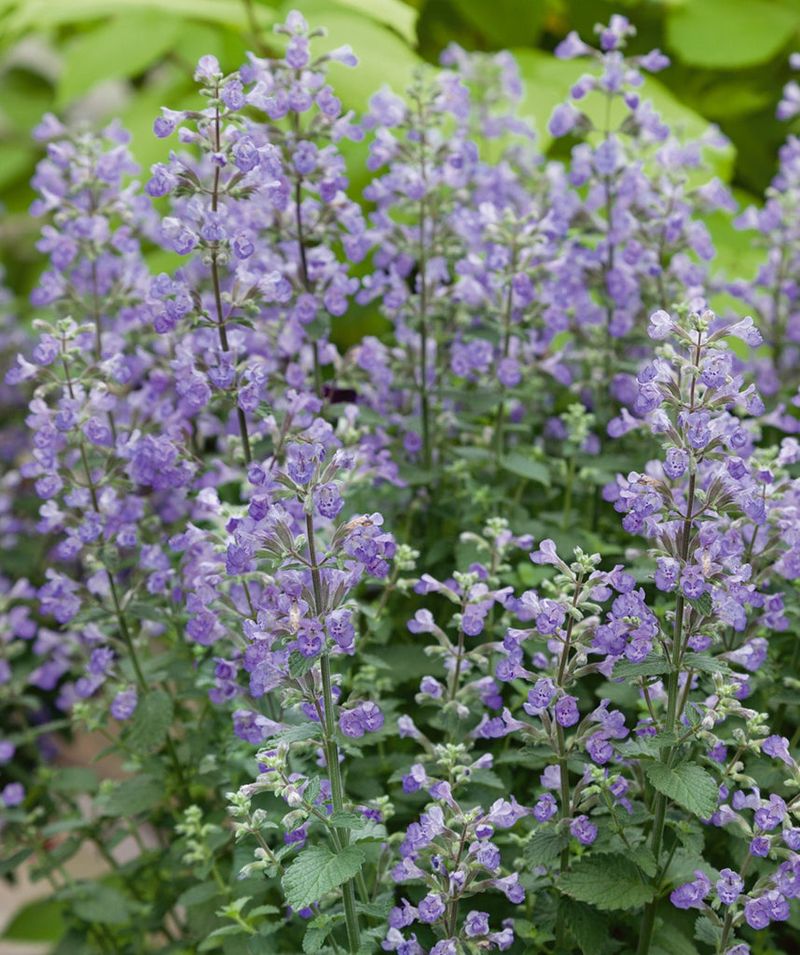
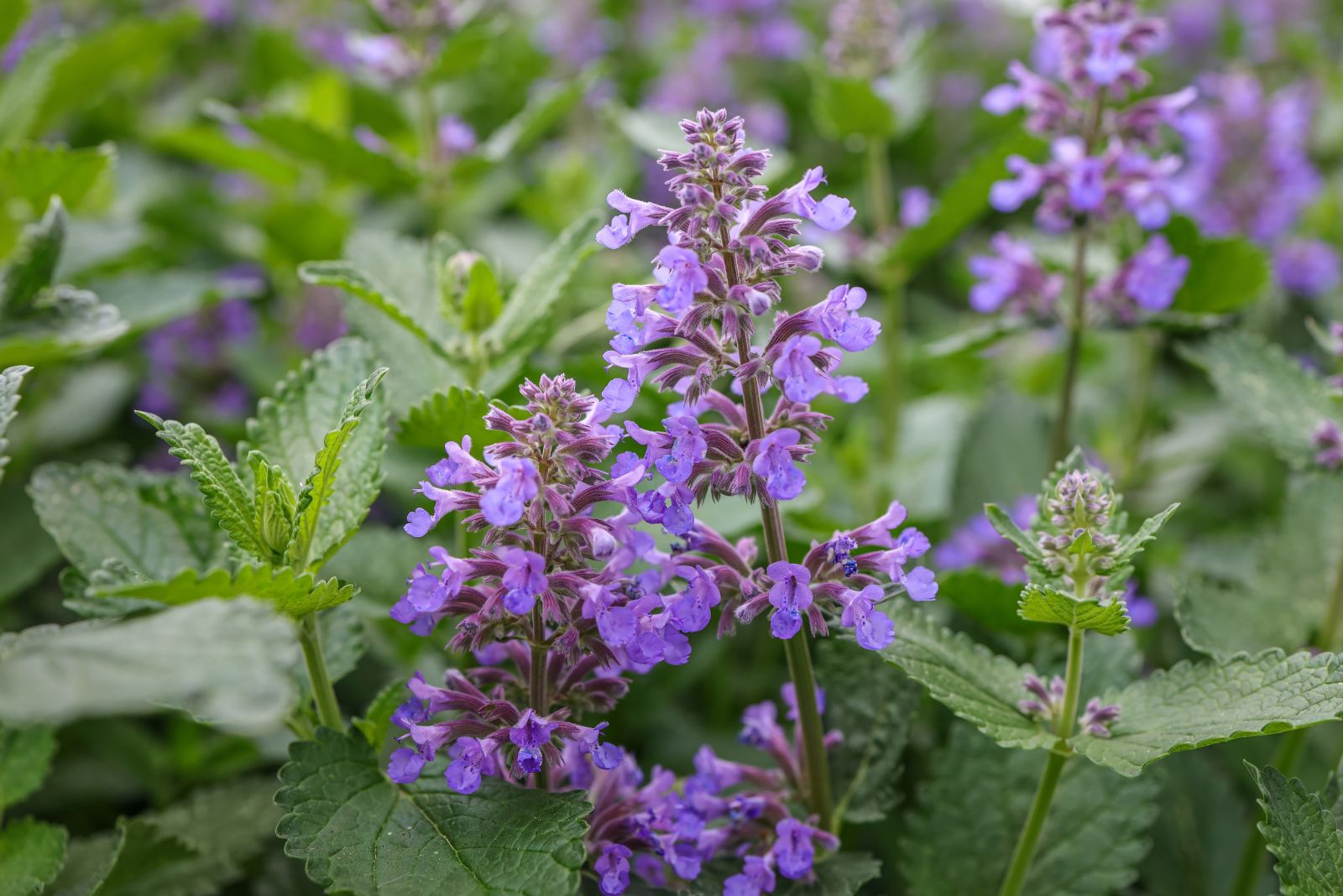
Catmint is one of those plants that seems almost too good to be true. It blooms for months, it smells wonderful, it handles heat and drought, and it looks gorgeous spilling over the edge of a garden path or border.
In Pennsylvania, catmint starts flowering in spring and keeps going through fall with very little encouragement. Cutting it back halfway after the first big bloom triggers a fresh flush of those lovely purple-blue flowers almost immediately.
The soft, gray-green leaves have a pleasant minty scent that many gardeners find relaxing. Bees go absolutely wild for catmint, and you will often see dozens of them working the flowers on a warm afternoon.
Despite its name, not all cats are attracted to it, though some definitely are. Either way, the plant holds its own as a garden performer without needing any feline fans to boost its reputation.
Catmint is extremely cold-hardy, which matters a lot in Pennsylvania where winters can be harsh. It comes back reliably each spring, often spreading into a wider, fuller clump.
It works beautifully as edging along walkways, as a ground cover on slopes, or as a soft, flowing filler between taller perennials. Pair it with roses or ornamental grasses for a combination that looks like it came straight out of a gardening magazine.
For sheer versatility and long-season color, catmint earns a permanent spot in any Pennsylvania garden.
6. Bee Balm (Monarda Didyma)
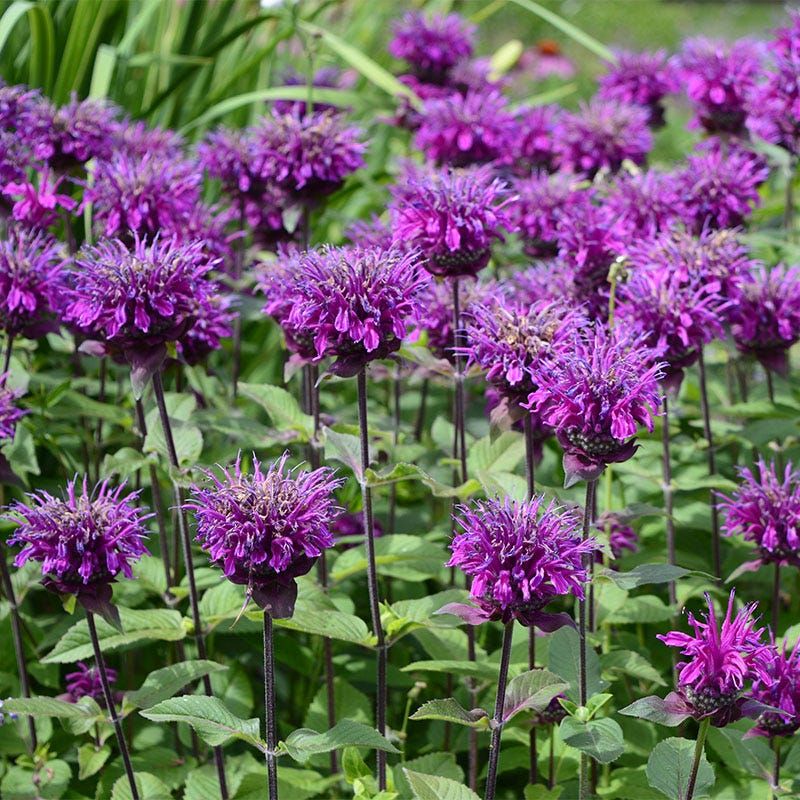
There is something wonderfully wild about bee balm. The shaggy, almost firework-shaped flower heads come in shades of purple and violet, and they look like they belong in a meadow just as much as they do in a carefully planned garden bed.
Bee balm is actually native to the eastern United States, which means it is perfectly at home in Pennsylvania’s climate. It grows naturally in moist woodlands and meadow edges, and it brings that same relaxed, natural energy to any yard.
Hummingbirds are absolutely obsessed with bee balm. If you have ever wanted to attract these tiny, fast-moving birds to your garden, planting bee balm is one of the most reliable ways to do it.
Butterflies and bees love it too, so a patch of bee balm in bloom is basically a wildlife party happening right in your backyard. The fragrant leaves were historically used by Native Americans to make tea, which gives this plant a fascinating backstory beyond its good looks.
Bee balm thrives in full sun to partial shade and prefers moist, well-drained soil. In Pennsylvania, it benefits from good air circulation to prevent powdery mildew, which can affect the leaves in humid summers.
Dividing clumps every two to three years keeps the plants vigorous and healthy. It spreads by underground runners, so give it a little room to roam and it will reward you with an ever-expanding, color-filled patch year after year.
7. Balloon Flower (Platycodon Grandiflorus)
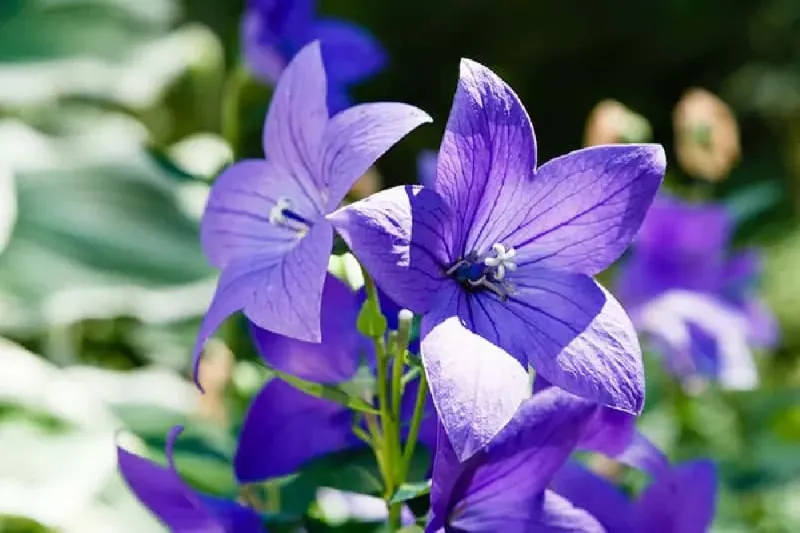
Kids and adults alike stop to stare when they spot balloon flower buds for the first time. Before the blooms open, the buds puff up into perfectly round little balloons that look almost too cute to be real.
Then they burst open into wide, star-shaped purple flowers with delicate veining on the petals. It is one of the most unique and charming sequences in the entire gardening world, and it happens reliably every single summer in Pennsylvania.
Balloon flowers are long-lived perennials that settle in and return faithfully each year. They bloom from midsummer into early fall, filling the gap when spring perennials have faded and fall bloomers have not quite kicked in yet.
They prefer full sun to partial shade and well-drained soil, and they are surprisingly drought-tolerant once established. One thing to note: they are slow to emerge in spring, so mark their spot carefully to avoid accidentally disturbing the roots.
These plants look wonderful in cottage-style gardens and mixed perennial borders throughout Pennsylvania.
The purple flowers pair beautifully with white or yellow companions, and the neat, upright growth habit means they do not need staking or constant tidying.
Balloon flowers rarely have serious pest or disease issues, which makes them a real pleasure to grow. They are also one of the few perennials that actually improve with age, forming larger, more floriferous clumps as the years go by.
8. Creeping Phlox (Phlox Subulata)
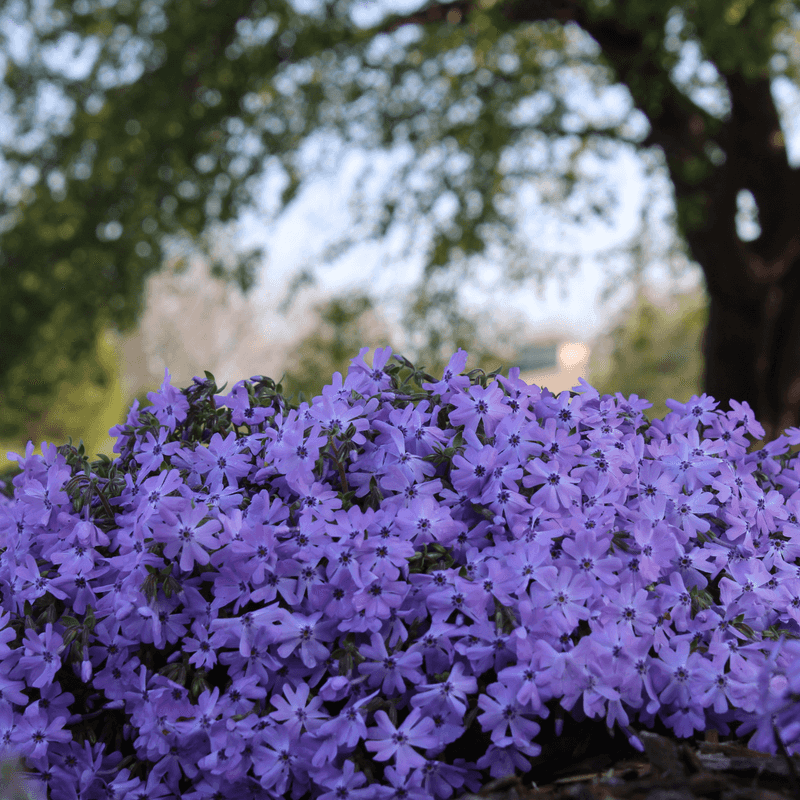
Every spring in Pennsylvania, creeping phlox puts on one of the most spectacular shows in the gardening calendar. The low-growing mat of needle-like foliage completely disappears under a thick blanket of small, cheerful purple flowers that seem to glow in the spring sunshine.
It is the kind of display that makes neighbors slow down their cars for a second look. Once you see a mature creeping phlox in full bloom, you will want it everywhere in your yard.
This plant is an excellent problem-solver for tricky spots. Slopes that are hard to mow, rocky areas that drain too fast for most plants, and bare patches along walls or walkways are all perfect homes for creeping phlox.
It spreads steadily each year, filling in gaps and crowding out weeds as it goes. After blooming, the foliage stays green and tidy all season long, providing attractive ground cover even when the flowers are done.
Creeping phlox thrives in full sun and well-drained soil, and it handles Pennsylvania winters without any protection. It is deer-resistant, drought-tolerant once established, and virtually pest-free.
Trimming it back lightly after flowering keeps the plant compact and encourages even denser growth the following year.
Over time, a single plant can spread several feet wide, creating a rolling, colorful carpet that gets better and better with each passing season. For slopes, rock gardens, or any sunny edge, creeping phlox is simply unbeatable.