Stop Doing This If You Want Fireflies In Your Pennsylvania Yard
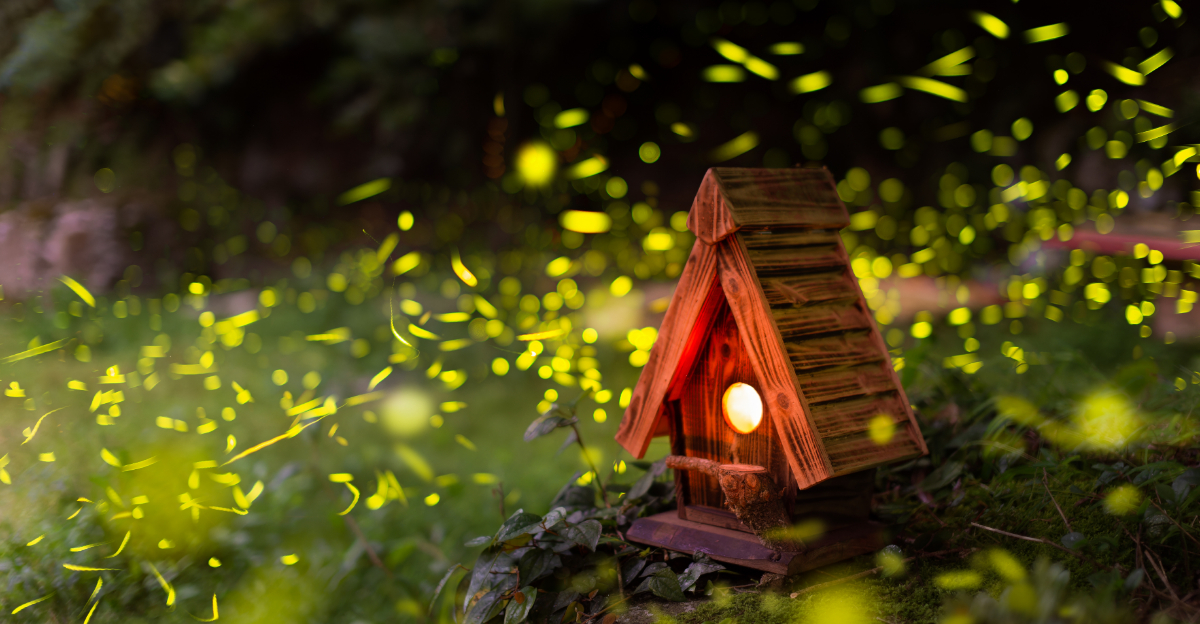
There is something about fireflies that makes people stop in their tracks. Even grown adults will pause on the porch, look across the yard, and smile like kids the minute those tiny lights start flickering over the grass.
That is why it feels so noticeable when they are missing. A Pennsylvania yard can look healthy, trimmed, and perfectly cared for, yet still offer very little that fireflies actually need.
What pleases people during the day is not always what helps these insects stick around after sunset.
One of the biggest reasons has become so normal that many homeowners barely think about it anymore. It is folded into regular yard care, repeated week after week, and praised as good upkeep.
Meanwhile, the glow people love can fade from the landscape long before they realize which routine is helping cause it.
1. Leaving Bright Outdoor Lights On At Night
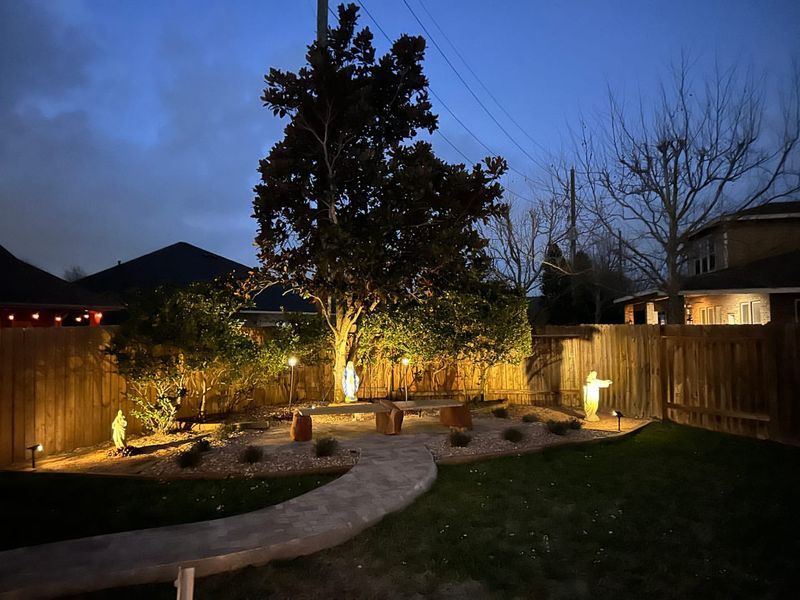
Fireflies are essentially living flashlights, and they use their glow to find mates on warm summer nights. When your yard is flooded with bright artificial light, their signals get completely lost in the glare.
It is like trying to have a conversation in a room where someone is shouting the whole time.
Pennsylvania homeowners often leave porch lights, floodlights, and decorative string lights running all night without thinking about the impact. Studies on firefly behavior show that even low levels of artificial light at night can confuse adults and reduce mating success.
Fewer successful matings means fewer larvae the following year, and that means fewer fireflies blinking across your yard next summer.
Switching to motion-activated lights is one of the easiest fixes. You can also use warm amber or red-toned bulbs instead of bright white LEDs, since those wavelengths are less disruptive to firefly signaling.
Try turning off unnecessary lights between 9 PM and midnight, which is peak firefly activity time in most parts of Pennsylvania. Even a single dark corner of your yard can become a gathering spot if the conditions are right.
Small adjustments to your lighting routine can bring a noticeable difference within just one season.
2. Spraying Broad-Spectrum Insecticides
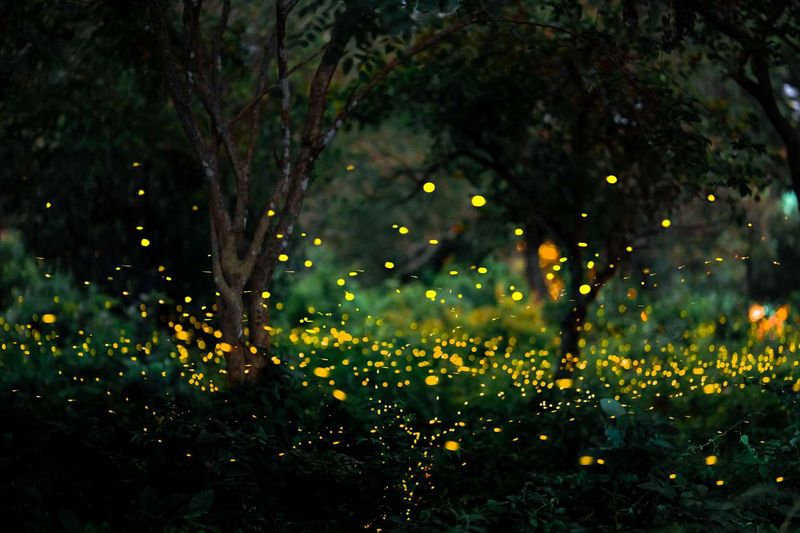
Grabbing a bottle of broad-spectrum insecticide might feel like a quick fix for pests, but it is one of the most damaging things you can do if you want fireflies around. These sprays are designed to eliminate a wide range of insects, and fireflies are not immune.
Both adult fireflies and their larvae are highly vulnerable to chemical exposure.
Firefly larvae spend most of their lives underground and in leaf litter, hunting soft-bodied prey like slugs and snails. When insecticides soak into the soil, those larvae absorb the chemicals and often cannot survive.
Even if the spray is aimed at a different pest, the collateral damage to your firefly population can be significant and long-lasting.
Pennsylvania gardeners dealing with pest problems have better options available. Targeted treatments that address only the specific pest causing trouble are far less harmful to beneficial insects.
Introducing natural predators, using row covers on vegetable plants, or applying neem oil carefully to affected areas can all reduce pest damage without wiping out your firefly population. If you do need to use a chemical product, always read the label carefully and avoid applying it near areas where fireflies are known to gather.
Your Pennsylvania Garden Changes Every Week. Your Plan Should Too.
Gardening in Pennsylvania changes quickly throughout the season. Every Friday you’ll receive a simple weekly plan showing exactly what to plant, prune, fertilize, harvest, and protect so you never miss the right timing.
Protecting the good insects is just as important as managing the harmful ones.
3. Using Mosquito Yard Sprays Or Foggers
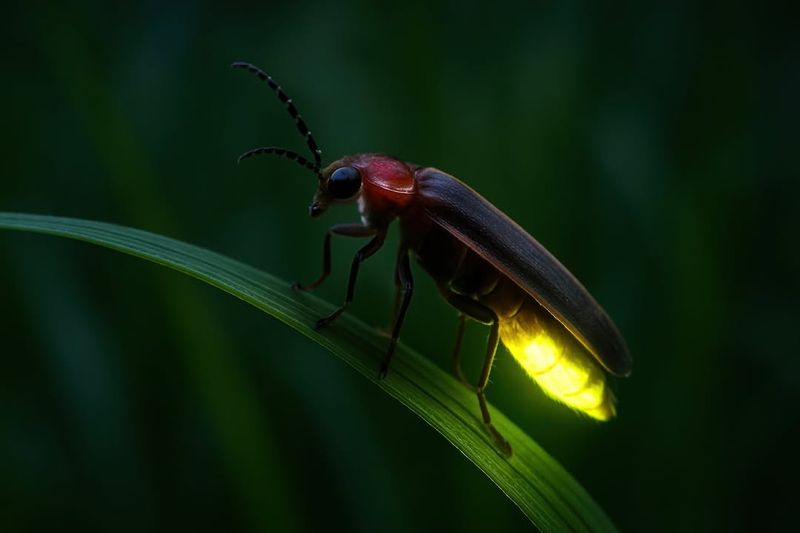
Mosquito control services have become incredibly popular across Pennsylvania, especially during humid summers when biting insects seem relentless. Yard foggers and spray treatments promise relief, and they do deliver on that promise.
Unfortunately, they deliver it by blanketing your entire yard with pesticide that does not discriminate between mosquitoes and fireflies.
Most mosquito foggers use pyrethrin or permethrin-based products, which are extremely toxic to all insects, including the fireflies you are hoping to attract. Fogging treatments coat grass blades, shrubs, and soil surfaces where firefly larvae live and where adults rest during the day.
Research has shown that regular mosquito spraying can reduce firefly populations significantly over just a few seasons.
Rather than treating your whole yard, consider targeted approaches to reduce mosquitoes naturally. Eliminating standing water removes mosquito breeding sites more effectively than any spray.
Installing bat boxes is a surprisingly powerful strategy, since a single bat can consume hundreds of mosquitoes in one night. Planting native species like wild bergamot and bee balm around your Pennsylvania yard also deters mosquitoes while supporting fireflies and other pollinators.
If you feel you must use a fogging service, ask them to avoid treating areas where you have leaf litter, tall grass, or known firefly activity. Strategic protection goes a long way.
4. Raking Away All The Leaf Litter
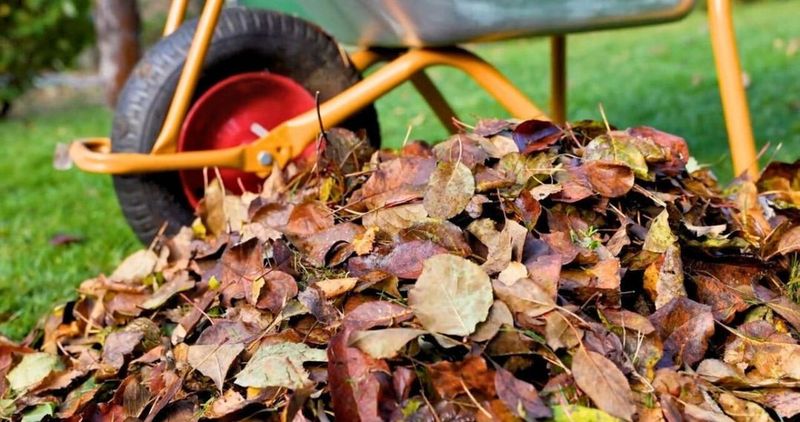
Autumn cleanup feels satisfying, and a perfectly bare yard looks tidy. But underneath all those fallen leaves is a world of activity that fireflies depend on to survive winter and grow into adults.
Leaf litter is not just fallen plant material. It is a layered habitat packed with moisture, fungi, and small prey animals that firefly larvae hunt throughout the cooler months.
Firefly larvae in Pennsylvania can spend up to two years underground and in leaf litter before they ever flash their first light. During that time, they need the insulation and humidity that a natural leaf layer provides.
When you rake every leaf away and bag it up, you are removing the protective blanket those larvae need to survive the cold and find food.
A practical approach is to leave leaf litter in garden beds, along fence lines, and under trees and shrubs. You do not need to let your entire yard go wild, but creating designated leaf zones gives fireflies the habitat they need without making your property look neglected.
You can even rake leaves from the lawn and redistribute them into garden beds rather than sending them to the curb. Mulching leaves lightly with a mower is another option that keeps some of the organic material in place.
Pennsylvania yards that keep natural leaf zones tend to see stronger firefly activity the following summer.
5. Cleaning Up The Garden Too Aggressively In Fall Or Early Spring
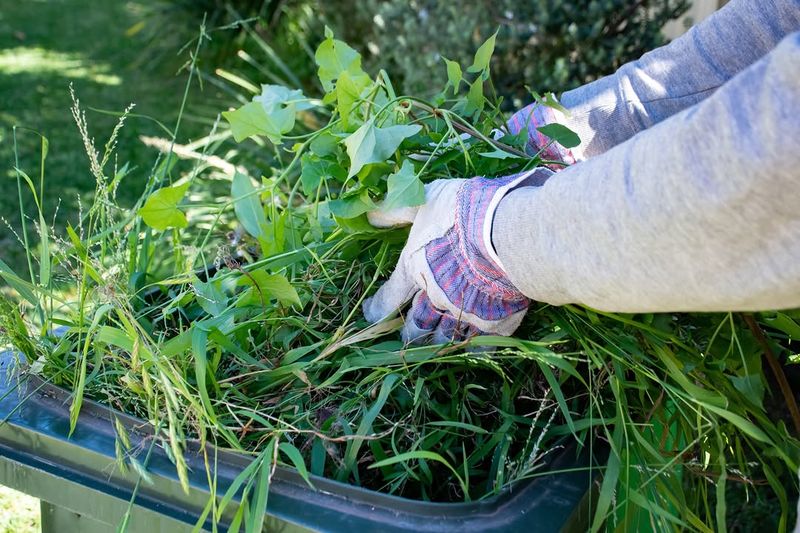
There is a certain urge to get out into the garden as soon as the weather breaks, pulling up old stems, turning over soil, and making everything look fresh. That kind of thorough cleanup, especially if done in early spring, can seriously set back your local firefly population before the season even begins.
Firefly pupae, the stage just before adulthood, are tucked into the soil and surface debris during late spring. Aggressive tilling, digging, and clearing at that time can expose and disturb them at a critical stage in their development.
Even a well-meaning cleanup done a few weeks too early in a Pennsylvania yard can wipe out the fireflies that were just about to emerge for the season.
Waiting until late May or early June to do your most intensive garden cleanup gives firefly pupae time to complete their transformation and emerge safely. Cutting back perennials can be done in stages rather than all at once.
Leaving hollow stems standing through winter provides shelter not just for fireflies but for native bees and other beneficial insects as well. When you do tidy up garden beds, try turning soil as little as possible and avoid disturbing areas where you know leaf litter has been sitting undisturbed.
A slower, more patient approach to seasonal cleanup pays off in a brighter, more lively yard come summer.
6. Removing Downed Wood And Rotting Logs
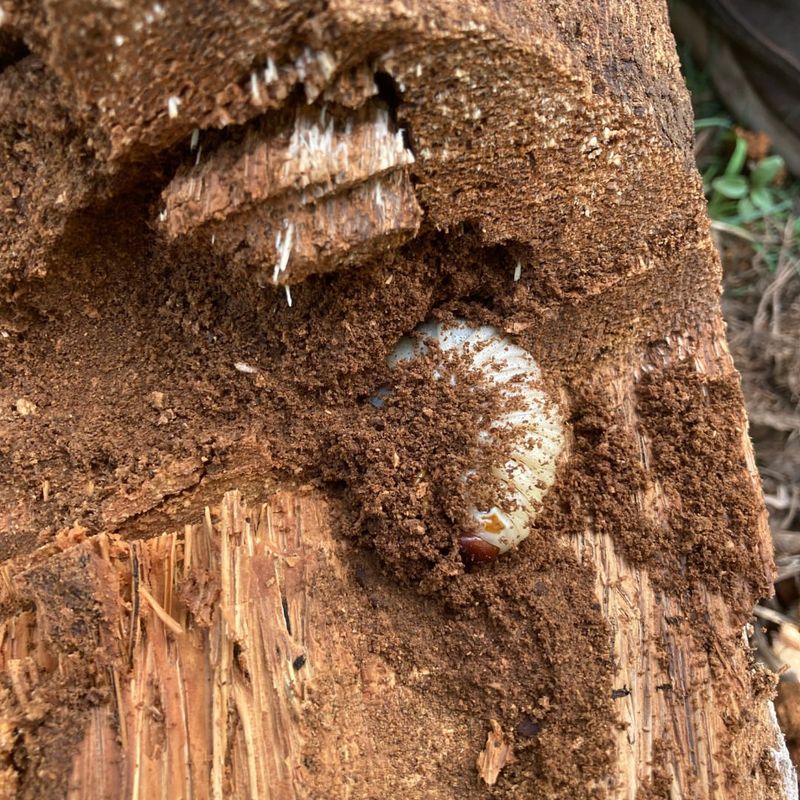
A fallen log might look like yard clutter, but to a firefly it looks like a five-star hotel. Rotting wood holds moisture, harbors fungi, and shelters the kinds of soft invertebrates that firefly larvae feed on.
Logs and downed branches are among the most valuable microhabitats you can have in a Pennsylvania yard if you want to support fireflies long-term.
Firefly larvae are active hunters that move through moist soil and decaying organic matter searching for prey. A rotting log creates exactly the kind of damp, rich environment they thrive in.
Removing all the downed wood from your property strips away one of the key resources that supports firefly larvae through their multi-year underground stage.
You do not need a forest floor to help out. Even one or two logs tucked into a shady corner of your yard, ideally near native plants or a slightly damp area, can provide meaningful habitat.
Stacking branches loosely in an out-of-the-way spot creates what is sometimes called a brush pile habitat, and it benefits far more than just fireflies. Toads, salamanders, and ground beetles all use these spaces too.
If you have trees on your Pennsylvania property that occasionally drop branches, consider leaving a few in place rather than clearing everything away. Nature does a remarkable job when you just let a little bit of it be.
7. Keeping The Yard Too Dry
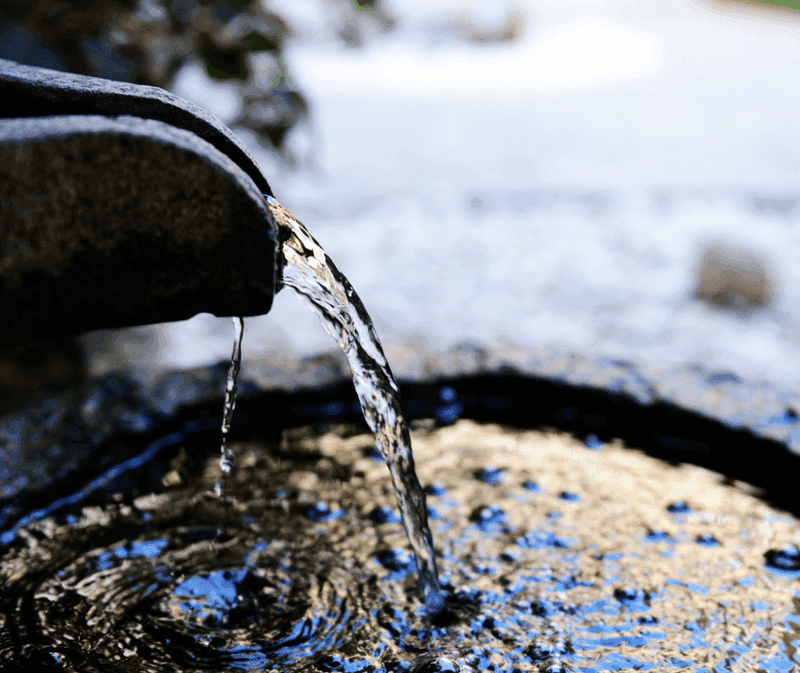
Fireflies have a strong preference for moist environments, and it is not just a coincidence that you tend to see them most around ponds, streams, and low-lying areas. Moisture is essential at every stage of their life cycle, from the larvae hunting through damp soil to the adults that prefer to rest in humid vegetation after a warm evening.
Pennsylvania yards that are heavily irrigated to stay green but with fast-draining soil, or yards that bake in full sun with no shade or water features, are simply not as attractive to fireflies. Dry conditions make it harder for larvae to move through the soil and reduce the populations of soft prey like snails and worms that they depend on for food.
Adding a small water feature like a shallow garden pond, a birdbath kept filled, or even a rain garden planted in a low spot can dramatically increase the appeal of your yard to fireflies. Native plants that prefer moist conditions, such as cardinal flower, blue flag iris, or swamp milkweed, also help retain soil moisture and create the kind of lush, humid microhabitat fireflies love.
Reducing the amount of impervious surface in your yard, like concrete patios or compacted gravel paths, allows rainwater to soak in rather than run off. Keeping your Pennsylvania yard just a little wetter could be the single biggest change you make for fireflies.
8. Replacing Mixed Habitat With Wall-To-Wall Lawn

A perfectly uniform lawn stretching from the house to the property line might be the standard look for many Pennsylvania neighborhoods, but it is one of the least welcoming environments you can offer a firefly. Wall-to-wall turf grass provides almost nothing that fireflies need to complete their life cycle.
No leaf litter, no moist soil pockets, no native plants, no rotting wood, and no dark sheltered corners.
Fireflies evolved in diverse, layered habitats where multiple types of plants, soils, and moisture levels exist side by side. A monoculture lawn is essentially a biological desert for them.
The more of your yard you dedicate to uniform grass, the less room there is for the complex habitat that supports fireflies and the entire food web they are part of.
Converting even a small portion of your lawn into a native plant garden can have a remarkable impact. Shrubs, wildflowers, ornamental grasses, and groundcovers all create layers of habitat that fireflies find attractive.
Pennsylvania native plants like wild ginger, black-eyed Susan, and Virginia bluebells are beautiful, low-maintenance choices that also support fireflies and other native wildlife. Starting with a garden bed along a fence line or in a shaded corner is all it takes to begin shifting the balance.
Over time, as you add more diversity to your yard, you are likely to notice more fireflies, more native bees, and a yard that feels genuinely alive.
9. Mowing Every Corner Short Instead Of Leaving Some Taller Cover
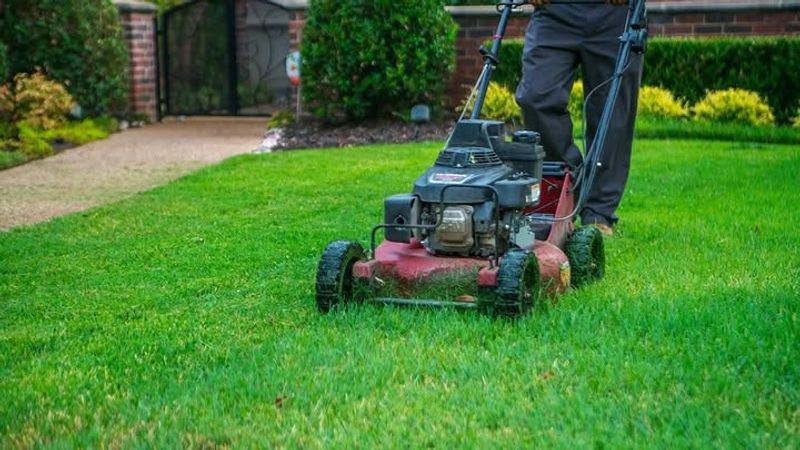
Mowing is one of those yard tasks that most people do on autopilot, running the mower over every inch of the property until everything is cut short and uniform. For fireflies, though, tall grass and unmowed patches of vegetation are not just preferences.
They are necessities. Adult fireflies rest in tall grass during the day and use it as launch pads for their nightly light shows.
Research on firefly behavior consistently shows that populations are higher in yards with at least some areas of taller vegetation. When every corner of a Pennsylvania yard gets mowed to golf course height, fireflies have nowhere to hide, rest, or signal from effectively.
Short grass also dries out faster, reducing the soil moisture that larvae depend on beneath the surface.
Leaving a strip of unmowed grass along a fence, around a tree, or at the back edge of your property is a simple and low-effort way to create firefly-friendly cover. You can keep the rest of your lawn tidy while still offering that refuge.
Some Pennsylvania homeowners are also experimenting with low-mow lawn mixes using native fine fescues and other grasses that stay shorter naturally and require far less frequent cutting. Mowing every other week instead of every week during peak firefly season, roughly late May through July, also reduces disturbance during the time when fireflies are most active and visible in the evening sky.