The Biggest Mistakes Texas Gardeners Make Before April
Texas gardeners know spring can feel like it sneaks up overnight. One minute it is still cool enough to wait on big garden plans, and the next everything seems to be waking up at once.
That short window before April can make a huge difference, which is exactly why so many common mistakes happen during this time.
People plant too early, prune the wrong thing, skip soil prep, or get a little too confident after a few warm days. Then the weather shifts, the garden stalls, and frustration sets in fast.
What makes this stretch of the season so tricky is that Texas does not play by one simple gardening rule. Conditions can change from one region to another, and even experienced gardeners can get caught off guard.
A yard that looked ready in late winter may still need more time, better planning, or a different approach. The good news is that most of these mistakes are easy to avoid once you know what to watch for.
A few smarter moves now can save time, money, and a whole lot of disappointment once the busiest part of spring gets going.
1. Planting Too Early
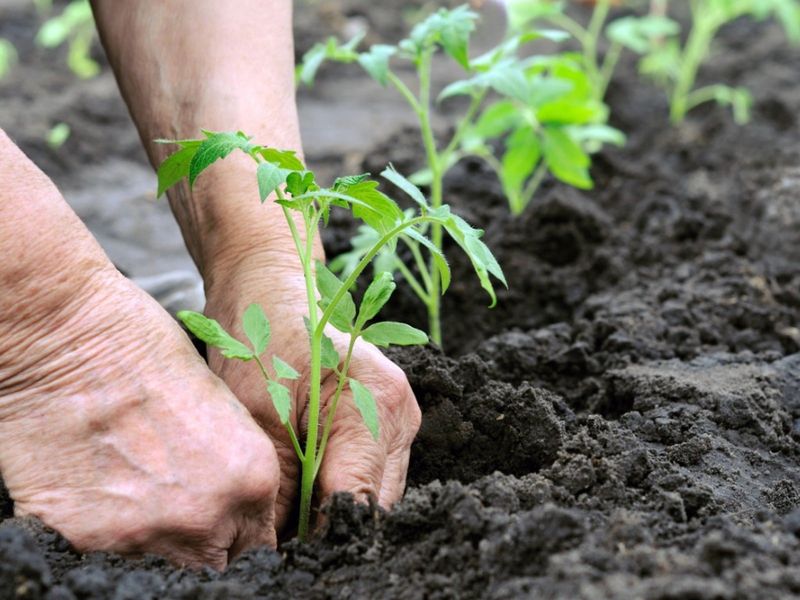
That first warm weekend in February can feel like an invitation to get everything in the ground. The sun is out, the air is mild, and your new seedlings are sitting right there on the porch.
But in Texas, warm days before April can be seriously misleading.
Late cold snaps are very common across the state, from the Panhandle all the way down to the Hill Country. A surprise freeze in late February or even early March can stress young plants badly, leaving them weak and slow to recover.
Warm-season crops like tomatoes, peppers, and squash need soil temperatures of at least 60 degrees Fahrenheit to grow properly. Planting before the soil reaches that level means your plants will just sit there, struggling instead of thriving.
It is tempting to trust those early warm days, but Texas weather is known for its mood swings. Experienced Texas gardeners always keep an eye on the extended forecast before putting anything in the ground.
A good rule of thumb is to wait until after the last average frost date for your specific region. In North Texas, that is usually around mid-March, while South Texas gardeners can sometimes push a little earlier.
Keep your seedlings in a sheltered spot until nighttime temperatures stay consistently above 50 degrees. Starting seeds indoors and hardening them off slowly is a smarter move than rushing them outside.
Patience really does pay off in the Texas garden, especially in those tricky weeks before April arrives.
2. Ignoring Soil Preparation
Walk out to almost any backyard in Texas and you will quickly notice that the soil is not exactly gardener-friendly. Much of the state deals with heavy clay soil that clumps, cracks, and drains poorly.
Other areas, especially in Central and West Texas, have sandy soil that dries out way too fast and holds very few nutrients.
Your Texas Garden Changes Every Week. Your Plan Should Too.
Gardening in Texas changes quickly throughout the season. Every Friday you’ll receive a simple weekly plan showing exactly what to plant, prune, fertilize, harvest, and protect so you never miss the right timing.
Skipping soil preparation before April is one of the most common and costly mistakes Texas gardeners make. If you just drop plants into unprepared ground, the roots have a tough time spreading out and finding water.
Weak root systems mean weak plants, and weak plants struggle once the intense Texas summer heat kicks in.
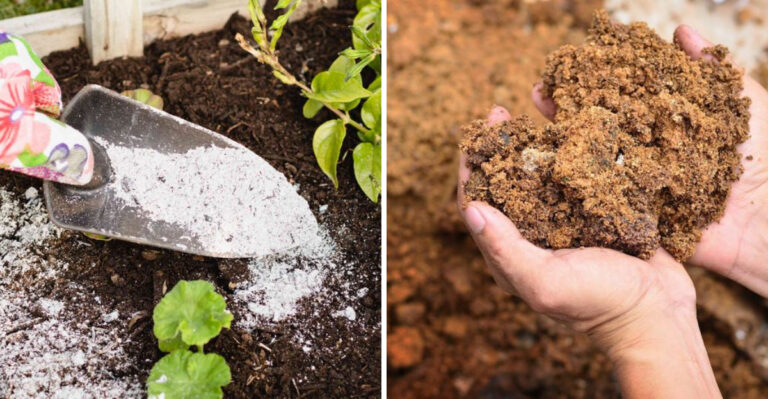
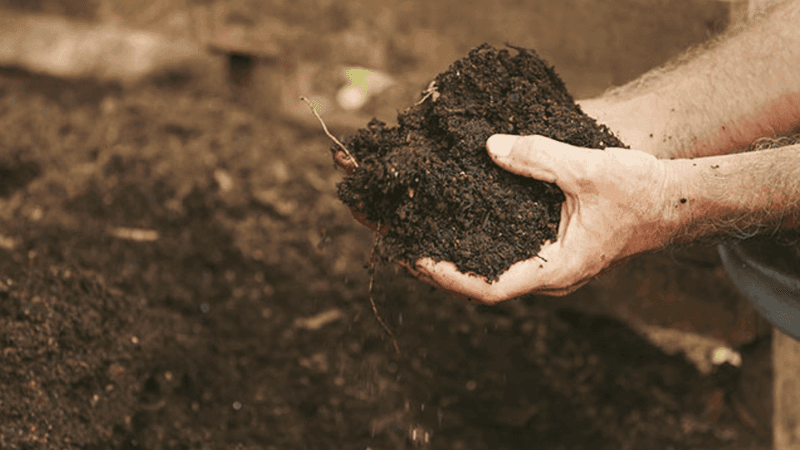
The fix is simpler than most people think. Adding a few inches of quality compost to your garden beds and working it into the top several inches of soil makes a huge difference.
Compost improves drainage in clay soil and helps sandy soil hold onto moisture and nutrients much longer. Early spring, before you plant anything, is the perfect time to do this work.
Some Texas gardeners also add organic matter like aged bark or leaf mulch to further improve soil structure. Getting a basic soil test is another smart move.
Many Texas A&M AgriLife Extension offices offer affordable testing that tells you exactly what your soil needs.
Knowing your pH level and nutrient content helps you add the right amendments instead of guessing. A little soil prep effort now saves a whole lot of frustration later in the season.
3. Overwatering In Cool Weather
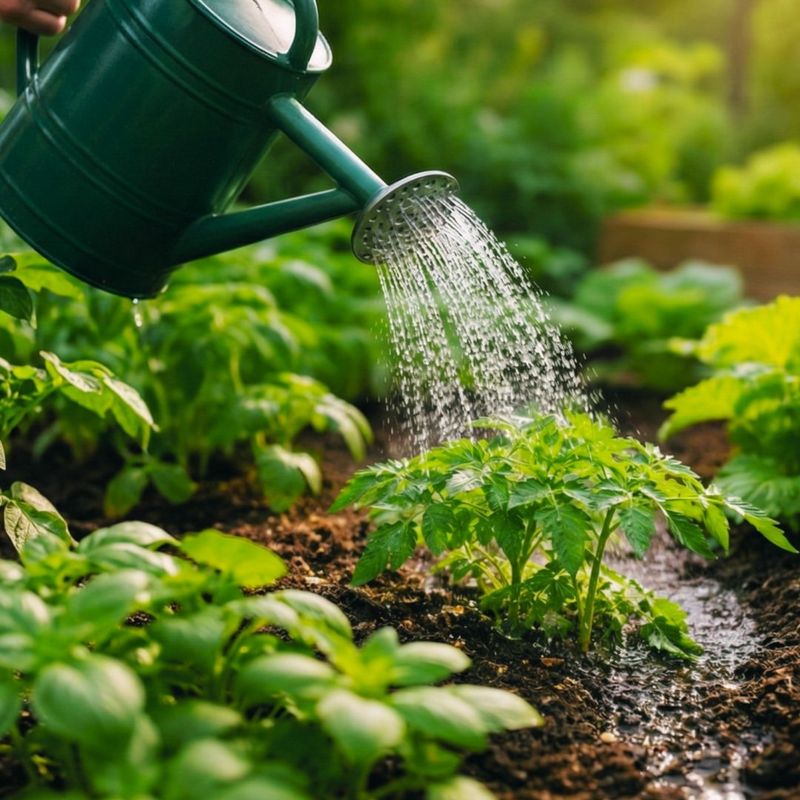
Here is something that surprises a lot of new gardeners: plants do not need as much water in cool weather as they do in summer.
Before April, Texas temperatures are still relatively mild, and the soil stays moist much longer between watering sessions. Watering on a summer schedule during late winter or early spring is a recipe for trouble.
Too much moisture around plant roots creates the perfect conditions for root rot and fungal diseases. Root rot is sneaky because you cannot always see it happening underground.
By the time leaves start turning yellow or wilting for no obvious reason, the damage is often already done. Overwatering is actually one of the leading reasons young Texas garden plants fail before they ever get a real chance to grow.
A simple trick to avoid this mistake is to check the soil before you water. Stick your finger about two inches into the ground.
If it still feels damp, hold off for another day or two. Cool-season plants like lettuce, spinach, and broccoli prefer evenly moist soil, not soggy ground.
Raised beds and containers dry out a little faster than in-ground beds, so they may need slightly more frequent watering. But even then, always check first before adding more.
Adjusting your irrigation timer to reflect cooler, slower-drying conditions is also a smart step. Many Texas gardeners forget to dial back their systems after summer ends, and those same settings carry right into spring.
Small adjustments now protect your plants from unnecessary stress before the real growing season even begins.
4. Fertilizing Too Soon
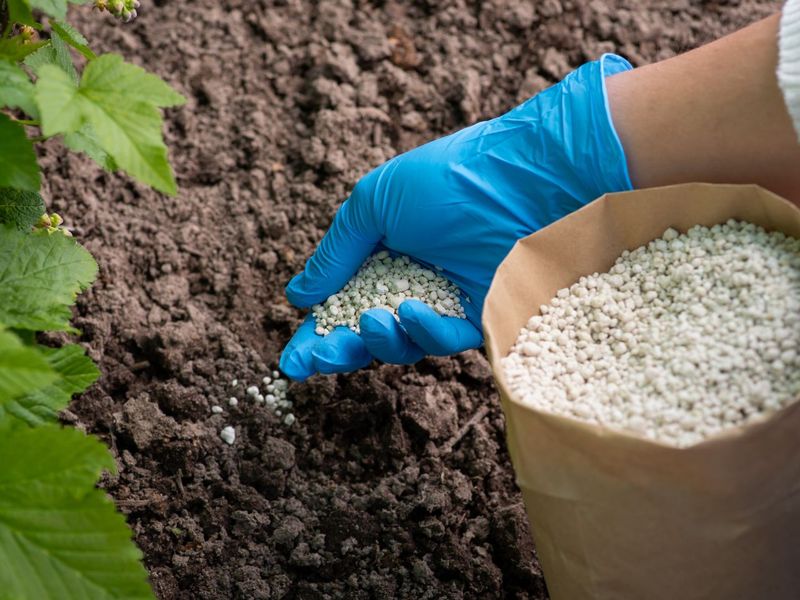
Grabbing a bag of fertilizer and loading up your garden beds in January or February feels productive. It seems like you are getting ahead of things, setting your plants up for a strong season.
But fertilizing too early in Texas is actually working against your garden, not for it.
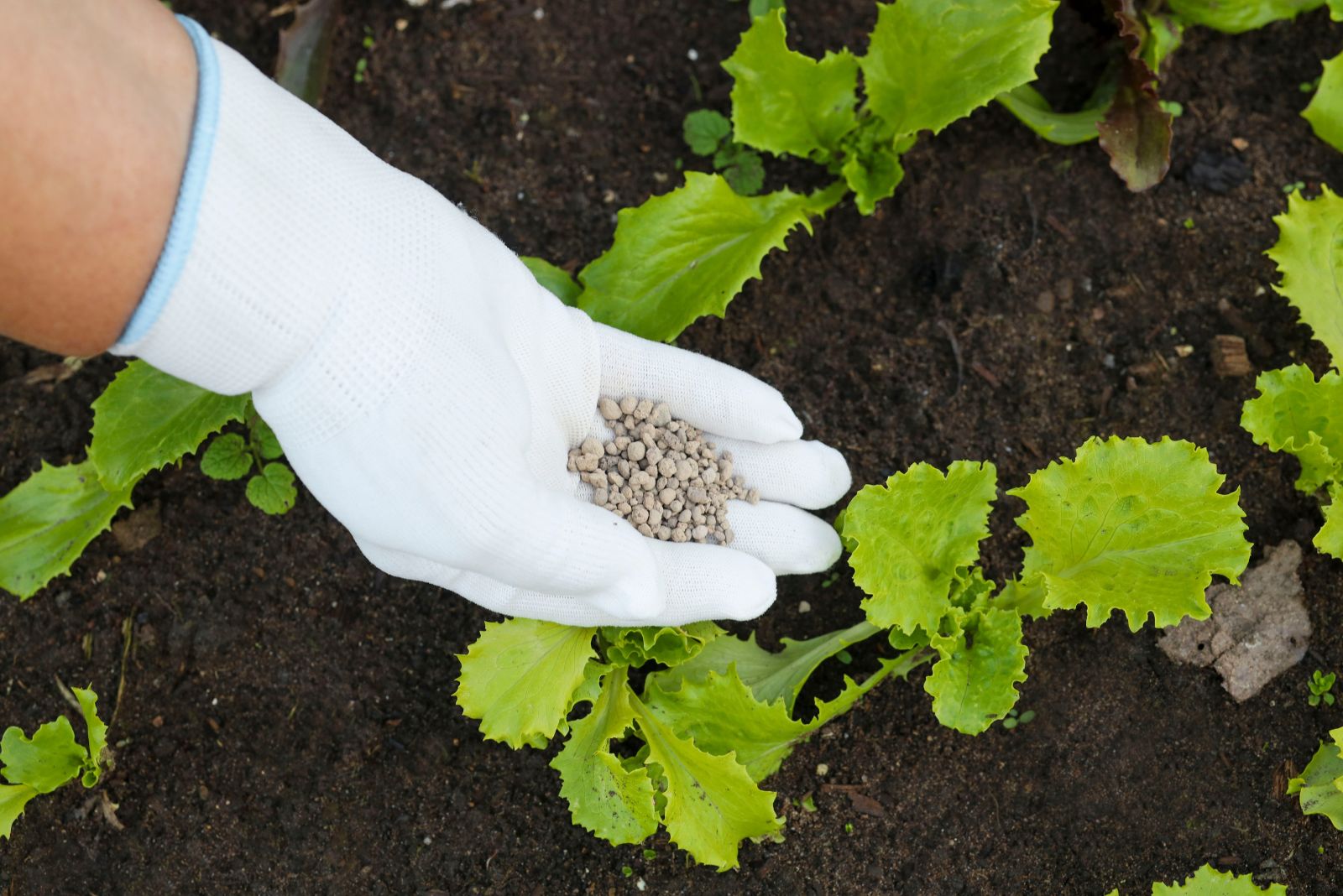
Plants absorb nutrients most efficiently when they are actively growing. Before soil temperatures warm up enough to trigger real growth, fertilizer just sits in the ground unused.
Rain and irrigation can wash those nutrients away before your plants ever get the chance to use them. That means wasted money and wasted effort, and in some cases, nutrient runoff that ends up in nearby waterways.
Early fertilizing can also push plants into producing soft, weak new growth during a period when cold snaps are still possible across Texas. That tender new growth is much more vulnerable to frost damage than mature plant tissue.
You end up with stressed plants that need extra care right when they should be settling in and getting established.
Wait until you can see clear signs of active growth before reaching for the fertilizer. For most warm-season vegetables in Texas, that means late March at the earliest, and often not until April.
Cool-season crops like kale and cabbage benefit from a light feeding in early spring, but even they do not need heavy applications.
Slow-release organic fertilizers are a great choice because they feed plants gradually as the soil warms up, matching the pace of natural plant growth throughout the Texas spring season.
5. Pruning At The Wrong Time
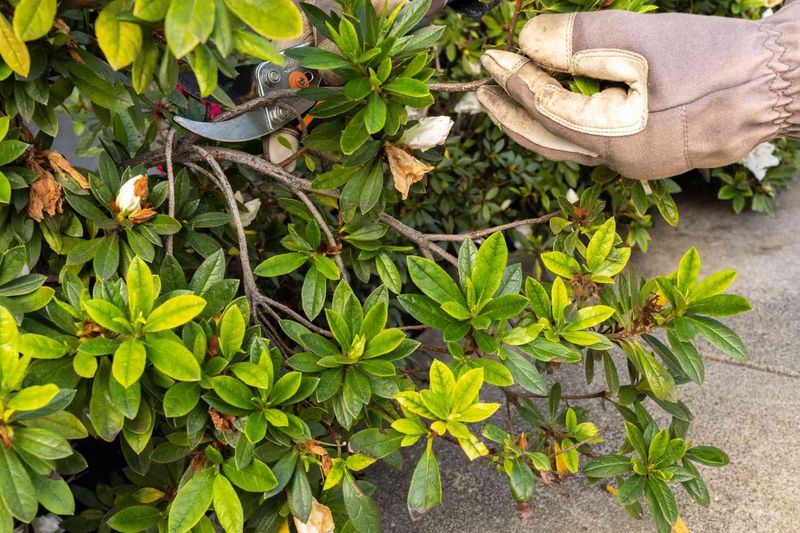
Pruning feels like one of those tasks you can do anytime the weather is nice. But timing your cuts wrong, especially on spring-blooming plants, can mean missing out on an entire season of flowers.
Many Texas gardeners make this mistake every single year without realizing what went wrong.
Shrubs like azaleas, forsythia, and flowering quince set their flower buds during the previous fall and winter. Those buds are already sitting on the branches, just waiting for warm weather to open up.
If you prune these plants in late winter or early spring, you are literally cutting off next season’s blooms before they ever get the chance to open. The result is a perfectly healthy shrub with no flowers at all.
The right time to prune spring bloomers is right after they finish flowering, usually in late April or May in most parts of Texas. That gives the plant the entire growing season to set new buds for the following year.
Summer and fall bloomers, on the other hand, can be pruned in late winter without any problem since they bloom on new growth.
Knowing what type of plant you have before picking up the pruning shears is really important. A quick online search or a visit to your local Texas nursery can tell you exactly when to prune any plant in your yard.
Fruit trees also have specific pruning windows, and getting the timing wrong can reduce your harvest. A little research goes a long way toward keeping your Texas garden looking its very best all season long.
6. Not Applying Mulch Early Enough
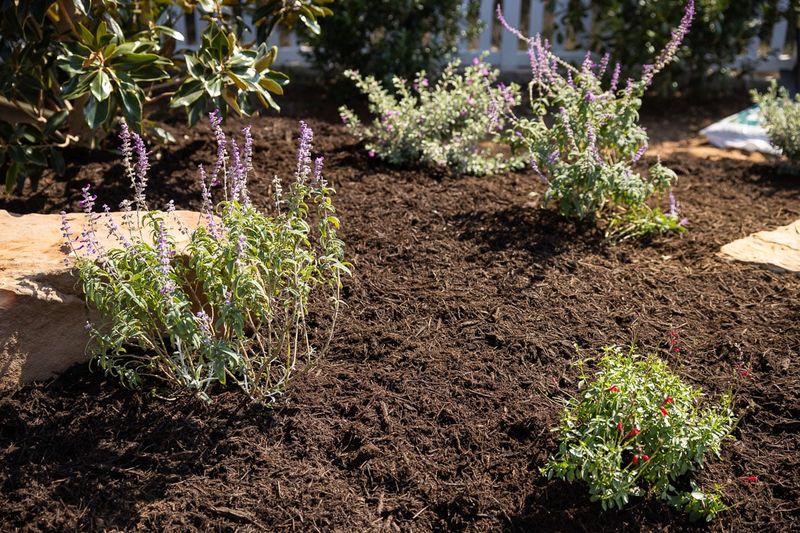
Most Texas gardeners know that mulch is important in the summer. It keeps the soil cool, holds in moisture, and reduces the need for constant watering.
But waiting until the heat is already blasting to put mulch down means you have already missed a big part of the benefit.
Applying mulch early in the spring, well before April if possible, gives your garden beds a major head start. As temperatures begin to climb across Texas, the mulch acts as a buffer, slowing down the rate at which soil moisture evaporates.
Without that protective layer, the surface of the soil can dry out incredibly fast once warm, dry winds start blowing through. Anyone who has gardened through a Texas summer knows just how brutal those conditions can be.
Early mulching also helps regulate soil temperature, keeping it more stable during those unpredictable late-winter and early-spring swings that Texas is famous for. A two to three inch layer of mulch around your plants is a great starting point.
Wood chips, shredded bark, straw, and even dried leaves all work well depending on what you have available.
Keep the mulch a few inches away from plant stems to prevent moisture buildup and potential rot right at the base of the plant. Refreshing your mulch layer each spring is a simple habit that pays off big time throughout the entire Texas growing season.
Gardens with good mulch coverage also tend to need less weeding, which is a bonus that every busy Texas gardener can appreciate. Start early and your plants will thank you all summer long.
7. Forgetting To Check Irrigation Systems
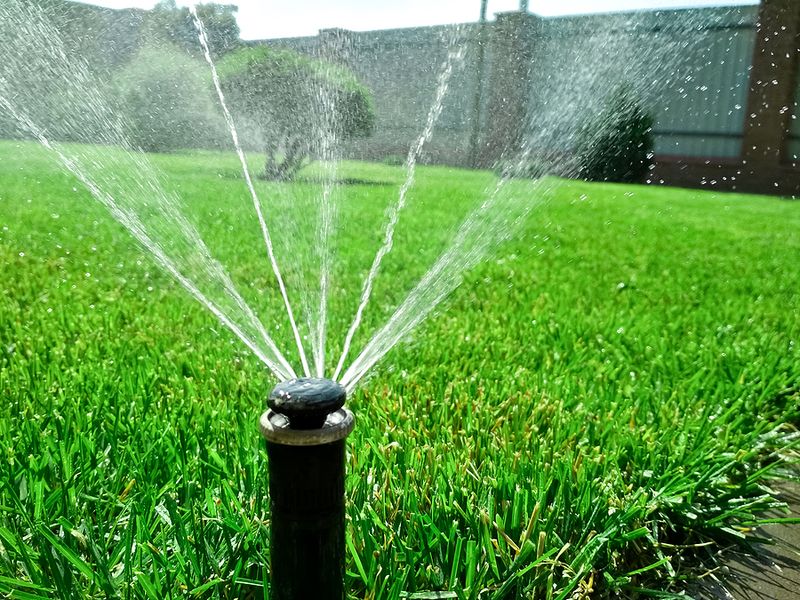
Out of sight, out of mind is a phrase that describes a lot of Texas gardeners when it comes to their irrigation systems. Over the fall and winter months, drip lines get clogged, sprinkler heads crack, and timers drift out of sync.
Nobody notices because the garden does not need much water during the cooler months. But once Texas heat arrives, those hidden problems become very big ones very fast.
Checking your irrigation system before April is one of the smartest things you can do to protect your garden investment. Walk through your yard and turn each zone on manually.
Watch for sprinkler heads that are not popping up, drip emitters that are blocked, and any areas where water is pooling instead of soaking in. Even a small leak wastes a surprising amount of water over the course of a hot Texas summer.
Clogged or broken irrigation means some plants get too much water while others get too little. Uneven watering stresses plants and makes them more vulnerable to pests and disease.
In a state where summer temperatures regularly top 100 degrees, consistent and efficient watering is not optional. It is essential for keeping a garden alive and productive.
Check your timer settings too. Make sure the schedule reflects actual spring conditions rather than last summer’s heavy-watering program.
Many Texas water utilities also offer free irrigation audits to help homeowners use water more efficiently. Taking an hour or two before April to inspect and repair your system means your garden will be ready when the real Texas heat shows up, and it always does.