These Are The 8 Ohio Plants That Help Fireflies Complete Their Life Cycle
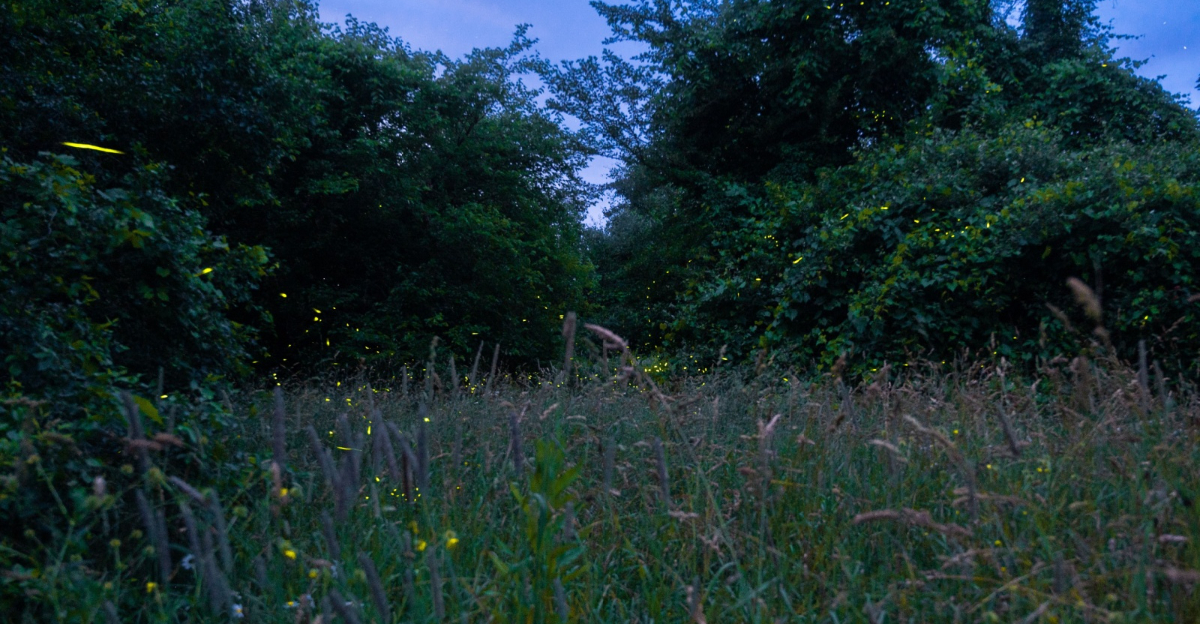
Fireflies do more than light up Ohio nights. They depend on the right plants and habitat to survive from one stage of life to the next.
Many people think of them as a summer sight, floating above the lawn for a few magical weeks, then gone. What most do not see is the long life cycle behind that glow.
Fireflies spend much of their lives as eggs, larvae, and pupae close to the ground, hidden in moist soil, leaf litter, and dense plant cover. Without the right environment, they struggle long before they ever flash.
That makes plant choice more important than most Ohio gardeners realize. Some plants help hold moisture, protect the soil, and create the shelter fireflies need to grow and reproduce.
For anyone who wants more of those soft summer lights in the yard, these Ohio plants can play a real role in helping fireflies complete their life cycle.
1. Switchgrass Gives Fireflies Tall Cover And Safer Ground Below
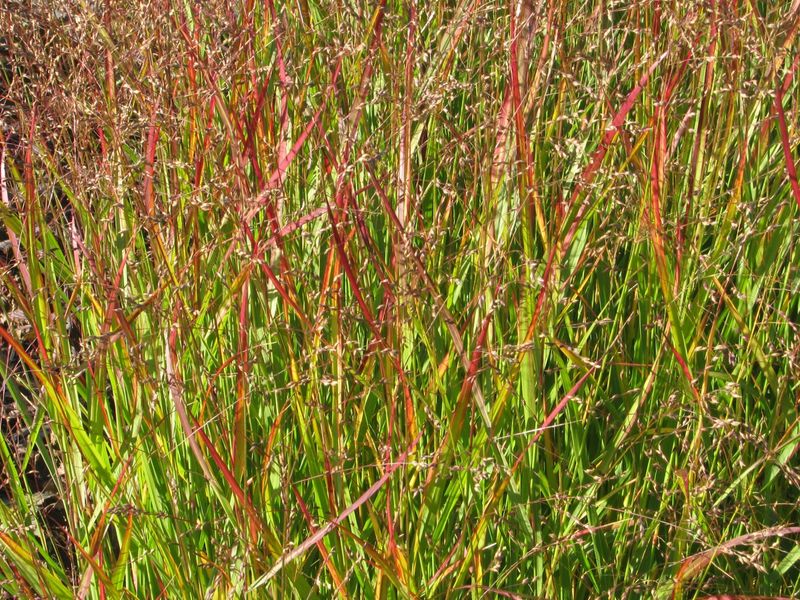
Switchgrass is one of those native prairie grasses that does quiet, important work without asking for much attention. Growing anywhere from three to six feet tall depending on the cultivar, it creates a column of vertical cover that breaks up open space and gives the landscape a wilder, more layered feel.
That structure matters a lot for fireflies, which tend to avoid wide-open, manicured areas where they feel exposed.
Beneath those tall stems, switchgrass creates a zone of reduced wind, lower light, and slightly cooler temperatures. The base of the plant stays relatively undisturbed, especially when it is left standing through winter and into early spring.
That undisturbed ground is exactly the kind of spot where firefly larvae can move through the soil hunting soft-bodied prey like slugs and worms without being disrupted by foot traffic or mowing.
Panicum virgatum is also deeply rooted, which means it can help hold soil moisture better than shallow-rooted ornamentals. In Ohio yards and rain gardens, it handles both wet and dry spells without complaint.
Leaving the base of switchgrass unraked and undisturbed through the season gives fireflies a sheltered corridor right at ground level, which is exactly where much of their life cycle plays out.
2. Little Bluestem Keeps The Yard Wilder In All The Right Ways
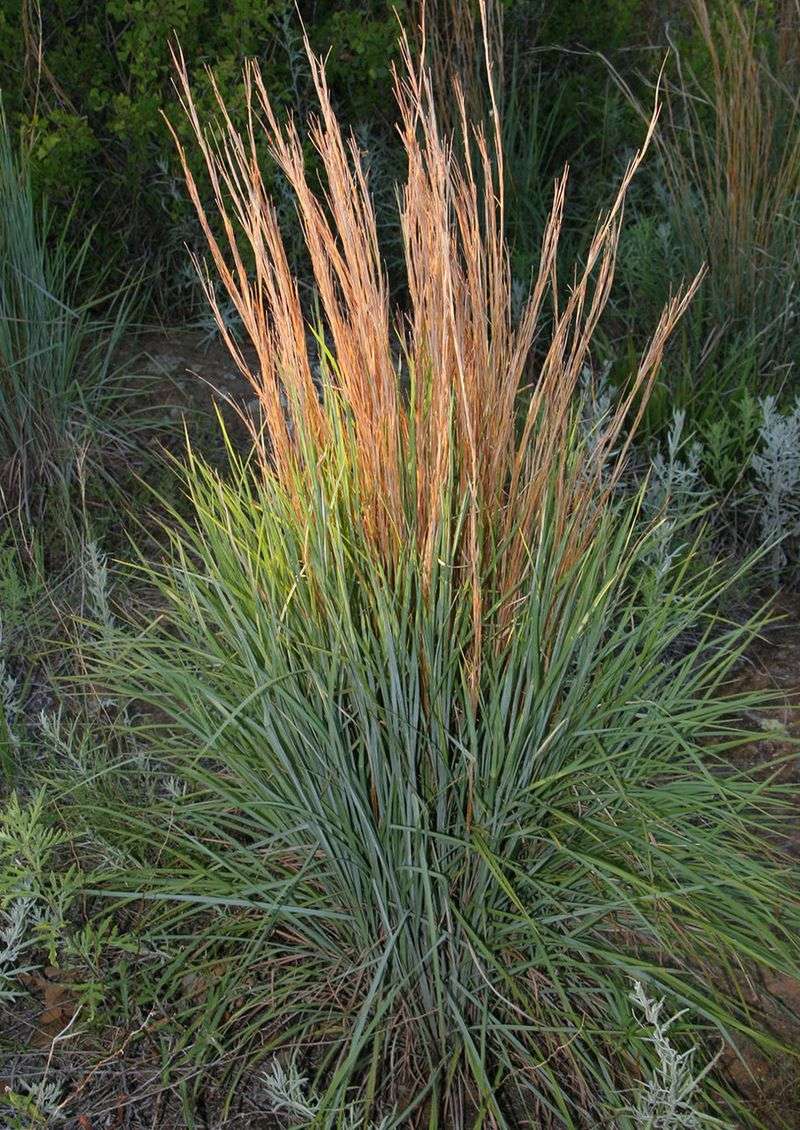
Little bluestem has a personality all its own. It starts the season as a soft blue-green and slowly burns into copper and russet by fall, looking like something out of a prairie painting.
But beyond its looks, this grass does something genuinely useful for fireflies: it keeps a patch of yard from becoming too neat.
Schizachyrium scoparium grows in tight clumps that leave natural gaps between plants. Those gaps stay relatively undisturbed at ground level, offering small pockets of shelter that larvae and other beneficial insects use throughout the season.
The clumping growth pattern also means the base of each plant stays fairly dense and protected, which helps moderate soil temperature and slow moisture loss from the surface.
In Ohio, little bluestem thrives in open sunny spots with well-drained soil, making it a practical choice for drier native plantings where other moisture-loving plants might struggle. It does not spread aggressively, which makes it easier to manage while still contributing to a less disturbed yard structure.
Your Ohio Garden Changes Every Week. Your Plan Should Too.
Gardening in Ohio changes quickly throughout the season. Every Friday you’ll receive a simple weekly plan showing exactly what to plant, prune, fertilize, harvest, and protect so you never miss the right timing.
Leaving the clumps standing through winter adds roosting cover and lets natural leaf litter accumulate at the base, creating exactly the kind of low-disturbance ground layer that supports firefly habitat from one season into the next.
3. Pennsylvania Sedge Creates The Moist Low Shelter Fireflies Need
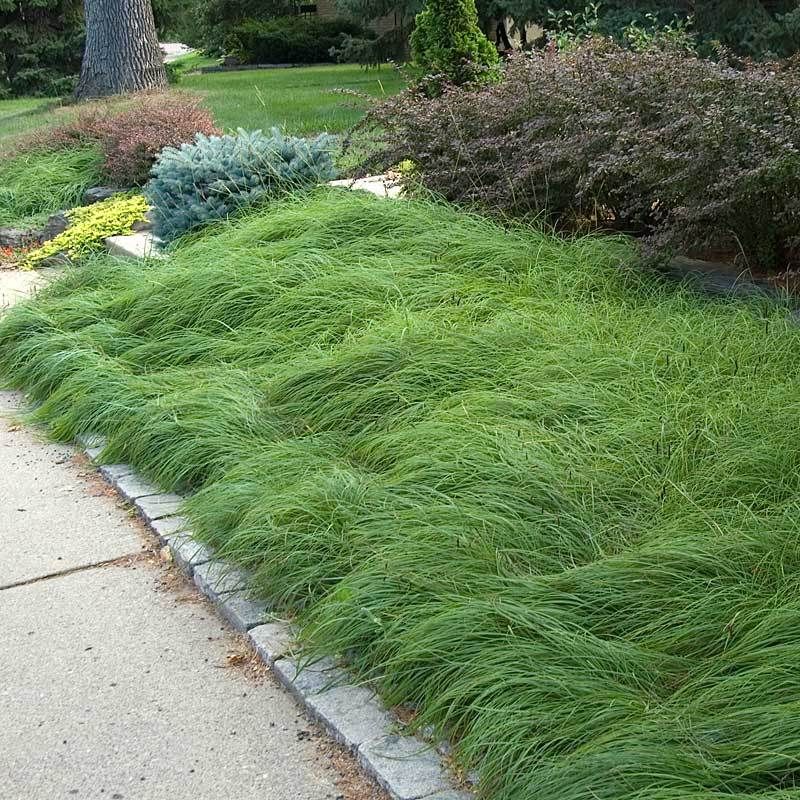
Low, cool, and reliably green even in shade, Pennsylvania sedge fills the kind of ground-level niche that most ornamental plants simply cannot. Carex pensylvanica stays under a foot tall, spreads slowly by rhizomes, and forms a soft mat of fine-textured foliage that keeps the soil beneath it noticeably cooler and more consistently moist than bare ground.
For fireflies, that moisture is not a minor detail.
Female fireflies lay their eggs in damp soil or moist leaf litter, and the larvae that hatch need similarly cool, sheltered conditions to survive and grow. A patch of Pennsylvania sedge under a tree or along a shaded border creates exactly that environment without requiring irrigation or heavy maintenance.
The low canopy of leaves slows evaporation and keeps the microclimate at ground level more stable through summer heat.
Across Ohio, this sedge grows naturally in woodland edges and forest floors, which tells you something about the habitat it mimics when planted in a yard. It is not a dramatic plant, but it is a functional one.
Pairing it with taller native shrubs or trees gives fireflies a layered habitat where the sedge handles the critical ground-level conditions and the canopy above provides shade and additional cover for adults moving through the space at dusk.
4. Virginia Wild Rye Helps Turn Open Spaces Into Firefly Habitat
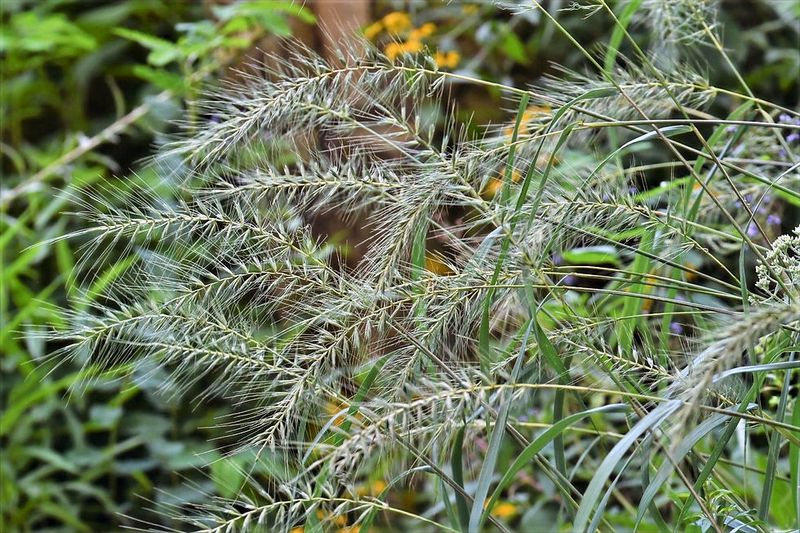
Open, sunny, mowed-short yards are essentially firefly deserts. Virginia wild rye is one of the best native grasses for starting to change that.
Elymus virginicus is a cool-season grass that establishes quickly, tolerates partial shade, and grows with a soft, arching habit that immediately makes a space feel less manicured and more alive.
What makes it especially useful in Ohio landscapes is its flexibility. It can handle the transition zones between a lawn edge and a shadier border, and it fills in those in-between spots that often get left bare or mowed flat out of habit.
As it grows and spreads gently by seed, it starts to create the kind of low-disturbance ground structure that firefly larvae benefit from when moving through the soil in search of food.
The drooping seed heads also catch and hold leaf litter more effectively than upright grasses, which helps build up the organic layer at ground level over time. That accumulation of natural debris is not just cosmetic.
Firefly eggs and young larvae depend on moist, organically rich soil, and a grass like Virginia wild rye helps create those conditions gradually without requiring major landscaping changes. For Ohio gardeners looking to soften open areas while actually doing something useful for wildlife, this grass is a practical and underused starting point.
5. Spicebush Adds Shade Moisture And A Better Place To Hide
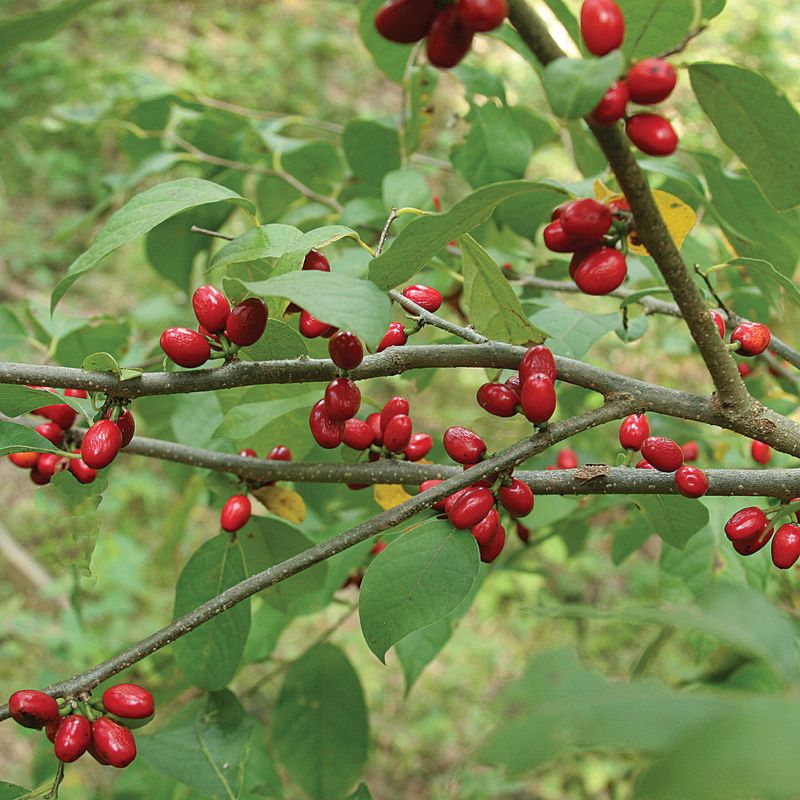
Spicebush is one of Ohio’s most underappreciated native shrubs. Lindera benzoin blooms early, supports specialist insects, and grows naturally along stream banks and woodland edges where the soil stays moist and the light stays soft.
That habitat profile is almost a perfect description of what fireflies need from a landscape.
As a shrub-layer plant, spicebush does something the grasses and sedges cannot: it builds a canopy low enough to cast real shade at ground level while still leaving room for other plants beneath it. That shade keeps the soil cooler and slower to dry out, which directly supports the moist conditions that firefly eggs and larvae depend on.
The dense branching also gives adult fireflies sheltered perching spots during the day when they rest before their nighttime activity begins.
Spicebush drops its leaves in fall, and those leaves break down relatively quickly, adding to the organic layer of the soil. That decomposing leaf litter is a key part of what makes shaded woodland-edge habitats so productive for fireflies in Ohio.
Planting spicebush along a fence line, near a rain garden, or at the edge of a tree canopy creates a microhabitat that is noticeably more sheltered, shadier, and more moisture-retentive than open sunny beds, giving fireflies a genuinely better place to complete their most vulnerable life stages.
6. Ninebark Builds The Layered Cover Fireflies Benefit From
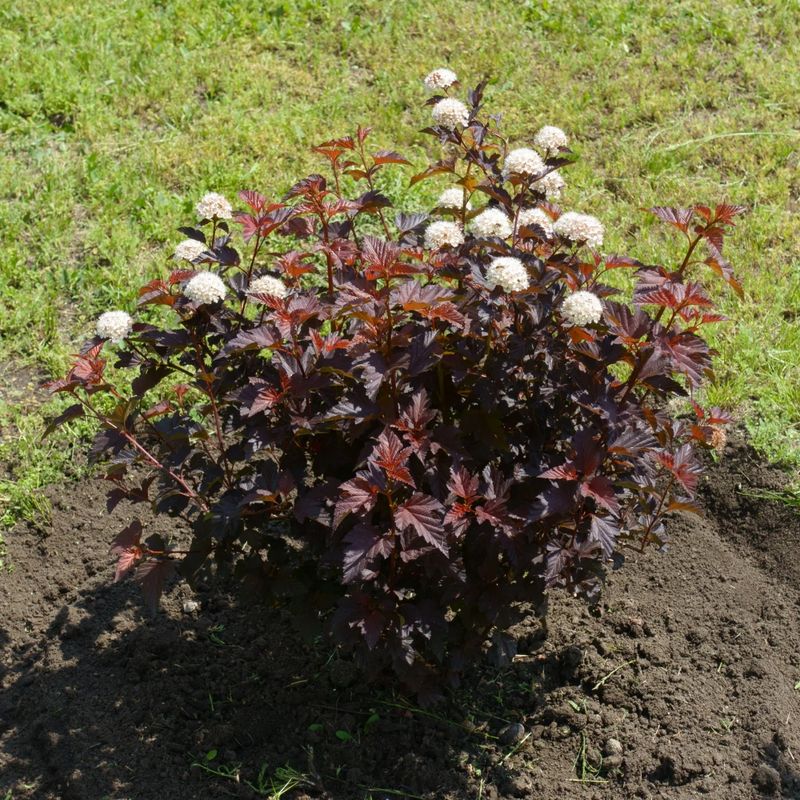
Ninebark earns its place in a firefly-friendly yard through sheer structure. Physocarpus opulifolius grows into a dense, arching shrub that can reach six to ten feet, creating a thick zone of layered cover that breaks up open space and gives the landscape real vertical depth.
That layering is something fireflies respond to strongly, because it signals a less-managed, more sheltered environment.
The interior of a well-established ninebark becomes genuinely protected. Wind slows down, temperatures moderate, and the ground beneath stays shadier and less prone to drying out quickly.
When ninebark is planted alongside native grasses or sedges, the combination creates a habitat stack from the soil surface up through the shrub canopy that supports fireflies at multiple life stages without requiring any single plant to do all the work.
Ninebark is also tough and adaptable, which makes it a reliable choice across many Ohio growing conditions. It handles clay soil, seasonal wet spots, and occasional drought once established.
Its bark exfoliates naturally as it ages, adding texture and providing small sheltered crevices that insects use for cover. Leaving fallen leaves and natural debris to accumulate beneath the shrub rather than raking it clean makes a meaningful difference for the ground-level habitat conditions that support firefly larvae moving through the soil beneath it.
7. Wild Bergamot Brings Summer Color Without Stripping Away Habitat
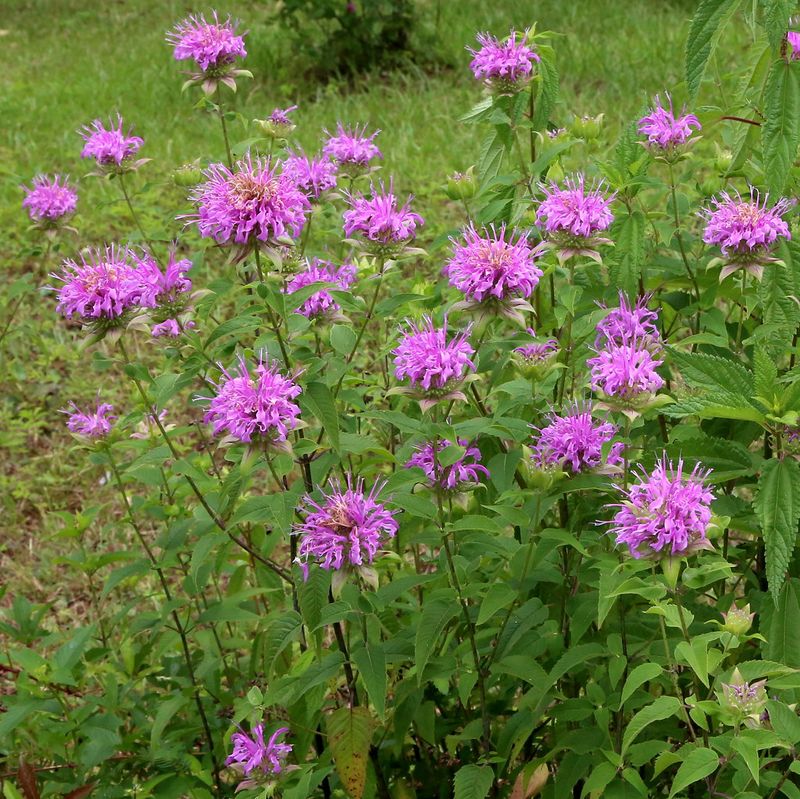
Not every plant in a firefly-friendly yard needs to be tall or dense. Wild bergamot, Monarda fistulosa, shows that a flowering perennial can add color and support pollinators while still fitting into a habitat-first planting without making the space feel overworked or over-tended.
Wild bergamot grows to about two to four feet and blooms in midsummer with soft lavender-pink flowers that attract bees, butterflies, and beneficial insects. That insect activity matters indirectly for fireflies because a yard rich in invertebrate life generally supports healthier populations of the soft-bodied prey that firefly larvae feed on underground.
A garden that draws in diverse insect life is a more productive habitat overall.
The real value of wild bergamot in a firefly planting is what it does not do. Unlike aggressive ornamentals or heavily manicured flower beds, it fits naturally into a looser, more relaxed planting style.
Its stems stay standing after bloom, it reseeds gently, and it does not demand the kind of constant cutting back and tidying that disrupts ground-level habitat. In Ohio native plantings, pairing wild bergamot with native grasses or shrubs creates a layered space that stays visually appealing through the season while keeping the habitat texture that fireflies need intact beneath the surface.
8. Joe Pye Weed Helps Hold Moisture Where Fireflies Have A Better Chance
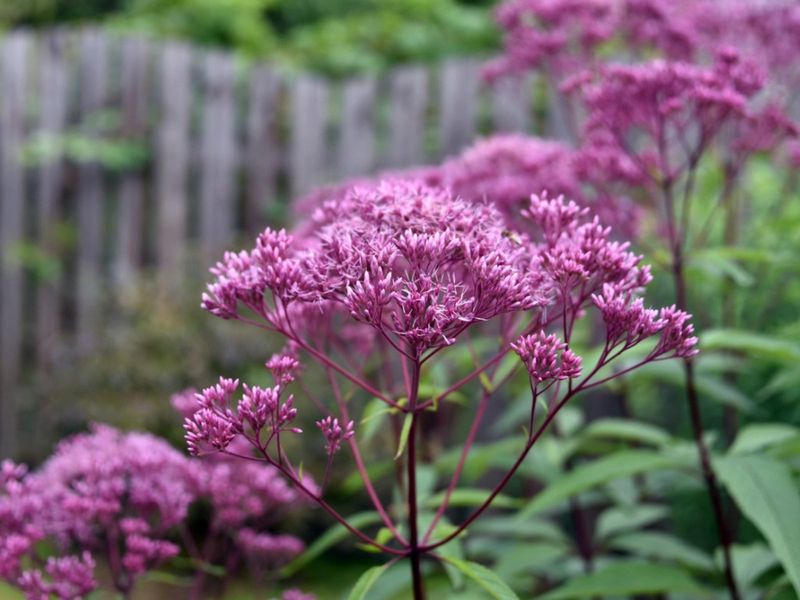
Standing six to eight feet tall in full bloom, Joe Pye weed is hard to miss. Eutrochium purpureum is a native perennial that naturally grows in moist meadows, stream edges, and low-lying areas across Ohio, which tells you exactly what kind of habitat it helps recreate when planted in a yard.
The sheer height of Joe Pye weed creates a micro-environment beneath its canopy that stays noticeably shadier and more humid than surrounding open ground. That localized moisture retention is valuable in a firefly habitat because the soil conditions directly beneath and around tall perennials like this tend to stay more consistently damp through summer, supporting the egg-laying and larval stages that require moist, sheltered ground.
Joe Pye weed also tends to attract a wide range of insects to its late-summer flowers, which keeps the surrounding habitat biologically active well into the season. The thick stems remain standing through fall and winter, providing structure and helping trap leaf litter at the base of the plant.
Over time, that accumulating organic layer enriches the soil and keeps ground conditions favorable for fireflies season after season. In Ohio yards where moisture and tall cover are priorities, few native perennials deliver as much habitat value in a single plant as Joe Pye weed does.