The Cool-Night Mistake That Stunts Ohio Peppers Before Summer Even Begins
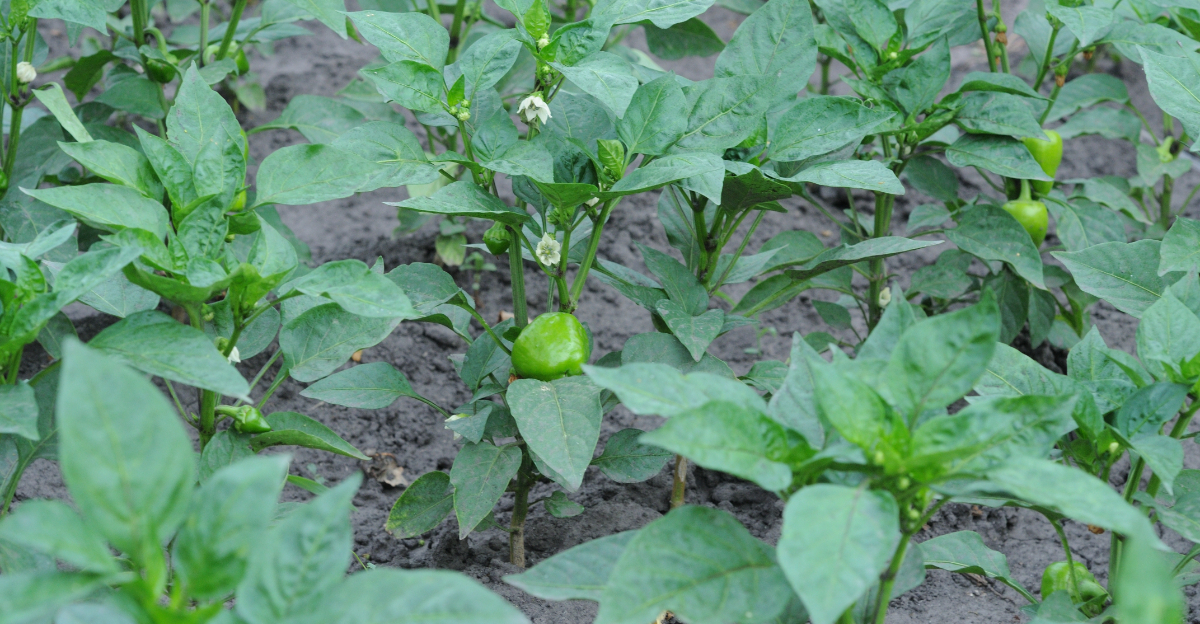
Ohio gardeners put serious work into their pepper plants. Seeds started indoors, hardening off on schedule, transplants set out right on time.
And then something goes sideways. Growth stalls, leaves curl, and plants that looked strong on the back porch suddenly look like they’re just sitting there, treading water.
Most people blame the soil or the variety and move on. But the real culprit is something that happens after sunset.
Ohio’s spring nights have a habit of dropping into temperatures that peppers find deeply uncomfortable, even when daytime conditions seem perfect.
That gap between day and night temperatures does quiet damage that doesn’t show up immediately but sets plants back in ways that take weeks to recover from.
By the time summer arrives and conditions finally cooperate, those plants are already behind. So what does that damage actually look like, and more importantly, how do you stop it from happening in the first place?
1. Do Not Let Warm Days Fool You
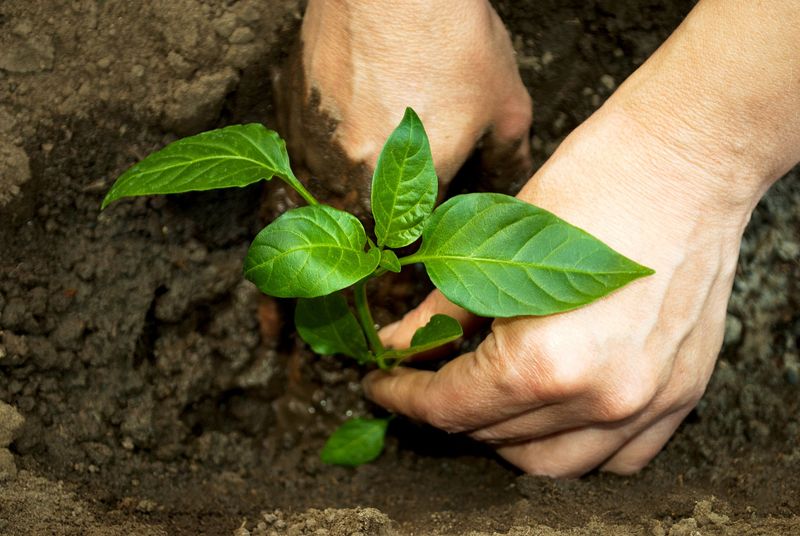
A string of warm afternoons in late May can make it feel like summer has finally arrived for good. The sun is out, the soil surface feels dry, and everything in the garden looks like it is ready.
That feeling can push Ohio gardeners to plant peppers before conditions are truly stable.
Peppers are more heat-loving than most warm-season vegetables, including tomatoes. They need consistently warm conditions, not just one or two sunny days sandwiched between cool nights.
A brief warm spell followed by several cold nights can stress young transplants and leave them sitting still in the ground for weeks.
The real trap is trusting afternoon air temperatures while ignoring what happens after sunset. Daytime highs in the low 70s can feel encouraging, but if nights are dropping into the low 50s or upper 40s, your pepper plants will struggle.
Check both the daytime and nighttime forecast before you plant, not just the afternoon high. Peppers do not care how warm your Tuesday felt.
They care about what happens at 3 a.m. on Wednesday.
2. Wait For Nights To Stay Near 60°F
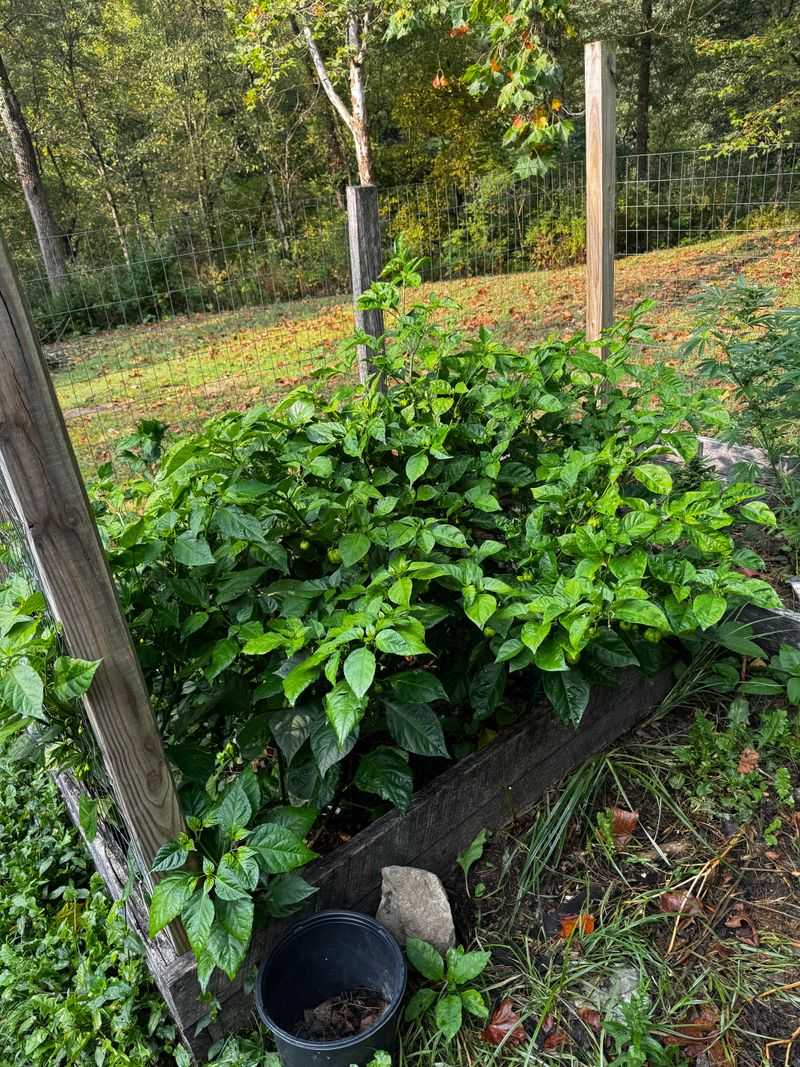
Night temperatures matter more to peppers than most gardeners realize. University extension guidance consistently points to nighttime lows of at least 55°F as a general threshold before transplanting.
For steady, stress-free growth, 60°F or warmer is a better target.
When nights repeatedly dip below that range, pepper plants can stall completely. Roots slow down, nutrient uptake drops, and transplants that looked healthy in the greenhouse seem to go nowhere for days or even weeks.
That early slowdown can shorten your overall growing season and reduce your final harvest.
Before you plant, pull up a 7- to 10-day forecast and look specifically at the overnight lows. One or two nights near 55°F may be manageable if warmer nights follow quickly.
But a week of nights in the upper 40s or low 50s is a clear signal to wait. Southern regions and protected urban gardens often see warmer nights earlier in May.
Your Ohio Garden Changes Every Week. Your Plan Should Too.
Gardening in Ohio changes quickly throughout the season. Every Friday you’ll receive a simple weekly plan showing exactly what to plant, prune, fertilize, harvest, and protect so you never miss the right timing.
Northern regions, rural valleys, and frost-prone spots may need to wait until late May or even early June before nights are reliably warm enough for peppers to thrive.
3. Check Soil Warmth Before Planting
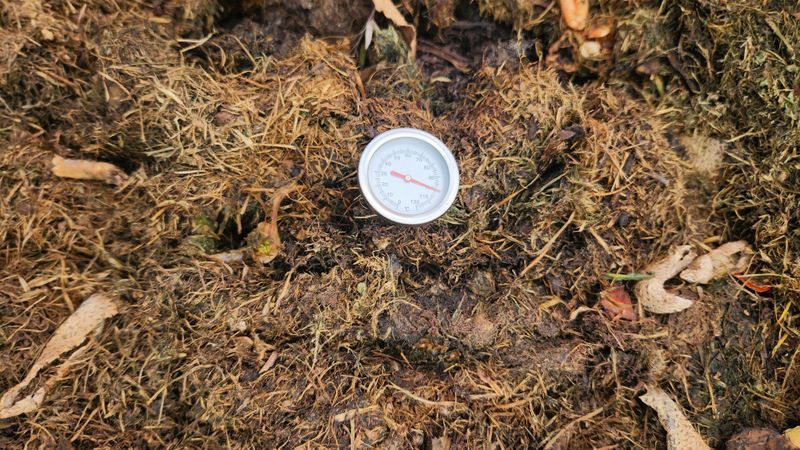
Warm air does not always mean warm soil, and that gap is exactly where many pepper plantings go sideways. Soil holds cold longer than air does, especially after a wet spring.
Even on a 70-degree afternoon, the soil a few inches down may still be sitting in the mid-50s or lower.
Peppers prefer soil that is around 60°F or warmer before transplanting. Cold, damp soil slows root development and can leave transplants vulnerable to stress.
A simple soil thermometer pushed a few inches deep gives you a much clearer picture than pressing your hand against the surface.
Raised beds, dark-colored containers, and south-facing protected spots tend to warm up faster than in-ground garden rows. Heavy clay soil, low-lying areas, and beds that have stayed wet through spring can lag well behind the air temperature.
If your soil reads below 60°F, give it a few more days. You can also lay black plastic or dark landscape fabric over the bed for a few days to pull in extra heat before planting.
That one small step can make a noticeable difference in how quickly your peppers take root and start growing.
4. Harden Off Transplants Before They Face Cool Nights
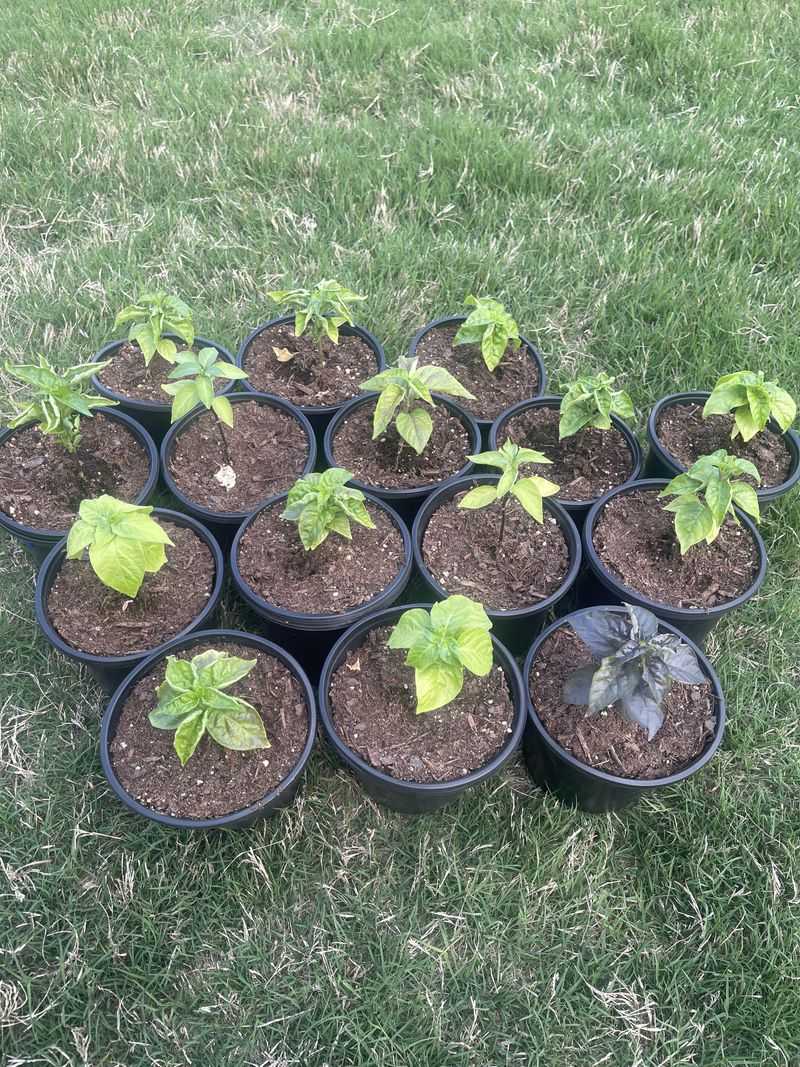
Most pepper transplants heading into home gardens spent their early lives in a warm greenhouse or under indoor grow lights.
That controlled environment is perfect for starting strong seedlings, but it leaves plants completely unprepared for the real outdoor world.
Hardening off is the process of gradually introducing transplants to outdoor conditions over several days. Start by setting plants outside in a sheltered, partially shaded spot for just a few hours on a mild day.
Increase the time outdoors and the sun exposure gradually over the next week or so, and begin leaving them out during cooler evenings as the process wraps up.
Skipping this step or rushing it can set pepper plants back significantly. Moving tender seedlings straight from a warm indoor space to a cold spring night creates a kind of shock that slows growth and weakens roots right from the start.
Even if night temperatures seem acceptable, the combination of wind, direct sun, and temperature swings can overwhelm plants that have never experienced them. A week of patient hardening off before transplanting costs you very little time.
It pays off with stronger, more resilient plants that settle into the garden with far less stress.
5. Avoid Planting In Cold, Wet Soil
Late spring in this state can bring stretches of steady rain that leave vegetable beds saturated for days.
Even when the air temperature climbs back up into the 60s and 70s after a rainy period, the soil underneath can stay cold and soggy well below the surface.
Peppers genuinely struggle in cold, wet conditions around their roots. Soggy soil limits oxygen availability, slows root growth, and creates an environment where young transplants sit stressed instead of thriving.
That kind of early stress can follow a plant for weeks, even after conditions finally improve.
Practical steps make a real difference here. Wait until beds have had time to drain properly after heavy rain before planting.
Avoid working soil that is still clumping and sticking to your tools, since compacting wet clay makes drainage even worse over time. If your garden has low spots that collect water, those are the last places you want to plant peppers in late spring.
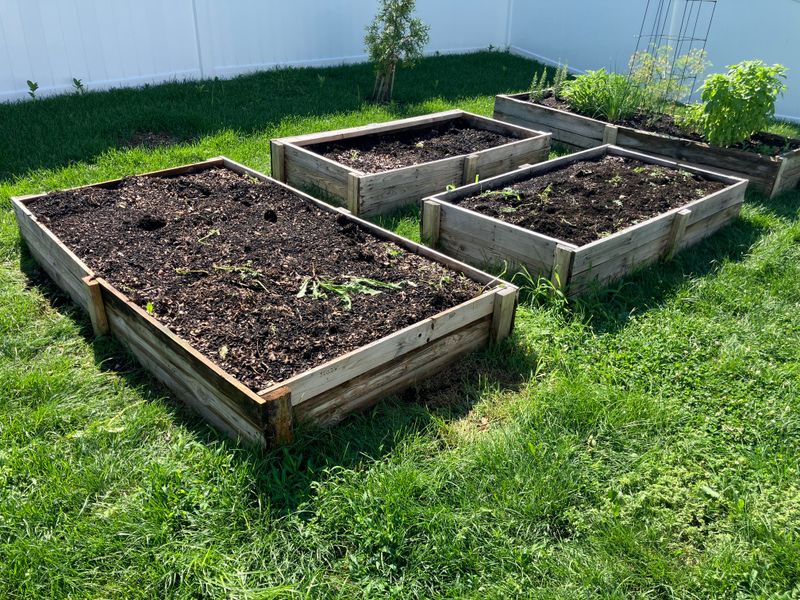
Raised beds and containers have a real advantage in wet springs because they drain faster and warm up more quickly. If your in-ground beds are still soggy, a few extra days of waiting is a much better option than pushing ahead too soon.
6. Protect Young Peppers During Surprise Cool Snaps
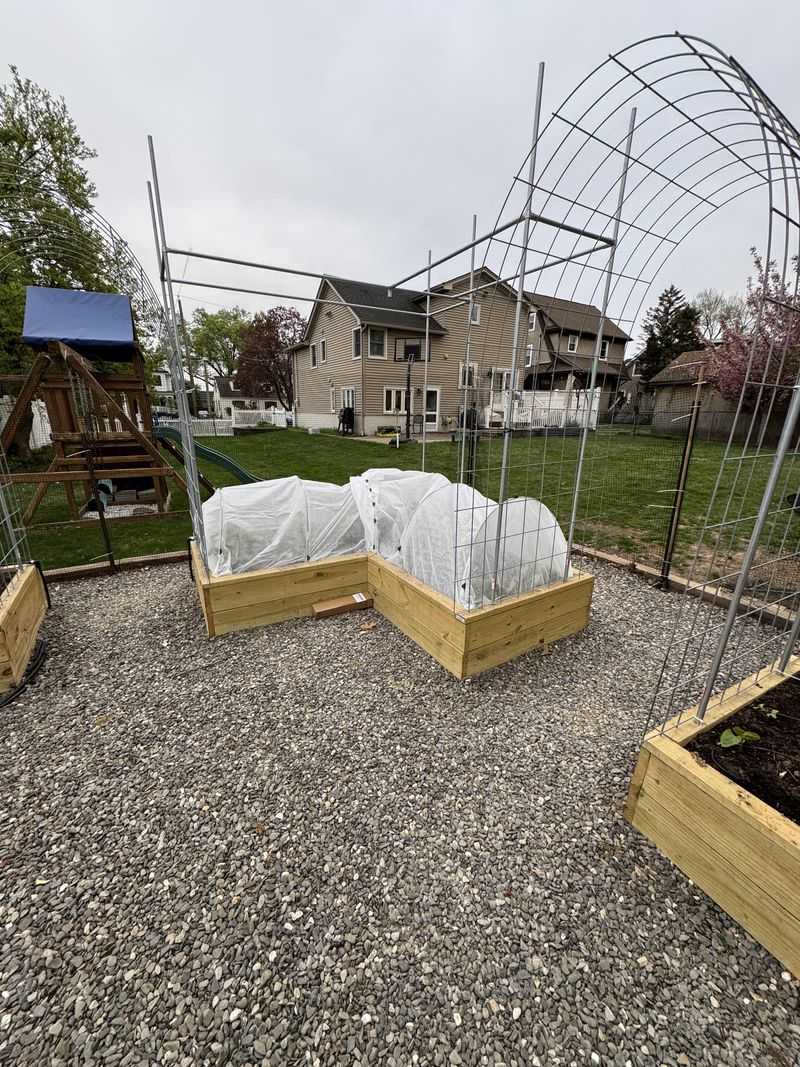
Sometimes peppers are already in the ground when a surprise cool night shows up in the forecast. Spring weather in this state is unpredictable, and a stretch of warm nights can shift quickly back to temperatures that stress young plants.
Having a simple protection plan ready can save a lot of trouble.
Row cover fabric, also called floating row cover, is one of the most useful tools for this situation. It traps warmth around plants without blocking too much light and can raise the temperature under the cover by several degrees.
Cloches, walls of water, and even buckets or plastic jugs placed over individual plants can also provide enough protection to get through a cool night safely.
One important caution: remove covers or ventilate them early in the morning if the next day turns warm and sunny.
Peppers can overheat quickly under a sealed cover on a bright day, and the stress from overheating can be just as damaging as a cool night.
Keep the protection lightweight, check it early the next morning, and remove it once temperatures are safely back above 55°F. Simple tools used at the right time can keep your plants on track without much effort or expense.
7. Do Not Overwater Peppers That Have Stalled
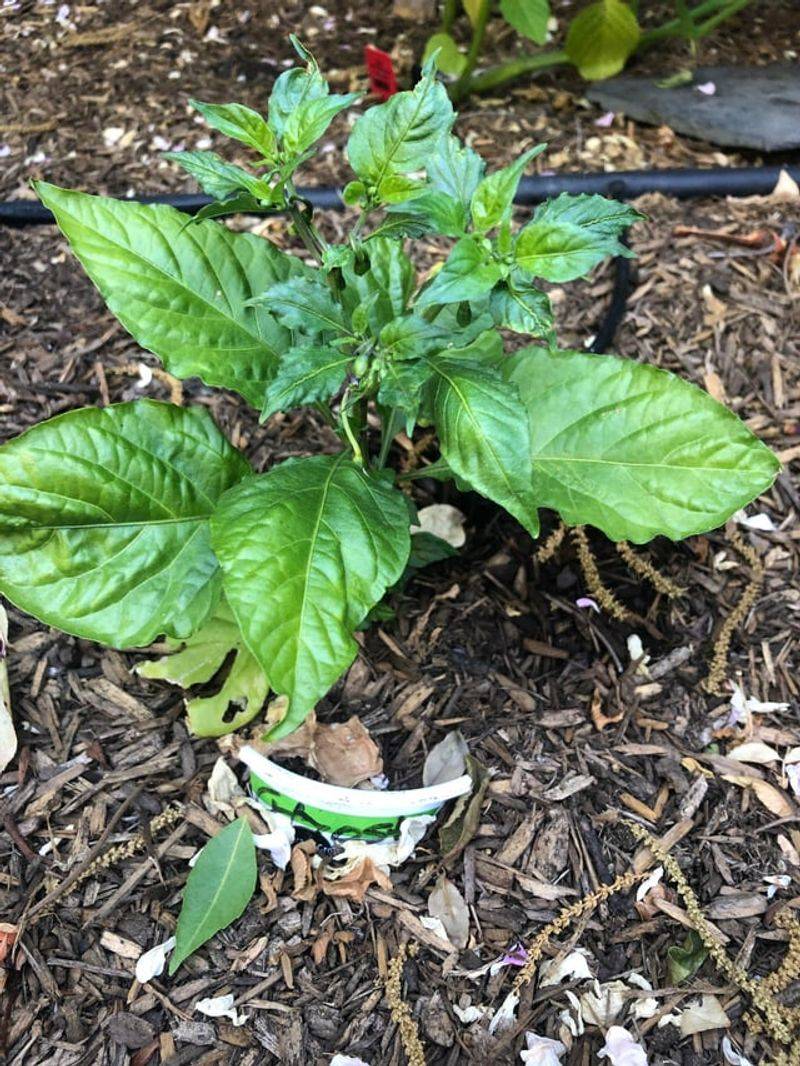
Stalled pepper plants can be frustrating to watch. After a stretch of cool nights, transplants may sit without any visible growth for a week or more.
Leaves stay the same size, no new shoots appear, and the whole plant just looks stuck. That stillness often tempts gardeners to reach for the watering can or a shot of fertilizer.
Resist that impulse. When peppers stall after cool nights, the most common culprit is cold soil slowing root activity, not a lack of water or nutrients.
Adding more water to already-cool, slow-draining soil can actually make the situation worse by keeping the root zone cold and oxygen-poor even longer.
Before watering, push a finger or a moisture meter a few inches into the soil. If it already feels damp, leave it alone and wait for conditions to warm up.
Once soil temperatures rise and nights stabilize above 55°F, most stalled pepper plants will start moving again on their own. At that point, a light, balanced feeding can help them catch up.
Patience and accurate diagnosis will serve your peppers much better than extra water or fertilizer applied at the wrong time in the wrong conditions.
8. Plant Later For Faster Growth If Conditions Are Still Cool
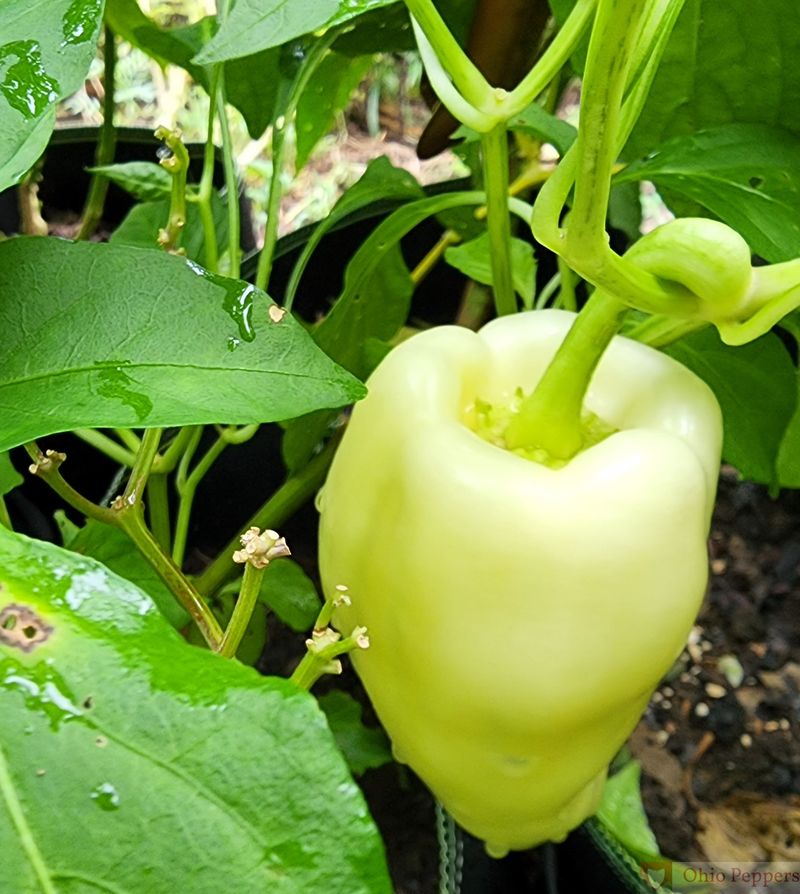
Waiting a little longer to plant peppers can feel counterintuitive when everyone around you seems to be putting plants in the ground.
But peppers planted into truly warm soil and warm nights almost always outpace peppers that went in too early into cold conditions.
A transplant sitting in cold soil for three weeks has not gained three weeks of head start. It has often just lost three weeks of potential growth while slowly recovering from stress.
A pepper planted a week or two later into soil that is 65°F and under nights above 60°F can catch up quickly. It can sometimes surpass the earlier planting within just a few weeks.
Late May is a genuinely good planting window for many gardens across this state, especially in southern regions and protected urban spots where nights warm up earlier.
In central areas, late May often works well when the forecast cooperates.
In northern regions, rural valleys, and frost-prone spots, patience into early June is sometimes the smarter call. The goal is not to plant as early as possible.
The goal is to plant when your soil, your nights, and your transplants are all ready at the same time. That combination leads to the strongest start your pepper season can have.