Why The Leaves In Your Florida Garden Are Turning Yellow (And It Isn’t Nutrient Deficiency)
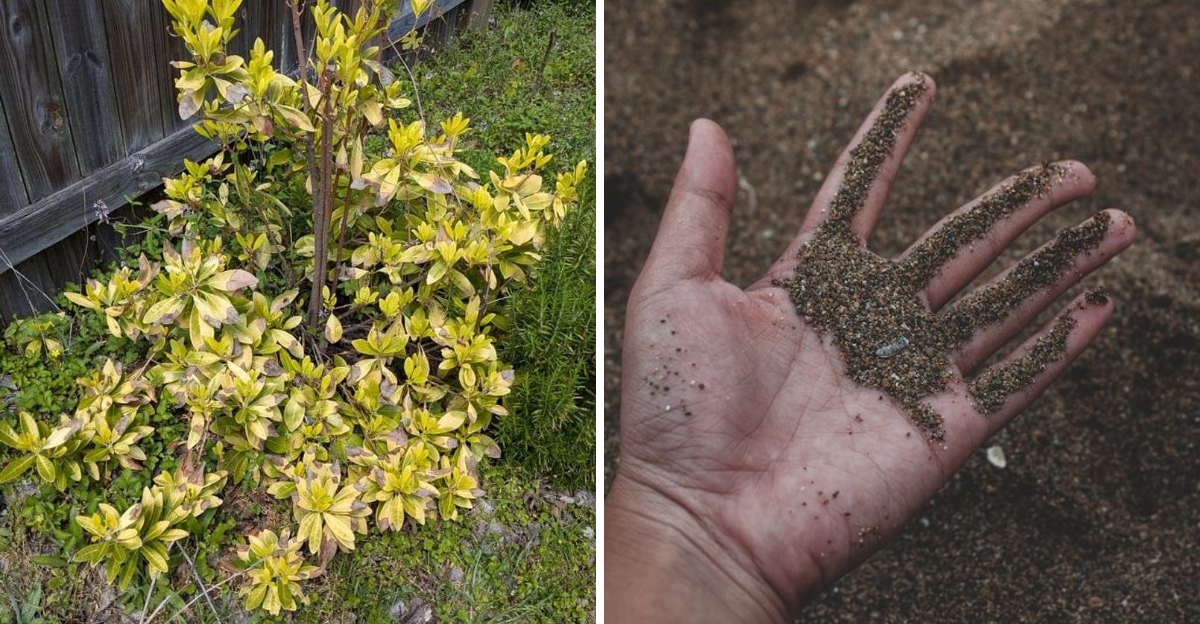
Yellow leaves can change the whole mood of a Florida garden fast. One day everything looks lush and alive, then suddenly a favorite plant starts fading and the worry sets in.
Most people reach for the obvious answer right away, but that first guess is not always the right one. In fact, a lot of Florida gardeners waste time treating the symptom while the real issue keeps getting worse in the background.
That is what makes yellow leaves so frustrating. They look like a simple problem, but they can point in a completely different direction than expected.
The sooner you stop guessing, the better your chances of protecting the plants you worked hard to grow. Before you add anything, cut anything, or panic over the color change, take a closer look.
What seems obvious at first glance may not be the real story at all.
1. Yellow Leaves In March Do Not Always Point To A Feeding Problem
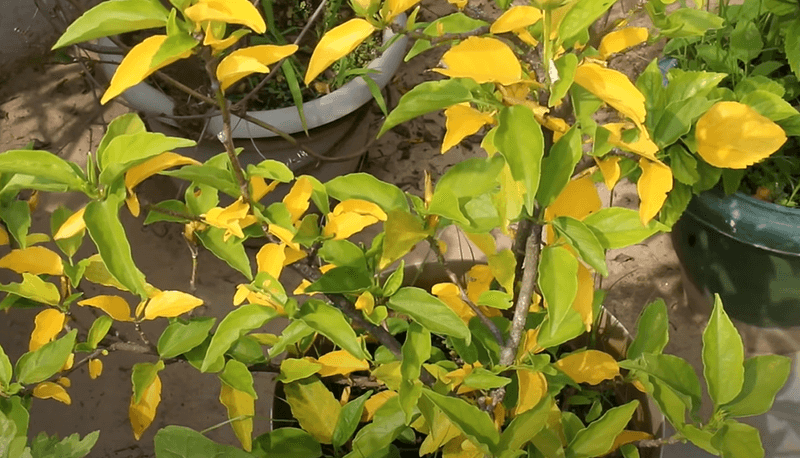
March in Florida can feel like a gardening sweet spot, warm enough to grow almost anything, but cool enough to avoid the brutal summer heat. So when leaves start turning yellow in early spring, it is easy to assume the plants are hungry and need a boost.
That assumption, while understandable, often leads gardeners in the wrong direction.
UF/IFAS extension specialists note that nutrient deficiency is frequently blamed when other causes are far more likely. In Florida, early spring yellowing is commonly tied to lingering winter root stress, inconsistent watering patterns, or soil conditions that have little to do with fertilizer.
Throwing extra nutrients at a plant that is already struggling with wet roots or compacted soil does not help, and it can actually make things worse by adding salts to already stressed ground.
Before assuming a feeding problem, look at how the yellowing is showing up. Uniform yellowing across older leaves often points to a different issue than yellowing that appears only on new growth.
The pattern, timing, and location of yellow leaves on the plant are far more useful clues than the color alone. Slow down, observe carefully, and resist the reflex to fertilize first.
2. Too Much Water Can Trigger Yellowing Faster Than You Think
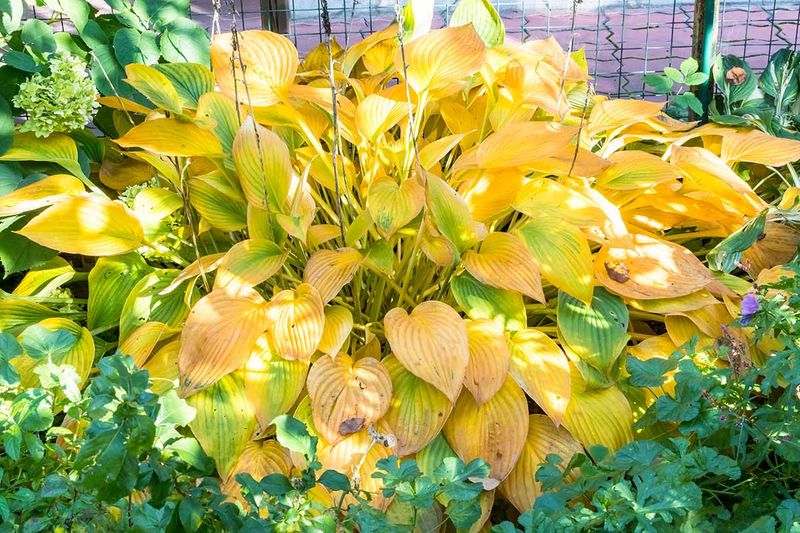
Florida gets a lot of rain, and many gardeners also run irrigation systems on a regular schedule. That combination can quietly push plants into a state of chronic stress without anyone realizing it.
Overwatering is one of the leading causes of yellow leaves in Florida gardens, and it is surprisingly easy to miss.
Roots need both water and oxygen to function properly. When soil stays saturated for too long, oxygen gets pushed out of the pore spaces, and roots begin to struggle.
They lose their ability to take up water and nutrients effectively, even when both are present in the soil. The result looks a lot like a nutrient deficiency from above ground, with leaves turning pale, limp, or yellow across the plant.
According to Pennington and UF/IFAS guidance, checking soil moisture before watering is one of the simplest and most effective habits a Florida gardener can build. Press your finger about an inch into the soil.
Your Florida Garden Changes Every Week. Your Plan Should Too.
Gardening in Florida changes quickly throughout the season. Every Friday you’ll receive a simple weekly plan showing exactly what to plant, prune, fertilize, harvest, and protect so you never miss the right timing.
If it still feels damp, hold off on watering. For in-ground beds, make sure your irrigation schedule accounts for recent rainfall.
Cutting back on water is often all it takes to stop the yellowing and let the plant recover on its own.
3. Root Stress Can Show Up In The Leaves First
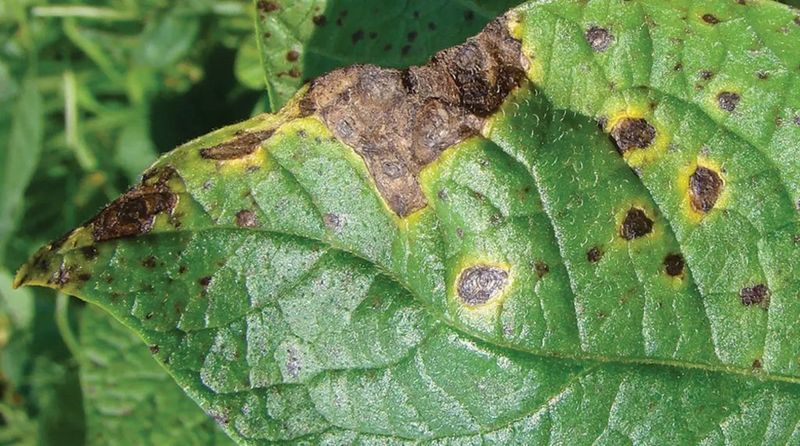
Long before roots show obvious damage, the leaves above ground start sending signals. Yellowing foliage is often the first visible sign that something is wrong beneath the surface, and by the time it appears, the root issue may have been building for weeks.
Roots can become stressed in several ways in a Florida garden. Compacted soil from foot traffic or heavy clay layers can restrict root growth and limit the plant’s ability to absorb water and nutrients.
Roots that have outgrown their space in a raised bed or container begin to circle and tangle, reducing their efficiency. Physical damage from digging, heavy mulch piled against the base of the plant, or even aggressive cultivation near the root zone can all contribute to the problem.
A practical check involves gently loosening the soil around the base of a struggling plant to see if roots look pale, mushy, or oddly restricted. Healthy roots are typically firm and white or light tan.
If you find roots that look brown and soft, or if the soil smells sour, that points to a root health issue rather than a nutrient gap. Improving drainage, loosening compacted soil, or repotting a container plant can often turn things around without a single application of fertilizer.
4. Florida Soil Can Create Drainage Problems That Mimic Deficiency
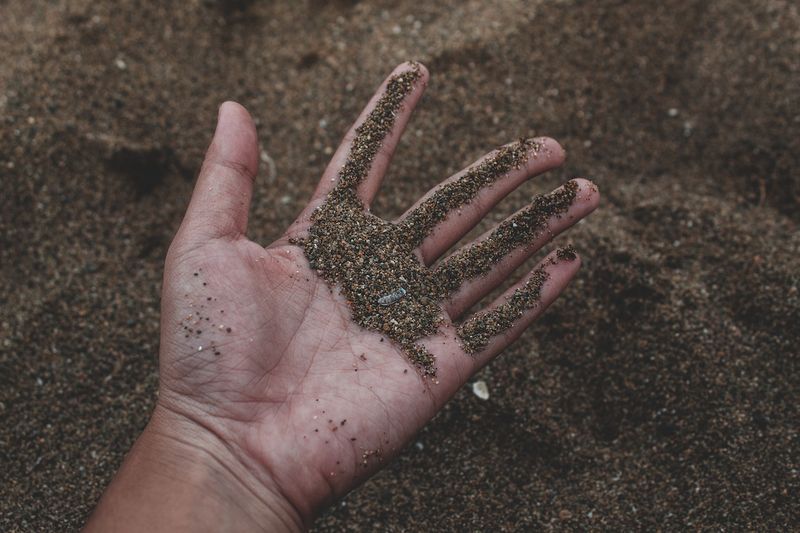
Florida’s soil is famously variable. In some parts of the state, you are dealing with deep, fast-draining sand that dries out almost immediately after rain.
In other areas, a layer of hardpan or compacted subsoil sits just below the surface, trapping water in ways that are not always obvious from above.
Both extremes can cause yellowing leaves, and neither is a fertilizer problem. Sandy soil that drains too quickly can leach nutrients out of the root zone before plants can absorb them, creating conditions that resemble deficiency even when fertilizer has been applied.
On the other end, poorly draining spots stay wet long enough to stress roots and limit nutrient uptake, producing the same pale, tired-looking foliage.
UF/IFAS recommends building soil health with organic matter as a foundation for both issues. Adding compost improves water retention in sandy soils and helps break up compacted areas over time.
Raised beds are a popular solution for Florida gardeners dealing with drainage inconsistencies, since they allow better control over the growing medium. Testing your soil structure by observing how quickly water drains after a heavy rain is a quick and useful diagnostic step before reaching for any product off a garden center shelf.
5. Temperature Swings In Early Spring Can Throw Plants Off Balance
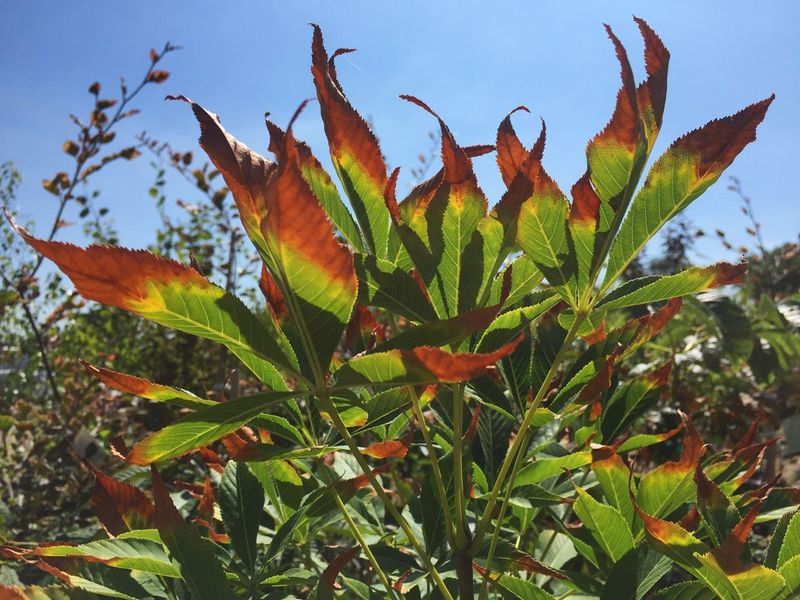
Florida’s early spring weather has a personality of its own. Temperatures can climb into the upper 80s during the day and drop into the low 50s overnight, sometimes within the same week.
That kind of fluctuation puts real pressure on garden plants, and the leaves are often the first place it shows.
Cold stress slows down a plant’s internal processes, including the movement of water and nutrients from roots to leaves. Even when the soil has everything a plant needs, a cold snap can temporarily interrupt that uptake.
Leaves may develop a pale or yellowish tone that clears up on its own once temperatures stabilize. This kind of weather-related yellowing is common in Florida in February and March, particularly for warm-season vegetables and tropical ornamentals that are sensitive to temperature changes.
The key is patience and observation. If the yellowing appeared shortly after a stretch of cooler nights and the rest of the plant looks otherwise healthy, give it a week or two before taking action.
Avoid fertilizing a cold-stressed plant, since roots are not actively absorbing nutrients during temperature dips and excess fertilizer can build up as unwanted salt in the soil. Protecting sensitive plants with frost cloth or moving containers to a sheltered spot can prevent the problem from repeating.
6. Pests And Disease Can Hide Behind That Faded Color
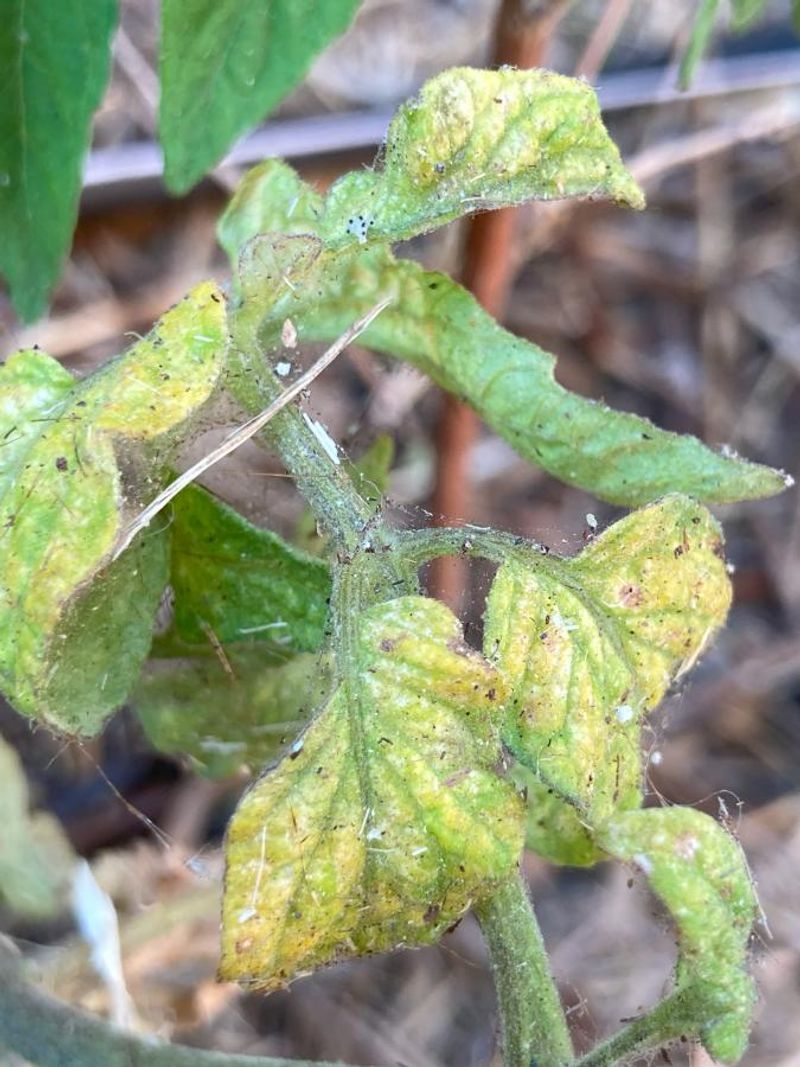
Pale, faded, or yellowish leaves do not always mean a plant is struggling nutritionally. Sometimes the cause is much smaller and harder to spot.
Certain insects and fungal conditions produce leaf discoloration that looks almost identical to a nutrient problem at first glance, which makes them easy to misidentify and treat incorrectly.
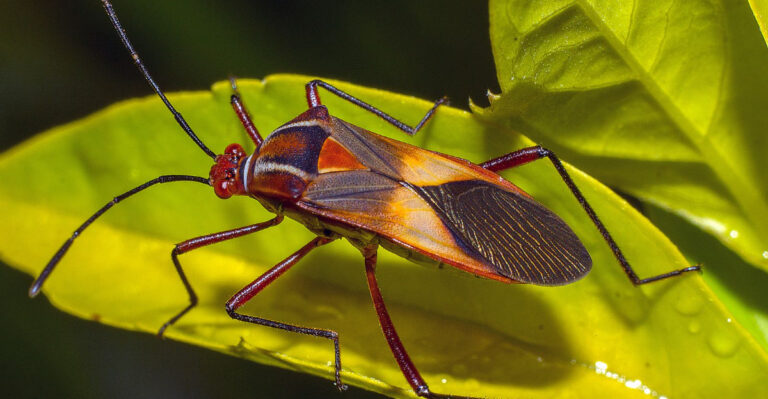
Whiteflies, spider mites, and aphids are common in Florida gardens and all feed on plant tissue in ways that disrupt the leaf’s ability to stay green. Spider mites in particular cause a stippled, pale yellowing that spreads quickly in hot, dry conditions.
Whiteflies tend to cluster on the undersides of leaves and can cause significant yellowing across a plant before the infestation becomes obvious. Root-knot nematodes, which are a serious problem in Florida sandy soils, damage roots in ways that create above-ground yellowing symptoms similar to iron or nitrogen deficiency.
A simple inspection habit makes a big difference. Flip leaves over and look closely at the undersides for tiny insects, webbing, or unusual spots.
Check the soil surface and root zone for signs of nematode galls if the plant has been declining steadily. The University of Florida’s Plant Disease Management guide recommends accurate identification before any treatment, since applying the wrong product wastes time and can stress the plant further.
7. New Growth Patterns Can Make Healthy Plants Look Worse Than They Are
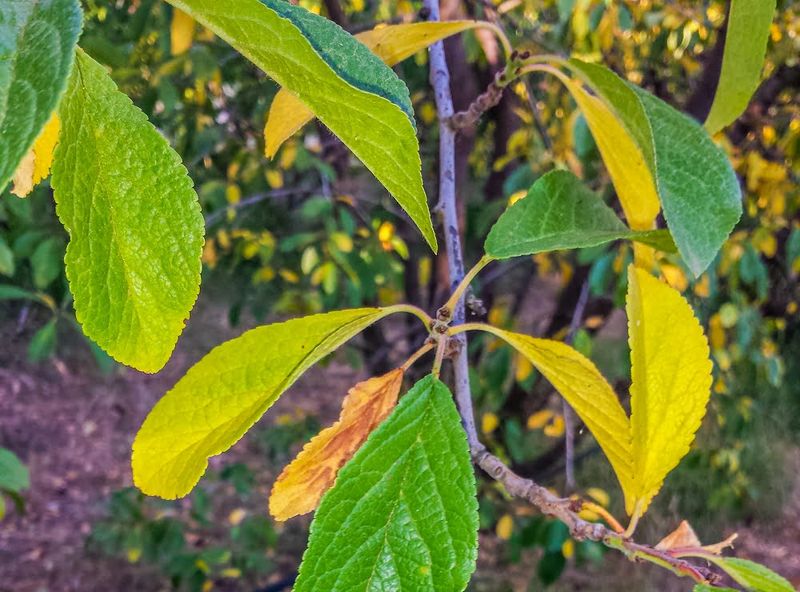
Not every yellow leaf is a warning sign. Plants shed older foliage as a normal part of their growth cycle, and in Florida’s year-round growing conditions, that process can happen more visibly and more frequently than gardeners in cooler climates might expect.
Many perennials, shrubs, and even vegetables drop their oldest lower leaves as energy gets redirected toward new growth. This is a completely normal process, and it often happens during seasonal transitions.
A tomato plant putting on new fruit, a tropical hibiscus pushing out a fresh flush of blooms, or a citrus tree entering a growth phase may all shed older leaves that turn yellow before they fall. The yellowing starts at the bottom of the plant or on the oldest leaves and works its way inward, which is a different pattern from the yellowing caused by disease, pests, or overwatering.
Context matters enormously here. If the top of the plant looks vigorous, new growth is green and healthy, and only the older interior or lower leaves are yellowing, there is likely nothing wrong.
Resist the urge to intervene. Adding fertilizer or adjusting watering in response to normal leaf drop can actually disrupt a plant that is performing exactly as it should.
Observation over a week or two usually tells the story more clearly than any quick fix.
8. The Right Fix Starts With Looking Past Fertilizer First
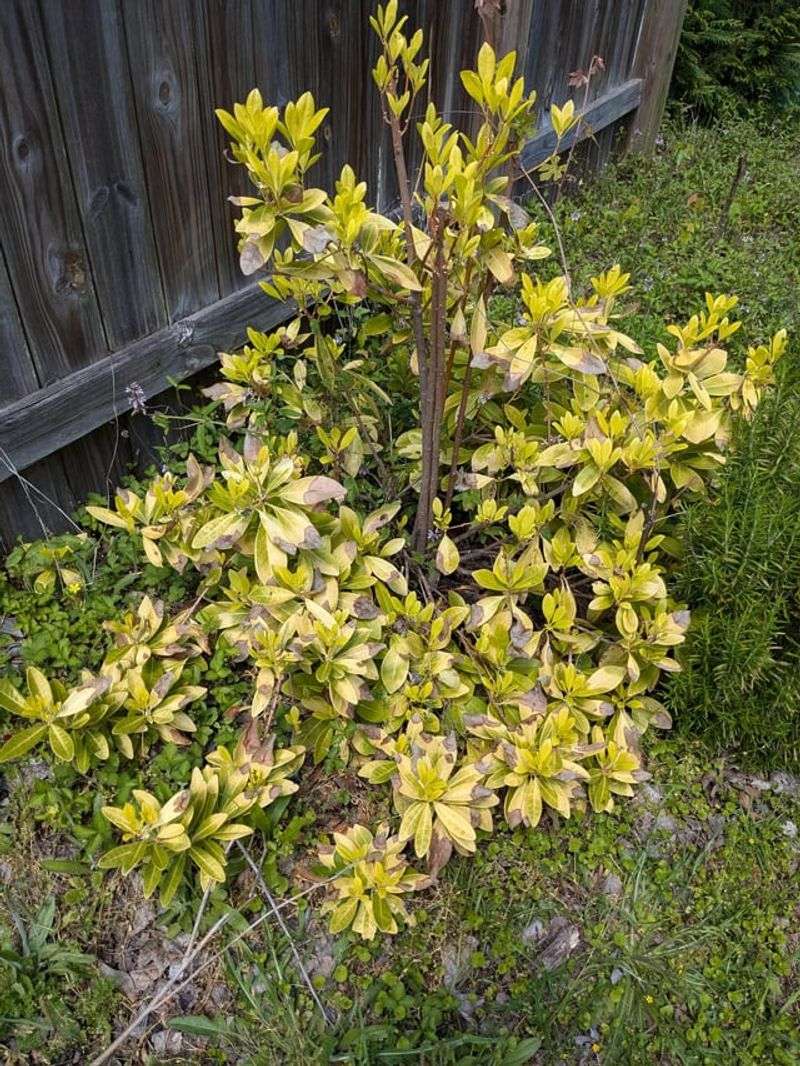
Fertilizer is a useful tool, but it works best when it is actually the answer to the problem. Reaching for it as a first response to yellow leaves skips the diagnostic work that makes the difference between a plant that recovers and one that continues to struggle despite repeated treatments.
A smarter starting point is a simple checklist. Check watering frequency and soil moisture before anything else.
Look at drainage and whether the area holds water after rain. Examine roots for signs of stress, compaction, or pest damage.
Flip leaves and inspect for insects or fungal spots. Consider whether recent temperature swings or seasonal growth changes might explain what you are seeing.
UF/IFAS consistently recommends a soil test as a foundational step for Florida gardeners, since it removes the guesswork and shows you exactly what the soil does and does not need.
Florida gardens are dynamic, and yellow leaves rarely have a single universal cause. The good news is that most of the real culprits are fixable without spending money on products you do not need.
Adjusting irrigation, improving drainage, loosening compacted soil, or managing a pest problem early are all practical, effective steps that address the actual issue. Fertilize by all means when the soil test confirms a deficiency, but let the evidence lead the way rather than the color of a leaf alone.