Pollinator Plants Florida Gardeners Should Start From Seed This March
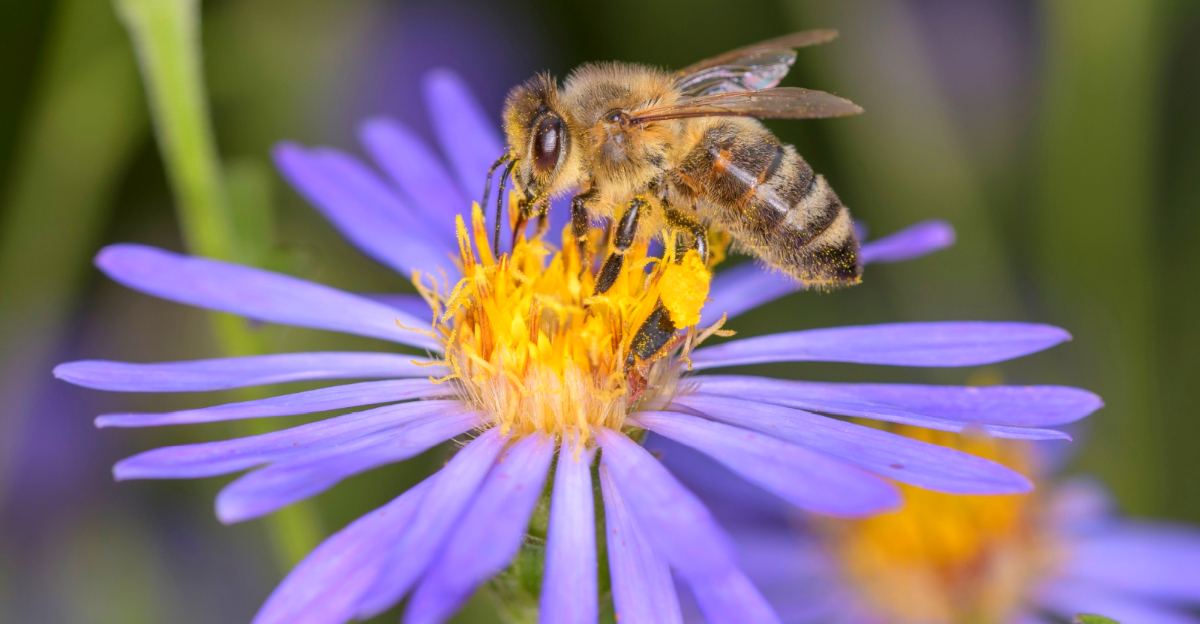
March in Florida is the perfect moment to kick-start your pollinator garden. The soil is warming, rains are settling in, and pollinators are already searching for early blooms.
Starting seeds now takes full advantage of Florida’s subtropical warmth, sandy soils, and long growing season.
Whether you’re planting in the Panhandle or down in South Florida, sowing these pollinator-friendly seeds this month ensures a summer alive with bees, butterflies, and hummingbirds.
With the right timing and care, your garden will become a buzzing hotspot that keeps Florida’s pollinators returning all season long.
1. Coreopsis Lights Up Your Garden And Attracts Bees
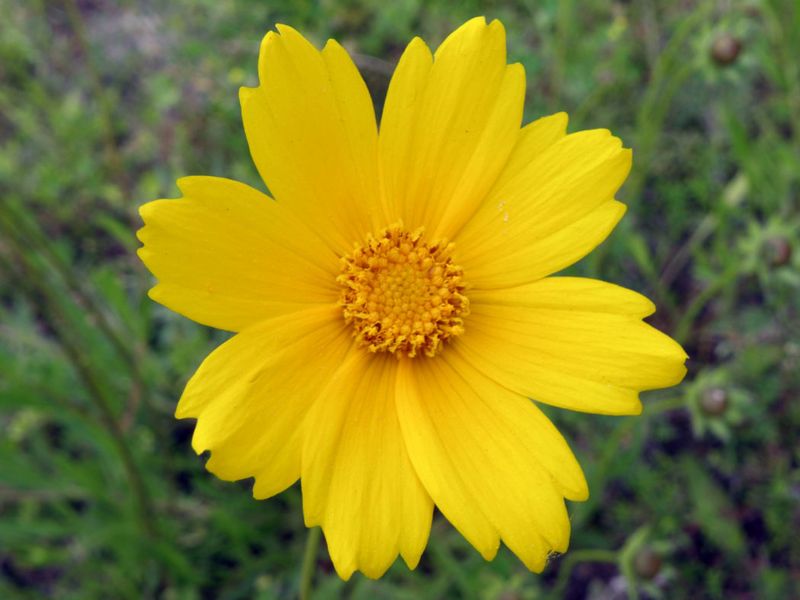
Florida actually named Coreopsis its official state wildflower, and once you see a patch in full bloom, it is easy to understand why. These cheerful yellow flowers practically glow in the sunlight, and native bees cannot seem to stay away.
Starting Coreopsis from seed in March gives Florida gardeners a serious head start before the summer heat kicks in.
Scatter seeds directly onto well-drained, sandy soil in a spot that gets at least six hours of direct sun each day. Lightly press the seeds into the surface without burying them, since they need light to germinate well.
Coreopsis tolerates Florida’s sandy, nutrient-poor soils better than most garden plants, making it low-maintenance once established.
Germination typically takes 10 to 21 days under warm Florida conditions. Seedlings grow quickly and may produce their first blooms within eight to ten weeks of sprouting.
Keep the soil lightly moist during germination, but ease off watering once the seedlings develop their second set of true leaves.
Bumblebees, sweat bees, and long-horned bees are among the most frequent visitors to Coreopsis blooms in Florida gardens. The flowers also attract skippers and small butterflies looking for nectar.
Transplanting seedlings outdoors is straightforward since Coreopsis handles Florida’s humidity and occasional dry spells with ease. Remove faded flowers regularly to encourage continuous blooming from spring through fall.
2. Blanket Flower Brings Color And Butterfly Guests
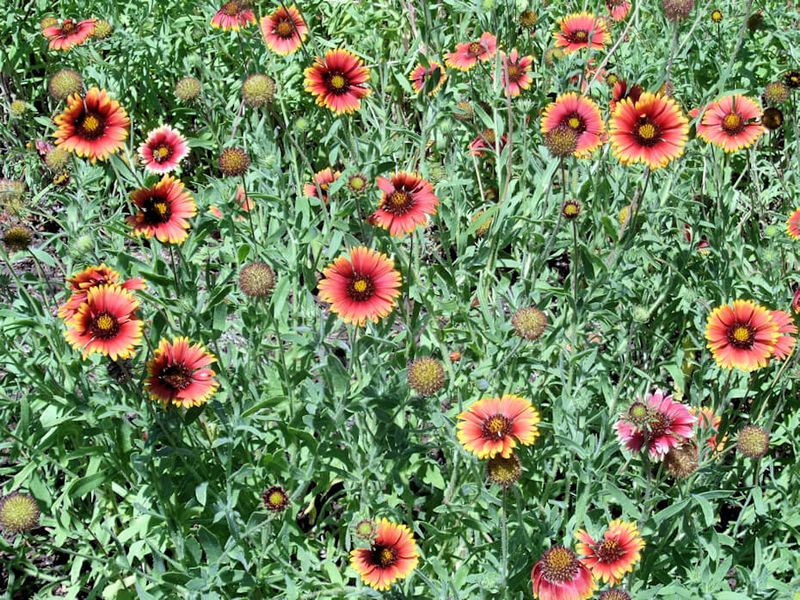
Few flowers match the boldness of Blanket Flower, with its fiery red and yellow petals that look like something out of a Southwest sunset.
Gaillardia pulchella is actually native to Florida and thrives in the exact conditions most gardeners find challenging, including sandy soil, heat, and humidity.
Starting seeds indoors or in a protected seedling tray in March gives you strong transplants ready for the garden by late April.
Sow seeds about one-eighth of an inch deep in a seed-starting mix and keep them at around 70 degrees Fahrenheit. Florida’s March temperatures are usually cooperative, and germination typically happens within 15 to 20 days.
Thin seedlings to about 12 inches apart once they are sturdy enough to handle, since crowding reduces airflow and can lead to fungal issues in Florida’s humid summers.
Butterflies, especially Gulf Fritillaries and Painted Ladies, are drawn to Blanket Flower’s open, accessible blooms. Bees also visit frequently, collecting both nectar and pollen.
Gaillardia pulchella is often considered as as one of the most reliable native annuals for Florida pollinator gardens because of its long blooming season and drought tolerance once established.
Your Florida Garden Changes Every Week. Your Plan Should Too.
Gardening in Florida changes quickly throughout the season. Every Friday you’ll receive a simple weekly plan showing exactly what to plant, prune, fertilize, harvest, and protect so you never miss the right timing.
Blanket Flower thrives in full sun and actually performs better in lean soil than in rich, heavily amended beds. Avoid overwatering once plants are established, since too much moisture can cause root problems.
Removing spent flowers encourages more blooms, but leaving a few seed heads at the end of the season helps the plant self-seed for next year.
3. Black-Eyed Susan Packs Nectar For Busy Pollinators
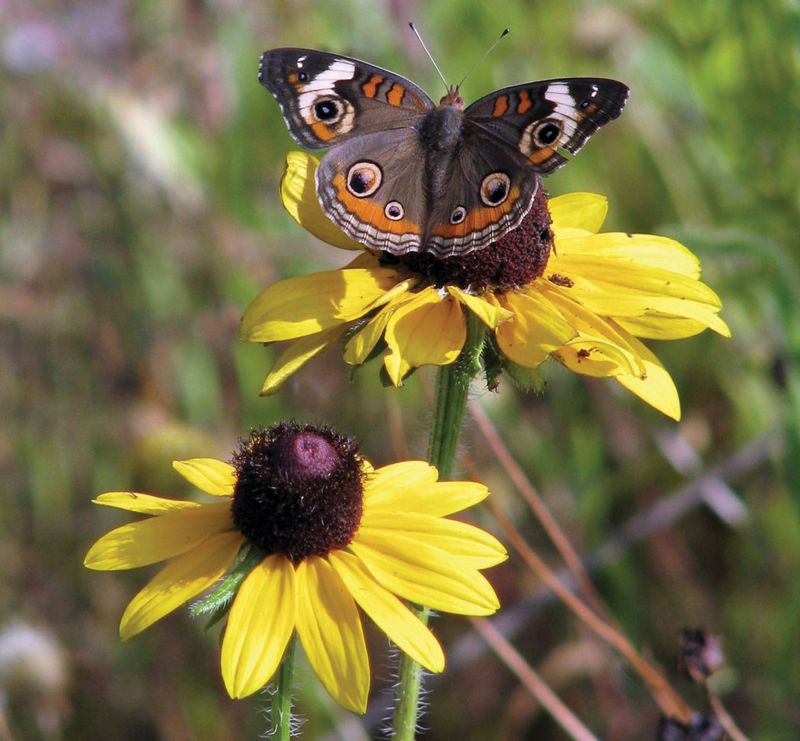
Walk through almost any Florida natural area in spring, and you are likely to spot the cheerful golden face of Black-Eyed Susan nodding in the breeze.
Rudbeckia hirta is a workhorse of the native pollinator garden, offering generous amounts of nectar and pollen from late spring through summer.
Sowing seeds in March means you can have transplants ready just as Florida’s pollinator season shifts into high gear.
Start seeds indoors in seed trays using a well-draining seed-starting mix. Seeds germinate best at temperatures between 65 and 75 degrees Fahrenheit, which Florida’s March weather provides naturally.
Expect sprouts within 10 to 21 days, and plan to transplant seedlings outdoors once they have two to four true leaves and nighttime temperatures stay consistently above 55 degrees.
Black-Eyed Susan attracts an impressive variety of pollinators, including bumblebees, sweat bees, skipper butterflies, and even small beetles that feed on pollen.
Rudbeckia hirta is considered a high-value native plant for Florida pollinator gardens because of its broad appeal across different insect species.
The plant also serves as a larval host for some moth species.
Choose a planting spot with full sun and well-drained soil, since soggy conditions weaken the plant over time. Florida’s sandy soils suit Black-Eyed Susan well, and it rarely needs supplemental fertilization.
Removing spent flowers encourages a longer bloom period, while leaving some seed heads standing provides food for seed-eating birds like American Goldfinches during cooler months.
4. Scarlet Sage Draws Hummingbirds With Vibrant Blooms
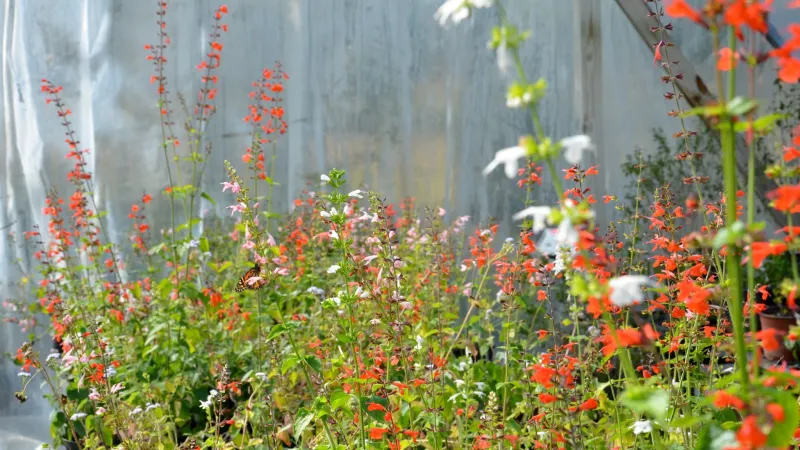
There is something almost electric about watching a Ruby-throated Hummingbird dart toward a spike of Scarlet Sage, its wings a blur against the brilliant red blooms.
Salvia coccinea is native to Florida and the Southeast, and it is one of the most reliable plants for drawing hummingbirds into a home garden.
March is an excellent time to start seeds because Florida’s warmth accelerates germination and gives seedlings a strong foundation before summer arrives.
Sow Scarlet Sage seeds on the surface of moist seed-starting mix, pressing them lightly without covering them completely, since light aids germination.
Temperatures around 70 to 75 degrees Fahrenheit encourage the fastest sprouting, typically within 12 to 18 days under Florida’s March conditions.
Seedlings grow vigorously and can be transplanted outdoors after about four to six weeks, once they have developed a sturdy root system.
Beyond hummingbirds, Scarlet Sage attracts large butterflies like Swallowtails and Monarchs, as well as long-tongued bumblebees.
Salvia coccinea is considered a top native plant for Florida wildlife gardens thanks to its heat tolerance, drought resilience, and long bloom season from spring through fall.
The tubular red flowers are specifically shaped to accommodate hummingbird feeding.
Plant Scarlet Sage in full sun to partial shade, which gives it flexibility in the garden layout. It self-seeds reliably in Florida, meaning one planting often leads to volunteers in future seasons.
Trim plants back lightly after heavy bloom flushes to encourage branching and fresh flower spikes throughout the warm months.
5. Pentas Keeps Butterflies Coming Back For More
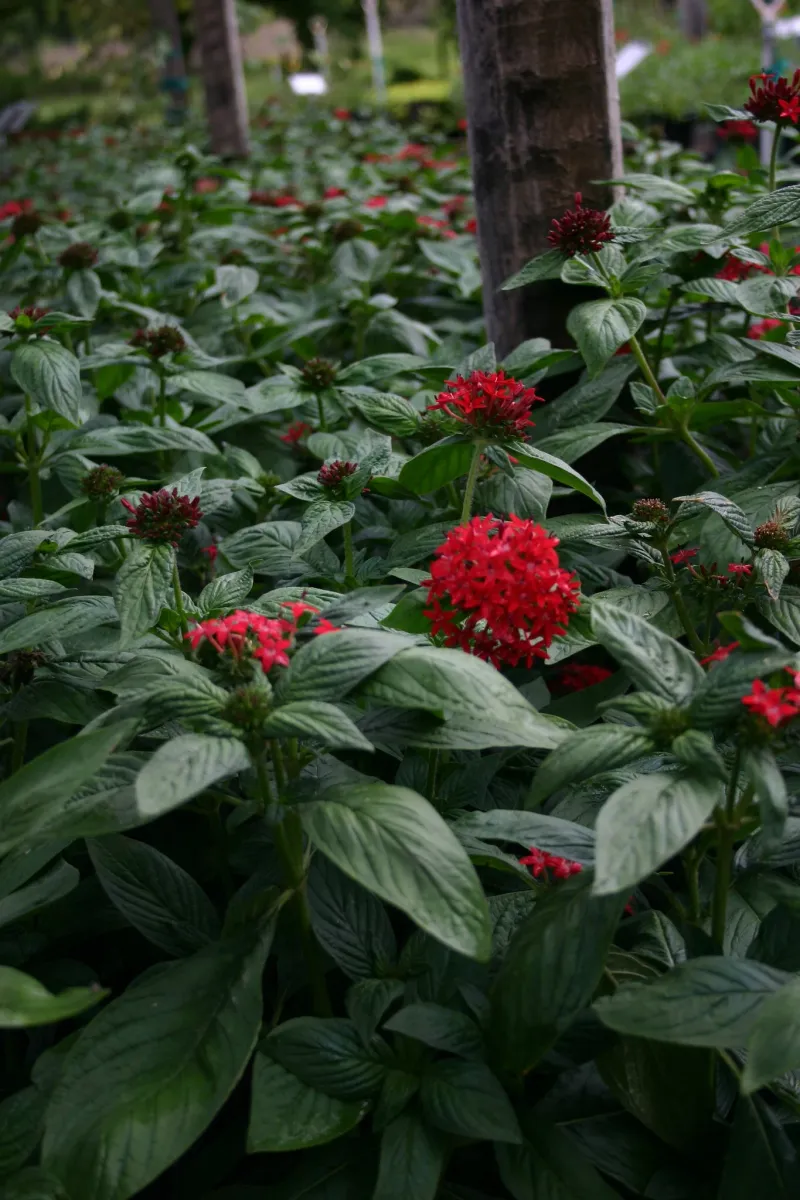
Ask any experienced Florida gardener which plant butterflies visit most reliably, and Pentas lanceolata will almost always come up in the conversation.
The star-shaped flower clusters are like a landing pad designed specifically for butterflies, offering accessible nectar in a color range that spans pink, red, white, and lavender.
Starting Pentas from seed in March takes a little patience, but the payoff in butterfly activity through summer and fall is absolutely worth the effort.
Pentas seeds are tiny, so handle them carefully when sowing. Press seeds onto the surface of a moist, fine-textured seed-starting mix without covering them, since they need light to germinate well.
Keep the tray in a warm location around 75 to 80 degrees Fahrenheit, and expect germination within 10 to 14 days. Florida’s warm March temperatures make this process straightforward without supplemental heat mats in most parts of the state.
Monarch butterflies, Zebra Longwings, Gulf Fritillaries, and Sulfurs are among the many species that visit Pentas regularly in Florida gardens.
Pentas is a top butterfly nectar plant for Florida landscapes thanks to its long blooming season and heat tolerance.
Once established, it thrives in both Central and South Florida gardens with minimal care.
Transplant seedlings outdoors once they reach about three inches tall and temperatures are consistently warm. Pentas prefers full sun but tolerates some afternoon shade in South Florida’s intense heat.
Water regularly during establishment, then scale back as plants mature. Pinching tips encourages bushier growth and more flower clusters through the season.
6. Frogfruit Supports Small Bees And Ground-Level Pollinators
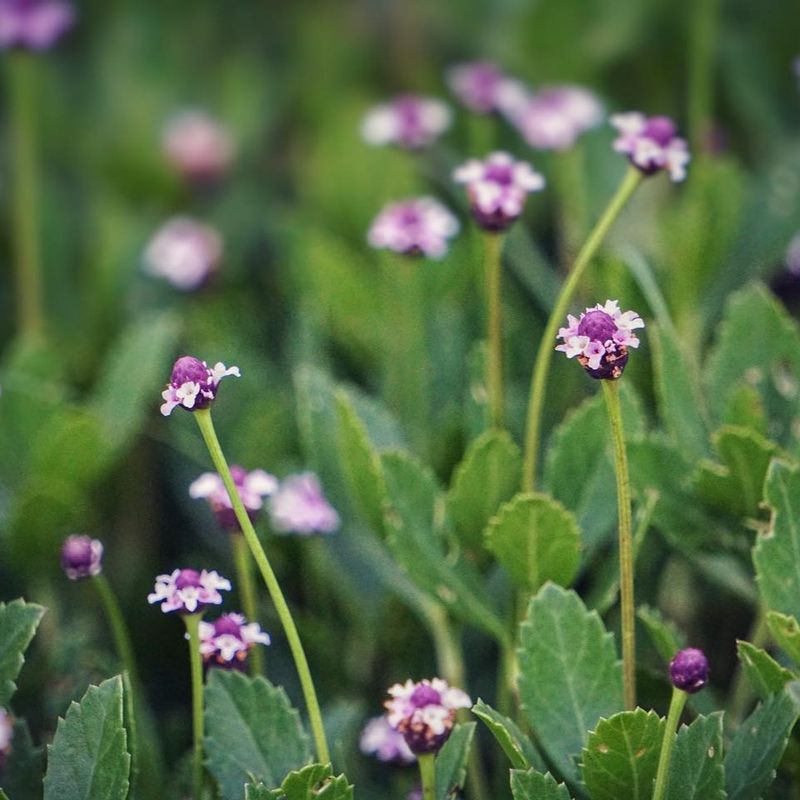
Not every pollinator plant needs to be tall and showy to make a real difference in your garden ecosystem.
Frogfruit, known scientifically as Phyla nodiflora, hugs the ground and produces tiny white flowers that are absolutely beloved by small native bees, hairstreak butterflies, and other ground-level pollinators that often get overlooked.
Starting Frogfruit from seed in March gives it time to spread and establish before Florida’s summer rainy season begins in earnest.
Frogfruit seeds can be a little slow to germinate, sometimes taking three to four weeks even under warm conditions. Sow seeds shallowly in seed trays with well-draining mix and keep them consistently moist but not waterlogged.
Florida’s March warmth helps speed the process along, and once seedlings are a couple of inches tall, they are ready to transplant into the garden or even into lawn areas as a grass alternative.
Phyla nodiflora is a larval host plant for Phaon Crescent and White Peacock butterflies, two species commonly seen in Florida gardens.
Beyond hosting caterpillars, the flowers attract sweat bees, halictid bees, and tiny native bees that other taller flowers may not serve as well.
This makes Frogfruit especially valuable in a diverse pollinator garden.
Plant Frogfruit in full sun to partial shade in moist to dry, well-drained soil. It handles Florida’s sandy conditions and occasional flooding better than many ground covers.
Foot traffic does not bother it much, making it a practical choice for garden pathways or low-traffic lawn areas where pollinators can forage safely at ground level.
7. Drummond Coreopsis Extends Your Bloom Season
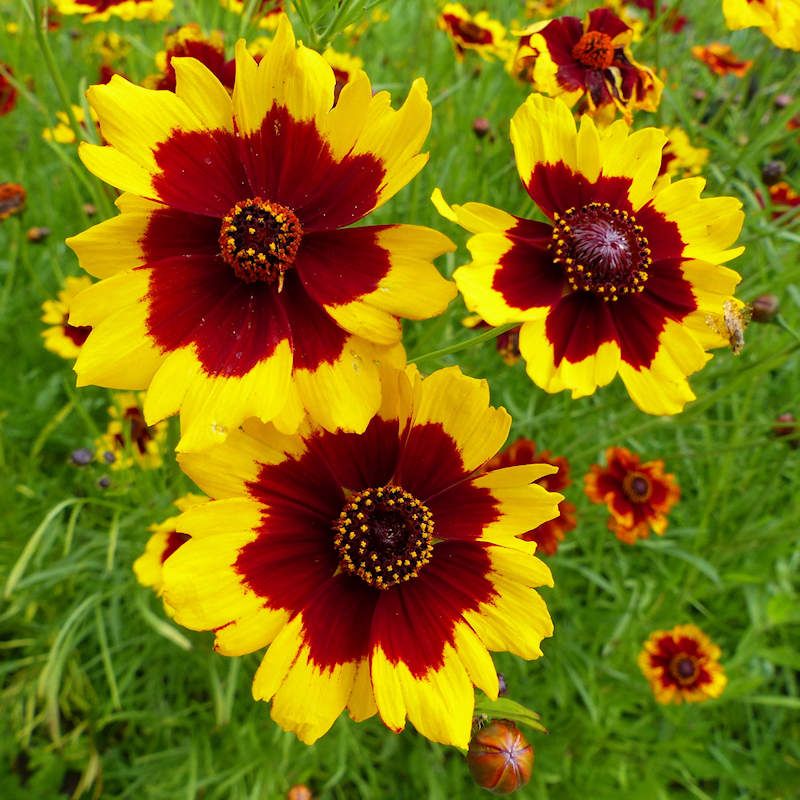
While the perennial Coreopsis gets most of the attention in Florida wildflower conversations, Drummond Coreopsis, or Coreopsis tinctoria, deserves its own spotlight as a fast-blooming annual that fills in gaps in the garden calendar beautifully.
This species produces golden yellow flowers with a rich burgundy center, giving it a slightly more dramatic look than its perennial cousins.
Starting seeds in March takes advantage of Florida’s warming soil temperatures and delivers blooms in as little as six to eight weeks.
Drummond Coreopsis seeds are best sown directly into the garden bed rather than started in trays, since they dislike root disturbance. Scatter seeds over loosened, sandy soil and press them gently into the surface.
Water lightly and consistently until germination, which typically occurs within seven to fourteen days under Florida’s spring conditions. Thin seedlings to about eight to ten inches apart to allow good airflow and healthy development.
This annual species blooms heavily over a shorter period than perennial Coreopsis, making it a great companion plant to fill visual gaps while slower-growing perennials get established.
Bees, skippers, and small butterflies visit the flowers regularly for nectar.
The Florida Wildflower Foundation lists Coreopsis tinctoria as a reliable self-seeding annual that can naturalize in Florida garden beds over time.
Plant in full sun with well-drained soil for best results. Drummond Coreopsis tolerates Florida’s summer heat reasonably well but may slow down during the most intense heat of July and August.
Allowing spent plants to drop seeds in place sets up a natural reseeding cycle for the following spring season.
8. Asters Provide Late-Season Nectar Before Frost
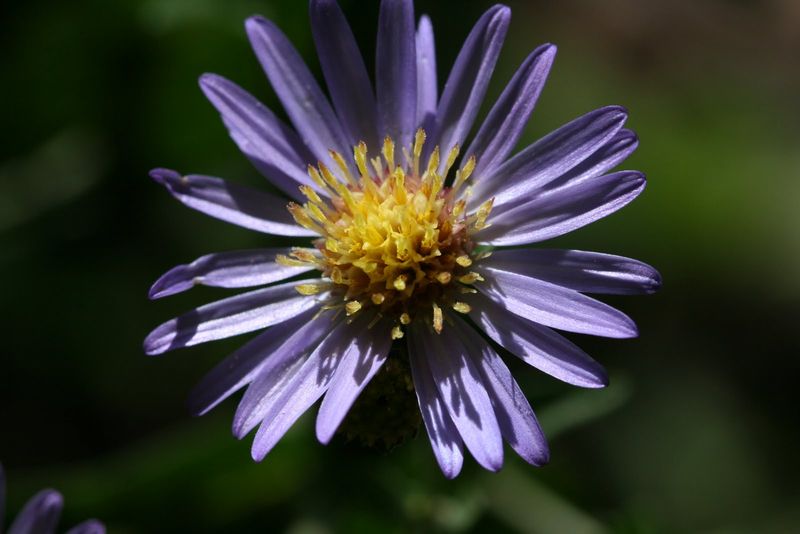
Starting Asters from seed in March might seem like planning far ahead, but Florida native Asters, particularly Symphyotrichum simonsii and Symphyotrichum dumosum, take several months to reach blooming size.
Getting seeds started now means having robust plants ready to burst into flower in October and November, when most other garden plants are winding down.
That timing matters enormously because migrating Monarchs and late-season native bees desperately need nectar sources during Florida’s fall months.
Sow Aster seeds in seed trays using a fine, well-draining seed-starting mix. Seeds need light to germinate, so press them gently onto the surface without covering them.
Keep the tray at around 65 to 70 degrees Fahrenheit, and expect germination within 14 to 21 days. Florida’s March temperatures are close to ideal without needing artificial heat, though a sunny windowsill or greenhouse shelf helps maintain consistent warmth.
Transplant seedlings outdoors once they have four to six true leaves and are a few inches tall. Native Asters prefer full sun to light shade and adapt well to Florida’s sandy, slightly acidic soils.
Native Symphyotrichum species are high-value plants for Florida pollinator gardens, providing essential late-season nectar for migrating butterflies and overwintering bees.
Space plants about 18 inches apart to encourage good airflow and reduce the chance of powdery mildew in Florida’s humid fall weather. Pinch growing tips once or twice during summer to encourage branching and more flower heads.
When Asters finally bloom in fall, the display of purple and white flowers covered in pollinators makes every bit of the wait feel worthwhile.