Prepare Your Pennsylvania Garden For April In 7 Easy Steps
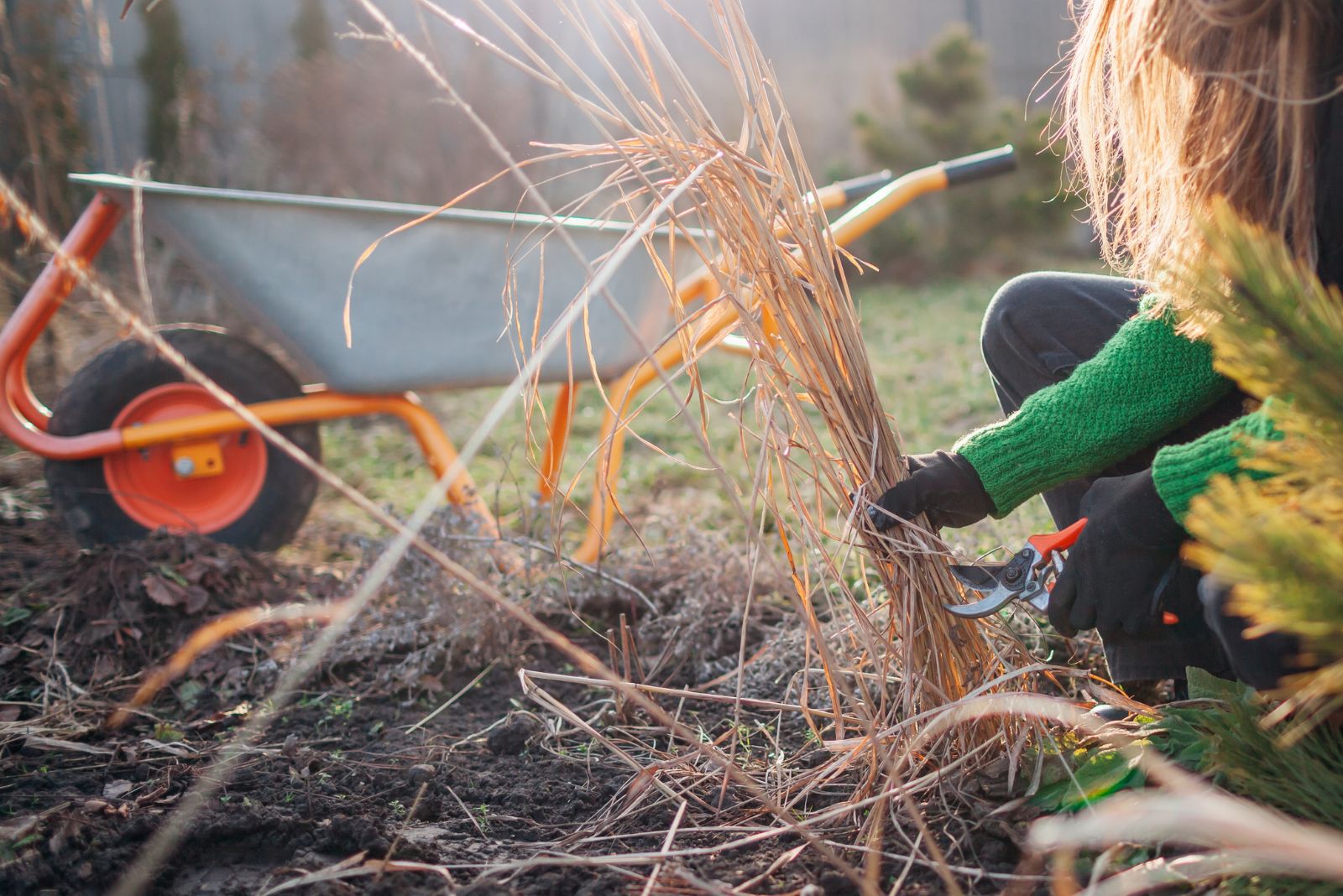
April has a way of making everything in the garden feel more urgent. In Pennsylvania, the shift into real spring can happen fast, and once it does, there is suddenly a long list of things that seem to need attention all at once.
Beds need cleaning, soil needs checking, plants need trimming, and new growth starts showing up before you feel fully ready for it. That is exactly why a little early prep can make such a big difference.
When the garden is set up the right way before April gets busy, everything feels easier to manage.
The nice part is that getting your Pennsylvania garden ready does not have to turn into a huge project. A few simple steps can go a long way toward helping plants grow better, keeping the space looking tidy, and making spring feel a lot less overwhelming.
This is the time to handle the basics that set the tone for the rest of the season, from clearing out winter leftovers to getting beds and tools in shape.
If you want a garden that feels fresh, organized, and ready to grow, taking care of the easy things now can save you a lot of trouble once April is in full swing.
1. Clean Up Garden Beds After Winter
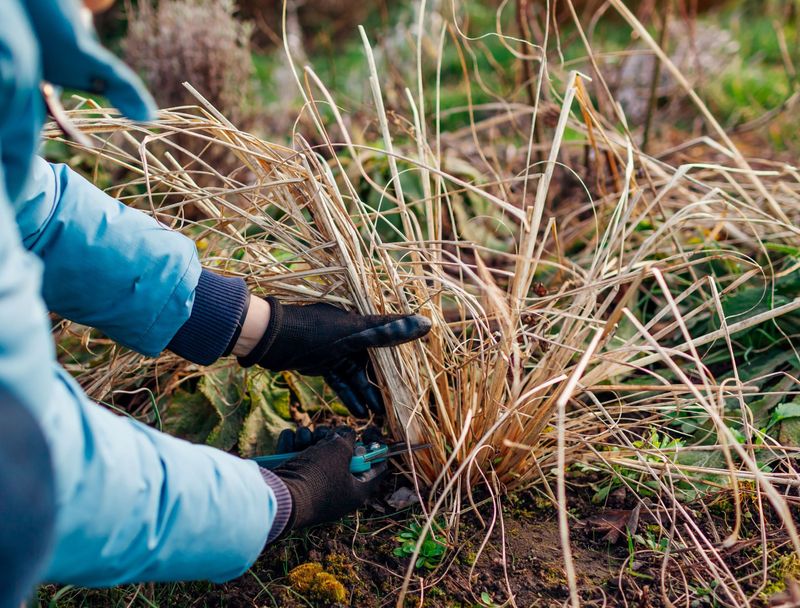
After a long Pennsylvania winter, your garden beds can look pretty rough. Piles of dry leaves, old plant stems, and leftover debris have likely built up since fall. Getting rid of all that mess is the very first thing you should tackle in April.
Start by pulling out any dry plants and tossing them into your compost bin or yard waste bags. Rake up fallen leaves and clear away anything that has been sitting on top of your soil all winter.
Pay close attention to the corners of your beds where debris tends to pile up the most. Weeds are sneaky, and they love to get an early start in spring. Even in April, you may already spot small weeds popping up between your plants.
Pull them out now before they grow bigger and spread their seeds everywhere. Clearing out old plant material also helps your garden breathe. When dry leaves and stems pile up, they can trap moisture and create the perfect hiding spot for pests and disease.
Removing that layer gives your soil better airflow and lets sunlight reach the ground. Think of this step as giving your garden a fresh start. A clean bed is so much easier to work with when it comes time to plant.
Plus, it just feels good to see a tidy, open garden space after months of cold, grey weather here in Pennsylvania. Roll up your sleeves and get to work.
2. Test And Improve Your Soil
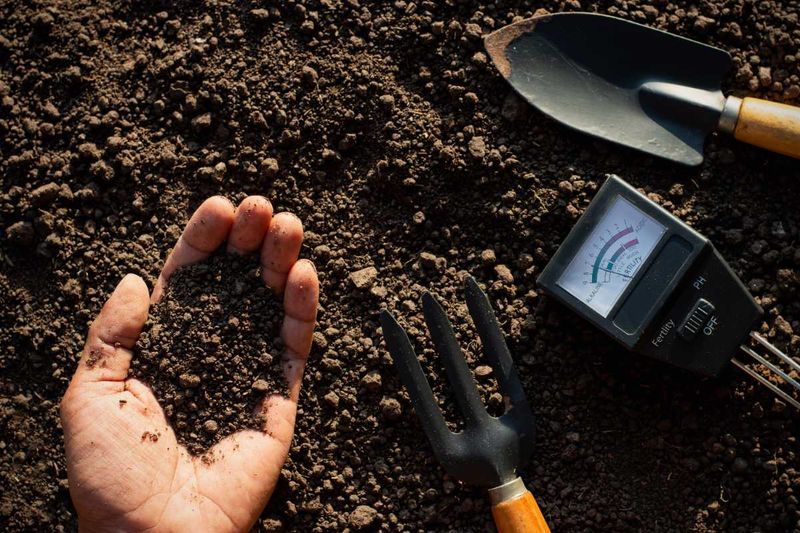
Good soil is the foundation of a great garden. Before you plant anything in your Pennsylvania garden this April, it pays to know exactly what your soil needs.
A simple soil test can tell you a lot about what nutrients are missing and whether your pH levels are balanced.
Your Pennsylvania Garden Changes Every Week. Your Plan Should Too.
Gardening in Pennsylvania changes quickly throughout the season. Every Friday you’ll receive a simple weekly plan showing exactly what to plant, prune, fertilize, harvest, and protect so you never miss the right timing.
You can pick up a soil test kit at most garden centers or even send a sample to your local Penn State Extension office for a more detailed report. The results will tell you if your soil is too acidic, too alkaline, or just right.
Most vegetables and flowers prefer a pH between 6.0 and 7.0. Once you know your soil type, you can start making improvements. Adding compost is one of the best things you can do.
It feeds your soil with organic matter, improves drainage, and helps sandy or clay-heavy soils hold together better. Spread a two-to-three-inch layer across your beds and mix it in well.
If your soil feels hard and compacted, use a garden fork to loosen it up. Compacted soil makes it tough for roots to grow deep and strong. Loosening it also helps water soak in more evenly instead of running off the surface.
Pennsylvania soils can vary a lot depending on where you live in the state. Some areas have heavy clay, while others have sandy or rocky ground.
Knowing your soil type and fixing it early in the season sets you up for much healthier plants all spring and summer long.
3. Prune Trees, Shrubs, And Perennials
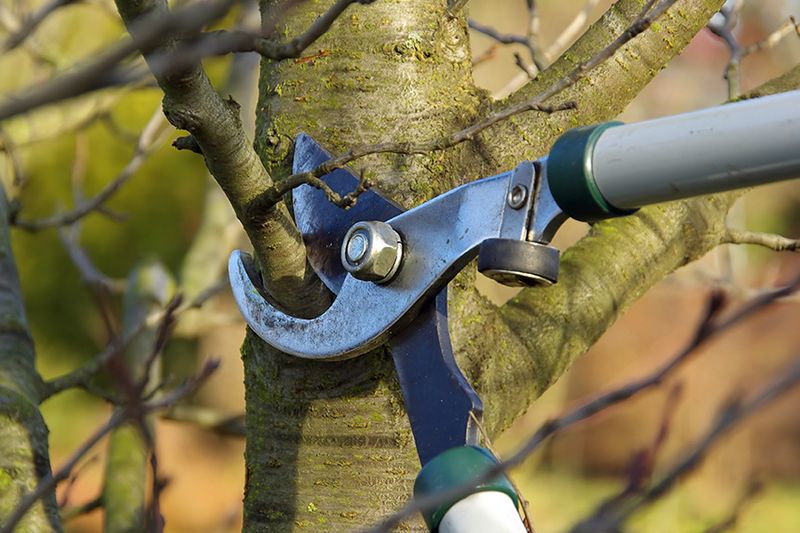
Grab your pruning shears because April is the perfect time to tidy up your trees, shrubs, and perennials in Pennsylvania. Pruning might feel a little intimidating at first, but once you get the hang of it, it becomes one of the most satisfying garden tasks of the season.
Start by looking for any dry or damaged branches on your trees and shrubs. These should come off first.
Dry wood can attract insects and disease, and removing it helps the rest of the plant focus its energy on healthy new growth. Make clean cuts just above a bud or branch junction for the best results.
When it comes to shrubs, timing really matters. Summer-blooming shrubs like butterfly bush and hydrangeas that bloom on new wood can be pruned now.
However, spring-blooming plants like forsythia and lilac should be left alone until right after they finish flowering. Cutting them now would remove the buds and you would miss out on their beautiful blooms.
Perennials that were left standing over winter to provide habitat for birds and insects can now be cut back close to the ground. New growth will sprout up quickly once the weather warms.
You may even see tiny green shoots already poking through the soil at the base of your plants.
Pruning encourages stronger, bushier growth and keeps your garden looking neat and well-cared-for. Pennsylvania gardeners who prune in early spring tend to enjoy fuller, healthier plants by the time summer arrives.
4. Apply Mulch To Retain Moisture
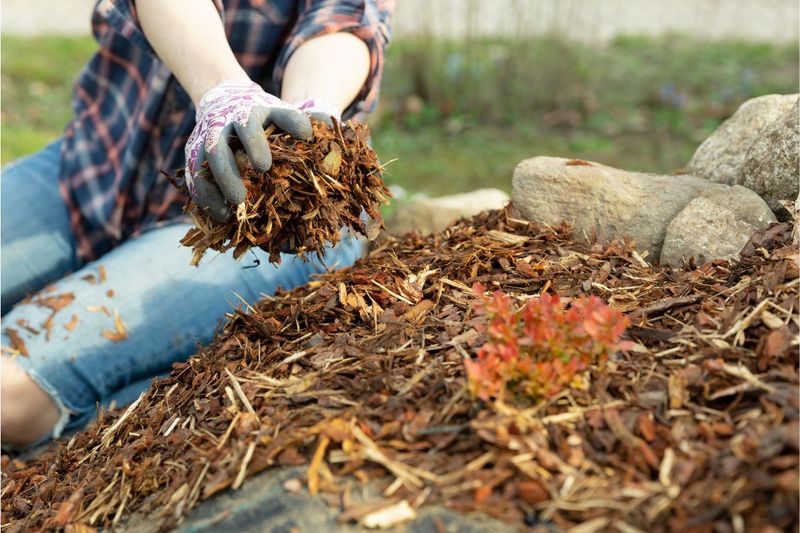
Mulch is one of the hardest-working materials in any Pennsylvania garden, and April is the ideal time to apply a fresh layer. If you have not mulched your beds yet, now is the time to make it happen before the warmer temperatures really kick in.
Fresh mulch does several important jobs at once. It helps the soil hold onto moisture so you do not have to water as often.
It also keeps the soil temperature more stable, which is especially helpful during those unpredictable spring days in Pennsylvania when temperatures can swing from warm to chilly overnight.
Spread about two to three inches of mulch around your plants, keeping it a few inches away from plant stems and tree trunks. Piling mulch directly against stems can trap moisture and lead to rot.
Wood chips, shredded bark, and straw are all great options depending on the type of garden you have.
One of the best bonuses of mulching is weed control. A thick layer of mulch blocks sunlight from reaching weed seeds in the soil, which means far fewer weeds to pull throughout the growing season. That alone makes the effort completely worth it.
As temperatures begin to rise across Pennsylvania through April and into May, mulched beds will stay cooler and more consistent for longer. Your plants will thank you with stronger roots and more vibrant growth.
If you mulched last year, rake the old layer to fluff it up before adding a fresh top layer to save on materials.
5. Start Planting Cold-Hardy Crops And Flowers
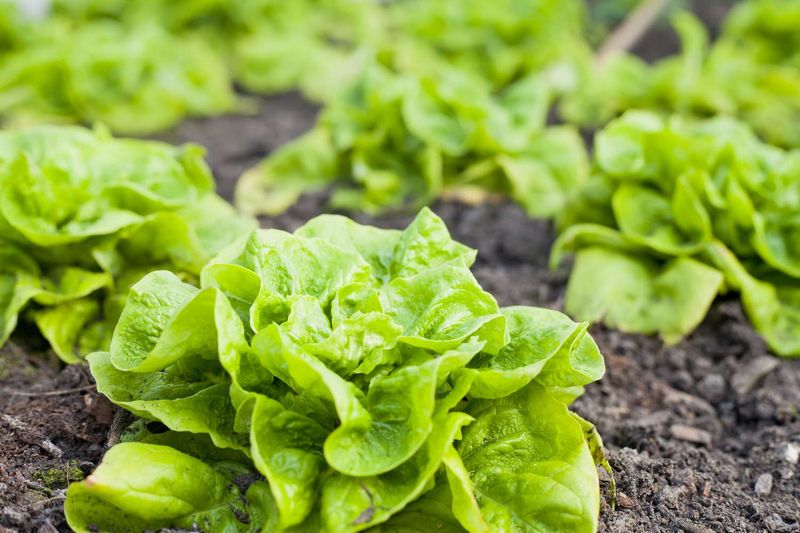
April is the green light for cool-season planting in Pennsylvania, and there are quite a few crops and flowers that are ready to go into the ground right now.
You do not have to wait until the last frost date to get started. Many vegetables actually prefer the cool soil and air temperatures that April brings.
Vegetables like lettuce, spinach, peas, radishes, and kale are perfect choices for early spring planting. These crops can handle a light frost without a problem, making them ideal for Pennsylvania’s unpredictable April weather.
Direct sow seeds into your prepared garden beds or set out small transplants if you started seeds indoors a few weeks ago.
On the flower side, pansies are the stars of the show in early spring. They come in a rainbow of cheerful colors and can survive temperatures that would put other flowers out of commission.
Plant them in garden beds or containers for an instant burst of color while you wait for warmer-weather plants to take over later in the season.
Keep an eye on the weather forecast, especially if a late frost is expected. Have a light row cover or old bedsheets on hand to protect your young plants overnight if temperatures are going to drop below freezing. A little preparation goes a long way.
Taking advantage of the early spring planting window in Pennsylvania means you will be harvesting fresh greens and enjoying beautiful blooms well before summer even begins. It is one of the most rewarding parts of gardening in this region.
6. Fertilize And Feed Your Plants
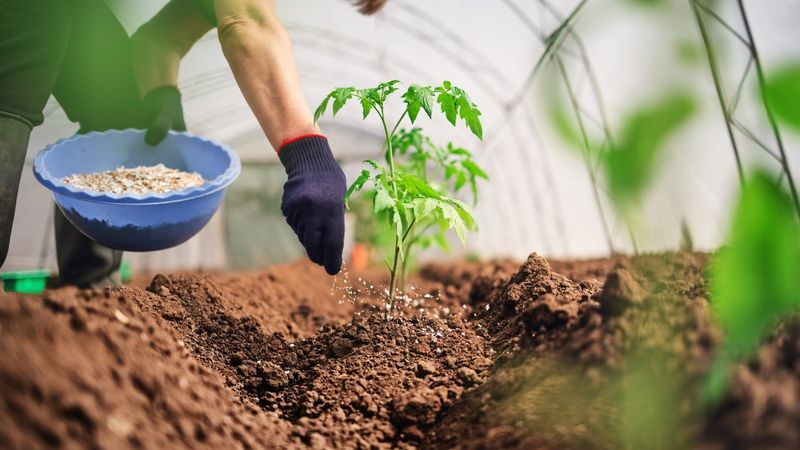
Plants are hungry after a long winter, and a little fertilizer in April can give them the boost they need to really take off.
Feeding your garden at the right time makes a noticeable difference in how quickly and strongly your plants grow throughout the spring season in Pennsylvania.
A balanced fertilizer, such as a 10-10-10 formula, works well for most garden plants and early crops.
You can also choose a slow-release granular fertilizer that breaks down over several weeks, giving your plants a steady supply of nutrients instead of one big rush. Sprinkle it around the base of plants and water it in thoroughly.
Perennials and established shrubs benefit greatly from an early spring feeding. As their roots begin to wake up and reach for nutrients, having fertilizer available in the soil helps fuel that new growth.
Focus on plants that will be doing a lot of heavy lifting in your landscape this season. For your early vegetable crops like peas and lettuce, go easy on the nitrogen-heavy fertilizers.
Too much nitrogen can push leafy growth at the expense of root development and overall plant strength. A light, balanced application is all they need at this stage.
One thing to keep in mind is that more fertilizer is not always better. Over-fertilizing too early in the season can actually stress your plants or cause a flush of soft, weak growth that struggles later.
Follow the package directions carefully, and your Pennsylvania garden will be well-nourished and ready to thrive all season long.
7. Check Tools, Irrigation, And Garden Setup
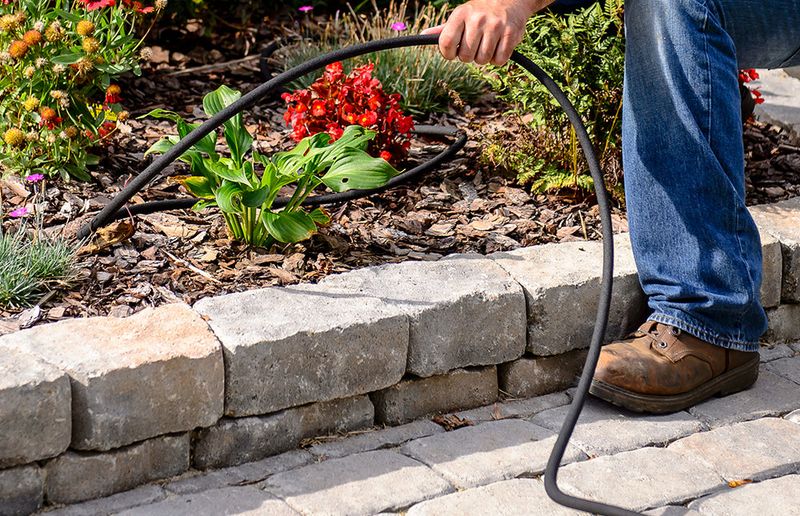
Before the busy planting season really ramps up in Pennsylvania, take a little time to check your garden tools and irrigation setup.
It might not be the most glamorous part of gardening, but having everything in working order saves you a lot of headaches later when you are in the middle of planting or watering.
Start with your garden hoses and sprinklers. After sitting unused all winter, hoses can crack or develop leaks at the connections.
Turn on your water and check for any drips or weak spots. If you have an irrigation system, run it through a full cycle to make sure every sprinkler head is working correctly and aimed in the right direction.
Next, take a look at your hand tools. Trowels, pruners, hoes, and rakes all benefit from a good cleaning and sharpening before the season begins.
Wipe off any rust with steel wool, sharpen blades with a file or whetstone, and rub wooden handles with a little linseed oil to keep them from drying out and cracking.
Now is also the right time to set up any trellises, plant cages, or supports you will need for climbing plants like peas or cucumbers later in the season.
Getting these structures in place before plants start growing means you will not accidentally damage tender stems trying to wrestle a trellis into the ground later.
Pennsylvania gardeners who take care of their equipment at the start of the season find that everything just runs more smoothly. A well-organized garden setup makes every task faster and more enjoyable from April all the way through fall harvest.