Pennsylvania Garden Mistakes That Seem Fine In May But Destroy Plants By August
May in Pennsylvania is one of those months where everything in the garden looks so promising that it’s easy to feel like you’ve already won.
The plants are responding well, the weather is cooperating, and that combination of warm days and regular rainfall creates growing conditions that make almost any garden look like it’s thriving.
What’s happening underneath that surface of apparent success is a different story for some gardeners.
Certain decisions that seem completely harmless or even smart in May have a way of revealing their real consequences later in the season, right around the time the August heat and humidity arrive and start stress-testing everything in the garden.
By then, the window for easy fixes has closed, and what started as a minor oversight in spring has become a genuine plant health problem with no quick solution.
Recognizing the May mistakes that quietly set Pennsylvania gardens up for August failure is exactly the kind of knowledge that separates a good gardening season from a great one.
1. Planting Cool-Weather Crops Too Late
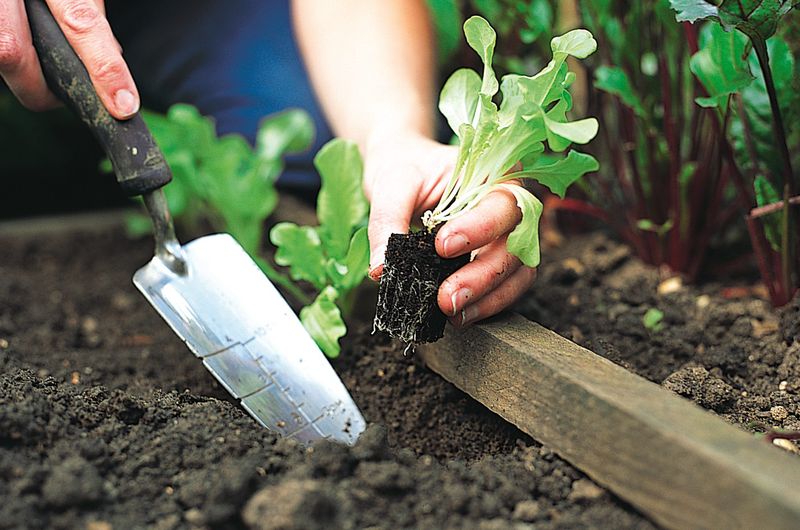
Lettuce, spinach, and kale are some of the most popular cool-season crops among Pennsylvania gardeners. They sprout quickly in spring and look fantastic through most of May.
The trouble is, many gardeners plant these crops a little too late in the season and do not realize it until the damage is already done.
Once Pennsylvania temperatures start climbing into the 80s and 90s in late June and July, cool-weather crops bolt fast. Bolting means the plant shifts its energy from producing leaves to making seeds.
The leaves turn bitter and tough almost overnight. What looked like a thriving salad garden in May can become a mess of tall, flowering stalks by midsummer.
The fix is simpler than most people think. In Pennsylvania, cool-season crops should be planted by late March or early April at the latest.
That gives them enough time to mature and produce a solid harvest before summer heat hits. Many gardeners also plant a second round in late August for a fall harvest when temperatures cool back down.
Choosing heat-tolerant lettuce varieties can also buy you a little extra time. Varieties like ‘Jericho’ or ‘Nevada’ handle warmth better than standard types.
Still, no lettuce variety can fully survive a true Pennsylvania summer without shade cloth or other protection. Planning your planting schedule around Pennsylvania’s seasonal weather patterns is the smartest move you can make for a cool-season crop garden.
2. Overcrowding Plants
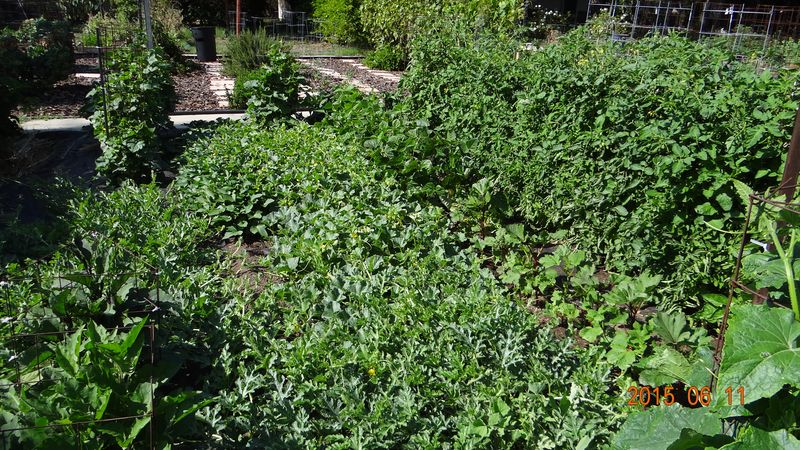
There is something exciting about a garden that looks jam-packed and lush in early May. Every inch of soil is covered, seedlings are pushing up everywhere, and it feels like a huge success. But that crowded look is often one of the biggest warning signs that trouble is on the way.
When plants grow too close together, air cannot move freely between them. In Pennsylvania, where summer humidity can feel suffocating, poor airflow creates the perfect conditions for powdery mildew, blight, and other fungal diseases.
Your Pennsylvania Garden Changes Every Week. Your Plan Should Too.
Gardening in Pennsylvania changes quickly throughout the season. Every Friday you’ll receive a simple weekly plan showing exactly what to plant, prune, fertilize, harvest, and protect so you never miss the right timing.
Pests also love crowded gardens because they can move easily from plant to plant without much exposure.
Beyond disease, overcrowding forces plants to compete hard for water, nutrients, and sunlight. The roots tangle together underground, and the weaker plants lose out.
By July and August, you might notice yellowing leaves, stunted growth, and a harvest that falls far short of what you expected after such a promising spring.
Always follow the spacing recommendations on your seed packets or plant tags. Those numbers exist for a reason.
If your Pennsylvania garden space is limited, focus on growing fewer plants well rather than cramming in as many as possible. Vertical gardening is also a smart option for small spaces.
Training tomatoes, cucumbers, and beans up trellises improves airflow dramatically and keeps foliage off the ground where moisture and pathogens collect.
Thinning seedlings early in the season, even though it feels wasteful, is one of the best investments you can make for a healthy and productive summer garden.
3. Skipping Mulch Around Plants
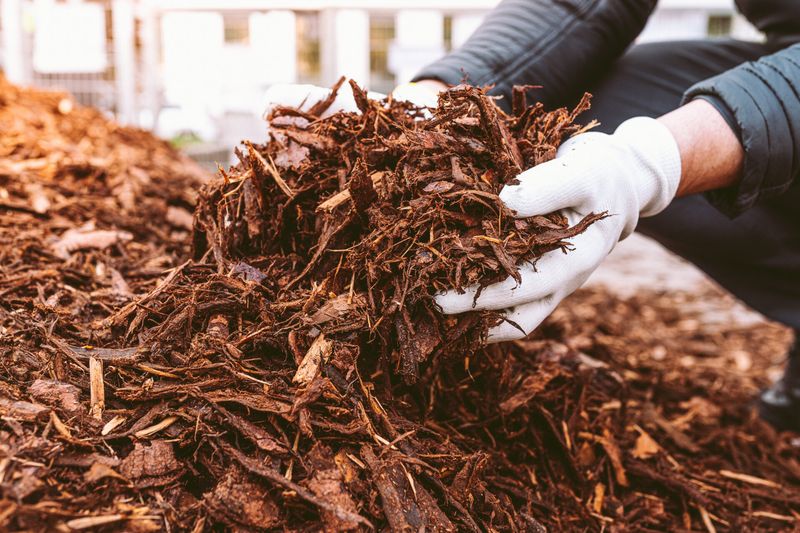
Walking past a freshly planted garden bed in May, bare soil between the plants might not seem like a problem at all. The weather is mild, rain is fairly regular, and the plants are growing just fine.
Skipping mulch feels like no big deal when conditions are comfortable. Fast forward to July and August in Pennsylvania, and that bare soil tells a completely different story. Summer heat bakes the ground hard.
Moisture evaporates quickly, sometimes within hours of watering. Weeds pop up fast to fill every open space, stealing nutrients and water from your vegetables and flowers.
Without mulch acting as a barrier, the soil temperature near plant roots can spike to levels that seriously stress the plants.
Mulch does several important jobs at once. It holds moisture in the soil so plants stay hydrated longer between waterings.
It keeps the soil temperature more stable and cooler during heat waves. It also suppresses weed growth and slowly adds organic matter to the soil as it breaks down over time.
For Pennsylvania gardens, a two to three inch layer of mulch applied in late May or early June makes a noticeable difference by midsummer. Shredded wood chips, straw, and shredded leaves all work well.
Avoid piling mulch directly against plant stems, which can cause rot. Pull it back a couple of inches from the base of each plant.
Once you start mulching consistently, you will likely find that your plants need less water, grow more steadily, and look much healthier through the hottest part of the Pennsylvania summer season.
4. Watering Too Shallowly
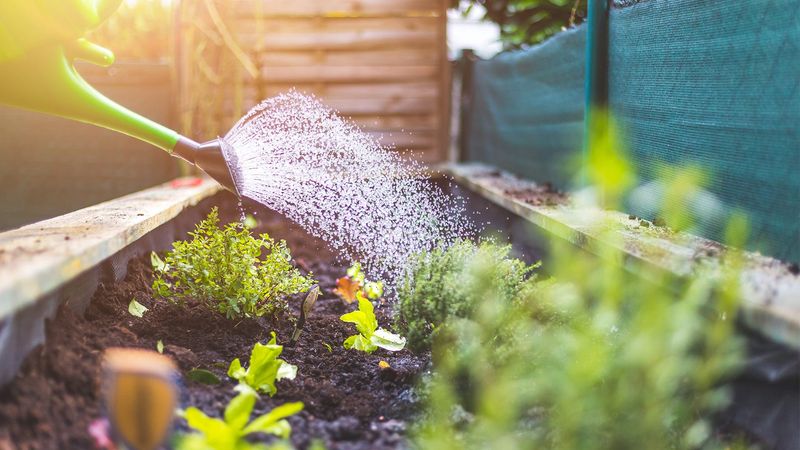
A quick sprinkle of water every morning might feel like responsible gardening. The surface of the soil looks damp, the plants perk up, and everything seems fine in May when temperatures are still comfortable.
But shallow watering is quietly setting your plants up for serious problems down the road. When water only reaches the top inch or two of soil, roots have no reason to grow deeper. Plants develop shallow, weak root systems that depend entirely on frequent surface moisture.
Once Pennsylvania summer heat arrives and the top layer of soil dries out within hours, those shallow-rooted plants have nowhere to draw water from. Wilting, stress, and poor production follow quickly.
Deep, infrequent watering trains roots to grow downward toward more stable moisture. Most vegetables need water to reach at least six to eight inches into the soil.
A slow, deep watering session two to three times per week is far more effective than a light sprinkle every single day. Drip irrigation systems and soaker hoses are excellent tools for delivering water directly to the root zone without waste.
One easy way to check if you are watering deeply enough is to dig a small hole a few hours after watering and see how far down the moisture has reached.
Many Pennsylvania gardeners are surprised to find that even a long session with a hose barely penetrates a few inches if the water is applied too quickly.
Slowing down the flow and watering in cycles gives the soil time to absorb moisture properly and supports strong, drought-resistant root systems all summer long.
5. Ignoring Early Signs Of Fungal Disease
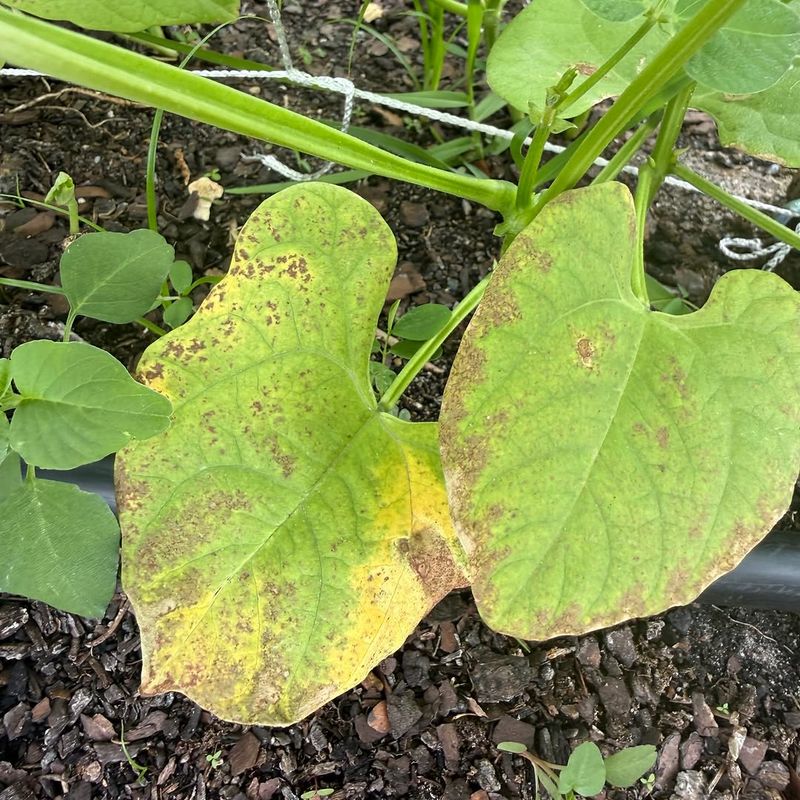
Spotting a few tiny yellow or brown dots on your plant leaves in May is easy to brush off. The plants still look mostly healthy, the garden is just getting started, and it seems like no big deal.
That kind of thinking is exactly how small fungal problems turn into full-blown disasters by August.
Pennsylvania summers are warm and humid, which creates ideal conditions for fungal diseases to spread rapidly. Early blight, late blight, powdery mildew, and downy mildew are all common threats in this region.
What starts as a handful of small leaf spots in spring can spread across an entire garden bed within weeks once heat and humidity kick in during July.
Catching fungal issues early gives you a real fighting chance. Remove affected leaves as soon as you spot them and dispose of them away from the garden.
Do not compost diseased plant material because that can spread spores. Applying an organic fungicide like copper spray or neem oil at the first sign of trouble can slow or stop the spread before it gets out of hand.
Prevention is even better than treatment. Water at the base of plants rather than overhead to keep foliage dry.
Space plants properly for good airflow. Rotate your crops each year so fungal spores from the previous season do not linger in the same soil.
Pennsylvania gardeners who stay observant and take action at the first small sign of trouble consistently end up with much healthier gardens by the time late summer arrives. A few minutes of attention early in the season saves hours of frustration later.
6. Planting Sun-Loving Crops In Partial Shade
May sunshine can be deceptive. The angle of the sun is lower in spring, and trees have not yet filled in with their full canopy of leaves.
A garden spot that gets decent light in early May might only receive a fraction of that sunlight by the time July rolls around and the surrounding trees are in full leaf.
Tomatoes, peppers, squash, and cucumbers all need at least six to eight hours of direct sunlight each day to produce well. When these sun-loving crops are planted in spots that become partially shaded by midsummer, they struggle in ways that are hard to miss.
Stems grow long and weak as the plants stretch toward light. Flowering slows down. Fruit production drops significantly, and what does develop often tastes bland or takes forever to ripen.
Before planting anything in your Pennsylvania garden, take time to observe how sunlight moves across your yard throughout the entire day. Do this in late May or early June when trees are fully leafed out, not in early spring when the canopy is still sparse.
Mark which spots receive consistent full sun and reserve those areas for your most demanding crops.
Shade-tolerant crops like leafy greens, herbs such as parsley and cilantro, and some root vegetables can fill in the shadier spots productively. Matching each plant to the right light conditions is one of the most impactful decisions a Pennsylvania gardener can make.
Getting this right from the start prevents months of disappointment and gives every plant in your garden the best possible chance to thrive through the heat of summer.