7 Self-Seeding Beauties That Come Back Again And Again In Pennsylvania
There’s a particular kind of gardening satisfaction that comes from plants that essentially take care of their own future. You grow them once, they do their thing, drop their seeds, and the following spring new plants show up right on schedule without you lifting a finger.
It’s one of those gardening wins that feels almost too good to be true until you actually experience it for the first time. Self-seeding plants are genuinely underappreciated in Pennsylvania gardens, and it’s hard to understand why.
They fill in gaps naturally, they multiply over time without any extra investment, and they bring a relaxed, naturalistic quality to a garden that carefully controlled plantings rarely achieve.
There’s something about a garden that self-renews that just feels alive in a way that’s hard to replicate any other way.
Once you build a few reliable self-seeders into your Pennsylvania garden, you’ll wonder why you ever spent money on the same annuals every single spring.
1. Black-Eyed Susan (Rudbeckia Hirta)
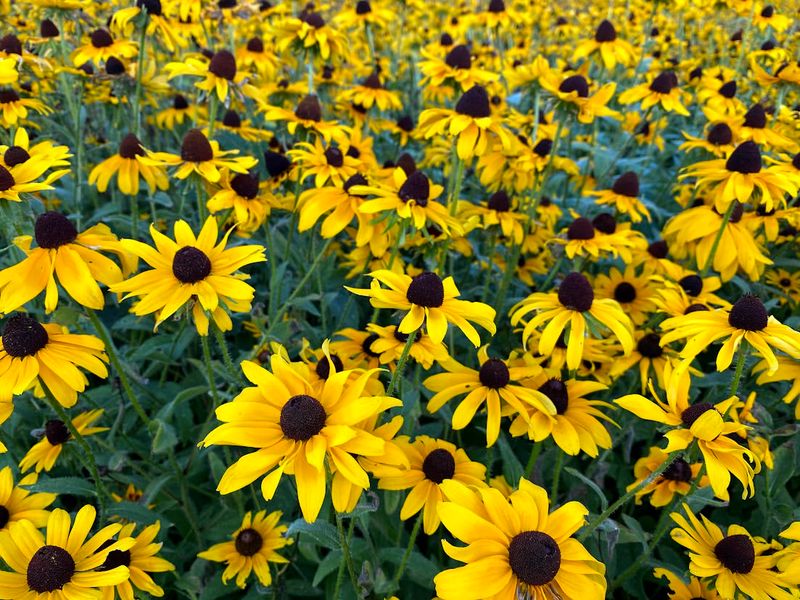
Few flowers say “Pennsylvania summer” quite like the Black-Eyed Susan. With its bold yellow petals and dark chocolate-brown center, this native wildflower has been brightening up roadsides, meadows, and backyard gardens across the state for generations.
It feels familiar, cheerful, and almost impossible to mess up. Black-Eyed Susans are native to North America, which means they are already perfectly adapted to Pennsylvania’s weather patterns, including its humid summers and cold winters.
They thrive in full sun and prefer well-drained soil, but they are surprisingly forgiving if conditions are not perfect.
Once established, they spread by dropping seeds at the end of the season, meaning new plants pop up nearby every spring with very little effort from you.
One of the best things about this flower is how it attracts pollinators. Bees, butterflies, and even goldfinches love Black-Eyed Susans.
Planting them near a vegetable garden can actually help improve your harvest by drawing in more pollinators.
To encourage reseeding, simply leave the seed heads on the plant after blooming instead of cutting them back. Birds will snack on some seeds, and the rest will fall to the ground and germinate the following year.
In Pennsylvania, you can expect blooms from late June through September. Over time, a single plant can spread into a full, lush patch of golden color.
This flower is a true Pennsylvania garden staple that rewards patience and minimal care with spectacular results year after year.
2. Purple Coneflower (Echinacea Purpurea)
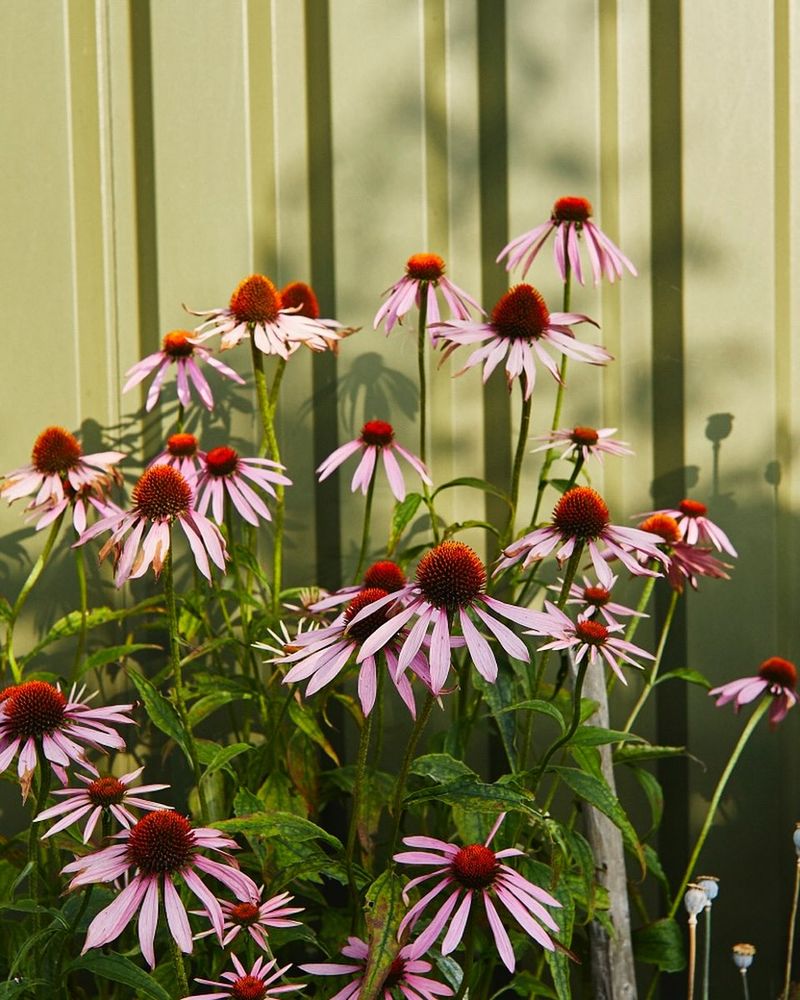
Purple Coneflower is one of those plants that works double duty in the garden. It comes back as a perennial every year, meaning the roots survive winter and send up new growth each spring.
On top of that, it also self-seeds, so new plants sprout up around the original, slowly filling in more and more space over time.
Native to the eastern United States, Echinacea purpurea is right at home in Pennsylvania. It loves full sun but can handle partial shade, making it flexible enough for many different garden spots.
Your Pennsylvania Garden Changes Every Week. Your Plan Should Too.
Gardening in Pennsylvania changes quickly throughout the season. Every Friday you’ll receive a simple weekly plan showing exactly what to plant, prune, fertilize, harvest, and protect so you never miss the right timing.
The rosy-purple blooms appear from midsummer into fall and can reach up to three feet tall, creating a bold, eye-catching display.
Did you know that Echinacea has been used in herbal medicine for centuries? Native American tribes used it to treat everything from colds to snake bites.
Today, it is still widely used as a natural immune booster, so your garden is also a little pharmacy.
For gardeners in Pennsylvania, Purple Coneflower is a dream plant. It handles the state’s hot, sticky summers and cold winters without complaint.
Leave the seed heads standing through fall and winter, and you will not only get natural reseeding but also provide a food source for birds like finches and chickadees. Cut back old stems in early spring to make room for fresh growth.
With very little effort, this stunning flower will multiply and return faithfully, bringing waves of purple color to your yard season after season.
3. Bachelor’s Buttons (Centaurea Cyanus)
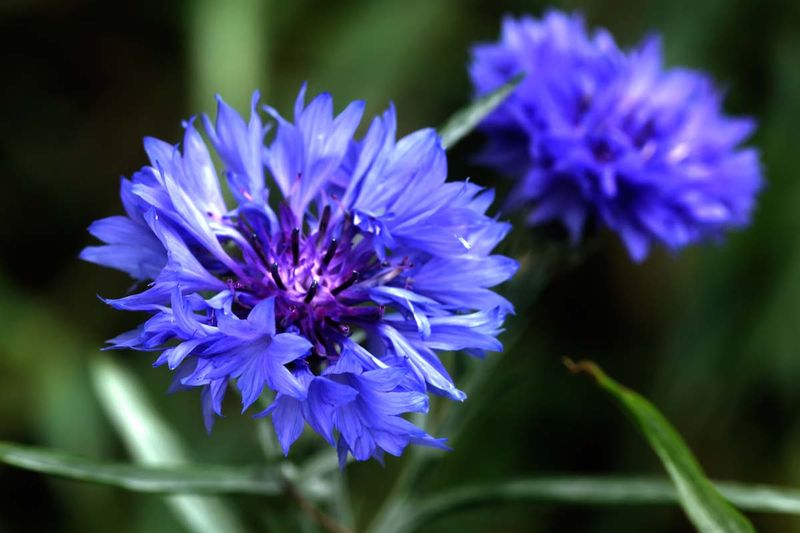
There is something almost nostalgic about Bachelor’s Buttons. Also called cornflowers, these vivid blue blooms have been popping up in cottage gardens and wildflower meadows for hundreds of years.
In Pennsylvania, they are one of the easiest self-seeding annuals you can grow, and they practically take care of themselves once they get going.
Bachelor’s Buttons prefer cool weather, so they tend to bloom in spring and early summer before the heat of July sets in. In Pennsylvania, planting seeds in early fall or very early spring gives them the best start.
Once the flowers fade and go to seed, simply leave them alone. The seeds will fall to the ground and germinate the following spring, giving you a fresh round of blooms without any replanting on your part.
Beyond the classic electric blue, Bachelor’s Buttons also come in pink, white, burgundy, and purple, so you can mix and match for a colorful display. They grow to about one to three feet tall and work beautifully as cut flowers, lasting well in a vase.
Bees absolutely adore Bachelor’s Buttons, and planting them near vegetables can give your garden a real productivity boost. In Pennsylvania, these flowers look stunning growing alongside other spring bloomers like larkspur and poppies.
One small tip: do not deadhead all the blooms. Let some go to seed so next year’s plants can establish themselves.
Over just a few seasons, your Bachelor’s Buttons patch will grow bigger and more beautiful with practically zero extra work from you.
4. Cosmos (Cosmos Bipinnatus)
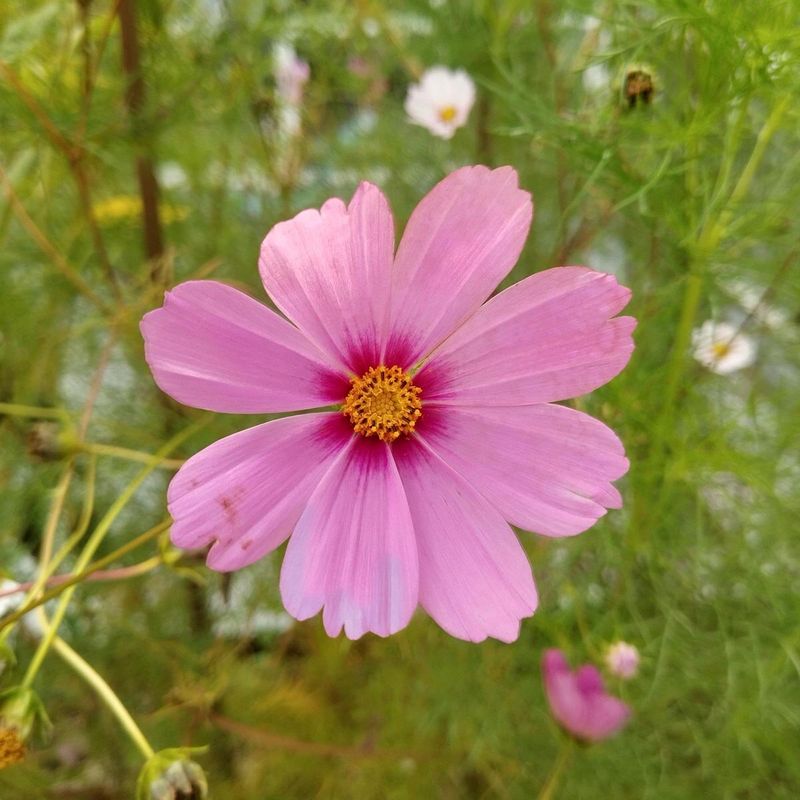
Cosmos are the definition of effortless beauty. Their feathery foliage and delicate, daisy-like blooms in shades of pink, white, and magenta create an airy, almost dreamy look in any garden.
And the best part? Once you plant them once in Pennsylvania, they tend to keep coming back on their own year after year.
Originally from Mexico, Cosmos love heat and sunshine, making Pennsylvania’s warm summers a great fit. They prefer well-drained soil and actually do better in poor soil than in rich, fertilized beds.
Too much nitrogen causes lots of leafy growth but fewer flowers, so skip the heavy feeding and let them grow lean and mean.
Cosmos are incredibly fast growers. From seed to bloom, they can take as little as seven weeks, which makes them one of the most satisfying flowers to grow for beginners.
They can reach four to six feet tall, adding dramatic height and movement to garden borders. They also work wonderfully as a backdrop for shorter plants.
For self-seeding to happen successfully in Pennsylvania, let some flowers go to seed at the end of the season instead of cutting everything back. The thin, needle-like seeds will scatter and settle into the soil over winter, sprouting when temperatures warm up in spring.
You might find them popping up in unexpected spots around your yard, which is honestly part of the charm. Cosmos also attract butterflies and hummingbirds, adding even more life and movement to your outdoor space throughout the season.
5. Larkspur (Delphinium Consolida)
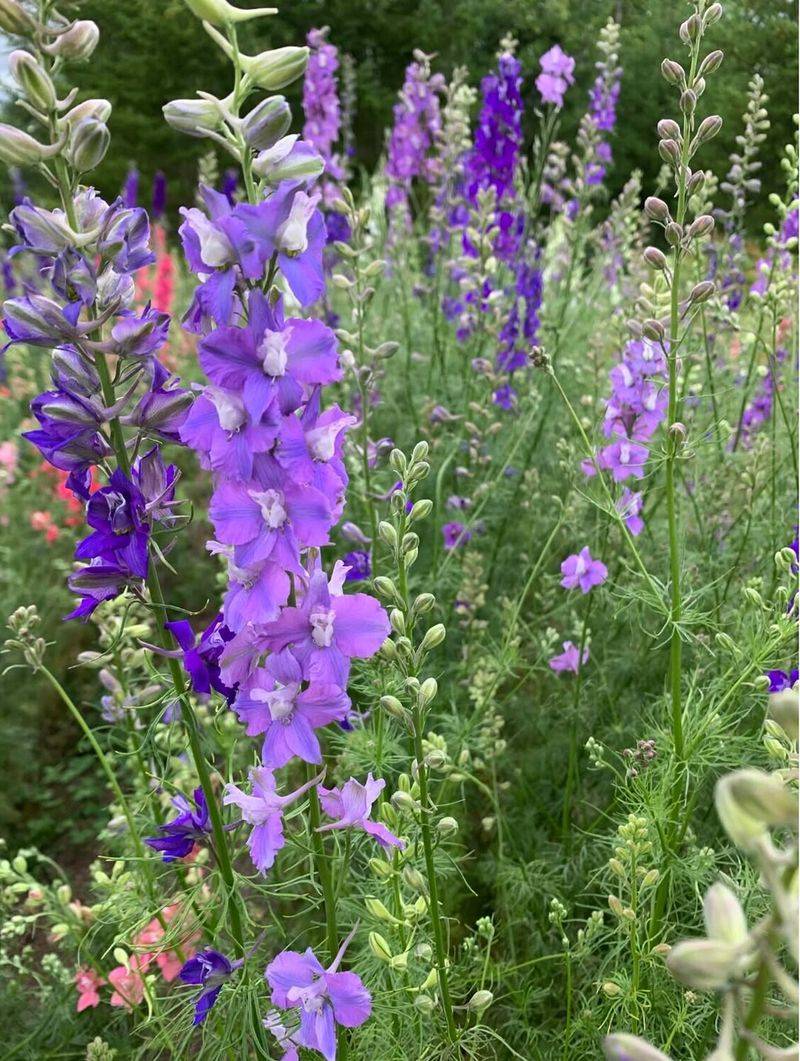
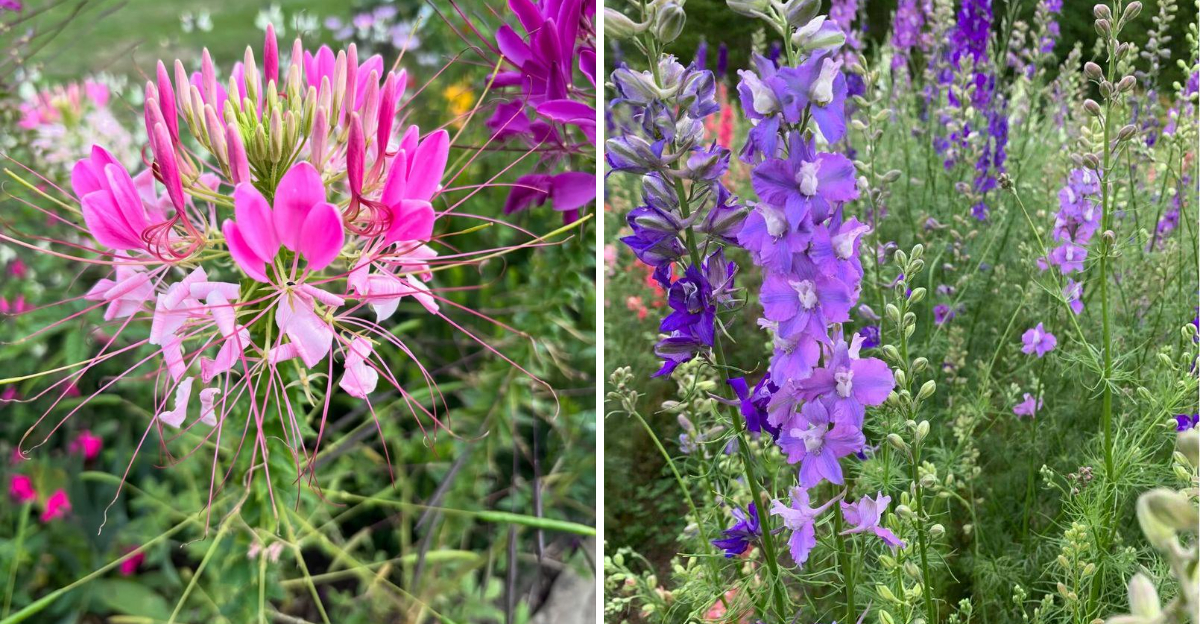
Larkspur is one of those flowers that makes people stop and stare. Tall, elegant spikes covered in densely packed blooms in shades of blue, purple, pink, and white make it one of the most striking cool-season flowers you can grow in Pennsylvania.
And once it finds a happy spot in your garden, it will keep reseeding itself and returning year after year.
As a cool-season annual, Larkspur thrives during the mild temperatures of spring and early summer in Pennsylvania. It actually needs a cold period to germinate properly, which is why fall planting works best.
Scatter seeds in October or November, and they will go through a natural cold stratification over winter before sprouting in early spring. By late May and June, you will have tall, colorful spikes reaching up to four feet high.
Larkspur prefers full sun and well-drained soil. It does not like to be transplanted, so it is best to direct sow seeds where you want them to grow.
Once established, it self-seeds freely, dropping seeds that will carry on the cycle without any help from you.
A fun historical note: Larkspur has been used in European gardens since the 16th century and was a favorite in Victorian cottage gardens. In Pennsylvania, it pairs beautifully with other spring bloomers like poppies and Bachelor’s Buttons.
Just be aware that all parts of the plant are toxic to pets and livestock, so plant it in spots that are out of reach of curious animals. It is a showstopper worth a little extra planning.
6. Cleome (Cleome Hassleriana)
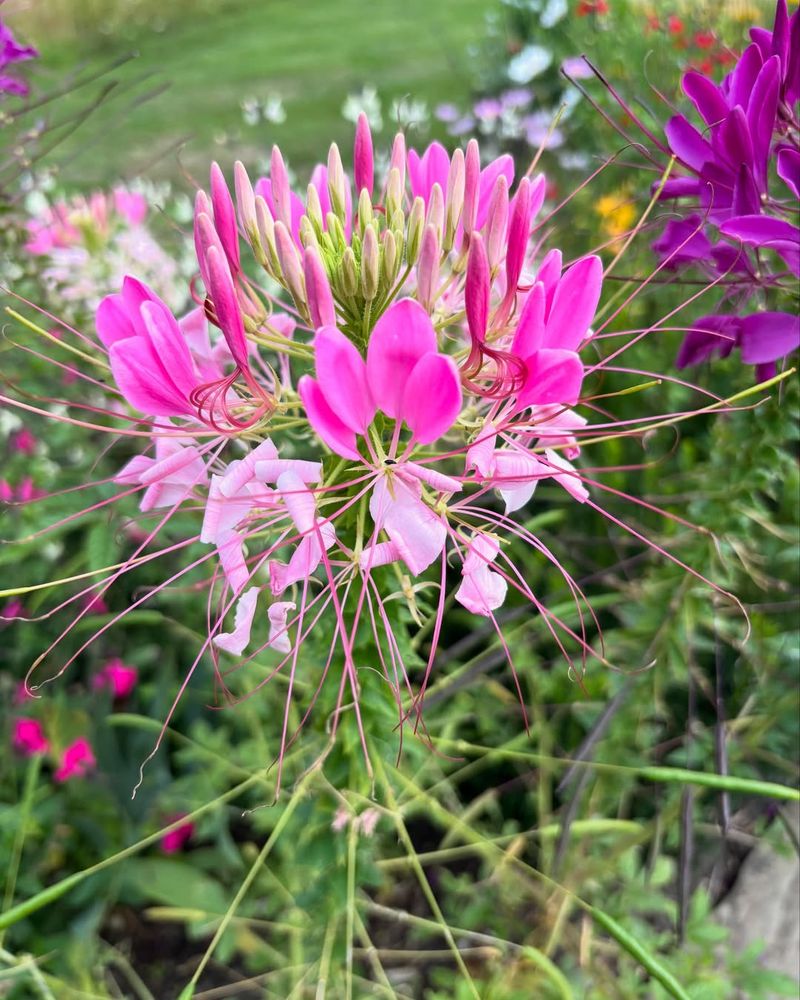
If you want a flower that turns heads, Cleome is your answer. Also called spider flower because of its long, spidery stamens, this tall annual can shoot up to five or even six feet high, creating a dramatic focal point in any Pennsylvania garden.
It is bold, unusual-looking, and surprisingly easy to grow once you understand what it needs.
Cleome loves full sun and warm temperatures, making Pennsylvania’s summer months the perfect time for it to shine. It is drought-tolerant once established, which is great news for gardeners who do not always have time to water regularly.
The blooms appear in shades of pink, purple, and white, and they attract hummingbirds, butterflies, and hawk moths, turning your garden into a buzzing, fluttering wildlife haven.
What makes Cleome especially valuable is how enthusiastically it self-seeds. One plant can produce hundreds of seeds, and if you let the seed pods ripen and drop naturally, you will have more Cleome plants than you know what to do with the following year.
In Pennsylvania, the seeds germinate reliably once soil temperatures warm up in late spring.
A small heads-up: Cleome has tiny spines along its stems, so gloves are a good idea when handling it. Also, the leaves have a strong, slightly musky scent that some people love and others find overwhelming.
If you have the space, plant Cleome at the back of a border where its height works in your favor. Year after year, it will return bigger and more dramatic, adding incredible structure and color to your Pennsylvania garden beds.
7. Calendula (Calendula Officinalis)
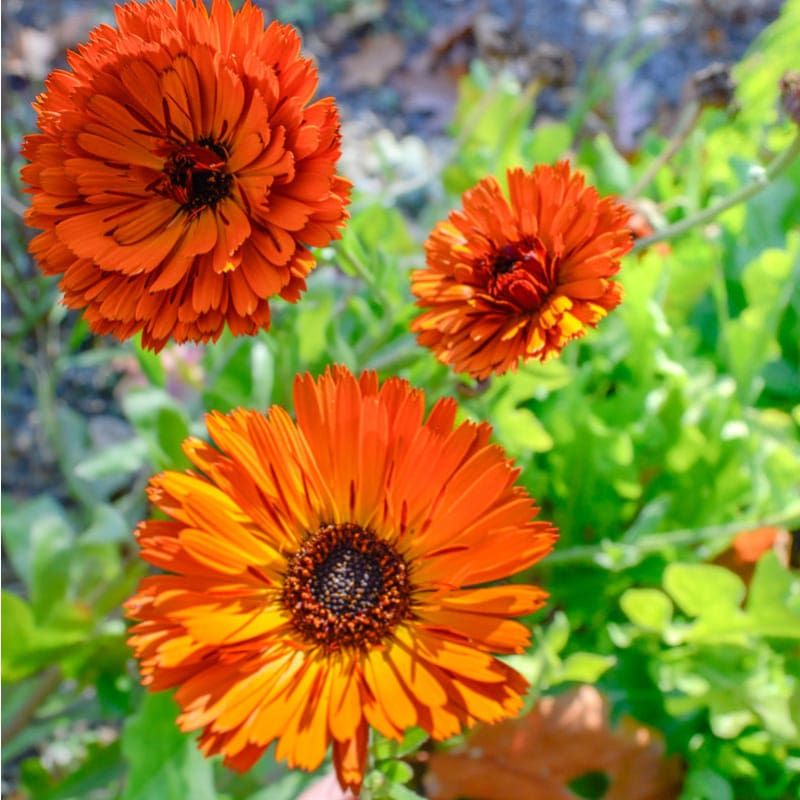
Warm, sunny, and endlessly cheerful, Calendula is one of the most hardworking flowers you can grow in Pennsylvania. Also called pot marigold, this bright annual produces masses of orange and yellow blooms that keep on coming for months.
And once it goes to seed, it drops those seeds right back into the soil, giving you a fresh batch of plants the following season with barely any effort.
Calendula is a cool-season grower, which means it thrives during Pennsylvania’s spring and fall when temperatures are mild. In fact, it can handle light frost, making it one of the earliest flowers to bloom in spring and one of the last to fade in autumn.
During the hottest part of summer, it may slow down a bit, but it often rebounds when cooler weather returns.
Beyond its good looks, Calendula is also incredibly useful. The petals are edible and have been used in cooking, natural dyes, and herbal skin care products for centuries.
Many gardeners in Pennsylvania grow it alongside vegetables because it repels certain pests and attracts beneficial insects like lacewings and hoverflies.
To keep the blooms coming, deadhead spent flowers regularly. But make sure to leave a few flowers on the plant to go to seed at the end of the season.
The seeds are curved and easy to collect by hand if you want to save them for a specific spot. Over time, Calendula will naturalize in your garden, returning reliably and spreading slowly to fill in gaps with its warm, golden color.