Why March Is A Key Window For Planting Warm-Season Flowers In Arizona
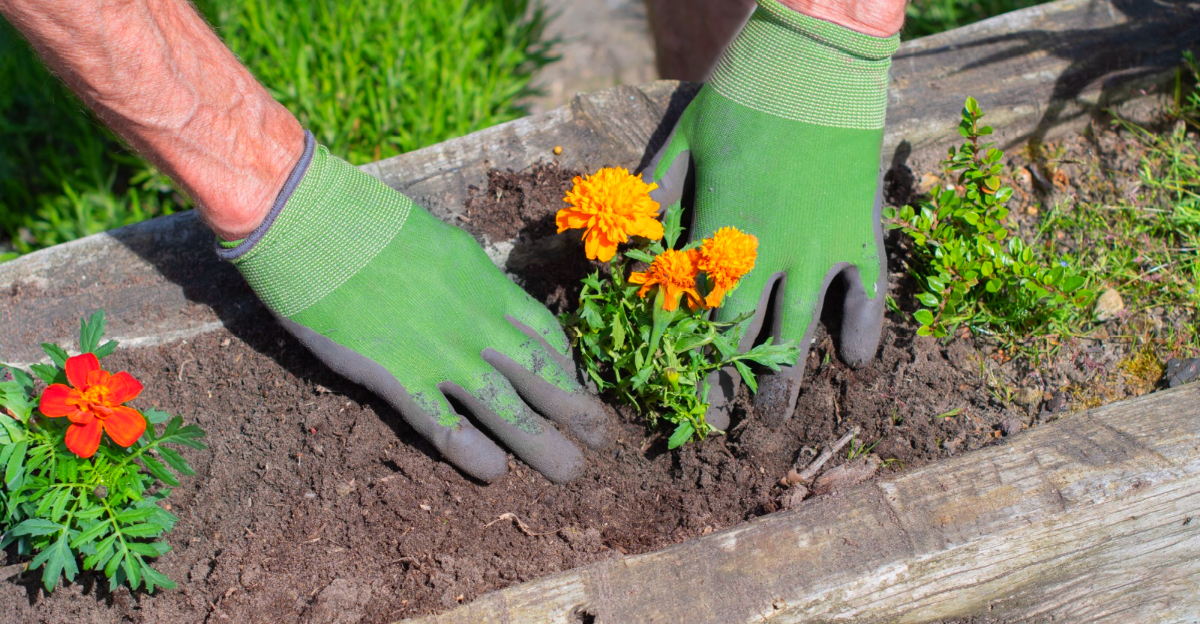
March can fool Arizona gardeners. The calendar may still feel early, but the soil is already warming, the days are stretching out, and flower beds start shifting fast.
In many parts of Arizona, this is the moment when warm-season flowers get a real chance to root in before intense heat takes over.
Wait too long, and new plants may spend more time trying to recover than grow.
Move at the right time, and they often settle in with far less stress. From the low desert to cooler higher elevations, March is one of those months that can shape how the whole flower season unfolds.
1. Why March Feels Early But Works In Arizona
Gardeners who move to Arizona from cooler states often look at the calendar in March and assume it is still too soon to plant warm-season flowers.
That assumption makes sense in most of the country, but Arizona plays by different rules, especially in the low desert around Phoenix and Tucson.
By early March, daytime temperatures in the low desert are regularly climbing into the 70s, and the average last frost date for many of these areas falls around mid-March.
That means the window opens earlier here than nearly anywhere else in the continental United States.
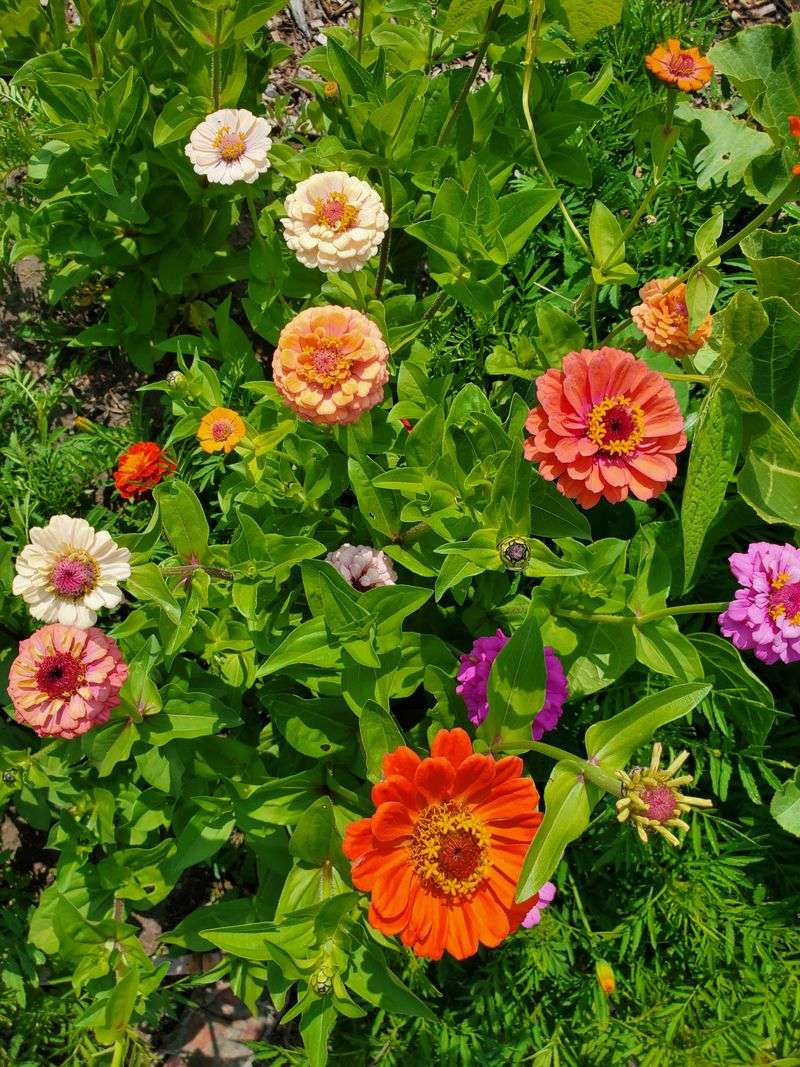
Warm-season flowers like zinnias, cosmos, and marigolds need soil that has warmed enough to support germination and root development. In the low desert, that warming happens weeks ahead of what most planting calendars suggest.
Waiting for April or May because it feels more like spring can actually put plants at a disadvantage, since the intense heat of late spring arrives quickly and gives newly planted flowers very little time to settle in.
Getting ahead of that heat, even by a few weeks, is one of the smartest moves an Arizona gardener can make.
2. Warm Soil Starts Giving Flowers A Better Head Start
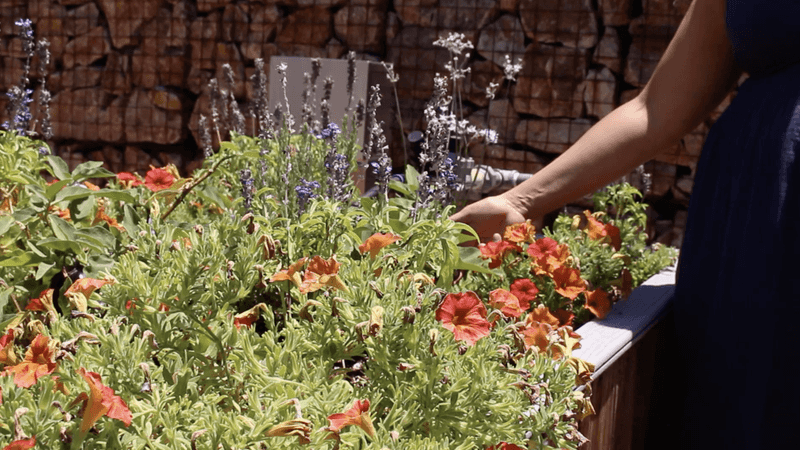
Soil temperature is the detail most gardeners overlook, and it matters more than air temperature when it comes to how fast seeds germinate and how quickly transplants push out new roots.
In Arizona’s low desert, soil temperatures in March can reach the mid-60s and even approach 70 degrees Fahrenheit in sun-exposed beds, which is right in the sweet spot for many warm-season annuals and perennials.
Zinnias, for example, germinate most reliably when soil sits between 70 and 75 degrees. Marigolds and cosmos are not far behind in their soil temperature preferences.
Planting into soil that is still cold can slow germination dramatically, leaving seeds vulnerable to rot or causing transplants to stall without putting out new growth.
In Arizona, south-facing beds and areas near block walls or concrete absorb heat faster and can push soil temperatures higher earlier in the season.
Gardeners who pay attention to these microclimates often find that their March plantings take off faster than neighbors who plant in shadier or more open spots.
A simple soil thermometer, available at most garden centers, takes the guesswork out of timing and gives you a real number to work with instead of relying on the calendar alone.
Your Arizona Garden Changes Every Week. Your Plan Should Too.
Gardening in Arizona changes quickly throughout the season. Every Friday you’ll receive a simple weekly plan showing exactly what to plant, prune, fertilize, harvest, and protect so you never miss the right timing.
3. Low Desert And Higher Elevations Do Not Move At The Same Speed
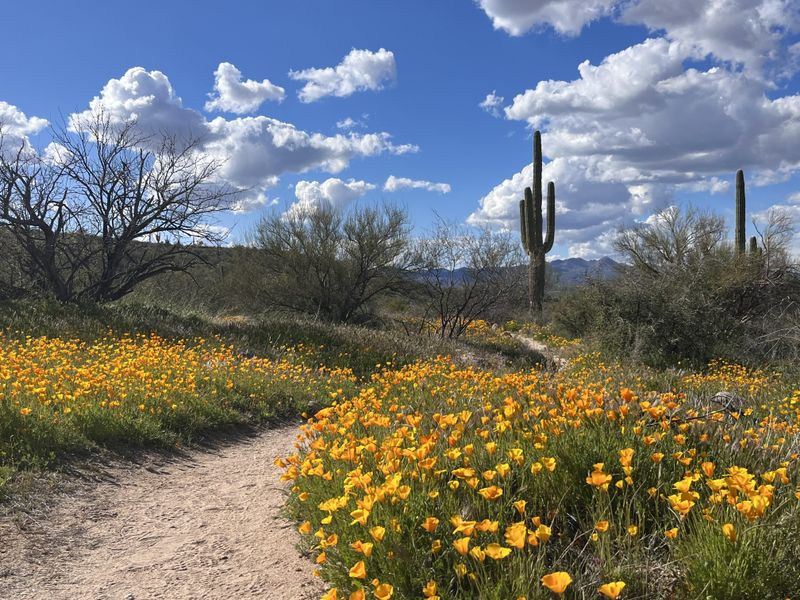
One of the most important things to understand about planting in Arizona is that the state covers a dramatic range of elevations, and those elevations shape the gardening calendar in ways that can surprise people who are new to the region.
Phoenix sits at roughly 1,100 feet and warms up fast.
Tucson is higher, around 2,400 feet, and moves a bit more slowly. Towns like Prescott, Flagstaff, and the White Mountains sit much higher, and their frost-free planting window does not open until significantly later in spring.
For gardeners in the low desert, March is genuinely the right time to start warm-season flowers. For those at 4,000 feet or above, March is better spent on planning, soil preparation, and starting seeds indoors if possible.
Rushing into outdoor planting at higher elevations in March can expose tender plants to frost events that are still very likely through April and even into May in some years.
Checking local frost date information for your specific elevation and zip code is always worth the few minutes it takes.
A gardener in Scottsdale and a gardener in Payson are both in Arizona, but they are working with very different timelines.
Knowing which category you fall into helps you plant with confidence rather than guessing.
4. Waiting Too Long Can Make Establishment Harder
Arizona’s summer heat does not ease its way in gradually. Once May arrives in the low desert, temperatures can push well above 100 degrees Fahrenheit, and by June, those temperatures are the norm rather than the exception.
Warm-season flowers need time to develop a root system strong enough to handle that kind of heat, and they simply cannot do it if they are planted too late.
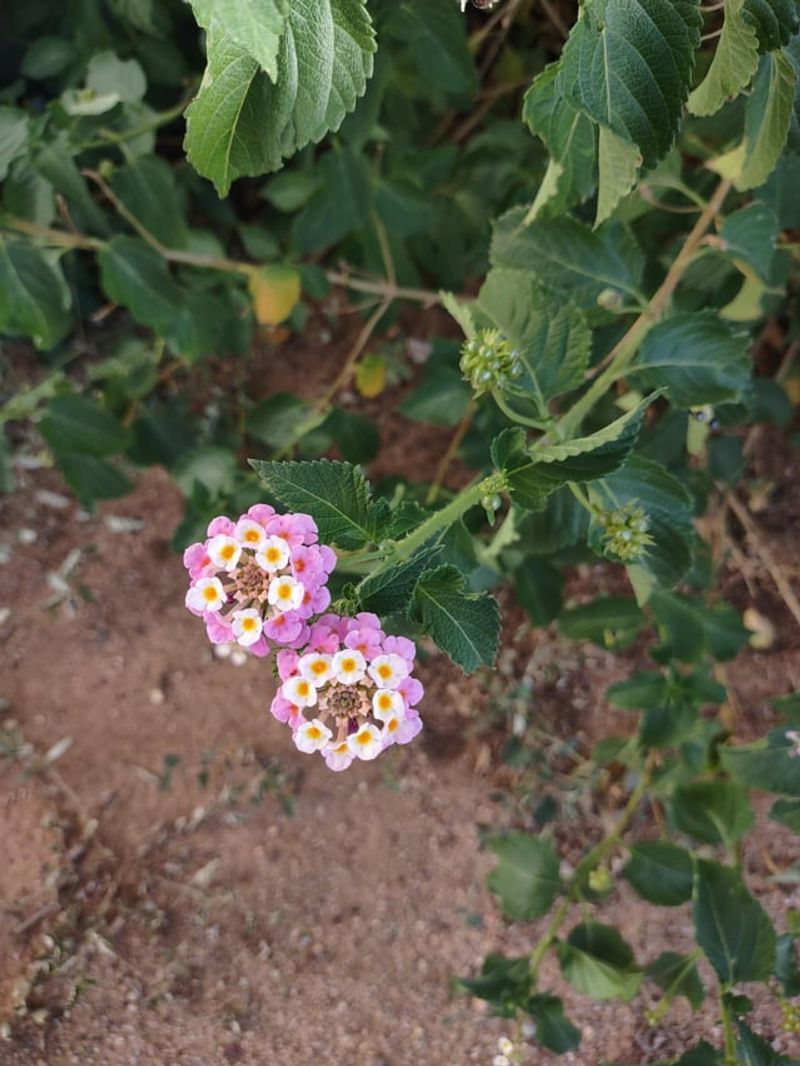
A zinnia or lantana planted in late April may survive, but it will spend its early weeks fighting heat stress rather than putting energy into flowering.
The same plant, given a March start, has six to eight weeks to establish roots, develop foliage, and begin blooming before peak summer temperatures arrive.
That head start often translates into a fuller, more floriferous plant that holds up better through the heat.
Delaying also shrinks the window of color you get to enjoy. Flowers that establish early tend to bloom through more of spring and into early summer before heat pushes them into a rest period or reduces flowering.
Waiting until it feels warm enough often means you are already behind the curve in Arizona’s accelerated seasonal timeline. Early action here is not impatience – it is practical strategy.
5. Spring Winds Can Dry New Flowers Out Fast
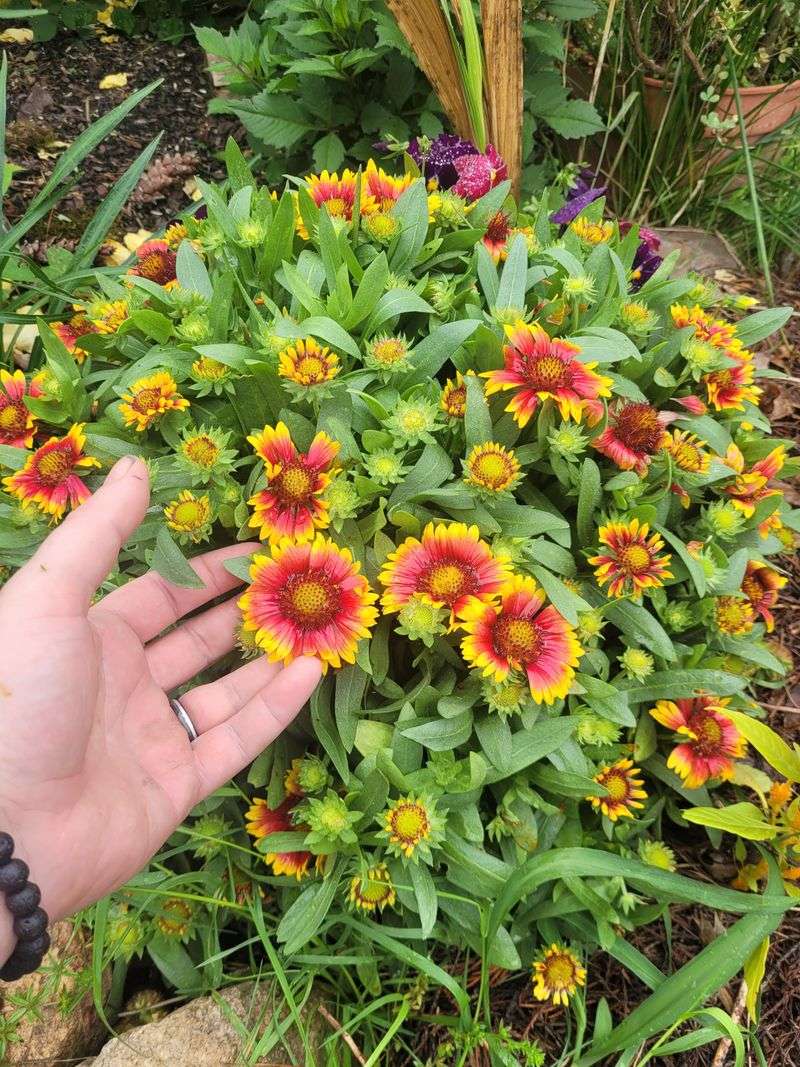
March in Arizona is not just about warming temperatures and longer days. It also brings wind, and that wind can be relentless in the low desert and across open valley areas.
Spring winds increase evaporation from both the soil surface and the leaves of newly planted flowers, creating a drying effect that can stress plants before their roots have had time to reach deeper, more stable moisture.
New transplants are especially vulnerable because their root systems are shallow and limited. When wind pulls moisture out of leaves faster than those shallow roots can replace it, plants can show signs of wilting even when the soil is not completely dry.
This is called transpiration stress, and it is a real challenge for Arizona gardeners planting in March and April.
A few practical steps can reduce wind damage. Planting near a block wall, fence, or established shrub that provides a windbreak can make a meaningful difference.
Watering in the morning rather than the evening helps plants go into windy afternoons with full moisture reserves.
Applying a layer of mulch around the base of new plants slows surface evaporation and keeps the root zone cooler and more consistently moist.
Wind is not a reason to skip March planting – it is just a condition to plan around.
6. The Right Planting Spot Matters More Than People Think
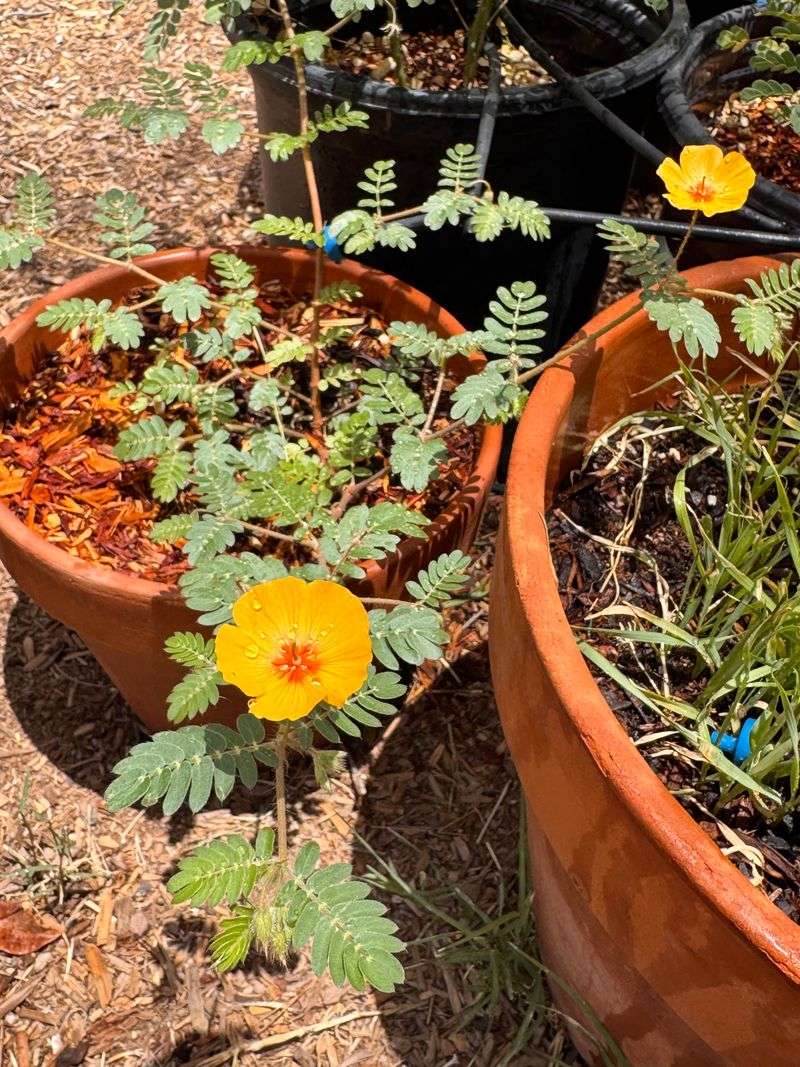
Not every corner of an Arizona yard behaves the same way, and that reality becomes very clear once summer temperatures arrive. Choosing where to plant warm-season flowers in March is just as important as choosing which flowers to plant.
A spot that gets full sun from sunrise to sunset may be wonderful in March but brutal by July, cooking roots and fading blooms faster than most plants can recover from.
East-facing beds often offer a sweet arrangement for Arizona gardens – full morning sun that supports flowering and growth, followed by afternoon shade that protects plants during the hottest hours of the day.
South and west-facing beds near walls can collect and radiate heat in ways that are simply too intense for many annual flowers, though heat-lovers like lantana and portulaca tend to handle those conditions better than others.
Soil quality in the chosen spot matters too. Arizona soils are often alkaline and low in organic matter, which can limit how well flower roots develop and absorb nutrients.
Working compost into the bed before planting improves drainage, adds beneficial microbes, and gives roots a more hospitable environment to grow into.
Picking the right spot and preparing the soil properly before planting is the kind of upfront effort that pays off in a noticeably healthier, longer-blooming flower bed all season long.
7. Watering Early The Right Way Helps Roots Settle In
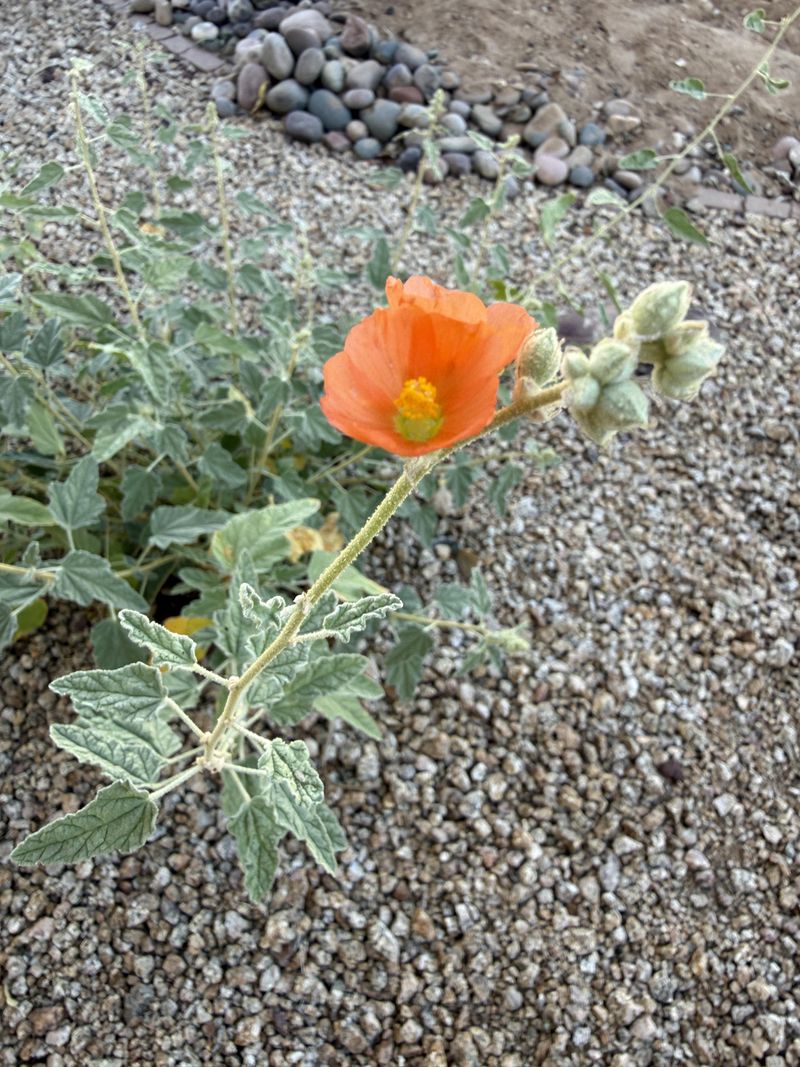
Watering newly planted warm-season flowers in Arizona requires a different approach than what works in cooler, more humid climates.
The goal right after planting is to encourage roots to grow downward and outward into the surrounding soil rather than staying clustered near the surface where they were planted.
Frequent, shallow watering keeps roots near the top of the soil, which makes plants far more vulnerable to heat and drying winds as temperatures rise.
Deep, less frequent watering encourages roots to follow moisture downward, building a stronger foundation for the plant.
In March, when temperatures are still moderate, watering every two to three days for most transplants is a reasonable starting point, though sandy soils dry faster and may need more frequent attention.
Checking soil moisture a few inches down before watering gives you a clearer picture than watching the surface alone.
Drip irrigation works particularly well for Arizona flower beds because it delivers water directly to the root zone without wetting foliage, which can reduce disease issues.
Mulching the bed with a two to three inch layer of organic material slows evaporation and moderates soil temperature, extending the time between necessary waterings.
Getting the watering rhythm right in March sets plants up for the kind of deep root development that helps them hold on through the heat ahead.
8. March Planting Can Lead To A Longer Color Season
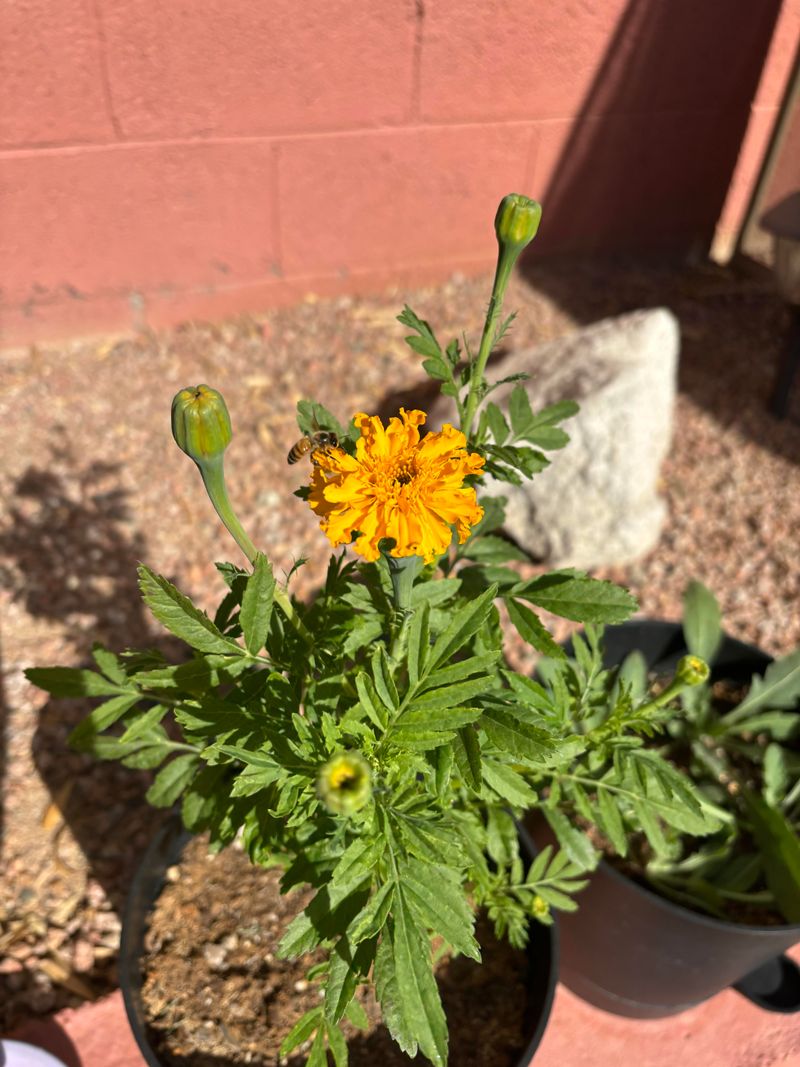
One of the most rewarding outcomes of planting in March is the extended season of color that follows. Warm-season flowers planted early in the season have time to grow into full, established plants before the peak heat of summer arrives.
That establishment period translates into earlier blooming, more prolific flowering, and a plant that has the root strength to push through heat stress and keep producing color longer.
Zinnias started in March in the low desert can be in full bloom by late April and continue flowering well into June with proper care.
Lantana, one of Arizona’s most reliable summer performers, grows into a fuller, more established shrub when given that early March start compared to one planted in May.
Even annuals like cosmos and marigolds, which tend to slow down in intense heat, produce more total blooms over the season when they have had weeks to mature before summer sets in.
There is also something genuinely satisfying about having a flower garden that looks full and colorful while neighbors are still waiting for their late plantings to fill in.
March planting in Arizona is not about rushing the season – it is about working with the season rather than against it.
The reward is a garden that blooms longer, looks fuller, and handles the heat with noticeably more resilience than one that got a late start.