The Smart Way To Grow Lime Trees In Containers In Arizona
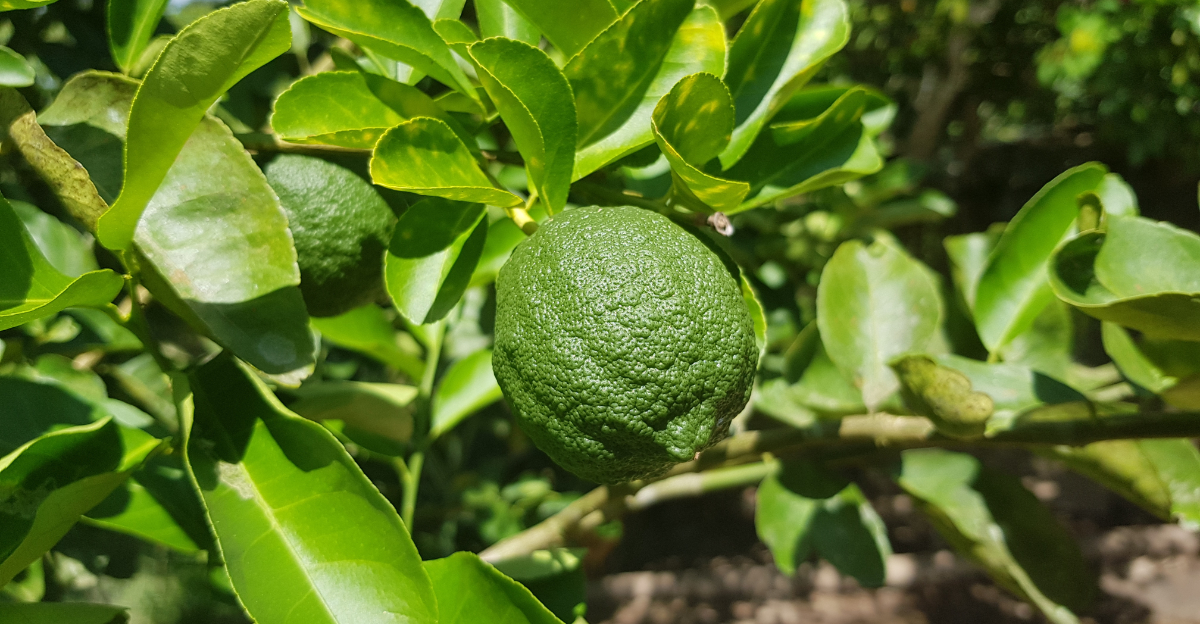
Growing lime trees in containers in Arizona sounds simple until the heat starts pushing back. Many setups look fine at first, then begin to struggle once temperatures rise and growth slows down.
Container growing works well in Arizona, but only when a few key details are handled the right way from the start. Soil choice, pot size, and watering approach matter more than most expect in desert conditions.
Small mistakes can hold the tree back even when everything else seems right. That is why more gardeners are adjusting how they grow citrus instead of following general advice that does not fit Arizona.
It does not take a complicated setup to get better results, but it does require a smarter approach.
Once those basics are handled properly, lime trees stay steady, productive, and easier to manage through the toughest heat.
1. Choose Heat Tolerant Lime Varieties That Do Well In Containers
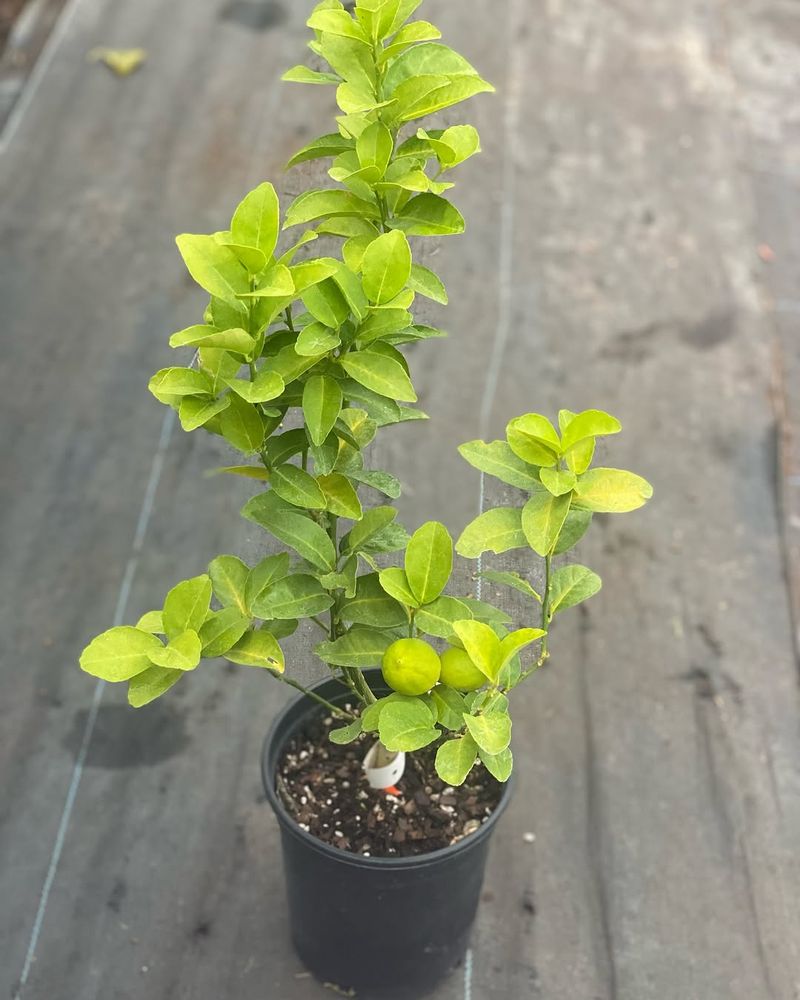
Not every lime tree handles Arizona summers the same way, and picking the wrong variety from the start can make everything harder than it needs to be. Persian limes and Mexican limes are two of the most reliable choices for container growing in Arizona.
Both handle heat reasonably well and adapt to the confined space of a pot without too much struggle.
Persian limes, also called Tahitian limes, tend to grow a bit larger and produce seedless fruit. They are widely available at nurseries across Arizona and are a solid first choice for beginners.
Mexican limes, sometimes called Key limes, stay smaller and are naturally well-suited to container life because of their compact size.
Kaffir limes are another option worth considering if you cook a lot, since the leaves are highly aromatic and useful in the kitchen. However, fruit production on Kaffir limes is less of the focus compared to Persian or Mexican varieties.
Picking a variety matched to your goals makes a real difference in how satisfied you will be with the results.
When shopping at a local Arizona nursery, look for trees that are already grafted onto rootstock rather than grown from seed.
2. Use A Large Container With Good Drainage From The Start
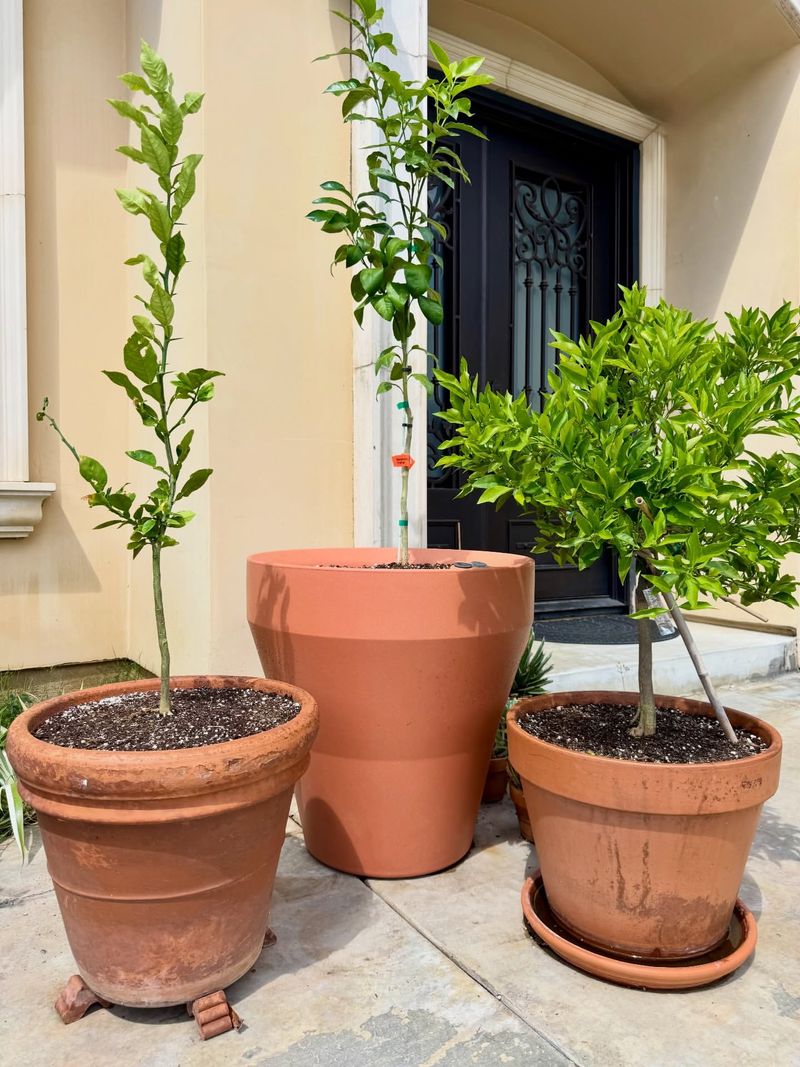
Container size matters more than most people realize when growing lime trees in Arizona. Starting with a pot that is too small forces you to repot frequently, which stresses the tree and slows fruit production.
A container that holds at least 15 to 25 gallons gives roots enough room to spread and helps buffer against Arizona’s rapid temperature swings.
Drainage is non-negotiable. Standing water at the bottom of a pot suffocates roots quickly, especially in Arizona’s summer heat when soil temperatures can climb surprisingly high inside a dark container.
Make sure your pot has at least two or three drainage holes, and never use a saucer that traps water underneath for extended periods.
Material matters too. Terracotta pots look great and breathe well, but they dry out faster in the Arizona heat, which means more frequent watering.
Dark plastic or resin containers hold moisture a bit longer and are generally lighter to move, which becomes important when you need to shift the tree during extreme weather.
Your Arizona Garden Changes Every Week. Your Plan Should Too.
Gardening in Arizona changes quickly throughout the season. Every Friday you’ll receive a simple weekly plan showing exactly what to plant, prune, fertilize, harvest, and protect so you never miss the right timing.
Placing pot feet or risers under your container improves airflow around the drainage holes and prevents water from pooling beneath the pot on a patio surface.
3. Plant In Fast Draining Citrus Soil To Prevent Root Issues
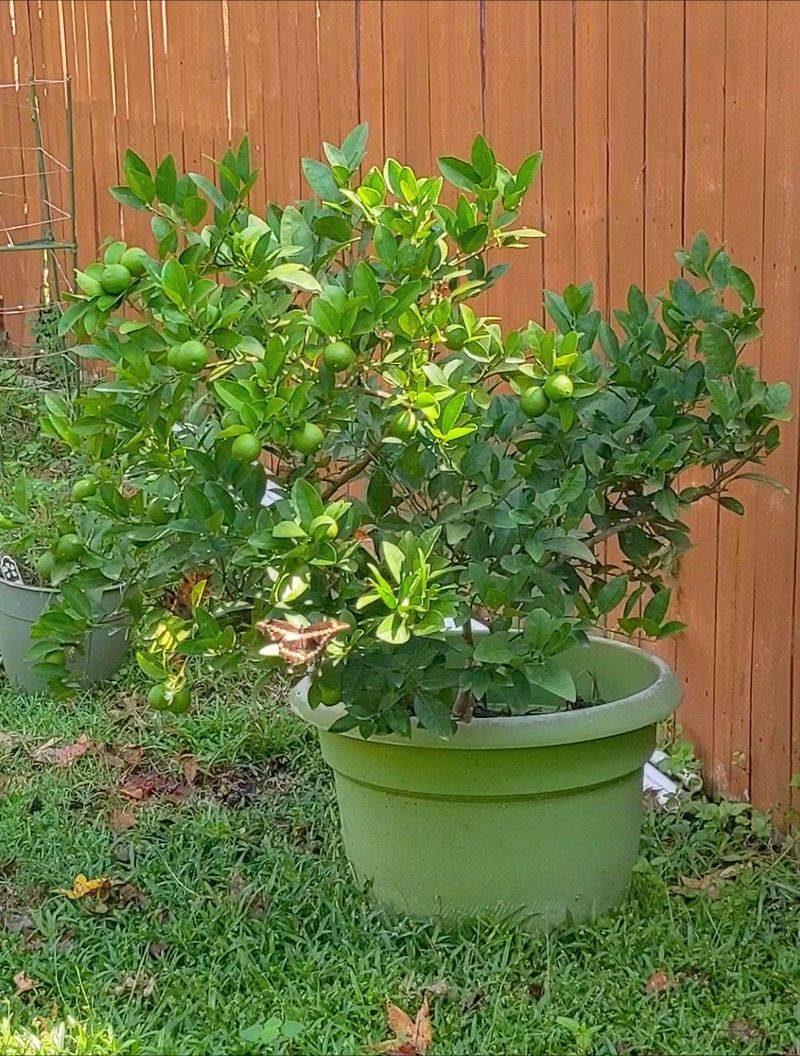
Regular potting soil is not the right fit for lime trees in containers, especially in Arizona. Standard mixes hold too much moisture and compact over time, which creates conditions that damage roots.
Citrus-specific potting mixes are formulated to drain quickly while still holding enough nutrients to support active growth.
Look for mixes that contain perlite, pumice, or coarse sand as primary components alongside organic matter. These ingredients create the loose, airy texture that lime tree roots prefer.
Some Arizona gardeners add an extra handful of perlite to a commercial citrus mix just to boost drainage even further, which makes sense given how humid-free the desert air already is.
Avoid using native Arizona soil as a base or filler in your container. Desert soil is often alkaline and heavy with caliche layers, which disrupts nutrient uptake and restricts root movement inside a pot.
Keeping the growing medium entirely separate from native ground soil gives you much better control over the root environment.
Refresh or replace container soil every two to three years because even good citrus mix breaks down and becomes denser over time. When you repot, gently loosen any circling roots and trim back any that look dark or mushy before adding fresh mix.
4. Water Deeply But Let The Top Layer Dry Between Watering
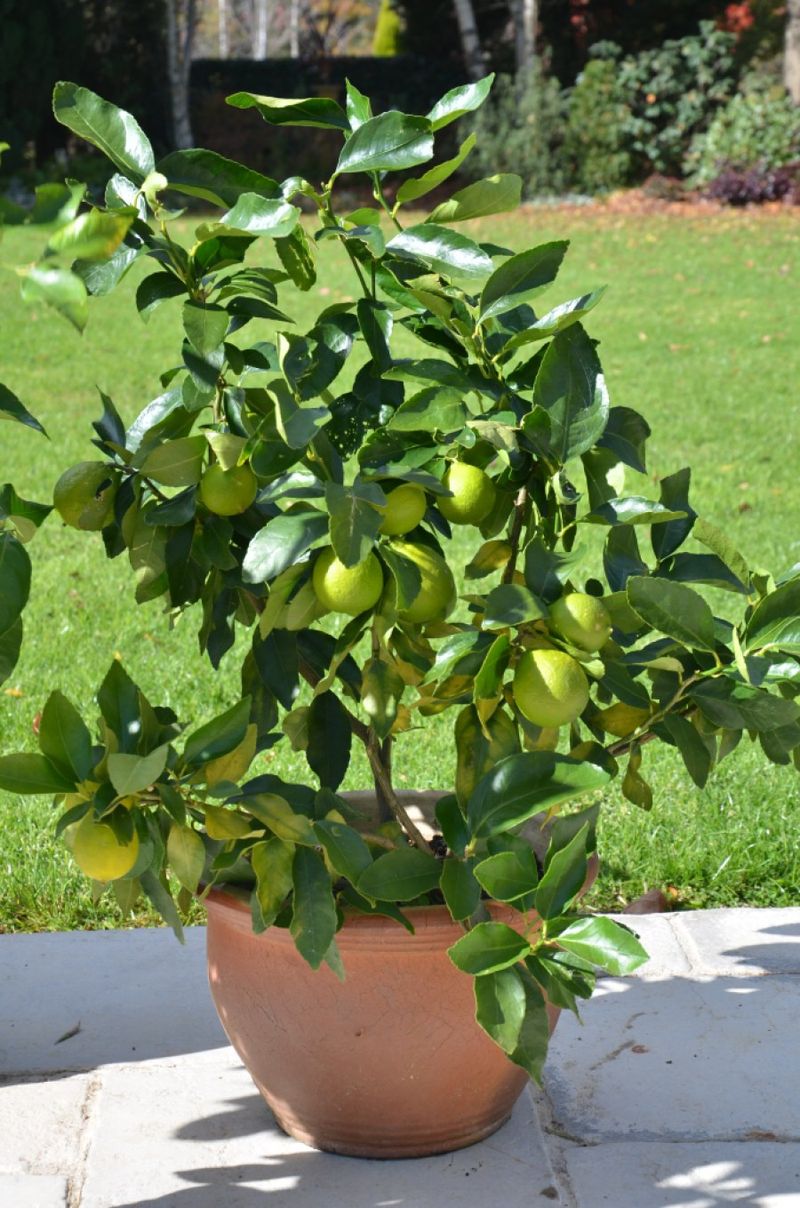
Watering a container lime tree in Arizona requires a different mindset than watering plants in cooler, more humid climates. The desert air pulls moisture out of pots fast, but overwatering is still one of the most common mistakes people make.
Deep, thorough watering followed by a drying period works far better than frequent shallow watering.
Water until you see it flowing freely from the drainage holes at the bottom of the pot. That confirms moisture has reached the entire root zone rather than just wetting the top few inches of soil.
Shallow watering encourages roots to stay near the surface, which makes the tree more vulnerable during Arizona’s intense heat spells.
Before watering again, stick your finger about two inches into the soil. If it still feels damp or cool, wait another day or two.
If it feels dry and crumbly at that depth, it is time to water. During summer in Arizona, that cycle might happen every one to two days depending on pot size, sun exposure, and how hot the temperatures climb.
Mornings are the best time to water container lime trees in Arizona.
5. Give Morning Sun And Protect From Harsh Afternoon Heat
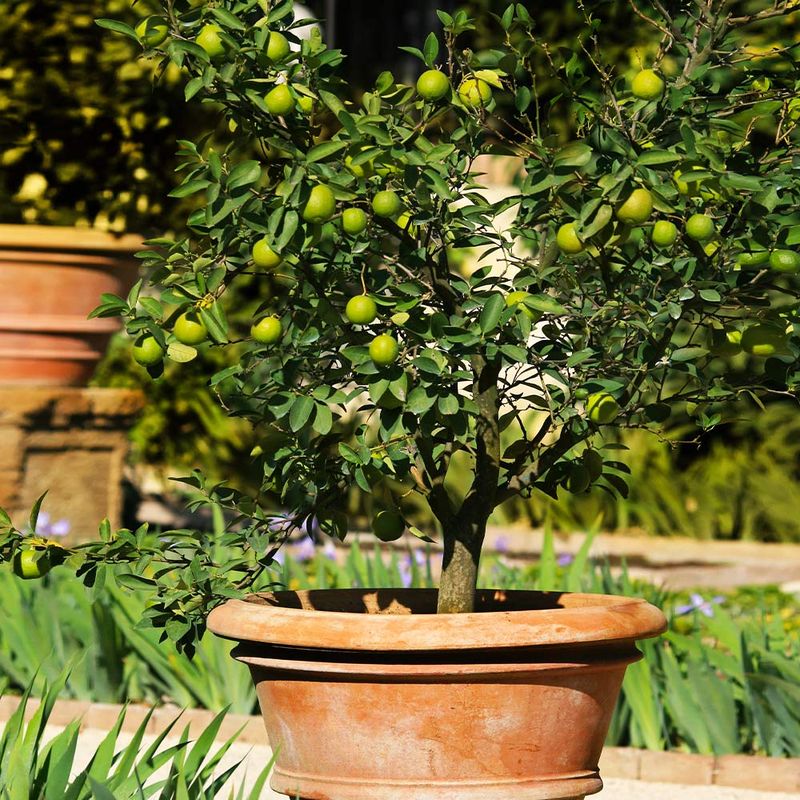
Lime trees love sunlight, but Arizona’s afternoon sun is a different beast entirely.
Temperatures regularly exceed 110 degrees Fahrenheit in the Phoenix metro area during summer, and that level of direct heat on both the leaves and the container can push even heat-tolerant varieties into stress.
Strategic placement makes a significant difference in how well your tree performs.
Aim for a spot that gets strong, direct morning sun from roughly sunrise until early afternoon. East-facing patios and walls work particularly well for this purpose across most of Arizona.
Morning light drives photosynthesis and fruit development without the punishing intensity that comes from the western afternoon sun.
If your patio only offers full western or southern exposure, a shade cloth rated at 30 to 40 percent can take the edge off during the hottest hours without blocking too much light overall.
Shade cloth is inexpensive, easy to set up, and genuinely useful during Arizona’s peak summer months from June through September.
Avoid going above 50 percent shade coverage because lime trees need substantial light to produce well.
Reflected heat from walls, concrete, and light-colored surfaces can be just as damaging as direct sun.
6. Feed With Citrus Fertilizer During Active Growing Months
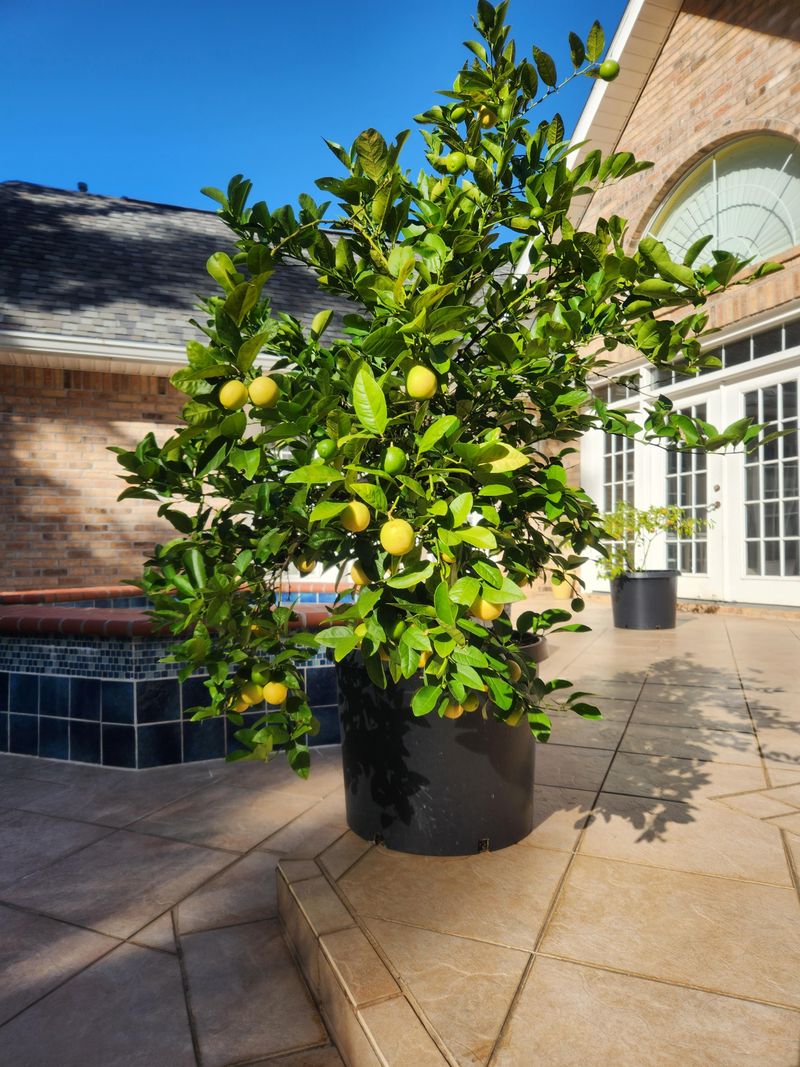
Container-grown lime trees in Arizona depend on you for nutrients in a way that ground-planted trees do not. Rain leaches fertilizer out of pots faster than most people expect, and Arizona’s alkaline water can interfere with how well certain nutrients absorb through the roots.
A consistent feeding schedule keeps the tree healthy and productive through the growing season.
Use a fertilizer formulated specifically for citrus, either granular slow-release or a liquid concentrate. These products are balanced to provide the nitrogen, phosphorus, potassium, and micronutrients that citrus trees need in the right proportions.
Generic all-purpose fertilizers often lack the iron, manganese, and zinc that lime trees specifically require, which leads to yellowing leaves even when the tree is otherwise well cared for.
Feed actively during the spring growth flush, through summer, and into early fall. In Arizona, lime trees can show active growth across a longer season than in cooler states, so pay attention to whether new leaves are pushing out as a cue that feeding is appropriate.
Pull back on fertilizing in late fall and winter when growth naturally slows.
Yellowing leaves with green veins, called chlorosis, are a common sign of iron deficiency in Arizona container citrus.
7. Move Or Shade Containers During Extreme Summer Heat
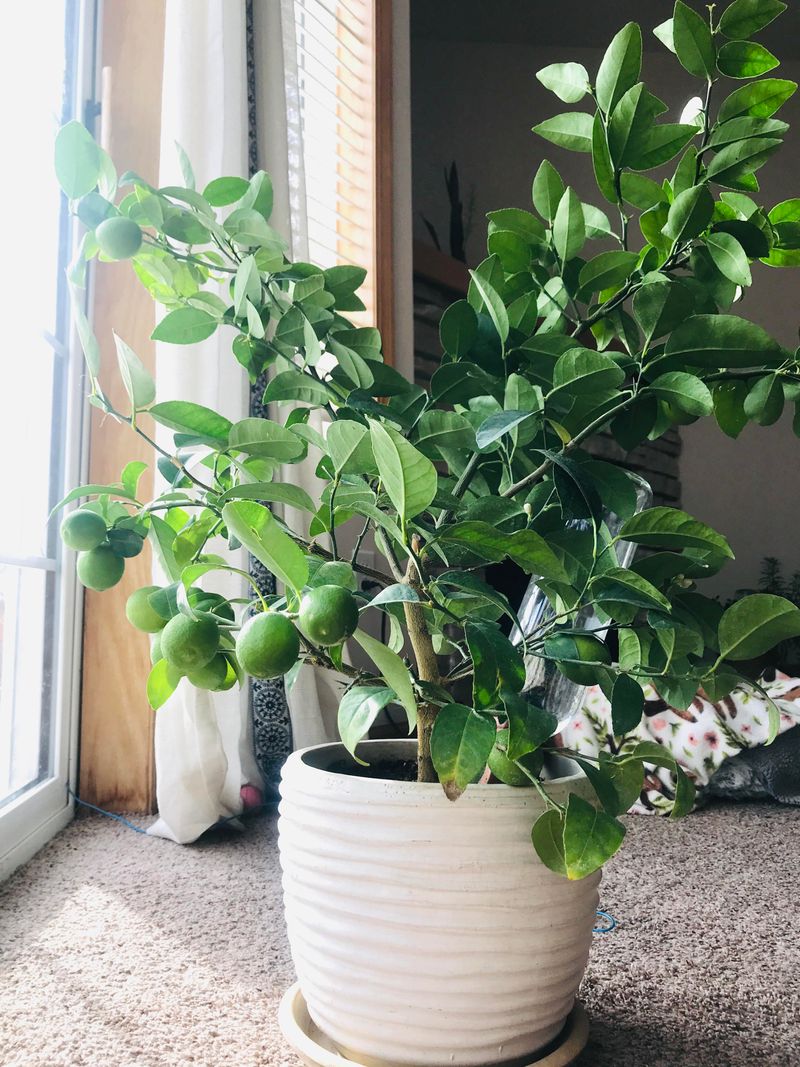
One of the biggest advantages of container growing in Arizona is the ability to move your tree when conditions turn extreme. Ground-planted citrus is stuck wherever it was planted, but a potted lime tree can be repositioned as the season shifts.
That flexibility is genuinely valuable when Arizona summer temperatures push past 110 degrees for days at a stretch.
Invest in a heavy-duty plant caddy with locking wheels if your container is large. Moving a 25-gallon pot filled with soil and a tree is not practical without one.
Good caddies cost between 20 and 40 dollars and make repositioning your tree a quick task rather than a frustrating ordeal. Place the caddy under the pot from the very beginning so it is always ready to move.
During heat waves, shifting the tree to a covered patio, a garage with indirect light, or a shaded north-facing wall for a few days can prevent significant leaf scorch and fruit drop. Lime trees recover from brief periods of reduced light much more easily than they recover from severe heat stress.
A few days in lower light is a reasonable trade-off during a brutal heat event.