How Often To Water In March In Florida Before Your Lawn Pays The Price
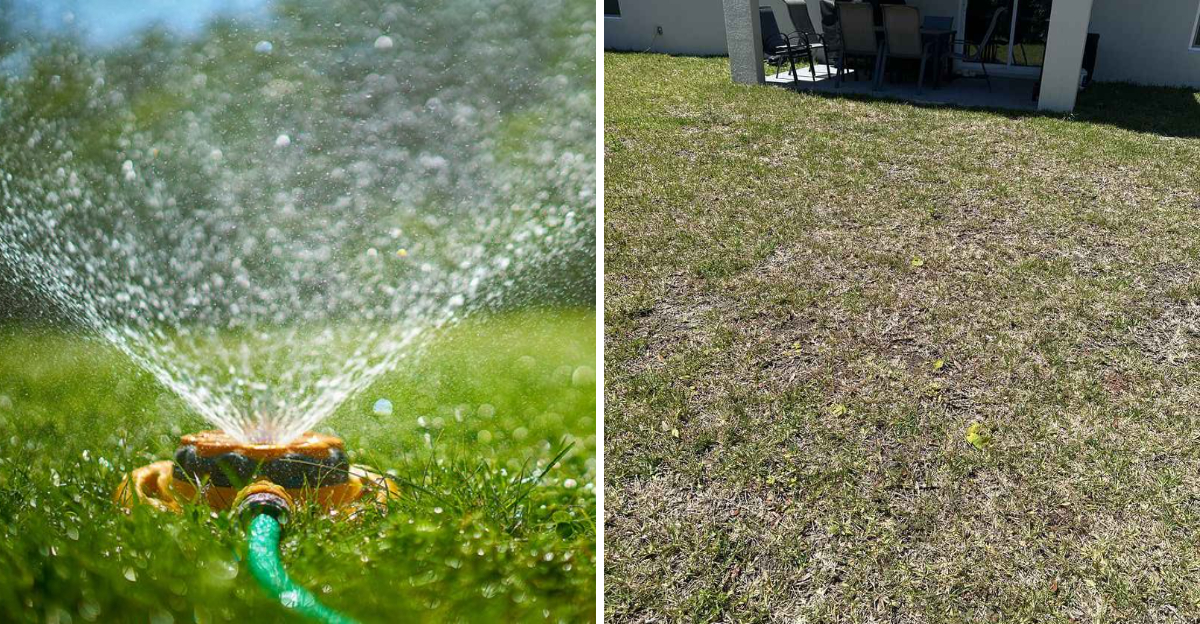
March can turn on your lawn in a hurry. In Florida, one hot, dry stretch can take grass from lush and green to dull, crispy, and stressed before you even realize something is wrong.
Most people do not catch it early. They notice it when brown patches start spreading and the yard already looks tired.
But dry weather is only half the problem. Too much water can wreck your lawn too, leading to weak roots, fungus trouble, and grass that gives out the second heat or foot traffic hits.
That is what makes March so tricky. Florida lawns sit right between mild days and rising spring heat, and old winter watering habits can backfire fast.
Get the timing right and you set your lawn up for deep roots, strong color, and steady growth. Get it wrong and March starts the slide toward thinning grass, fading color, and a lawn that looks worn out long before summer even begins.
1. March Means Winter Watering Rules No Longer Fit
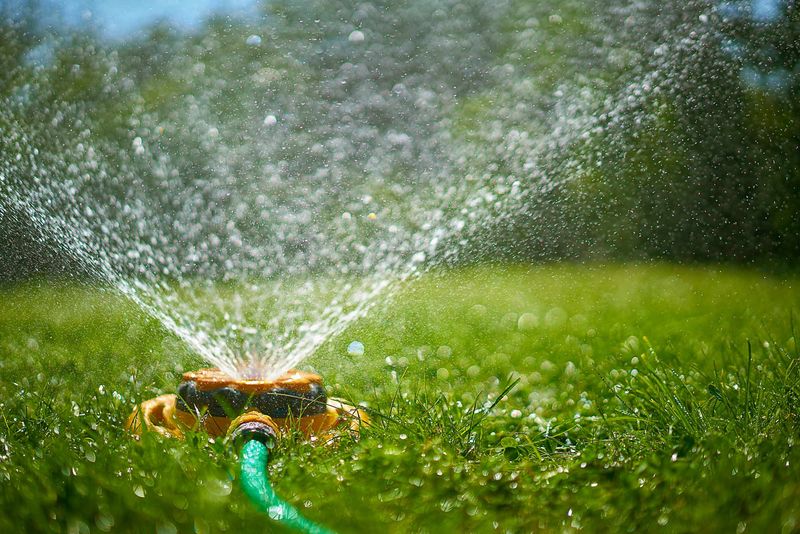
Something shifts in Florida during March that most homeowners overlook until their lawn starts showing it. Temperatures climb noticeably, days get longer, and grass that was barely growing through January and February starts actively pushing new blades again.
That change matters more than most people realize.
Through winter, cool temperatures slow grass growth and reduce how much water the lawn actually uses. Watering once every two weeks or even less was often enough to keep things stable.
But as March arrives and warmth builds, the lawn’s water demand increases alongside its growth rate. Sticking with the same winter routine means the grass is no longer getting what it needs at the right time.
According to UF/IFAS, Florida grasses shift into active growth as soil temperatures rise in spring, and irrigation needs to shift with them. The adjustment is not dramatic, but it is real.
Lawns that were fine with minimal winter watering may start showing stress if homeowners do not recalibrate. March is the month to pay closer attention, not to follow a fixed calendar from months ago.
Think of it as updating your lawn care routine to match what the season is actually doing.
2. Water Only When The Lawn Shows It Needs It
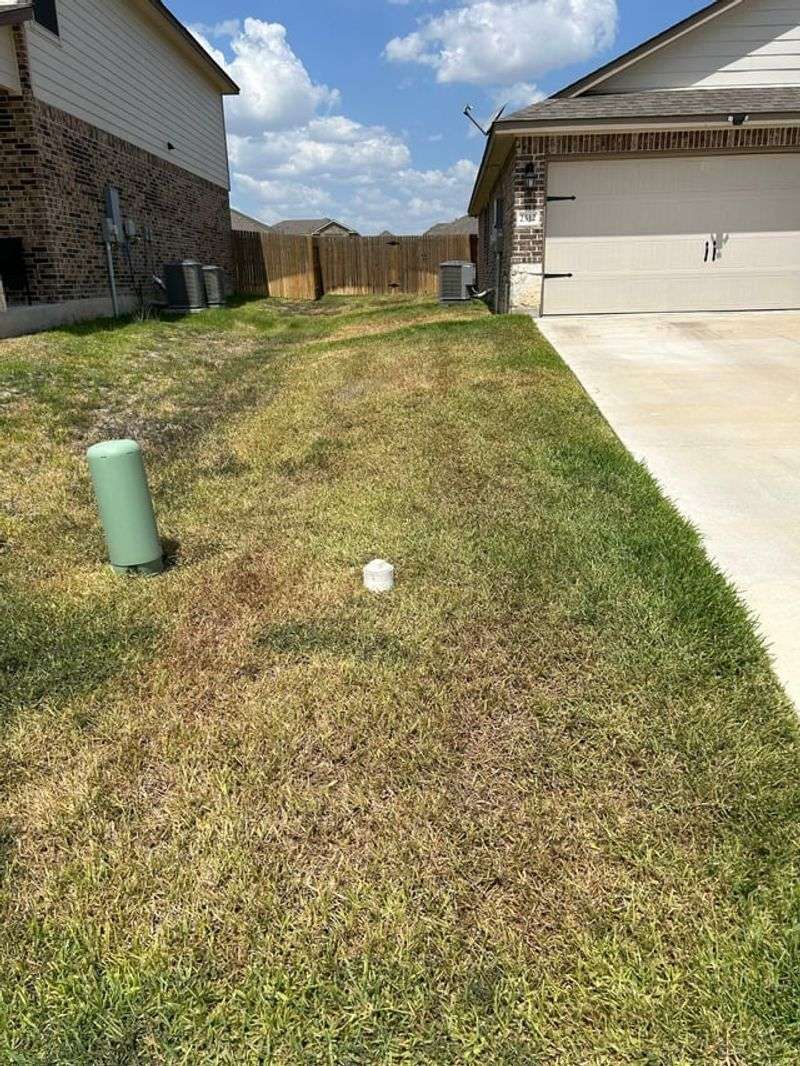
Your lawn is actually pretty good at telling you when it is thirsty. The trick is knowing what to look for before the problem gets serious.
Florida grasses, including St. Augustine and Bahia, display recognizable stress signals that are easy to spot once you know them.
The most common sign is a blue-gray tint to the grass. Healthy Florida turf is a rich green, so that color change is a clear signal.
Another sign is folding or rolling grass blades. Grasses like St. Augustine will curl their blades inward to conserve moisture when they are stressed.
You might also notice footprints staying visible in the lawn longer than normal. Healthy turf springs back quickly when you walk on it.
Stressed turf holds the impression for several minutes.
Your Florida Garden Changes Every Week. Your Plan Should Too.
Gardening in Florida changes quickly throughout the season. Every Friday you’ll receive a simple weekly plan showing exactly what to plant, prune, fertilize, harvest, and protect so you never miss the right timing.
UF/IFAS recommends using these visual cues rather than a fixed schedule to decide when to water. This approach, sometimes called the “stress method,” helps prevent overwatering while making sure the lawn gets water when it genuinely needs it.
Checking your lawn in the late afternoon, when stress signs are most visible, gives you the best read on whether irrigation is needed before the next morning cycle.
3. Deep Soaks Beat Light Daily Sprinkles Every Time
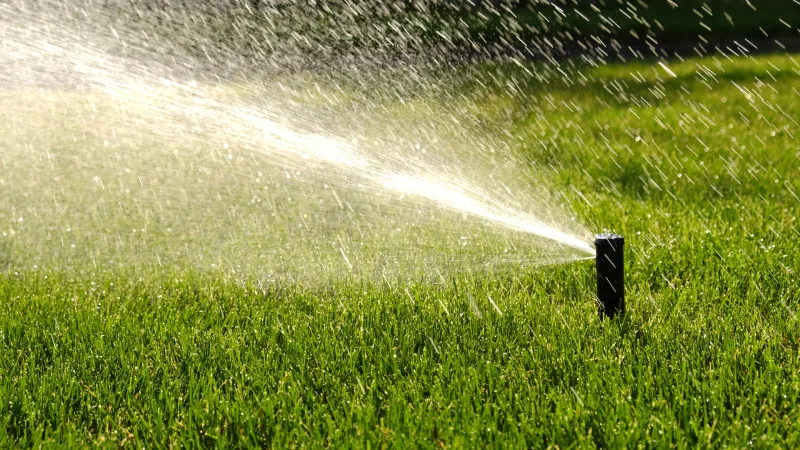
Watering a little bit every single day might feel like good lawn care, but it is actually one of the worst habits you can develop. Light, frequent watering keeps moisture sitting near the surface, which trains grass roots to stay shallow.
Shallow roots make a lawn far more vulnerable to heat and dry spells later in the season.
Deep watering, on the other hand, pushes moisture down into the soil where it encourages roots to follow. Roots that grow deeper have access to more stored moisture, which means the lawn holds up better during dry stretches without needing irrigation as often.
According to UF/IFAS, Florida lawns generally need about one-half to three-quarters of an inch of water per irrigation session to properly wet the root zone without causing runoff.
A simple way to measure how much water your sprinkler system is putting out is to place a few empty tuna cans around the yard during a cycle and check how much water collects. That measurement tells you exactly how long to run each zone to hit the right target.
Deep soaking two or three times a week is almost always better for your lawn than light sprinkling every day, and your water bill will reflect the difference.
4. One Or Two Waterings A Week Is Often Enough
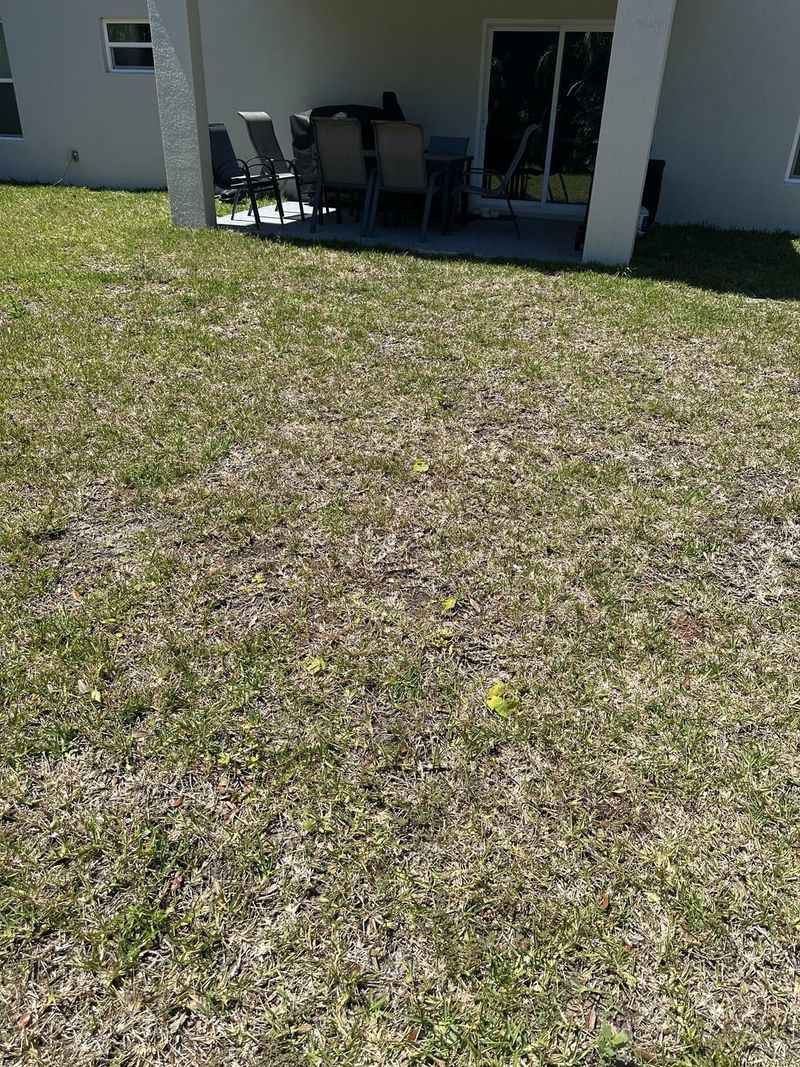
For most Florida lawns in March, watering once or twice a week hits the sweet spot. The City of Cocoa, Florida, and UF/IFAS both point to once-a-week watering as a solid baseline for the cooler, transitional weeks of early spring.
That said, the right answer for your lawn depends on several factors working together.
Soil type plays a big role. Sandy soils, which are extremely common across Florida, drain quickly and may need that second weekly watering during drier stretches.
Clay-heavy soils hold moisture longer and may do fine with just one session. Grass type also matters.
Bahia grass is more drought-tolerant than St. Augustine and generally needs less water overall. Your location in the state matters too, since South Florida tends to be warmer and drier in March than North Florida, where temperatures are still relatively mild.
Rainfall is probably the biggest variable of all. If your area gets a good soaking rain during the week, skip your scheduled irrigation entirely.
Running sprinklers after a rainstorm is a common and costly mistake. A rain gauge in the yard, or even a basic rain sensor on your irrigation system, takes the guesswork out of the decision and helps you water smarter without wasting a drop.
5. Let Drought Stress Be Your Signal To Turn On The Sprinklers
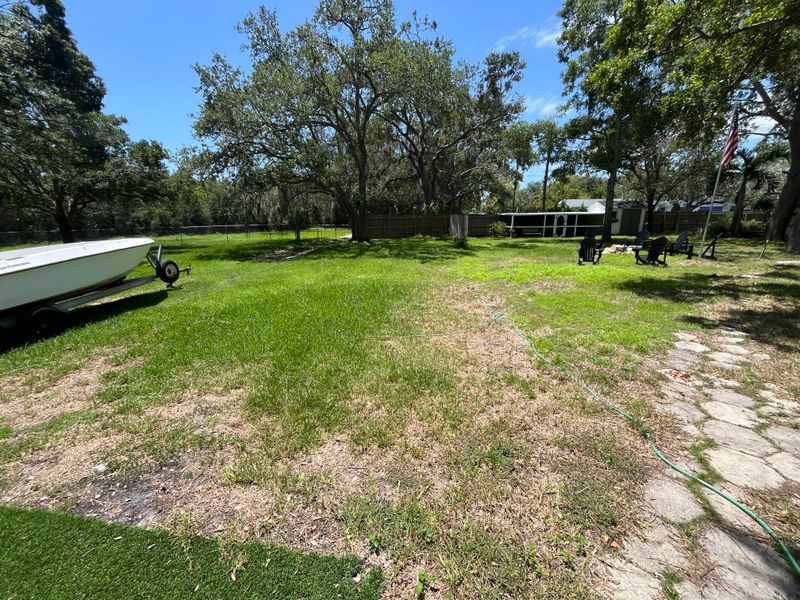
Habit-based watering is one of the most common ways Florida homeowners accidentally overwater their lawns. Running the sprinklers every Tuesday and Friday regardless of what the weather has been doing is not lawn care.
It is just routine, and routines do not account for rain, cooler temperatures, or slower grass growth.
A smarter approach is to let the lawn itself guide the decision. The Southwest Florida Water Management District recommends using visible lawn stress as a trigger for irrigation rather than relying on a fixed schedule.
When the grass shows those folding blades, blue-gray color, or slow rebound from foot traffic, that is the moment to water. If the lawn looks green and healthy, the sprinklers can stay off for another day or two.
Weather patterns in March can shift quickly in Florida. A week of mild, cloudy days with some afternoon showers may mean the lawn goes ten days without needing irrigation.
Then a stretch of sunny, breezy weather might push stress signs to appear after just four or five days. Staying tuned in to both the lawn and the local forecast lets you make better decisions than any fixed calendar can.
Responsive watering saves water and keeps the lawn in better shape than rigid scheduling ever will.
6. Overwatering In March Can Cost More Than It Helps
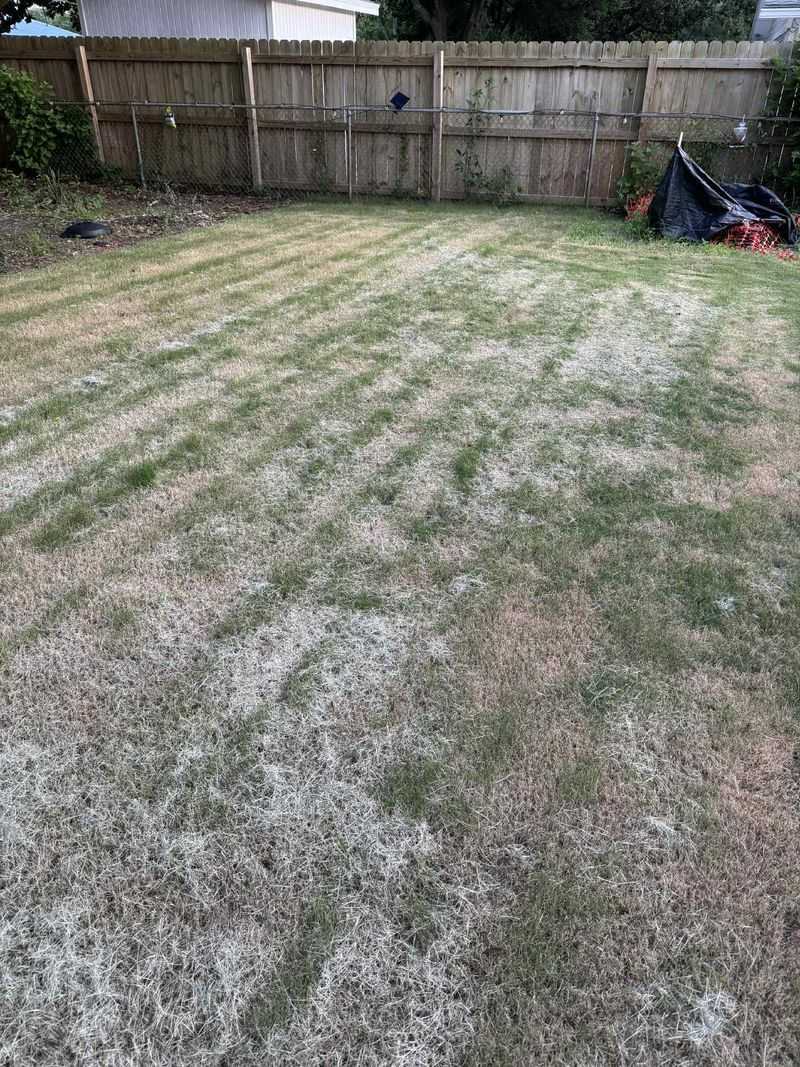
Too much water in March does not just waste money on your utility bill. It can actually set your lawn up for a rough spring and summer.
Overwatered grass develops shallow roots because the roots have no reason to grow deeper when moisture is always available right at the surface. A lawn with shallow roots is weaker and less able to handle the heat and dry spells that Florida summers bring every year.
Fungal diseases are another real consequence of too much moisture. Gray leaf spot and brown patch are two common lawn diseases in Florida that thrive in wet, humid conditions.
Overwatering creates exactly the environment these pathogens love, especially when water is applied in the evening instead of early morning. UF/IFAS consistently recommends morning watering between 4 a.m. and 9 a.m. to allow grass blades to dry out during the day, which reduces fungal risk considerably.
Beyond lawn health, there is a financial cost to overwatering that adds up fast. Irrigation accounts for a large portion of residential water use in Florida.
Running sprinklers more than necessary in March, when the lawn simply does not need it, is money going straight into the ground with no benefit. Pulling back on irrigation during this transitional month is one of the easiest ways to cut household water costs without sacrificing lawn quality.
7. Adjust Your Irrigation Timer Before Spring Heat Builds
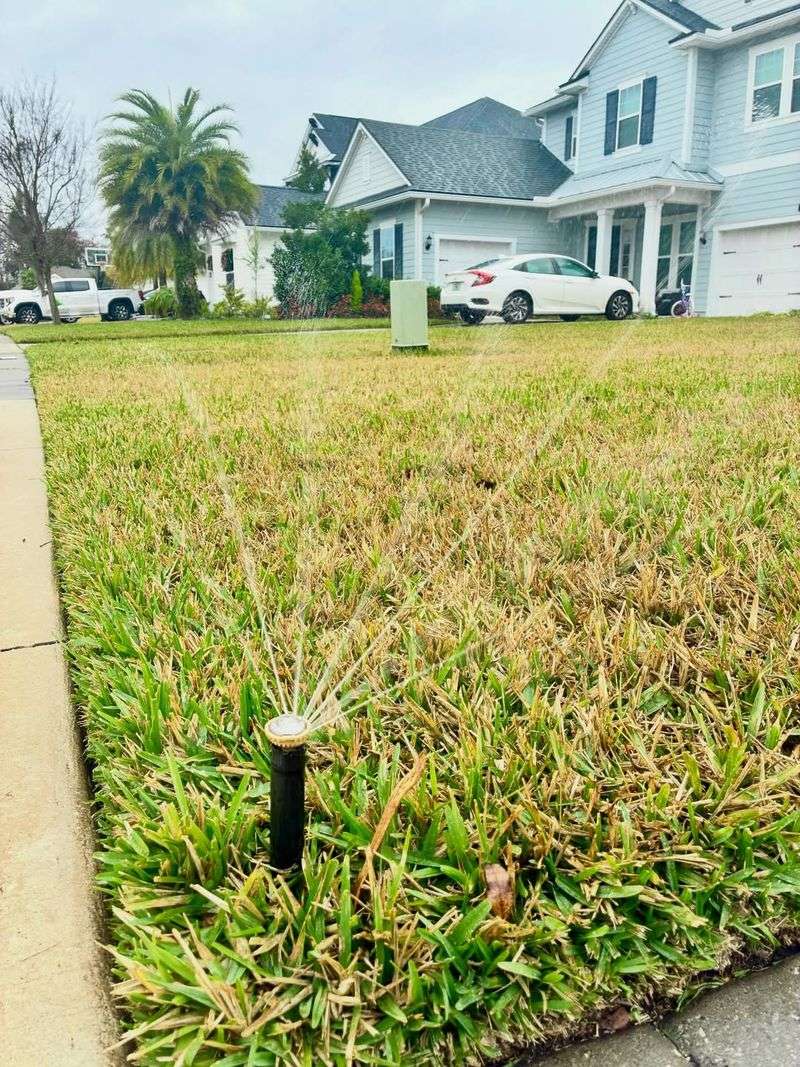
Many Florida homeowners set their irrigation timers at some point in the fall or early winter and then never touch them again. By March, those settings are often outdated and no longer match what the lawn actually needs.
Checking and updating your timer before the real heat of spring arrives is one of the most practical things you can do for your lawn right now.
Start by reviewing how many days per week your system is running and how long each zone runs. If your timer is set to water four or five times a week based on summer settings, that is almost certainly too much for March.
Adjusting down to one or two days per week, with each zone running long enough to deliver about half an inch of water, is a much better fit for the season. Many modern irrigation controllers have a seasonal adjustment feature that lets you dial down the overall run time by a percentage, which is a quick and easy fix.
Adding a rain sensor to your system is another smart March upgrade if you do not already have one. Florida law actually requires rain sensors on all new irrigation systems, and they are inexpensive to add to older setups.
A properly working rain sensor automatically shuts off your system after rainfall, which means your timer does not run unnecessarily after a good afternoon storm rolls through.
8. Follow Local Watering Restrictions And Make Every Cycle Count
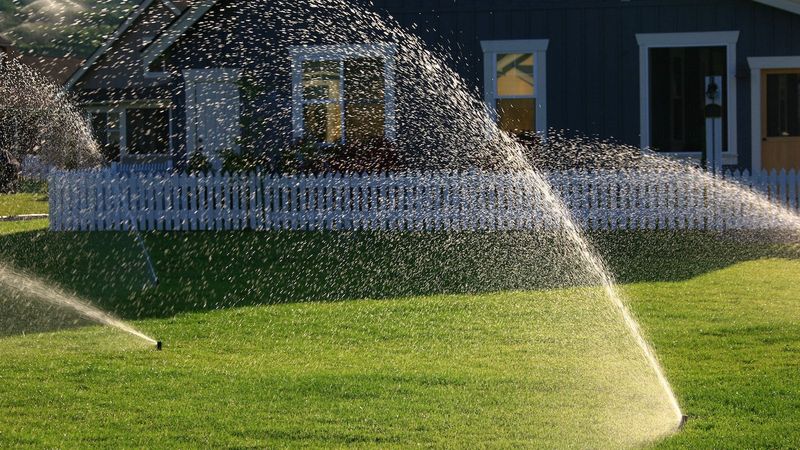
Florida is divided into several water management districts, and each one sets its own rules for how often residents can water their lawns. In March, most districts allow once or twice a week irrigation depending on your address and whether you have an odd or even house number.
These are not just suggestions. Watering outside of your permitted days or times can result in fines, so knowing your local rules is genuinely important.
The Southwest Florida Water Management District, the St. Johns River Water Management District, and the South Florida Water Management District all publish their current restrictions online. Checking your district’s website takes just a few minutes and gives you a clear picture of what is allowed in your area during March.
Some areas may have additional local rules set by cities or counties that are stricter than the district-wide guidelines, so it is worth checking both.
Beyond following the rules, the real goal is making every watering cycle count. Run your system during the approved early morning window, check for clogged or misaligned sprinkler heads that waste water, and skip irrigation whenever recent rainfall has already done the job.
A lawn watered efficiently and legally in March is not just healthier. It also reflects good stewardship of Florida’s water resources, which benefits the entire state during the drier months ahead.