How To Create A Mini Wildflower Meadow In Your Florida Garden (And Why You Should)
Somewhere along the way Florida gardeners were sold the idea that a good yard means controlled beds, neat edges, and plants standing at attention in straight lines.
A wildflower meadow is the opposite of all that and it turns out the garden, the pollinators, and the gardener are all better off for it.
A mini meadow does not require a large space or a complicated plan. It requires letting go of a few habits that were never serving the garden particularly well in the first place.
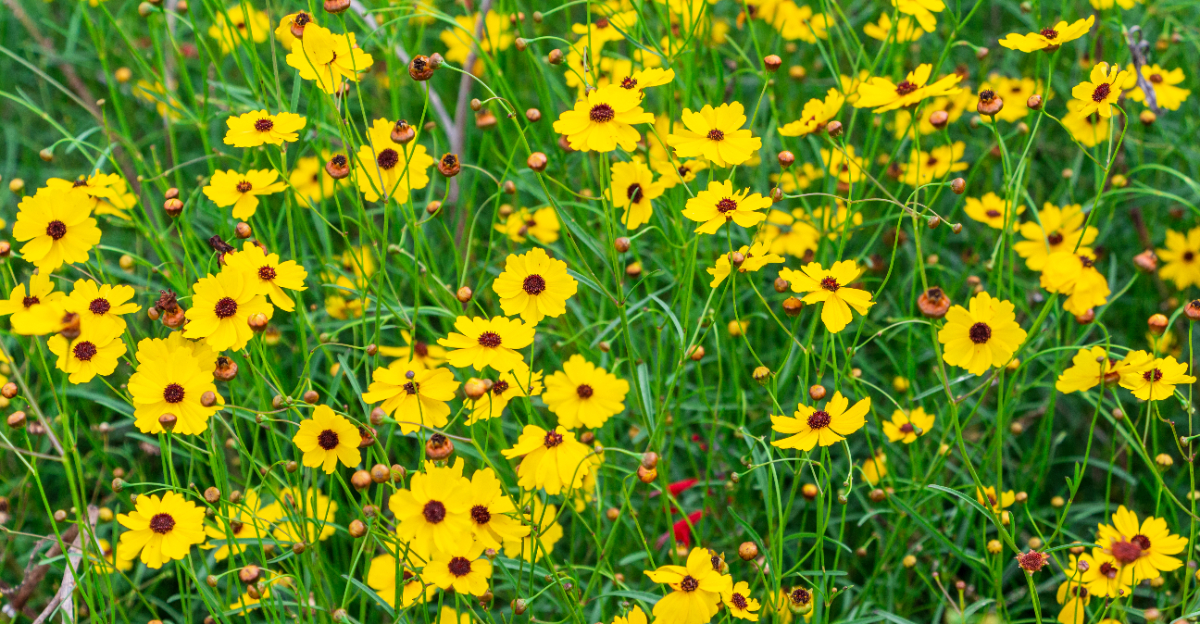
Florida’s growing season is long enough to support a wildflower planting that blooms in waves from fall through spring. It brings color and movement that a traditional bed rarely matches.
Butterflies, bees, and birds treat it like a destination. The neighbors who were skeptical in April tend to stop and stare by November.
It is one of those garden decisions that feels small at the start and looks like the best choice you ever made by the end of the season.
1. Start With A Small Sunny Patch
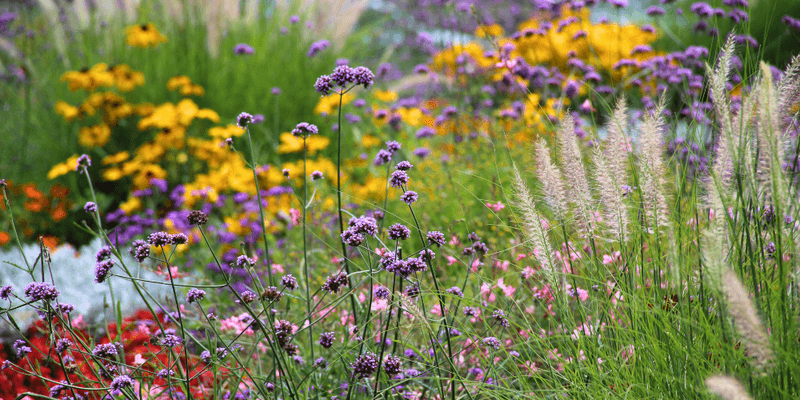
A meadow does not have to take over the yard to make a real impact. Starting small is one of the smartest moves a gardener can make, especially when trying a native wildflower planting for the first time.
A compact space is easier to prepare, easier to water during establishment, and much easier to watch and adjust as plants begin to grow.
Most native wildflowers thrive in full sun, which means at least six hours of direct sunlight each day. Good airflow matters too, since dense or shaded spots can lead to weak, struggling plants.
Before choosing a location, spend a day or two watching how sunlight moves across your yard. The spot that looks sunny in the morning may be shaded by afternoon, and that difference can matter a lot.
Some of the best starting spots include a side yard strip, a sunny driveway edge, a corner near a fence, or a mailbox bed.
A narrow border along a patio or walkway can also work well. A narrow border along a patio or walkway can also work well.
These spots are often already somewhat open and defined, which gives your mini meadow a natural edge that keeps it looking tidy rather than neglected.
Aim for a patch somewhere between 25 and 100 square feet to start. That is enough room to create a real visual impact without becoming overwhelming to manage.
Once you get comfortable with how native wildflowers grow in your specific yard conditions, you can always expand the planting in future seasons.
Starting small also means fewer mistakes cost you big time. If one area does not perform the way you hoped, adjusting a small patch is far simpler than reworking an entire yard.
Think of it as a low-pressure experiment with a high potential reward.
2. Choose Native Wildflowers That Fit Your Region
The seed mix matters more than the packet picture. Plenty of wildflower mixes sold at big box stores look gorgeous on the label but contain non-native species that do not belong in a Florida native garden.
Your Florida Garden Changes Every Week. Your Plan Should Too.
Gardening in Florida changes quickly throughout the season. Every Friday you’ll receive a simple weekly plan showing exactly what to plant, prune, fertilize, harvest, and protect so you never miss the right timing.
Choosing the right plants from the start saves time, money, and frustration later on.
Florida is a large and ecologically diverse state, so regional suitability really does matter. A wildflower that thrives in a sandy, dry panhandle garden may struggle in the wet, subtropical conditions of the southern tip.
Always check botanical names and look for plants confirmed as native to your specific region before buying seeds or transplants.
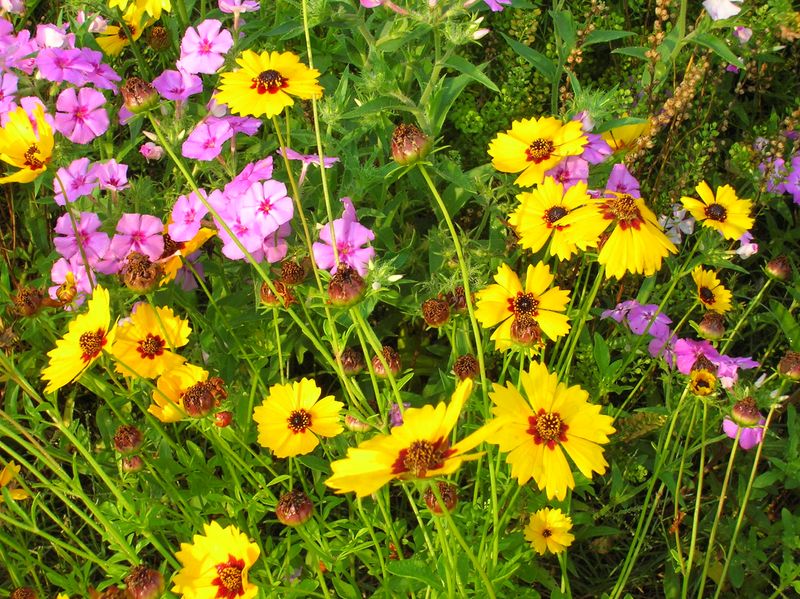
Some excellent native options include lanceleaf coreopsis (Coreopsis lanceolata) and plains coreopsis (Coreopsis tinctoria).
Both are well-supported as Florida natives and widely loved for their bright yellow blooms. Black-eyed Susan (Rudbeckia hirta) is another reliable native that performs well across many parts of the state.
Tropical sage (Salvia coccinea) brings bold red flowers that hummingbirds and butterflies visit regularly.
Dotted horsemint (Monarda punctata) is a native wildflower with unusual spotted blooms and strong pollinator appeal. Sunshine mimosa (Mimosa strigillosa) spreads as a low groundcover and works well in open sunny areas.
Beach sunflower (Helianthus debilis) is a good fit for coastal and central gardens where it is regionally appropriate.
Blazing star species (Liatris spp.) add tall purple spikes that bees find irresistible, but gardeners should choose a species suited to their region and soil moisture.
Partridge pea (Chamaecrista fasciculata), blue-eyed grass (Sisyrinchium angustifolium), and twinflower (Dyschoriste oblongifolia) are strong options.
Together, they round out a diverse and region-friendly planting palette.
Buy from reputable native plant nurseries or trusted seed sources such as the Florida Wildflower Foundation’s recommended vendors.
Contact your local UF/IFAS Extension office if you need help confirming which species are best suited to your county or region.
3. Clear Weeds Before You Scatter Seeds
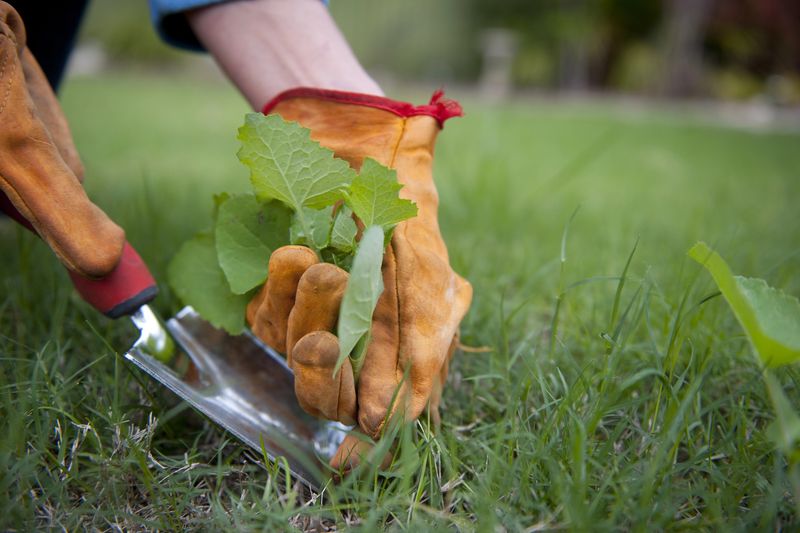
Weeds win quickly when the soil is not prepared before planting. This is one of the most common reasons a first wildflower attempt falls flat.
Tossing seeds into existing turf, a weedy patch, or thick mulch gives aggressive plants a head start.
Tiny wildflower seedlings simply cannot overcome that competition in the early weeks of growth.
The goal of site prep is to give native wildflower seeds direct contact with the soil and as little competition as possible right from the start. Begin by removing existing grass and weeds from the planting area.
For small spaces, hand removal works well. Smother methods using cardboard or thick layers of newspaper topped with a thin layer of soil can also help suppress turf without a lot of digging.
Light soil disturbance can help seeds make contact with the ground, but try to avoid deep tilling if possible. Turning soil deeply can bring dormant weed seeds up to the surface where they will sprout quickly and compete with your wildflowers.
A light raking or gentle loosening of the top inch or two is often enough to prepare the seedbed.
After clearing, take a look at what keeps coming back. Some aggressive weeds like torpedo grass or dollarweed spread through roots and underground runners, and partial removal can sometimes make the problem worse.
For persistent problem weeds, consult your local UF/IFAS Extension office for guidance on the best approach for your specific situation before planting.
Once the area is cleared and lightly prepped, scatter seeds while the soil is still loose and make sure they have good contact with the surface. Press seeds in gently rather than burying them deep.
Most native wildflower seeds need light to germinate and do best when they are barely covered or simply pressed into the soil.
4. Mix Annuals And Perennials For A Longer Show
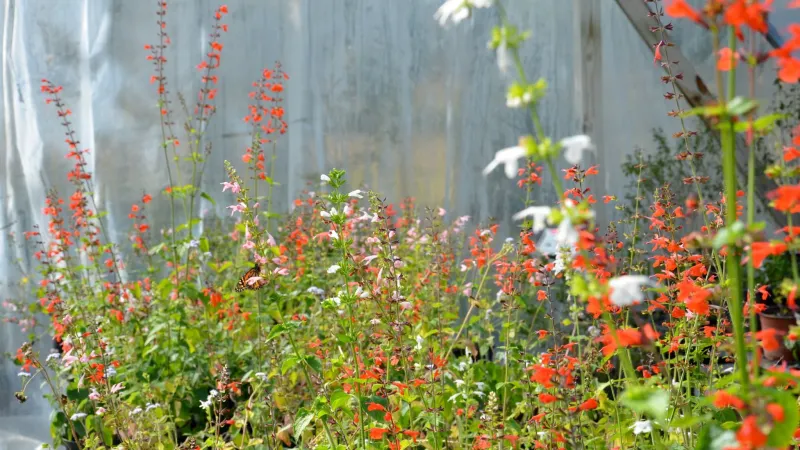
A longer bloom season starts with variety. Planting only one type of native wildflower might give you a burst of color for a few weeks.
Mixing plants with different life cycles and bloom windows stretches the visual interest across more of the year. That variety also supports a wider range of pollinators that visit at different times.
Annual native wildflowers tend to sprout, bloom, set seed, and finish their cycle within one growing season. They often give faster color, which is encouraging when you are waiting for a new planting to take off.
Partridge pea (Chamaecrista fasciculata) is a native annual or short-lived plant.
It can provide early ground coverage and yellow blooms while perennials are still getting established in their first season.
Plains coreopsis (Coreopsis tinctoria) is another annual or biennial option that tends to bloom relatively quickly from seed.
It adds bright yellow and burgundy color to a young meadow planting. These faster bloomers help fill the space while slower perennials take their time developing strong root systems underground before putting energy into flowers.
Perennial natives often take a full season or more to establish before they bloom well, but the payoff can be worth the wait.
Blazing star (Liatris spicata), lanceleaf coreopsis (Coreopsis lanceolata), black-eyed Susan, and dotted horsemint may return for multiple seasons.
Once their roots are settled, they can improve over time. Blue-eyed grass (Sisyrinchium angustifolium) and twinflower (Dyschoriste oblongifolia) add lower texture and color as ground-level fillers.
Tropical sage (Salvia coccinea) and beach sunflower (Helianthus debilis) can behave as short-lived perennials or prolific self-seeders.
Use them where they are regionally appropriate in warmer parts of the state. Mixing these different types thoughtfully gives the meadow a layered, natural look that changes as the seasons move through the year.
5. Water Gently While Seeds Get Started
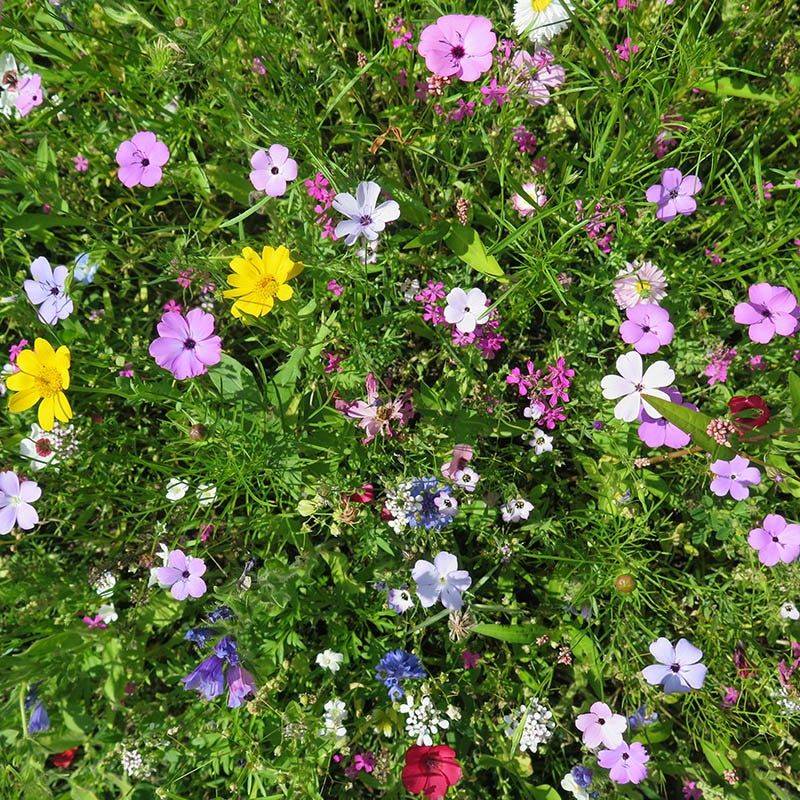
Tiny seedlings need a gentle start, and the way you water in the first few weeks can make a real difference in how many seeds successfully sprout and grow.
A strong blast of water can wash seeds across the bed, cluster them in low spots, or push them deeper than they need to be.
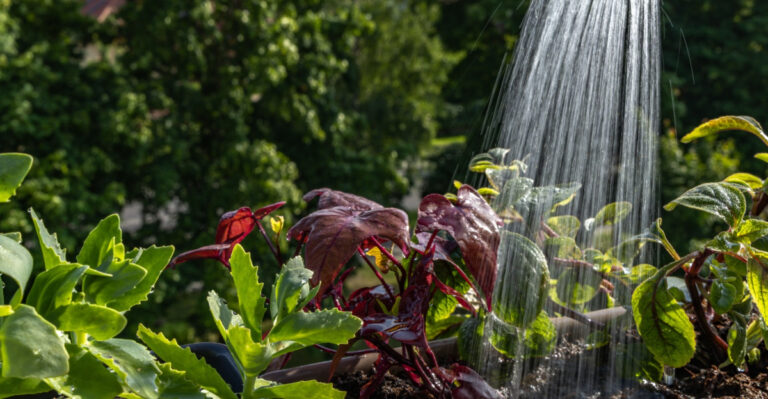
A soft, fine spray keeps seeds in place while delivering the steady moisture they need to germinate.
During the establishment phase, the goal is to keep the soil surface consistently moist but not waterlogged. Checking the bed once or twice a day in dry conditions is a good habit early on.
Sandy Florida soils drain quickly, which means moisture can disappear faster than you might expect, especially during hot and dry stretches.
Once seedlings are a few inches tall and roots are beginning to anchor into the soil, you can back off watering gradually.
Many native wildflowers are adapted to the natural rainfall patterns of this state and do not need constant irrigation once they are established.
Overwatering mature native plants can actually cause more problems than underwatering in many cases.
Regional timing matters here. Gardeners in northern regions of the state often plant in late winter or early spring before the heat sets in.
Central regions have a longer planting window but need to account for dry spells before the summer rainy season arrives.
In southern regions, the rainy season can provide significant natural irrigation, but the timing and intensity of rainfall varies from year to year.
Adjusting your watering schedule to work with natural rainfall rather than against it will reduce your workload.
It also helps plants develop the drought tolerance they are capable of. A rain gauge in the garden can help you track what the sky is already delivering so you are not watering more than necessary.
6. Skip Heavy Fertilizer And Rich Soil
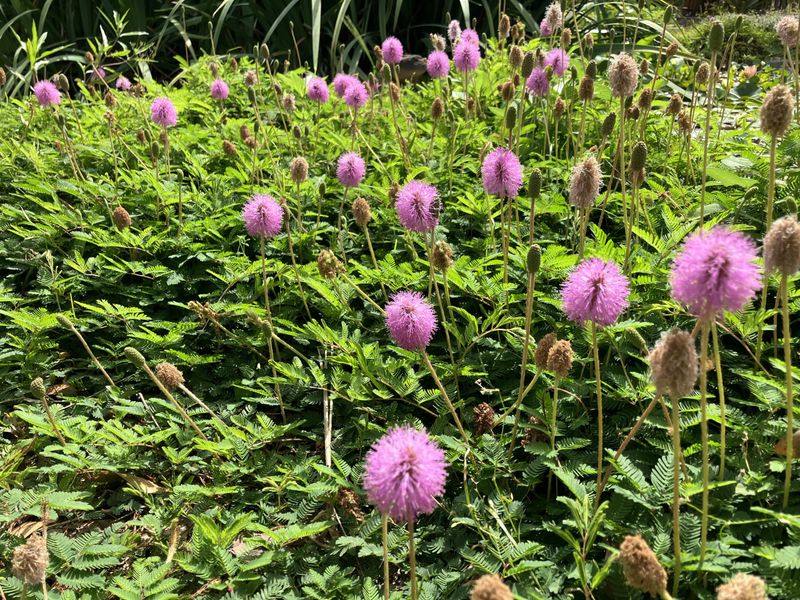
Rich soil is not always a gift, especially when you are growing native wildflowers. Many of the native plants that perform best in Florida meadow gardens evolved in lean, sandy, or nutrient-poor soils.
Putting those same plants into heavily amended, overly fertile ground can push them toward lush leafy growth at the expense of blooms.
It can also make stems tall and floppy instead of sturdy and upright. The Florida Wildflower Foundation and UF/IFAS Extension both note that native wildflowers usually do not need heavy soil enrichment.
They do not need the same treatment as vegetable gardens or hybrid ornamentals. The idea is to match the plants to the existing soil conditions rather than trying to transform the soil to match what a different type of garden would need.
In many yards, the existing sandy, well-draining soil is already close to what native wildflowers prefer.
If your soil is extremely compacted or has very poor structure, a light amendment with native-appropriate organic material may help with establishment. But use a conservative approach.
Adding too much compost or rich organic matter can shift the soil in ways that favor weeds over wildflowers. When in doubt, start with the soil you have and observe how plants respond before making any changes.
Avoid slow-release granular fertilizers, liquid feeds, and any products designed to push rapid lush growth.
These inputs can encourage exactly the kind of soft, fast growth that makes native wildflowers more vulnerable to pests, disease, and toppling in wind and rain.
They can also give aggressive weeds a competitive advantage over your more modest native plants.
Keeping the soil lean and well-drained is one of the simplest ways to set up a native wildflower planting for long-term success. Let the plants do what they were naturally designed to do in the conditions this state already provides.
7. Leave Seed Heads For Wildlife And Future Blooms
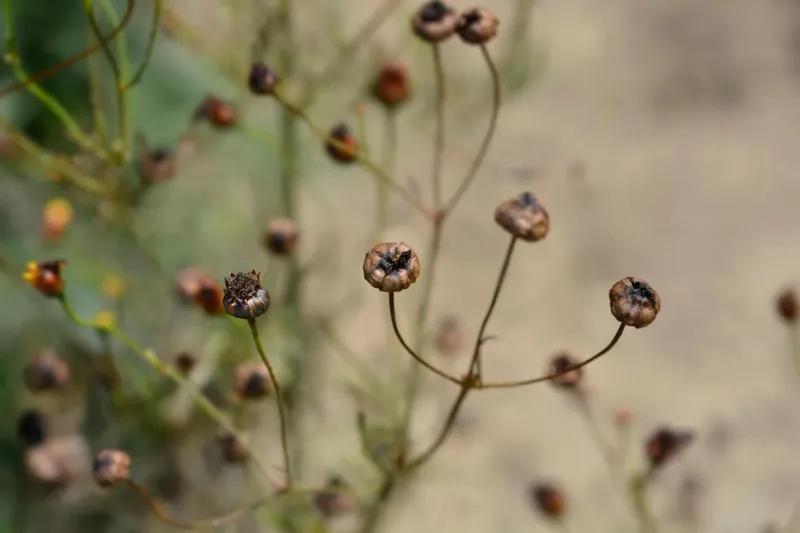
A meadow keeps working after the flowers fade. Once blooms finish and seed heads form, those dried structures become a valuable resource for birds, native bees, and other wildlife.
They provide food and shelter through the leaner parts of the year. Cutting everything down at the first sign of fading means removing that resource before it has a chance to be used.
Leaving seed heads in place through late fall and into winter can also give native wildflowers the opportunity to reseed naturally into the surrounding soil.
Some species, like coreopsis and black-eyed Susan, may reseed in many gardens under the right conditions.
Results vary depending on the species, the site, rainfall patterns, and competition from weeds or other plants. Natural reseeding is never fully guaranteed, but giving it a chance costs nothing.
Selective cutting is a more practical approach than either leaving everything or clearing the entire bed at once.
Walk through the planting and remove sections that look genuinely untidy while leaving areas where seed heads are still intact and wildlife activity is visible.
This kind of thoughtful maintenance keeps the mini meadow looking cared-for without eliminating its ecological function.
Keeping the meadow looking intentional matters, especially in neighborhoods where neighbors or HOAs pay attention to yard appearance. A clearly defined edge makes a big difference.
Mowing a clean border, adding low edging, placing stepping stones, or putting up a small sign can help frame the wildflower patch.
Those details signal to anyone walking by that this is a planned garden, not a neglected lot.
That small effort to frame the space goes a long way toward making a mini wildflower meadow feel proud and purposeful.
It keeps the planting from looking like something that simply got away from you.