7 Native Texas Trees To Plant Instead Of Crape Myrtle
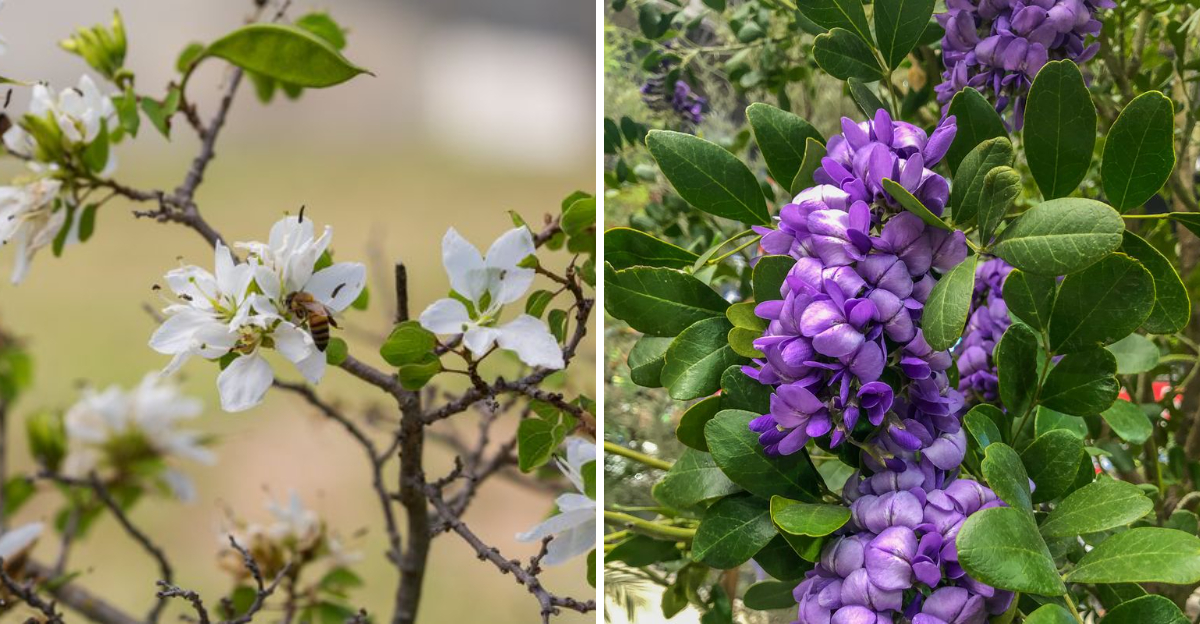
Crape myrtles are everywhere in Texas, and there is a reason people keep planting them. They are colorful, tough, and easy to spot when they are in full bloom.
But for all their popularity, they are not the only option for a yard that needs beauty, shade, and seasonal interest. In fact, there are native Texas trees that can do an even better job of fitting the landscape while bringing their own kind of standout appeal.
If you are ready for something a little different, this is where things start getting interesting.
Choosing a native tree often means choosing something better suited to Texas weather, soil, and wildlife from the start.
These trees already know how to handle the heat, the dry stretches, and the local growing conditions that can make other ornamentals work harder than they should.
They can also bring stronger habitat value, more natural charm, and a look that feels right at home in the state.
If your yard has room for a tree but you want to skip the usual crape myrtle route, there are some great native choices that offer color, character, and a whole lot more personality.
1. Desert Willow
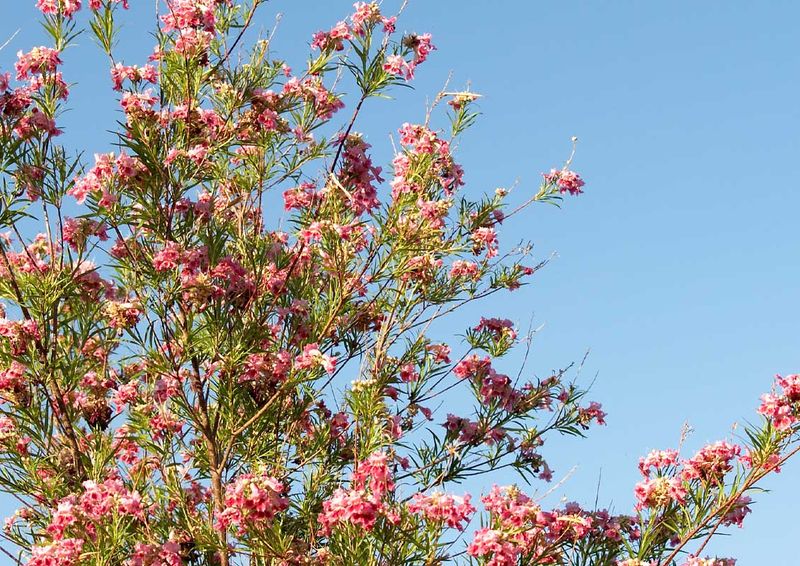
Walk through almost any dry, sunny corner of West Texas and you might spot a Desert Willow putting on a show that stops you in your tracks. Its long, slender leaves wave gently in the breeze, and from late spring all the way through summer, it bursts into clusters of trumpet-shaped flowers in shades of pink, lavender, and deep purple.
It looks almost tropical, yet it is completely at home in the heat.
One of the best things about this tree is how tough it really is. Desert Willow thrives in full sun and well-drained soil, and once it gets established, it barely needs any extra watering.
That makes it a dream come true for Texas gardeners who want beauty without the hassle of constant irrigation or upkeep.
Unlike crape myrtle, Desert Willow is fully native to Texas and the Southwest, meaning it actively supports local pollinators. Hummingbirds, bees, and butterflies absolutely love the blooms.
The flowers even carry a light, sweet fragrance that makes spending time in the yard even more enjoyable.
It typically grows between 15 and 25 feet tall, making it a great medium-sized ornamental tree for yards of all sizes. You can also train it to grow as a multi-trunk shrub if you prefer a more compact shape.
Either way, it brings serious curb appeal. If you are looking for a crape myrtle replacement that can handle summers without breaking a sweat, Desert Willow deserves a top spot on your list.
2. Texas Mountain Laurel
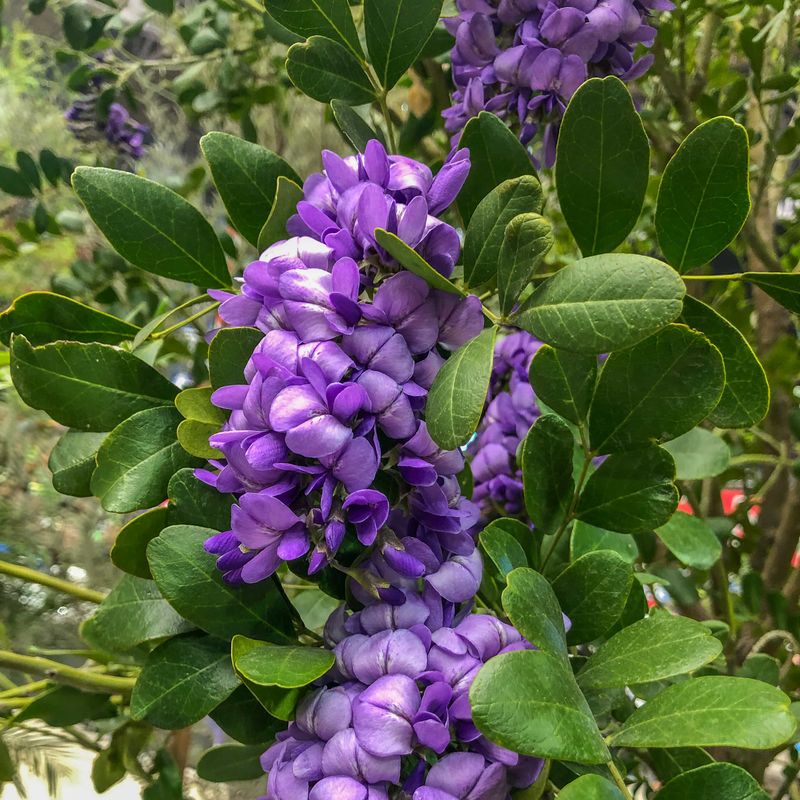
Few trees in Texas can compete with the jaw-dropping springtime display of Texas Mountain Laurel. Every year, usually in late February through March, this evergreen tree erupts in dense clusters of deep purple flowers that look almost exactly like wisteria blooms.
And the smell? People often describe it as grape soda, sweet and unmistakable, drifting through the yard on a warm Texas breeze.
Your Texas Garden Changes Every Week. Your Plan Should Too.
Gardening in Texas changes quickly throughout the season. Every Friday you’ll receive a simple weekly plan showing exactly what to plant, prune, fertilize, harvest, and protect so you never miss the right timing.
What makes this tree even more appealing is that it keeps its dark, glossy green leaves all year long. So even when it is not blooming, Texas Mountain Laurel adds structure, texture, and rich color to your landscape every single month.
That is something crape myrtle simply cannot offer since crape myrtle drops its leaves in winter and leaves your yard looking bare.
Texas Mountain Laurel is native to the Hill Country and Southwest Texas regions, where it grows naturally on rocky limestone slopes. Because of that, it is incredibly well adapted to poor, dry soils and does not need much water once it gets established.
It grows slowly, usually reaching 10 to 15 feet tall, which makes it a manageable size for most yards.
Did you know the bright red seeds inside the woody pods were once used by Native Americans as trade items? Those pods also add an interesting ornamental detail after the blooms fade.
Plant this tree where you want year-round beauty and a fragrant spring greeting every single year. It is a true Texas treasure that rewards patient gardeners generously.
3. Texas Redbud
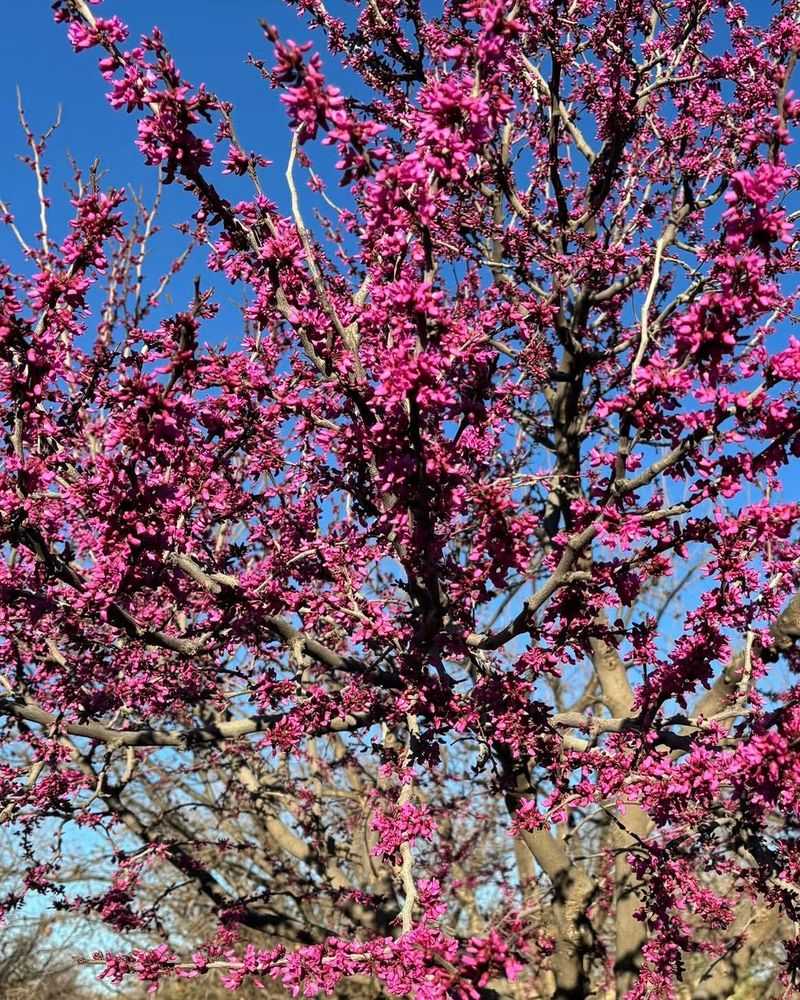
Every spring, before almost any other tree wakes up, the Texas Redbud puts on one of nature’s most breathtaking performances. Bright pink and magenta flowers coat every single branch from tip to trunk, and the leaves have not even appeared yet.
The result is a stunning explosion of color that makes the whole neighborhood stop and stare. It is genuinely one of the most beautiful sights in a spring garden.
Texas Redbud is the native variety specifically adapted to Texas conditions, which sets it apart from other redbud species. It handles heat, drought, and alkaline soils far better than its cousins.
Once it is established in your yard, it requires very little supplemental watering, especially compared to the care that crape myrtle often demands during hot, dry summers.
Size-wise, Texas Redbud is a winner for smaller spaces. It typically grows between 12 and 20 feet tall, with a graceful, spreading canopy that provides light shade in summer.
The heart-shaped leaves that follow the spring blooms are attractive all season long, and they turn golden yellow in fall before dropping.
Pollinators absolutely flock to the blossoms in early spring, giving bees a much-needed early-season food source right when they need it most. Texas Redbud works beautifully as a front yard specimen tree, a patio shade tree, or even planted in a row along a fence line.
If you want a native Texas tree with unbeatable spring color and manageable size, this one belongs in your yard without question.
4. Mexican Plum
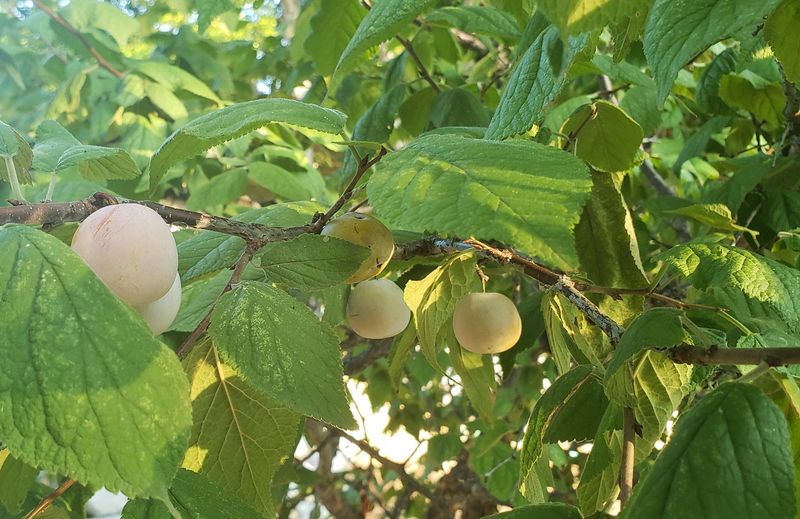
Before the bluebonnets even pop up along Texas roadsides, the Mexican Plum is already making its move. In late winter to early spring, this charming native tree covers itself in clusters of small, fragrant white flowers that smell faintly of almonds and honey.
The blossoms appear before the leaves, so the whole tree glows like a white cloud against the still-bare Texas landscape. It is a truly magical sight in any yard.
Beyond the flowers, Mexican Plum pulls double duty as a wildlife magnet. The small, dark purple plums it produces in late summer are edible and attract birds, deer, and a wide range of native wildlife to your yard.
Pollinators absolutely swarm the blossoms in spring, making this tree one of the most ecologically valuable native trees you can plant anywhere in Texas.
Mexican Plum grows naturally across much of central and eastern Texas, adapting well to a wide range of soil types including rocky, clay-heavy, and sandy soils. It typically reaches 15 to 25 feet tall with a rounded canopy that provides pleasant shade.
The bark develops an attractive peeling texture as the tree matures, adding visual interest even in winter.
Compared to crape myrtle, Mexican Plum offers more wildlife value, earlier spring color, and a more natural, informal look that fits beautifully in both formal and naturalistic Texas gardens.
It is low-maintenance, drought-tolerant once established, and genuinely rewarding to grow. Plant one near a patio or window so you can enjoy the fragrant blooms up close every single spring season.
5. Anacacho Orchid Tree
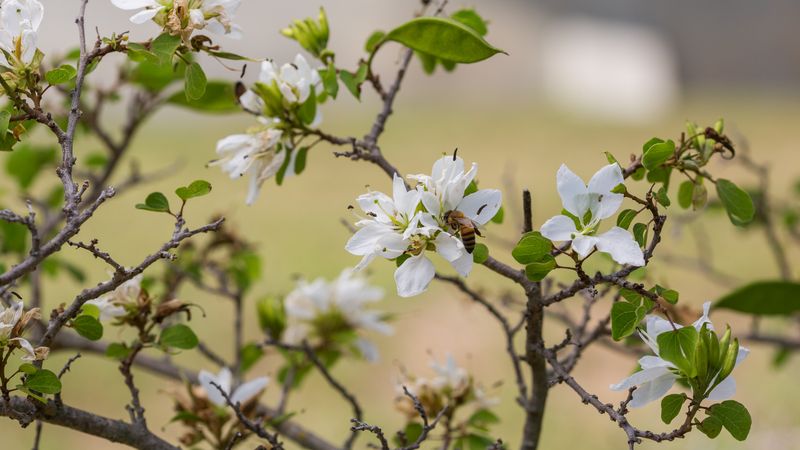
If someone told you that you could grow a tree covered in orchid-like white flowers in your yard without any fuss, you might not believe them. But that is exactly what the Anacacho Orchid Tree delivers every spring.
Its dainty, five-petaled blooms look so much like true orchids that visitors to your yard will do a double take. It brings an exotic, tropical feel to the landscape while being completely at home in Texas conditions.
Native to the limestone canyons of Southwest Texas, particularly around the Anacacho Mountains near Bracketville, this tree is built for tough conditions.
It thrives in rocky, well-drained soils and full sun, tolerates drought remarkably well, and does not demand much from the gardener once it settles in.
That combination of beauty and toughness makes it a standout choice for homeowners who want low-effort, high-impact landscaping.
Anacacho Orchid Tree usually grows between 8 and 12 feet tall, which makes it an excellent option for smaller yards, courtyards, or tight spaces where a larger tree would feel overwhelming.
Some gardeners even grow it as a large, multi-stemmed shrub for added flexibility in the landscape design.
The blooms attract bees and butterflies in good numbers, and the semi-evergreen foliage, with its distinctive butterfly-shaped leaves, stays on the tree through mild winters.
As a replacement for crape myrtle, it offers a unique, eye-catching look that few other native trees can match. Plant it where it gets plenty of sunshine and watch it reward you with blooms year after year.
6. Eve’s Necklace
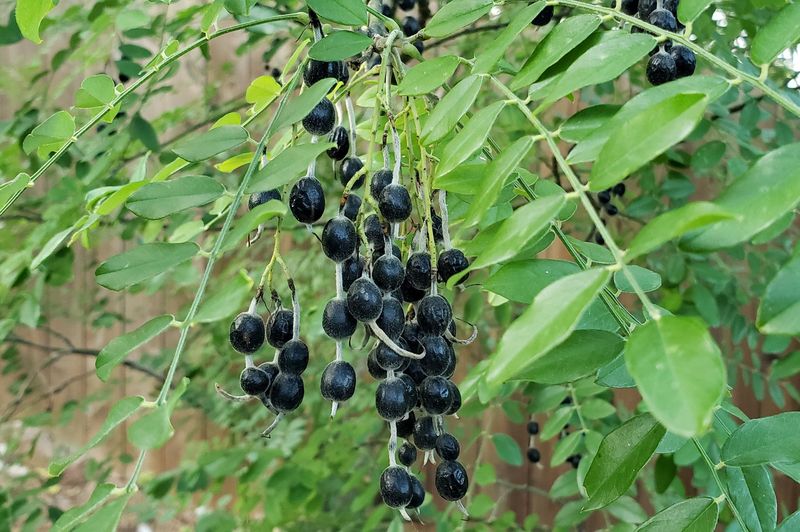
Not many trees come with a name as poetic as Eve’s Necklace, but once you see the seed pods that gave it that name, you will understand immediately.
After the blooms fade, the tree produces long, constricted pods that look exactly like a string of dark beads, like a necklace draped across the branches.
It is one of those charming details that makes gardeners fall in love with a plant for reasons beyond just the flowers.
Speaking of flowers, Eve’s Necklace puts on a lovely show in spring. Soft clusters of pale pink blooms hang from the branches in a way that is elegant without being showy, like the tree is quietly confident in its own beauty.
Bees and other native pollinators visit the flowers regularly, adding even more life and movement to your garden during the spring season.
This tree grows naturally across central and north Texas, where it is found along creek banks, rocky hillsides, and woodland edges. It adapts well to a variety of soil types and handles drought conditions with ease once it is established.
Eve’s Necklace typically grows 15 to 25 feet tall, creating a nice medium-sized canopy with attractive dark green foliage through the growing season.
Compared to crape myrtle, Eve’s Necklace offers a more understated, woodland charm that works beautifully in naturalistic Texas landscapes. It does not scream for attention but consistently delivers seasonal interest from spring blooms through the decorative fall seed pods.
If you want something truly distinctive that your neighbors probably do not have, Eve’s Necklace is a seriously underrated gem worth planting.
7. Texas Persimmon
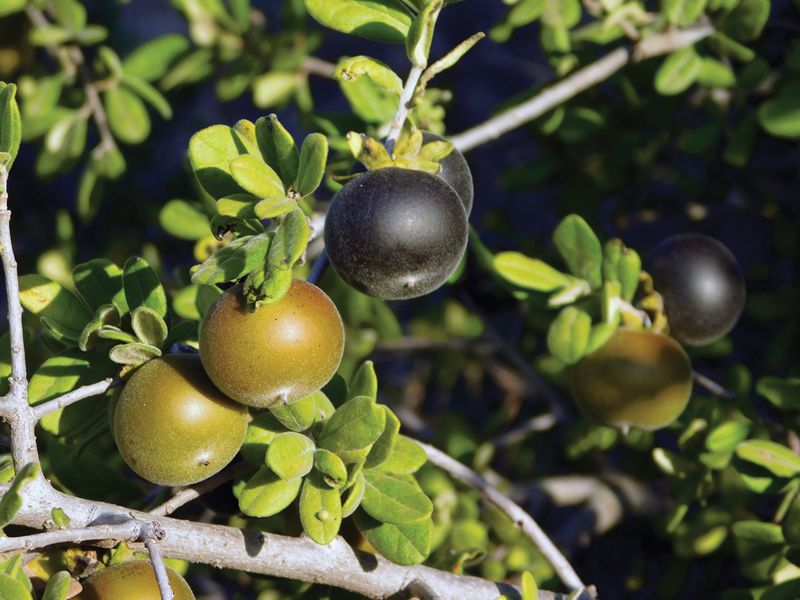
Tough, beautiful, and almost completely overlooked by most gardeners, Texas Persimmon might just be the most underrated native tree in the entire state.
It grows naturally across central and South Texas, thriving in rocky limestone soils where many other trees simply cannot survive.
While it does not put on a flashy floral display, it offers something arguably more interesting: year-round visual appeal that keeps evolving through every season.
In spring, Texas Persimmon produces small, creamy white, bell-shaped flowers that are subtle but genuinely pretty up close. By late summer, the tree is loaded with small, round fruits that turn from green to deep purple-black when ripe.
Those fruits are irresistible to birds, mammals, and other wildlife, turning your yard into a lively natural feeding station. Historically, the sweet black fruits were also eaten by Native Americans and early Texas settlers.
One of the most striking features of Texas Persimmon is its bark. As the tree matures, the smooth gray bark peels away in patches to reveal creamy white and tan layers underneath, creating a mosaic pattern that looks almost like abstract art.
Even in winter, when the tree has dropped its leaves, the bark alone makes it worth having in the yard.
Texas Persimmon stays small, usually between 10 and 15 feet tall, making it perfect for tight spaces, native gardens, or as a understory planting beneath larger trees. It needs almost no supplemental watering and thrives in the punishing sun.
For gardeners who want something truly tough, native, and visually interesting all year long, Texas Persimmon is an outstanding choice.