The 10 Best Privacy Plants For Florida Pools That Don’t Feel Heavy Or Overgrown
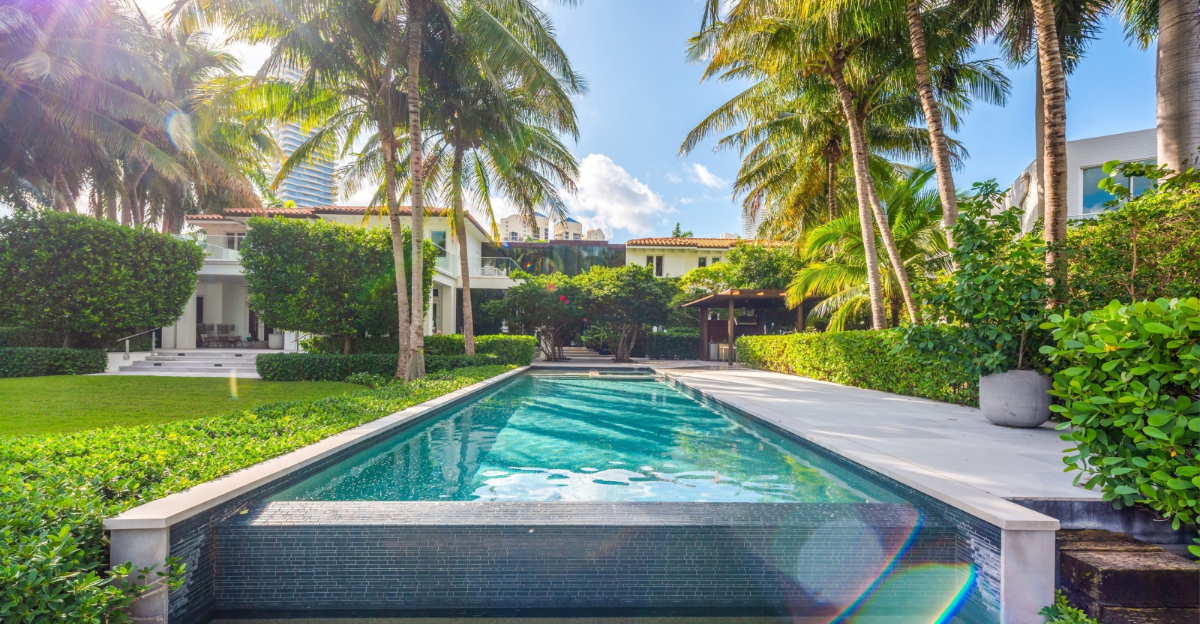
A pool should feel open, bright, and relaxing, not boxed in by plants that take over the whole space. That balance can be tricky in Florida, where fast growth turns privacy screening into a dense wall before you know it.
The best choices give you coverage without making the area feel closed off, crowded, or high maintenance. They soften the edges, block unwanted views, and still leave your poolscape light, clean, and inviting.
That matters even more in a setting where airflow, sun, and a breezy look can make the whole yard feel better. Some plants stay neat, some grow upright without much bulk, and some add privacy with a softer, more polished shape.
With the right picks, you can create a sense of seclusion around your Florida pool without ending up with a space that feels heavy, overgrown, or harder to enjoy.
1. Simpson’s Stopper Adds Privacy Without Making The Area Feel Boxed In
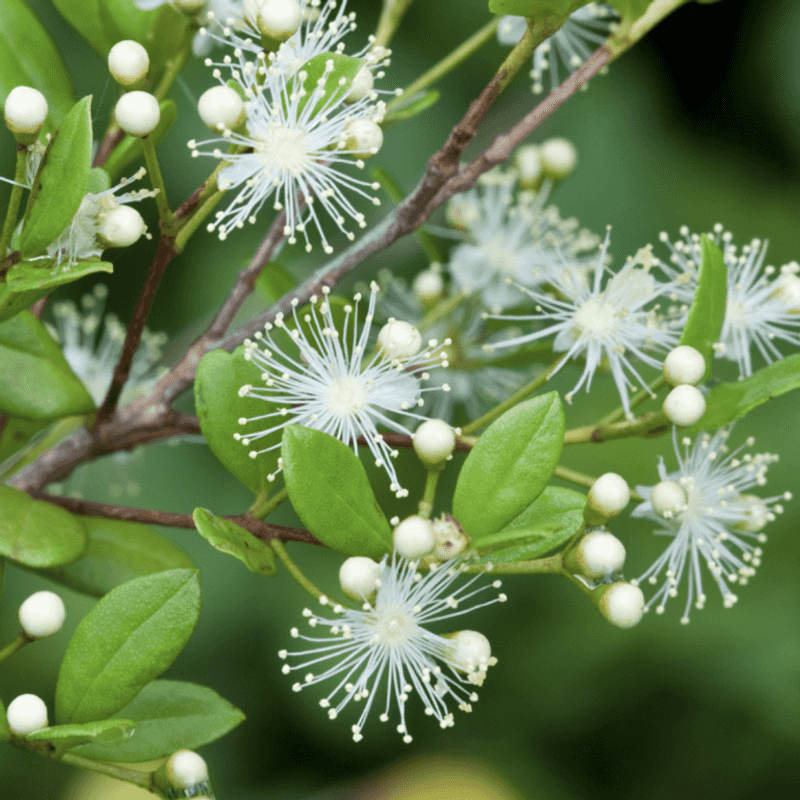
Not every great privacy plant gets the attention it deserves, and Simpson’s Stopper is a perfect example of a Florida native that quietly does an impressive job. This compact evergreen shrub grows naturally in Florida’s coastal hammocks and upland areas, which means it is already adapted to the heat, humidity, and sandy soils that come with owning a pool in this state.
UF/IFAS recognizes it as a reliable native with good wildlife value and low maintenance needs, making it a smart choice for pool-area landscaping.
What sets this plant apart from heavier screening options is its naturally tidy habit. It grows slowly and steadily, reaching about 10 to 15 feet if left unpruned, but it responds very well to light shaping and stays dense without becoming bulky.
The small, glossy leaves create a fine-textured screen that filters views without feeling like a solid wall. Tiny white flowers appear seasonally and attract pollinators, adding a bit of life and movement to the poolside without creating mess.
For Florida homeowners who want a screen that looks clean and intentional rather than overgrown, Simpson’s Stopper brings exactly that balance. It holds its shape well through Florida’s rainy season and does not aggressively push into neighboring plants or structures.
2. Cocoplum Creates A Soft Screen That Still Feels Clean And Coastal
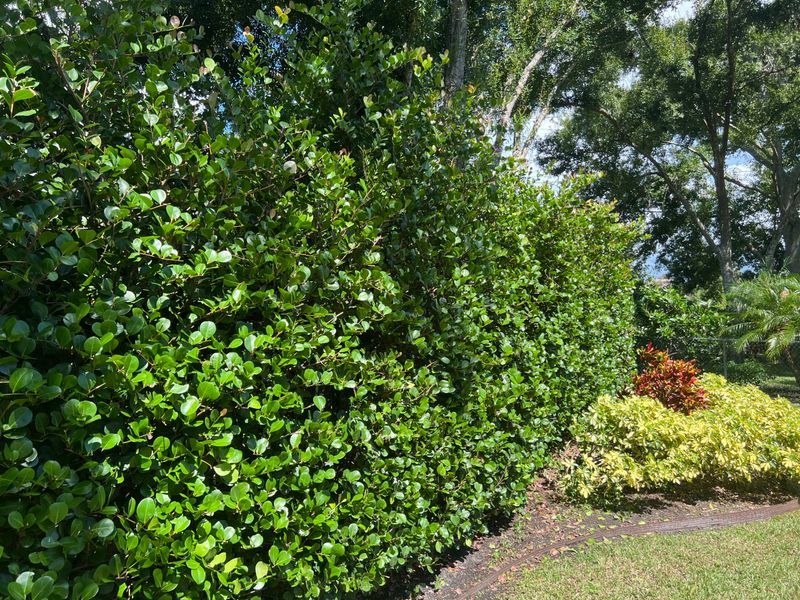
There is something effortlessly coastal about cocoplum that makes it feel right at home beside a Florida pool. Native to South Florida and the Keys, this shrub has rounded, glossy leaves that catch the light in a way that reads as lush without ever feeling oppressive.
The overall silhouette is soft and slightly irregular, which gives it a relaxed, natural quality that stiff formal hedges simply cannot match.
Cocoplum handles Florida’s full sun and salt air without complaint, and it can grow in both moist and well-drained soils, making it versatile enough to work in a wide range of pool-area conditions. It typically reaches six to fifteen feet depending on the variety and pruning frequency.
The red-tip variety, Chrysobalanus icaco ‘Red Tip’, is especially popular in South Florida landscaping because the young leaves flush with a reddish-bronze color that adds visual interest beyond simple greenery.
Your Florida Garden Changes Every Week. Your Plan Should Too.
Gardening in Florida changes quickly throughout the season. Every Friday you’ll receive a simple weekly plan showing exactly what to plant, prune, fertilize, harvest, and protect so you never miss the right timing.
As a privacy screen, cocoplum fills in gradually and holds a softer outline than boxier shrubs. It does not create a harsh or heavy boundary around the pool.
Instead, it gives the space a breezy, tropical quality that feels connected to Florida’s natural landscape rather than imposed on top of it. Light trimming a couple of times per year keeps it looking its best.
3. Walter’s Viburnum Brings Light Privacy
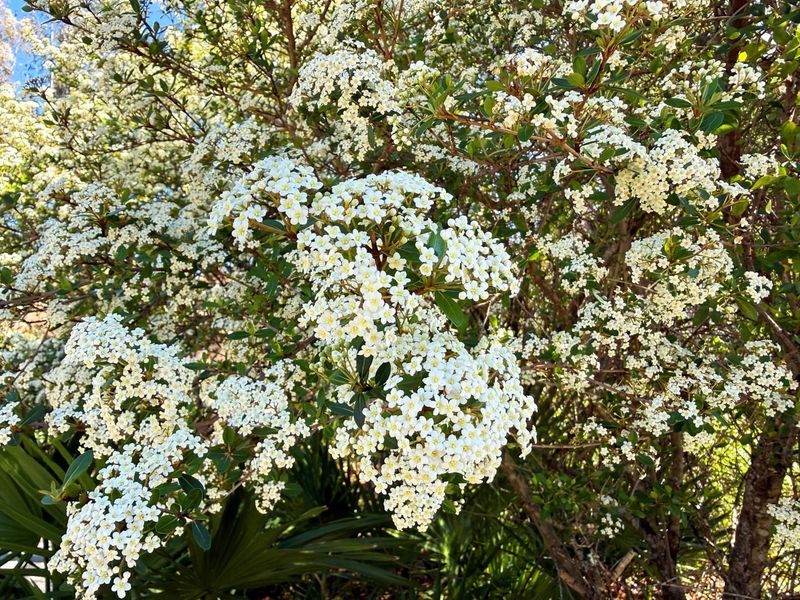
Gardeners who prefer their poolside plants to look like they belong in a natural setting rather than a catalog will appreciate Walter’s Viburnum. This Florida native has a looser, more open growth habit than many of the tightly sheared shrubs commonly used around pools, and that relaxed quality is exactly what makes it so appealing.
It does not demand to be perfectly manicured to look good, which is a real bonus for homeowners who want privacy without constant upkeep.
Walter’s Viburnum, known botanically as Viburnum obovatum, typically grows eight to twelve feet tall and responds well to selective pruning if you want to guide its shape. Left more natural, it develops a layered, woodland-edge look that softens pool fencing and hardscape without creating a dense, impenetrable wall.
Clusters of small white flowers appear in late winter to early spring, adding a seasonal pop that feels genuinely Florida-native rather than generic.
UF/IFAS recommends this plant as a Florida-friendly landscaping choice, particularly for homeowners interested in supporting local pollinators and birds. The berries attract wildlife, and the plant itself is highly drought-tolerant once established.
Around a pool, it provides a screen that feels alive and layered rather than flat and monotonous, giving the whole space a more natural, breathing quality.
4. Podocarpus Keeps The Screen Narrow And Neat
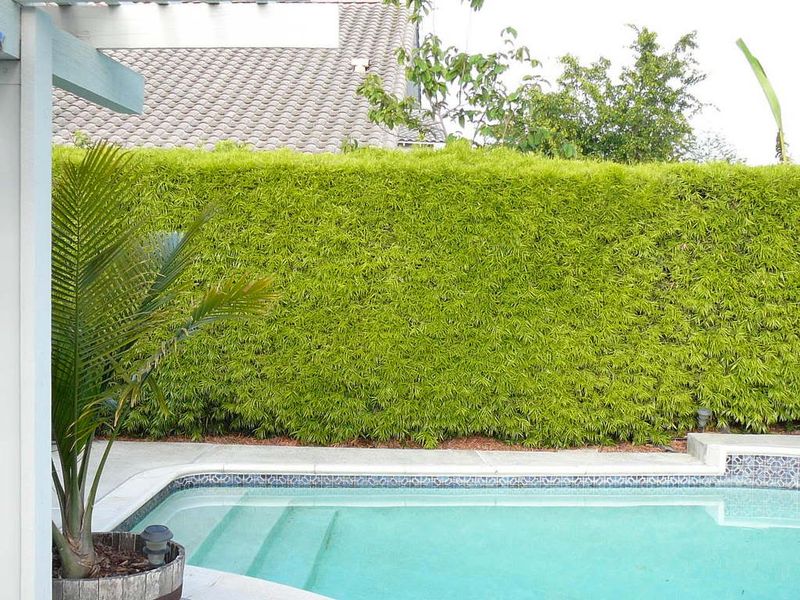
Pool areas with limited width between the water and the property line need a plant that screens upward rather than outward, and podocarpus delivers that vertical privacy better than almost anything else available in Florida. Commonly called the Japanese yew, this evergreen grows naturally into a columnar shape that can reach twelve feet or more in height while staying relatively slim, making it ideal for tight spaces where a spreading shrub would quickly become a problem.
The foliage is soft and needle-like, giving the plant a refined, almost elegant look that works well with both modern and tropical pool designs. It responds exceptionally well to shearing, which means you can keep it at whatever height and width suits your space without the plant fighting back or producing awkward regrowth.
In Florida, it performs best in full sun to partial shade and handles the state’s heat and humidity with minimal drama once established.
One practical advantage worth noting is that podocarpus does not drop messy flowers, fruit, or debris into pool water in large quantities, which is a real consideration when choosing poolside plants. Its slow to moderate growth rate means you are not constantly cutting it back to keep it in bounds.
For homeowners who want a clean, controlled vertical screen that stays where you put it, podocarpus is one of the most dependable choices available in Florida.
5. Bamboo Muhly Softens Pool Edges
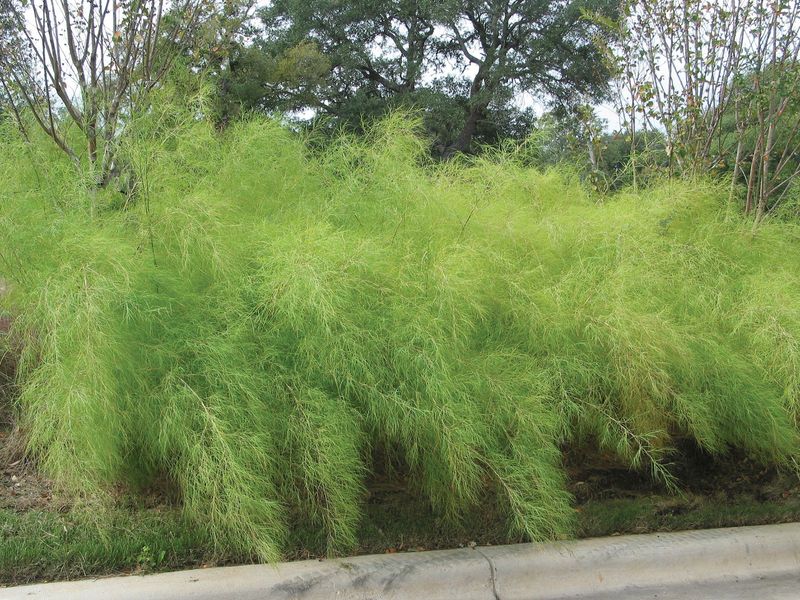
Few plants bring as much movement and lightness to a poolside as bamboo muhly, and that is precisely the quality that makes it so useful when you want to soften the edges of a pool area without building a wall of foliage. This Florida-native ornamental grass grows in graceful, arching clumps that sway gently in the breeze, creating a sense of life and airiness that solid hedges simply cannot replicate.
In fall, it produces showy pink-purple plumes that look genuinely beautiful in the Florida afternoon light.
Bamboo muhly, or Muhlenbergia dumosa, works best as a partial screen or visual softener rather than a total privacy barrier. Planted in groups or drifts along pool edges, fence lines, or between taller screening plants, it breaks up sight lines without creating a closed-off feeling.
The fine, feathery texture contrasts nicely with broader-leaved plants and hardscape materials, adding dimension to the overall design.
UF/IFAS recommends bamboo muhly as a Florida-friendly plant that tolerates heat, drought, and poor soils once established. It is not invasive and stays in tidy clumps rather than spreading aggressively.
Cutting it back once a year keeps it looking fresh and full. For pool areas that need a lighter, more naturalistic touch, bamboo muhly is a standout option that earns its place in the landscape.
6. Dwarf Yaupon Holly Keeps Privacy Airy
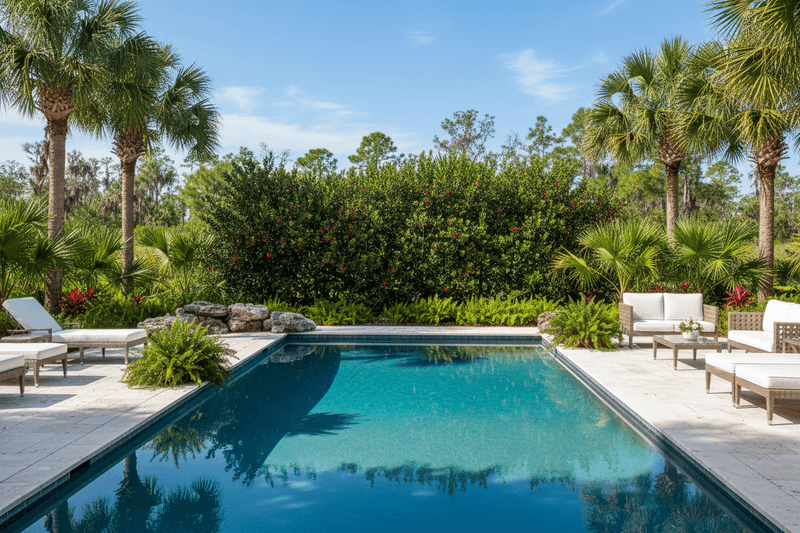
Reaching for a privacy plant that stays manageable without constant heavy pruning is something most Florida pool owners have in common, and dwarf yaupon holly fits that need surprisingly well. Unlike larger-growing hollies that can quickly outgrow a poolside space, the dwarf varieties of Ilex vomitoria stay compact and low-growing, typically topping out between two and five feet depending on the selection.
That smaller scale means you can use them to create a softer, lower privacy layer without worrying about an ever-expanding shrub taking over the deck area.
The fine-textured foliage is one of this plant’s best qualities. Small, rounded leaves create a light, almost delicate appearance that feels open rather than dense, even when plants are grouped together.
This airy quality makes dwarf yaupon holly a strong choice for pool areas where you want to define the space and provide some visual screening without building a thick, heavy border that makes the yard feel smaller.
Yaupon holly is native to Florida and highly adapted to the state’s varied soil and weather conditions. It handles both drought and occasional wet periods, which is especially valuable in Florida where summer rains can be intense.
Birds are attracted to the small berries on female plants, adding wildlife interest. Regular light trimming is all it needs to stay neat and proportional alongside the pool.
7. Sweet Viburnum Fills In Fast
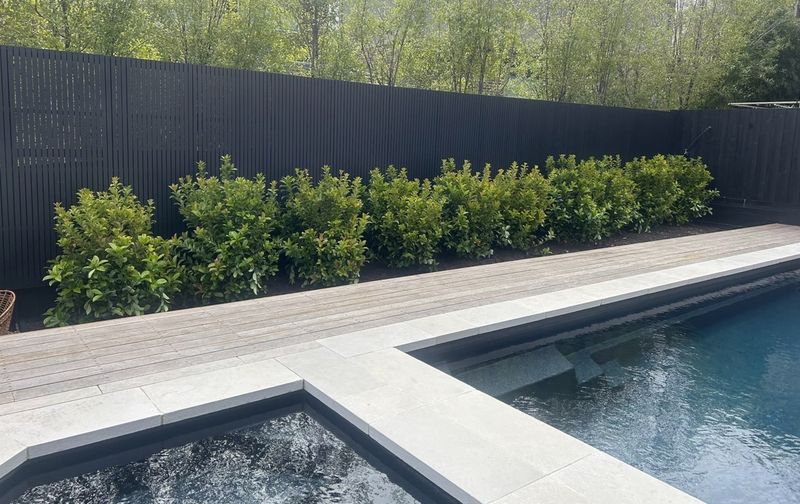
Speed matters to a lot of Florida homeowners who want poolside privacy sooner rather than later, and sweet viburnum delivers that faster than most other screening shrubs available in this climate. Viburnum odoratissimum can put on several feet of growth in a single season under good conditions, filling in gaps and creating a solid screen in a relatively short time.
That quick establishment makes it a popular choice for new pool installations where bare fencing or open sightlines need to be addressed quickly.
The catch, and it is worth being straightforward about this, is that sweet viburnum’s fast growth is also its main challenge. Without regular trimming, it can become very large and dense, pushing past the scale that works well around a pool.
Homeowners who stay on top of pruning two to three times per year will find it much easier to keep the plant at a reasonable size and density. Trimmed consistently, it holds a clean, glossy profile that looks intentional and well-maintained rather than overgrown.
In full sun to partial shade, sweet viburnum thrives across most of Florida and tolerates the state’s summer heat without much complaint. The glossy, broad leaves create a full-looking screen that blocks views effectively.
For gardeners willing to commit to regular maintenance, this plant offers one of the fastest paths to a lush, private pool area in Florida.
8. Clusia Works Best When You Want Broadleaf Privacy
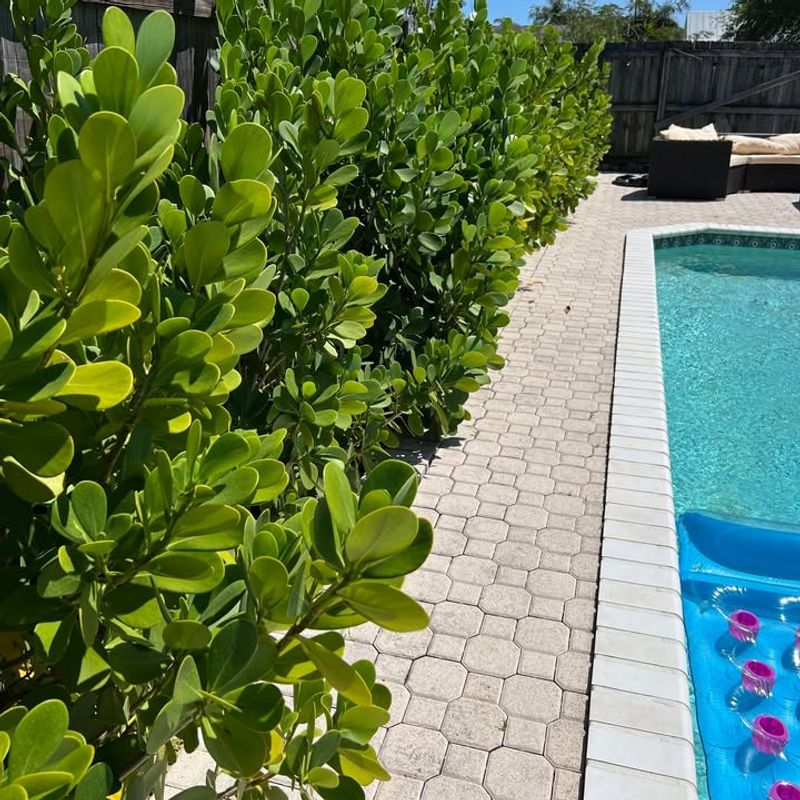
Bold, thick leaves and a naturally upright growth habit make clusia one of the more architecturally satisfying privacy plants available for Florida pools.
Clusia guttifera, often called small-leaf clusia, is the variety most commonly used as a hedge in Florida landscapes, and its paddle-shaped leaves create a clean, structured look that appeals to homeowners who prefer a more intentional, designed feel around the pool rather than a loose, naturalistic screen.
Clusia handles Florida’s heat, salt air, and sandy soils exceptionally well, which is why it has become a go-to choice for coastal and suburban pool areas across the state. It grows at a moderate pace, typically reaching eight to twelve feet when left unpruned, and responds well to shaping.
Regular trimming keeps the hedge looking sharp and prevents it from expanding past the space you have allocated for it. The broad leaves shed cleanly and do not tend to create the kind of constant debris that can be frustrating around a pool.
It is worth noting that clusia is not the lightest-looking plant on this list. Its dense, broad-leaved profile creates a more solid screen than finer-textured options, which is exactly what some homeowners want.
For pool areas where a clean, modern boundary is the goal, clusia provides a structured privacy solution that holds up well through Florida’s demanding growing seasons without requiring excessive intervention.
9. Firebush Brings Stunning Color
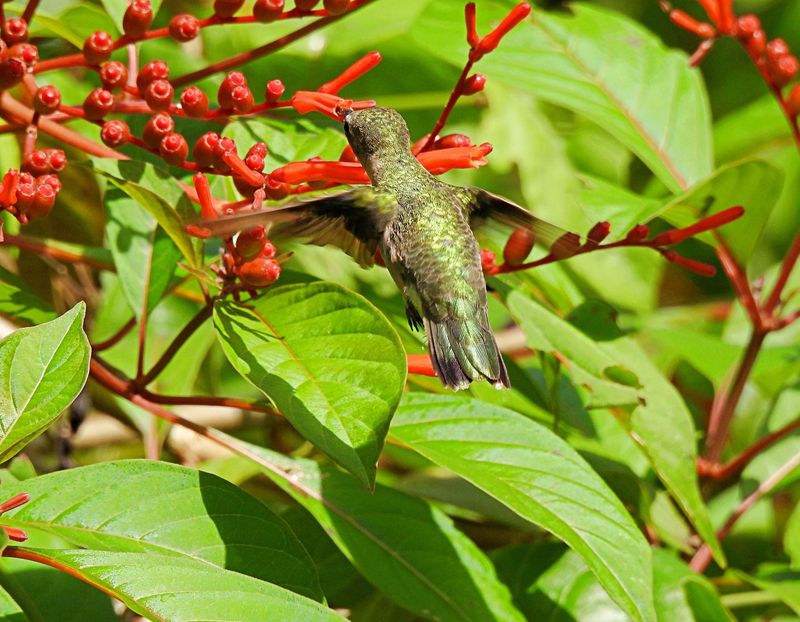
Color is not something most privacy plants offer, which is exactly what makes firebush stand out from the rest of the options on this list. Hamelia patens is a Florida-native shrub that produces clusters of vivid orange-red tubular flowers almost continuously from spring through fall, attracting hummingbirds and butterflies in numbers that make the poolside feel genuinely alive.
Beyond the floral display, the plant also functions as a soft privacy screen that helps define the pool area without building a formal hedge.
Firebush has an open, slightly arching growth habit that creates a looser visual barrier than shrubs with tighter, more structured forms. Planted in a grouping or along a fence line, it breaks up sightlines effectively while still allowing air and light to filter through.
That combination of partial screening and visual interest is hard to find in a single plant, and firebush delivers it reliably in Florida’s climate.
Growing six to twelve feet tall depending on conditions and pruning frequency, firebush can be kept at a manageable height with seasonal trimming. UF/IFAS endorses it as a Florida-friendly native that supports local pollinators and thrives in full sun to partial shade.
For pool areas where a touch of tropical color and a relaxed, garden-style screen are both priorities, firebush is a genuinely rewarding choice that earns its place in the landscape.
10. Florida Anise Gives Shadier Pool Areas A Fuller Screen
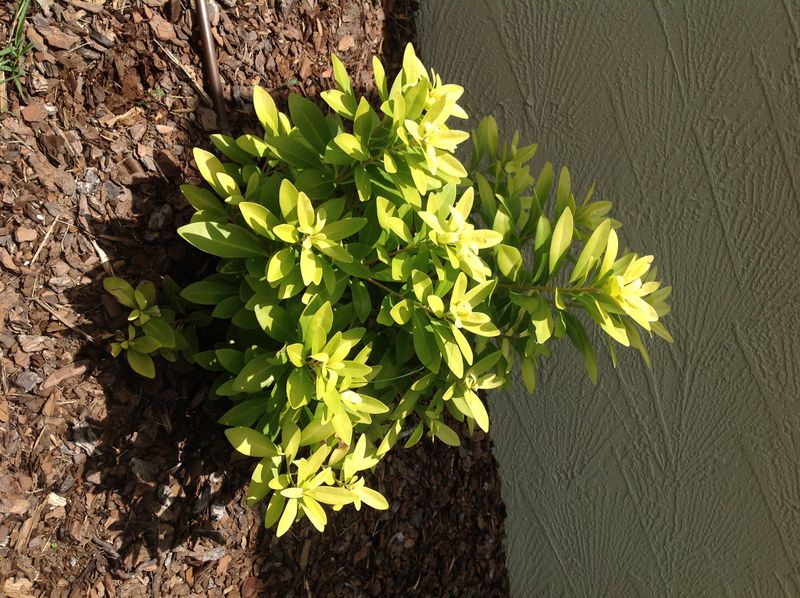
Shaded pool areas present a real challenge when it comes to finding privacy plants that actually perform well, and Florida anise is one of the most reliable solutions available for those lower-light conditions.
Illicium floridanum is a Florida native that grows naturally in moist, shaded woodland edges and stream banks, which means it is genuinely built for spots where most sun-loving shrubs would struggle and eventually decline.
Around a pool area with overhead tree canopy or significant shade from structures, this plant fills in with surprising fullness.
The foliage is large, dark, and glossy, giving the plant a lush, tropical presence that reads as full and private without feeling aggressive or out of control. Florida anise grows at a moderate rate and can reach six to twelve feet in height, making it tall enough to provide real screening while staying proportional to most residential pool spaces.
The leaves release a pleasant anise-like fragrance when brushed, which is a small but genuinely enjoyable quality in a plant you pass by regularly.
Unlike clusia, which relies on broad structural density to create its screen, Florida anise achieves its privacy through layered, overlapping foliage with a softer, more organic quality. It does not look harsh or overly manicured.
For Florida homeowners dealing with shaded or partly shaded poolside areas, Florida anise offers a calming, full-bodied privacy solution that fits naturally into the surrounding landscape without demanding constant attention.