6 Tips For Growing Fig Trees In Containers In Pennsylvania
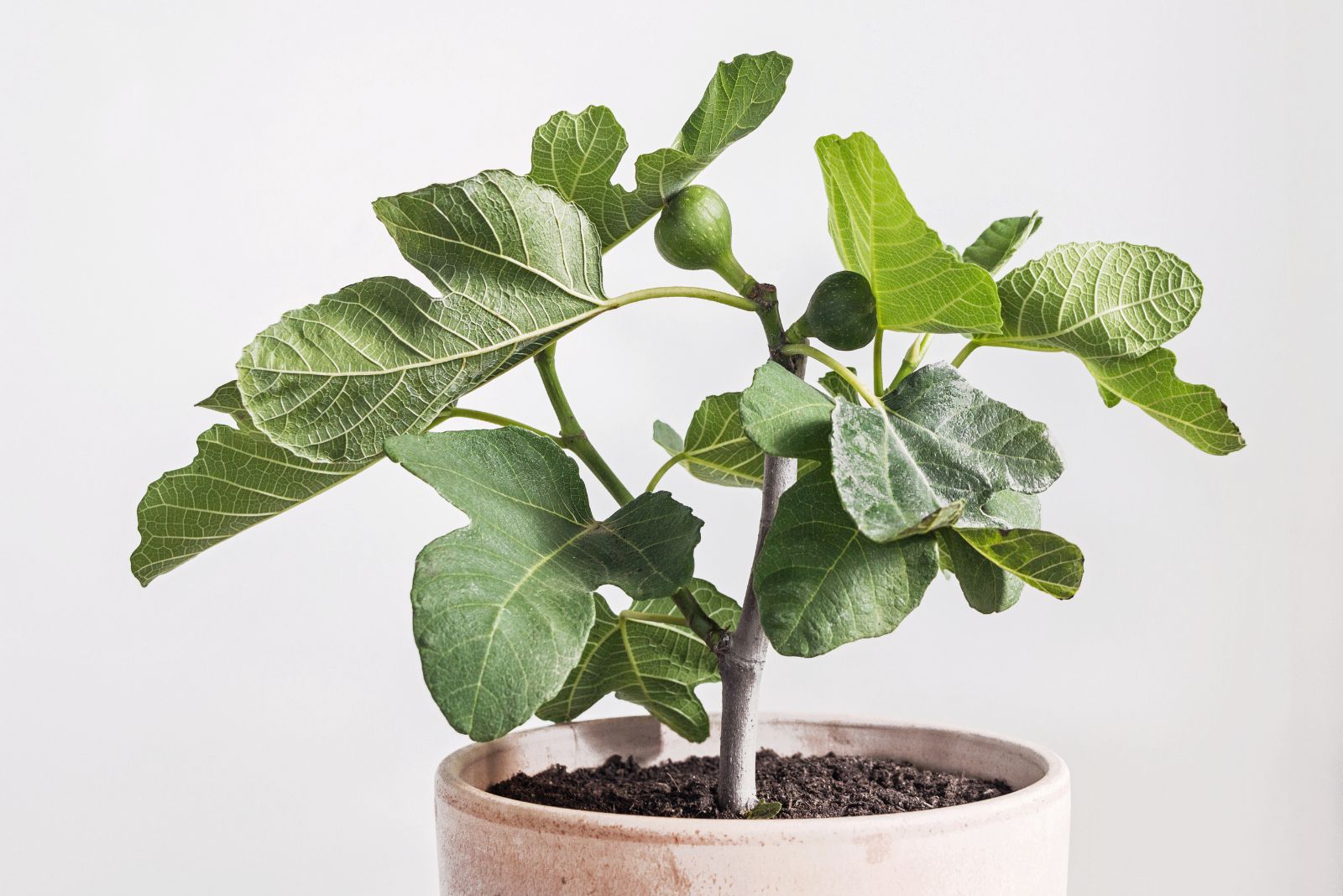
Fig trees might not be the first thing people picture in a Pennsylvania garden, which is exactly part of their charm.
There is something a little unexpected about growing a plant that feels more at home in warmer places and still getting it to thrive right on your patio, deck, or backyard corner.
That is where containers come in. Growing a fig tree in a pot gives you a lot more control, which can make all the difference in a state where winters get cold and the weather does not always play nice.
The good news is that fig trees can do really well in containers when they are set up the right way. A pot makes it easier to manage the soil, keep roots in check, and move the tree when temperatures start dropping.
It also gives gardeners with smaller spaces a chance to grow something both beautiful and productive without needing a big yard. If the idea of picking your own fresh figs in Pennsylvania sounds a little ambitious, it is actually more doable than many people think.
With the right care, a container-grown fig tree can be both practical and surprisingly rewarding.
1. Choose Cold-Hardy Fig Varieties
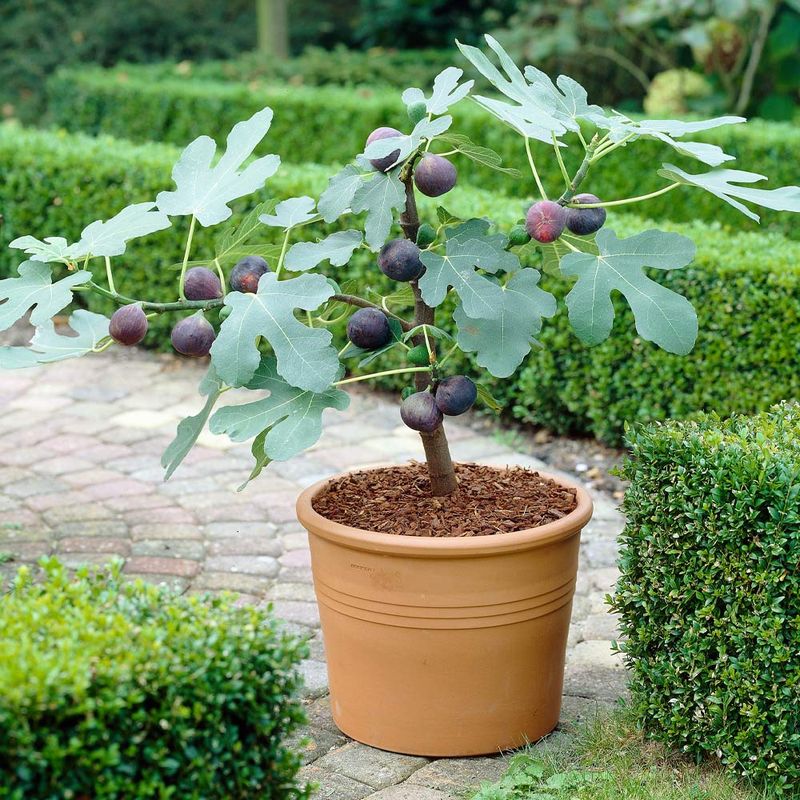
Not every fig tree is built for Pennsylvania winters, so picking the right variety from the start makes a huge difference. Some fig varieties are naturally tougher and can handle freezing temperatures far better than others.
Choosing a cold-hardy type is honestly the most important decision you will make as a container fig grower in this state.
Varieties like ‘Chicago Hardy’ and ‘Brown Turkey’ are two of the most popular choices for Pennsylvania gardeners. ‘Chicago Hardy’ is especially well-known for its ability to bounce back even after a rough winter.
‘Brown Turkey’ produces sweet, medium-sized fruit and is a reliable performer in containers across much of the northeastern United States.
Even cold-hardy varieties still appreciate some winter protection when grown in Pennsylvania.
Container roots are more exposed to freezing air than in-ground roots, so a tough variety gives you a head start but does not replace proper care. Think of it as choosing the right player for the team before the season even begins.
Local nurseries in Pennsylvania sometimes carry region-tested fig varieties that are worth asking about. Staff at these shops often have firsthand experience growing figs in the same climate you are dealing with.
A little conversation at the nursery can save you a lot of frustration down the road. Starting with the right variety also means you are more likely to see fruit faster. Cold-hardy figs tend to establish well in containers and begin producing within a season or two.
That is a rewarding payoff for making one smart choice at the very beginning of your fig-growing journey.
2. Use A Large, Insulated Container
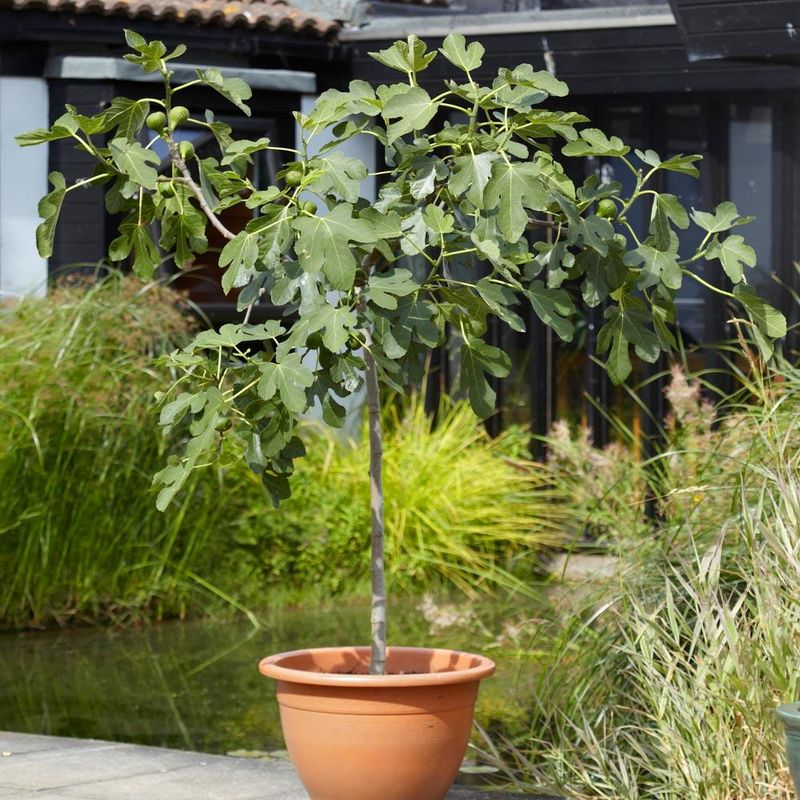
Pot size matters more than most people expect when it comes to growing figs in Pennsylvania. A container that is too small will restrict root growth, stress the tree, and make it harder for the plant to survive cold snaps.
Your Pennsylvania Garden Changes Every Week. Your Plan Should Too.
Gardening in Pennsylvania changes quickly throughout the season. Every Friday you’ll receive a simple weekly plan showing exactly what to plant, prune, fertilize, harvest, and protect so you never miss the right timing.
Starting with a pot that is at least 15 to 20 gallons gives your fig tree plenty of room to spread its roots and build strength.
Thicker container walls act like insulation for the roots. In Pennsylvania, where temperatures can swing dramatically between seasons, that extra buffer is genuinely helpful.
Materials like thick plastic, wood, or foam-insulated pots tend to hold heat better than thin terracotta, which can crack in freezing weather anyway.
Good drainage is non-negotiable. If water sits at the bottom of the pot with nowhere to go, root rot becomes a real problem.
Always check that your container has at least a few drainage holes before planting, and consider placing it on pot feet or a small platform to keep those holes clear.
As your fig tree grows, you may need to move up to a larger container every few years. When roots start poking out of the drainage holes or the tree looks stressed despite regular watering, that is a signal to repot.
Doing this in early spring, just before new growth begins, causes the least disruption to the tree.
Heavy containers can be tricky to move around a Pennsylvania yard or patio. Using a wheeled plant caddy under your pot makes repositioning much easier, especially when you need to bring the tree indoors for winter.
That simple addition can save your back and protect your tree at the same time.
3. Place In Full Sun
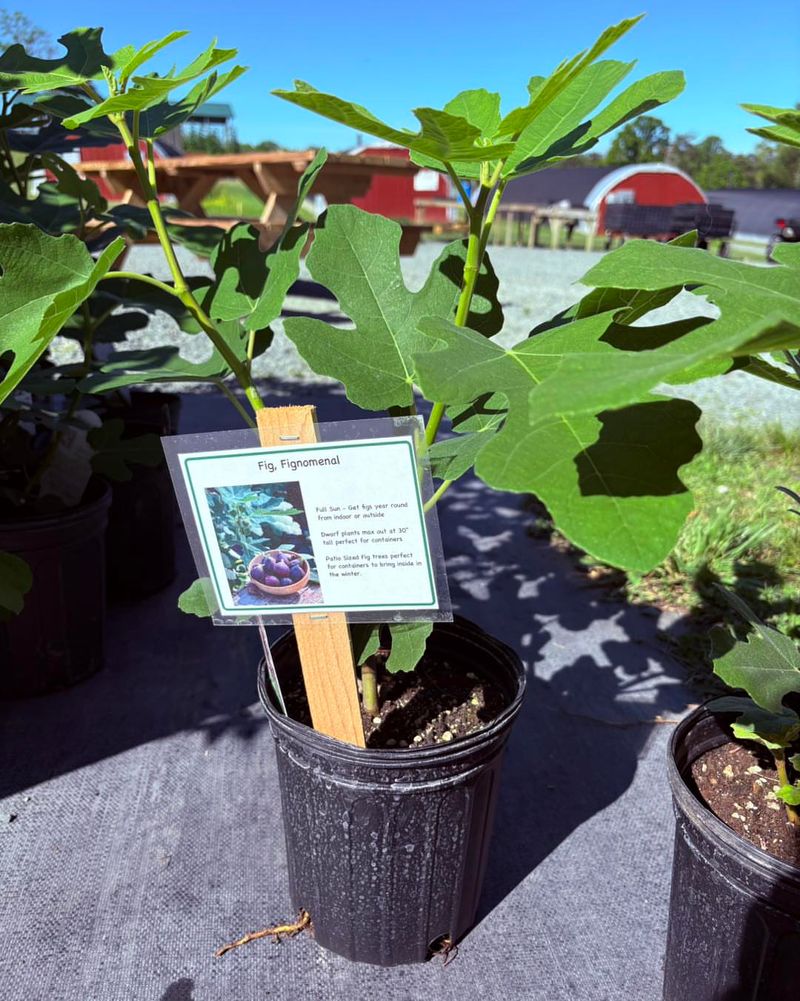
Sunlight is basically fig tree fuel. Without enough of it, your tree will grow slowly, produce fewer fruits, and generally look unhappy.
In Pennsylvania, where the growing season is shorter than in warmer states, making the most of every sunny day is essential for a productive container fig tree.
Aim for a spot that gets at least six to eight hours of direct sunlight each day. South-facing walls and patios are often ideal because they catch sun from morning through late afternoon.
A sheltered location near a wall or fence also helps trap warmth, creating a slightly warmer microclimate that Pennsylvania fig trees really appreciate.
One of the biggest advantages of growing figs in containers is that you can chase the sun. If a spot on your patio gets shaded out by a tree or building in mid-summer, simply roll your container to a sunnier location.
This kind of flexibility is something in-ground gardeners just do not have, and it can make a noticeable difference in fruit production.
Figs grown in shady conditions tend to produce a lot of leafy growth but very little fruit. If your tree looks lush and green but is not setting fruit, lack of sunlight is usually the first thing to investigate. Moving it to a brighter spot often solves the problem quickly.
During Pennsylvania’s hot summer months, a full-sun location combined with a sheltered wall can get quite warm. Keep an eye on soil moisture during heat waves, because containers in full sun dry out faster than those in partial shade.
Consistent watering paired with maximum sunlight is the winning combination for a fruitful fig tree.
4. Water Consistently But Do Not Overwater
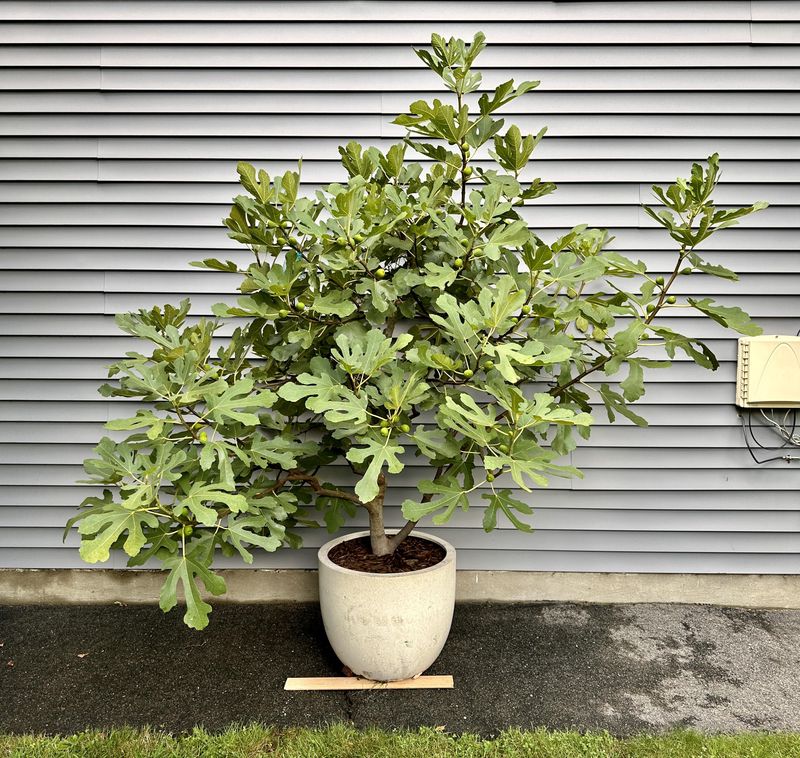
Watering a container fig tree sounds simple, but getting it right takes a little attention. Too little water and the tree gets stressed, drops leaves, and produces poor fruit.
Too much water and the roots suffocate in soggy soil, which is just as damaging. The sweet spot is keeping the soil evenly moist without letting it get waterlogged.
Container-grown figs in Pennsylvania dry out faster than in-ground trees, especially during hot summer stretches. The pot heats up in the sun, moisture evaporates quickly, and the tree can go from well-watered to thirsty in just a day or two.
Checking the soil regularly, rather than watering on a fixed schedule, is a much more reliable approach.
A simple way to check moisture is to push your finger about two inches into the soil. If it feels dry at that depth, it is time to water.
If it still feels moist, wait another day and check again. This method works better than guessing based on how the surface looks, since the top layer dries out first.
When you do water, do it thoroughly. Pour water slowly until it drains freely from the bottom of the pot.
This ensures the entire root zone gets hydrated rather than just the top few inches. Shallow watering encourages weak, surface-level root growth, which leaves the tree more vulnerable during Pennsylvania’s dry summer periods.
During cooler months in Pennsylvania, especially fall and early spring, your fig tree needs far less water. Overwatering during these slower growth periods is a common mistake.
Scale back your watering routine as temperatures drop and growth slows down, and your tree will thank you for it.
5. Fertilize Lightly During Active Growth
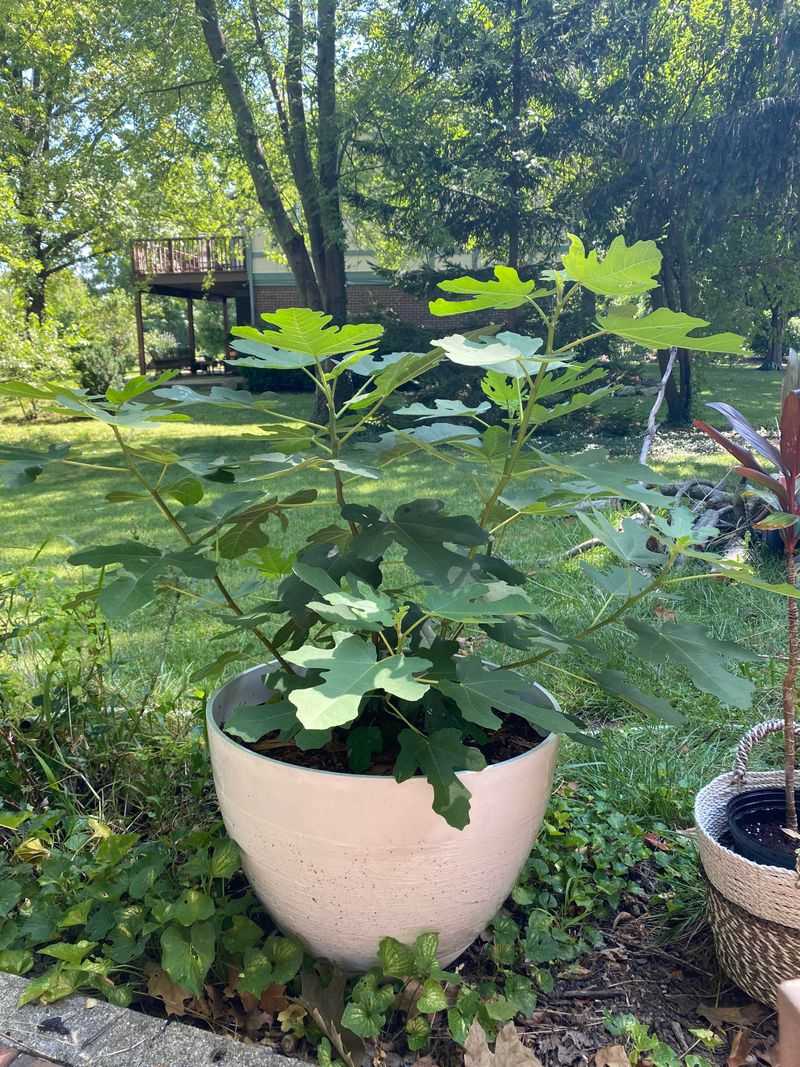
Feeding your fig tree at the right time and in the right amount can mean the difference between a tree that fruits well and one that just grows a jungle of leaves.
Figs are not heavy feeders, and in containers they can actually be sensitive to too much fertilizer. A light, steady approach works far better than dumping in a large dose all at once.
Early spring is the best time to start fertilizing your container fig in Pennsylvania. As the tree wakes up from its winter rest and new leaves begin to emerge, a balanced fertilizer with equal parts nitrogen, phosphorus, and potassium gives it a solid foundation for the season ahead.
A slow-release granular fertilizer sprinkled on top of the soil works well for most container fig growers.
Continue light feeding into early summer, then ease off. Over-fertilizing, especially with high-nitrogen products, pushes the tree to produce lots of leafy growth at the expense of fruit.
If you notice your tree looking very lush but not setting figs, scaling back on fertilizer is a good first step.
By midsummer in Pennsylvania, the tree should be focusing its energy on ripening fruit rather than putting out new growth. Fertilizing too late in the season can also encourage soft new growth that is more vulnerable when cooler fall temperatures arrive.
Stopping fertilization by late July is a reasonable rule of thumb for most Pennsylvania gardeners.
Organic options like fish emulsion or compost tea are gentle choices that reduce the risk of over-feeding. They release nutrients slowly and also support healthy soil biology in the container.
Many experienced fig growers in Pennsylvania swear by these milder options for keeping their trees productive without overdoing it.
6. Protect Your Fig Tree In Winter
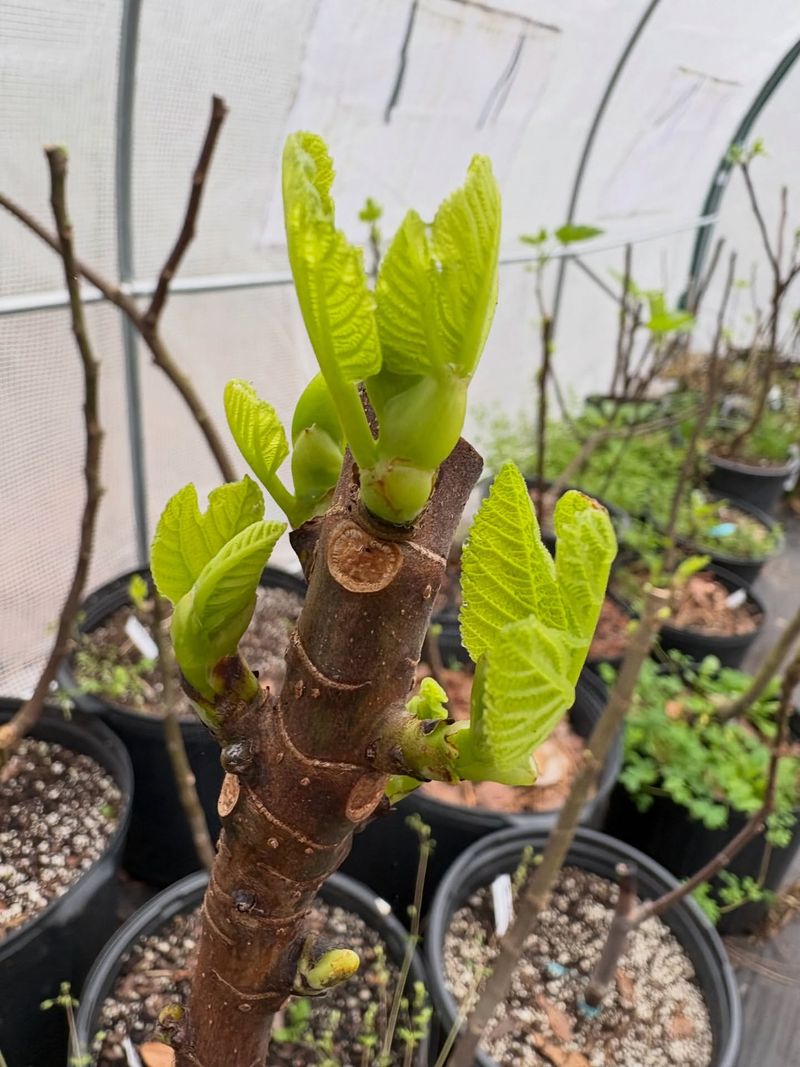
Winter is the season that trips up most Pennsylvania fig growers, especially those new to container gardening. Even cold-hardy varieties can suffer serious root damage when temperatures plunge below freezing for extended periods.
The good news is that container fig trees are actually easier to protect than in-ground ones because you can move them.
Moving your container tree into a garage, basement, or unheated shed before the first hard freeze is the most effective protection strategy. The goal is not to keep the tree warm and growing but simply to prevent the roots from freezing solid.
A cool, dark space where temperatures stay above freezing is all the tree needs to rest safely through a Pennsylvania winter.
Once inside, the tree will go dormant and drop most or all of its leaves. That is completely normal and expected.
Water it just enough to keep the roots from drying out completely, maybe once every three to four weeks. Too much water during dormancy can cause root problems, so less is more during this quiet period.
If moving the container indoors is not an option, you can protect it outdoors by wrapping the pot in several layers of burlap, bubble wrap, or insulating foam.
Pushing the pot up against a building wall adds another layer of protection from wind and cold. Mulching the top of the soil helps insulate the roots from above as well.
Timing matters in Pennsylvania. Move your tree or wrap it up before nighttime temperatures consistently drop below 20 degrees Fahrenheit.
Waiting too long risks exposing the roots to a damaging freeze. Getting into the habit of watching the forecast in late October and November will help you act at the right moment every year.