9 Native Seed Heads Ohio Gardeners Should Leave Standing For Birds
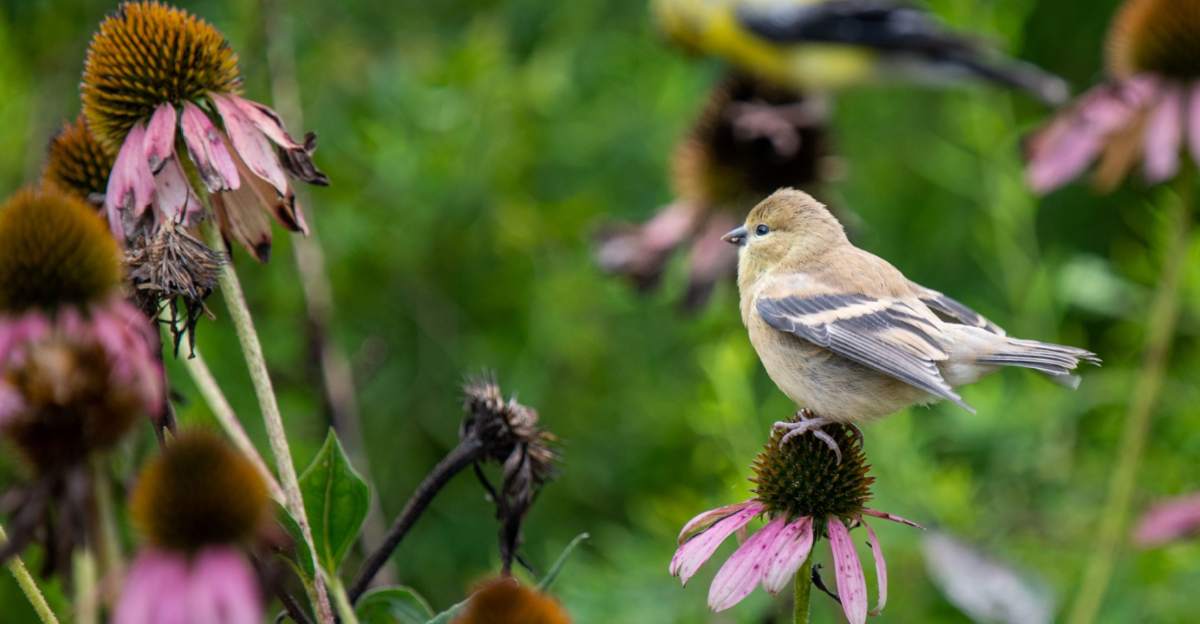
The garden may look finished when flowers fade, but for birds, that is when some of its best value begins. Seed heads that stand through fall and winter offer far more than a messy look.
They provide food, shelter, and a steady source of life in seasons when natural resources grow scarce. Many Ohio gardeners rush to cut everything back for a cleaner yard, not realizing they may also clear away one of the easiest ways to support backyard birds.
Native plants earn their keep long after bloom time ends, and their seed heads can turn a quiet winter bed into a busy feeding ground. A tidier landscape may please the eye for a moment, but a garden that keeps its seed heads standing gives wildlife something far more important.
These native picks prove that leaving a little behind can make your Ohio garden much more alive.
1. Purple Coneflower Keeps Goldfinches Coming Back
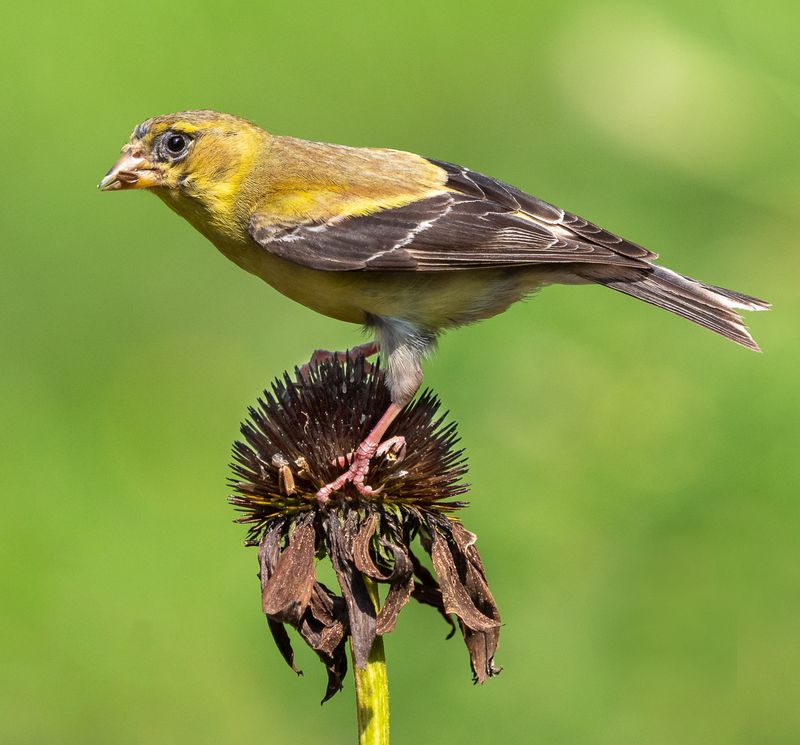
Watch a goldfinch work its way across a patch of dried coneflowers on a gray Ohio morning, and you will quickly understand why cutting these down in October is such a waste. Purple coneflower, known botanically as Echinacea purpurea, produces spiky, dome-shaped seed heads that hold their seeds remarkably well through cold weather, wind, and even heavy snow.
American goldfinches are the most frequent visitors, often clinging to the seed heads and pulling out seeds with impressive precision. Chickadees and dark-eyed juncos also stop by regularly.
The seeds are small but packed with energy, making them a genuinely useful food source during the months when natural nutrition is hardest to find.
Beyond bird value, coneflower seed heads add real structure to the winter garden. Their upright, architectural form looks striking against snow or frost, and they hold their shape through most of the season.
Ohio State University Extension recommends leaving coneflowers standing as part of a wildlife-friendly garden approach, noting the strong connection between Echinacea and seed-eating songbirds. Waiting until late winter or early spring to cut them back gives birds the full benefit of this dependable native plant.
2. Wild Bergamot Holds Onto Beauty After Bloom
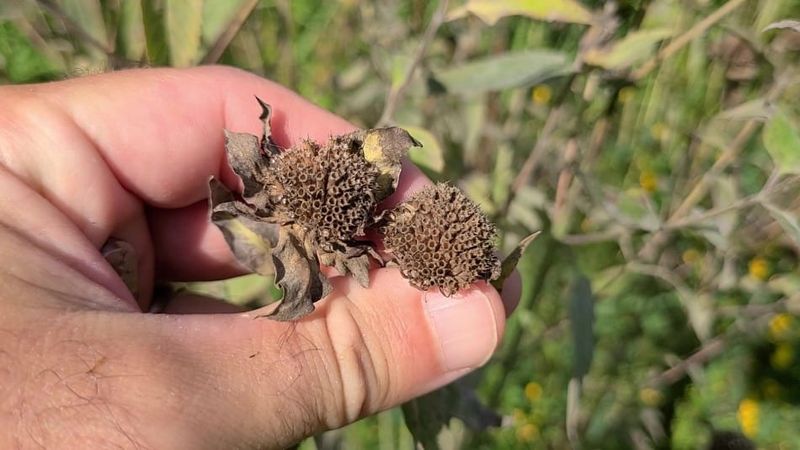
Most gardeners know wild bergamot for its lavender summer blooms, but the plant has a second act that often goes unnoticed. After the flowers fade, Monarda fistulosa forms round, bristly seed heads that stay attached to upright stems well into the colder months.
Those seed heads are not just decorative leftovers. They hold small seeds that certain birds actively seek out during fall and winter.
Goldfinches and sparrows are among the birds most likely to visit wild bergamot after bloom. The compact seed clusters sit at the top of stiff stems, staying visible above snow cover and remaining accessible even on cold, windy Ohio days.
That upright habit is actually one of the plant’s best qualities in a winter garden setting.
Wild bergamot is a tough, adaptable native that thrives across much of Ohio in well-drained soils. It spreads gradually to form loose colonies, which means a small planting can grow into a more substantial food source over time.
Your Ohio Garden Changes Every Week. Your Plan Should Too.
Gardening in Ohio changes quickly throughout the season. Every Friday you’ll receive a simple weekly plan showing exactly what to plant, prune, fertilize, harvest, and protect so you never miss the right timing.
Leaving the stems standing through winter also provides hollow stem habitat for small native bees. The combination of bird value, structural interest, and ecological function makes wild bergamot one of the most rewarding Ohio natives to leave untouched after summer ends.
3. Little Bluestem Feeds Birds And Looks Good Doing It
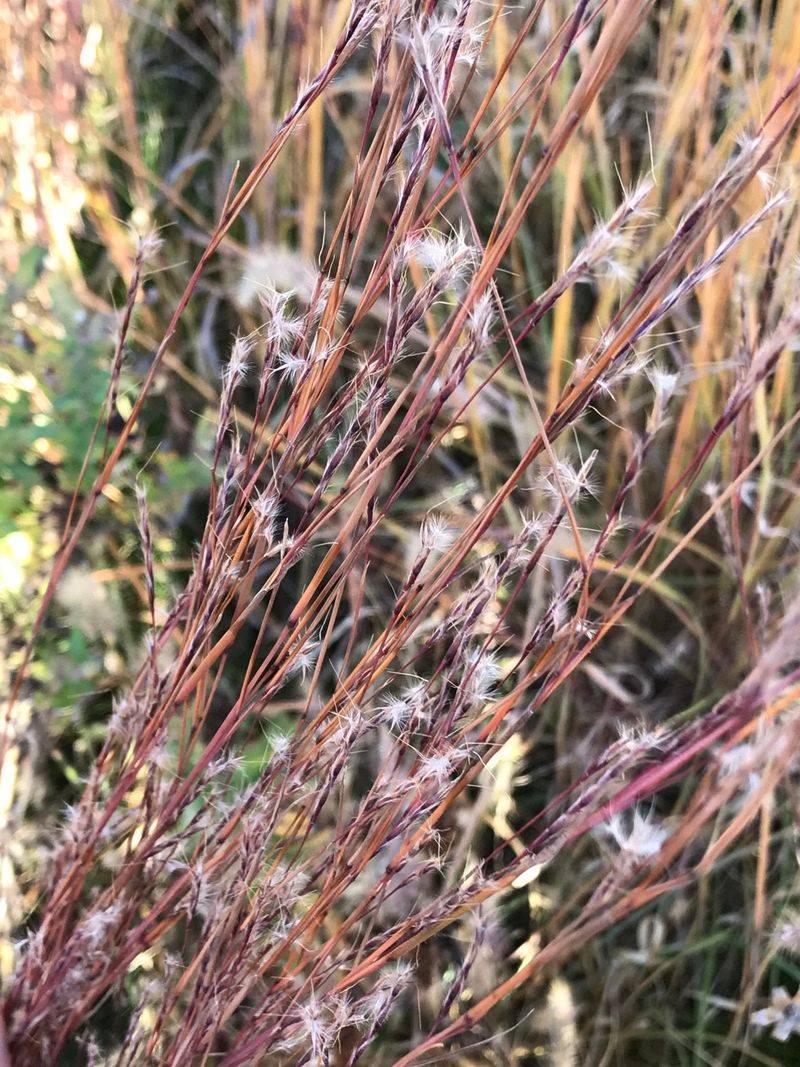
Few native plants earn their keep in a winter garden quite like little bluestem. When the temperatures drop in Ohio, this perennial grass shifts from summer green to rich copper and bronze, standing upright while most other plants collapse.
The fluffy, silver-white seed clusters that form along the stems are not just beautiful. They are a genuine food resource for birds foraging through the colder months.
Juncos, sparrows, and buntings are among the birds most commonly spotted feeding on little bluestem seeds in Ohio. The seeds are small and plentiful, and the plant holds them through much of the winter rather than dropping them all at once.
That slow release of seeds keeps birds returning to the same planting repeatedly, which is exactly the kind of reliable food source a winter garden should offer.
Schizachyrium scoparium is also one of the most structurally impressive grasses in the Ohio native palette. Its upright form resists lodging even in heavy snow, and the warm tones of the dried stems brighten beds that might otherwise look flat and colorless.
Brooklyn Botanic Garden and multiple Midwest native plant resources highlight little bluestem as a top choice for supporting birds through winter. Leaving it standing costs nothing and rewards you with both beauty and bird activity through the season.
4. New England Aster Carries The Garden Into Bird Season
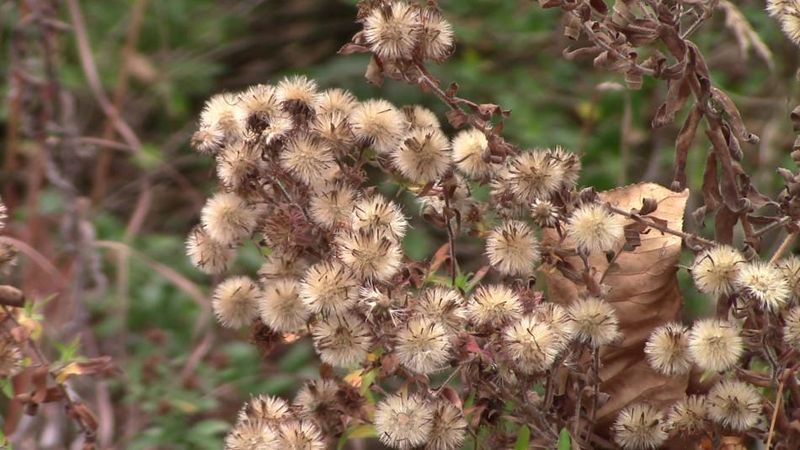
By the time New England aster finishes blooming in October, many Ohio gardeners are already thinking about putting the beds to rest. Cutting it back right away, though, removes a food source that several bird species are counting on just as the season turns cold.
Symphyotrichum novae-angliae produces small, fluffy seeds that persist on branching stems well into late fall and sometimes into early winter.
Sparrows are especially drawn to aster seed heads, and goldfinches will also work through them during fall migration and beyond. The seeds are light and numerous, making each plant a modest but meaningful contributor to the winter food supply.
In Ohio gardens where multiple asters grow together, the combined seed output can be quite significant for foraging birds.
New England aster is one of the latest-blooming natives in the Ohio landscape, which means it bridges the gap between the end of the growing season and the beginning of true winter. Its seed heads are not as bold or architectural as coneflower or cup plant, but they add a soft, feathery texture to the garden that looks natural and intentional.
Letting aster stand through November and into December gives birds the full benefit of this late-season native before you tidy up in late winter.
5. Black Eyed Susan Pulls Double Duty After Summer
There is a reason black-eyed Susan shows up in almost every Ohio native plant list. Rudbeckia hirta is tough, adaptable, and genuinely useful across multiple seasons.
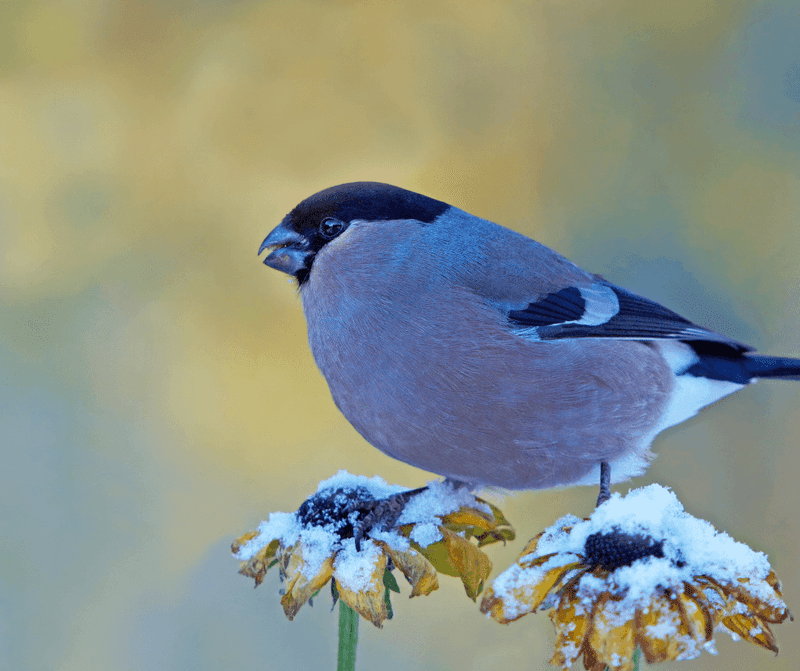
The cheerful yellow flowers that brighten summer beds turn into dark, cylindrical seed cones by fall, and those cones hold their seeds tightly through cold, wet Ohio winters.
Finches and sparrows are the primary visitors, pecking seeds directly from the dried cone heads. Chickadees will also stop by, especially during cold snaps when other food sources become scarce.
The seeds are small but nutritious, and because the plant tends to grow in clusters or drifts, a good planting of black-eyed Susans can keep birds busy for weeks at a time.
What makes this plant especially practical for Ohio gardeners is how familiar and low-maintenance it already is. Most people growing it do not need to change their routine much at all.
Simply skip the fall cutback and let the seed heads stand through winter. The upright stems hold the cones above snow level, keeping them accessible to foraging birds even after a significant snowfall.
Ohio State University Extension recognizes Rudbeckia as a strong native for wildlife gardens, and the seed head value alone makes it worth every inch of winter garden space it occupies.
6. Perennial Sunflowers Turn Seed Heads Into Bird Magnets
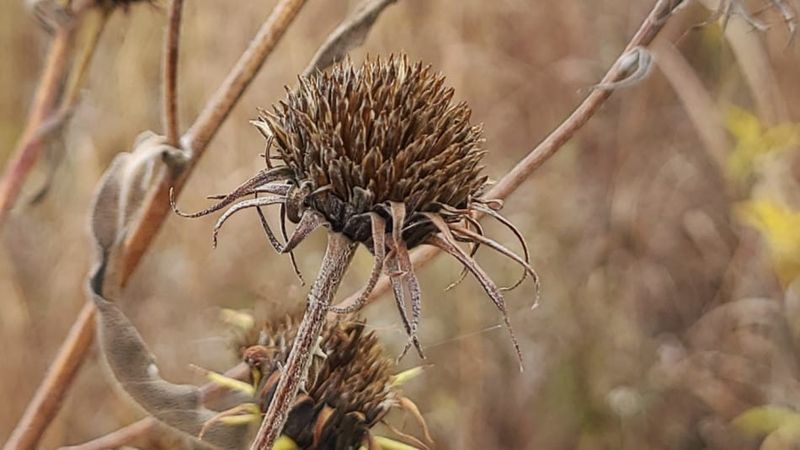
Annual sunflowers get most of the attention at bird feeders, but the native perennial sunflowers growing in Ohio gardens are just as valuable and far more self-sufficient. Species like Helianthus grosseserratus and Helianthus mollis produce bold, sunflower-style seed heads that stay attached on tall stems through fall and well into winter.
Those seeds are fat-rich and calorie-dense, exactly what birds need when temperatures fall.
Cardinals, nuthatches, chickadees, and downy woodpeckers are all known to visit native perennial sunflower seed heads. The larger seed size makes them accessible to a wider range of bird species compared to finer-seeded natives, and the tall stems keep the seed heads elevated and visible from a distance.
Birds spot them easily and return to the same plants repeatedly throughout the season.
Perennial sunflowers spread by rhizomes and can form impressive colonies over time, which only increases their value to Ohio wildlife. Cutting them back in early fall removes weeks of potential feeding opportunity for birds that are actively building fat reserves before the coldest part of winter arrives.
Letting them stand through December or even January costs almost nothing in garden terms but can make a real difference for the birds working your yard. Few plants offer this kind of return for so little effort.
7. Blazing Star Keeps Working Long After The Flowers Fade
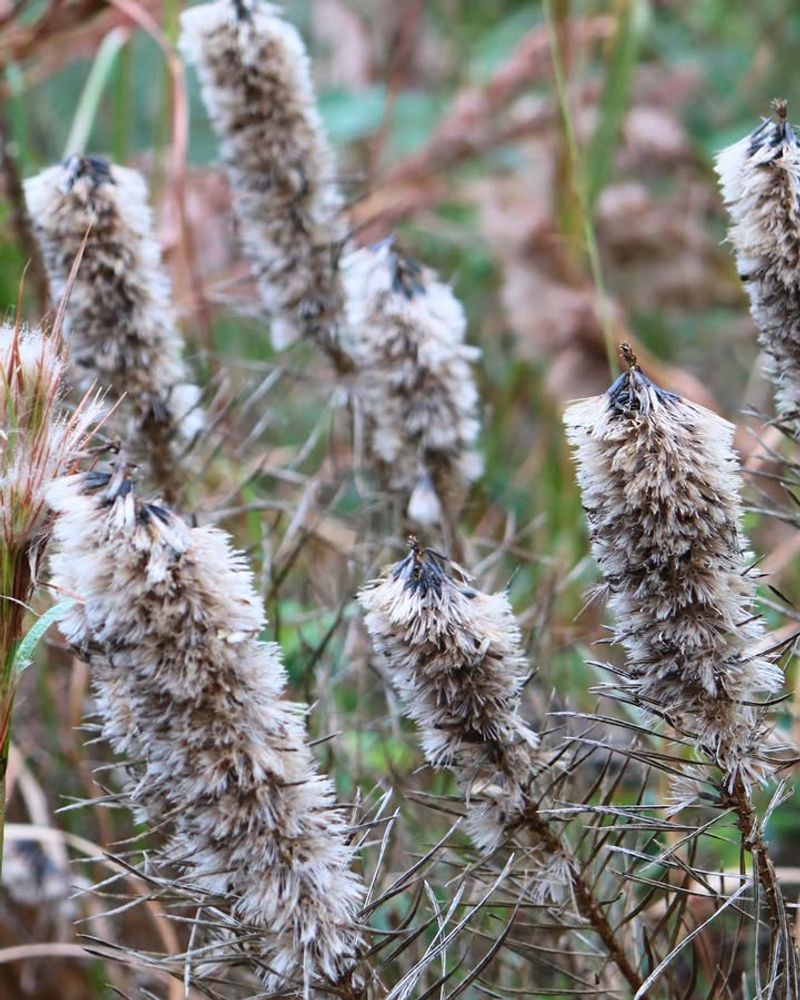
Blazing star is one of those plants that looks almost too good in bloom to imagine what comes after. The tall, vivid purple spikes of Liatris spicata are a summer highlight in Ohio native gardens, but the dried seed heads that follow are quieter, softer, and surprisingly useful for birds.
Small, fluffy seeds line the upright stalks and cling to the plant long after bloom season ends.
Goldfinches are the most consistent visitors to blazing star seed heads in Ohio. They cling to the dried stalks and work through the seeds methodically, often spending several minutes on a single spike.
The vertical form of the plant makes it easy for birds to land and hold on, even in windy conditions that would make feeding on shorter plants more difficult.
From a garden design perspective, blazing star retains its upright shape through much of the winter, adding slim vertical lines to beds that might otherwise flatten out after frost. The combination of structural presence and genuine bird value makes it one of the most rewarding natives to leave standing.
Ohio gardeners who grow Liatris in drifts of three or more plants will notice significantly more bird activity around the seed heads than with isolated specimens. Grouping plants always amplifies the impact for wildlife.
8. Cup Plant Gives Birds A Reason To Linger
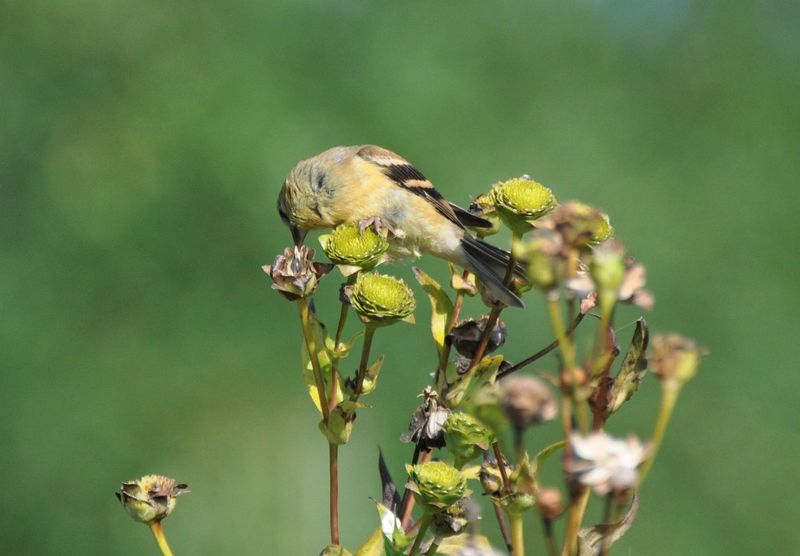
Cup plant earns its name from the way its paired leaves wrap around the stem and form a small cup that collects rainwater. But in winter, it earns a different kind of reputation entirely.
Silphium perfoliatum grows tall, often reaching six to eight feet, and produces large, sunflower-like seed heads that hold seeds through the colder months in a way that few other natives can match.
Goldfinches absolutely love cup plant seed heads. The seeds are relatively large for a native perennial, making them worth the effort for birds that need to pack in calories during cold Ohio winters.
Chickadees, sparrows, and even downy woodpeckers have been observed working through the dried heads when other food sources are limited. The sheer height of the plant keeps seed heads above snow cover in most Ohio winters.
Cup plant does best in moist to average soils and can spread aggressively in ideal conditions, so it works best in larger Ohio gardens where there is room to let it naturalize. Its tall, bold winter silhouette adds a dramatic vertical element to the back of a native border.
Leaving cup plant standing is not just a bird-friendly decision. It is also one of the easiest ways to give your winter garden a sense of scale and presence that smaller plants simply cannot provide.
9. Goldenrod Proves Fall Seed Heads Earn Their Space
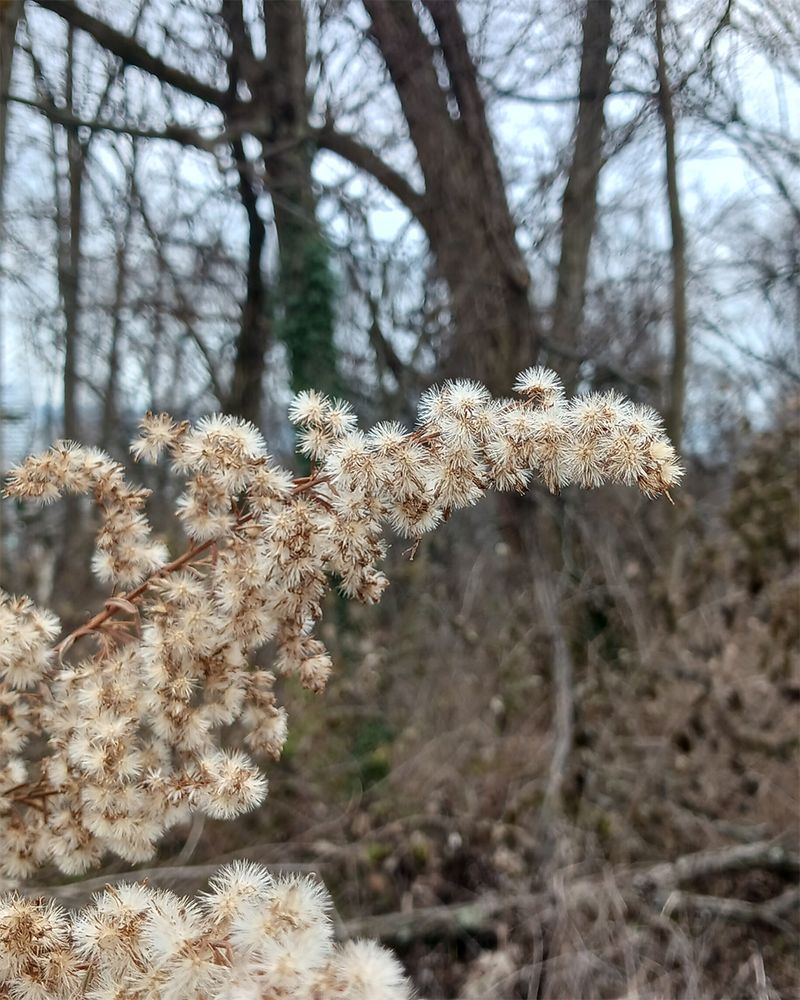
Goldenrod has a reputation problem. Many Ohio gardeners associate it with allergies or weedy roadsides, but the truth is that Solidago species are among the most ecologically productive natives in the entire region.
The bright yellow fall flowers get most of the attention, but the dense, fluffy seed heads that follow are a serious winter food source that many birds depend on.
Chickadees and titmice visit goldenrod seed heads regularly through fall and into winter, picking through the dried clusters with quick, efficient movements. Sparrows and juncos also forage at the base of goldenrod plantings where seeds have fallen to the ground.
The seed heads resist snow and wind reasonably well, staying accessible on the stems long after the first hard frosts hit Ohio.
There are dozens of native Solidago species found in Ohio, ranging from compact garden varieties to tall, spreading types suited to meadow plantings. All of them offer similar seed head value for birds, so choosing one that fits your space is straightforward.
Goldenrod also tends to hold its feathery seed clusters in an arching, graceful form through much of the winter, adding a soft, naturalistic quality to the garden. Giving goldenrod room to stand through the cold months rewards both the birds foraging in your yard and the overall seasonal character of your Ohio garden.