10 Ohio Plants To Start From Seed This Weekend Before It’s Too Late
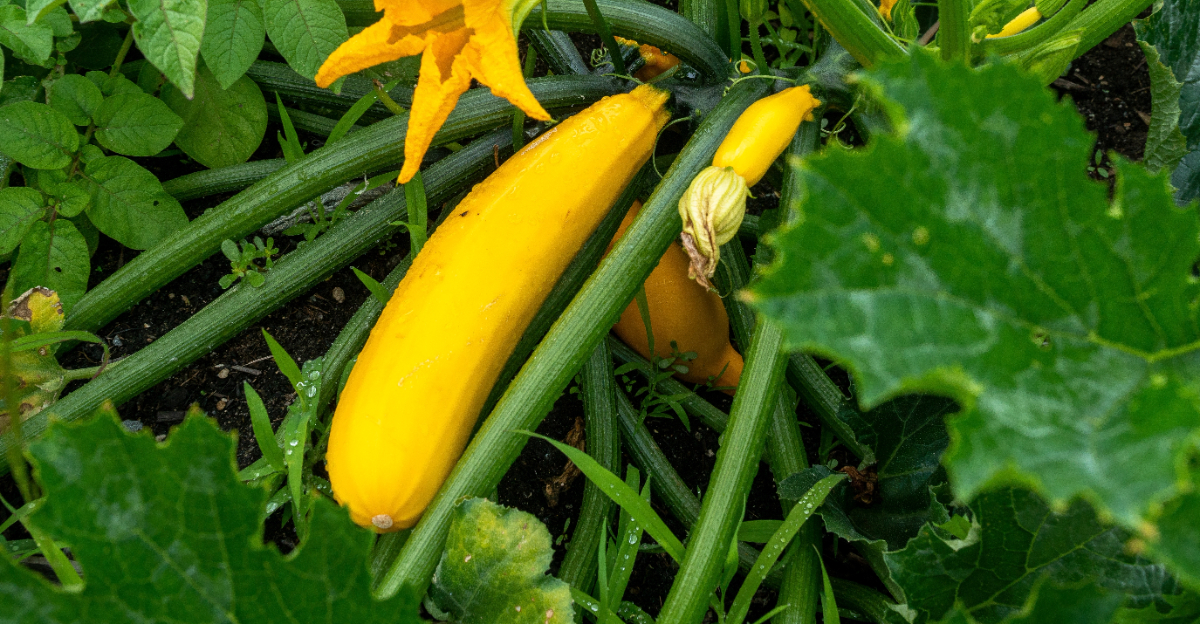
Late May is one of the best moments to be an Ohio gardener and it does not last long. The soil has finally warmed up, frost risk is fading, and the growing season is hitting its stride.
For anyone who has been waiting for the right conditions to sow directly outdoors, that wait is over. Some plants are perfectly on schedule right now.
Others are approaching the edge of their window and need to go in soon before the summer timeline gets too tight. Days to maturity matters more than it did in April, so variety selection carries real weight at this point in the season.
Gardeners in northern regions or along the Lake Erie shoreline should factor in local soil temperatures before committing. The conditions this weekend are as good as they get for direct sowing.
Prep the beds, grab the seeds, and use the timing while it is still working in your favor.
1. Beans Still Have Time To Grow Fast From Seed
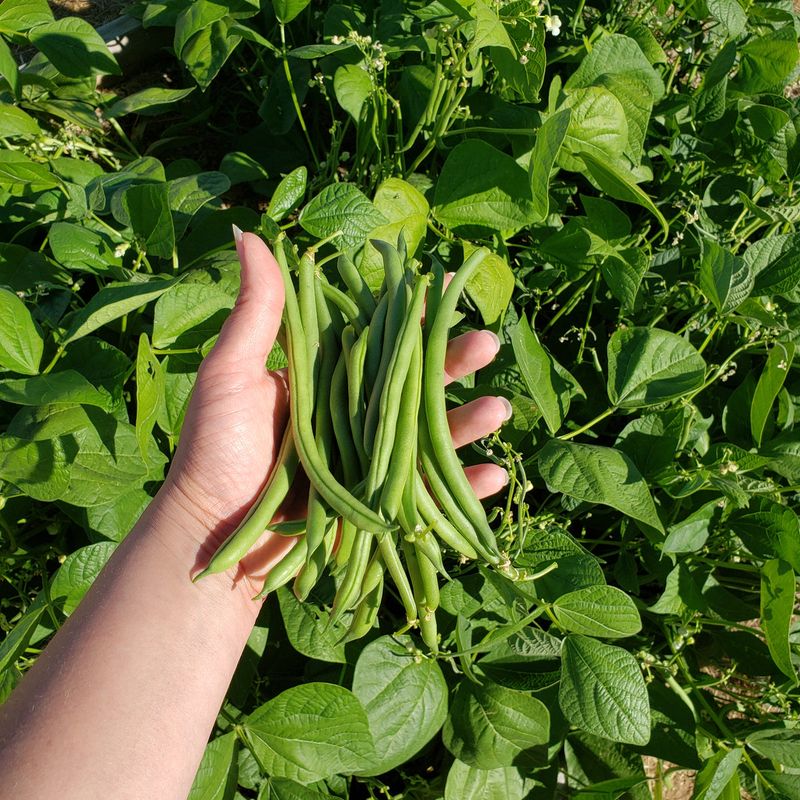
Few vegetables reward a late-May planting quite like beans. Bush beans and pole beans are among the fastest warm-season crops you can direct sow, and they absolutely love warm soil.
Once soil temperatures hit around 60 degrees Fahrenheit or warmer, bean seeds germinate quickly and get growing without much fuss.
Bush beans tend to produce their harvest all at once, usually within 50 to 60 days, which makes them a smart pick when the season is already moving.
Pole beans take a bit longer and need a trellis or stake for support, but they produce over a longer stretch of time, which many backyard gardeners prefer.
Choose a spot with full sun and well-drained soil. Beans do not like sitting in wet ground, so raised beds or slightly elevated rows work well if your yard holds moisture.
Plant seeds about an inch deep and a few inches apart. Skip the fertilizer heavy in nitrogen since beans fix their own nitrogen from the air.
Keep the soil consistently moist until seedlings emerge, which usually happens within a week or so in warm conditions. Sow now and you should be snapping beans by midsummer.
2. Cucumbers Catch Up Quickly In Warm Soil
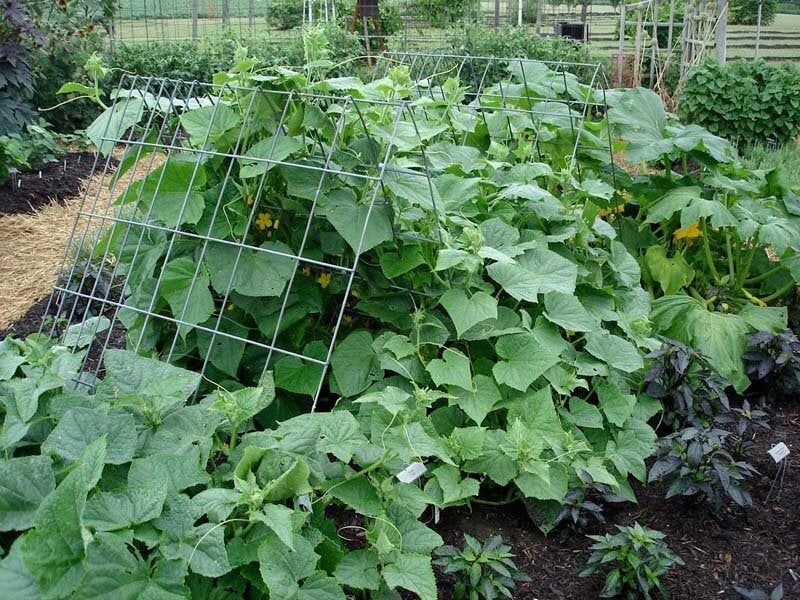
Cucumbers are one of those crops that actually prefer being sown directly in warm soil rather than being transplanted.
They dislike root disturbance and cold ground, so late May is genuinely one of the better times to sow them outdoors in most parts of this state.
Soil temperatures above 65 degrees Fahrenheit help seeds sprout within a week.
Pick a spot with full sun and fertile, well-drained soil. Cucumbers are thirsty plants, so consistent moisture is important from the time seeds go in until harvest.
Mulching around the base of plants once they emerge helps hold soil moisture and keeps weeds down at the same time.
If your garden space is limited, training vines up a trellis saves room and keeps fruit cleaner and easier to spot. When planting late in the season, pay close attention to the days-to-maturity number on the seed packet.
Your Ohio Garden Changes Every Week. Your Plan Should Too.
Gardening in Ohio changes quickly throughout the season. Every Friday you’ll receive a simple weekly plan showing exactly what to plant, prune, fertilize, harvest, and protect so you never miss the right timing.
Varieties in the 50 to 60 day range are smarter choices for a late-May start than longer-season types. Slicing cucumbers, pickling cucumbers, and compact bush types all have good options in that faster range.
Sow a few extra seeds per spot and thin to the strongest seedling once they are up.
3. Zucchini Can Still Produce From A Late May Sowing
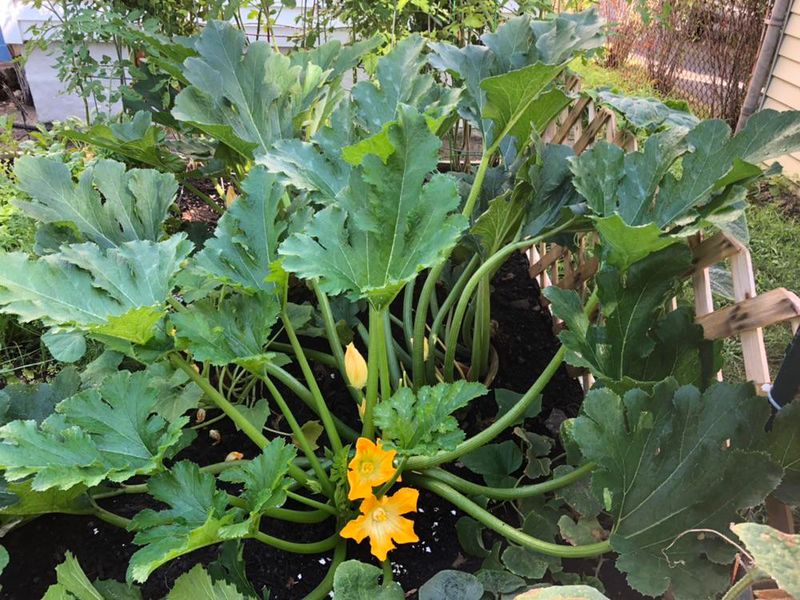
Zucchini might be the most reliably fast summer vegetable a gardener can grow. Once nights stay mild and soil is warm, zucchini takes off with almost no encouragement.
A late-May direct sowing in warm soil can have you harvesting fruit in as little as 45 to 55 days, depending on the variety.
Plant seeds in full sun with rich, well-drained soil amended with compost if possible. Zucchini plants get large, so give each one plenty of room, at least two to three feet of space in all directions.
Crowding plants together invites poor airflow, which can lead to powdery mildew as summer humidity builds.
Steady moisture is key, especially while plants are young and establishing roots. Once zucchini starts producing, check plants every day or two because fruits can go from perfect to oversized very quickly in warm weather.
Starting plants now also means you will want to keep an eye out for squash bugs and squash vine borers, both of which are active in summer gardens across this state. Catching them early makes a real difference.
A late-May planting often sidesteps the earliest pest pressure, which is one unexpected benefit of not rushing to plant too soon.
4. Summer Squash Rewards Warm-Weather Planting
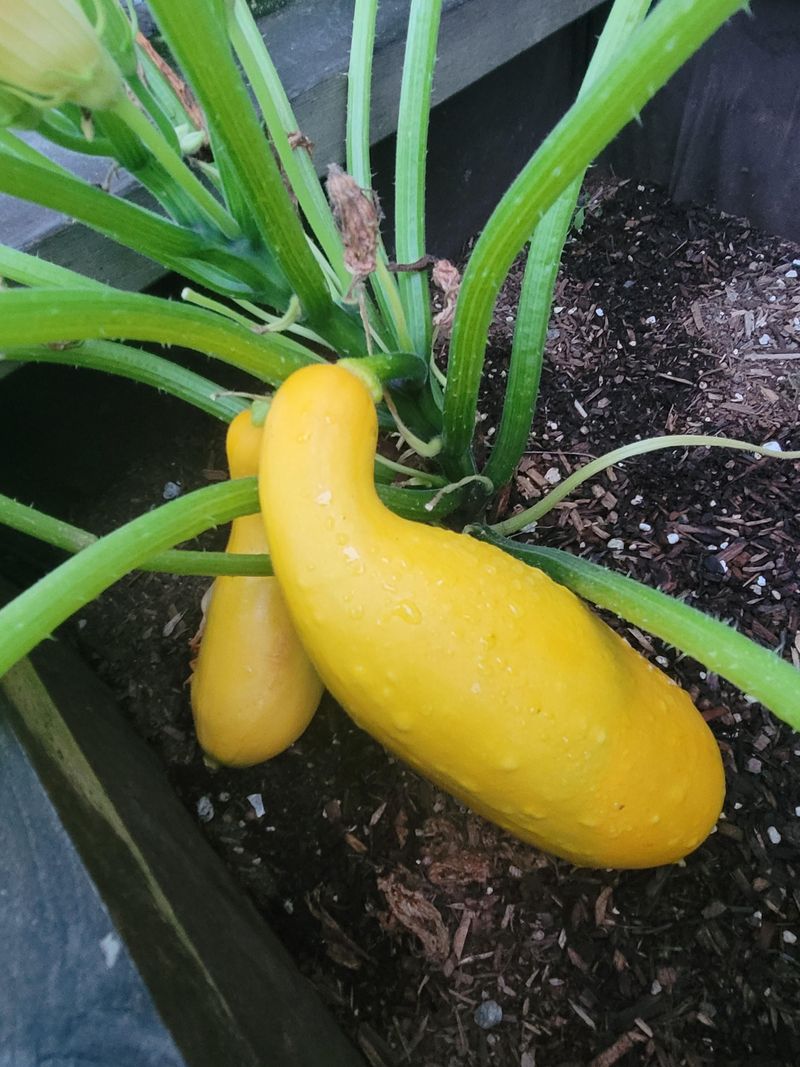
Yellow crookneck squash, straight-neck squash, and pattypan squash all belong to the same warm-season family as zucchini.
They share the same love of warm soil and sunny weather. Planting them from seed in late May puts them right in their element.
Most summer squash varieties reach harvest in 50 to 60 days, which means steady picking through July and into August.
Give these plants a generous amount of space because their leaves can spread wide and shade out smaller neighbors. Full sun is non-negotiable for good production.
Rich, well-drained soil with plenty of organic matter gives them the nutrients they need to push out fruit consistently through the hottest weeks of summer.
Consistent watering at the base of plants, rather than overhead, helps reduce the chance of leaf disease in humid summer conditions. Summer squash matures much faster than winter squash, which is exactly why it is a smarter late-May seed choice.
Winter squash needs a long season and is risky to start this late in most parts of the state. Stick with summer types now and save the winter squash experiment for next year when you can plan the timing better from the start.
5. Pumpkins Need A Head Start Before The Season Slips Away
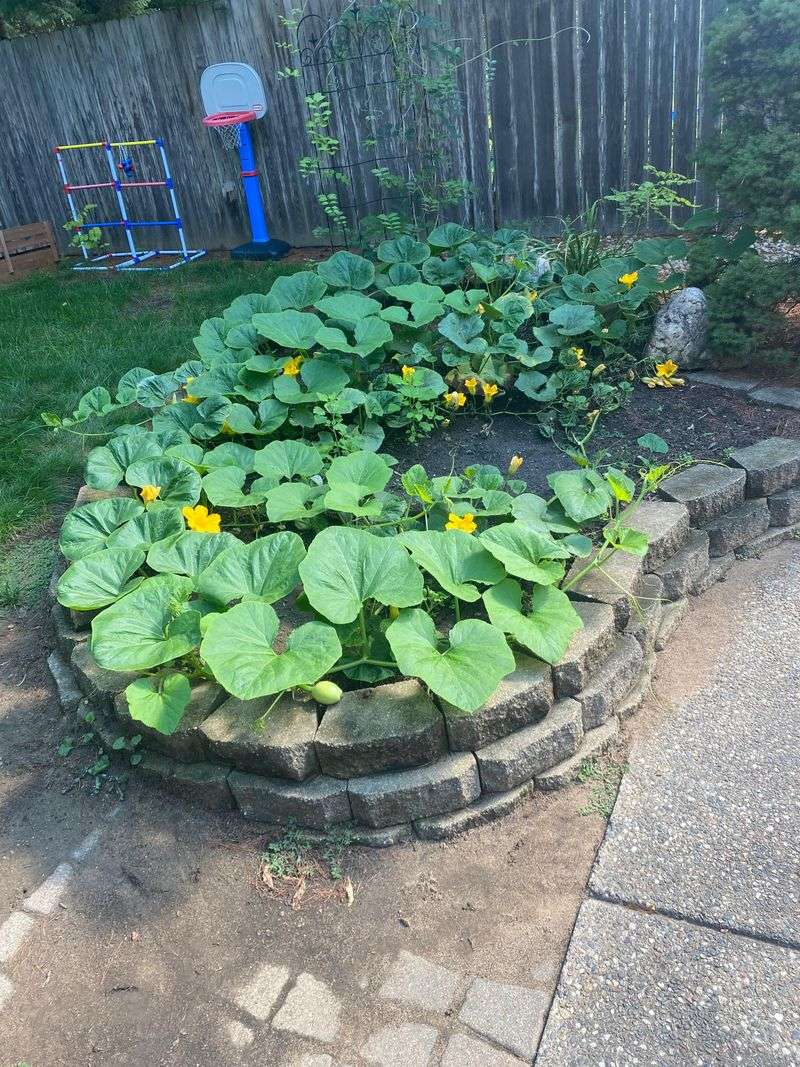
Pumpkins are a warm-season crop that can still be started from seed in late May, but timing matters more here than with any other plant on this list. Most pumpkin varieties need 90 to 120 days to reach full maturity.
That means a late-May planting pushes harvest right to the edge of the first fall frost window in many parts of this state.
If you want to give pumpkins a real shot, choose faster-maturing varieties in the 85 to 95 day range rather than the big long-season types. Small sugar pumpkins and medium-sized carving varieties in that faster range are your best bet for a late start.
Very large pumpkins bred for giant competitions need a much longer season and are genuinely risky from a late-May sowing in most local gardens.
Pumpkins need full sun, warm soil, lots of space for sprawling vines, and steady moisture throughout the season. Plant seeds about an inch deep in hills or mounds of well-amended soil.
Thin to the two strongest seedlings per hill once they sprout. Mark your calendar with an estimated harvest date based on your variety so you can track whether the season is cooperating as summer moves along.
6. Sweet Corn Belongs In Warm Soil, Not Cold Spring Ground
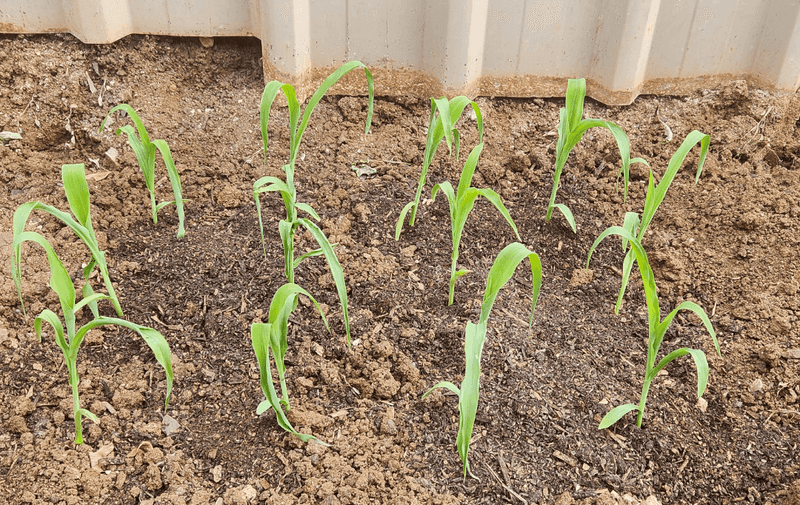
Sweet corn is a crop that truly belongs in warm soil, and late May delivers exactly that in most parts of this state. Cold spring ground slows germination dramatically and invites seed rot.
That is why many experienced Ohio gardeners wait until now rather than rushing to plant in early spring. Soil temperatures of at least 60 degrees Fahrenheit, and ideally closer to 65 or 70, give seeds the best start.
Most sweet corn varieties mature in 65 to 85 days, which means a late-May planting can still bring in a solid harvest before the end of summer.
Choose a variety with days to maturity on the shorter end if you are in a frost-prone area or in the northern parts of the state where the season wraps up earlier.
Full sun and fertile, well-drained soil are essential. Corn is a heavy feeder, so working compost into the planting area beforehand pays off.
One of the most important tips for home gardeners is to plant in blocks rather than a single long row.
Corn is wind-pollinated, and planting in a grid pattern of at least four rows side by side dramatically improves pollination and results in fuller ears at harvest time.
7. Sunflowers Grow Quickly Once Nights Stay Mild
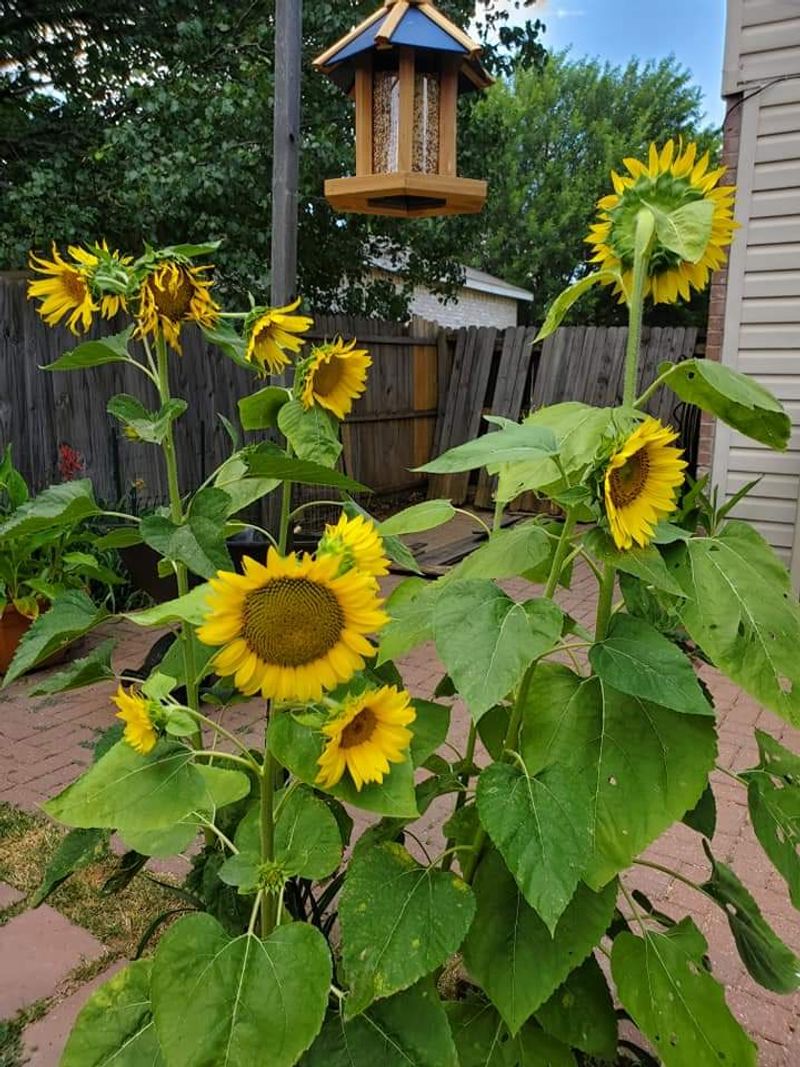
Sunflowers are one of the most satisfying seeds to sow because they grow fast, look spectacular, and ask for very little in return.
Direct sowing in late May works beautifully once nights have settled above 50 degrees Fahrenheit and the soil has warmed.
Seeds typically germinate within 7 to 14 days in warm conditions and grow quickly from there.
Taller sunflower varieties can reach six feet or more, so plant them where they will not shade out shorter plants nearby. Dwarf and mid-sized varieties are great choices for borders, raised beds, or containers where vertical space is limited.
All types prefer full sun and well-drained soil. Sunflowers are surprisingly drought-tolerant once established, though consistent moisture during germination and early growth helps them get off to a strong start.
One practical note worth knowing: young sunflower seedlings are a favorite target for birds and squirrels, who will happily dig up seeds or snap off tender sprouts.
Covering the area with lightweight row cover or a simple wire cage until seedlings are a few inches tall can prevent that frustration.
Sunflowers planted now in warm soil can be blooming by mid to late July, bringing color and pollinators to summer gardens at exactly the right time.
8. Basil Loves The Heat After Cool Nights Pass
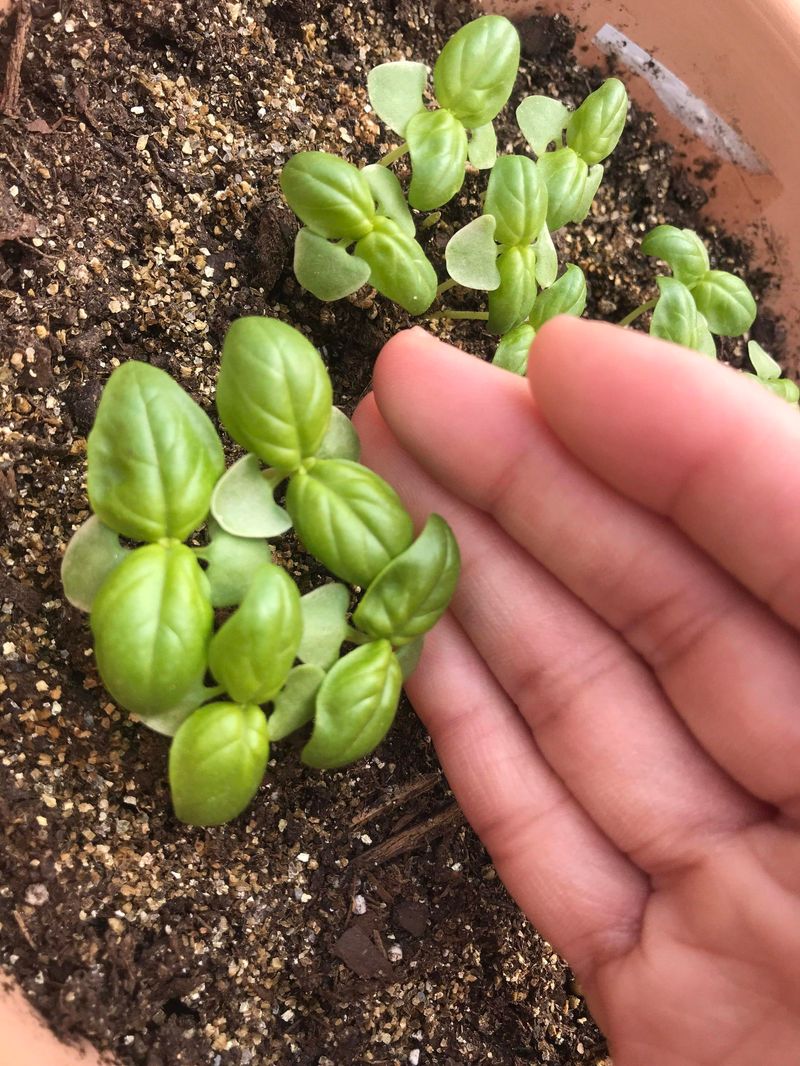
Basil is famously fussy about cold, and that is actually good news for late-May planting. Once nights are consistently above 50 degrees Fahrenheit and the soil feels warm to the touch, basil seeds germinate readily and grow with real enthusiasm.
Rushing basil into cool conditions stunts its growth and causes leaves to blacken, so waiting until now is genuinely the right move.
Sow seeds in full sun in well-drained soil or in containers with good drainage. Basil does not like wet feet, so avoid overwatering even as you keep the soil evenly moist during germination.
Seeds sprout in about 5 to 10 days in warm conditions. Once seedlings are a few inches tall, thin them to give each plant enough room to bush out properly.
Regular harvesting is the secret to keeping basil productive all summer. Pinch off flower buds as soon as they appear to redirect the plant’s energy back into leaf production.
Letting basil bolt and flower too early shortens the harvest window significantly. Genovese basil is the classic choice for cooking, but Thai basil, lemon basil, and purple basil are all worth trying from seed.
A few pots of basil near the kitchen door make fresh herbs easy to grab all season long.
9. Zinnias Bring Fast Color From Direct Sowing
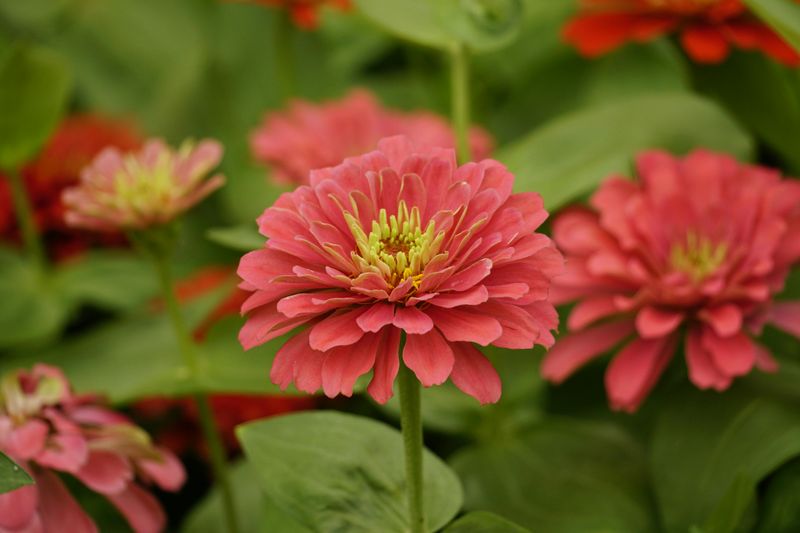
Zinnias are the workhorses of the summer flower garden, and they are perfectly suited to a late-May direct sowing. They sprout fast, grow quickly in warm conditions, and start blooming in as little as 60 to 70 days from seed.
Few annual flowers offer this much color for this little effort.
That is why they show up in vegetable beds, flower borders, and cutting gardens all across this state every summer.
Direct sow zinnia seeds in full sun after frost danger has fully passed, which it almost certainly has by late May in most local gardens. Press seeds lightly into well-drained soil and keep the area moist until seedlings emerge.
Thin plants to give each one good airflow.
That becomes especially important during humid summer stretches when powdery mildew can become a problem on crowded zinnia leaves.
Compact varieties like Zahara or Profusion work well in containers and border edges. Taller cut-flower types like Benary’s Giant need more room but produce large blooms that are stunning in arrangements.
Trimming spent flowers regularly keeps new buds forming all the way until frost. Zinnias also attract butterflies and beneficial insects, making them as useful as they are beautiful in any summer garden.
10. Cosmos Can Still Bloom From Seed Before Fall
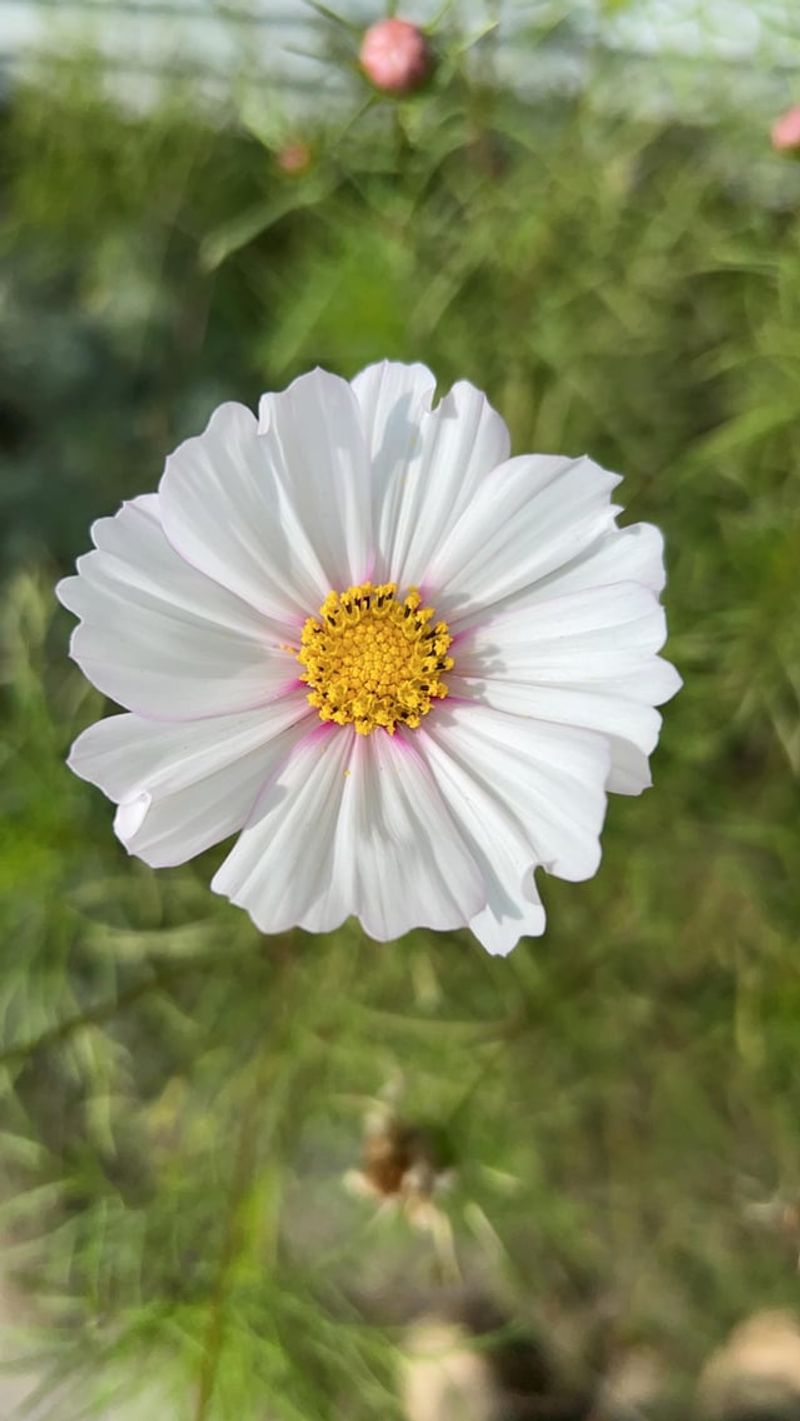
Cosmos are one of those flowers that almost seem designed for gardeners who got a late start. They grow quickly from seed in warm conditions and tolerate lean soil without complaint.
They also produce airy, delicate blooms that keep coming from midsummer right up to the first fall frost. A late-May sowing can realistically have cosmos blooming by mid to late July.
Plant seeds in full sun in well-drained soil. Here is the part that surprises many first-time growers: cosmos actually perform better in average or even poor soil.
Rich soil loaded with fertilizer tends to push the plant toward producing lush, leafy growth at the expense of flowers. Skip the heavy feeding and let cosmos do their thing on their own terms.
Cosmos bipinnatus, the common garden cosmos, comes in shades of pink, white, and deep rose, with feathery foliage that moves beautifully in a breeze.
Cosmos sulphureus offers warmer tones in orange, red, and yellow and tends to be a bit more compact.
Both types benefit from regular trimming or cutting, which signals the plant to keep producing new buds. Cutting fresh stems for indoor arrangements is one of the best ways to keep the blooms coming strong all the way into early fall.