7 Heat-Tolerant Native Flowers For Eastern Pennsylvania
Eastern Pennsylvania gardeners know summer can be a mixed bag. One stretch of the season feels perfect, and the next brings blazing sun, dry soil, and flower beds that suddenly look a lot less happy.
That is why heat-tolerant native flowers are such a smart choice. They are already adapted to the region, which means they can handle tough conditions better than many plants that need extra attention just to get through a hot week.
When the weather turns intense, that kind of built-in resilience starts to matter fast. There is also something especially satisfying about planting flowers that look good and make sense for the place where you live.
Native blooms can bring color, texture, and movement to a garden without feeling forced or overly delicate.
Many also attract pollinators, which gives your yard even more life during the warmest months. For Eastern Pennsylvania gardeners, the right native flowers can keep beds looking lively long after less suited plants start fading.
If you want summer color that can hold up without becoming a constant chore, this is the kind of planting choice that pays off in a big way.
1. Purple Coneflower (Echinacea Purpurea)
Ask any experienced gardener in Eastern Pennsylvania what plant they trust most in a hot summer, and Purple Coneflower will come up fast.
This tough native perennial has been growing wild across the region for centuries, and it handles heat, drought, and poor soil without complaint. Once it gets established in your yard, it basically takes care of itself.
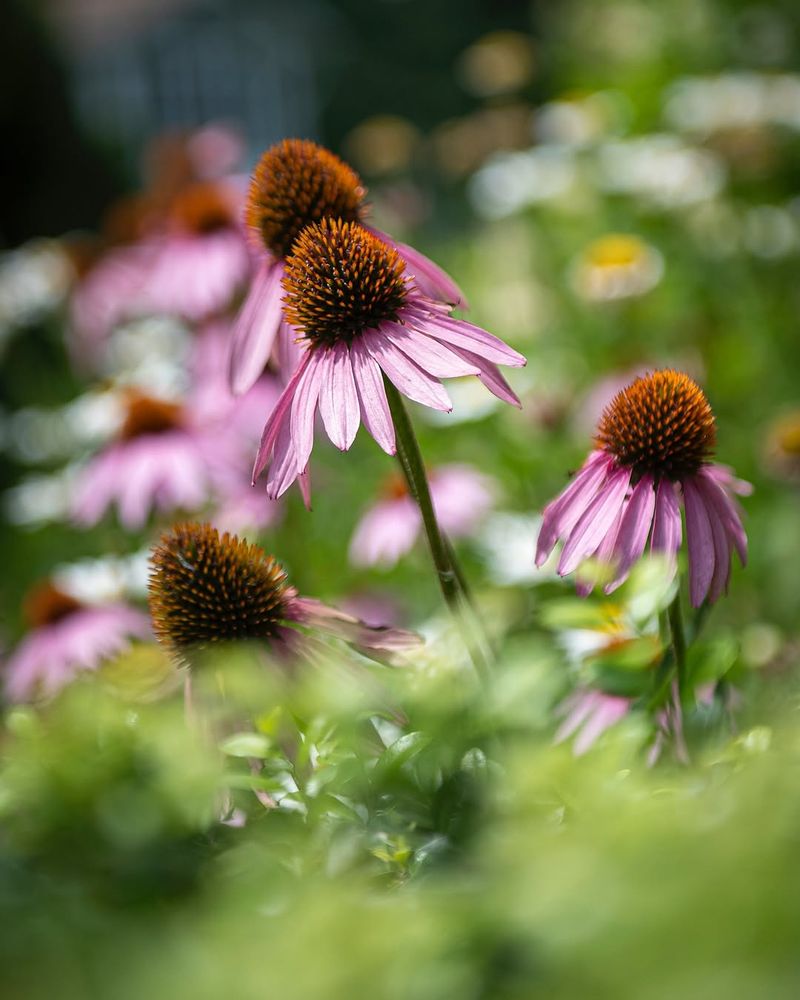
The blooms are easy to recognize. Rosy-purple petals fan out around a spiky, dome-shaped center cone that turns a deep copper-orange as the season goes on.
Flowers appear from early summer all the way through fall, giving you months of color. Bees, butterflies, and goldfinches absolutely love this plant, visiting it constantly throughout the warm season.
Purple Coneflower grows best in full sun and well-drained soil. It tolerates clay soil better than most natives, which is great news for many Eastern Pennsylvania yards where heavy soil is common.
Plants typically reach two to four feet tall and spread slowly over time, filling in bare spots naturally.
One fun fact worth knowing: Echinacea has long been used in herbal medicine, and Native American tribes used it for generations before European settlers arrived. Today, gardeners love it just as much for its beauty as for its toughness.
Plant it in groups of three or more for the biggest visual impact. Skip the deadheading at the end of the season and leave the seed heads standing. Birds will thank you all winter long for the free food source.
2. Black-Eyed Susan (Rudbeckia Hirta)
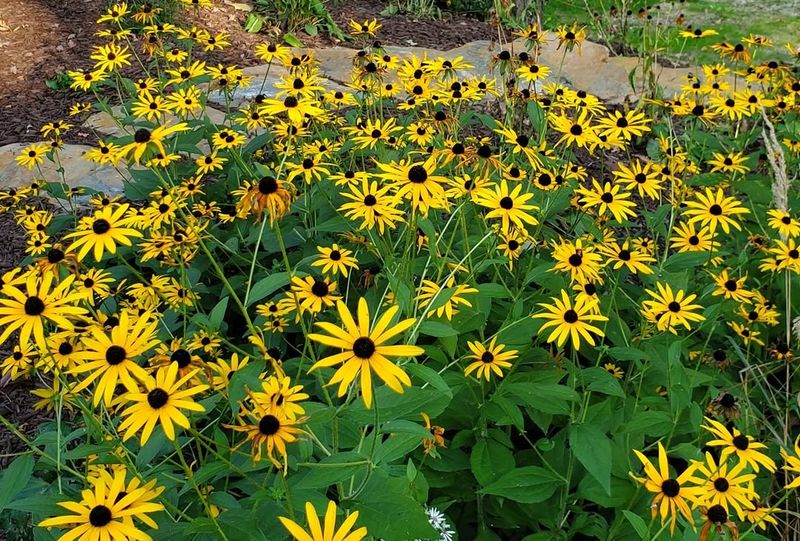
Few flowers say “summer” quite like Black-Eyed Susan. Those cheerful yellow petals surrounding a dark chocolate-brown center are a familiar sight along roadsides, meadows, and gardens all across Eastern Pennsylvania.
What makes this plant so popular is not just its good looks. It is genuinely one of the easiest native flowers you can grow.
Black-Eyed Susan thrives in full sun and handles dry spells without much fuss. It adapts to a wide range of soil types, from sandy and loose to moderately heavy clay.
Your Pennsylvania Garden Changes Every Week. Your Plan Should Too.
Gardening in Pennsylvania changes quickly throughout the season. Every Friday you’ll receive a simple weekly plan showing exactly what to plant, prune, fertilize, harvest, and protect so you never miss the right timing.
This flexibility makes it a great choice for naturalized areas, wildflower meadows, or even the edges of driveways and paths where other plants struggle.
Blooms typically appear from mid-summer into fall, often lasting well into September in Eastern Pennsylvania. During that time, the flowers attract bees, butterflies, and several species of native beetles.
The seed heads that form after blooming are a favorite snack for finches and sparrows, so there is good reason to leave them standing through winter.
Black-Eyed Susan is a short-lived perennial, but it self-seeds so reliably that you will never run out of plants. In fact, once you plant it, it tends to spread and fill an area over a few seasons.
It pairs beautifully with Purple Coneflower and Wild Bergamot in a mixed native planting. If you want a low-maintenance, high-reward flower that handles Eastern Pennsylvania summers like a champ, this golden beauty belongs in your garden.
3. Butterfly Weed (Asclepias Tuberosa)
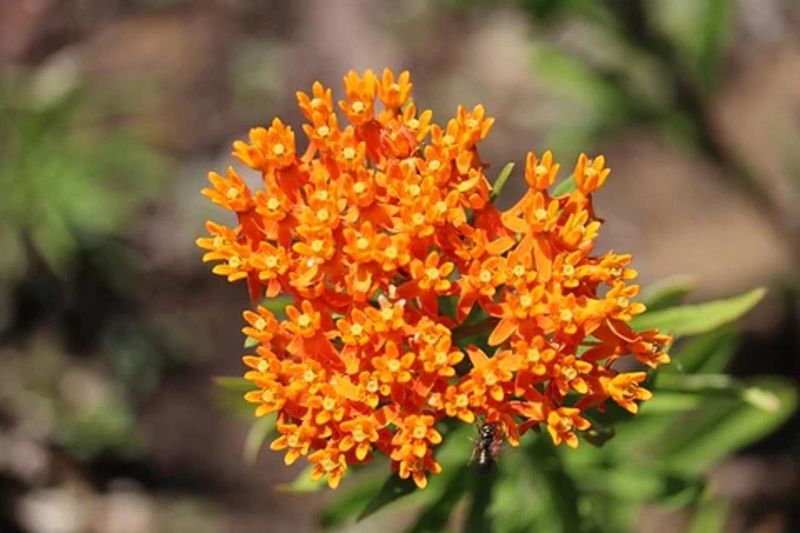
Bright, fiery orange clusters of flowers on a hot summer day sound almost too good to be true, but Butterfly Weed pulls it off every single year.
This native milkweed species is one of the showiest plants you can add to an Eastern Pennsylvania garden, and it earns its name by drawing in monarch butterflies, swallowtails, and a whole crowd of native bees every time it blooms.
Unlike many plants, Butterfly Weed actually prefers tough conditions. It loves hot, sunny spots and well-drained soil.
Sandy or gravelly ground that would stress out other flowers is perfectly fine for this plant. Root rot is a bigger concern than drought, so avoid planting it in low spots where water pools after rain.
Blooming typically runs from June through August in Eastern Pennsylvania. The flowers are small but packed tightly into flat-topped clusters called umbels, creating a bold splash of color that stands out from across the yard.
After blooming, long seed pods form and eventually split open to release silky seeds that float on the breeze.
Here is something important for monarch butterfly fans: Asclepias tuberosa is a host plant, meaning monarchs lay their eggs on it. The caterpillars feed on the leaves as they grow.
Planting Butterfly Weed in your Eastern Pennsylvania yard is a direct way to support the monarch migration each fall. Give it a sunny, dry spot, leave it alone, and it will reward you with brilliant orange blooms for years to come.
4. Wild Bergamot (Monarda Fistulosa)
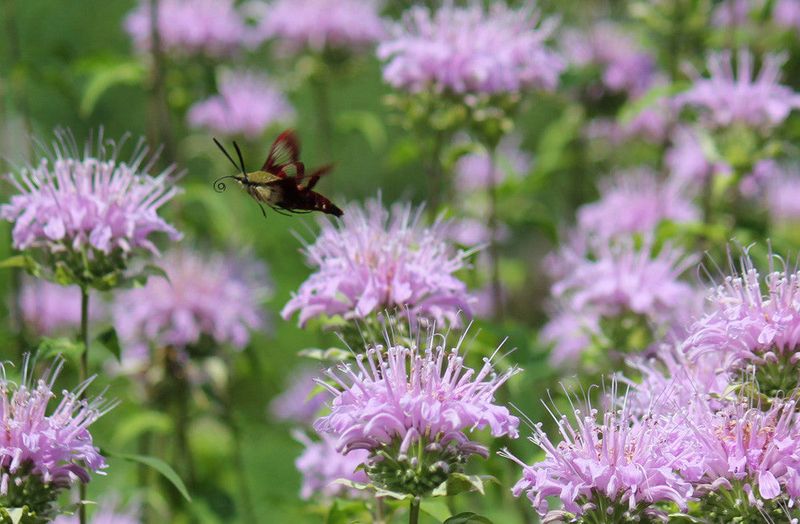
Wild Bergamot has a relaxed, wildflower charm that fits perfectly into Eastern Pennsylvania landscapes. The lavender-pink blooms look soft and airy, almost like little fireworks frozen in place.
But do not let that delicate appearance fool you. This plant is tougher than it looks and handles summer heat and humidity far better than its showier cousin, the cultivated bee balm.
One of the biggest advantages of Wild Bergamot over other Monarda species is its drought tolerance. Once established, it can go long stretches without rain and still come back blooming strong.
It grows well in full sun to light partial shade and adapts to average or even poor, dry soils. That makes it a great fit for many Eastern Pennsylvania yards that have challenging growing conditions.
The blooms appear in midsummer and last for several weeks. During that time, the garden buzzes with activity.
Bumblebees, native sweat bees, hummingbirds, and several species of butterflies are drawn to the nectar-rich flowers. The fragrance is pleasant too, a light herby scent that comes from the leaves when brushed.
Wild Bergamot spreads gradually by rhizomes, slowly filling in an area over a few years. It pairs well with Black-Eyed Susan and Purple Coneflower in a sunny native garden.
Plants grow two to four feet tall and may need dividing every few years to keep them from crowding out neighbors. Powdery mildew can appear late in the season, but it rarely causes serious harm.
This is a reliable, pollinator-friendly native that earns its place in any Eastern Pennsylvania garden.
5. Coreopsis (Coreopsis Lanceolata)
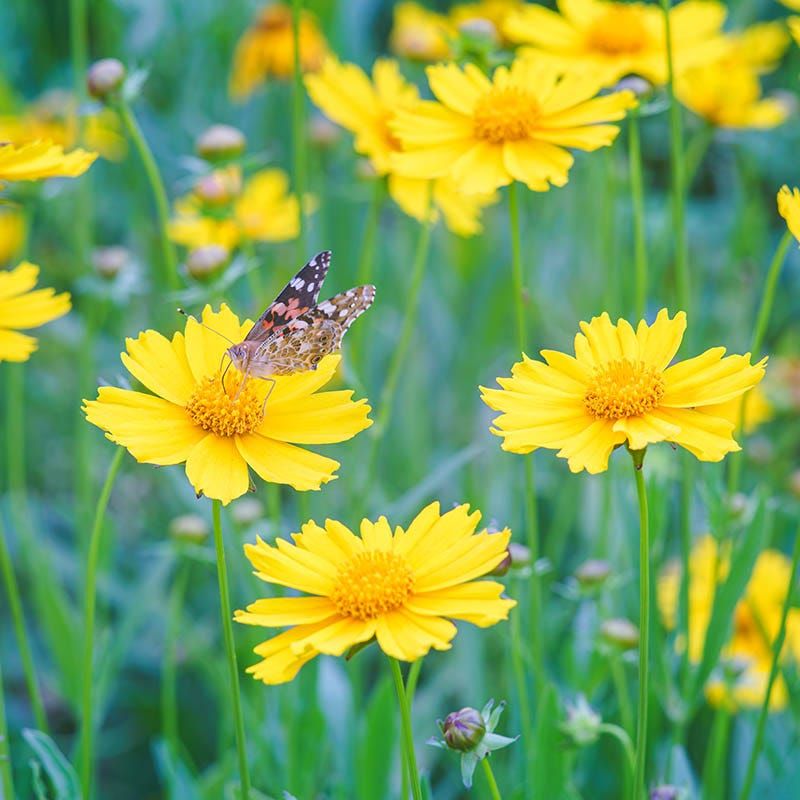
If you have a dry, sunny spot in your Eastern Pennsylvania yard where almost nothing seems to grow well, Coreopsis lanceolata might just be the answer you have been looking for.
Known commonly as lance-leaved coreopsis or tickseed, this cheerful native wildflower thrives in exactly the kind of poor, dry, well-drained soil that challenges most garden plants.
The flowers are a warm, golden yellow and look like small, bright daisies. They bloom heavily from late spring into midsummer, and if you deadhead spent blooms regularly, the plant will often push out a second flush of flowers later in the season.
Even without deadheading, Coreopsis keeps blooming for an impressively long time compared to many other natives.
Full sun is where this plant truly shines. Too much shade will cause it to flop over and bloom poorly.
Rich, moist soil can actually work against it by encouraging lush foliage at the expense of flowers. Think of it this way: the tougher the growing spot, the better Coreopsis tends to perform.
Did you know Coreopsis is the official wildflower of Florida? That tells you a lot about how well it handles heat.
In Eastern Pennsylvania, it is just as dependable through the hot, humid weeks of July and August. It attracts bees and butterflies and works beautifully as a border plant, in rock gardens, or along sunny slopes.
Plants self-seed freely, so you will likely have new plants popping up nearby each year without any extra effort on your part.
6. Blazing Star (Liatris Spicata)
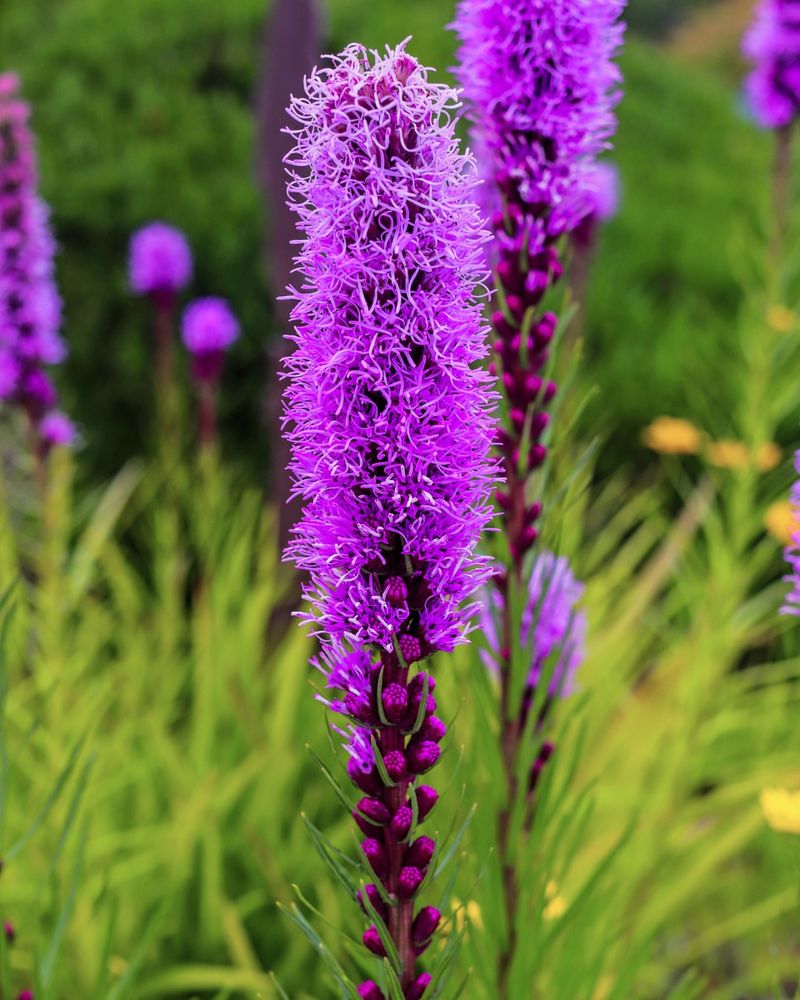
There is nothing quite like a tall spike of electric purple blooms shooting straight up from the garden in midsummer. Blazing Star, also called dense blazing star or marsh blazing star, is one of the most eye-catching native plants you can grow in Eastern Pennsylvania.
It adds bold vertical structure to a planting bed and makes a dramatic statement whether you grow one plant or a whole cluster.
What makes Liatris spicata especially interesting is the way it blooms. Unlike most flowering spikes that open from the bottom up, Blazing Star opens from the top down.
This unusual blooming pattern gives the plant a distinctive look and keeps it attractive over a longer period as the flowers gradually open along the stem.
Heat and humidity are not a problem for this native. It handles Eastern Pennsylvania summers without skipping a beat.
It grows best in full sun and tolerates a range of soil conditions, including moist soils that would rot out other drought-tolerant plants. Average garden soil works perfectly well.
Pollinators go absolutely wild for Blazing Star. Monarch butterflies, swallowtails, bumblebees, and hummingbird moths all visit the blooms regularly during its peak flowering period in July and August.
After the flowers fade, the seed heads attract goldfinches and other small birds. Plants grow two to four feet tall and rarely need staking if grown in full sun.
Blazing Star pairs beautifully with Black-Eyed Susan and Purple Coneflower for a classic Eastern Pennsylvania native garden combination that delivers color and wildlife value all summer long.
7. New England Aster (Symphyotrichum Novae-Angliae)
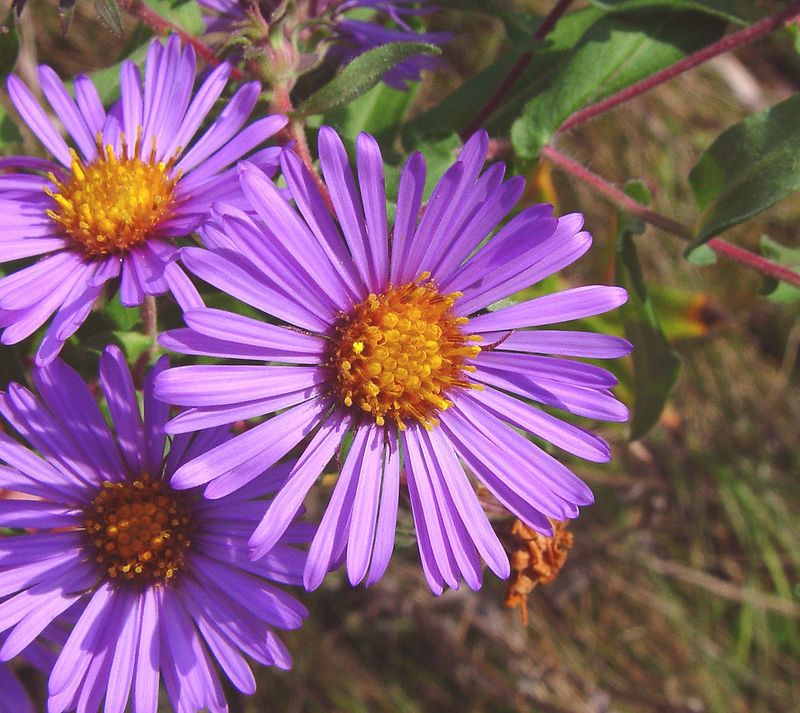
Just when most summer flowers are winding down, New England Aster steps in and steals the show.
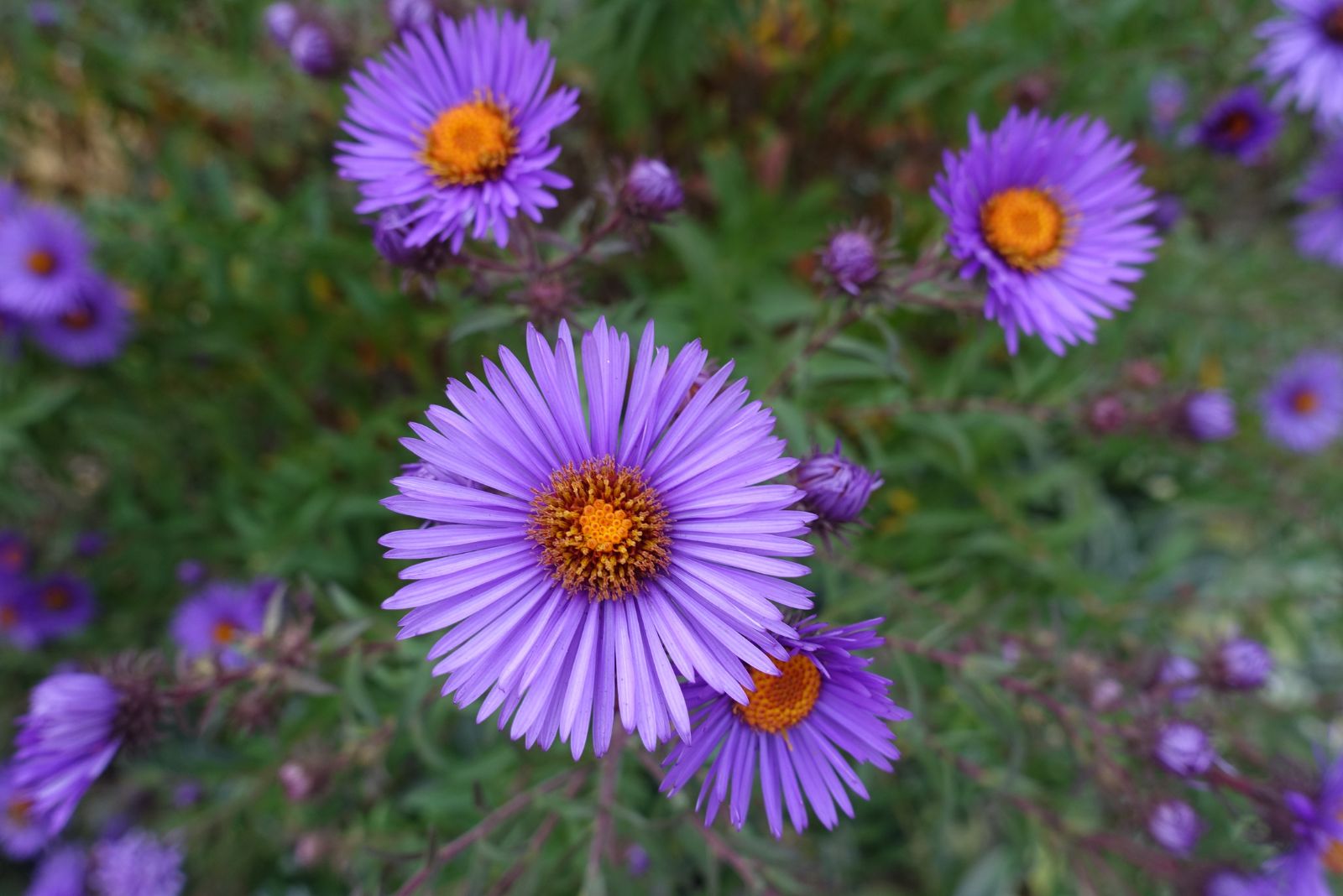
This native powerhouse saves its big display for late summer and fall, covering itself in rich purple blooms with golden-yellow centers right when Eastern Pennsylvania gardens need color the most.
It is one of the most important late-season native plants in the entire region. New England Aster handles summer heat and full sun with ease.
Through the hottest months, the plant is busy building up energy and putting on height, often reaching four to six feet tall by the time it blooms in September and October.
The sheer number of flowers it produces is impressive, sometimes covering the entire plant in a sea of purple. The timing of its bloom is not just beautiful. It is ecologically critical.
Many pollinators, including migrating monarchs, native bees, and late-season butterflies, depend on late-blooming flowers like New England Aster to fuel up before winter.
Planting this native in your Eastern Pennsylvania yard gives those pollinators a vital food source when few other options are available.
New England Aster does spread by self-seeding and can get quite large, so give it room or plan to divide clumps every couple of years. Pinching the stems back by about half in early June encourages bushier growth and more flowers.
It thrives in average to moist soil and tolerates brief wet periods. Pair it with Blazing Star or ornamental grasses for a stunning late-season native display that wraps up the Eastern Pennsylvania garden season on a high note.