This Is One Of The Most Widely Planted Perennials In Pennsylvania Gardens
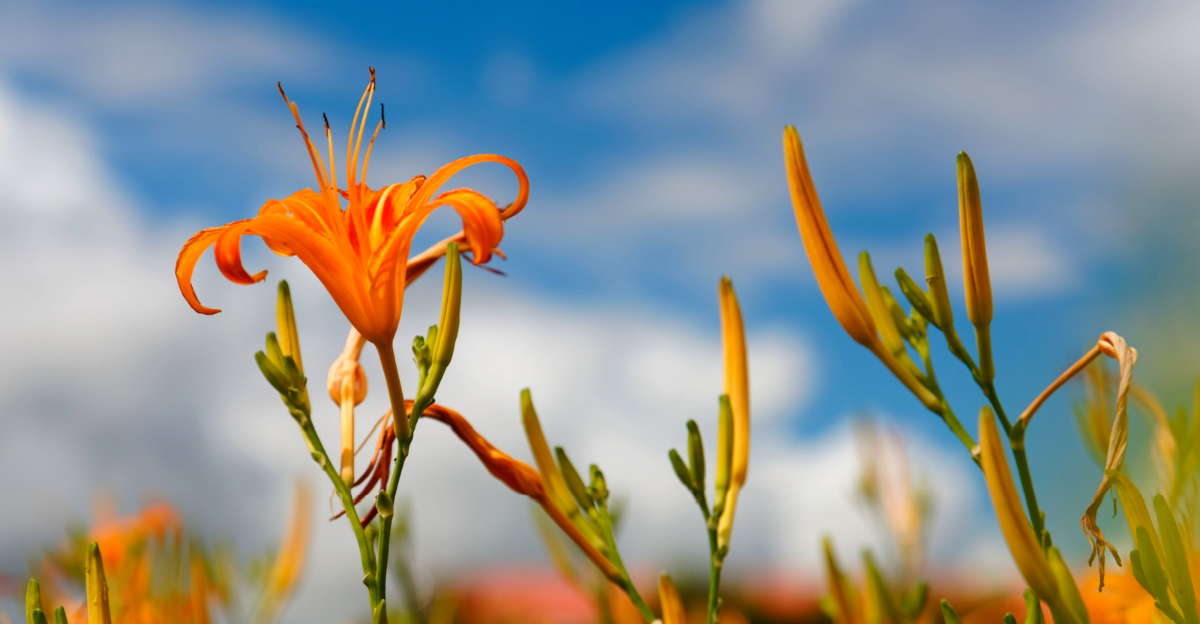
Have you ever noticed how the same flower can look just as happy in a historic Lancaster farmhouse as it does in a Poconos woodland or a busy Philly suburb?
In Pennsylvania, where we deal with everything from “moody” spring frosts to sweltering summer humidity, finding a plant that doesn’t complain is a win.
That’s exactly why daylilies have become the undisputed MVP of the Keystone State.
These perennials are built for our unpredictable climate, offering a “set it and forget it” reliability that both beginners and pros adore.
If you want dependable, season-long color that can handle whatever Pennsylvania weather throws its way, daylilies are the hardworking heroes your landscape has been waiting for.
1. Why Daylilies Thrive In Pennsylvania Gardens So Easily
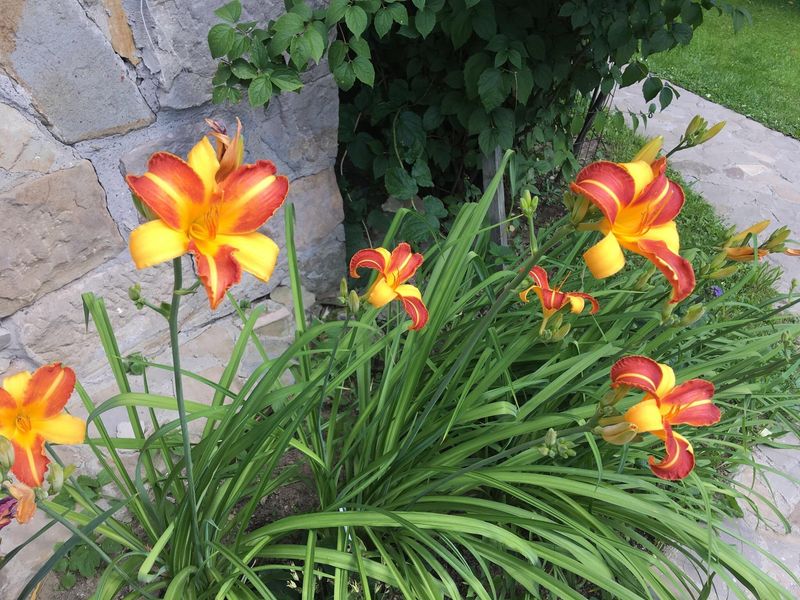
Spend a summer afternoon driving through almost any Pennsylvania neighborhood and you will notice one thing: daylilies are everywhere.
From Lancaster farmsteads to Pittsburgh suburbs, these plants have quietly become a fixture in the state’s gardening culture.
The reason comes down to a simple truth: they are built to survive and even flourish in conditions that challenge many other perennials.
Pennsylvania’s climate swings between cold, wet winters and warm, sometimes brutally humid summers. Most plants struggle to adapt to that kind of seasonal range, but daylilies handle it with ease.
Their thick, fleshy roots store energy during dormancy and push new growth reliably each spring, even after harsh winters. This root structure gives them a resilience that gardeners across the state have come to depend on.
Beyond climate tolerance, daylilies are not picky about soil. Whether your yard has heavy clay near Philadelphia or sandy loam in the central counties, daylilies tend to settle in and perform well with minimal intervention.
They establish quickly after planting, filling in gaps and producing blooms within their first or second season.
For Pennsylvania gardeners who want reliable color without constant care, few perennials match what daylilies consistently deliver year after year.
2. The Wide Range Of Colors And Forms Available
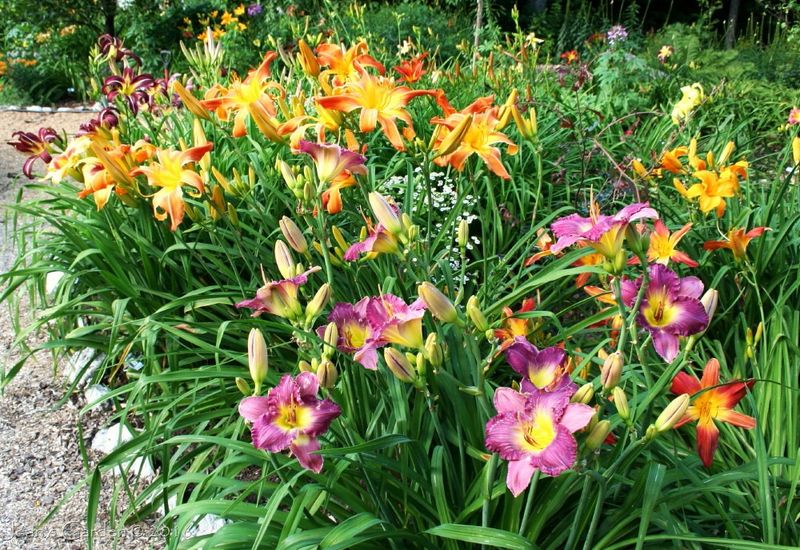
Few perennials can match the sheer variety that daylilies bring to a garden palette. With tens of thousands of registered cultivars available worldwide, Pennsylvania gardeners have an almost overwhelming selection to choose from.
Colors range from soft pastels and creamy whites to deep burgundy, vivid orange, and nearly purple shades that almost look unreal when planted in a sunny border.
Beyond solid colors, many modern daylily cultivars feature bi-color patterns, contrasting edges, ruffled petals, and eye zones that create dramatic visual interest.
Flower forms vary just as widely, from classic trumpet shapes to spider types with long, narrow petals and double-flowered varieties packed with extra layers.
Plant height ranges from compact miniatures around 12 inches tall to tall varieties reaching nearly four feet, giving gardeners flexibility for every spot in the yard.
Choosing the right cultivar for your Pennsylvania garden is part of the fun. Miniature types work beautifully along walkways or in container plantings on a porch or patio.
Taller varieties make strong statements in the back of a mixed border alongside native grasses or coneflowers.
Your Pennsylvania Garden Changes Every Week. Your Plan Should Too.
Gardening in Pennsylvania changes quickly throughout the season. Every Friday you’ll receive a simple weekly plan showing exactly what to plant, prune, fertilize, harvest, and protect so you never miss the right timing.
With so many options, it is entirely possible to plant several different cultivars and enjoy a rotating display of fresh colors and forms from early summer well into August across Pennsylvania yards.
3. Daylilies Handle Heat, Cold, And Changing Weather
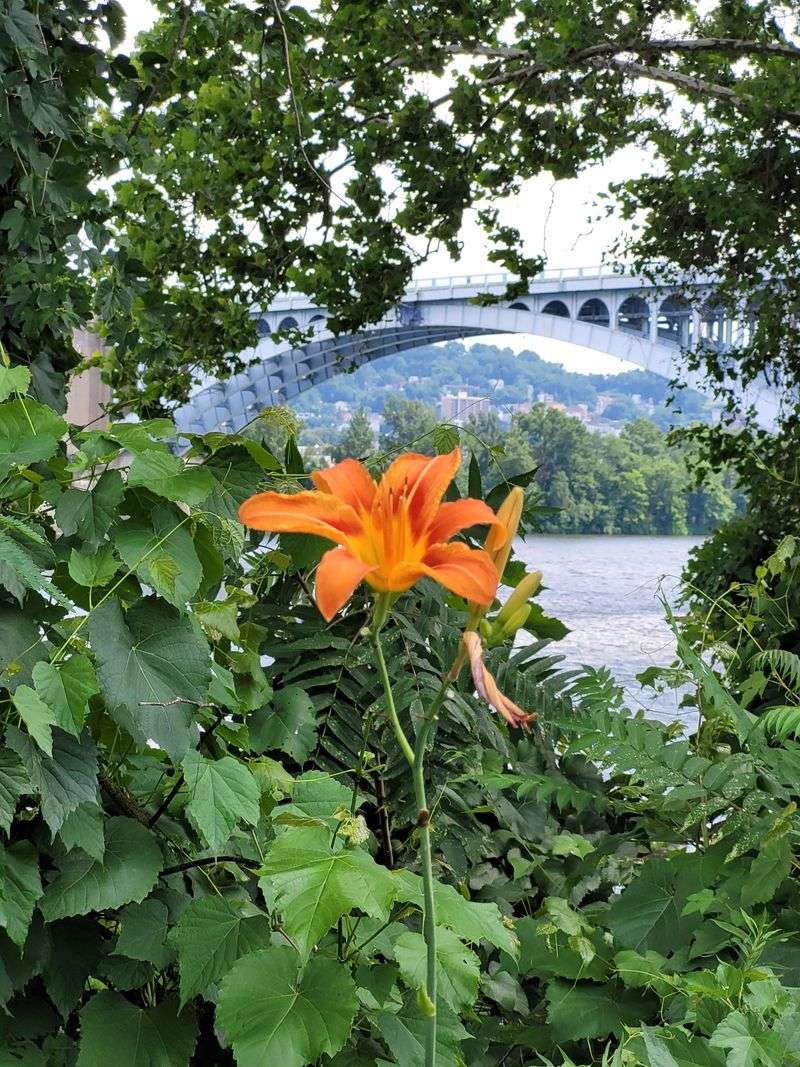
Pennsylvania weather is famously unpredictable. A warm stretch in March can be followed by a late frost in April, and summer temperatures can climb into the upper 90s before dropping sharply in September.
Most perennials have a narrow comfort zone, but daylilies seem almost indifferent to weather extremes, which is a big part of why Pennsylvania gardeners keep planting them.
During winter, daylilies enter dormancy and their foliage fades back to the ground. The roots remain protected below the soil surface and re-emerge reliably each spring without needing extra mulching or winter protection in most Pennsylvania regions.
Even in colder northern counties where temperatures drop well below freezing, established daylilies come back season after season without much concern.
Summer heat is handled just as well. Daylilies continue blooming through July and August even during hot, humid stretches that leave other perennials wilting or looking stressed.
They do appreciate consistent moisture during prolonged dry spells, especially in their first season, but established plants show solid drought tolerance once their root systems are well developed.
Gardeners across Pennsylvania’s varied climate zones, from USDA hardiness zone 5b in the north to zone 7a in the southeast, find that daylilies perform dependably through the full range of seasonal changes the state can throw at them.
4. Best Growing Conditions For Daylilies In Pennsylvania Yards
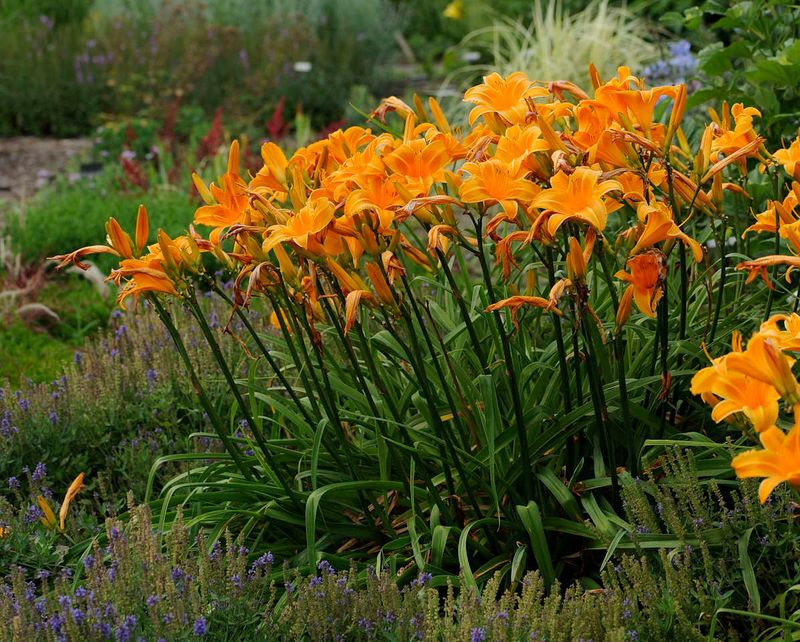
Placement matters more than most gardeners realize, and getting it right with daylilies is straightforward once you understand what they prefer. Full sun is their top choice, ideally six or more hours of direct sunlight each day.
In those conditions, daylilies produce the most blooms and maintain the strongest, most upright growth throughout the season.
That said, Pennsylvania yards often include partially shaded areas under trees or along the north side of structures.
Daylilies can tolerate partial shade, typically four to six hours of sun, and will still produce blooms, though flowering may be somewhat reduced compared to a fully sunny spot.
Avoid planting them in deep shade where sunlight is limited for most of the day, as foliage tends to become floppy and bloom production drops significantly.
Soil drainage is equally important. Daylilies prefer well-drained soil and do not perform well in areas where water pools after rain.
Many Pennsylvania yards have heavier clay soils, especially in suburban developments.
Improving drainage by working compost into the planting area makes a noticeable difference in how quickly plants establish and how vigorously they bloom.
Raised beds are another smart option for yards with persistent drainage challenges. Planting along sunny slopes, at the edge of lawn areas, or in foundation beds that receive good light are all reliable choices across Pennsylvania properties.
5. Daylilies Bring Reliable Beauty Without Extra Work
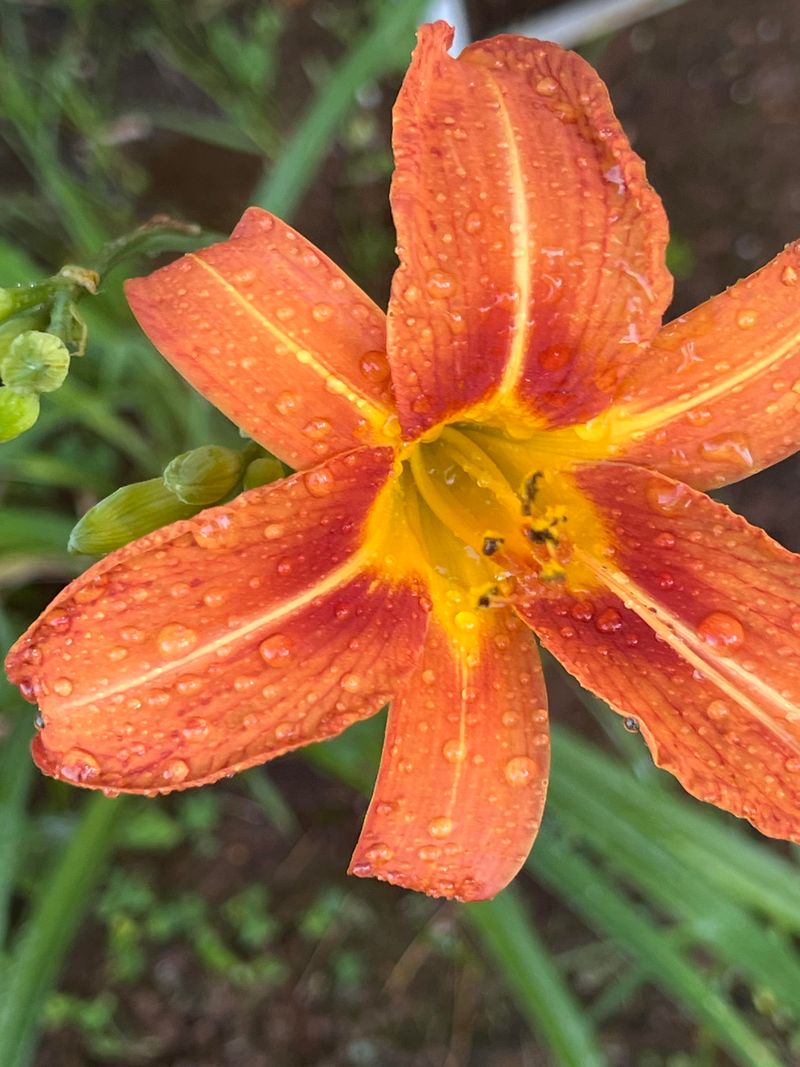
Ask any experienced Pennsylvania gardener why they keep planting daylilies, and the answer almost always circles back to how little attention these plants demand once they are established.
Unlike roses that need regular pruning, spraying, and babying, or annual flowers that require replanting each spring, daylilies mostly take care of themselves through the growing season.
Fertilizing needs are modest. A light application of a balanced, slow-release fertilizer in early spring gives them a good nutritional boost, but many established clumps thrive for years with little to no supplemental feeding, especially in decent soil.
Watering is similarly uncomplicated.
During the first growing season, consistent moisture helps new plants settle in, but after that, rainfall across most of Pennsylvania is usually enough to keep them going without regular irrigation.
Pest and disease problems are relatively uncommon with daylilies.
Aphids occasionally appear on new growth in spring, and deer will browse the foliage in rural Pennsylvania areas, so that is worth considering when choosing planting locations near wooded edges.
Spent blooms drop cleanly on their own, reducing the need for deadheading, though removing finished flower stalks after blooming improves the plant’s overall appearance.
For gardeners who want a reliable, colorful perennial without a long weekly checklist of tasks, daylilies offer one of the most rewarding low-effort options available in Pennsylvania landscapes.
6. Give Daylilies A Strong Start With Proper Planting
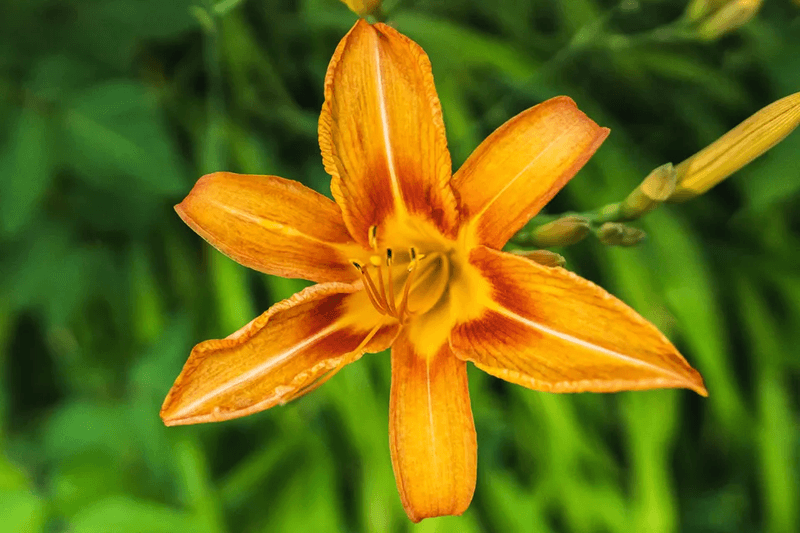
Starting daylilies off on the right foot makes a real difference in how quickly they establish and how well they perform in the years ahead.
Whether you are working with bare-root divisions from a neighbor’s garden or container-grown plants from a nursery, the planting process is fairly simple and does not require specialized tools or experience.
Choose a location with good sun exposure and prepare the soil by loosening it to about 12 inches deep.
Working in a few inches of compost helps improve both drainage and soil structure, which is especially helpful in Pennsylvania’s heavier clay soils.
Dig a hole wide enough to spread the roots comfortably without bending or cramping them. Set the crown of the plant, the point where roots meet foliage, about one inch below the soil surface.
Planting too deep can reduce blooming, while planting too shallow may expose roots to drying out.
Space individual plants about 18 to 24 inches apart to allow for spreading over time. Daylilies naturally expand into clumps, so giving them room from the start prevents overcrowding within just a few seasons.
Water thoroughly after planting and keep the soil consistently moist for the first few weeks while roots are getting established.
A thin layer of mulch around the base helps retain moisture and reduces weed competition during that critical establishment window in Pennsylvania’s often unpredictable spring weather.
7. Daylilies Blooming Patterns Throughout The Growing Season
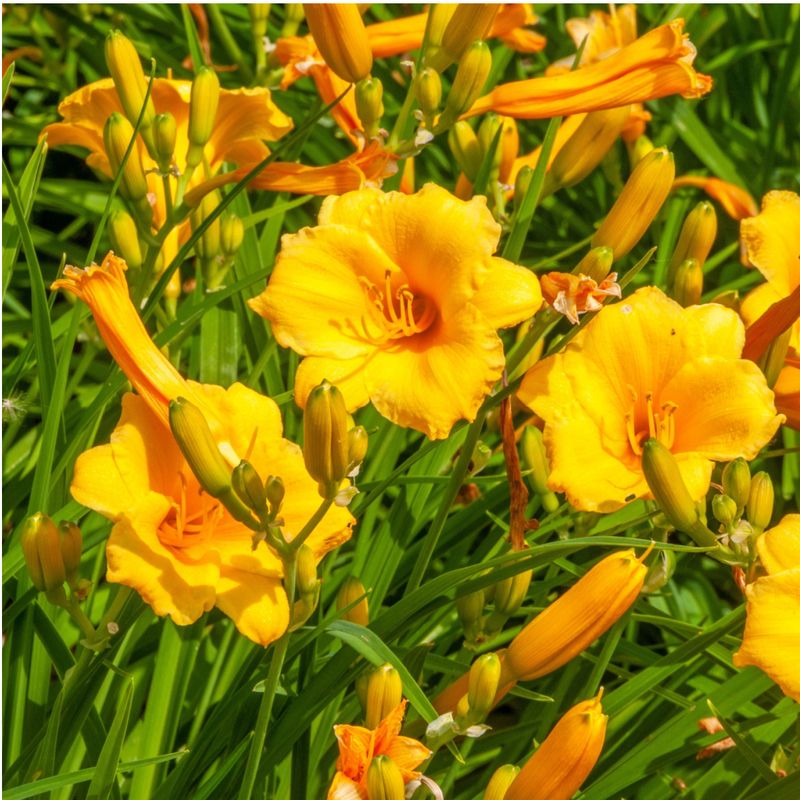
One of the most appealing qualities daylilies bring to Pennsylvania gardens is their extended bloom season, which can stretch from late spring through late summer depending on the cultivars you choose.
Each individual flower lasts only a single day, which is actually where the name daylily comes from, but each stem carries multiple buds that open in sequence over a period of weeks.
Early-blooming cultivars begin flowering in late May or early June in most Pennsylvania regions. Mid-season varieties follow in June and July, which represents peak daylily season across the state.
Late-blooming types extend the show into August and sometimes into early September in warmer parts of Pennsylvania.
By selecting a mix of early, mid, and late-season cultivars, gardeners can enjoy continuous daylily color for ten to twelve weeks or more without planting anything new.
Some cultivars are classified as reblooming types, meaning they produce a second flush of flowers later in the season after the main bloom period ends.
These varieties are particularly popular in Pennsylvania because they offer extra value in a single plant.
Rebloomers do benefit from adequate moisture and a light fertilizer application after their first bloom cycle to support that second round of flowering.
Watching a well-planned daylily collection cycle through bloom after bloom across the summer is one of the simple, genuine pleasures of Pennsylvania gardening.
8. Dividing Daylilies To Keep Them Looking Their Best
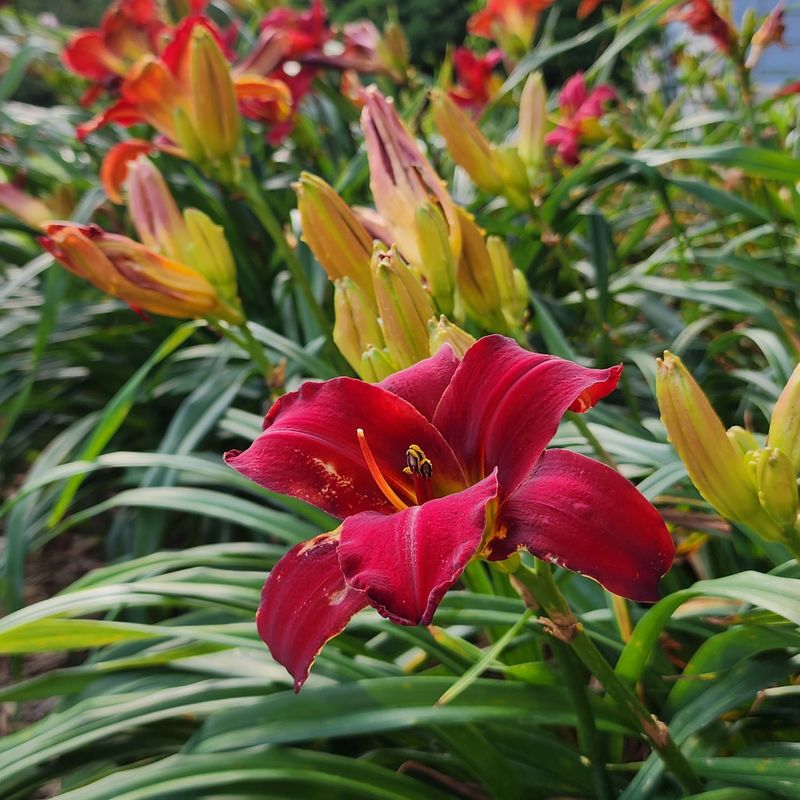
Over time, daylily clumps grow larger and more crowded, which is actually a sign that the plants are healthy and thriving. But after several years, a densely packed clump may start producing fewer blooms as the plants compete for space, nutrients, and light.
That is the signal that it is time to divide, which refreshes the planting and gives you extra plants to spread around the yard or share with neighbors.
In Pennsylvania, early spring and late summer into early fall are both good windows for dividing daylilies. Spring division, just as new foliage begins emerging, allows plants to establish through the growing season.
Fall division, ideally four to six weeks before the ground freezes, gives roots time to settle before winter dormancy.
Avoid dividing during peak summer heat, as that adds stress during the hottest part of the Pennsylvania growing season.
To divide, use a garden fork or spade to lift the entire clump from the ground. Shake off excess soil and gently pull or cut the clump into smaller sections, each containing several fans of foliage and a healthy root mass.
Replant divisions at the same depth as the original planting and water well.
Divided plants may bloom lightly or skip blooming in their first season back in the ground, but they typically return to full production the following year and reward the effort with renewed vigor across Pennsylvania gardens.