Why Some California Gardens Become Butterfly Magnets Almost Overnight
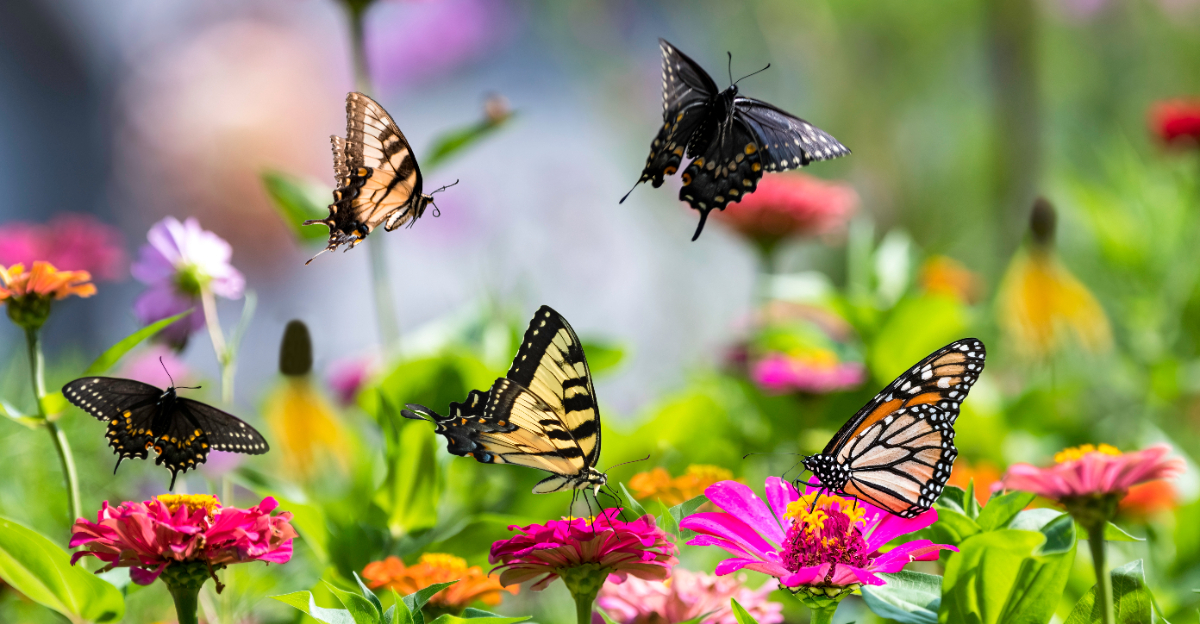
Some California gardens seem to flip a switch and suddenly become the place every butterfly in the neighborhood wants to visit.
One week it is just a nice yard, and the next it is full of fluttering wings, bright blooms, and that dreamy, alive feeling gardeners love.
It is not luck, and it is definitely not magic, even though it can look that way. Butterflies are quick to notice when a garden gives them what they need, and once the right plants, colors, and shelter show up, they waste no time dropping by.
The best part is that it does not take some huge backyard makeover to make it happen. A few smart changes can turn an ordinary space into a nectar-filled hangout that keeps butterflies coming back again and again.
When a California garden starts buzzing with that kind of energy almost overnight, there is usually a very clear reason, and it is easier to create than most people think.
Why Butterflies Arrive So Fast
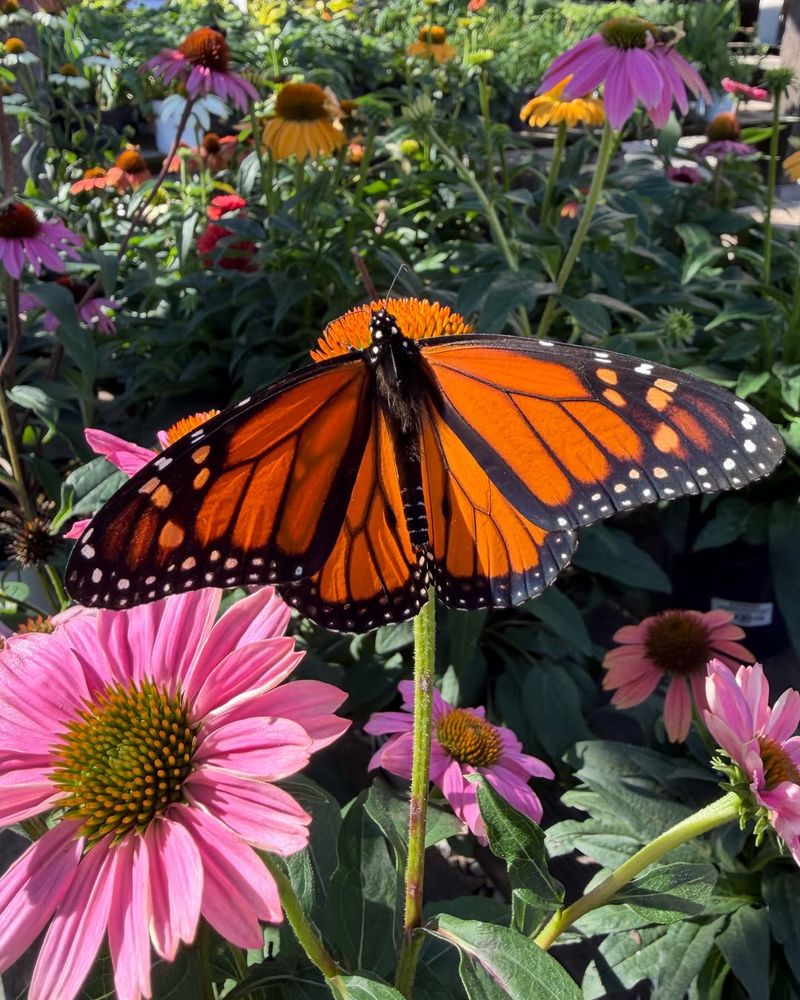
Butterflies do not wander randomly. They are constantly scanning their surroundings for food, warmth, and safe spots to rest.
When your California garden suddenly checks all those boxes, word spreads fast through the local butterfly population.
These insects have sharp senses. They can detect flower colors and scents from surprising distances.
A garden that blooms with the right plants acts like a bright signal in a busy neighborhood, pulling butterflies in from nearby fields, parks, and open spaces.
California’s warm climate also plays a big role. Butterflies are cold-blooded, meaning they rely on outside heat to stay active.
Sunny California days give them the energy they need to fly, feed, and explore new areas.
Once one butterfly finds your garden and feeds, others follow. It is almost like a chain reaction.
Each visitor makes the garden more attractive to the next. Add nectar-rich plants, remove pesticides, and give them a little sunshine, and you can expect company within days.
The speed of their arrival often surprises new gardeners, but it makes perfect sense once you understand how butterflies think and move through California landscapes.
The Flowers That Change Everything
Not every flower does the job equally well. Some blooms are butterfly magnets, while others get completely ignored.
Knowing which flowers to plant is the single biggest step you can take toward building a thriving butterfly garden in California.
Milkweed is a top choice. Monarch butterflies depend on it completely, using it both as a food source and a place to lay their eggs.
Lavender is another winner, offering rich nectar and a long bloom season that keeps butterflies coming back all summer. Yarrow, with its flat-topped clusters of tiny flowers, welcomes a wide variety of species.
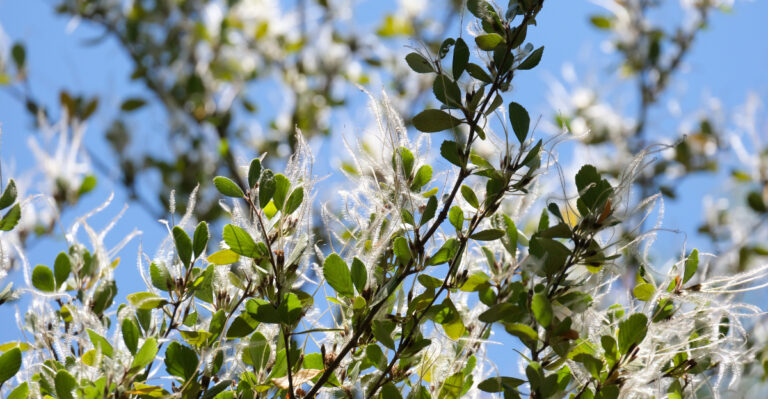
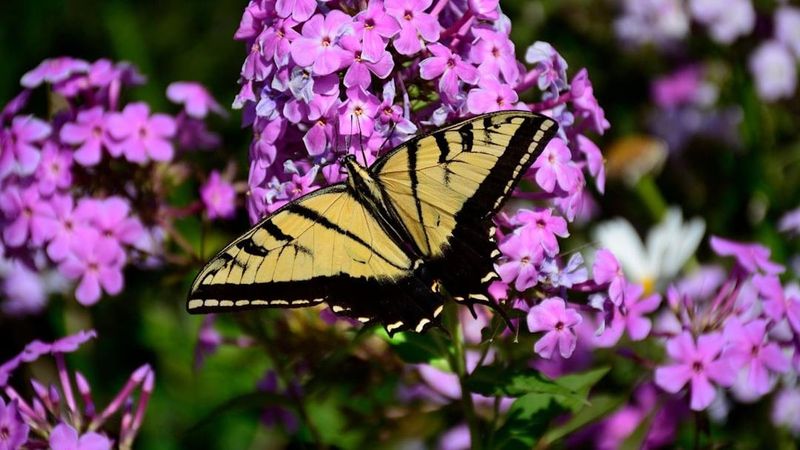
California Lilac, known as Ceanothus, is a native shrub that draws in Pale Swallowtails and California Tortoiseshells with its sweet blue blooms. Asters bloom later in the season and give Painted Ladies and West Coast Ladies a reliable late-season food stop.
Planting a mix of these flowers creates a buffet that stays stocked from spring through fall. Variety is key.
Your California Garden Changes Every Week. Your Plan Should Too.
Gardening in California changes quickly throughout the season. Every Friday you’ll receive a simple weekly plan showing exactly what to plant, prune, fertilize, harvest, and protect so you never miss the right timing.
When different flowers bloom at different times, butterflies always have a reason to visit your California garden. Start with just a few of these plants and watch the transformation happen quickly.
More Nectar, More Visitors
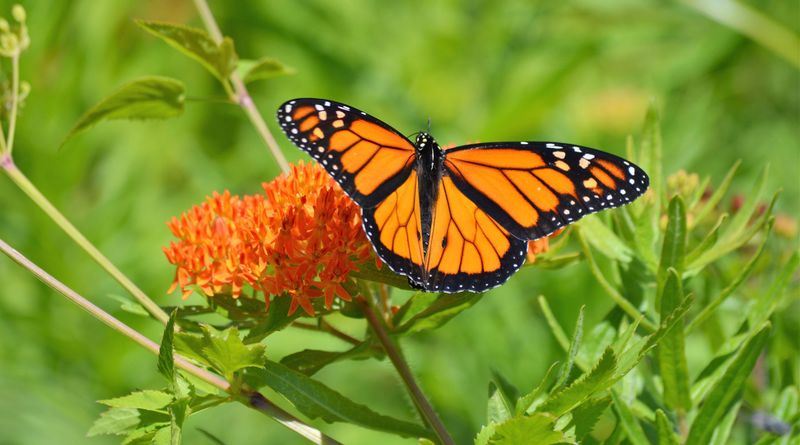
Nectar is the fuel that keeps butterflies going. Adult butterflies spend most of their time searching for it, and a garden loaded with nectar-rich blooms becomes their favorite stop in the neighborhood.
More nectar simply means more wings in your yard.
Planting in clusters makes a real difference. A single flower here and there is easy to miss.
But a big patch of salvia or echinacea creates a bold visual target that butterflies can spot from far away. Group your plants together for the strongest effect.
Choosing flowers with overlapping bloom times is another smart move. When one plant finishes blooming, another should be just starting.
This keeps your California garden stocked with nectar from early spring all the way into autumn, giving butterflies a dependable food source throughout the entire season.
Avoiding pesticides is just as important as choosing the right plants. Even garden-safe sprays can remove the very insects you want to attract.
Go organic and let nature handle pest control. Beneficial insects, birds, and spiders will help keep harmful bugs in check.
When your garden becomes a safe, nectar-filled space, butterflies will keep returning, and they will bring friends along with them every time.
Native Plants Make The Difference
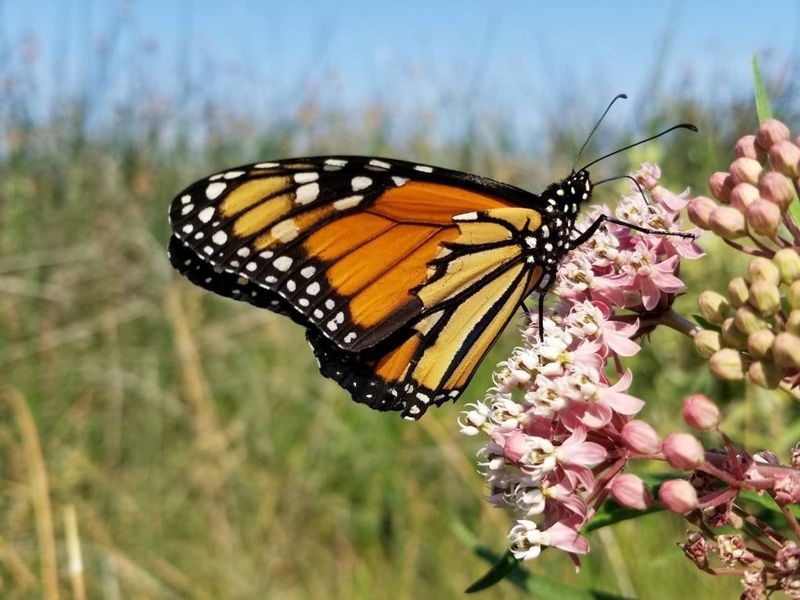
Here is something many California gardeners learn quickly: native plants work better than almost anything else when it comes to attracting local butterfly species.
These plants evolved alongside local butterflies over thousands of years, so they are perfectly matched to each other.
Lupines are a great example. Several blue butterfly species, including the Acmon Blue and Melissa Blue, rely on lupines as host plants where they lay their eggs.
California Pipevine is the only plant the Pipevine Swallowtail will use for its larvae. Without these native plants, those butterfly species simply cannot complete their life cycle in your garden.
Native plants also tend to need less water and care once they are established. That makes them a practical choice for California gardeners dealing with dry summers.
They are built for the local climate and soil, so they thrive without a lot of extra effort on your part.
Visiting a local native plant nursery is a great starting point. Staff there can recommend species that match your specific region of California, whether you are in the Bay Area, Southern California, or the Central Valley.
Choosing native plants is one of the most powerful upgrades you can make to any butterfly garden.
Why Color Matters So Much
Butterflies see the world differently than we do. They can detect ultraviolet light and are strongly drawn to specific colors.
Knowing this gives you a real advantage when designing your California garden for maximum butterfly traffic.
Purple and violet flowers top the list of butterfly favorites. Lavender, salvia, and verbena all fall into this color range and consistently attract high numbers of visitors.
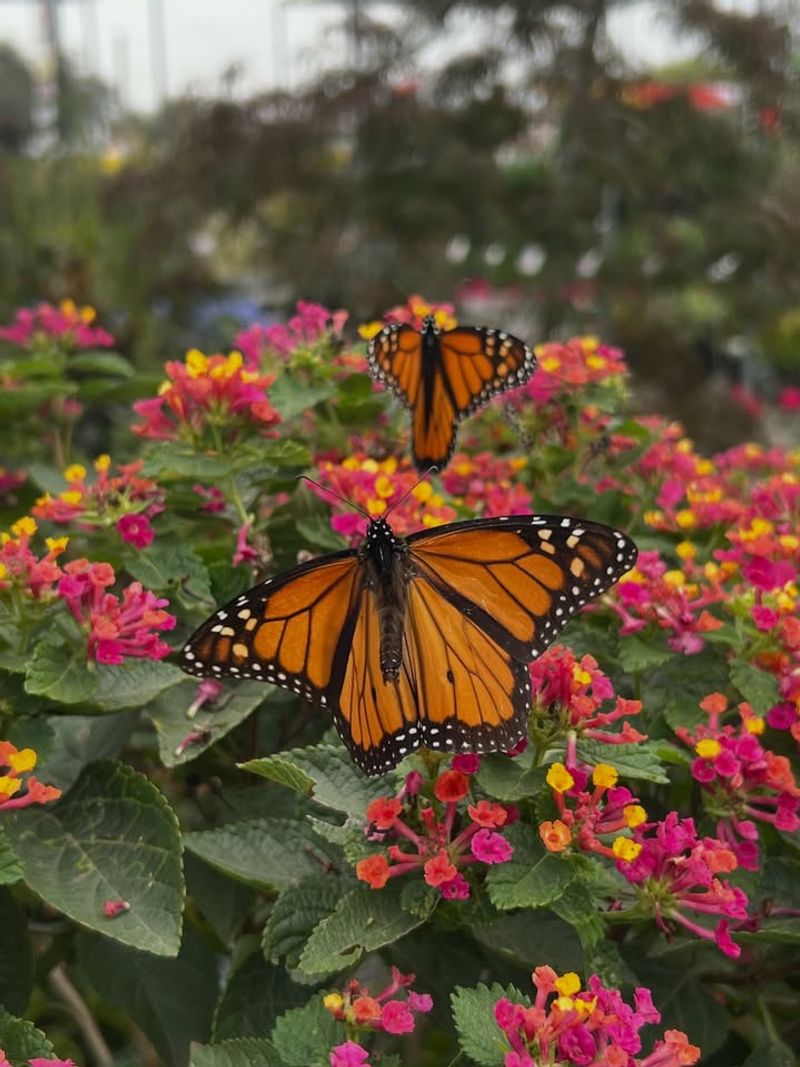
Orange and yellow flowers are also highly effective, especially for species like the Painted Lady and the Gulf Fritillary, both of which are common throughout California.
Red flowers attract some species but can be hit or miss with butterflies since they do not all see red the same way. White and pink blooms work well too, especially for species active in the early morning or late afternoon when light conditions are softer.
Mixing colors throughout your garden creates a welcoming display that appeals to a wider range of butterfly species. Think of it like decorating a room.
You want variety, contrast, and visual interest. A rainbow of blooms spread across your California yard signals to passing butterflies that there is plenty of food available.
Color is one of the easiest tools you have, and it costs nothing extra to plan with it in mind.
Shelter Helps Them Stay
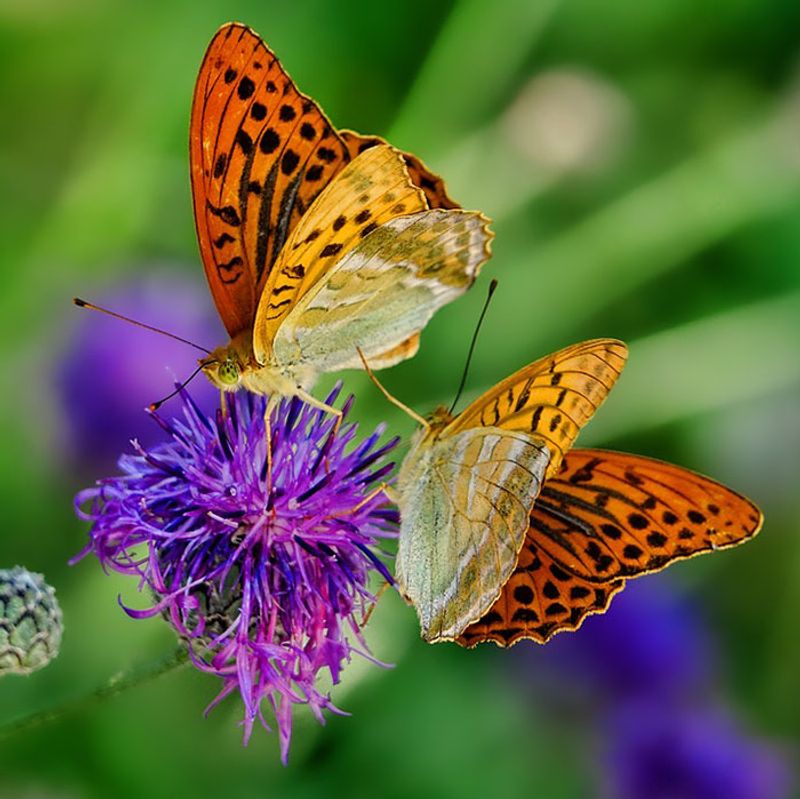
Getting butterflies to visit is one thing. Keeping them around long enough to lay eggs and build a real population in your garden is another.
Shelter is the secret ingredient that turns a quick visit into a lasting stay.
Butterflies need protection from strong winds, which are common in many parts of California. Planting shrubs or hedges along the edges of your garden creates a natural windbreak.
This makes the interior of your garden feel calm and safe, which is exactly what butterflies are looking for when they are ready to rest or lay eggs.
Flat rocks placed in sunny spots serve a very specific purpose. Butterflies are cold-blooded and need to warm up before they can fly at full speed.
A warm, flat rock gives them the perfect basking spot. You will often see them sitting still with their wings open wide, soaking in the California sunshine.
Trellises covered with climbing plants add another layer of shelter and visual interest. They create shaded resting zones that butterflies use during the hottest parts of the day.
Layering your garden with different heights of plants and structures gives butterflies more reasons to linger. A sheltered garden in California can hold butterfly populations for weeks at a time.
Water Brings In More Wings
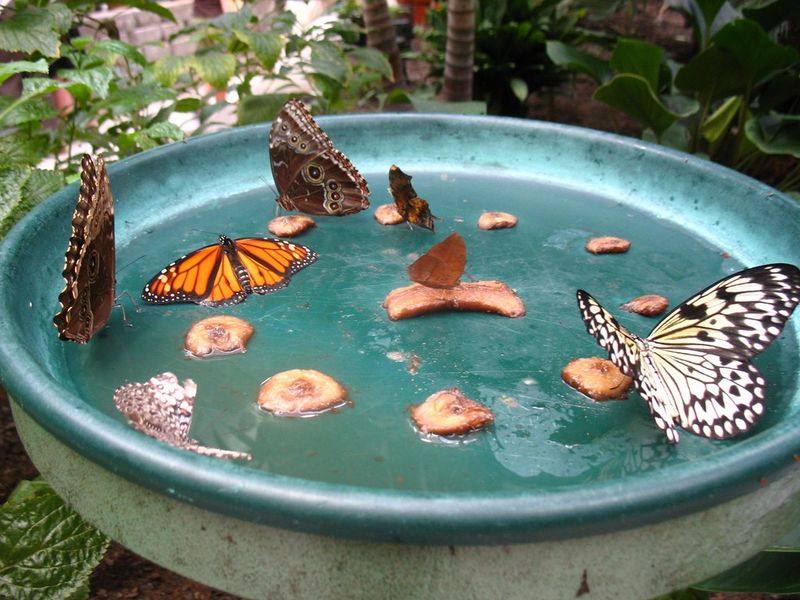
Most people focus entirely on plants when setting up a butterfly garden, but water is just as important. Butterflies need water to stay hydrated, and they also use it to absorb essential minerals.
A simple water source can make your California garden stand out from every other yard on the block.
Butterflies do not drink from deep water like birds do. They prefer very shallow puddles or moist sand where they can land safely and sip.
This behavior is called puddling, and you will often see groups of butterflies gathered at the same damp spot, especially on warm California mornings.
Creating a puddling station is easy and inexpensive. Fill a shallow dish or tray with coarse sand and keep it damp.
You can also add a small amount of wood ash or compost to the sand, which provides extra minerals that butterflies actively seek out. Place it in a sunny, sheltered spot for best results.
Avoid using deep birdbaths or open water containers for butterflies. The water level should be just enough to keep the sand moist but not so deep that butterflies risk getting wet wings.
Once your puddling station is set up in your California garden, expect to see visitors arriving within the first warm, sunny week.
Small Changes, Big Results
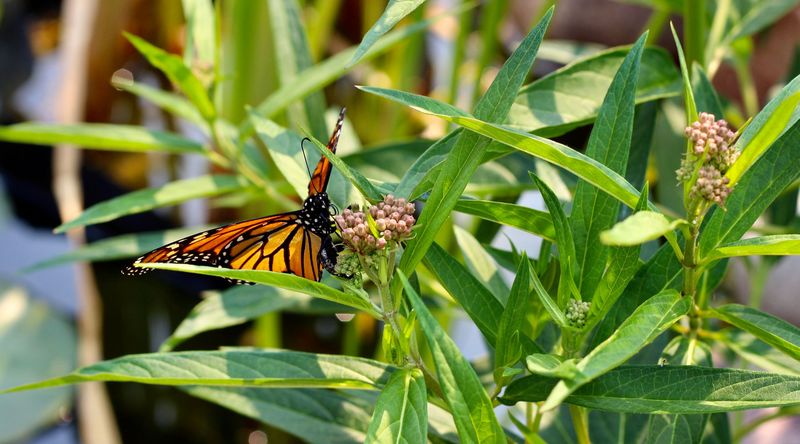
You do not need a large space or a big budget to attract butterflies to your California garden. Some of the most dramatic transformations happen in small yards, patios, and even container gardens on balconies.
The key is making the right changes, not making a lot of them at once.
Start with just two or three nectar-rich native plants. Add a shallow water dish and one or two flat rocks in a sunny corner.
Skip the pesticides completely. Those three simple steps alone can bring in butterflies within the first week, especially during California’s warm spring and summer months.
From there, you can grow your garden gradually. Add a host plant like milkweed or lupine to encourage egg-laying.
Plant a shrub to act as a windbreak. Introduce flowers that bloom at different times of the season so butterflies always have a reason to return.
Each small addition builds on the last.
Many California gardeners are surprised by how quickly their yards transform once they start thinking from a butterfly’s point of view. Food, water, warmth, and shelter are all butterflies need.
Provide those four things in your garden, and you will create a living, colorful space that brings joy every single day of the season.