These California Plants Bloom All Summer Long Even When Others Fade
Summer can make many garden plants slow down, but a few California favorites seem to treat the heat like a challenge. While other blooms start looking tired, these tough plants keep pushing out color.
That kind of staying power matters when the yard needs life during long, dry months. It also helps gardeners avoid the sad gap after spring flowers fade and before fall color shows up.
Summer blooming plants can brighten borders, fill containers, and make walkways feel fresh without constant fuss. Some bring in pollinators, which adds a little buzz to the yard in the best way.
Others stand out because they handle dry spells better once their roots settle in. The trick is matching plants to California’s sun, soil, and water limits.
Many of these plants also need less pampering than people expect. That means fewer frantic watering sessions and more time actually enjoying the yard.
A strong summer bloomer can make a dry garden feel cheerful instead of tired. It can also give patios and entryways a fresh look when other plants are taking a break.
A garden does not have to look worn out by July. Some plants are more than ready to carry the color all season.
1. California Fuchsia
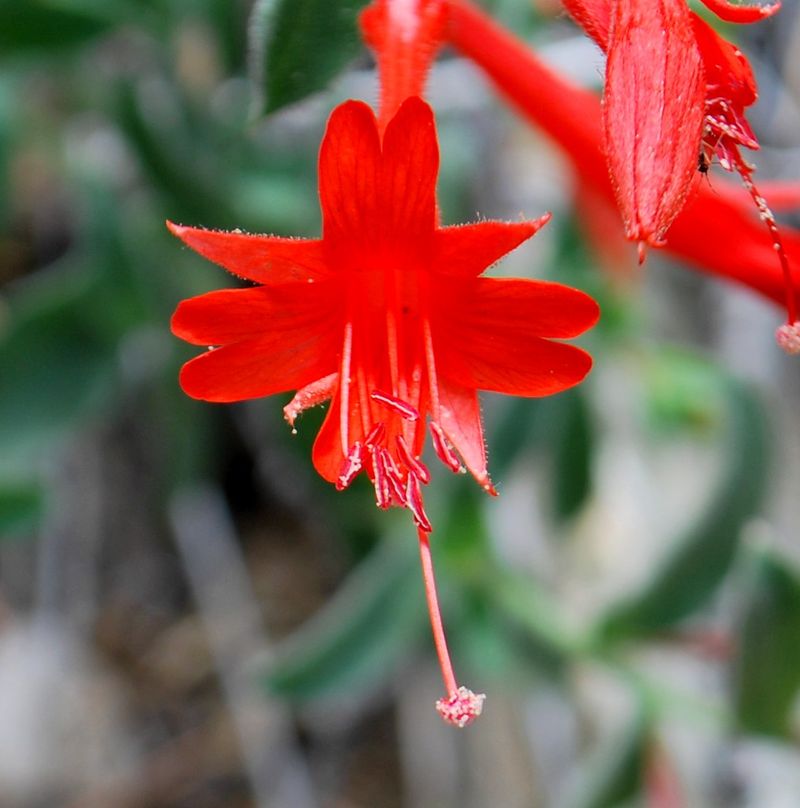
Few plants put on a show quite like California Fuchsia. Its bright, fire-engine red flowers practically glow in the summer sun.
Hummingbirds absolutely love it, and you’ll often see them hovering around the blooms throughout the day.
This plant is a real survivor. It handles drought like a champ and keeps blooming even when other plants have long since given up.
It spreads low to the ground, making it a great choice for slopes, borders, or rocky areas where water doesn’t stick around long.
Planting it is easy. Give it well-drained soil and a sunny spot, and it will reward you with non-stop color from midsummer into fall.
It doesn’t need fertilizer or fancy care routines. Just a little trimming after the blooming season keeps it looking neat and healthy for the next year.
Native bees also visit the flowers regularly, so you’re supporting local wildlife just by growing it. The plant’s silvery-green leaves add texture even when it’s not in full bloom.
It can soften the edge of a path or spill nicely over a low wall. Once established, it asks for very little water and still keeps the garden lively.
Deer usually leave it alone, which is a nice bonus in many areas. Pair it with buckwheat or sage for a relaxed native planting that looks full of life.
If you want something that looks wild and natural but still pops with color, this is one of the best picks for a low-water garden in our state.
2. California Buckwheat
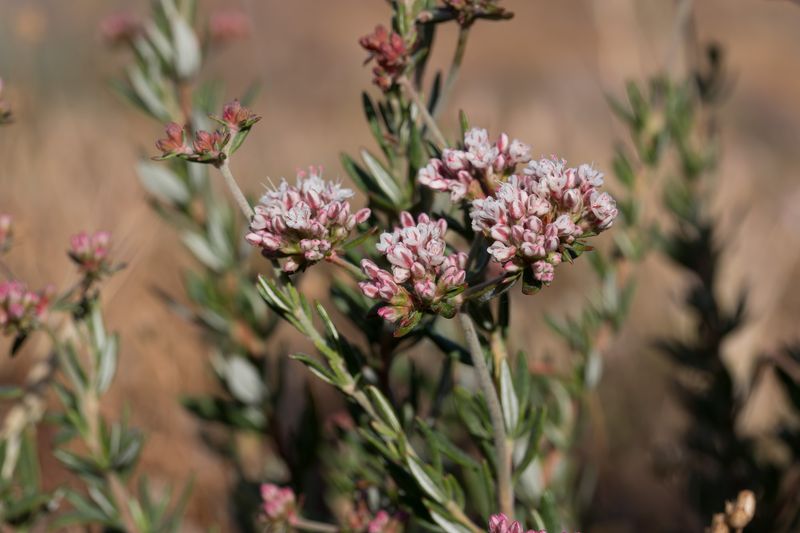
Rusty, rosy, and surprisingly tough, California Buckwheat is one of those plants that earns more admiration the longer you look at it. The flowers start out white or pale pink, then slowly turn a warm rusty-red as summer goes on.
Your California Garden Changes Every Week. Your Plan Should Too.
Gardening in California changes quickly throughout the season. Every Friday you’ll receive a simple weekly plan showing exactly what to plant, prune, fertilize, harvest, and protect so you never miss the right timing.
That changing color makes your garden feel like it’s always doing something new.
Pollinators go absolutely wild for this plant. Bees, butterflies, and even tiny native insects flock to the blooms all season long.
Planting it near a vegetable garden can actually help with pollination of your other crops too. It’s a win-win situation.
This shrub does best in full sun and dry, well-drained soil. It’s extremely drought-tolerant once established, which makes it perfect for our state’s warm, dry summers.
You won’t need to water it much after the first year, and it doesn’t require pruning to stay healthy.
Even after the flowers fade, the dried seed heads stay on the plant and provide food for birds through late fall and winter. The plant grows into a rounded, bushy shape that fills space nicely in any garden bed.
It also works well on slopes, where its roots can help hold soil in place. Pair it with sages, yarrow, or manzanita for a natural California look.
Once settled, it asks for very little and still gives plenty back. It’s reliable, beautiful, and genuinely easy to grow.
3. Yarrow
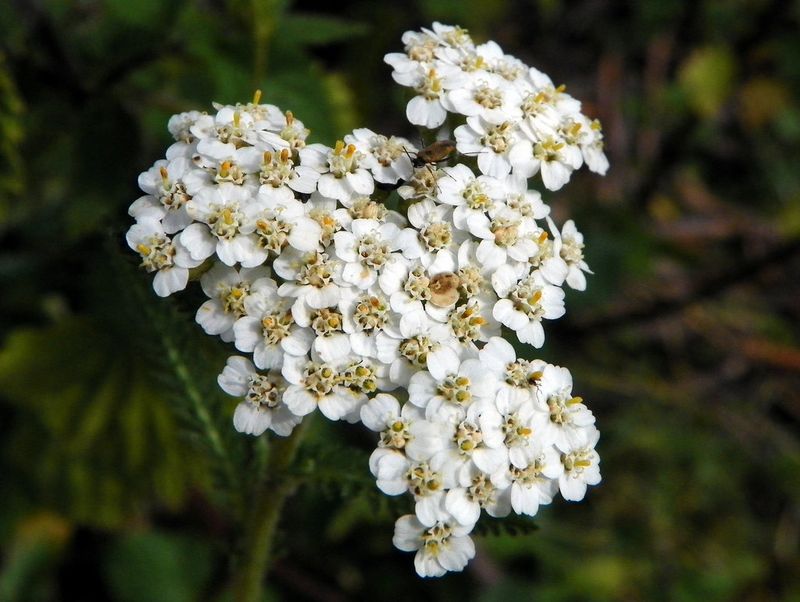
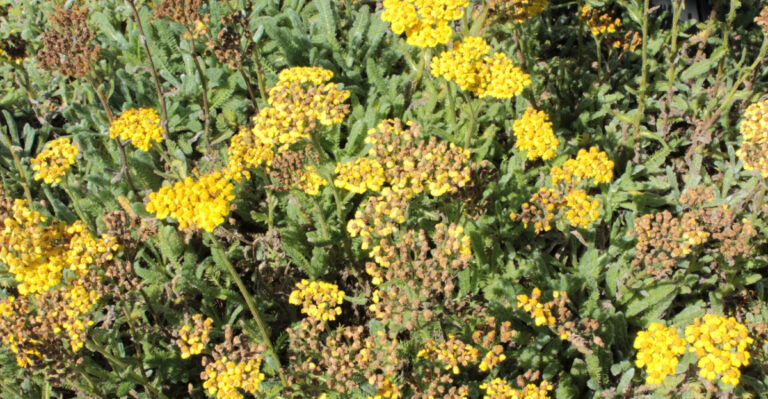
Old-fashioned and wildly useful, Yarrow has been grown in gardens for centuries. It produces wide, flat clusters of tiny flowers in shades of yellow, white, or soft pink.
The blooms last for weeks at a time, and cutting them actually encourages the plant to produce even more flowers.
What makes Yarrow so special is how little it asks for in return. It grows in poor soil, handles dry conditions without complaint, and spreads gradually to fill in empty spots.
Gardeners who want ground coverage without a lot of fuss often reach for Yarrow first.
The feathery, fern-like leaves smell pleasant when brushed against, adding a sensory element to the garden. Butterflies and beneficial insects are drawn to the blooms, which helps keep pest populations in check naturally.
It’s one of those plants that quietly does a lot of good work behind the scenes.
Yarrow also works beautifully as a cut flower for bouquets. The blooms hold their shape and color well, even after being cut.
Planting it in a sunny border or along a pathway gives it room to spread and shine. It can also help soften bare areas where tougher plants are needed.
Once established, it rarely needs much attention beyond light trimming. Divide crowded clumps every few years to keep growth fresh and blooms strong.
Few plants offer this combination of beauty, toughness, and practical value all in one compact package.
4. Narrowleaf Milkweed
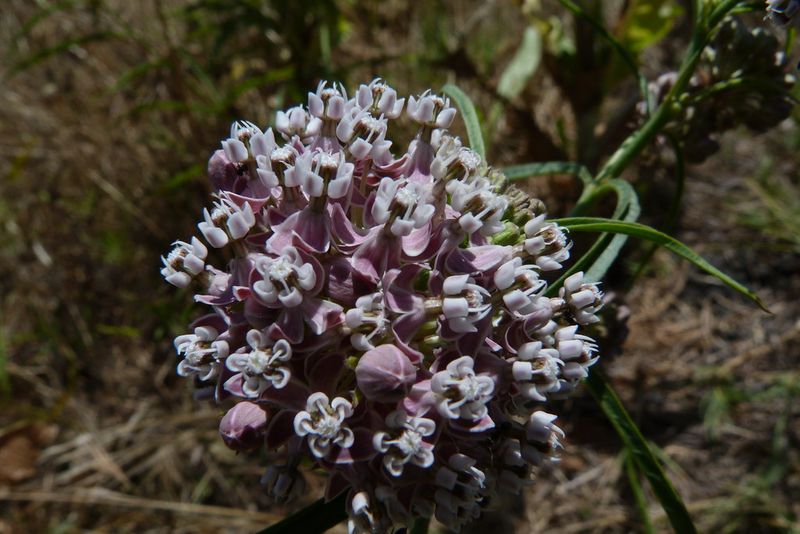
Monarch butterflies depend on milkweed to survive, and Narrowleaf Milkweed is one of the best native options for gardeners in our state.
The bright orange and red flower clusters are striking up close, and they bloom reliably from late spring through summer.
Growing this plant is one of the most meaningful things a home gardener can do for local wildlife.
Unlike the tropical milkweed sold at many nurseries, this native variety follows a natural seasonal cycle. It goes dormant in winter and regrows in spring, which is actually healthier for migrating butterflies.
Choosing the native version over the non-native kind makes a real difference for the monarch population.
The plant prefers full sun and dry to medium soil. It handles heat well and doesn’t need supplemental watering once established.
It also spreads slowly over time through underground roots, gradually forming a nice clump that fills in garden beds.
Beyond butterflies, many other pollinators visit the flowers too. Bees and hummingbirds are frequent visitors throughout the blooming season.
Planting a small patch of Narrowleaf Milkweed creates a lively, buzzing corner of the garden that’s fun to watch. It’s one of those plants with a bigger purpose beyond just looking pretty.
5. Showy Penstemon
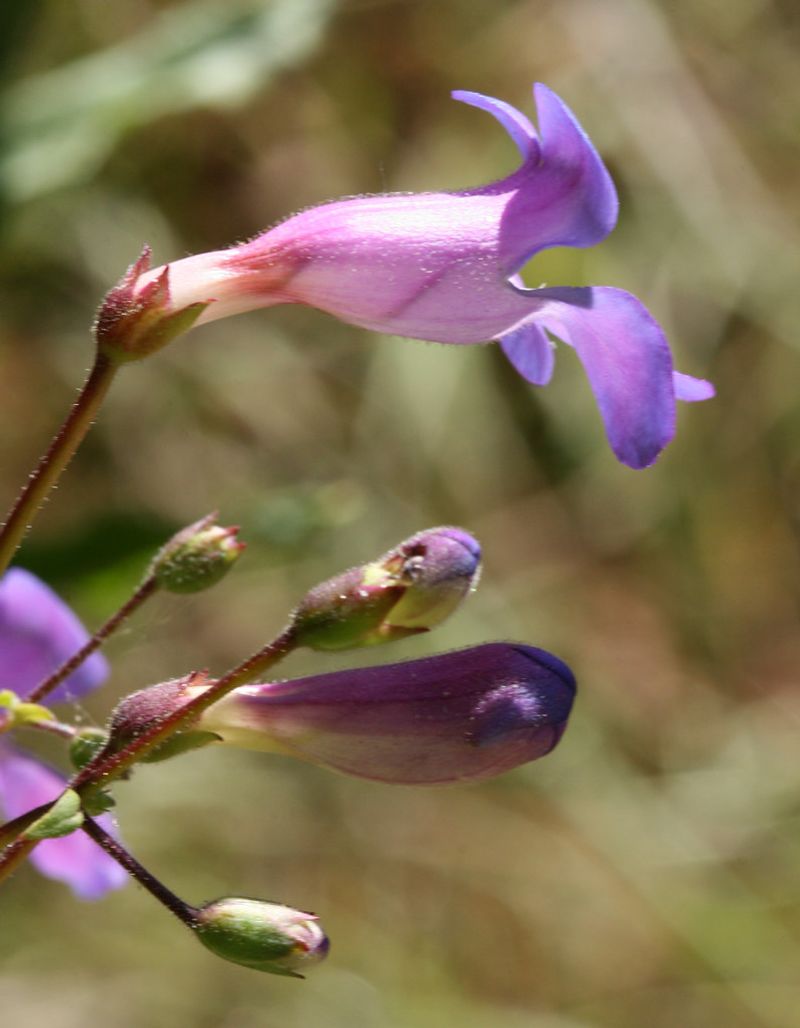
There’s nothing shy about Showy Penstemon. The tall flower spikes shoot up like bright red torches, catching the eye from across the yard.
It’s one of the most dramatic-looking native plants you can grow, and it blooms generously from late spring well into summer.
Hummingbirds treat these flowers like a favorite diner. They come back again and again throughout the day to sip nectar from the long, tubular blooms.
If you want to attract hummingbirds to your outdoor space, pairing Showy Penstemon with California Fuchsia creates an almost guaranteed feeding station.
This plant thrives in rocky or sandy, well-drained soil. It struggles in heavy clay or areas with poor drainage, so it’s worth amending the soil before planting.
Once it’s happy in its spot, though, it comes back year after year with very little care needed.
The upright growth habit makes it a great choice for the back of a garden border or along a fence line. It adds vertical interest that many low-growing native plants can’t provide.
Deadheading the spent flower spikes encourages a second round of blooms later in the season. It’s a bold, beautiful plant that brings both color and wildlife value to any sunny garden space.
6. Bush Monkeyflower
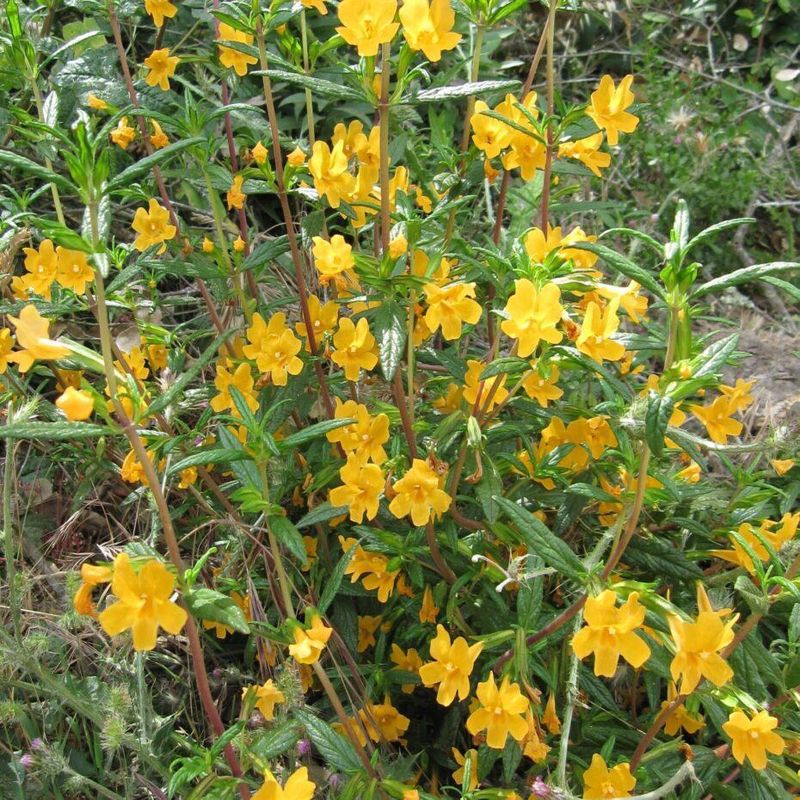
Cheerful and tough, Bush Monkeyflower is one of those plants that genuinely brightens up a dry garden.
The flowers come in shades of orange, yellow, or red, and they keep blooming through the hottest parts of summer when most other shrubs have gone quiet. It’s a plant that earns its place in the garden every single year.
Native to chaparral and coastal scrub habitats, it has evolved to handle long dry spells without missing a beat. Once established, it needs almost no supplemental watering.
It’s a smart choice for water-conscious gardeners who still want a yard full of color and life.
Hummingbirds and bumblebees are regular visitors to the flowers. The plant grows into a rounded shrub shape, usually about three to five feet tall, making it useful as an informal hedge or a standalone accent plant.
Pruning it back after the main bloom period encourages fresh new growth and more flowers the following season.
The sticky, slightly fragrant leaves are part of what helps the plant survive dry conditions. They help reduce water loss on hot days, which is a clever natural adaptation.
Planting it on a sunny slope or in a raised bed gives it the sharp drainage it needs to perform at its best year after year.
7. Woolly Bluecurls
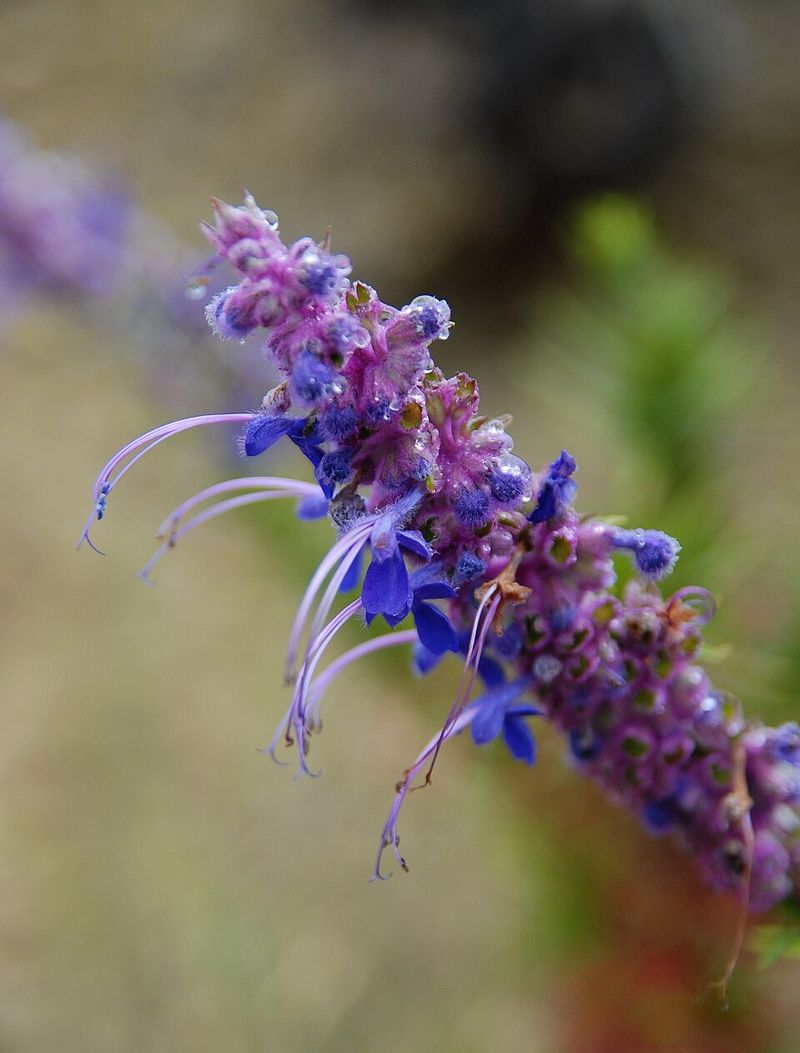
Woolly Bluecurls is one of those plants that makes people stop and stare. The flowers are a deep, vivid blue-purple with curling stamens that look almost like tiny fireworks.
The whole plant has a soft, fuzzy texture from the woolly white hairs that cover its stems and leaves. It’s genuinely unlike anything else you can grow in a native garden.
This plant is native to the dry foothills and coastal ranges of our state, so it’s perfectly suited to hot, dry summers. It needs excellent drainage and full sun to thrive.
Sandy or rocky soil works best, and it strongly dislikes being overwatered. Less is definitely more when it comes to caring for this one.
The fragrance is another standout quality. The leaves and stems release a strong, pleasant herbal scent that fills the air on warm days.
Bees are deeply attracted to the flowers, and a blooming Woolly Bluecurls plant can be buzzing with activity from morning until evening.
It blooms from late spring through summer and sometimes into early fall. The plant grows into a rounded, shrubby mound that looks striking when planted in groups.
It pairs beautifully with other dry-loving natives like California Buckwheat and Bush Monkeyflower for a cohesive, wildlife-friendly garden design.
8. Desert Marigold
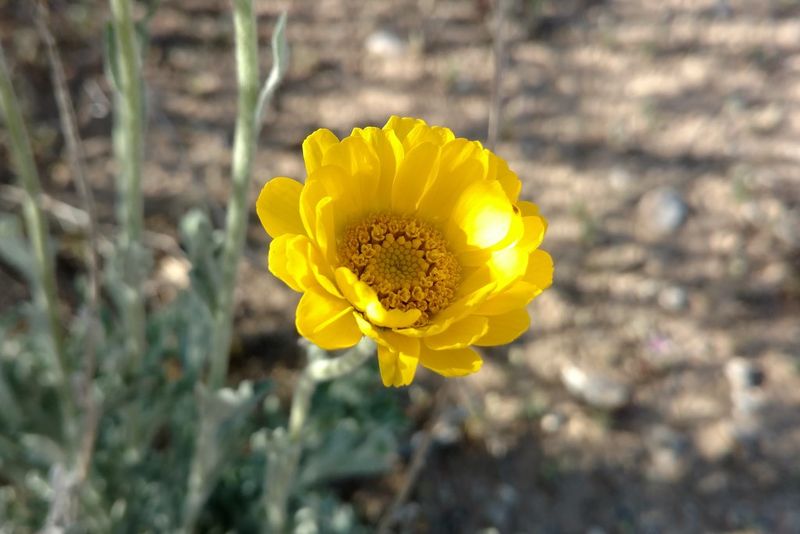
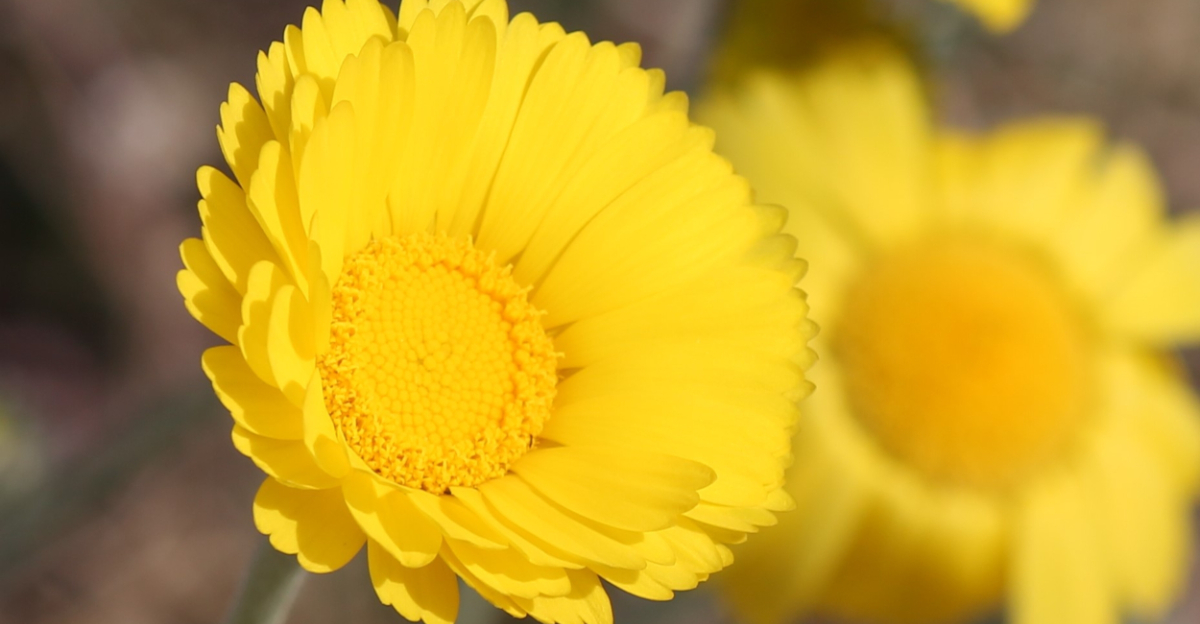
Sunny, bold, and almost impossible to overlook, Desert Marigold brings a burst of pure yellow energy to any garden. The bright, daisy-like flowers sit on top of slender stems above soft, silvery-gray leaves.
It blooms in waves from spring through late summer, and a healthy plant can be covered in dozens of flowers at once.
This plant is built for heat. It naturally grows in desert and arid grassland regions, so it laughs in the face of scorching summer temperatures.
Gardeners in hotter, drier parts of our state often rely on it to bring color when almost nothing else will perform.
Butterflies love the flowers, and the plant provides a reliable nectar source through the long, dry season. It grows about one to two feet tall and spreads into a tidy clump over time.
Deadheading the spent blooms regularly keeps the plant looking fresh and encourages continuous flowering throughout the season.
One thing to know is that the plant can cause skin irritation in some people, so wearing gloves when handling it is a good idea. Other than that small caution, it’s an easy, rewarding plant to grow.
Full sun, dry soil, and good drainage are all it needs to put on a dazzling show from one end of summer to the other.