10 Smart Ways California Gardeners Reuse Old Potting Soil
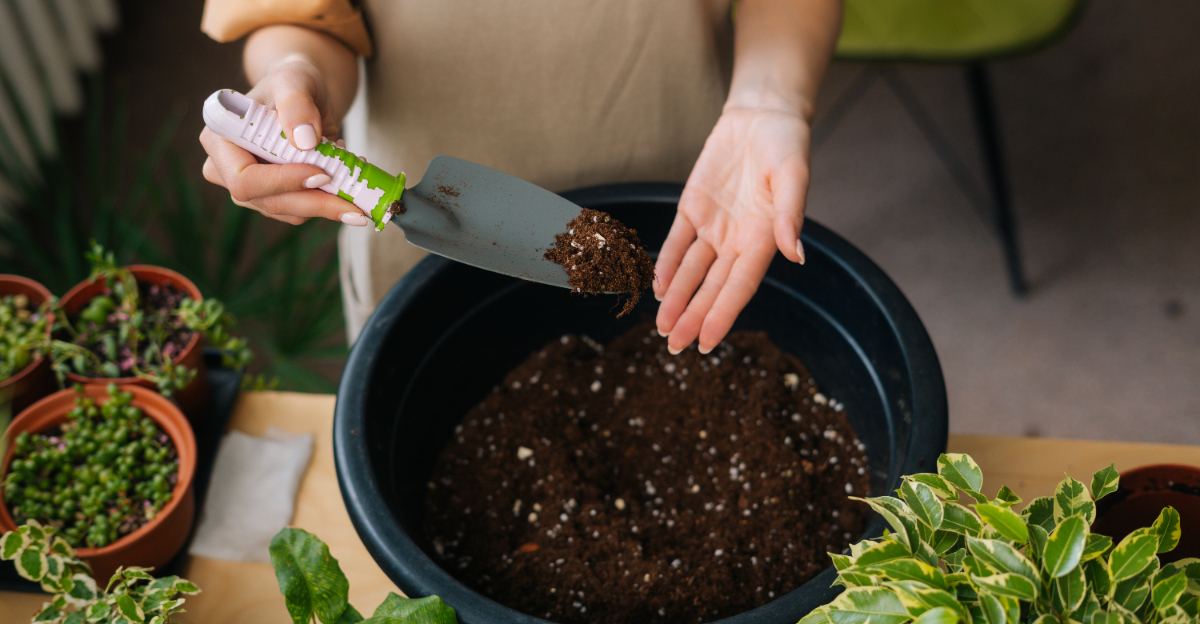
Throwing out old potting soil feels wasteful, and it is. Most gardeners do it anyway because spent soil looks tired and used up, and it is easier to grab a fresh bag than figure out what to do with what is already there.
The truth is that old potting soil has plenty of life left in it with the right approach. Reusing it the wrong way can cause problems, but done correctly it saves real money and gives your garden something useful every single season.
California’s long growing season and warm climate actually make it easier to refresh and recondition old soil than in most other states.
The heat speeds things up, compost breaks down faster, and there is almost always something growing that can benefit from what you have sitting around.
A few of these approaches will completely change how you think about soil from one season to the next.
1. Refresh It With Compost For New Containers
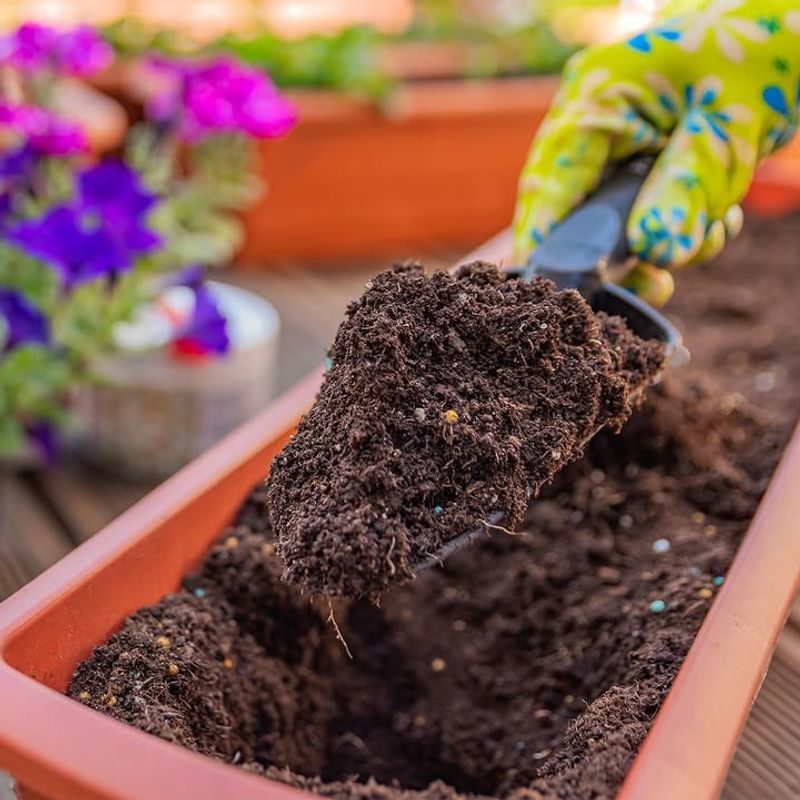
Old potting soil does not have to be thrown away just because it looks tired. With a little help from compost, it can come back to life and work well in new containers.
This is one of the easiest and most budget-friendly moves any gardener can make.
Start by spreading your old potting mix on a tarp or into a large bin. Remove any dead roots, clumps, or debris you find.
Then mix in one part compost for every two parts of old soil. The compost brings back nutrients and improves the texture so roots can grow freely.
Finished compost from a local garden center or your own backyard pile works great here. You can also add a slow-release fertilizer to give your new container plants an extra boost.
Stir everything together well before filling your pots.
Container plants need rich, fluffy soil to thrive. Blending compost into used mix gives you a refreshed growing medium without spending a lot of money.
Many gardeners in our state do this every spring before the growing season kicks off. It saves money, reduces waste, and keeps containers looking full and healthy all season long.
2. Use It To Fill The Bottom Of Large Pots
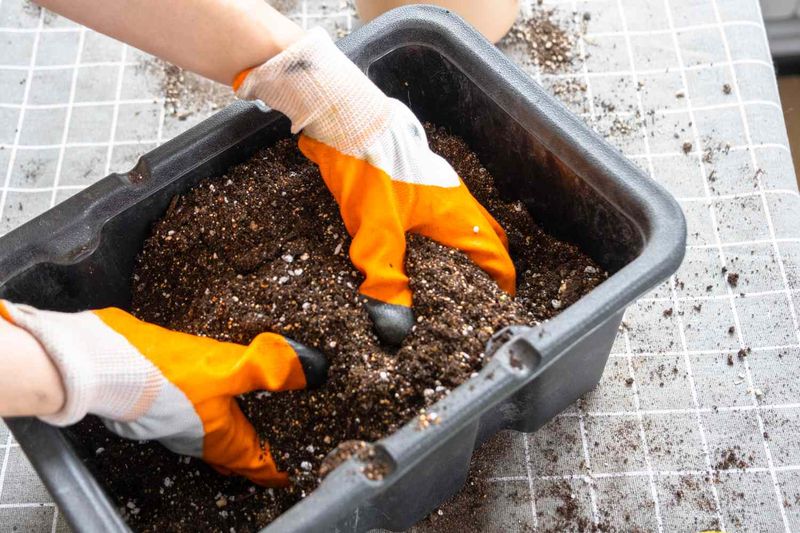
Large pots look great on patios and porches, but filling them entirely with fresh potting mix gets expensive fast. Here is a practical trick that saves money and puts old soil to good use.
Fill the bottom third of any large container with your old potting mix.
Most plant roots do not reach the very bottom of a deep pot anyway. The lower portion mainly provides stability and drainage.
Using old potting soil down there works perfectly well and cuts down on how much fresh mix you need to buy.
Place a layer of landscape fabric or newspaper between the old soil and the fresh mix if you want to keep them separated. This also helps prevent the older material from shifting up into the root zone.
Then fill the top two-thirds with fresh potting mix and plant as usual.
Your California Garden Changes Every Week. Your Plan Should Too.
Gardening in California changes quickly throughout the season. Every Friday you’ll receive a simple weekly plan showing exactly what to plant, prune, fertilize, harvest, and protect so you never miss the right timing.
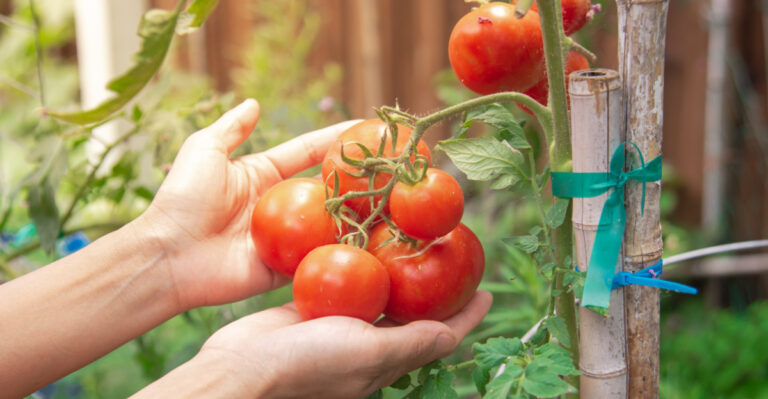
This method works especially well for tall ornamental grasses, large tomato plants, and shrubs grown in containers. Gardeners across our state use this trick to reduce costs without sacrificing plant health.
Your plants will not know the difference, and your wallet will definitely appreciate it. It is a small change that adds up to big savings over an entire growing season.
3. Blend It Into Raised Beds
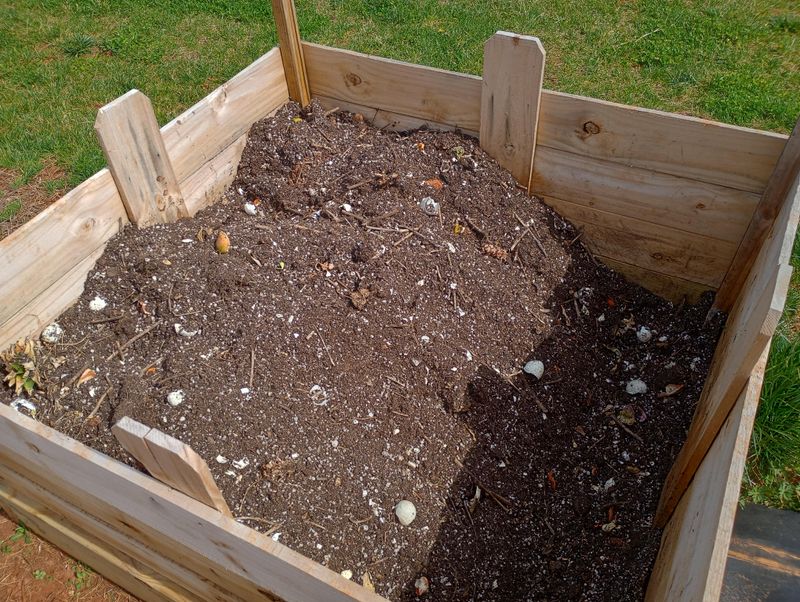
Raised beds are hungry for organic material, and old potting mix delivers exactly that. Even after a full growing season in containers, used potting soil still contains organic matter that benefits raised bed gardens.
Blending it in is a smart way to build soil volume without spending extra money.
Spread the old potting mix over the surface of your raised bed and work it in with a garden fork or tiller. Aim to mix it into the top six to eight inches of existing soil.
This improves drainage in heavy clay soils and adds body to sandy ones.
If your used soil came from vegetable containers, it is a good idea to add compost or a balanced fertilizer at the same time. This helps replace the nutrients that were used up during the previous growing season.
A light top dressing of compost after mixing everything in works really well.
Raised beds in our state benefit from regular additions of organic matter because the warm climate breaks it down quickly. Adding old potting soil each season helps maintain the loose, well-draining texture that vegetables love.
Over time, your raised beds become richer and more productive without requiring large investments in new materials every year.
4. Spread It Around Flower Beds
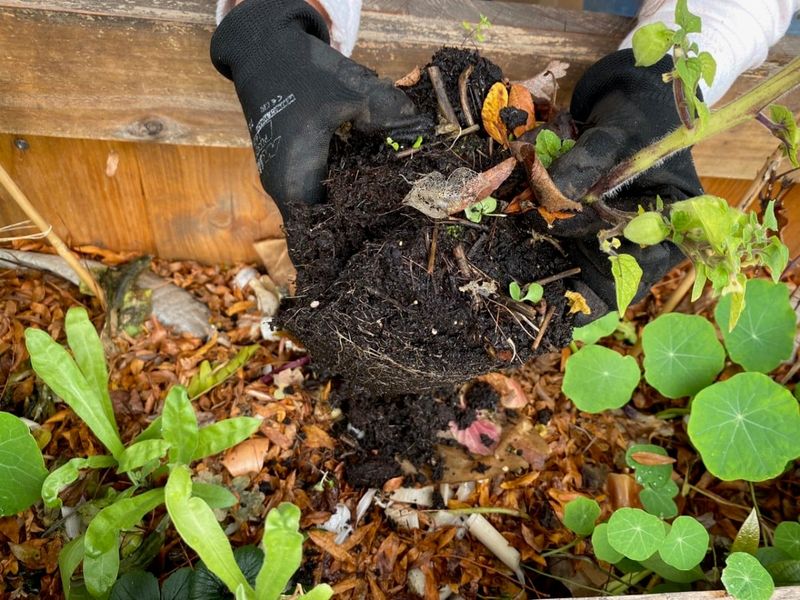
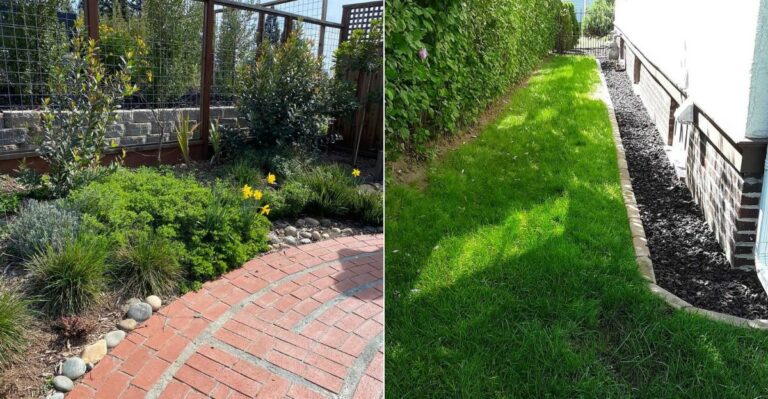
Flower beds can always use a little extra organic material worked into the soil. Spreading old potting mix around established plants is a quick and easy way to give beds a boost.
It is especially helpful in areas where the native soil is compacted or sandy.
Rake the old potting soil evenly around the base of your flowering plants, keeping it a few inches away from the stems. Work it lightly into the top layer of garden soil with a hand cultivator.
This helps improve moisture retention and gives roots more room to spread out.
Old potting mix works well around perennials, ornamental grasses, and flowering shrubs. It adds a layer of loose material that earthworms love to move through, which naturally improves soil structure over time.
Adding a thin layer of mulch on top after spreading the soil helps lock in moisture and keeps weeds down.
Many gardeners in our state do this in the fall after cleaning out their containers. It is a satisfying way to close out the season while doing something good for your garden.
You are essentially recycling nutrients back into the ground where they came from. Your flower beds will reward you with stronger growth and more blooms the following spring.
5. Add It To The Compost Pile
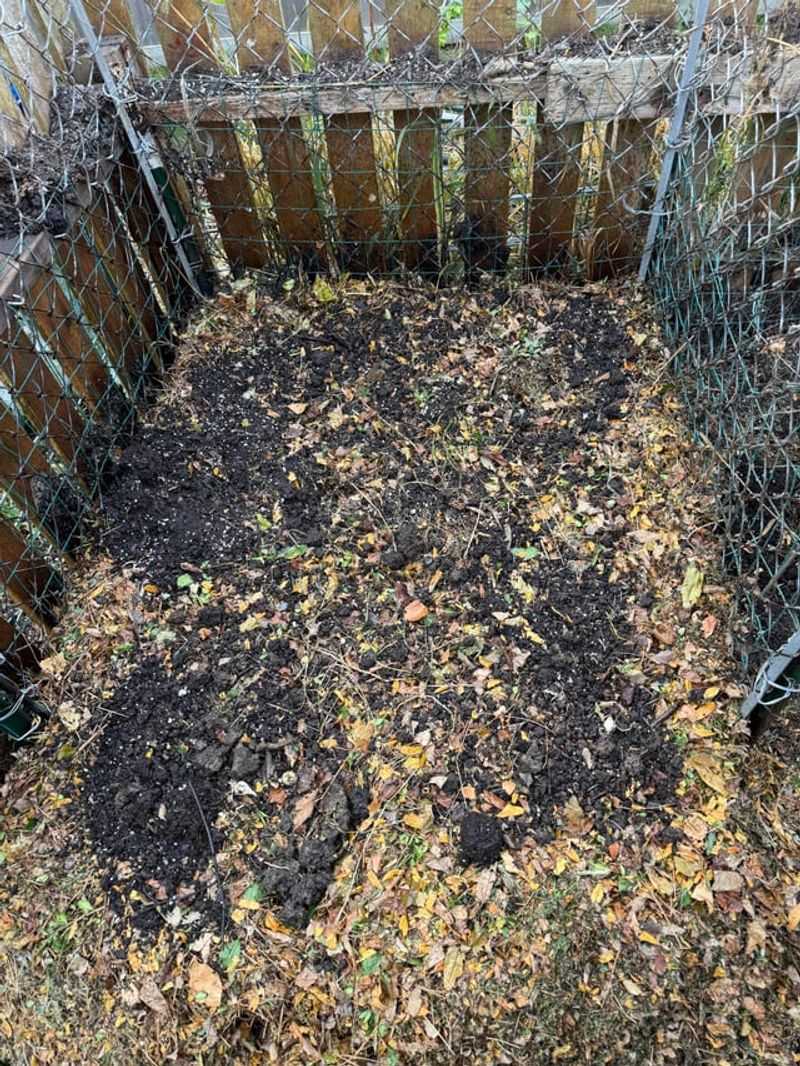
Not all old potting soil is ready to go straight back into the garden. If it contained diseased plants or heavy pest activity, adding it to a hot compost pile is a safer option.
The heat generated by an active compost pile can break down harmful pathogens and give the soil a fresh start.
Layer the old potting mix into your compost bin between green materials like kitchen scraps or fresh grass clippings and brown materials like dried leaves or cardboard. This balance helps the pile heat up and decompose properly.
Turn the pile every week or two to keep the process moving.
Over several weeks, the old potting soil will blend with the other compost materials and transform into a rich, dark amendment. By the time the compost is finished, the original soil is barely recognizable.
What was once depleted potting mix becomes a valuable soil builder.
Composting is a cornerstone of sustainable gardening in our state, where reducing waste and conserving resources are top priorities. Adding old potting soil to the pile is a small step with a big payoff.
You end up with free, homemade compost that improves any garden bed, container, or raised planter you use it in.
6. Use It To Fill Low Spots In The Yard
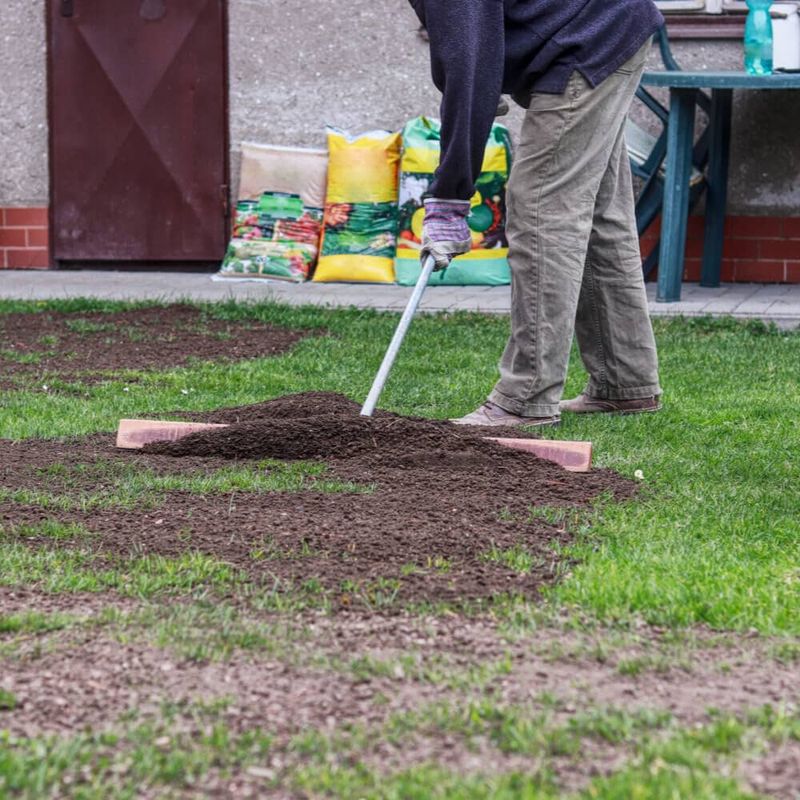
Every yard has a few low spots where water collects after rain or irrigation. Those soggy patches can cause problems for grass and plants nearby.
Old potting soil is a surprisingly handy material for leveling out those uneven areas.
Shovel the old potting mix into the low spots and spread it evenly with a rake. Work it into the surrounding soil so it does not sit in a clump.
For grassy areas, apply a thin layer at a time so grass can grow through it without being smothered.
Old potting soil works well for this purpose because it is lightweight and easy to spread. It also drains better than plain clay, which helps prevent future pooling in problem areas.
If the low spot is in a garden bed rather than a lawn, you can fill it more generously and plant directly into the area afterward.
This approach is practical and cost-effective for homeowners who want to improve their yard without buying bags of topsoil or fill dirt. In our state, where outdoor living spaces are used year-round, keeping your yard level and functional makes a big difference.
Over time, these small improvements add up to a much more enjoyable and well-maintained outdoor space.
7. Save It For Tough Ornamentals
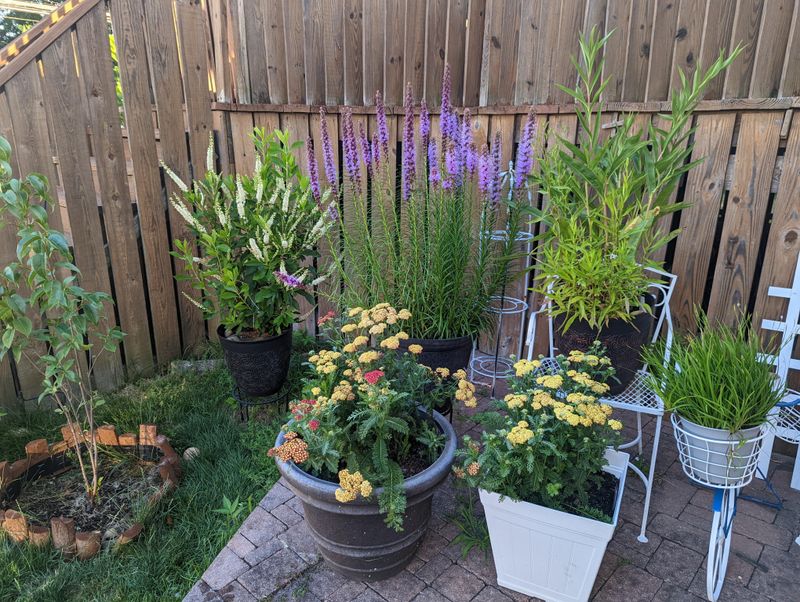
Some plants actually prefer soil that is not overly rich. Drought-tolerant ornamentals, succulents, and native plants often do better in leaner growing conditions.
Old potting soil that has lost much of its nutrient content can be a perfect fit for these low-maintenance plants.
Plants like lavender, agave, rosemary, and many ornamental grasses thrive when they are not pampered with too much fertilizer or moisture-retaining soil.
Using older, more depleted potting mix in their containers mimics the lean, well-draining conditions they prefer.
This means less work for you and happier plants overall.
Before using old soil for tough ornamentals, make sure it drains well. If it feels compacted or dense, mix in a little coarse sand or perlite to open it up.
This adjustment keeps roots from sitting in water, which is the main concern for drought-adapted plants.
Our state is home to a huge variety of native and Mediterranean-climate plants that are perfectly suited to lean soil conditions. Matching your old potting mix to these tough ornamentals is a clever way to use every bit of material you have on hand.
It reduces waste, saves money on new soil, and keeps your low-water garden looking sharp without a lot of extra effort or expense.
8. Solarize It Before Reusing Questionable Soil
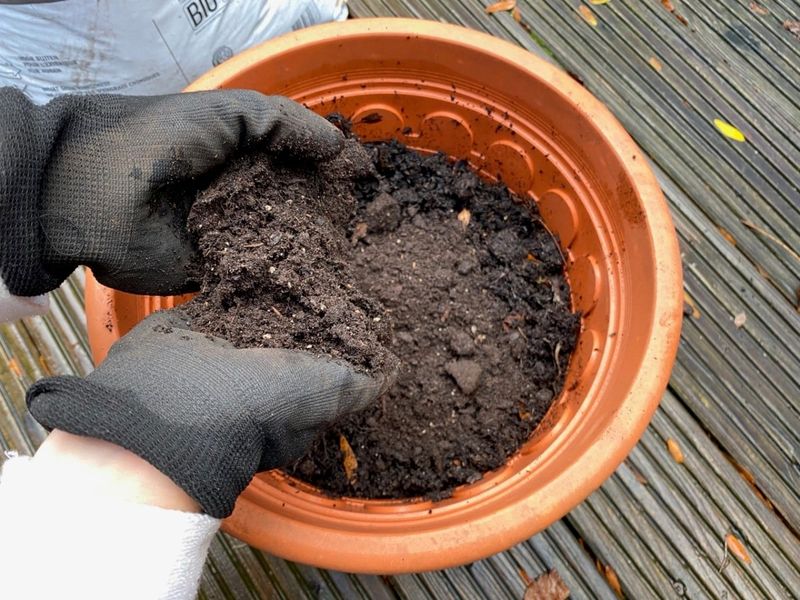
Sometimes old potting soil raises a red flag. If your plants struggled with disease, fungus gnats, or root rot during the previous season, do not put that soil straight back into new containers.
Solarization is a natural, chemical-free way to clean it up before reusing it.
Spread the questionable soil in a thin layer on a hard surface or in a low-sided container. Moisten it slightly, then cover it tightly with clear plastic sheeting.
Seal the edges with rocks or boards to trap heat inside. Leave it in full sun for four to six weeks during the hottest part of the year.
The heat that builds up under the plastic can reach temperatures high enough to reduce many fungal spores, weed seeds, and soil-dwelling pests. After the solarization period, remove the plastic and let the soil air out for a few days before using it.
Mix in fresh compost to restore some of the organic matter and nutrients that the heat may have reduced.
Our state’s long, hot summers make solarization especially effective. Gardeners in warmer inland areas can often achieve great results in just a few weeks.
It is a practical, low-cost method that turns risky soil into something useful again, all without chemicals or complicated equipment.
9. Mix It With Fresh Potting Soil For Patio Plants
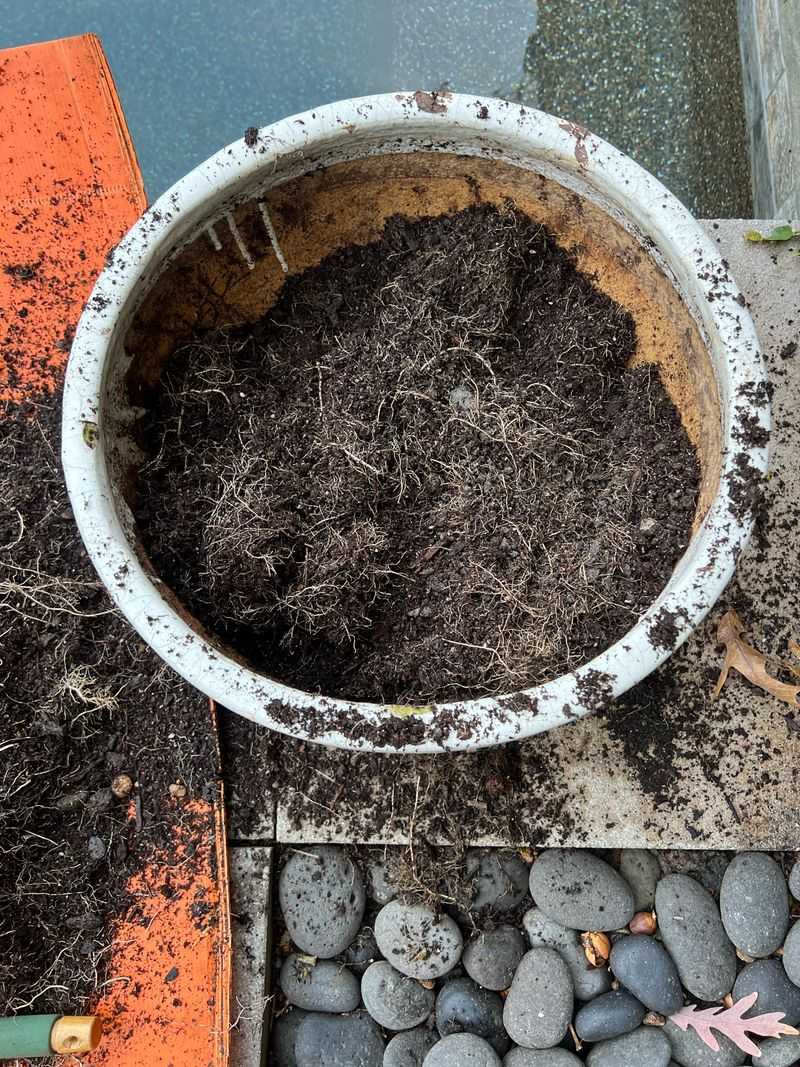
Buying all-new potting soil for every container on your patio can get costly, especially when you have a lot of pots to fill. Blending old potting mix with fresh potting soil is a smart middle ground that saves money without compromising plant health.
Most patio plants respond really well to this combination.
A common ratio that works well is one part old potting soil mixed with two parts fresh mix. This gives you the structure and organic matter from the old soil while the new mix contributes fresh nutrients and a light, airy texture.
Stir them together thoroughly before filling your containers.
Patio plants like petunias, geraniums, herbs, and compact vegetable varieties all do well in this blended mix. The key is making sure the old soil you are using is in good shape, free of disease and pests, and not too compacted.
If it passes that check, it is ready to blend.
Stretching your potting soil supply this way is a habit that experienced gardeners swear by. Across our state, where patio and container gardening is popular year-round, small savings like this really add up over time.
You get the same great results for your plants while spending less at the garden center each season.
10. Keep It Out Of Seed Trays And Use It Outdoors Instead
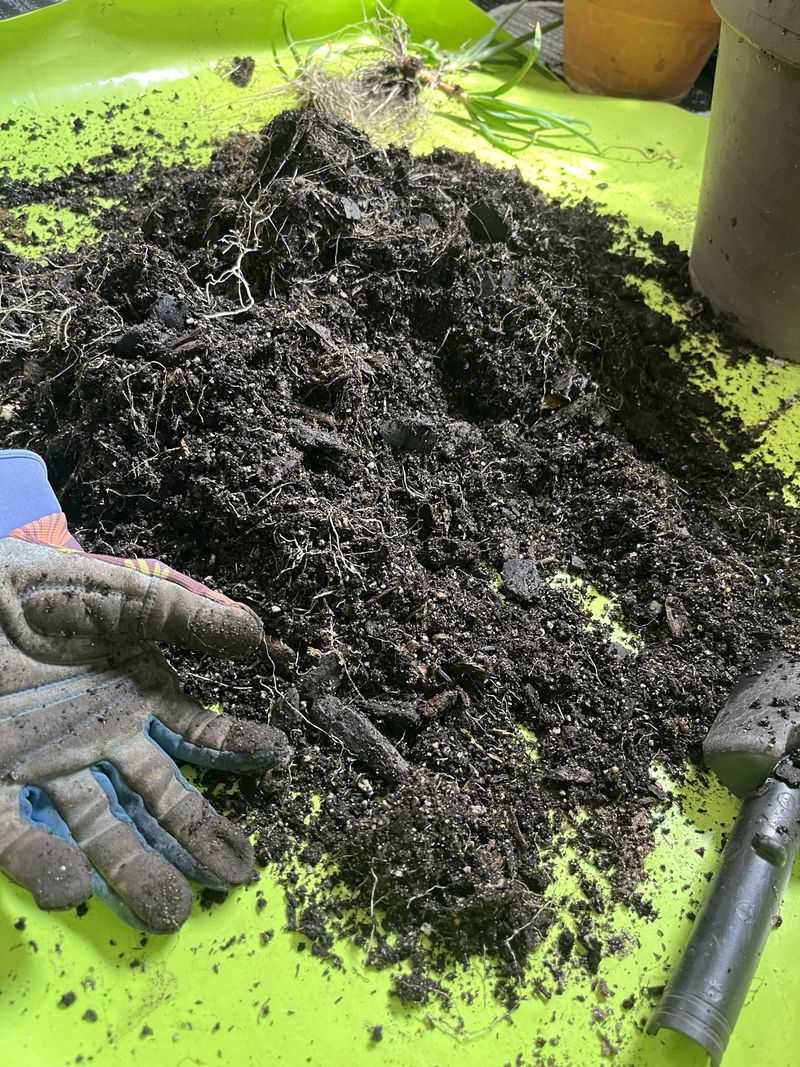
One of the most important rules for reusing old potting soil is knowing where not to put it. Seed trays are not the right place for used mix.
Seeds need a very fine, light, and sterile medium to germinate properly. Old potting soil is often too dense, too coarse, and may carry pathogens that harm delicate seedlings.
Instead of risking your seed starts, redirect that old soil to outdoor uses where it performs much better. Garden beds, ground-level planters, landscape borders, and lawn repairs are all great destinations.
Outdoors, plants are more established and resilient, so the quirks of old potting soil are not a problem.
Keeping a dedicated bag or bin of old potting soil for outdoor use is a practical system many gardeners adopt. Label it clearly so you do not accidentally grab it for seed starting.
When it is full, you always have material ready to go for filling, spreading, or blending projects around the yard.
Seed starting success depends heavily on the quality of the starting medium. Spending a few dollars on fresh seed starting mix for trays is always worth it.
Save your old potting soil for the jobs it handles best, and your whole garden operation becomes more efficient, organized, and productive throughout the year.