10 Plants That Ruin California Foundations And Better Alternatives
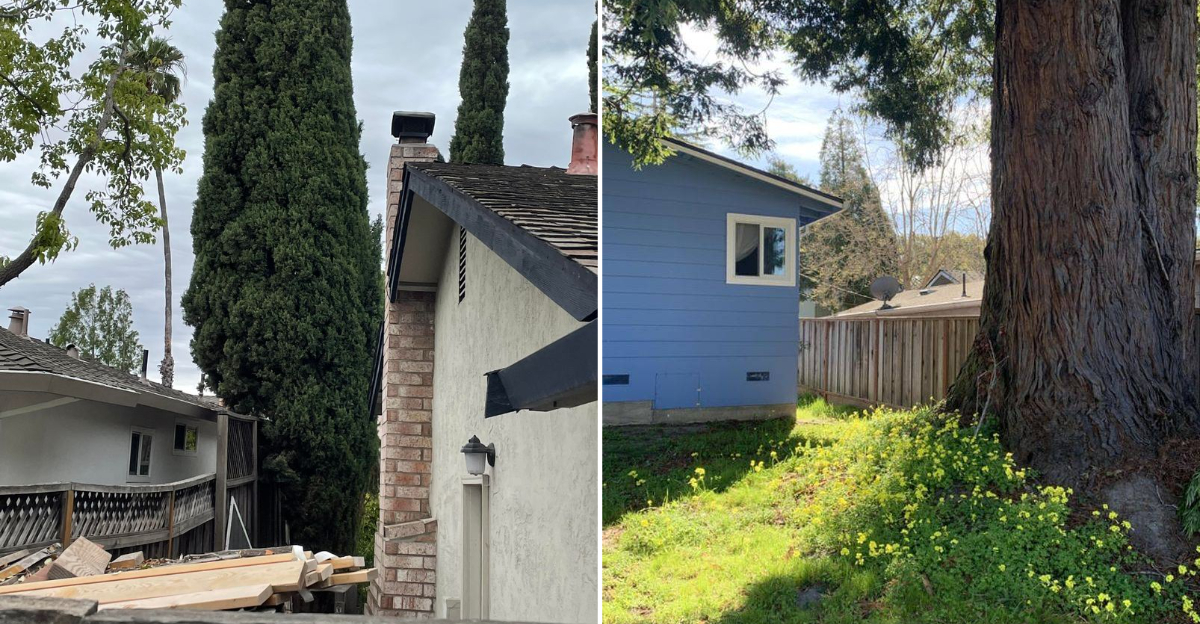
A plant can look innocent enough at the garden center, then turn into a full-blown foundation menace a few years later.
In California, that risk gets even bigger when fast growth, thirsty roots, and tough growing conditions all collide right next to the house.
The wrong plant in the wrong spot can crack hardscaping, creep into drainage lines, trap moisture where you do not want it, and make a home’s exterior a lot more high-maintenance than it needs to be.
Not exactly the kind of curb appeal upgrade anyone had in mind. The good news is you do not have to choose between a beautiful yard and protecting your foundation.
Plenty of plants bring color, texture, and structure without acting like they are plotting against your house.
Sometimes the smartest landscaping move is not just knowing what to plant. It is knowing which troublemakers to skip before they start costing you real money.
1. Weeping Willow
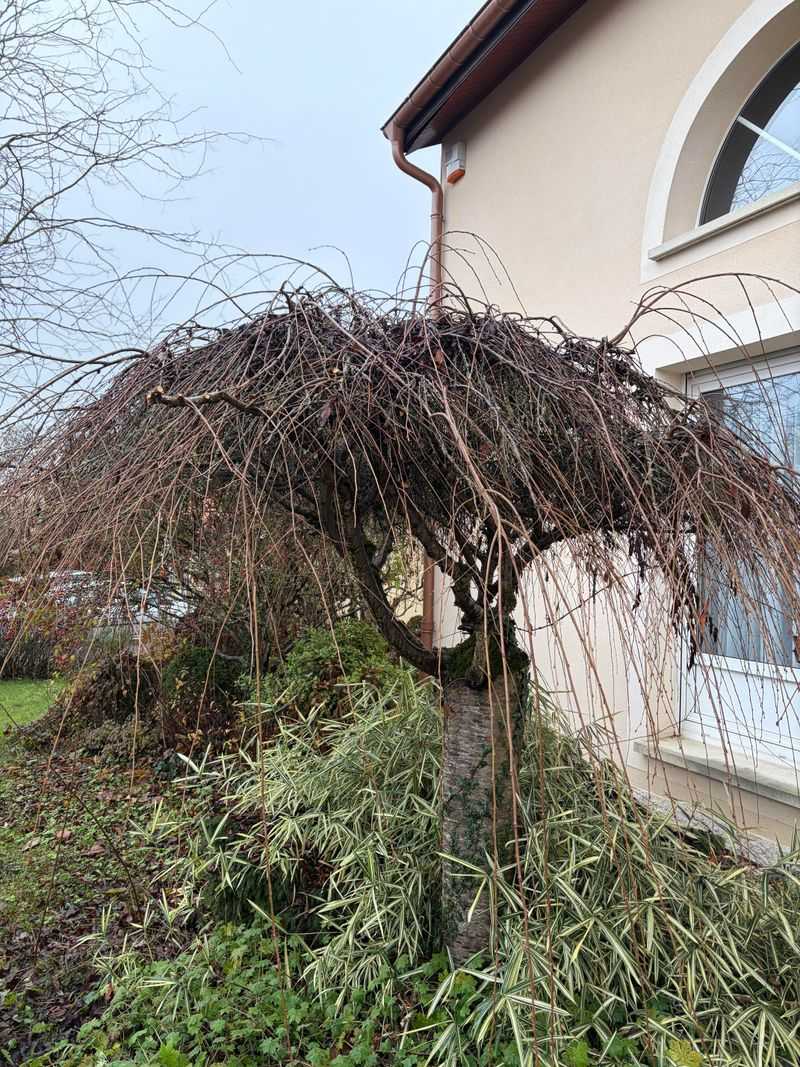
Few trees look as romantic and graceful as the weeping willow, with its long, sweeping branches and soft, flowing shape. But beneath that beauty lies one of the most aggressive root systems of any tree you can plant in California.
Weeping willows are moisture hunters. Their roots spread far and wide in search of water, and they will find it in your pipes, your sewer lines, and your foundation.
In California, where dry seasons push roots to search harder for moisture, the damage can happen faster than you might expect. A weeping willow planted even 50 feet from your home can still send roots your way.
Once roots get into a crack in your foundation or a small gap in a pipe, the pressure builds and breaks things apart from the inside out.
Instead of a weeping willow, try planting a desert willow, also called Chilopsis linearis. It has a similar graceful look with slender leaves and pretty trumpet-shaped flowers.
Better yet, it is drought-tolerant and well-suited for California gardens. Its roots are far less invasive, making it a much smarter choice near your home.
2. Fruitless Mulberry
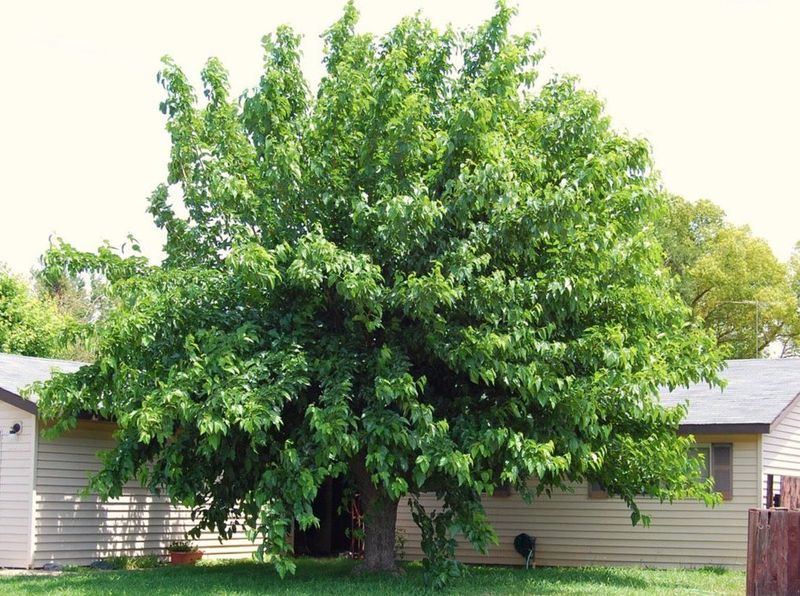
Walk through almost any older California neighborhood and you will likely spot a fruitless mulberry shading a front yard. They grow fast, get huge, and provide wonderful shade during hot summers.
For decades, they were a go-to choice for California landscaping. The problem is that fast growth above ground usually means fast-spreading roots below ground.
Fruitless mulberry roots are shallow and wide. They love to spread across the surface of the soil, and that means they often push up against driveways, sidewalks, and home foundations.
In California’s clay-heavy soils, these roots can cause serious heaving and cracking over time. The tree can also become very large, making the root spread even more extensive as it matures.
A great swap for the fruitless mulberry is the crape myrtle, or Lagerstroemia. It offers beautiful summer blooms in shades of pink, red, and white.
Crape myrtles grow at a manageable pace, stay much smaller, and have a root system that is far less likely to threaten your foundation. They also handle California heat really well and need very little water once established, making them a win all around.
Your California Garden Changes Every Week. Your Plan Should Too.
Gardening in California changes quickly throughout the season. Every Friday you’ll receive a simple weekly plan showing exactly what to plant, prune, fertilize, harvest, and protect so you never miss the right timing.
3. Liquidambar
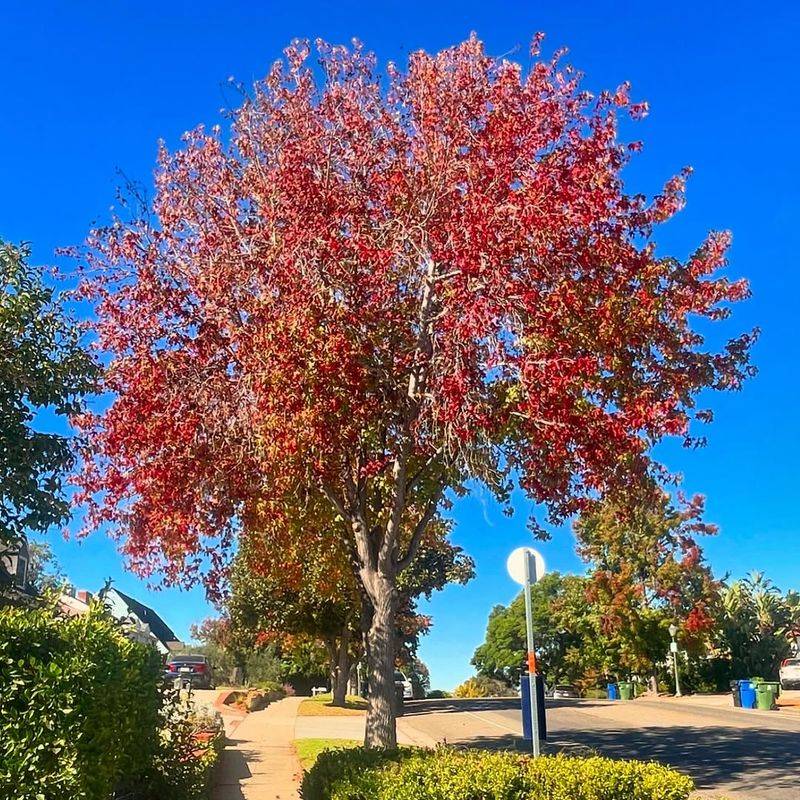
Also known as sweetgum, this tree is beloved for its stunning fall color. In California, where dramatic autumn foliage is rare, this tree stands out with its star-shaped leaves turning brilliant shades of red, orange, and purple.
Many homeowners plant it purely for that seasonal show. But what happens underground is far less pretty.
Sweetgum trees develop a dense, fibrous root system that spreads aggressively near the surface. In California neighborhoods, you will often see sidewalks buckled and cracked right next to these trees.
Those same roots can work their way under your home’s foundation, especially in areas with clay soil that expands and contracts with moisture changes. The result is uneven settling, cracking, and expensive structural repairs.
If you love fall color in your California garden, consider planting a Chinese pistache, or Pistacia chinensis, instead. It offers gorgeous orange and red fall foliage and grows at a moderate pace.
Its roots are well-behaved and far less likely to cause damage near structures. Chinese pistache is also drought-tolerant, which makes it a practical and beautiful choice for California’s climate without sacrificing that seasonal color you love.
4. Ficus
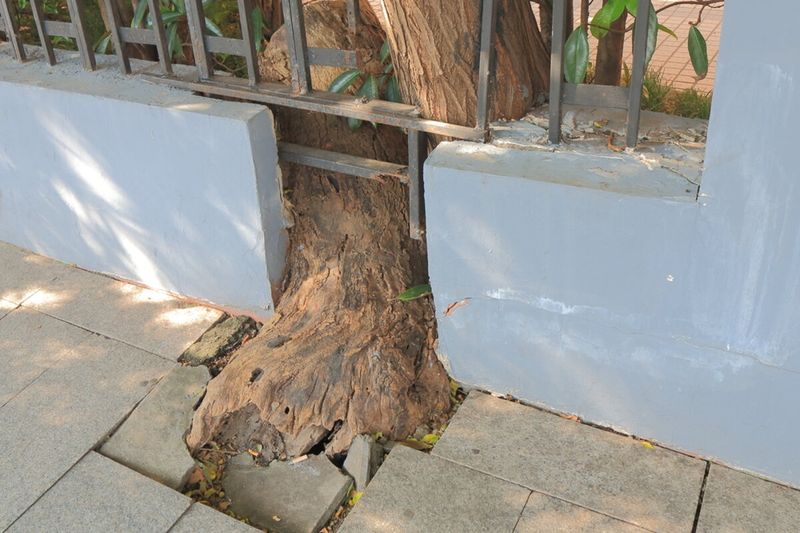
Ficus trees are everywhere in Southern California. Drive through Los Angeles or San Diego and you will see them lining streets and filling front yards with their massive, broad canopies.
They look bold, tropical, and impressive. However, ficus trees are among the most destructive plants you can have near a California home.
The roots of a ficus tree are notoriously powerful and wide-spreading. They grow close to the surface and push through anything in their path, including concrete driveways, sidewalks, water lines, and home foundations.
Stories of ficus roots invading sewer systems and cracking slabs are extremely common in California. Even trees planted several feet away from a structure can eventually cause damage as the roots extend outward over the years.
A safer and still striking alternative is the magnolia tree, particularly the Southern magnolia or Magnolia grandiflora. It has beautiful large white flowers, glossy evergreen leaves, and a commanding presence in any yard.
Magnolias grow at a reasonable pace and their roots, while noticeable, are far less aggressive than ficus. For a smaller option, Japanese magnolia varieties work wonderfully in California yards and stay compact enough to keep roots well away from your foundation.
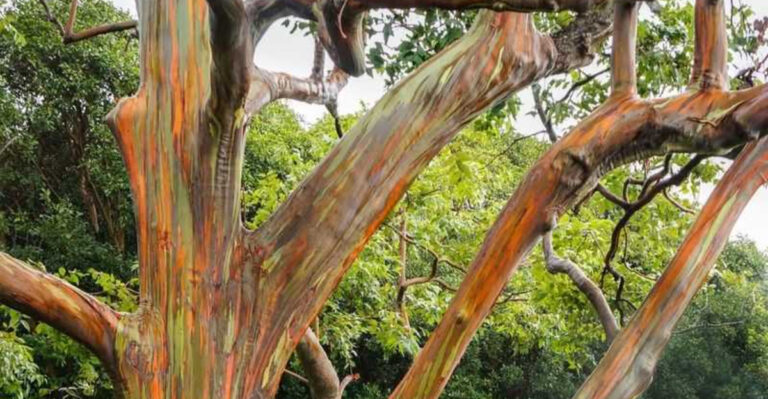
5. Eucalyptus
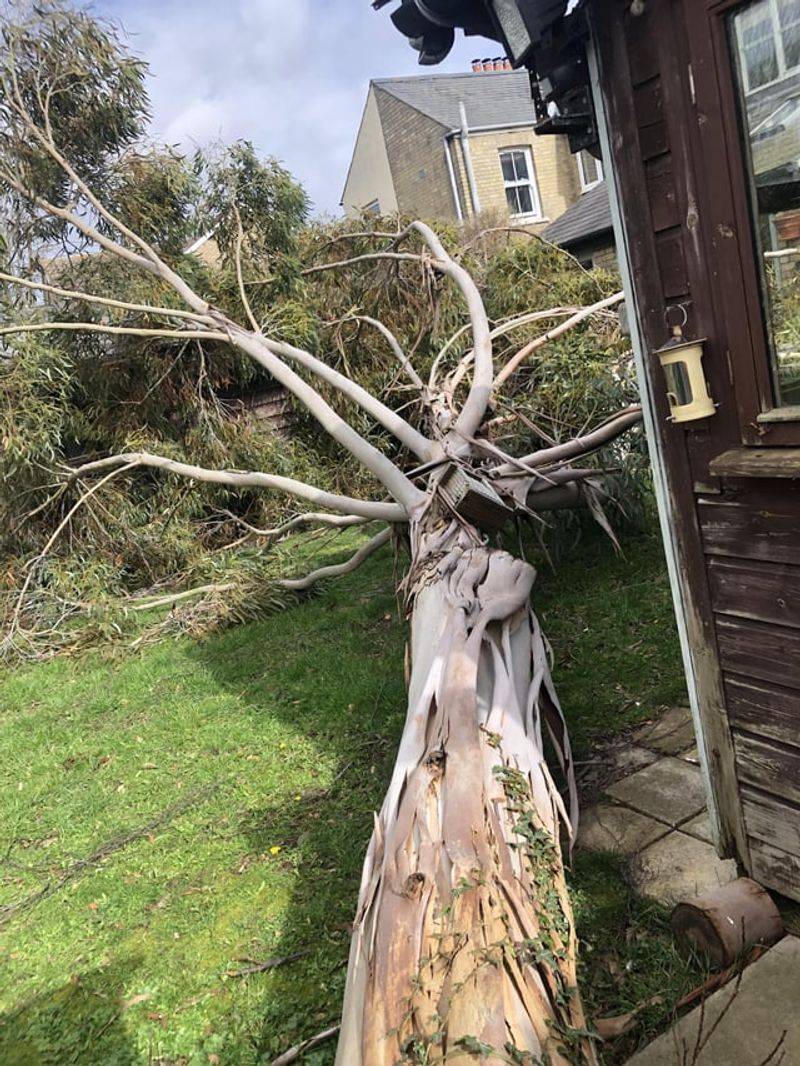
They line highways, fill parks, and tower over neighborhoods across the state. Introduced from Australia in the 1800s, they were planted everywhere for shade and windbreaks.
But they come with a serious downside that many California homeowners learn the hard way.
Eucalyptus roots are fast-growing and highly invasive. They push into underground pipes, sewer lines, and irrigation systems with ease.
Near a home’s foundation, they can cause cracking and shifting, especially in areas where the soil moisture changes seasonally. On top of the root problems, eucalyptus trees also drop large branches unpredictably, creating a safety hazard near homes.
Their leaf litter is also highly flammable, which is a serious concern in fire-prone California.
A much better choice for a tall, fast-growing shade tree in California is the coast live oak, or Quercus agrifolia. It is native to California, deeply drought-tolerant, and provides outstanding shade as it matures.
Its root system is deep and far less likely to invade structures. Coast live oaks also support local wildlife and blend beautifully into the California landscape, making them one of the smartest trees you can plant near your home.
6. Bamboo
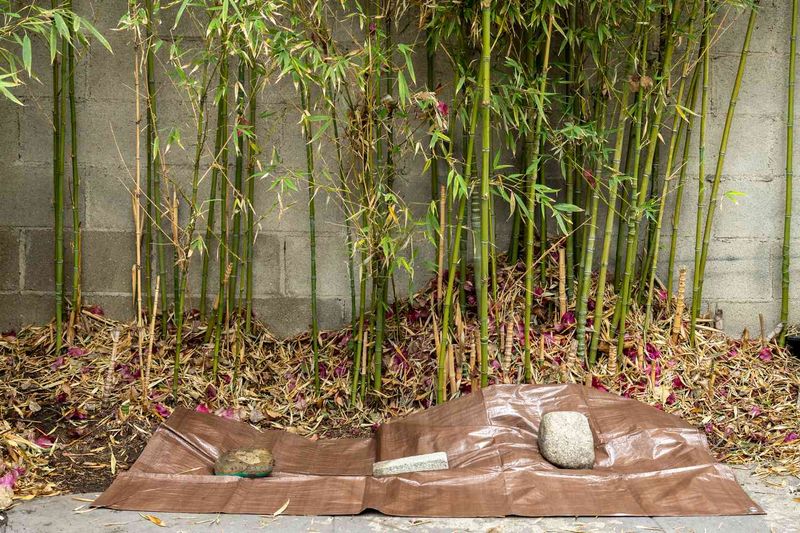
Bamboo has a reputation for being a stylish, fast-growing privacy screen, and it is easy to see why California homeowners love it. It looks lush and tropical, grows quickly, and creates a beautiful green barrier.
But running bamboo varieties are one of the most aggressive plants you can put in your yard, full stop.
Running bamboo spreads through underground rhizomes that can travel up to 30 feet in a single year. Those rhizomes push through soil with remarkable force, lifting patios, cracking retaining walls, and finding their way into drainage systems.
In California’s mild climate, bamboo grows year-round without the winter slowdowns that limit its spread in colder states. Once it gets established, removing it is a massive and costly job.
If you want privacy screening without the chaos, try clumping bamboo varieties like Fargesia or Bambusa instead of running types. Clumping bamboo stays contained, grows in tight bunches, and does not send out invasive rhizomes.
Another excellent California-friendly option is the Cleveland sage, or Salvia clevelandii, which forms a dense, fragrant shrub perfect for low screens. For taller privacy, Italian buckthorn or Rhamnus alaternus grows quickly and stays well-behaved near structures.
7. Italian Cypress
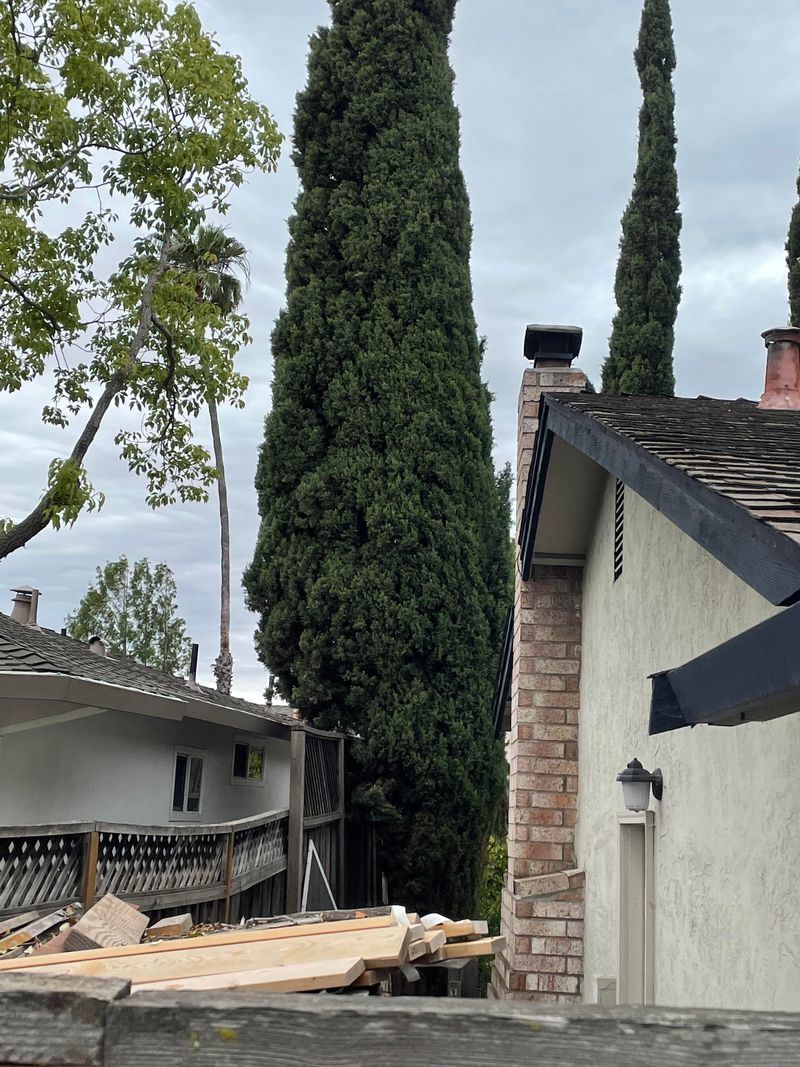
Tall and narrow, Italian cypress trees are a staple of California landscaping. They give yards a Mediterranean feel and are widely used as accent trees or formal hedges.
Many homeowners plant them right along the edges of driveways and close to the house because of how slim and elegant they look. That is where the problem begins.
Italian cypress roots grow aggressively downward and outward in search of water. When planted close to a foundation, the roots can work into cracks and expand them over time.
In California’s dry summers, the roots push even harder toward any moisture source, including the water that collects near your home’s foundation. Over time, this pressure can cause noticeable cracking and structural movement, especially in homes built on clay soils.
For a similar tall, narrow effect without the foundation risk, consider the Sky Pencil holly, or Ilex crenata ‘Sky Pencil’. It has an almost identical columnar shape and stays much smaller, with a root system that is far gentler on surrounding structures.
Another great California option is the Podocarpus gracilior, sometimes called the fern pine. It grows tall and narrow, handles drought well, and has roots that are much less likely to cause problems near your home.
8. Redwood
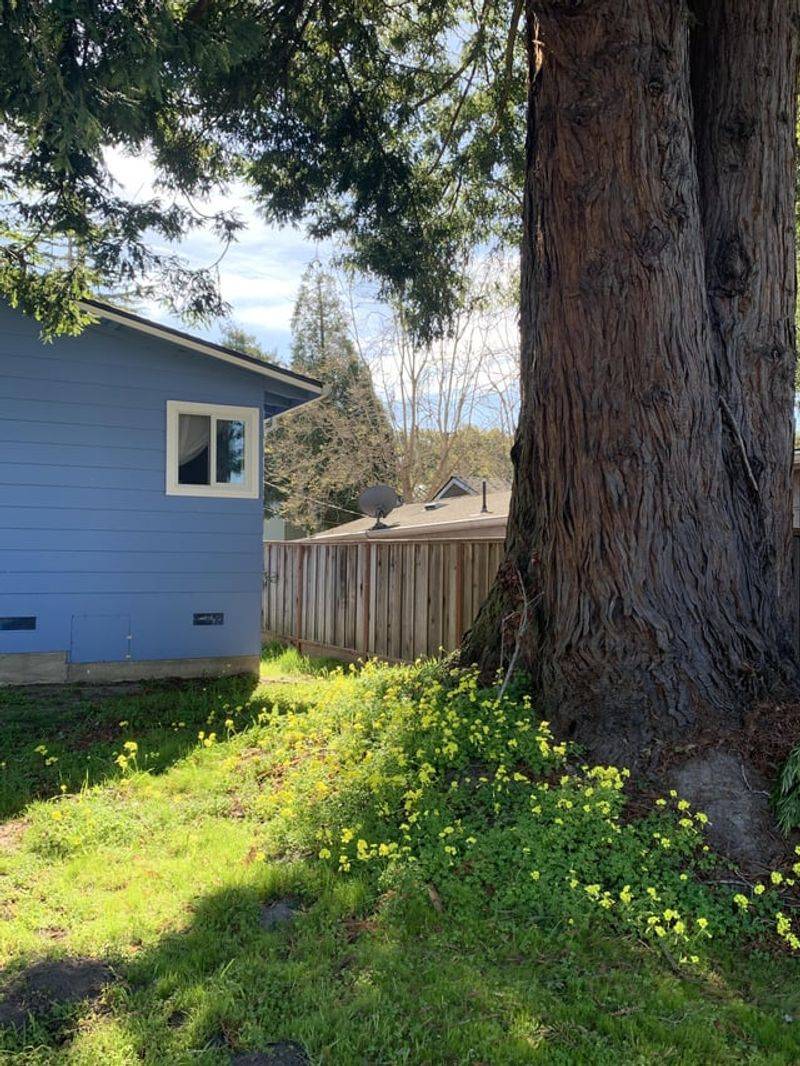
They are the tallest trees on Earth and one of California’s most iconic natural symbols. Planting one in your yard might feel like a tribute to the Golden State’s natural heritage.
And while they are breathtaking in forests and parks, planting a redwood near your home is a decision that comes with real consequences.
Coast redwoods grow incredibly fast and get very large. Their roots spread wide and shallow, covering a huge area in search of water.
Near a California home, those roots can get under foundations, lift concrete, and invade water and sewer lines.
The sheer size of the tree also means that as it grows, the root zone expands year after year, eventually reaching structures that seemed safely out of range when the tree was young.
If you love conifers and want something that captures that tall, elegant California feel, try the Western red cedar, or Thuja plicata, in a compact variety. ‘Green Giant’ arborvitae is another popular choice that grows tall and lush with a far more manageable root system.
For a California native alternative, the toyon, or Heteromeles arbutifolia, is a beautiful evergreen shrub that stays at a safe size and supports local birds and wildlife.
9. Black Locust
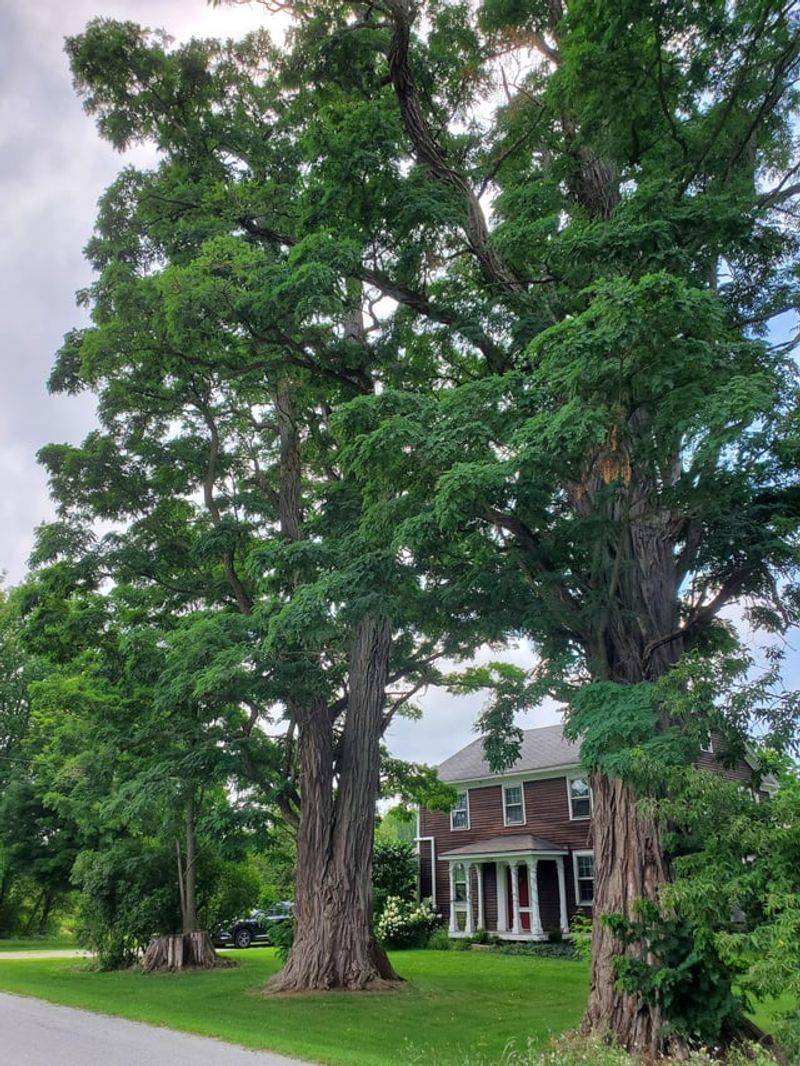
These trees grow fast, produce fragrant white flowers in spring, and tolerate drought well. Those qualities make them sound like a perfect California yard tree.
But spend a little time with a mature black locust and you will quickly discover why landscape professionals in California warn against planting them near homes.
Black locust has an extremely aggressive root system that spreads through both deep roots and shallow lateral roots. It also produces root suckers, which are new shoots that pop up from the roots at a distance from the main tree.
This means the tree is constantly trying to expand its territory underground. Near a foundation, those roots and suckers can find their way into cracks, drainage systems, and underground pipes.
Removing a black locust is notoriously difficult because even small pieces of root left in the ground can regenerate.
A much better fast-growing shade tree for California is the California sycamore, or Platanus racemosa. It is a native tree that grows quickly, provides excellent shade, and has a root system that is far less disruptive when planted at a safe distance from structures.
For smaller yards, the desert willow or the palo verde are both striking California-friendly trees with manageable roots and beautiful seasonal blooms.
10. Laurel
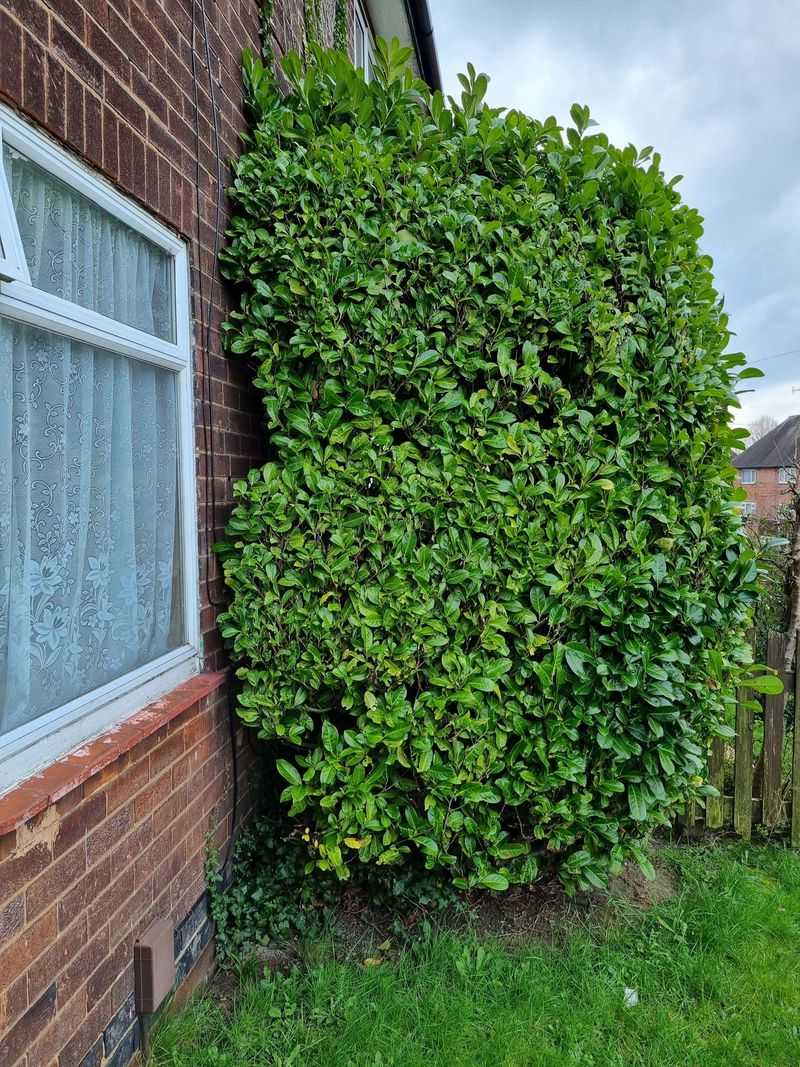
Laurel is a popular choice for hedges and privacy screens in California. It grows quickly, stays green year-round, and creates a thick, lush barrier that looks polished and well-kept.
Many homeowners plant it right along the edge of their property, often only a few feet from the house. Over time, though, that convenience can become a serious headache.
Laurel trees and hedges, especially the larger varieties like Prunus laurocerasus, develop a dense and wide-spreading root system. When planted close to a California home, the roots can push into foundation cracks, lift concrete patios, and clog drainage systems.
The problem gets worse as the hedge matures and the root mass grows larger. In California’s varied soil conditions, from sandy coastal soils to heavy inland clay, laurel roots can behave unpredictably and cause damage that is not always visible until it becomes severe.
For a safer privacy hedge in California, try the native toyon or a row of Raphiolepis, also known as Indian hawthorn. Both stay compact, have non-invasive root systems, and look attractive year-round.
Lavender planted in mass groupings also makes a stunning low hedge with fragrant blooms and roots that will never threaten your home’s foundation. These alternatives give you the privacy and beauty you want without the structural risk.