California Mid-Spring Planting List For Your Veggie Patch
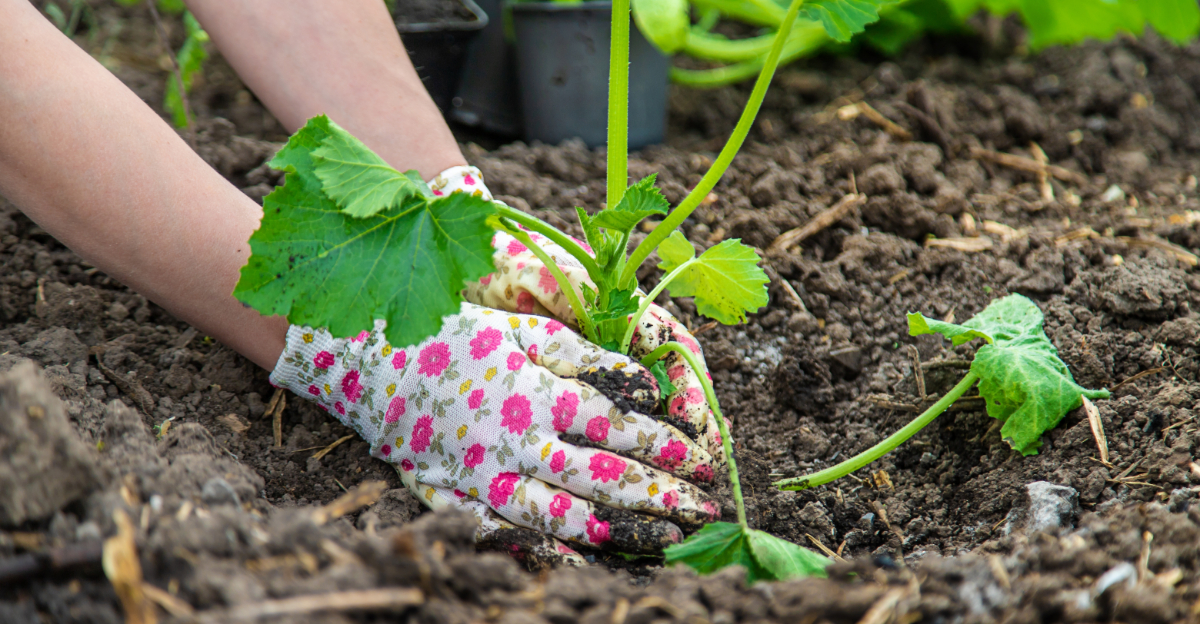
Some people in California are already picking dinner from the garden while others are still standing in the backyard with seed packets, trying to figure out what can go in now without wasting time or space. That is pretty normal here.
Spring does not move the same way across the state, and a veggie patch in one California yard can be weeks ahead of another. Mid-spring is where things start getting especially interesting.
Warm-season crops begin making sense in many areas, quick growers can still be tucked into open spots, and empty beds start looking like missed opportunities. It is also the point where timing matters more than enthusiasm.
Plant too early, and tender vegetables can stall. Wait too long, and some crops head straight into stress.
That is why a mid-spring planting list is so useful. It helps narrow the choices, cuts down on second-guessing, and points the spotlight toward the vegetables that are ready for their turn right now.
1. Beans For Fast Warm-Weather Harvests
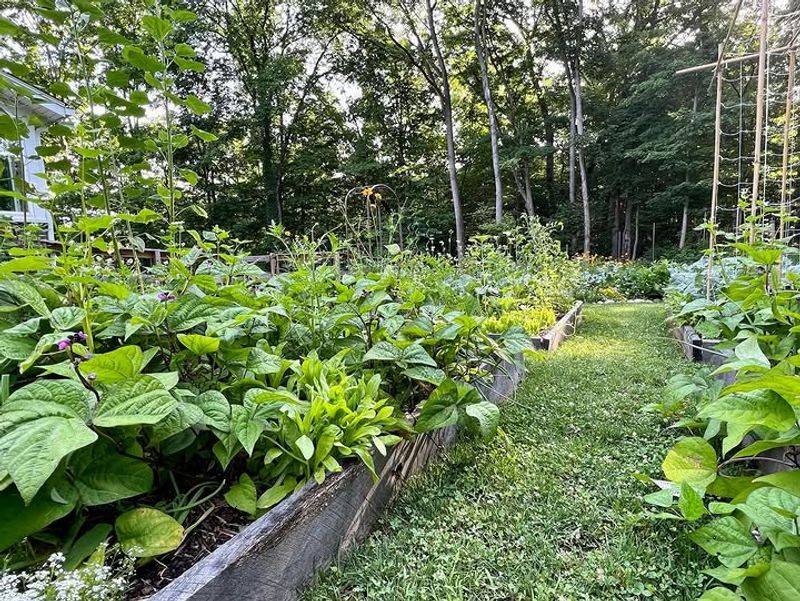
Once the soil has warmed and frost danger has mostly passed, this is a very good stretch to sow another round of beans in many California gardens. Mid-April through late spring fits especially well in inland and warmer regions, where planting calendars show beans continuing into spring and early summer.
This is one of those crops that prefers to be seeded right where it will grow rather than fussed over in trays first. That makes it especially handy when you want to fill an open patch quickly after earlier spring crops start fading.
Warm weather matters here. Beans germinate and grow much better once the soil is no longer chilly, and they tend to stall in cold, wet ground.
A tidy, weed-free seedbed helps a lot, because seedlings do best when they are not competing right from the start. Bush types are especially useful for a mid-spring planting because they stay compact and productive without needing much extra support, while pole beans are a better fit where you already have a trellis ready to go.
To stretch the harvest, do not sow everything at once. Small repeat sowings every couple of weeks through late spring usually work better than one oversized planting.
That way, you keep fresh pods coming instead of getting one big flush all at the same time. In a California veggie patch, beans are one of the easiest crops to keep cycling through this part of the season.
2. Beets For Sweet Roots And Bonus Greens
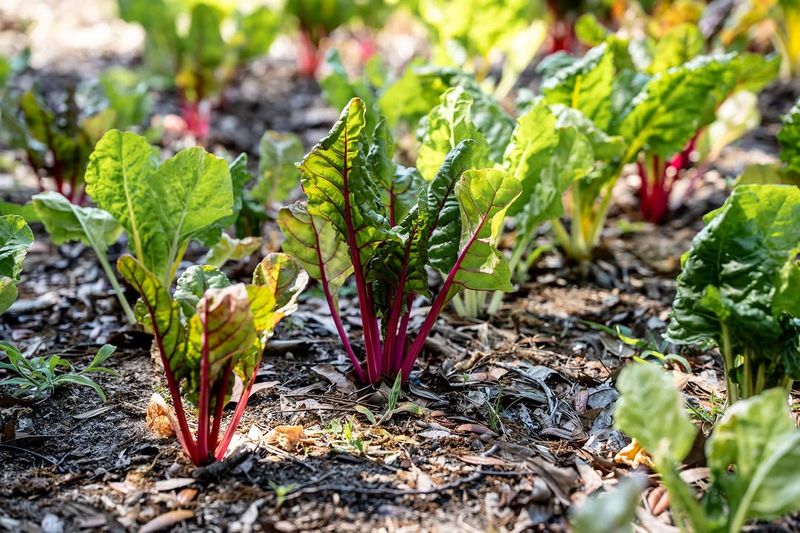
In many parts of California, mid-spring is still a very workable time to sow beets, especially in coastal areas and milder inland gardens where late spring has not turned hot yet. Planting calendars show them continuing through April in some warmer inland regions and much longer in cooler coastal ones, which makes them a strong choice for this in-between part of the season.
They are useful when you want something productive that still leans cool-season without feeling too early anymore.
Good root development starts with soil that is loose and free of clumps. When the ground is rough or compacted, roots can turn misshapen or stay small.
Your California Garden Changes Every Week. Your Plan Should Too.
Gardening in California changes quickly throughout the season. Every Friday you’ll receive a simple weekly plan showing exactly what to plant, prune, fertilize, harvest, and protect so you never miss the right timing.
A smooth seedbed and steady watering usually give much better results. Mid-April sowings can still size up nicely before summer heat pushes harder, and that matters because hotter weather can reduce quality and make roots less uniform.
Another plus is that beets do double duty. You are not just planting for roots later.
You can also harvest the greens much earlier, which makes them especially worthwhile in a small veggie patch.
This is also a crop that fits well into succession planting. Instead of one giant row, smaller sowings spaced through spring are often easier to manage.
In a mixed California garden, beets slide in beautifully beside carrots, lettuce, and radishes while the warm-season vegetables are just beginning to take over the rest of the bed.
3. Carrots For Crisp Garden Fresh Pulls
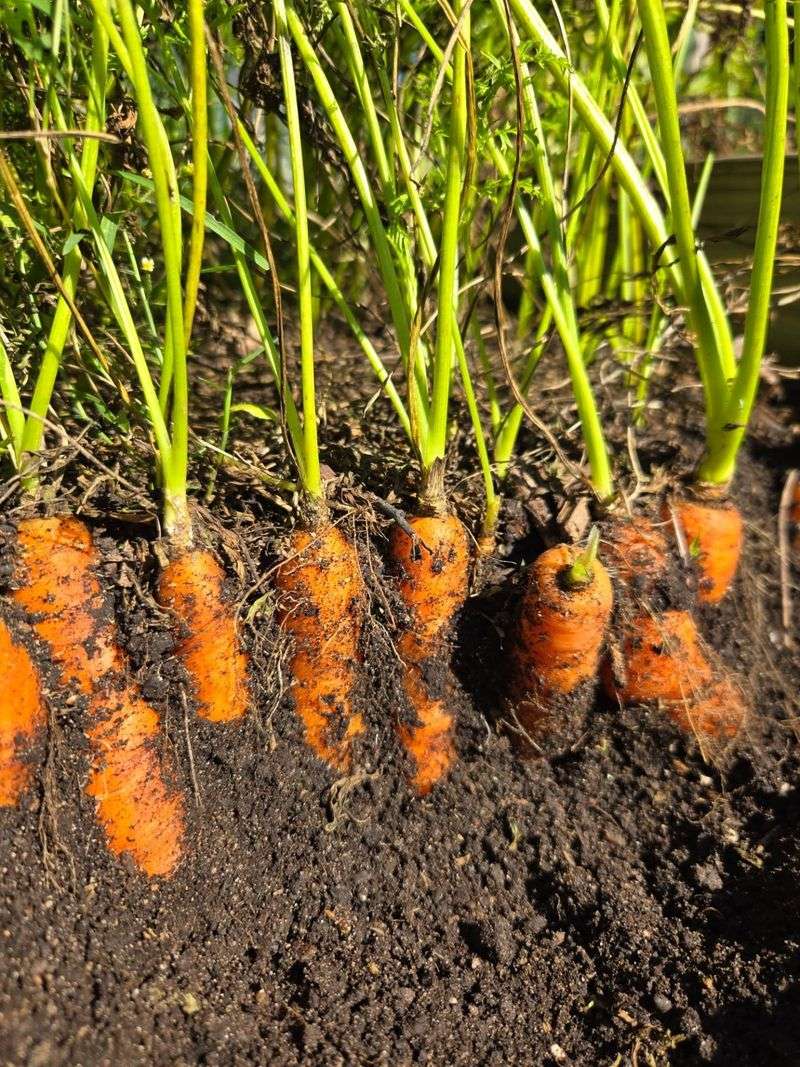
A mid-spring sowing still makes plenty of sense for carrots in much of California. State planting guides show that this crop can keep going well beyond early spring in many inland areas, while coastal gardens often have an even longer window.
That makes the second half of April a good time to start another round, especially when you want a steady sequence instead of one big planting all at once.
What matters most is the seedbed. Carrot seed is small, slow compared with some other spring crops, and much less forgiving when the soil surface dries out.
The bed needs to stay evenly moist during germination, or you end up with patchy rows and wasted time. Loose, fine-textured soil also makes a huge difference.
When roots hit rocks, clods, or woody bits, they fork or twist. That does not ruin the harvest, but it definitely changes the shape and quality.
Raised beds and deeply worked garden soil usually give the nicest results.
Mid-April also works well because it often lands in a sweet spot: warm enough for steadier germination, but not yet so hot that the bed dries instantly every afternoon. Thin seedlings once they are up, because crowding leads to skinny roots that never size up properly.
In a California veggie patch, carrots are one of the best crops for keeping the spring garden productive while the more heat-loving plants are still settling in nearby.
4. Cucumbers For Fresh Crunch Straight From The Vine
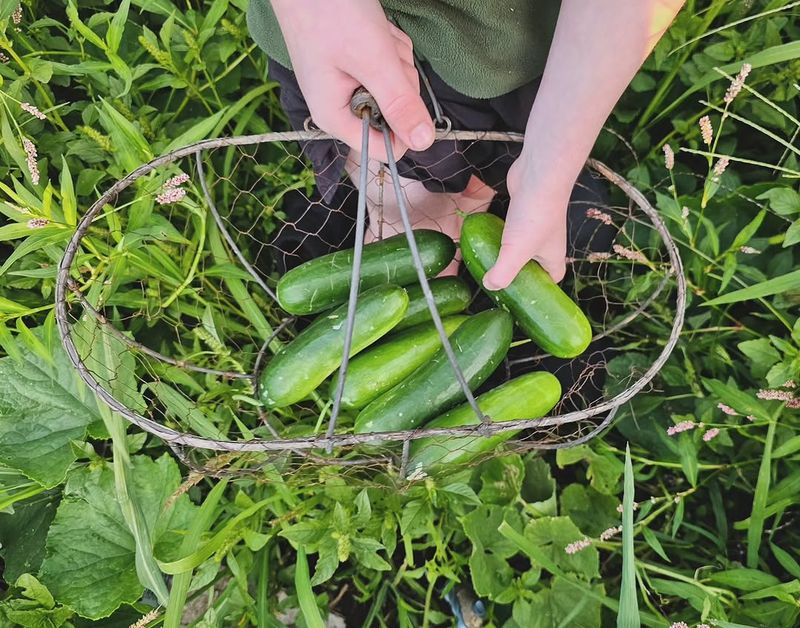
By the time mid-April arrives, many California gardens are finally warm enough to make cucumbers feel like a smart move instead of a gamble. Planting calendars show this crop starting in April across several major regions, with earlier timing in the hottest parts of the state.
That puts the middle of spring right in the zone where cucumbers begin to make real sense for a lot of veggie patches.
Warm soil matters more than impatience here. This is a heat-loving crop that does not enjoy cold starts, so mid-spring planting usually works much better than trying to rush it too early.
Direct sowing is common, though transplants can work too. Either way, drainage and sunlight matter from the beginning.
A built-up bed or loose, improved soil helps roots settle in faster, and steady moisture is what keeps growth smooth once vines begin moving. When the soil swings between dry and soggy, fruit quality usually suffers.
Support is worth deciding on before planting, not later. Compact kinds can stay manageable, but vining types are far easier to handle when a trellis goes in first.
That keeps fruit cleaner and makes harvest less annoying once plants take off. In a California garden, cucumbers fit beautifully into that handoff between spring and summer, especially when peas, lettuce, or other earlier crops are about to free up valuable space.
5. Lettuce For Quick Picked Spring Salads
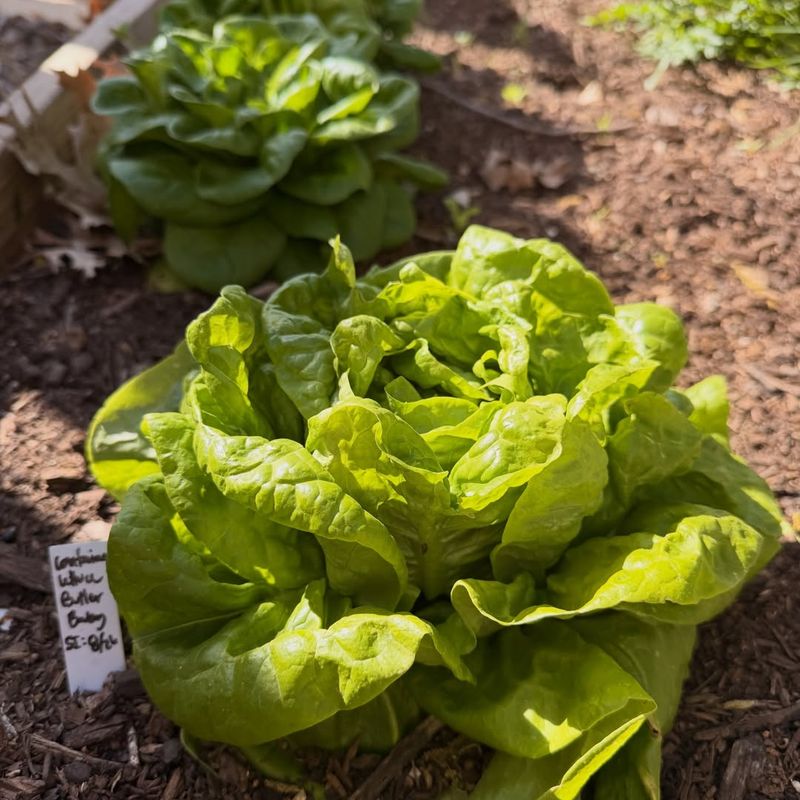
For gardeners trying to squeeze a little more out of spring before summer heat takes over, this is still a very useful crop to plant. Mid-April works especially well in cooler coastal areas and milder inland pockets, though warmer gardens need to be more strategic now than they did earlier in the season.
Planting calendars show lettuce continuing well past April in some California regions, but success late in spring depends a lot on local temperatures and variety choice.
This is the point in spring when placement starts to matter more. A spot that gets morning sun but some relief later in the day can keep plants producing longer.
In hotter gardens, leaf lettuces are often the easier choice now because they mature quickly and are less frustrating when temperatures start rising. Even moisture also becomes more important as the season advances.
When plants dry out too hard or too often, bitterness and bolting usually show up faster.
Rather than sowing a huge patch all at once, repeat small sowings through late spring usually work better. That gives you a steadier harvest and lowers the chance of everything bolting together at the first hot spell.
In a California veggie patch, lettuce still earns its place in mid-spring, but by this stage it rewards careful timing and thoughtful placement much more than brute enthusiasm.
6. Radishes For Fast Colorful Garden Wins
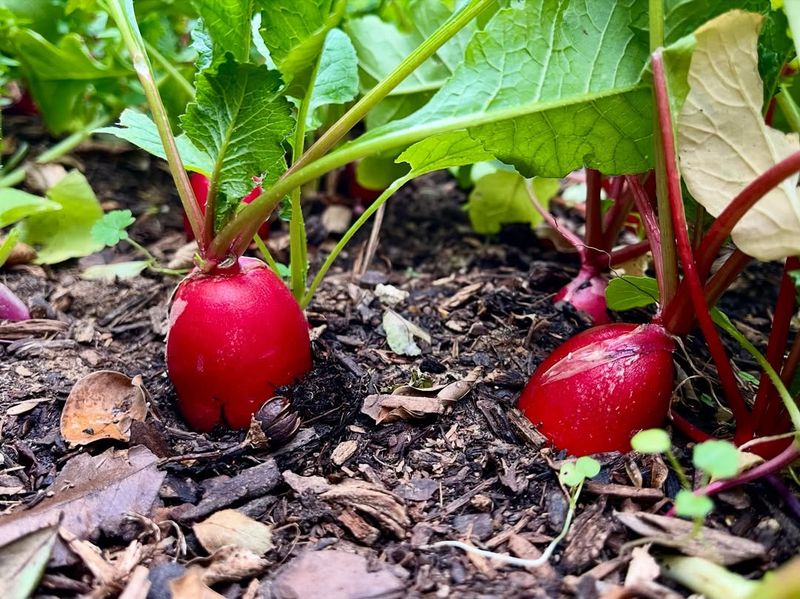
Not many vegetables give quicker results in a spring garden, which is exactly why this one still works so well in mid-April. Across much of California, radishes can still be sown through April, and cooler coastal zones often stretch that window longer.
They are one of the easiest crops to use when you want fast turnover in a veggie patch that is beginning to transition toward summer.
Because they mature so quickly, they are ideal for filling small gaps rather than demanding a major section of the garden. They can be tucked between slower crops, slipped into the edge of a bed, or used where an earlier planting is about to come out.
Mid-spring is often a smart moment for one last strong sowing in warmer inland gardens before heat makes the roots sharp, pithy, or quick to bolt. In cooler areas, they can keep going a while longer.
Loose soil and steady moisture are the main things that keep them crisp and properly sized. If growth stalls from dry conditions, the roots can turn tougher and less pleasant.
Small repeat sowings every week or two are usually much better than planting one long row you cannot use in time. In a California mid-spring garden, radishes are less about planning far ahead and more about taking advantage of a quick, useful crop while there is still a little cool-season momentum left.
7. Squash For Big Yields In Sunny Beds
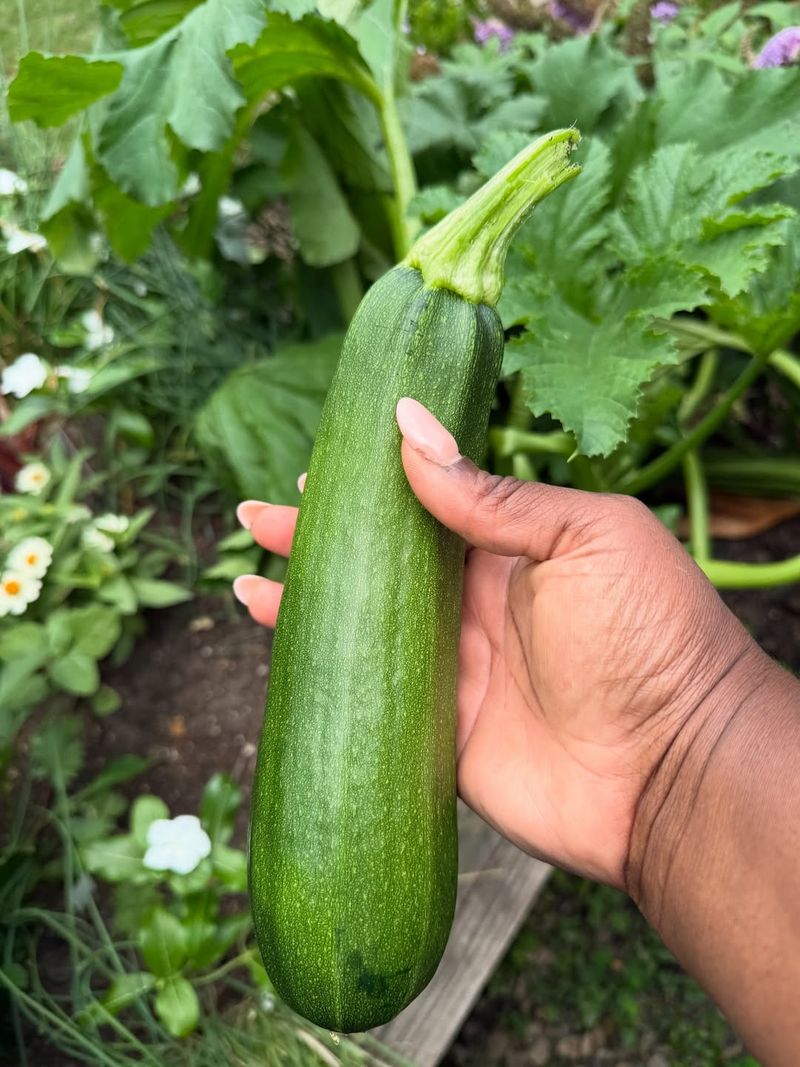
Once mid-spring arrives, this is when the garden really starts looking toward summer. Across California, planting calendars show summer squash beginning in April in several regions and continuing through late spring and beyond in many inland areas.
That makes the second half of April a very natural time to seed or transplant it, especially once frost is no longer part of the conversation.
Warm soil and full sun are what get this crop moving in a serious way. It is not a plant to tuck into a spare corner and hope for the best.
Even compact or bush types want enough room, and good airflow matters once the plants start filling out. Mid-spring planting gives them time to establish before the hardest summer heat arrives, which usually leads to smoother production and less stress later on.
Keeping the soil evenly moist also matters early, because stop-and-start growth can make plants less vigorous.
Harvest timing is part of the job too. Summer squash is best when picked young and often, and regular picking keeps the plant producing instead of slowing down.
If you let fruit sit too long, the plant shifts energy away from making more. In a California veggie patch, squash belongs to that second spring wave of planting, the one that starts turning beds from cool-season tidy into full-on summer abundance.
8. Tomatoes For A Classic Summer Favorite
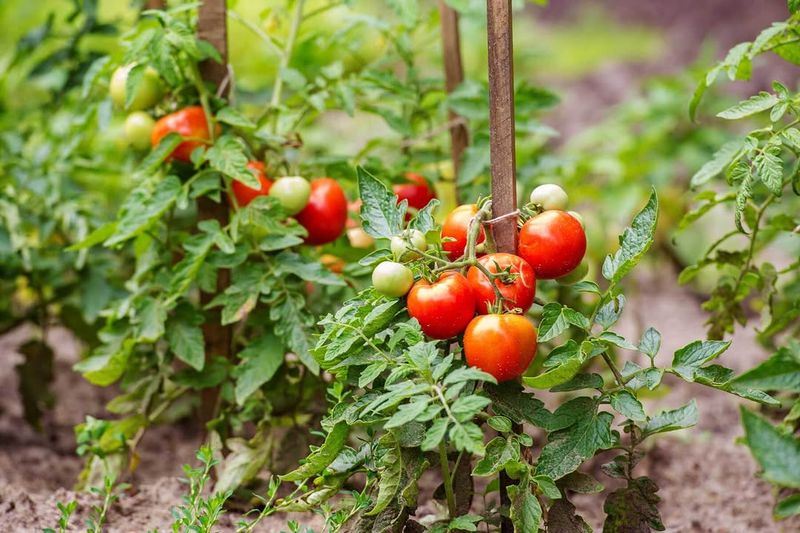
In many California gardens, mid-April is the moment tomatoes start feeling real. Some inland gardeners already have transplants going by then, while cooler coastal and northern spots may still be approaching their best window.
State planting guides show tomato timing varying widely by region, which is exactly why mid-spring needs a more flexible approach than a simple statewide date.
This is usually a transplant crop, not a direct-seeded one for the home veggie patch. Smaller transplants often settle in better than oversized nursery plants, and they should go into well-drained soil with support added at planting time, not after roots are already spreading.
Stakes, cages, or trellises are much easier to place early, and that prevents damage later. A sunny site matters too.
Fruit production depends on strong light, and crowded, damp planting areas usually create problems before summer even gets going.
Mid-spring is also when patience still matters. Even in California, cold nights and cool soil can stall growth badly, so warmer conditions are worth waiting for.
Once planted, consistent watering helps plants establish evenly and reduces later stress. In a veggie patch moving through mid-April and into late spring, tomatoes are one of the biggest seasonal turning points, but they do best when timing follows real garden conditions instead of pure excitement.
9. Peppers For Heat-Loving Flavor And Color
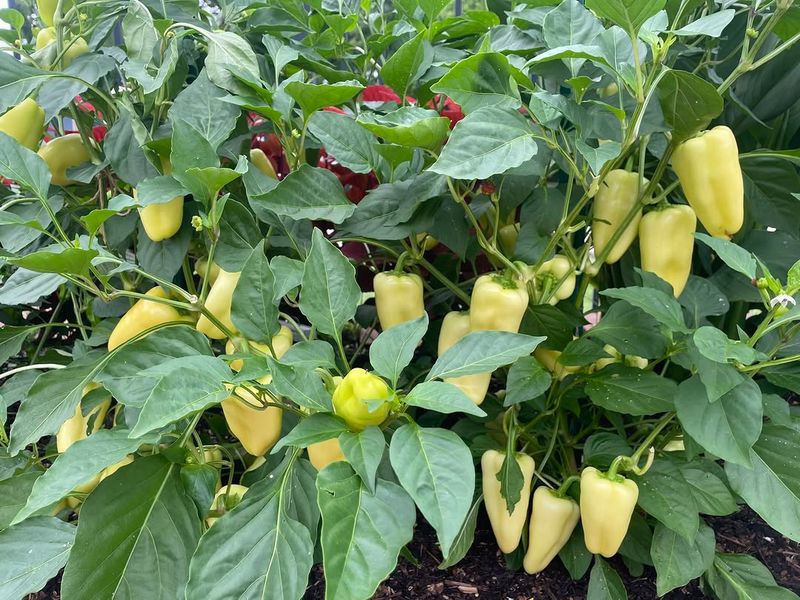
A lot of California gardens hit pepper season somewhere between mid-April and late spring, but this is a crop that really rewards warm, settled conditions. Planting calendars show peppers going in during this stretch in many inland and warmer coastal regions, while cooler locations may need a little more patience.
They are far less forgiving of chilly starts than many new gardeners expect.
Unlike beans or radishes, these are usually set out as transplants. Smaller nursery plants often establish faster than oversized ones, especially when roots are not already circling badly in a pot.
Good drainage is essential, because peppers do not like sitting in cold, wet ground. Full sun is also important, though the real advantage of a mid-spring planting is that plants get time to settle in before extreme summer heat starts interfering with flowering and fruit set.
Getting them rooted well now can make a noticeable difference later.
Watering style matters from the start. Deep, steady moisture is much more useful than constant light sprinkling, especially once temperatures begin climbing.
Raised beds or improved garden soil are often a big help for peppers in spring. In a California veggie patch, this crop belongs to the warm-season group that starts taking over after mid-April, but it pays to treat it as a plant that wants comfort and consistency, not one that enjoys being rushed.
10. Basil For Fresh Fragrant Kitchen Picks
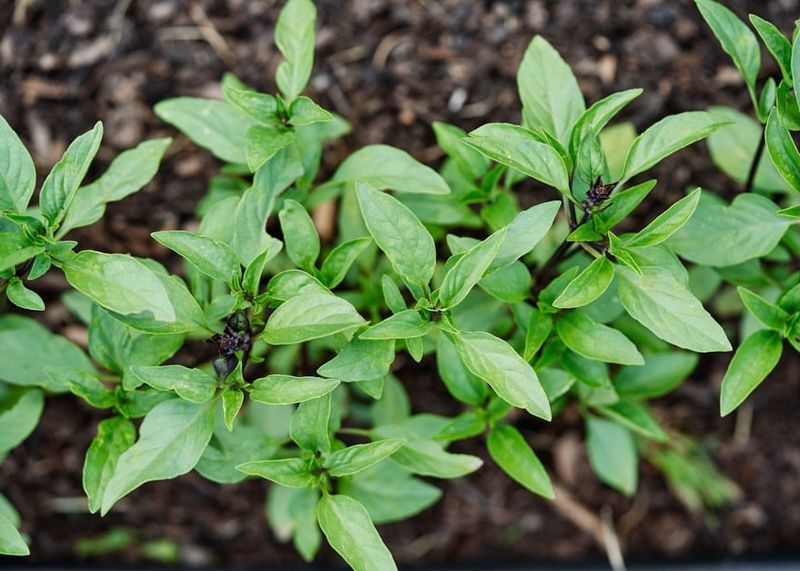
By the middle of spring, this is one of the clearest signs that warm-season planting has arrived. Basil fits beautifully into California gardens from mid-April through late spring, especially once nights are no longer cold and the soil has started to warm.
It is much happier going in after the weather settles than being pushed out too early and forced to sulk through chilly conditions.
This herb can be started from seed or planted from transplants, and it works well in raised beds, containers, or tucked near other warm-season vegetables. Sun matters, but so does drainage.
Spring growth tends to be strongest when the soil stays evenly moist without staying wet. One of the easiest ways to keep plants productive through late spring is regular pinching.
Snipping growing tips encourages branching, which means fuller plants and more usable leaves. Waiting too long and letting plants rush toward bloom usually shortens the best harvest period.
Mid-spring is also a smart time to think ahead about placement. Basil pairs naturally with tomatoes and peppers in the garden simply because they all like similar warm conditions once spring turns the corner.
In a California veggie patch, basil is not just an extra herb to squeeze in at the end. It is part of the season change itself, a sign that the garden is moving decisively out of cool-weather mode and into something much more summery.