These Low-Water Flowers Keep Blooming Through Michigan Heat
Hot summer weather can make a lot of flowers in Michigan give up fast. Blooms fade, leaves droop, and garden beds that looked full in early summer can start looking tired by midseason.
That is why low water flowers are such a smart choice. The best ones do not just survive dry spells. They keep blooming and keep the garden looking bright even when rain is hard to come by.
For busy gardeners, that means less watering, less stress, and fewer plants that turn into a disappointment once the heat settles in.
Some of these tough flowers thrive in full sun and keep pushing out color long after other plants slow down.
In Michigan, where summer can swing from pleasant to hot and dry, the right flowers make a big difference. These are the kinds of plants that keep the show going when the weather stops being easy.
1. Butterfly Weed
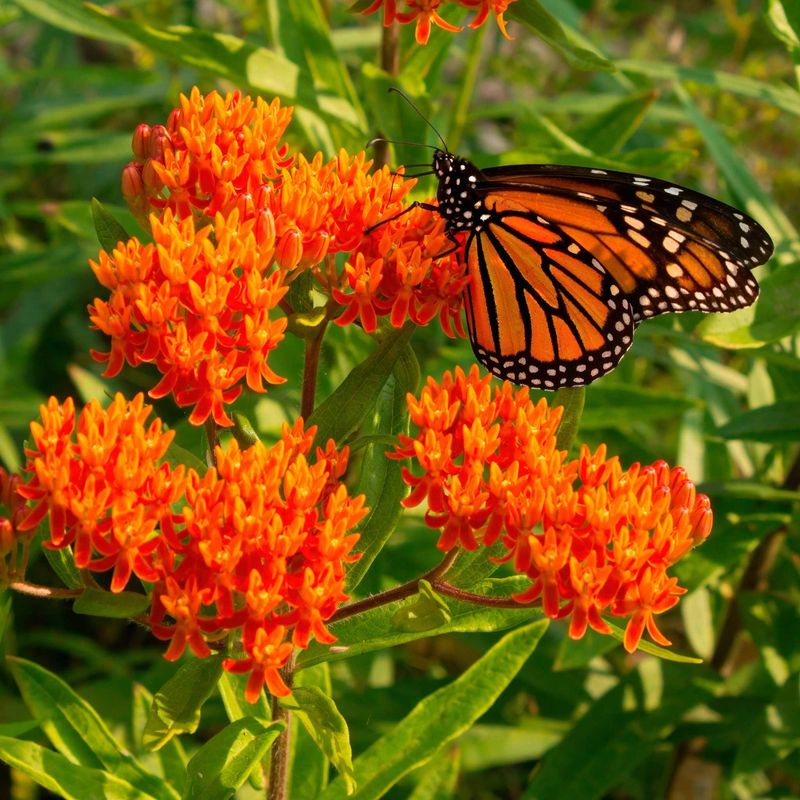
Bright, bold, and absolutely packed with pollinator energy, Butterfly Weed is one of the most rewarding plants you can grow in a hot Michigan garden.
Its scientific name is Asclepias tuberosa, and it is a native milkweed that has adapted perfectly to Michigan’s warm, dry summers.
The clusters of vivid orange flowers pop against any green backdrop and make the garden feel alive. One of the biggest reasons gardeners love this plant is its no-fuss attitude toward dry weather.
Once established in well-drained soil and a full-sun spot, Butterfly Weed handles drought stretches without showing any stress.
Sandy or average soils work just fine, and it does not need fertilizer or frequent watering to perform well through the season.
Monarch butterflies depend on milkweed plants like this one as a host plant for their caterpillars, making Butterfly Weed genuinely important for conservation efforts across Michigan and beyond.
Bees and other pollinators also visit regularly, drawn by the nectar-rich blooms that appear in early to midsummer.
One thing to keep in mind is that Butterfly Weed has a deep taproot, which means it does not transplant well once it is settled.
Choose its spot carefully and plant it where it can stay. After that, it rewards your patience with years of stunning orange color and incredible wildlife activity right in your own backyard.
2. Purple Coneflower
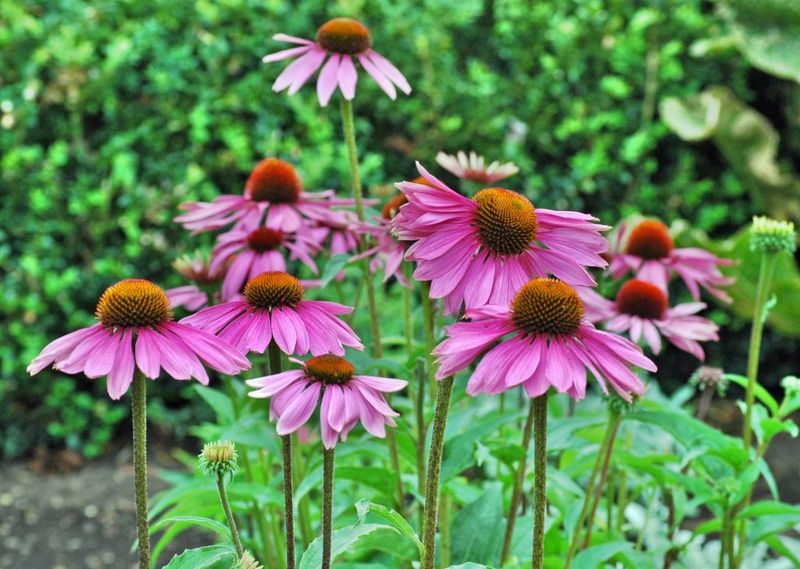
Few flowers earn their place in a Michigan garden quite like Purple Coneflower, known botanically as Echinacea purpurea.
This tough perennial has been thriving in the Midwest for generations, and it handles summer heat in Michigan with remarkable ease.
Once established, it rarely needs extra water, making it a go-to choice for gardeners who want beauty without the hassle. What gives Purple Coneflower its drought-fighting edge is its deep root system.
Those roots push far into the soil, pulling up moisture that shallow-rooted plants simply cannot reach.
That means even during a dry July or August stretch in Michigan, this flower keeps its blooms standing tall and colorful without missing a beat.
Planting it in a full-sun bed with decent soil drainage is all it really needs to get started. After the first season, it basically takes care of itself.
Your Michigan Garden Changes Every Week. Your Plan Should Too.
Gardening in Michigan changes quickly throughout the season. Every Friday you’ll receive a simple weekly plan showing exactly what to plant, prune, fertilize, harvest, and protect so you never miss the right timing.
The bright pinkish-purple petals surround a bold, spiky cone that bees and butterflies absolutely love. Pollinators flock to it all summer, turning your garden into a lively, buzzing display.
Purple Coneflower also reseeds naturally, meaning you could end up with more plants each year without doing anything extra.
For Michigan gardeners who want low-effort, high-reward color that also supports local wildlife, this one belongs at the top of the list.
3. Yarrow
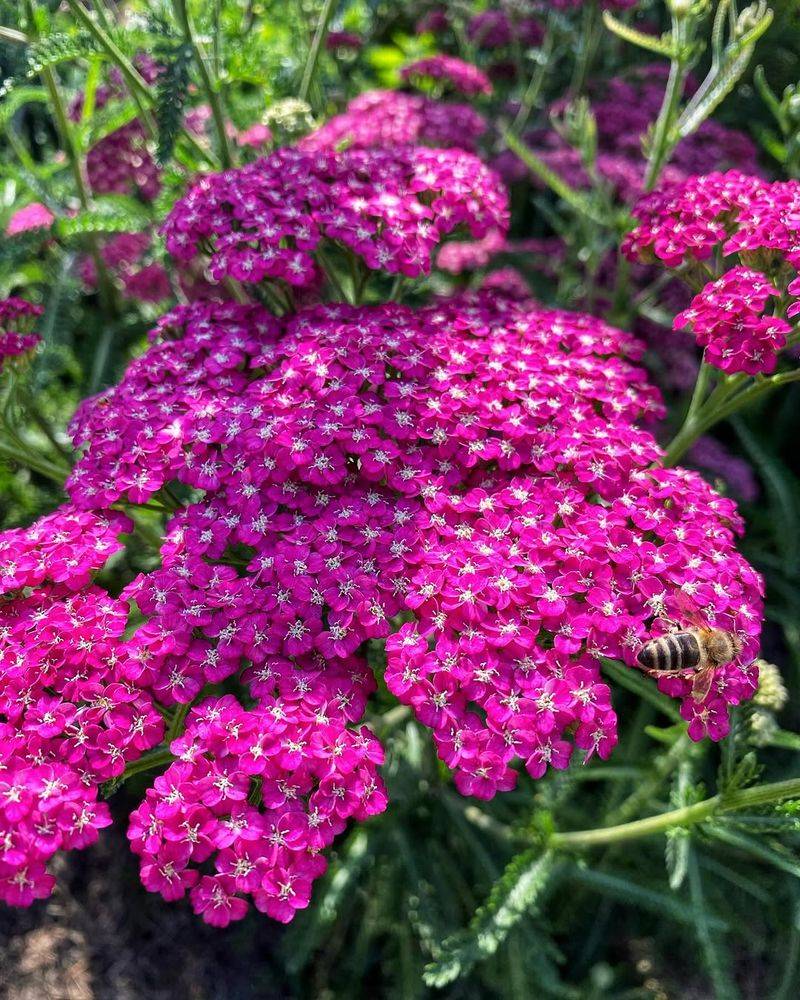
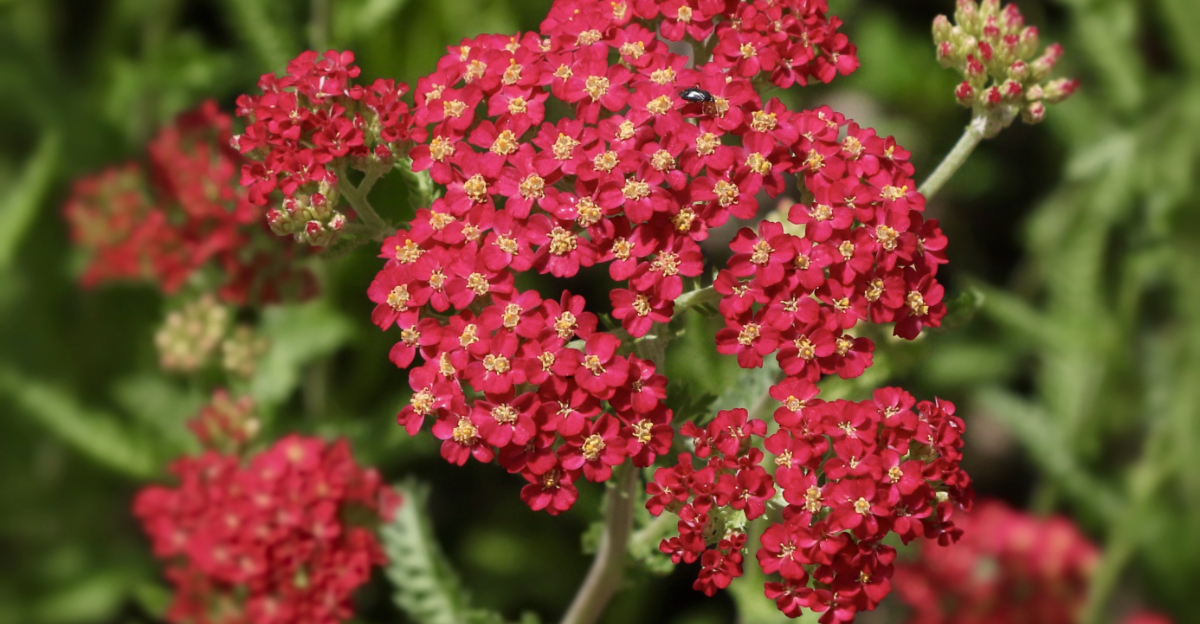
Yarrow has been growing wild across North America for centuries, and Michigan gardeners have good reason to put it to work in their own yards.
Known scientifically as Achillea millefolium, this perennial is listed by Michigan State University Extension among the best drought-tolerant plants for Michigan landscapes.
That kind of endorsement from local experts says a lot about how reliable it truly is. The plant has a distinctive look that sets it apart from typical garden flowers.
Its feathery, fern-like foliage stays attractive even when it is not blooming, and the flat-topped flower clusters come in shades of yellow, white, pink, and red.
Those flower heads are also magnets for beneficial insects, adding ecological value beyond just good looks in your Michigan garden.
Yarrow performs best in full sun and well-drained soil, and it actually prefers conditions that would stress out less rugged plants.
Rich, moist soil can cause it to flop over or produce weak stems. Lean, dry conditions are where it really shines, staying compact and upright through the hottest parts of summer without needing extra attention from you.
After the first growing season, yarrow is essentially self-sufficient. Divide the clumps every few years to keep plants vigorous, and cut back old stems in early spring for fresh new growth.
For a reliable, low-maintenance bloomer that holds its own through Michigan heat, yarrow delivers season after season with very little effort on your part.
4. Lanceleaf Coreopsis
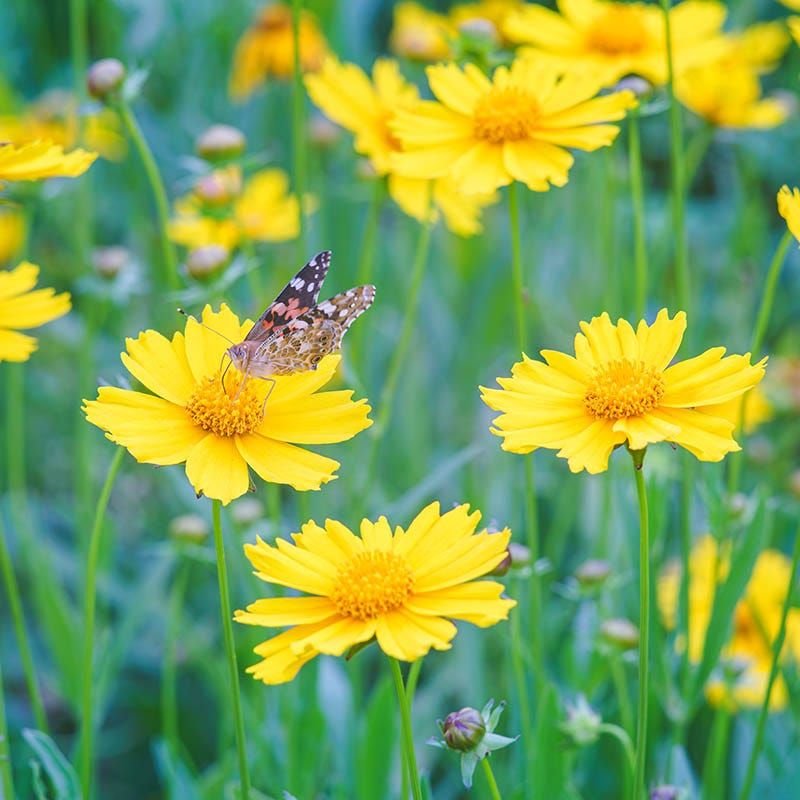
Golden-yellow and cheerful, Lanceleaf Coreopsis is a Michigan native wildflower that knows how to put on a show without demanding much in return.
Its scientific name is Coreopsis lanceolata, and it is one of those plants that seems almost too good to be true for low-water gardening in Michigan.
Bright blooms, easy care, and solid drought tolerance make it a real standout in any sunny bed. Sandy or average well-drained soils suit this plant perfectly, which is great news for gardeners across Michigan who deal with lighter soil types.
It does not need irrigation once it settles in, and it handles the kind of hot, sunny stretches that tend to stress out less adapted plants.
Full sun is where it truly excels, producing the most flowers when it gets at least six hours of direct light each day.
Deadheading spent blooms regularly can extend the flowering period noticeably, keeping the plant producing fresh color well into summer.
Even without deadheading, though, Lanceleaf Coreopsis remains an attractive and tidy plant that does not require constant maintenance to stay presentable in your Michigan landscape.
Another appealing trait is that it tends to reseed and spread gently over time, filling in gaps in a garden bed naturally.
Bees and butterflies visit the bright flowers regularly, so you get pollinator benefits alongside the visual appeal.
For gardeners who want long-lasting color with minimal effort through Michigan’s summer heat, this native wildflower is hard to beat.
5. Black-Eyed Susan
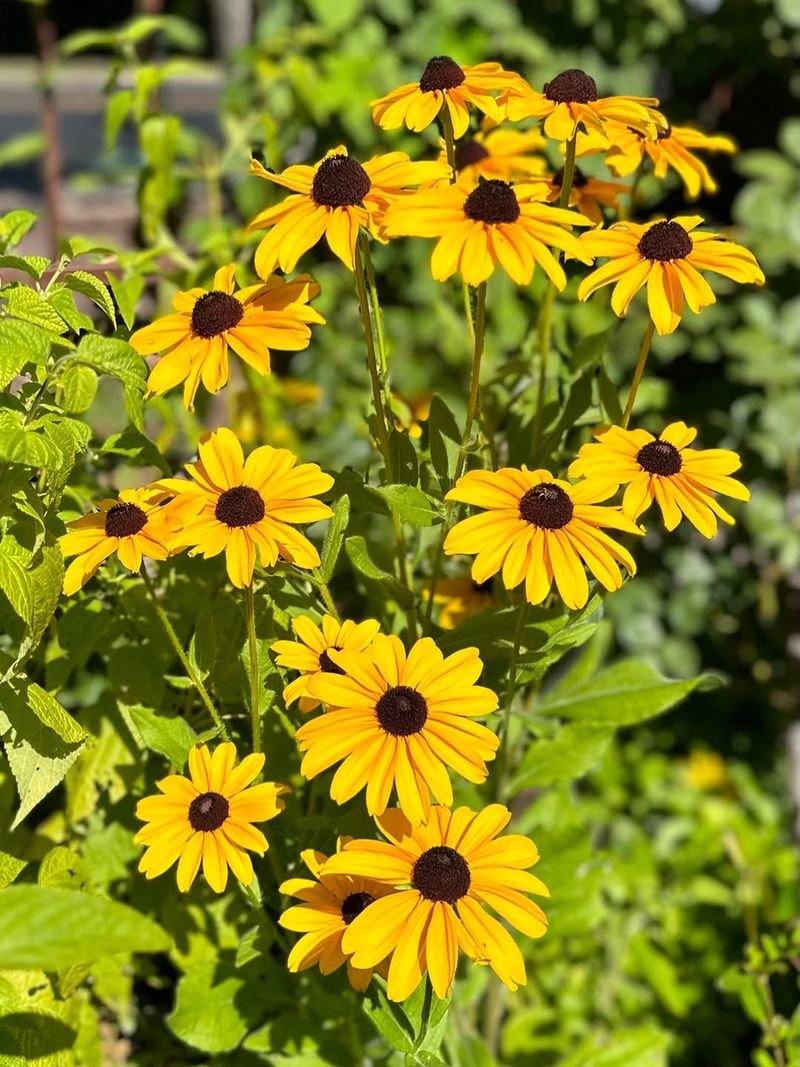
Walk through almost any Michigan meadow in July and you will almost certainly spot the cheerful yellow blooms of Black-Eyed Susan waving in the breeze.
Rudbeckia hirta is its botanical name, and it has earned its reputation as one of the most dependable flowering plants for hot, sunny Michigan summers.
The bold yellow petals surrounding a rich dark center create a look that is instantly recognizable and genuinely joyful. Heat does not slow this plant down at all.
Once the roots are established in the ground, Black-Eyed Susan handles dry spells with confidence, continuing to push out fresh flowers even when rainfall is scarce.
Full-sun beds are where it performs best, and it tolerates a range of soil types as long as drainage is decent and the location stays sunny throughout the day.
For gardeners who want maximum color with minimum watering effort, this plant is a dream. The blooming period stretches across a long stretch of summer, giving you weeks of bright color rather than just a short burst.
Pollinators including bees, butterflies, and even goldfinches appreciate the flowers and seeds, bringing extra life to your Michigan garden throughout the season.
Planting Black-Eyed Susan in groups or drifts creates a really striking visual impact that reads well from a distance.
It also mixes beautifully with other native plants on this list, like Purple Coneflower and Prairie Blazing Star.
Together, they create a low-water garden that looks intentional, colorful, and genuinely thriving all summer long in Michigan.
6. Prairie Blazing Star
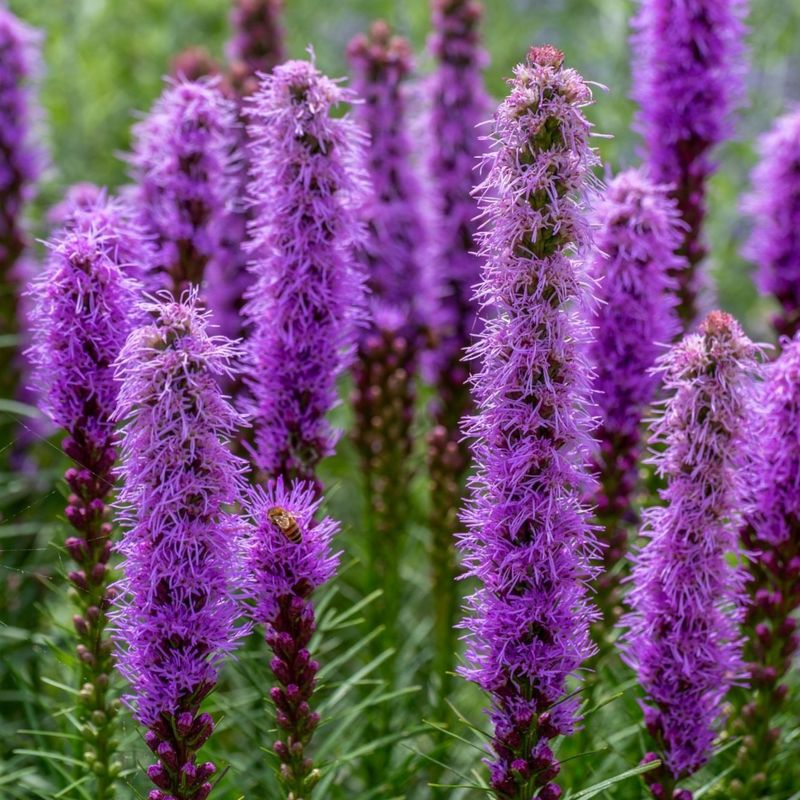
Tall, striking, and unmistakably native, Prairie Blazing Star brings a dramatic vertical element to Michigan gardens that very few other low-water plants can match.
Its scientific name is Liatris pycnostachya, and it is a true prairie perennial that evolved in open, sunny, dry landscapes much like the conditions found across many parts of Michigan during a hot summer.
That natural adaptation is exactly what makes it so reliable. The flower spikes can reach three to five feet tall, covered in fluffy purple blooms that open from top to bottom as the season progresses.
This unusual blooming direction is a quirky and interesting detail that surprises many first-time growers.
The spikes appear in midsummer and hold their color for weeks, giving Michigan gardens a bold, eye-catching display that stands out even from across the yard. Pollinators absolutely swarm Prairie Blazing Star when it is in bloom.
Bees, butterflies, and especially monarchs visit the flowers consistently, making this plant a powerful addition to any pollinator-friendly Michigan garden. Its value to local wildlife goes well beyond just looking good.
Once established, Prairie Blazing Star needs almost no supplemental water, even during Michigan’s hottest and driest summer stretches.
It grows from a corm-like root that stores energy and moisture efficiently. Plant it in full sun with well-drained soil, and step back.
This plant genuinely thrives on neglect, rewarding patient gardeners with tall, spectacular blooms year after year without much fuss.
7. Aromatic Aster
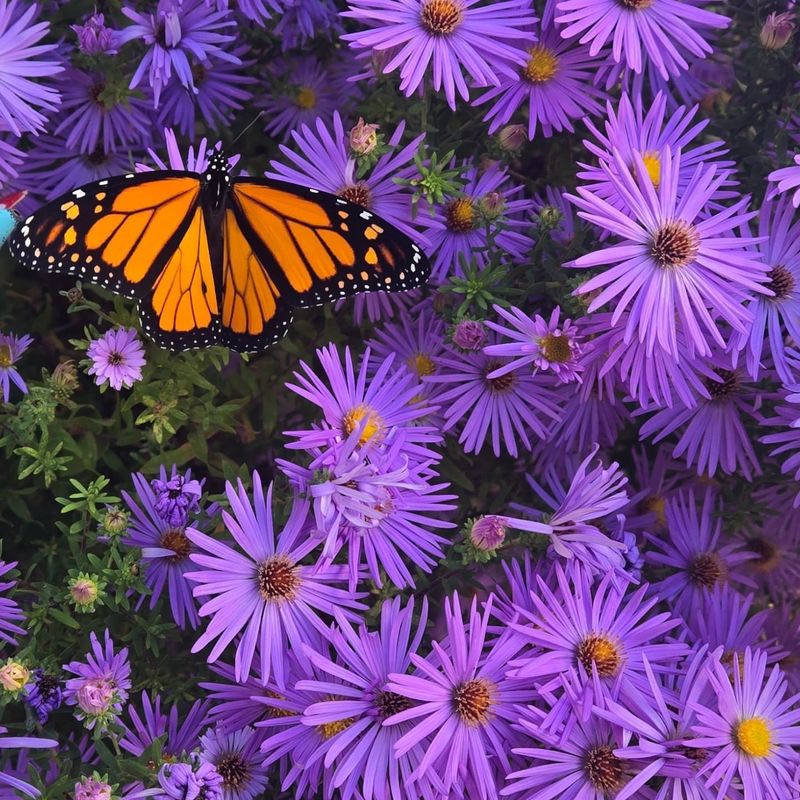
Most gardens start looking tired by late summer, but Aromatic Aster is just getting started.
Known scientifically as Symphyotrichum oblongifolium, this native perennial saves its best performance for the end of the season, bursting into a cloud of small violet-purple flowers right when most other plants are winding down.
For Michigan gardeners, that late-season color is genuinely precious and worth planning for. Aromatic Aster earns its name from the pleasant scent released when you brush against its foliage.
Beyond the fragrance, it offers real toughness in dry conditions. Full sun and well-drained soil are its preferred growing environment, and it handles summer heat and drought without complaint once its root system is established in Michigan’s ground.
The blooms typically arrive in late August and continue through October, covering the plant so densely that the foliage underneath nearly disappears. That kind of full, lush display takes almost no extra effort on your part.
No deadheading is necessary, and supplemental watering is rarely needed after the first growing season in Michigan.
Pollinators, especially native bees and migrating monarchs, rely heavily on late-blooming plants like Aromatic Aster as food sources before winter arrives.
Planting it alongside other fall bloomers creates a layered, season-extending garden that stays interesting well past the point where most yards have given up for the year.
For a tough, beautiful, and genuinely useful plant, Aromatic Aster belongs in every Michigan garden without question.