The Surprising Benefits Of Having Opossums In Your Georgia Yard
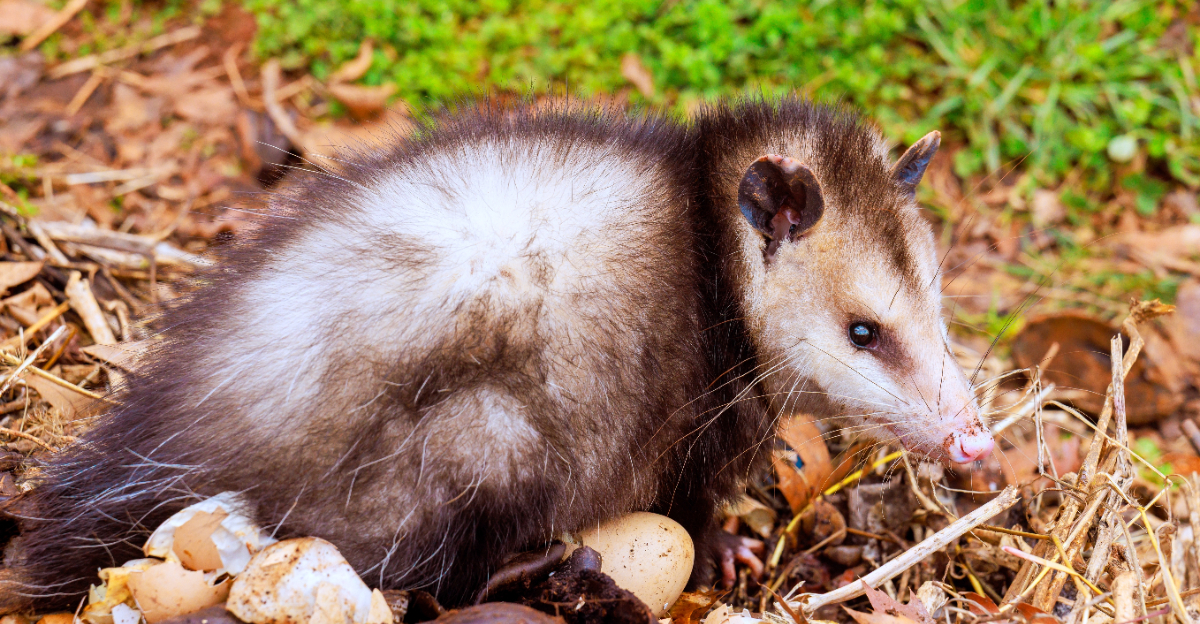
An opossum showing up in a Georgia yard usually feels like bad news at first. The appearance alone is enough to make it seem like trouble has arrived, especially late at night when everything already feels a little more suspicious.
But that reaction is not always fair. In many cases, an opossum is doing far less harm than expected and may even be helping in ways that go unnoticed.
That is what makes this animal so interesting to have around. Opossums tend to keep to themselves, move on quickly, and fit into the yard in a much quieter way than their reputation suggests.
In Georgia, where outdoor pests and backyard nuisance issues are common, that can be more useful than it seems. A yard visitor that looks unpleasant at first glance can still bring a few benefits with it.
Once the usual assumptions are set aside, the role opossums play outdoors starts to look a lot more positive.
1. They Eat Insects Including Some Ticks Found In Yards
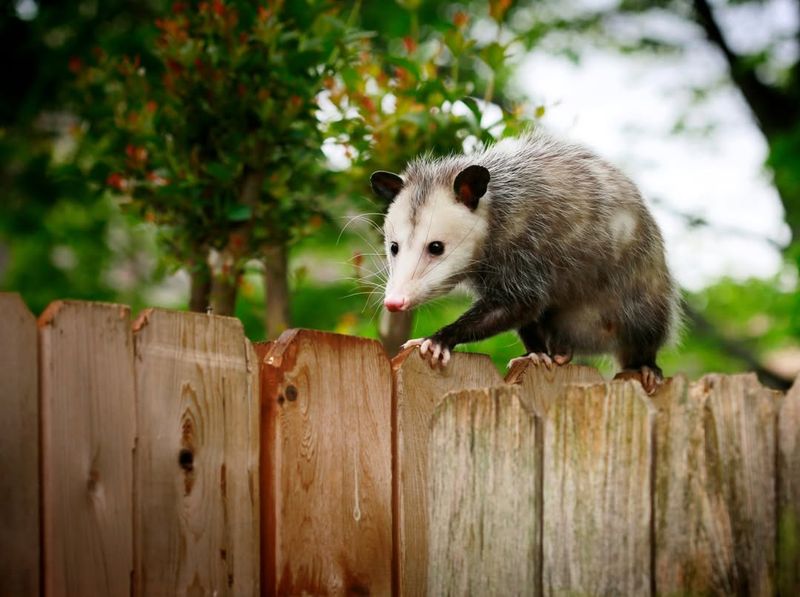
Opossums might look like they’re just wandering aimlessly through your Georgia yard at night, but they’re actually working. Ticks are one of their favorite snacks, and they consume them in surprisingly large numbers.
Georgia summers are brutal, and tick populations explode during the warm months. Black-legged ticks, also called deer ticks, carry Lyme disease and other illnesses that affect both people and pets.
Having a natural tick-eater patrolling your yard is genuinely useful, especially if you have kids or dogs playing outside regularly.
Beyond ticks, opossums also snack on cockroaches, beetles, and various other insects that tend to show up uninvited. Cockroaches especially love the warm, humid conditions that Georgia summers bring.
An opossum cruising through your yard a few nights a week can seriously cut down on how many of these insects stick around.
What makes this even better is that opossums don’t need any encouragement or special setup from you. They find the bugs on their own, moving through grass and leaf piles with their sharp little noses leading the way.
No traps, no sprays, no effort on your end. It’s one of the most hands-off forms of pest control you could ask for in a Georgia yard, and it happens completely on its own schedule without any maintenance required from you at all.
2. Opossums Clean Up Fallen Fruit And Other Yard Debris
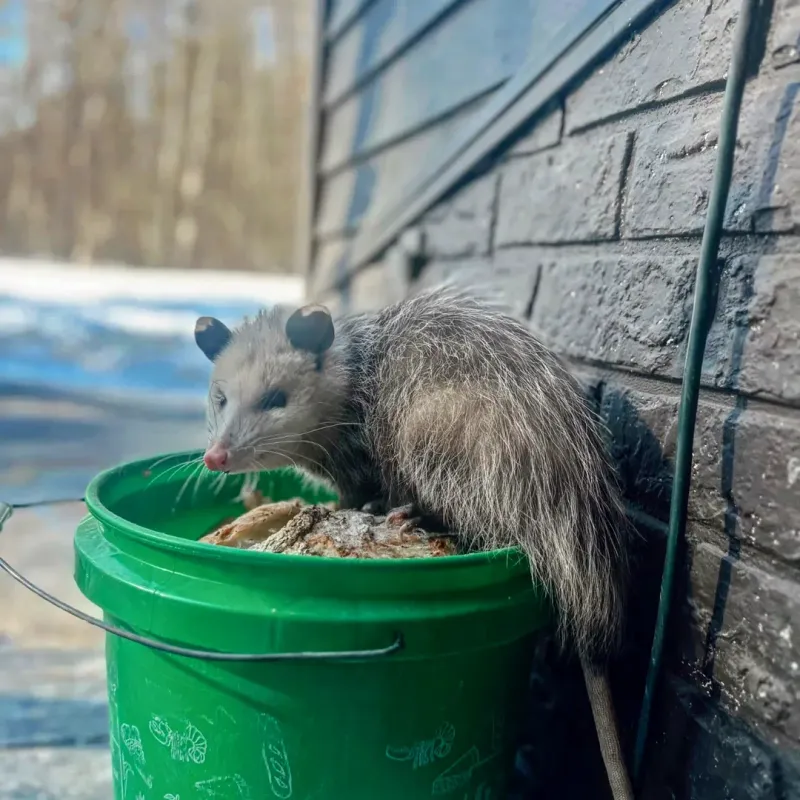
Rotting fruit sitting on the ground is more of a problem than most people realize. It attracts flies, gnats, yellow jackets, and all sorts of insects that you really don’t want swarming around your yard, especially during Georgia’s long warm season.
Opossums take care of that without being asked.
Fruit trees are common in Georgia yards, whether it’s a fig, persimmon, apple, or peach. When fruit drops and sits on the ground for more than a day or two, it starts to ferment and smell.
That odor draws pests fast. An opossum will come through and clean up those fallen pieces before the problem gets out of hand.
Your Georgia Garden Changes Every Week. Your Plan Should Too.
Gardening in Georgia changes quickly throughout the season. Every Friday you’ll receive a simple weekly plan showing exactly what to plant, prune, fertilize, harvest, and protect so you never miss the right timing.
They also eat other organic debris, including small amounts of carrion and decaying plant matter. While that might sound unpleasant, it’s actually helpful.
Decomposing material left sitting in a yard can attract flies and contribute to unpleasant smells that linger through the heat of summer in Georgia.
Think of the opossum as a free cleanup crew that shows up after dark. You don’t have to rake up every dropped fig or chase down every fallen peach before it rots.
The opossum handles a solid portion of that work on its own. For anyone managing a yard with fruit trees or heavy leaf drop, that’s a real, practical benefit.
It keeps the yard cleaner and reduces the number of insects that would otherwise move in to take advantage of the mess.
3. Their Diet Includes Insects That Often Damage Garden Plants
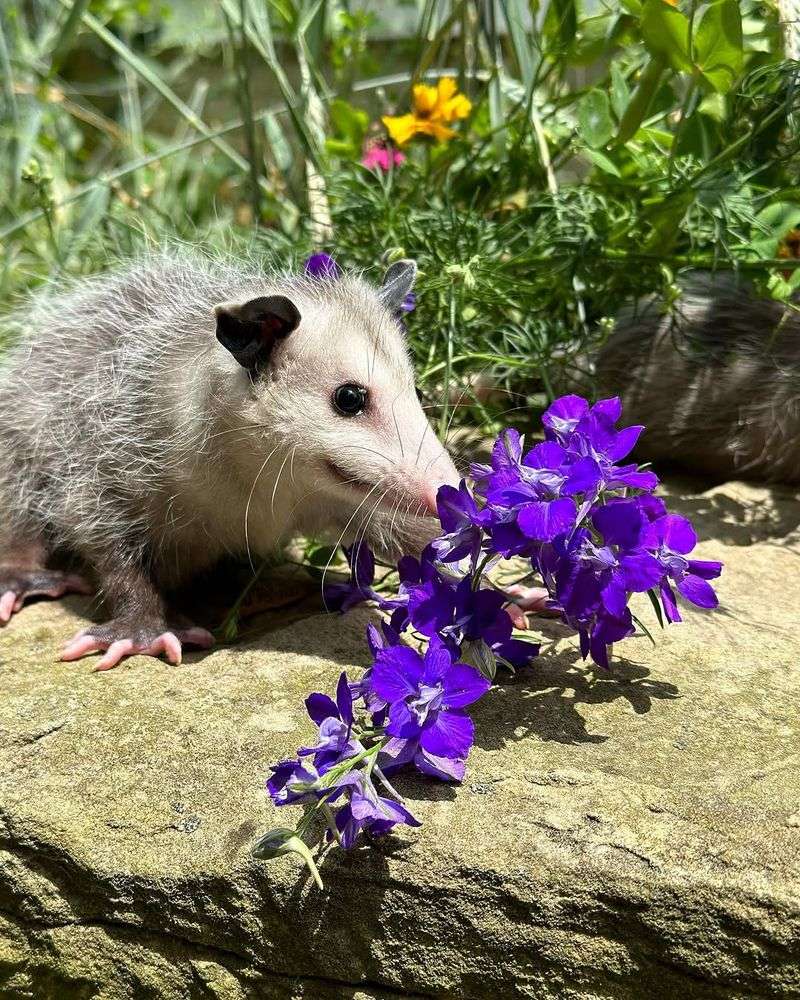
Slugs and beetles are two of the most frustrating garden pests in Georgia. They chew through leaves, damage fruit, and can wipe out a vegetable bed faster than most people expect.
Chemical treatments work, but they also affect beneficial insects and require repeated applications throughout the growing season.
Opossums eat both. Slugs are especially easy targets for them since slugs move slowly and come out at night, right when opossums are most active.
A single opossum patrolling your garden beds on a regular basis can significantly reduce slug populations without you doing anything at all.
Beetles are another story. Some beetles, like Japanese beetles and cucumber beetles, cause serious damage to garden plants across Georgia.
Opossums will eat ground-dwelling beetles and their larvae when they find them, which helps break the cycle before the next generation hatches and causes even more damage to your plants.
Gardeners in Georgia often spend a lot of money on pest control products that have to be reapplied constantly. Having an opossum in the yard doesn’t replace all of that, but it does reduce how often you need to intervene.
Over the course of a full growing season, that adds up. Fewer slugs mean healthier leaves.
Fewer beetle larvae mean less root damage. It’s not a perfect solution, but it’s a genuinely useful one that costs you nothing and asks nothing of you except a little tolerance for a nocturnal neighbor passing through your garden beds after dark.
4. They Groom Themselves Often And Help Remove Pests From Their Fur
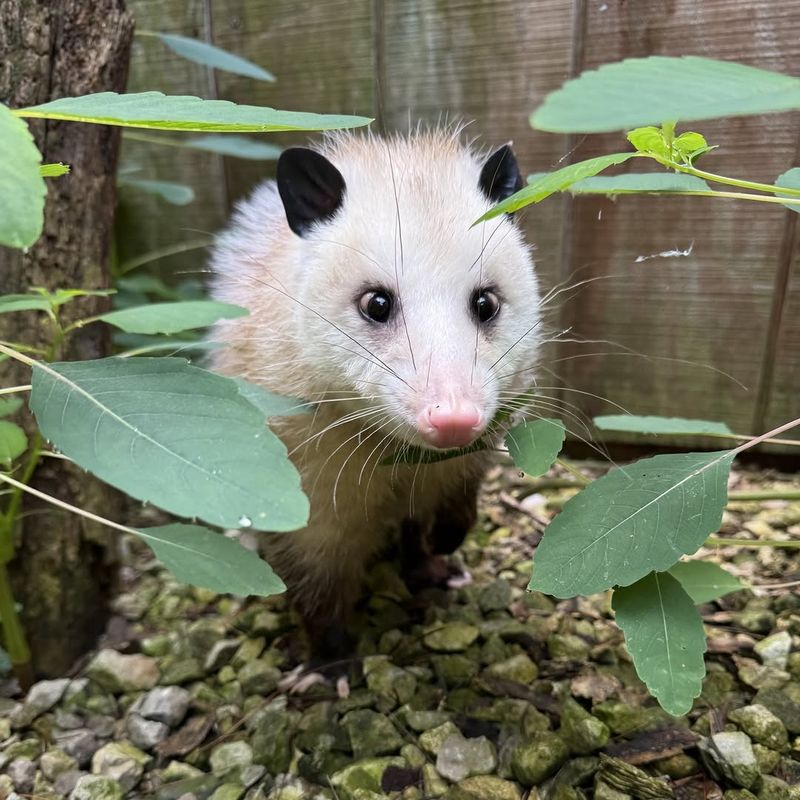
Opossums are surprisingly clean animals. They groom themselves frequently, similar to how cats do, running their paws and mouths through their fur to remove anything that doesn’t belong there.
What makes this interesting is what they’re actually removing during that process.
Ticks that latch onto an opossum’s fur during a night of foraging don’t usually stay there long. As the opossum grooms, it finds the ticks and eats them.
In Georgia, where tick populations are a genuine concern for outdoor enthusiasts and families with pets, this behavior matters. Every tick that ends up on an opossum and gets eaten is one fewer tick that could end up on your dog, your child, or you.
It’s a small thing in isolation, but across an entire season it adds up significantly.
People often assume that wild animals wandering through a yard must be carrying all kinds of parasites. Opossums actually have a lower body temperature than most mammals, which makes them a less hospitable host for certain diseases, including rabies.
Their grooming habit further reduces the parasite load they carry. So while they look a little rough around the edges with their scruffy fur and slow shuffle, opossums are actually keeping themselves quite clean as they move through Georgia yards each night.
5. Opossums Do Not Typically Dig Up Beds Or Damage Plants
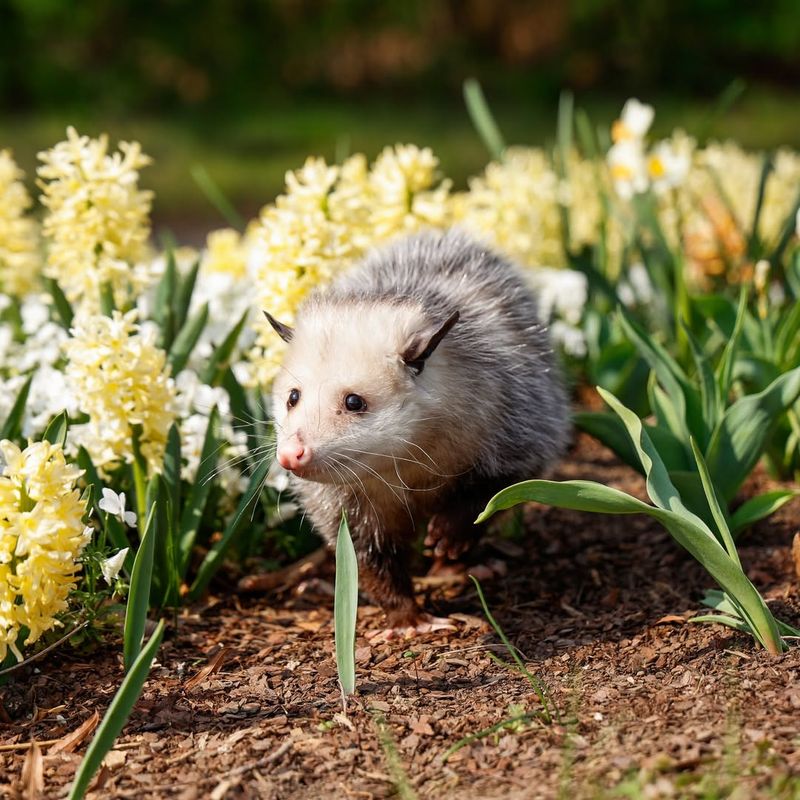
Armadillos tear up Georgia lawns constantly. Raccoons knock things over, pull up mulch, and raid everything they can reach.
Squirrels bury things in garden beds and dig them up again a week later. Compared to the rest of the wildlife that passes through a typical Georgia yard, opossums are remarkably low-impact visitors.
Opossums don’t dig. They’re not built for it and they don’t need to be.
Their food sources, insects, fallen fruit, small creatures, are mostly found on the surface or just under leaf litter. They shuffle through rather than excavate, which means your garden beds stay intact after a nighttime visit.
Plants are also generally safe from opossums. They’re not browsers like deer, and they don’t gnaw on bark or stems the way rabbits do.
An opossum walking through a vegetable garden is looking for insects and dropped produce, not the plants themselves. Most gardeners in Georgia who have opossums passing through regularly never notice any plant damage connected to them.
Raised beds, flower borders, and carefully maintained vegetable rows can coexist with opossums without issue. If you’ve been worried that allowing an opossum to hang around means accepting damage to your yard, that concern is largely unfounded.
Compared to the very real destruction caused by other common Georgia wildlife, the opossum is one of the most garden-friendly wild animals you’re likely to encounter. Tolerating one is far less costly than dealing with the alternatives that would move in to fill the same space.
6. They Occasionally Feed On Small Rodents And Other Small Prey
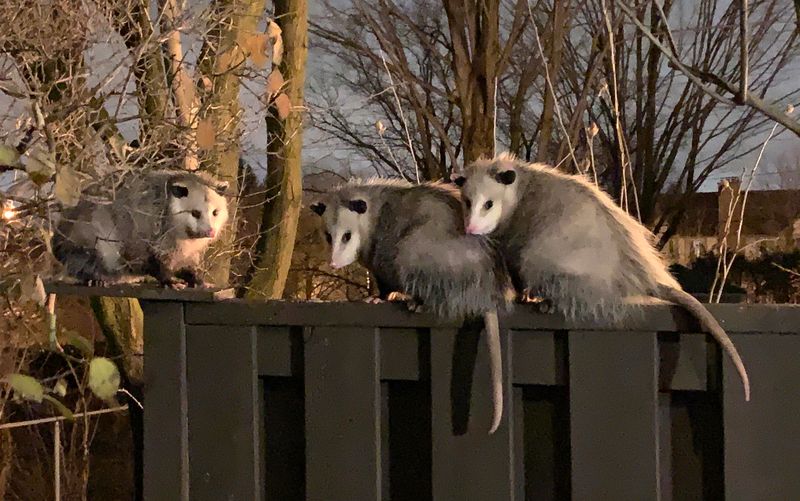
Mice and rats are a persistent problem in Georgia, especially as temperatures drop in the fall and rodents start looking for warm places to settle. Most homeowners reach for traps or call an exterminator.
An opossum patrolling the yard at night offers a less obvious but surprisingly effective form of rodent management.
Opossums are opportunistic feeders, which means they eat what they find. Small rodents are absolutely on the menu when the opportunity presents itself.
While opossums aren’t aggressive hunters chasing prey across the yard, they will catch and eat mice and rats they encounter during their nightly rounds.
Keeping rodent populations lower around the perimeter of your home matters more than most people realize. Mice that don’t get stopped in the yard eventually find their way into garages, crawl spaces, and walls.
Anything that reduces their numbers outside the house lowers the chances of an indoor problem developing later on.
Beyond rodents, opossums also eat snails, small frogs, and occasionally snakes. Georgia has several venomous snake species, and opossums have a natural resistance to certain snake venoms, making them surprisingly capable of dealing with snakes that most other animals avoid.
It’s not something that happens every night, but knowing that your nocturnal yard visitor has some ability to handle snakes is a genuinely reassuring thought for anyone spending time outdoors in Georgia. A creature this useful rarely gets the credit it deserves from the people whose yards it quietly protects.
7. A Quiet, Non Aggressive Visitor That Prefers To Avoid Conflict
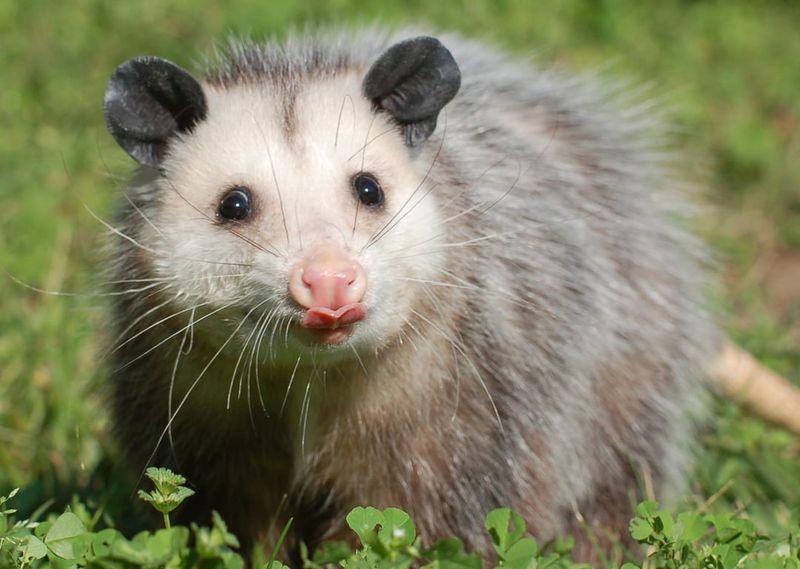
Playing possum is practically a punchline, but for opossums it’s a genuine survival strategy. When threatened, opossums go into an involuntary catatonic state that looks convincingly like they’ve passed out.
It’s not a choice they make, it just happens. And it works well enough that predators usually leave them alone.
What this behavior tells you is that opossums are not fighters. They don’t bite, charge, or attack when they feel threatened.
Their first instinct is always to avoid conflict, and if that fails, they remain completely still until the threat moves on. For a homeowner in Georgia sharing a yard with one, that means the risk of an aggressive encounter is extremely low.
Pets are a common concern when people spot wildlife in the yard. With opossums, the risk to a dog or cat is minimal.
An opossum cornered by a curious dog might hiss and show its teeth, but that’s almost entirely a bluff. Actual biting is rare, and opossums generally retreat or freeze rather than escalate any confrontation.
Georgia yards see all kinds of nighttime visitors, from raccoons to foxes to armadillos. Most of them create some kind of mess or problem.
Opossums stand apart because they move through quietly, do their foraging, and leave without incident. You might spot one frozen under a porch light or shuffling across the driveway, but chances are it will be gone before you even have time to react.
As wildlife goes, they’re about as easygoing as it gets.