What Georgia Coneflowers Need In March To Keep Blooming Longer
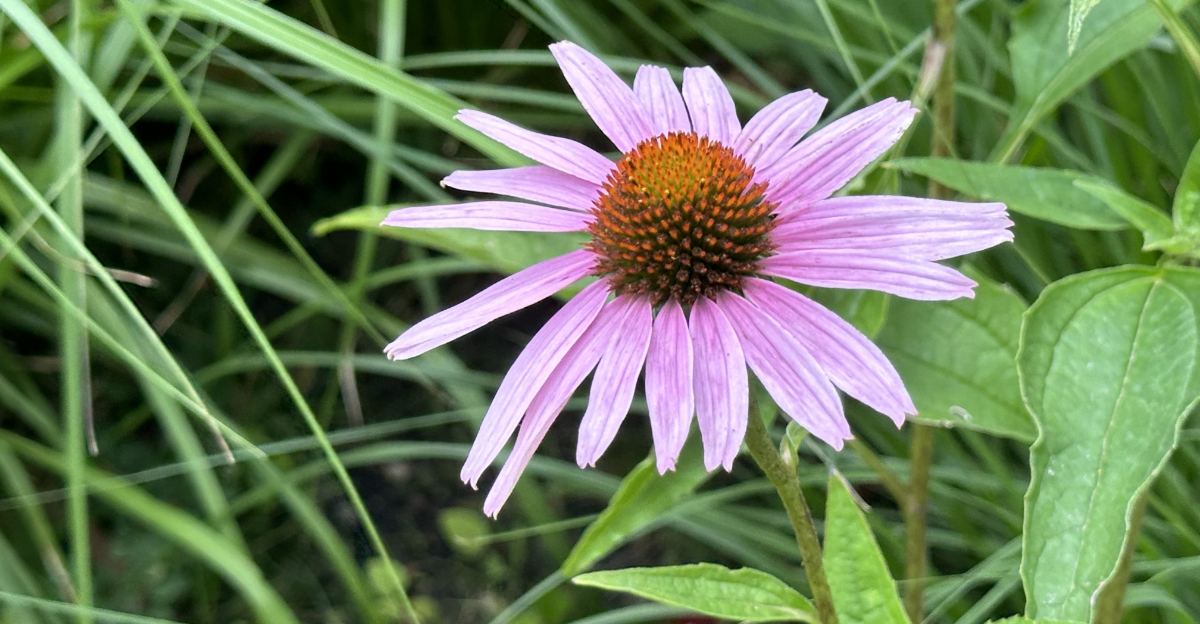
Coneflowers have a way of looking tough and effortless, but that does not mean they should be ignored once March arrives in Georgia.
This early part of the season sets the tone for everything that follows, and a few small care steps now can have a real impact on how well these plants perform once blooming begins.
After winter, it is easy for leftover growth, shifting moisture, and mild spring stress to slow them down more than expected. That is why this point in the season matters so much for Georgia gardens before fresh growth starts moving too fast.
Healthy coneflowers tend to reward the effort with stronger stems, better flowering, and a display that lasts much longer into the season.
For anyone hoping to keep color going in a Georgia yard without turning it into extra work, this is the right time to pay closer attention.
1. Start With Cutting Back Old Growth Before New Shoots Appear
Old stems from last year are not doing your coneflowers any favors. Left standing, those old stalks can harbor fungal spores and make it harder for new growth to push through cleanly.
In Georgia, March is the sweet spot for cutting them back because the soil is starting to warm, but most plants have not fully woken up yet.
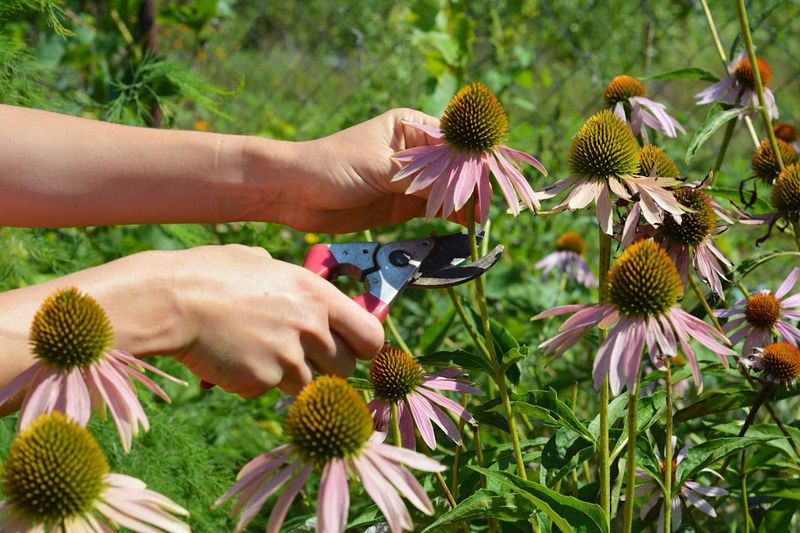
Grab a clean pair of pruning shears and cut the old stems down to about two to three inches above the soil line. You do not need to go all the way to the ground.
Leaving a small stub helps you spot where new growth is coming in without accidentally clipping a fresh shoot you did not see.
Sharp, clean tools matter more than most people realize. Dull blades crush stems instead of cutting them, which opens the door to rot and disease.
Wipe your shears with rubbing alcohol before you start, especially if you used them on other plants last season.
After cutting, take a good look at what you removed. Stems that look black inside or feel mushy could be a sign of crown rot that started over winter.
Catching that early gives you time to act before it spreads to neighboring plants in your Georgia garden bed. Pile up the trimmings and get them out of the garden rather than leaving them on the ground to break down in place.
2. Clear Away Debris Around The Base To Prevent Early Issues
Soggy leaves piled against the crown of a coneflower are basically an open invitation for rot and fungal problems. Georgia winters are mild enough that debris does not fully break down the way it might farther north, so by March you often have a thick, damp layer sitting right where you do not want it.
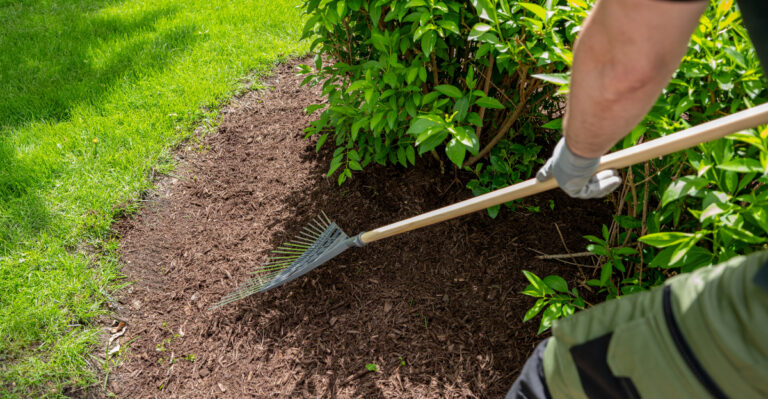
Pull back any matted leaves, old mulch clumps, and broken plant material from around the base of each plant. Work carefully near the crown since that is where new growth is just starting to push up.
A hand rake or even your fingers work better here than a full-size garden rake, which can scrape up emerging shoots without you noticing.
Your Georgia Garden Changes Every Week. Your Plan Should Too.
Gardening in Georgia changes quickly throughout the season. Every Friday you’ll receive a simple weekly plan showing exactly what to plant, prune, fertilize, harvest, and protect so you never miss the right timing.
Check the soil surface while you are at it. Compacted soil around the crown can stop water and air from reaching the roots properly.
Lightly scratching the surface with a hand cultivator loosens things up without disturbing the root system below.
Removing debris also cuts down on slug and snail activity, which picks up fast once Georgia temperatures start climbing in late March and April. Those pests love hiding under wet leaves and can chew through young coneflower growth before you even spot them.
A clean bed now reduces how much you have to chase problems later. Bag up the old debris and toss it rather than composting it, just in case any disease spores are hiding in that material from last season.
3. Apply A Light Layer Of Compost To Support Healthy Growth
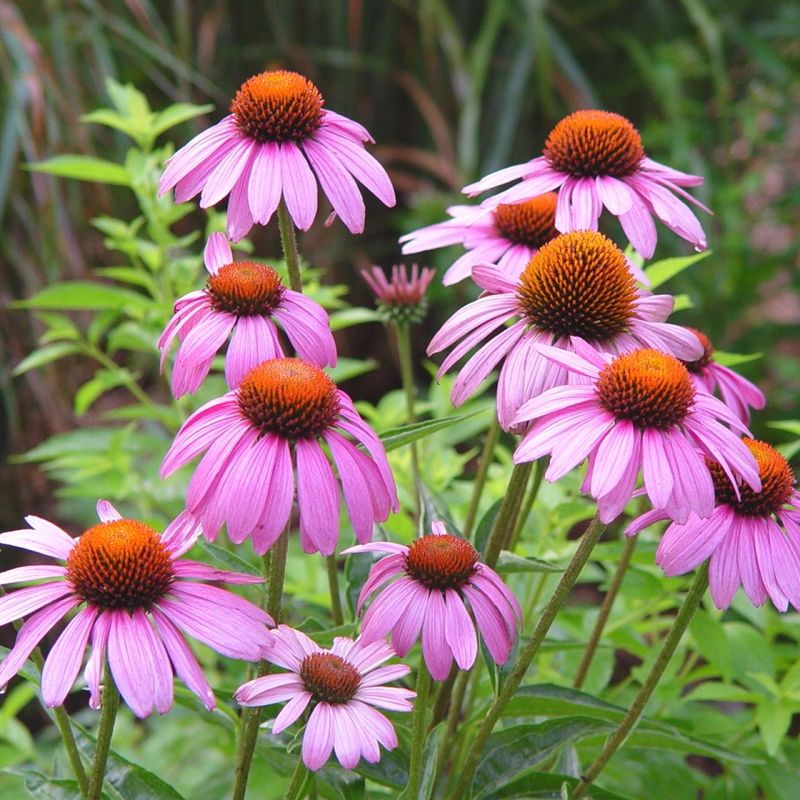
Compost is one of those things that looks simple but does a lot of work underground. Spreading a light layer around your coneflowers in March gives the soil a slow, steady boost right when the plants need it most.
Georgia clay soils especially benefit from this kind of organic top-dressing because it helps loosen the texture over time and improves drainage.
You do not need to go thick here. About an inch of finished compost spread out to the drip line of the plant is plenty.
Keep it a few inches away from the crown itself so you are not trapping moisture right against the base of the stem, which can cause problems as temperatures rise.
Well-aged compost feeds the soil biology, not just the plant. Earthworms and beneficial microbes become more active in March as Georgia soil temperatures climb, and a fresh layer of compost gives them something to work with.
That microbial activity breaks down nutrients into forms the roots can actually absorb.
Homemade compost works great, but bagged compost from a garden center is fine too. Just make sure it is fully finished and not still actively breaking down, which can actually pull nitrogen away from your plants temporarily.
If you are not sure, smell it first. Good compost smells earthy and clean, almost like a forest floor after rain.
Anything sharp or ammonia-like means it needs more time before it goes on your coneflower bed.
4. Make Sure Plants Receive Full Sun As Days Get Longer
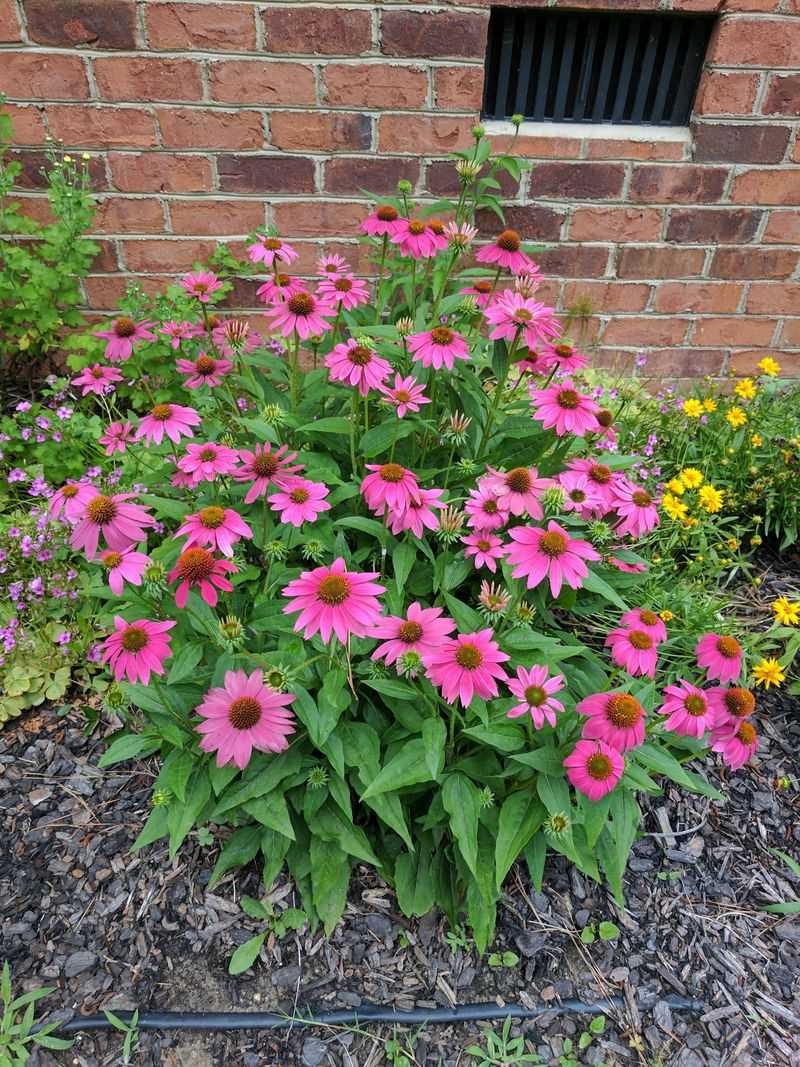
Coneflowers are sun-hungry plants, and March is a good time to honestly assess whether your garden bed is giving them what they need. Trees that were bare all winter start leafing out fast in Georgia, sometimes turning a full-sun spot into a part-shade situation before you even notice the change happening.
Walk your yard on a clear day and watch where the shadows fall between 10 a.m. and 3 p.m. That window is when sun intensity is at its peak, and your coneflowers need at least six solid hours in that range to bloom well.
If a tree or shrub is starting to block that light, pruning it back now before it fully leafs out is much easier than waiting until summer.
Plants that do not get enough sun do not just bloom less. They stretch and lean toward whatever light they can find, which makes stems weak and floppy by midsummer.
Georgia gardeners sometimes mistake this for a watering problem, but leggy growth is almost always a light issue first.
If your coneflowers are in a spot that has gradually gotten shadier over the years, March is actually a reasonable time to transplant them while temperatures are still cool. Moving them to a sunnier location now gives the roots several weeks to settle in before the heat arrives.
Coneflowers are surprisingly tough about being moved in early spring as long as you keep the root ball intact and water them in well after replanting.
5. Avoid Overwatering As Spring Rains Begin To Increase

Georgia springs can be surprisingly wet, and coneflowers sitting in soggy soil for days at a time are going to struggle. Root rot moves quietly and quickly in poorly drained beds, especially when the soil stays cold and wet for extended stretches in early spring.
Before you reach for the hose, check the soil first. Push your finger about two inches down into the bed near your coneflowers.
If it still feels damp, hold off. These plants handle short dry spells far better than they handle standing water, and overwatering in March sets up conditions that hurt blooms months later.
Raised beds and sloped garden areas drain much better than flat ground with clay-heavy soil. If your Georgia garden has drainage issues, adding coarse sand or perlite to the top few inches when you work in your compost can help.
That small adjustment makes a real difference in how quickly water moves through after a heavy rain.
Rainfall tracking is actually a useful habit for coneflower growers. A simple rain gauge in the garden tells you exactly how much water your beds are getting each week.
Coneflowers generally want about an inch per week during the growing season, and in Georgia during March, rainfall alone often covers that or exceeds it. Knowing your numbers keeps you from adding water your plants simply do not need right now.
Overwatering early in the season is one of the most common mistakes Georgia gardeners make with these plants.
6. Divide Crowded Clumps Now To Encourage Stronger Blooms
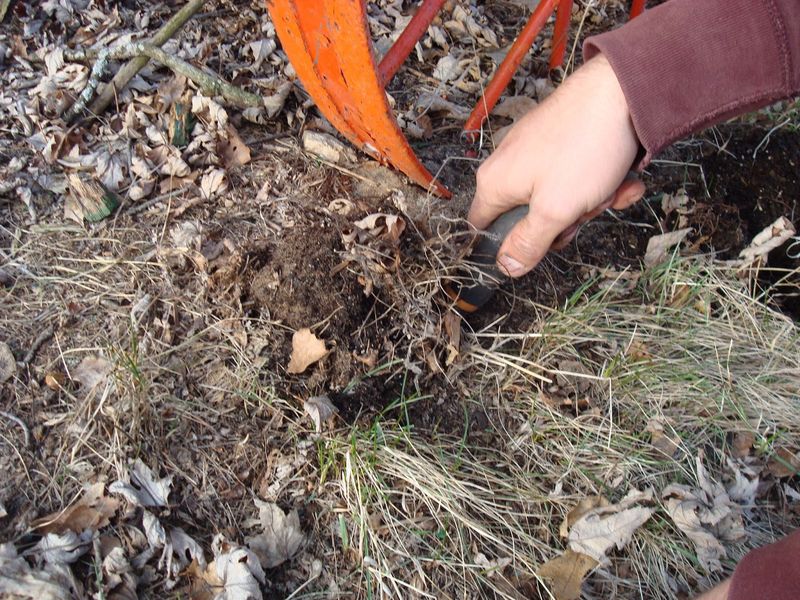
A coneflower clump that has been growing in the same spot for three or four years starts competing with itself. Crowded roots fight for water and nutrients, and the result shows up as smaller blooms and thinner stems by midsummer.
Dividing in March solves that problem before it has a chance to affect this year’s season.
Wait until you can see some new growth emerging from the crown before you dig. That fresh green growth acts as a guide, showing you exactly where the active parts of the plant are.
Use a sharp garden fork rather than a spade to lift the clump, working around the outside of the root mass to avoid cutting through more than necessary.
Once you have the clump out of the ground, pull it apart into sections by hand or use a clean knife if the roots are too dense to separate easily. Each division should have a healthy chunk of root and at least two or three visible growth points.
Sections without any growth buds are not worth replanting.
Replant divisions at the same depth they were growing before. Planting too deep is a common mistake that causes crowns to rot before plants get established.
Water each division in well after replanting, and if you have extras you do not need, Georgia gardening neighbors are usually happy to take them off your hands.
Divided plants often bloom better than the original crowded clump within just one growing season, which makes this one of the highest-return tasks you can do in March.
7. Hold Off On Fertilizer To Prevent Weak, Leggy Growth
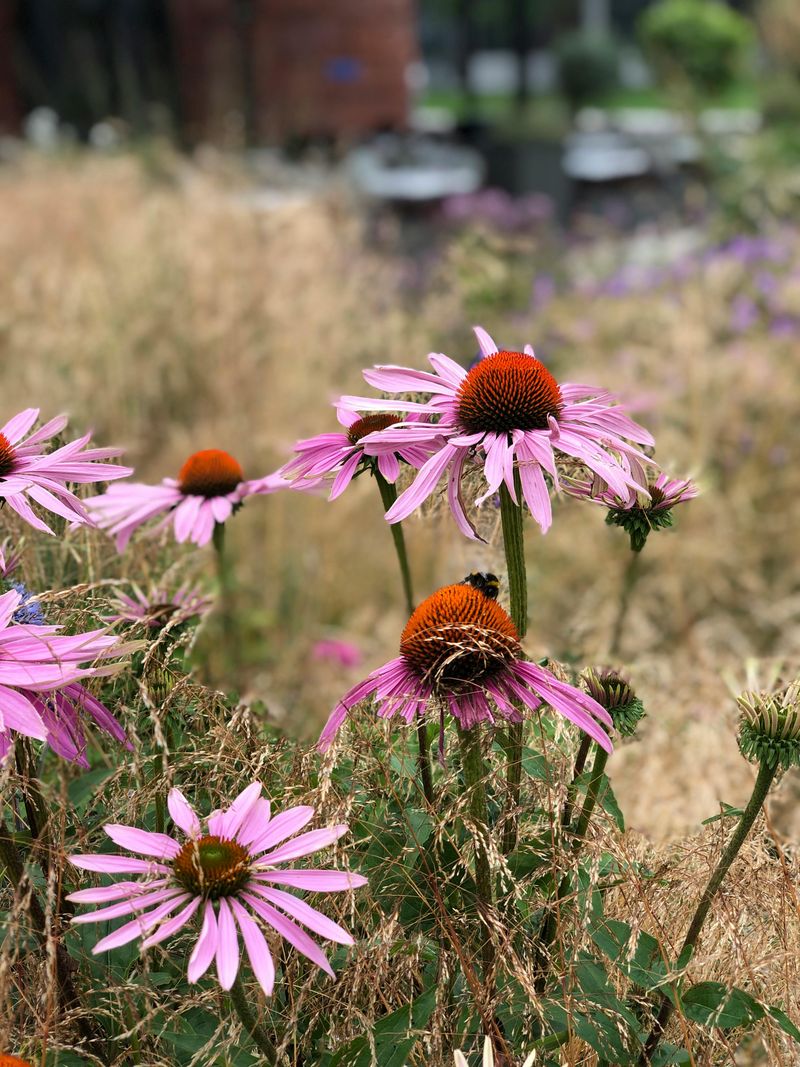
Reaching for the fertilizer bag in March feels productive, but for coneflowers it can actually backfire. Pushing too much nitrogen into the soil early in the season encourages fast, leafy growth that looks good at first and then falls apart under Georgia’s summer heat.
Stems end up tall and weak, flopping over before the flowers even fully open.
Coneflowers are not heavy feeders. They evolved in lean soils and do not need the same boost that vegetables or annuals might require.
If you already applied compost, that is genuinely enough for most established plants to get through the early part of the season with strong, compact growth.
New transplants or freshly divided sections are a slightly different story. A very diluted liquid fertilizer applied once about four to six weeks after dividing can help young plants get rooted faster.
But even then, keep the nitrogen content low and skip the high-dose products marketed for fast results.
Granular fertilizers labeled for flowering perennials and applied at half the recommended rate in late April or early May tend to give better results than anything applied in March. By that point the plant is already in active growth mode and can use the nutrients efficiently rather than storing them as excess leaf tissue.
Georgia gardeners who skip the early fertilizer push almost always end up with sturdier plants that hold up better through the long, hot blooming season. Patience here is a real strategy, not just hesitation.