8 Lawn Alternatives Georgia Homeowners Are Switching To This Spring
Spring in Georgia puts lawns under a spotlight, and it becomes obvious fast which yards feel fresh and which ones still struggle with the same thin, uneven patches.
That is usually when many start to question whether keeping a traditional lawn is even worth the effort anymore. Grass can demand more time than expected, and results do not always last through the season.
Areas fade, repairs add up, and the look never quite stays consistent from one month to the next. That is why more homeowners have started trying different options that change how the yard looks and how it is maintained.
These choices focus less on constant upkeep and more on creating a space that holds its appearance over time. The shift is easy to notice once it takes hold, and it often makes the entire yard feel more balanced and far easier to manage.
1. White Clover Stays Green Longer Than Grass
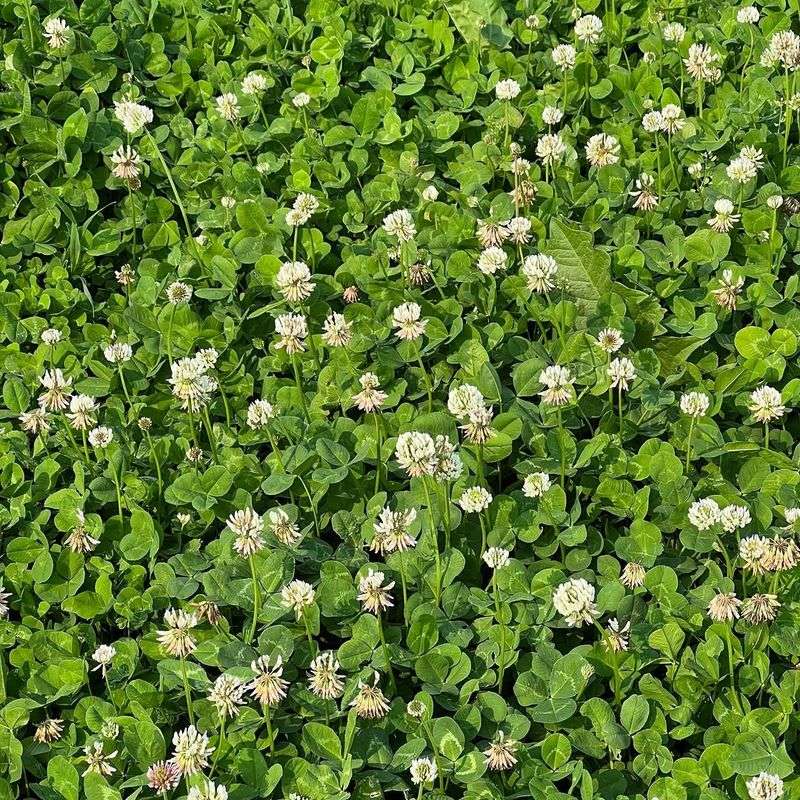
Grass goes brown when rain stops showing up. White clover, on the other hand, tends to hold its color through dry stretches that would have a regular lawn looking crispy by July.
Across much of Georgia, homeowners have started mixing clover into existing turf or replacing sections entirely, and the difference in summer appearance can be noticeable.
Clover pulls nitrogen from the air and pushes it into the soil, which means surrounding plants often benefit without any added fertilizer. Bees are drawn to the small white blooms, which is good news for anyone with a vegetable garden nearby.
You do not need to feed it, and mowing can happen far less often than with traditional turf.
Planting in early spring gives clover time to root before Georgia heat kicks in. It handles clay soil better than most groundcovers, which matters in areas like Columbus or Athens where clay is common.
Expect some bare patches during the first season as it fills in — full coverage usually takes one to two growing seasons depending on soil prep and rainfall. Foot traffic tolerance is moderate, so high-traffic paths may need stepping stones for best results.
Once established, it creates a soft, low-maintenance lawn alternative that stays green longer into the summer with far less effort.
2. Frog Fruit Spreads Fast And Handles Heat
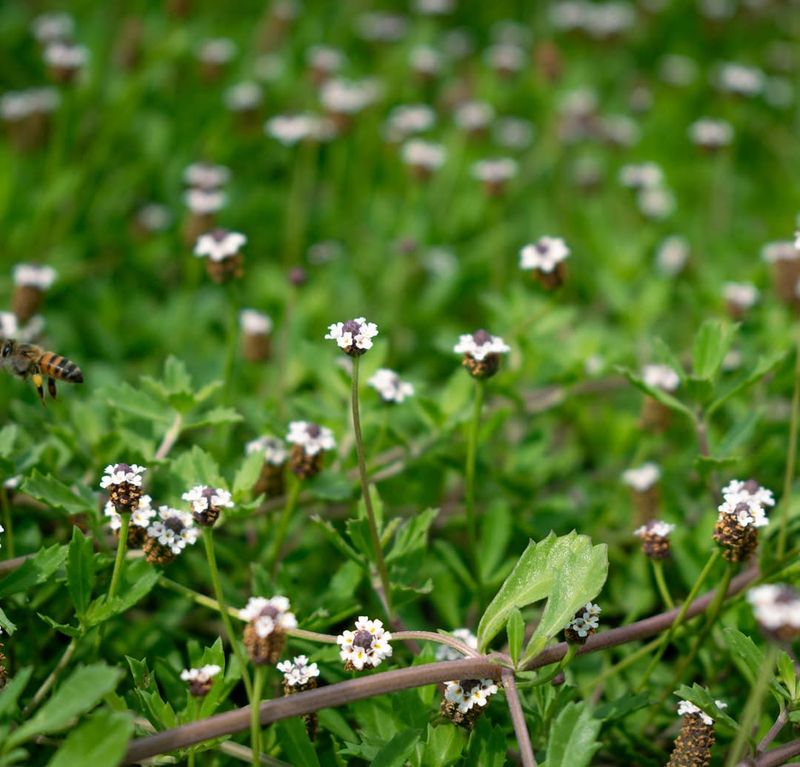
Not many groundcovers can handle Georgia’s July heat without flinching, but frog fruit is one that earns its reputation honestly.
Native to the southeastern United States, it grows low to the ground, spreads by runners, and fills in gaps faster than most alternatives once it gets going.
Butterflies and small native bees genuinely use it — the tiny flowers, though not showy, are a consistent nectar source through much of the warm season.
If you garden anywhere near Atlanta’s suburbs or along the coastal plain, frog fruit fits the local ecology well and tends to need very little input after the first few months.
Watering during the establishment period helps, but once roots are settled, supplemental irrigation becomes mostly optional during normal rainfall years.
It handles light foot traffic reasonably well, which makes it useful between stepping stones or along pathways where grass tends to thin out.
Your Georgia Garden Changes Every Week. Your Plan Should Too.
Gardening in Georgia changes quickly throughout the season. Every Friday you’ll receive a simple weekly plan showing exactly what to plant, prune, fertilize, harvest, and protect so you never miss the right timing.
Mowing once or twice a year keeps it tidy, though many Georgia homeowners skip mowing altogether and let it stay at its natural low height. Clay or sandy soil — it adapts to both, which is a practical advantage across different parts of the state.
Spring planting gives it the full warm season to spread.
By late summer, it can form a dense, living mat that quietly holds soil in place while keeping bare spots from coming back.
3. Sunshine Mimosa Forms A Soft Flowering Cover
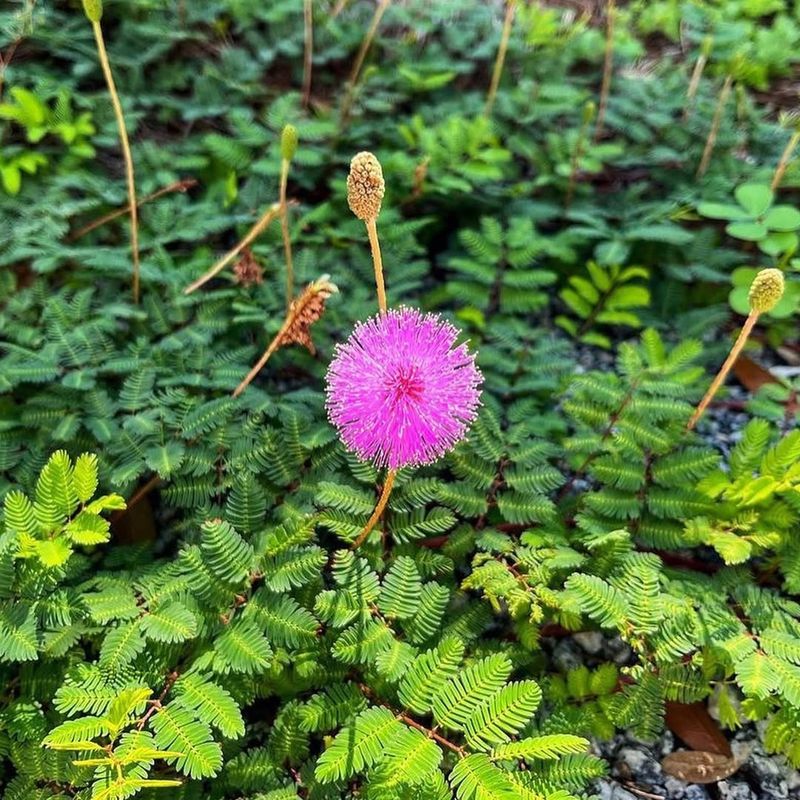
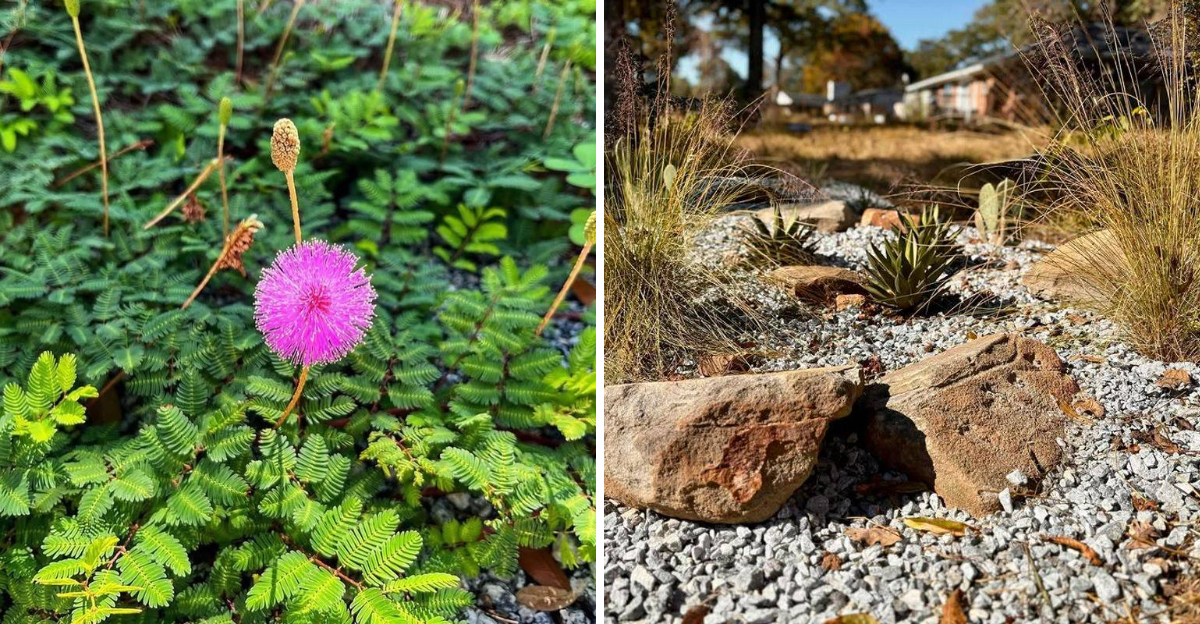
Pink powder-puff flowers covering a front yard is not something most neighbors expect to see, but that is exactly what sunshine mimosa delivers in spring and early summer across Georgia.
It spreads by runners and roots as it goes, eventually forming a dense mat that crowds out a fair amount of weed competition.
One thing that surprises people is how the leaves fold up when touched — a quirk that makes it interesting for kids and curious adults alike. Beyond the novelty, it is genuinely useful as a groundcover in full sun areas where grass struggles to stay thick.
Sandy soils in South Georgia and the red clay of the Piedmont region both work, though drainage matters more than soil type.
Foot traffic tolerance is moderate at best, so sunshine mimosa works better in low-traffic lawn areas or as a border planting rather than a main pathway surface.
Mowing once a year after flowering keeps growth in check, but skipping a season will not cause serious problems.
Watering during dry stretches in the first summer helps the plant establish well. By the second year, it generally needs far less attention.
Spring is the right time to plant it in Georgia — warming soil temperatures encourage fast root development and early spreading.
Once it fills in, it creates a soft, flowering carpet that brings movement and color to the landscape without demanding constant care.
4. Dwarf Mondo Grass Works Well In Shade
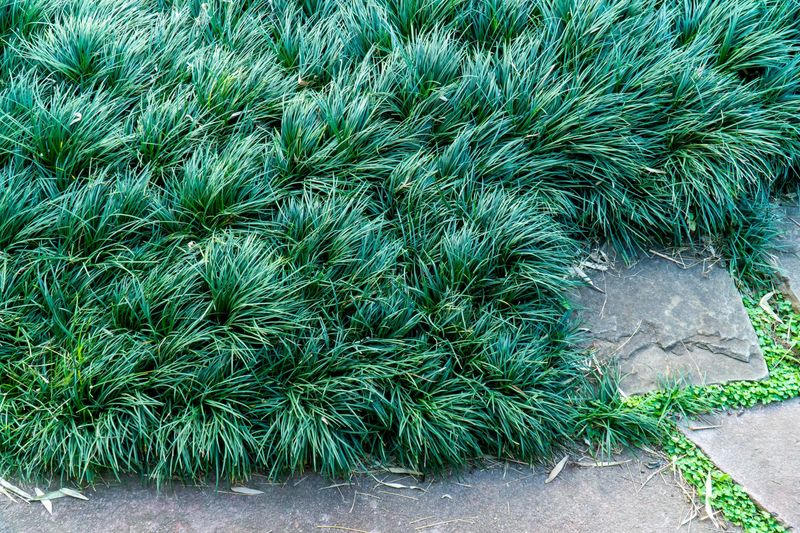
Shady spots under mature oaks or pines are some of the hardest areas to manage in a Georgia yard. Regular turf thins out, weeds move in, and the whole area starts looking neglected by midsummer.
Dwarf mondo grass handles those conditions with far less frustration than most alternatives.
It forms a tight, dark green mat that stays evergreen through Georgia winters, which means it looks presentable year-round without seasonal replanting. Growth is slow — that is worth knowing upfront.
Spacing plants about six inches apart and keeping the area watered through the first summer gives it the best chance to fill in within two to three years.
Foot traffic is not really where dwarf mondo grass excels. It can handle occasional stepping, but a heavily used path will thin it out over time.
Pairing it with stepping stones is a practical solution that many Savannah and Athens homeowners have used successfully. Fertilizing once in spring with a balanced granular fertilizer supports steady growth without pushing it into a weedy sprawl.
Slugs can be a minor problem in very wet years, but they rarely cause lasting damage. For shaded areas where almost nothing else cooperates, dwarf mondo grass remains one of the more dependable options available to Georgia gardeners right now.
By the second year, it starts to knit together more evenly, creating a calm, low-maintenance ground layer that holds its color even when surrounding plants fade in the heat.
5. Native Sedges Replace Turf With Less Upkeep
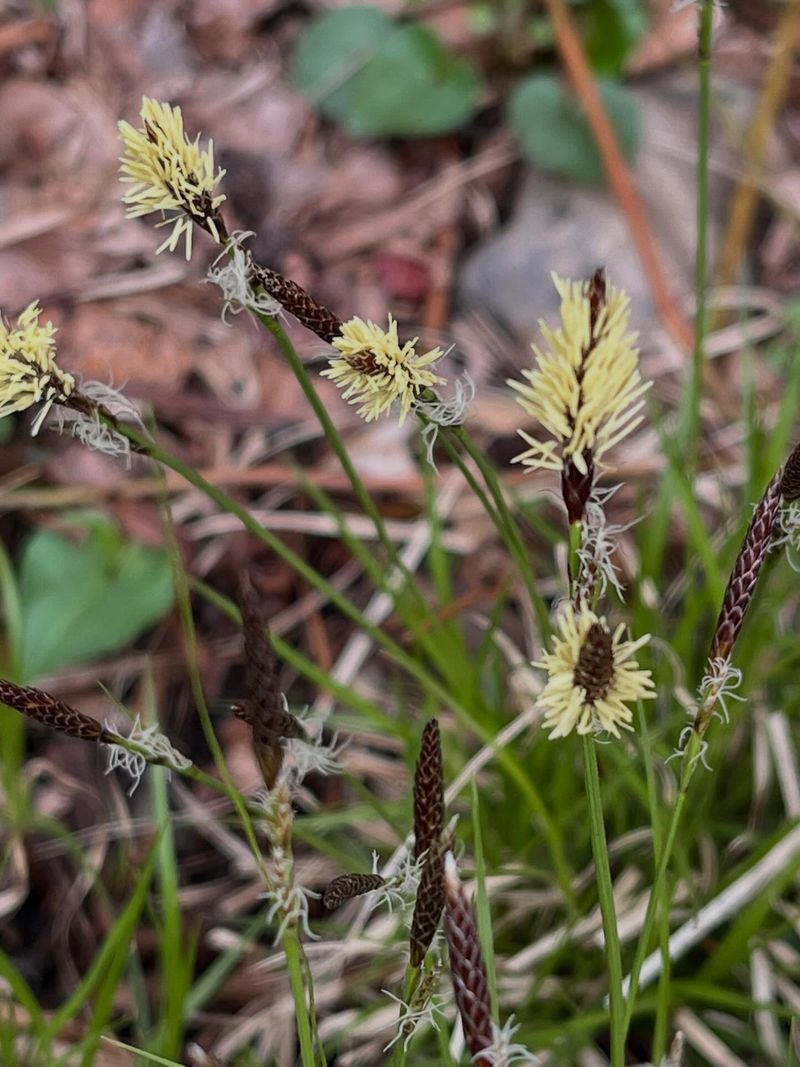
Sedges get overlooked because they look a lot like grass — and honestly, that is part of what makes them useful. From a distance, a sedge lawn reads as a normal green yard.
Up close, the texture is finer and the growth habit is more relaxed, with blades that arch slightly rather than standing stiff.
Georgia has several native sedge species worth considering, including Pennsylvania sedge and Davis sedge, both of which adapt well to the state’s range of soil types and light conditions. They grow slowly enough that mowing once or twice a year is plenty.
Some homeowners skip mowing entirely and let the natural arching form do its thing.
Water needs are considerably lower than traditional turf once plants are settled in. Partial shade to full shade is where most native sedges really perform well, though some tolerate more sun if soil moisture stays consistent.
Planting in early spring or fall gives roots time to establish before temperature extremes set in. Sedges are not going to give you a golf-course-smooth surface — the look is more naturalistic, which suits informal yards and garden-style landscapes well.
If a perfectly manicured appearance matters most, sedges may feel too casual. But for a practical, lower-input yard in Georgia, they are worth serious consideration this season.
Over time, they form a soft, flowing ground layer that blends naturally into shaded landscapes while keeping maintenance needs refreshingly low.
6. Pine Straw Covers Bare Ground Easily
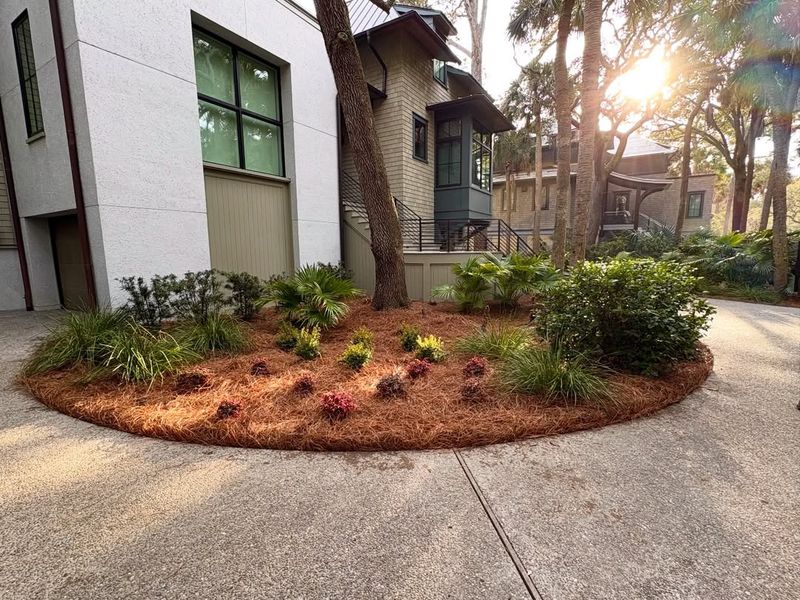
Bare dirt under trees is one of those yard problems that seems minor until it becomes a muddy mess every time it rains.
Pine straw is one of the most practical fixes available to Georgia homeowners, partly because the raw material is already abundant across much of the state.
Longleaf and slash pine needles are commonly baled and sold at garden centers throughout Georgia for a reasonable price.
A two-to-three-inch layer suppresses most weed growth, holds moisture in the soil below, and breaks down slowly enough that one application typically lasts a full season.
Reapplying once a year in early spring keeps things looking tidy and functional.
Slopes and hillsides where erosion is a concern benefit from pine straw because the needles interlock and resist washing away better than loose mulch products.
It is also lighter to handle than wood chips, which makes spreading it across a large area much less physically demanding.
One thing to keep in mind — pine straw does gradually lower soil pH as it breaks down, which suits acid-loving plants like azaleas and blueberries but may need monitoring in areas with other plantings. Testing soil every couple of years is a reasonable precaution.
For shaded areas, slopes, or anywhere grass has repeatedly struggled in Georgia yards, pine straw is a reliable and affordable solution.
7. Hardwood Mulch Reduces Lawn Maintenance
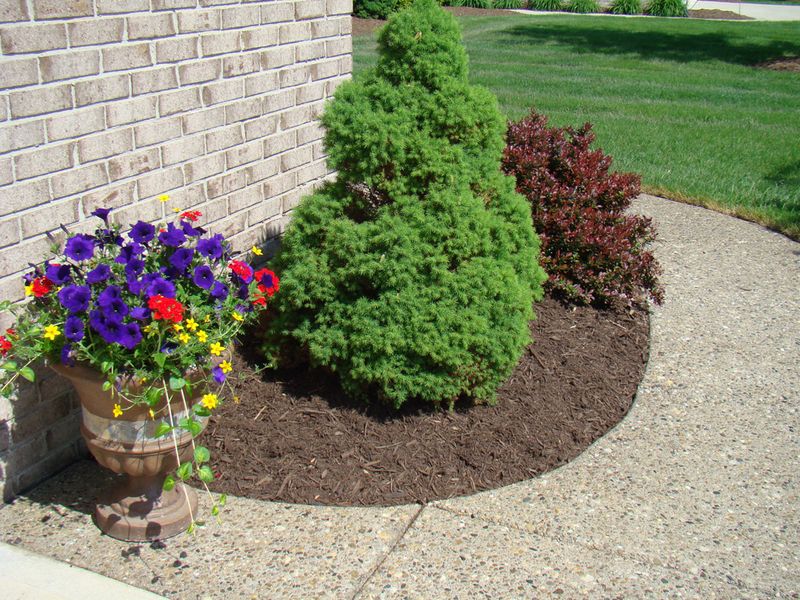
Replacing sections of struggling lawn with hardwood mulch is one of the faster ways to cut down on weekly yard work. No mowing, no fertilizing, no reseeding — just a clean, consistent surface that keeps weeds down and moisture in the soil below.
Shredded hardwood mulch is widely available at Georgia garden centers and big-box stores every spring. A three-to-four-inch layer is generally enough to suppress most weed growth without smothering plant roots.
Piling it against tree trunks or shrub stems is something to avoid — that moisture buildup can cause bark problems over time, so keeping a few inches of clearance around the base of plants is worth the extra attention.
Hardwood mulch breaks down over one to two years, which adds organic matter back into the soil. That decomposition is actually beneficial in Georgia’s often nutrient-poor clay and sandy soils, improving texture and drainage gradually.
Refreshing the layer each spring keeps the appearance consistent and maintains weed suppression.
Color options vary — natural brown, dyed black, and dyed red are common choices, though dyes in some products may not suit every homeowner’s preference.
Mulched zones work especially well around trees, along fences, and in side yards where maintaining a grass stand has always been difficult.
Combined with good edging, a mulched area can look intentional and well-kept with minimal ongoing effort in Georgia yards.
8. Gravel Areas Replace Grass In Tough Spots
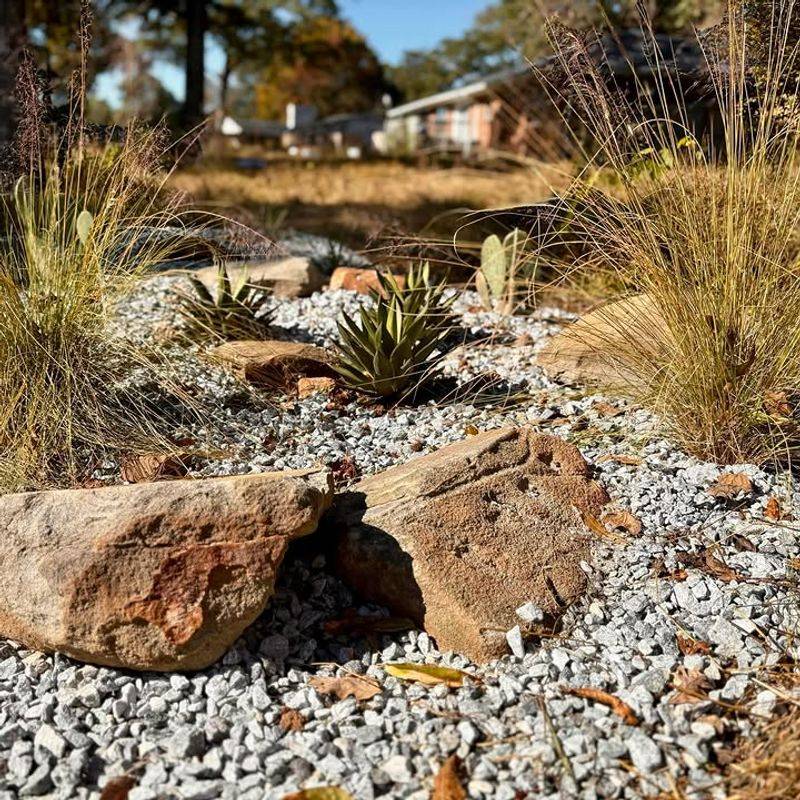
Some spots in a Georgia yard just refuse to grow grass no matter what gets tried — full sun with reflected heat, compacted soil near driveways, or dry slopes that shed water before it soaks in. Gravel is a realistic option for those problem areas rather than a last resort.
Pea gravel and crushed granite are both commonly used in Georgia landscapes. Pea gravel has a softer, rounded look while crushed granite packs down more firmly, which makes it better for paths or areas where stability matters.
Laying landscape fabric underneath before spreading gravel reduces weed growth significantly, though some weeds will eventually push through any fabric over the years — periodic spot treatment is still part of the picture.
Gravel does absorb and radiate heat, which matters in Georgia summers.
Planting heat-tolerant native shrubs or ornamental grasses around gravel zones helps break up the hard surface visually and reduces some of the heat effect at ground level.
Drainage is generally good with gravel, which is a real advantage in low spots where standing water has been a recurring issue. Installation costs vary depending on the depth and area covered, but ongoing maintenance is minimal compared to turf.
Edging the gravel zone with steel or aluminum borders keeps material from migrating into surrounding lawn areas and gives the finished look a cleaner, more deliberate appearance.