How To Prevent Scorpions From Showing Up In Your Arizona Garden
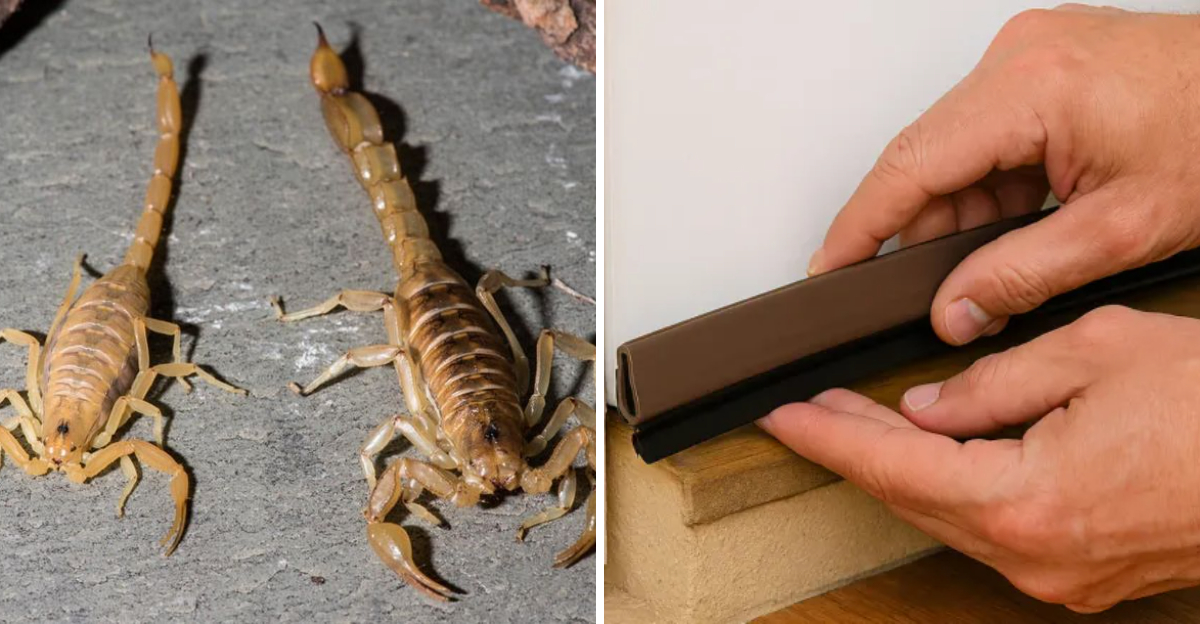
Scorpions can turn even a beautiful Arizona garden into a source of stress. One sighting near a walkway, planter, or patio is enough to make the whole space feel less inviting, especially once warmer days arrive and outdoor time picks up.
What makes it worse is how easily they blend into the landscape, hiding in places most gardeners barely think about until there is a reason to.
Many yards give scorpions exactly what they want without looking messy or neglected. Rock beds, dense plants, damp spots, and quiet corners can all make the space more appealing than it seems at first glance.
Because of that, prevention usually starts with small details rather than one obvious problem.
For Arizona gardeners who want their outdoor space to feel comfortable again, it helps to know which common yard features may be working against them before scorpions start becoming a regular problem.
1. Remove Debris Where Scorpions Like To Hide
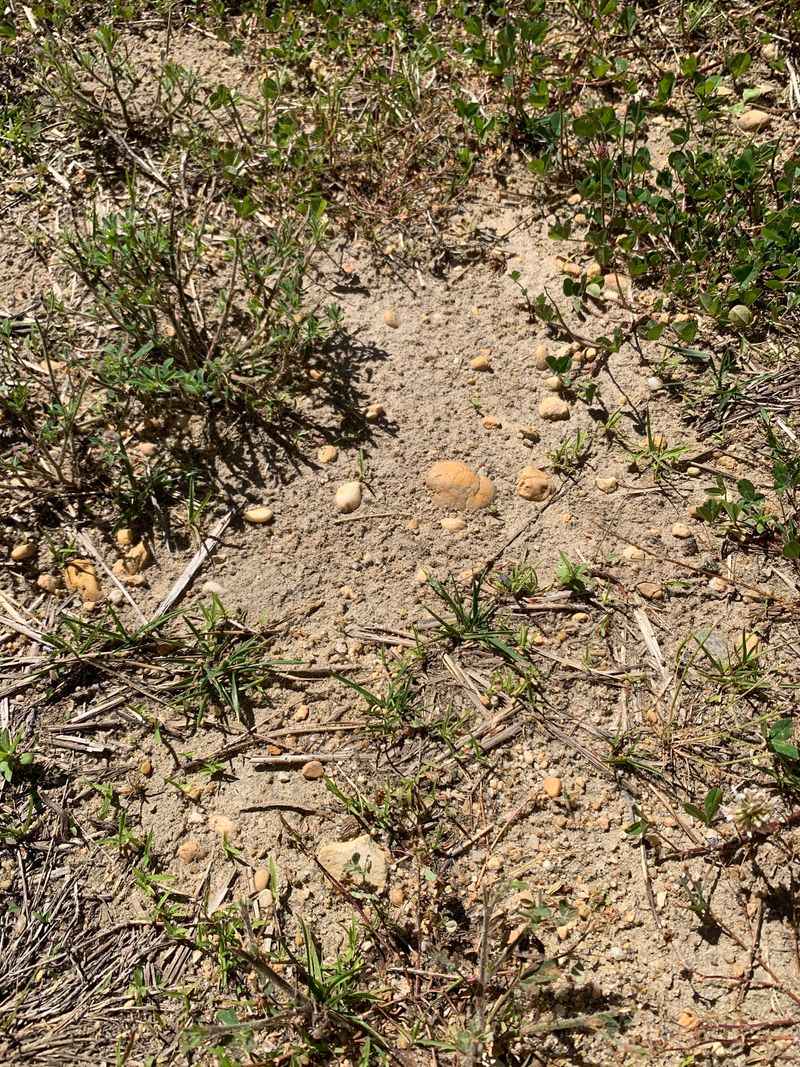
Scorpions are not out in the open by choice. They need cover, and your garden might be offering more of it than you realize.
Leaf piles, stacked rocks, broken pots, and rotting wood are basically an open invitation for them to move in and get comfortable.
Walk your Arizona yard at least once a week and look for anything that has been sitting undisturbed for a while. Old boards, unused garden tools, and even thick mulch layers can all become prime hiding spots.
Scorpions tend to stay put during the day and venture out at night, so the more shelter you remove, the fewer places they have to rest.
Clearing out debris does not mean your yard has to look bare or boring. Keeping things tidy just means being intentional about what stays and what goes.
Stack only what you need, and store it in sealed containers or off the ground when possible.
Arizona gardeners who stay on top of debris removal consistently report fewer encounters with scorpions near their homes. Pair regular cleanups with seasonal garden resets, especially after monsoon season when leaves and organic material tend to pile up fast.
A clean yard is one of the most effective tools you have.
2. Seal Cracks And Gaps Around Hard Surfaces
A scorpion can squeeze through a gap as thin as a credit card. That might sound hard to believe, but their flat bodies are built for exactly that kind of movement.
Cracks in concrete, gaps around pipes, and loose mortar between bricks are all entry points they will gladly use.
Go around your garden walls, patio edges, and any hard surfaces connected to your home and look closely for openings. Exterior caulk works well for smaller gaps, while hydraulic cement or foam backer rod handles larger cracks.
Pay special attention to where irrigation pipes or electrical conduit enter the ground or a wall, since those spots often get overlooked.
Arizona homes built before the 1990s tend to have more settling cracks in their foundations and stucco, so older properties deserve extra attention. Check the base of garden walls too, not just the parts at eye level.
Your Arizona Garden Changes Every Week. Your Plan Should Too.
Gardening in Arizona changes quickly throughout the season. Every Friday you’ll receive a simple weekly plan showing exactly what to plant, prune, fertilize, harvest, and protect so you never miss the right timing.
Scorpions move along ground level and can find their way into spaces most people never think to inspect.
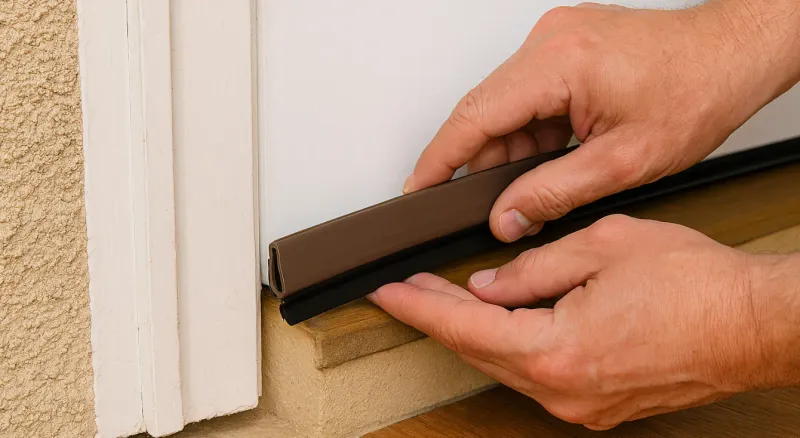
Sealing these gaps takes a few hours on a weekend but makes a real difference over time. Combine this step with door sweeps on any doors that lead from your garden into the house.
Keeping them out of the yard is the goal, but blocking entry into your home is just as important.
3. Keep Firewood And Materials Elevated Off The Ground
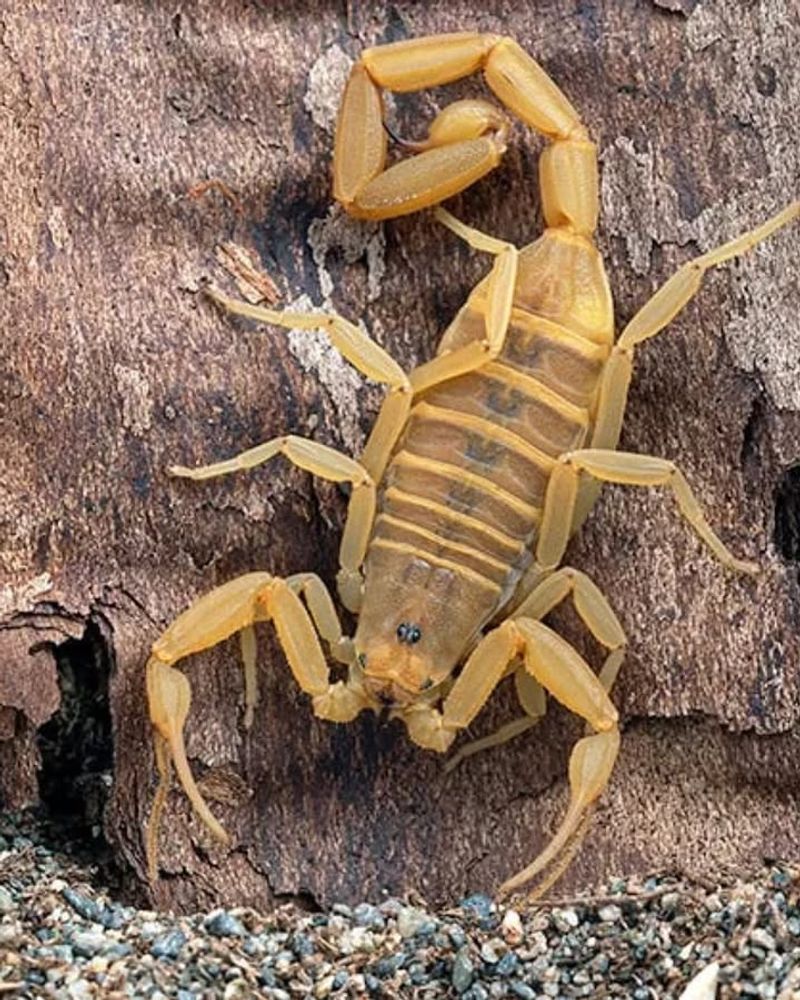
Firewood stacked directly on the ground is one of the most reliable scorpion attractors in any Arizona yard. Moisture collects underneath, bugs move in, and scorpions follow the food supply.
It is a simple chain of events that plays out in backyards across the state every single season.
Invest in a metal firewood rack that keeps wood at least six inches off the ground. Metal is better than wood or plastic because scorpions have a harder time climbing smooth metal surfaces.
Store the rack as far from your home and garden seating areas as possible, ideally near the perimeter of your property.
Beyond firewood, think about other materials you might be storing outside. Lumber for future projects, old bricks, pavers stacked in a corner, or rolled-up landscape fabric all create the same kind of sheltered environment that scorpions prefer.
Either store those items in a sealed shed or get them off the ground entirely.
Check anything you pick up from a pile before bringing it inside your Arizona home. Scorpions are patient and will sit still for a long time, so shaking out wood or materials before carrying them in is a habit worth building.
A quick inspection takes seconds and can prevent a very unpleasant surprise.
4. Reduce Outdoor Lighting That Attracts Insects
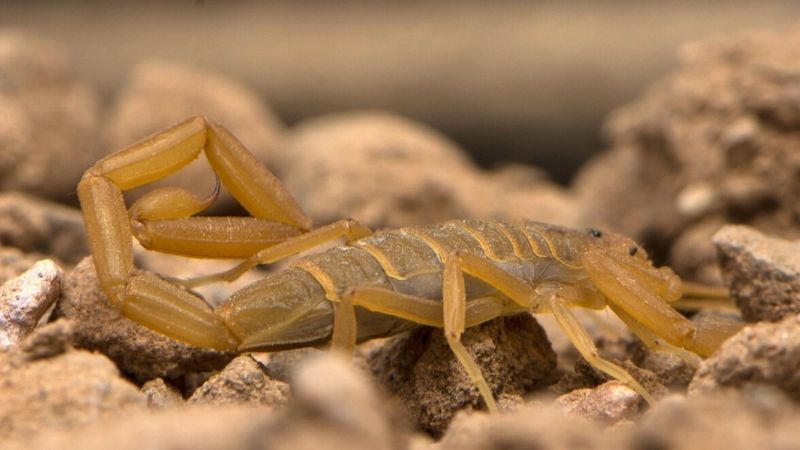
Bright white outdoor lights are basically a dinner bell for scorpions. Lights attract moths, beetles, and other insects, and scorpions show up to eat them.
Cut off the food source and you remove a big reason for scorpions to hang around your garden after dark.
Switch white or cool-toned bulbs to warm amber or yellow LED lights wherever possible. Insects are far less attracted to warm-spectrum lighting, which means fewer bugs gather near your patio, walkways, or garden beds at night.
Motion-activated lights are another good option since they stay off most of the time and only come on when needed.
Positioning matters too. Instead of mounting lights directly on your home or garden walls, try using ground-level path lighting that directs light downward rather than outward.
Lights that cast a wide glow across a large area tend to draw more insects from a bigger radius, so focused, downward-facing fixtures are a smarter choice for Arizona outdoor spaces.
Reducing light does not mean giving up a well-lit patio or garden. You can still create a warm, inviting outdoor space while being thoughtful about what kind of light you use and where you aim it.
Solar-powered amber path lights are affordable, easy to install, and do a solid job without pulling in half the insect population from your neighborhood.
5. Control Insects That Scorpions Feed On
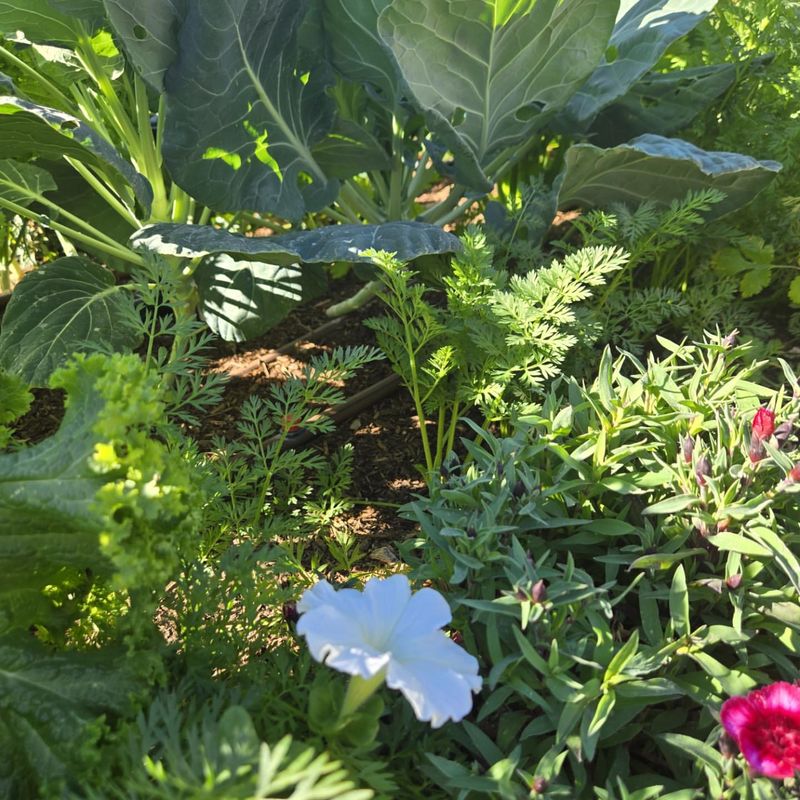
Scorpions are hunters, and your garden might be stocked with exactly what they want to eat. Crickets, roaches, beetles, and other ground-dwelling insects are their primary food sources.
If those insects are thriving in your yard, scorpions will not be far behind.
Start by addressing moisture and organic buildup since those conditions support large insect populations. Fix dripping hoses, clear wet leaf piles, and keep compost bins sealed.
Insects congregate where food and water are easy to find, so making those resources harder to access naturally reduces their numbers over time.
A perimeter spray treatment applied by a licensed pest control company can significantly cut down on the insect population in and around your Arizona garden. Many companies offer quarterly treatments specifically designed for desert pest conditions.
Some homeowners prefer diatomaceous earth as a chemical-free alternative, spreading it around garden borders and entry points to reduce crawling insects naturally.
Sticky traps placed along fence lines or near garden walls can help you monitor what kinds of insects are active in your space. Knowing what is present helps you target the right approach.
Fewer insects in your garden means scorpions have less reason to patrol the area, and over time they tend to move on to more productive hunting grounds elsewhere in the neighborhood.
6. Use Gravel And Clear Borders To Limit Hiding Spots
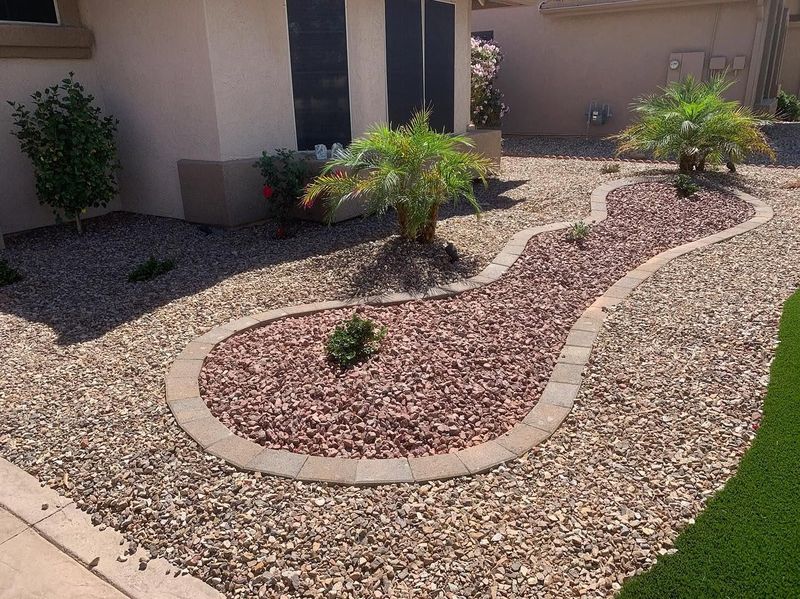
Dense ground cover right up against your home is a scorpion’s best friend. Thick mulch, low-growing plants, and tangled root systems create exactly the kind of sheltered, humid microclimate they prefer.
Replacing those areas with open gravel can change the dynamic significantly.
Crushed granite or pea gravel used as a border between your garden beds and the house creates a clear, dry zone that scorpions find much less appealing. Aim for a gravel strip at least eighteen inches wide running along the perimeter of your home and any garden walls.
Keep it free of leaves and organic buildup so it stays dry and open.
Clear borders also make it easier for you to spot scorpions during nighttime checks. Shining a black light along a gravel border is far more effective than scanning through dense ground cover.
Scorpions glow under UV light, so a clean, open surface gives you a much better chance of catching them early.
Arizona landscapers often recommend this approach as part of a broader strategy for desert-adapted yards. Gravel is low-effort to maintain, it does not hold moisture the way mulch does, and it looks clean year-round.
Pairing gravel borders with regular sweeping to remove fallen leaves and debris keeps the area inhospitable and gives scorpions one less reason to linger near your home.
7. Trim Back Dense Plants Close To The Ground
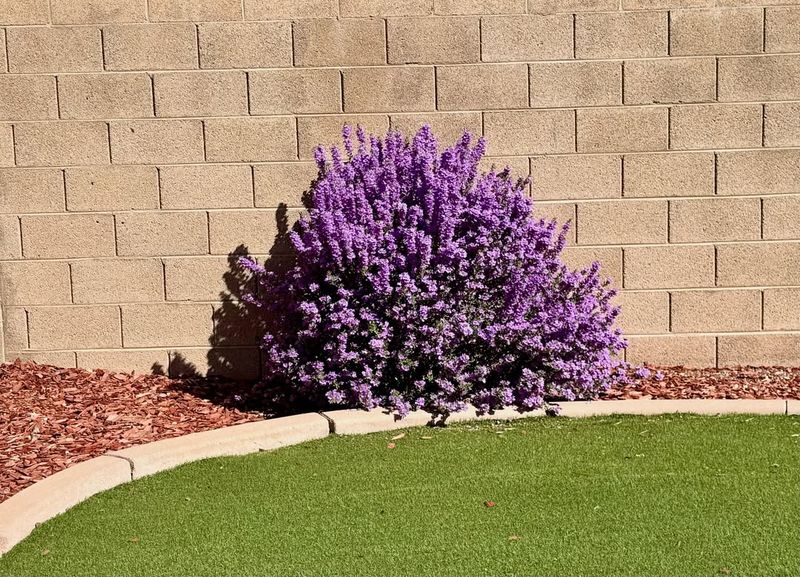
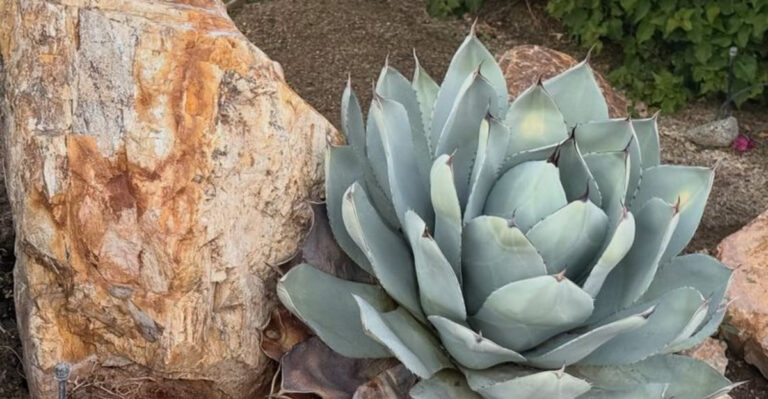
Overgrown plants sitting low to the ground create a dark, sheltered zone that scorpions treat like a private retreat. Thick agave skirts, unpruned shrubs with branches touching the soil, and ground covers that sprawl across pathways all give scorpions places to hide during the heat of the day in Arizona.
Pruning the lower branches of shrubs so there is visible clearance between the plant and the ground makes a real difference. About six to eight inches of open space underneath a shrub removes most of the shelter value.
Scorpions prefer cover, so an open base with good airflow is far less attractive to them than a dense tangle of stems and leaves.
Agave and cactus in particular deserve attention since their thick bases collect dried material over time. Remove dried outer leaves from agave plants regularly and clear out any debris that accumulates at their base.
Cactus pads that fall and sit on the ground should be removed rather than left to decompose in place.
Trimming does not have to mean sacrificing the look of your Arizona garden. Keeping plants well-shaped and lifted off the ground actually tends to make them look healthier and more intentional.
A clean, airy garden bed is not just better for pest management, it also shows off your plants more effectively and makes the whole yard feel more open and inviting.
8. Check Moist Areas Where Water Can Collect
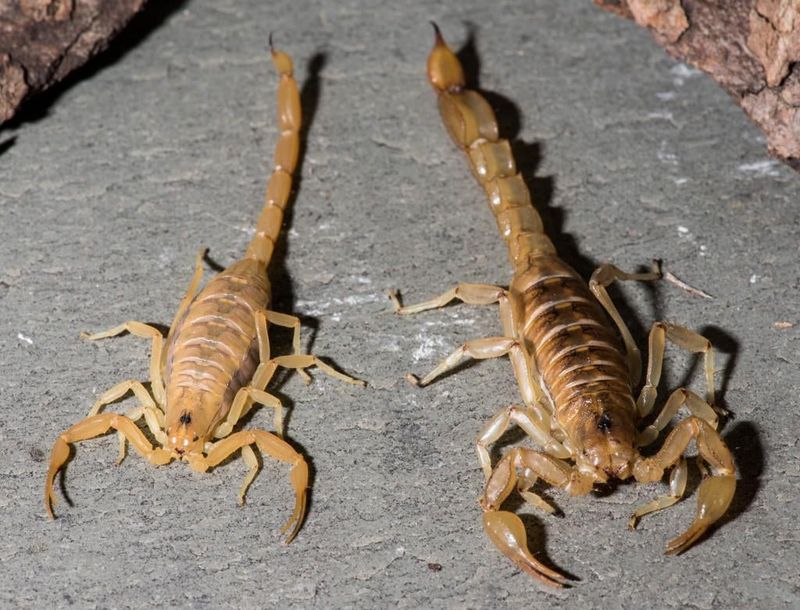
Water is scarce in Arizona, and anything that holds moisture in your yard will attract attention from insects, and then scorpions. Drip irrigation systems that drip too slowly, low spots where water pools after rain, and shaded corners that never fully dry out are all spots worth watching closely.
Walk your yard after irrigation or rain and note where water sits longest. If you have areas that stay damp for more than a day, those spots are working against you.
Adjusting drip emitter placement, adding drainage gravel, or regrading low spots can eliminate standing water and dry things out considerably.
Potted plants are often overlooked in this context. Saucers under pots collect water and create a moist zone at ground level that insects love.
Either remove saucers entirely, empty them after each watering, or raise pots on small feet so water flows freely underneath and evaporates faster in the Arizona heat.
Monsoon season is when moisture management matters most. Heavy rains can turn a normally dry yard into a series of small puddles and saturated soil patches almost overnight.
Checking your garden drainage before monsoon season arrives, rather than after problems show up, puts you ahead of the issue. A dry, well-draining yard is far less hospitable to scorpions than one that stays wet and cool for extended periods.