How To Choose The Right Container Pot Size For Plants In Arizona
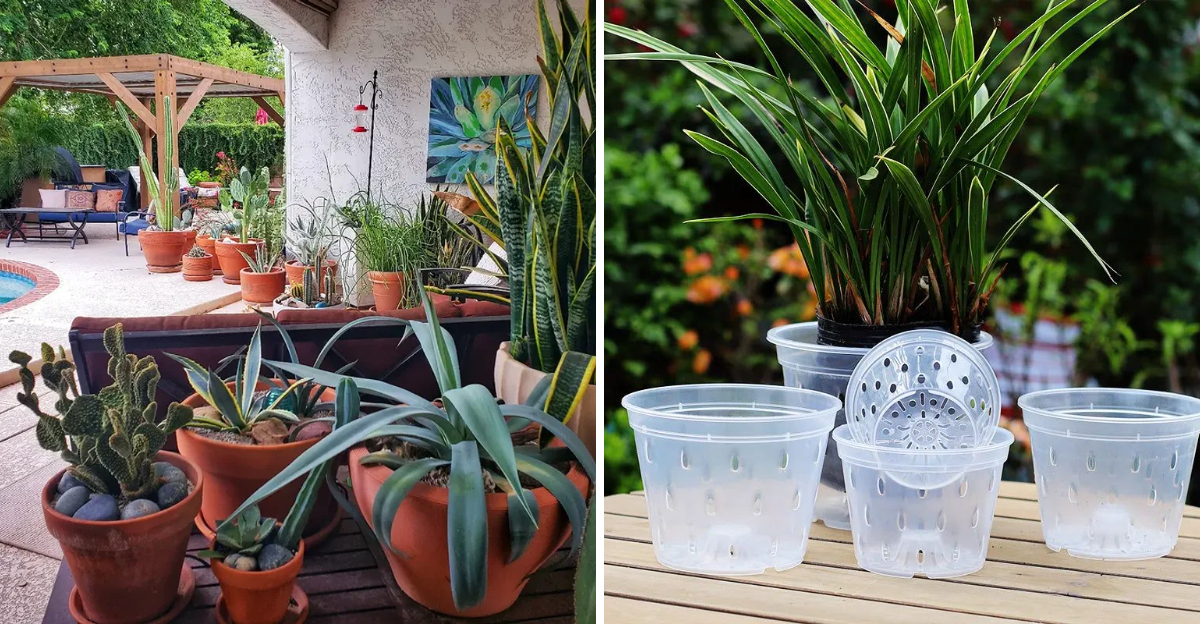
A plant can be perfectly healthy and still struggle if the pot is working against it. That is something many Arizona gardeners run into without realizing it right away.
When a container is too small, roots dry out faster, growth slows down, and watering turns into a constant chore. When it is too large, the problem can shift in the other direction and create its own set of issues.
The pot may seem like a simple detail, but it plays a huge role in how well a plant handles Arizona conditions.
That matters even more once heat starts building and container soil begins drying out faster than expected. A good match between plant and pot can make everything feel easier, from watering routines to overall plant health.
It also helps a container garden look more balanced and intentional instead of awkward or overcrowded.
For Arizona patios, porches, and small outdoor spaces, choosing the right size can make a much bigger difference than it first seems.
1. Start With Root Size Instead Of Choosing Pots By Appearance
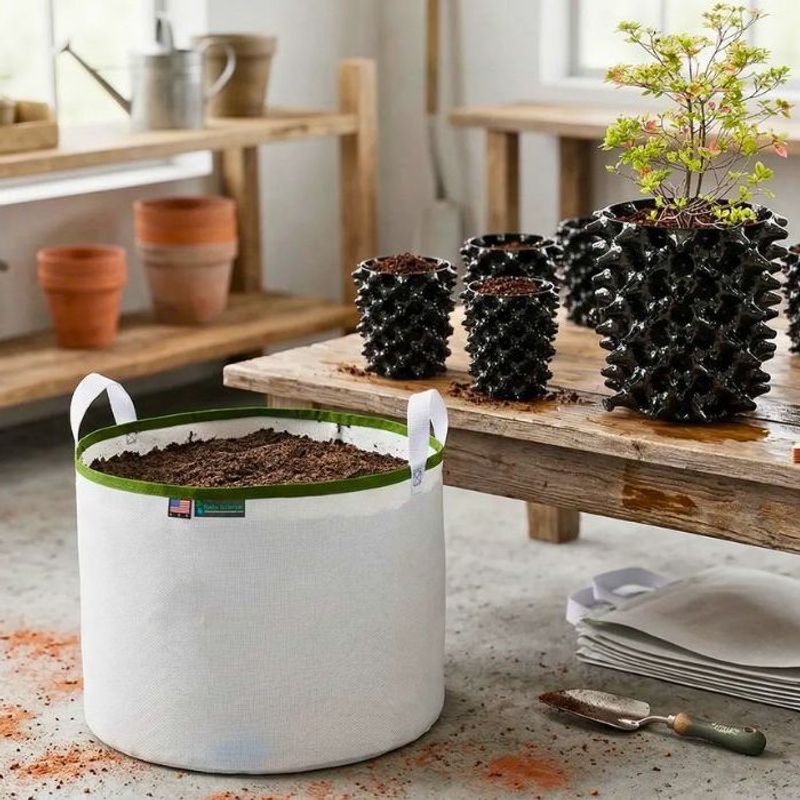
Roots tell you everything. Before you even look at a pot, pull the plant out of its nursery container and take a good look at what is going on underneath.
If the roots are circling the bottom or poking out of the drainage holes, you already know it needs more space.
A common mistake in Arizona gardens is picking a pot because it looks good on the patio. Style matters, sure, but a beautiful pot that cramps the roots is going to cause problems quickly, especially when summer temperatures push past 110 degrees.
Cramped roots cannot pull water efficiently, and in that kind of heat, every hour counts.
Go up one pot size from the current container when repotting. If the plant came in a 6-inch pot, move it to an 8-inch.
If it came in a 10-inch, try a 12-inch. Jumping too far ahead in size is not always better, and we will get to that later.
Root types matter too. Plants with wide, spreading roots like lantana or bougainvillea need wide, shallow containers.
Deep-rooted plants like tomatoes or peppers need taller pots with real depth. Matching the pot shape to the root structure makes a noticeable difference in how fast the plant settles in.
Taking five minutes to assess the root ball before buying a pot saves you from replanting the same thing twice. In Arizona’s heat, replanting mid-summer is hard on plants and hard on you.
2. Larger Containers Hold Moisture Longer In Hot Conditions
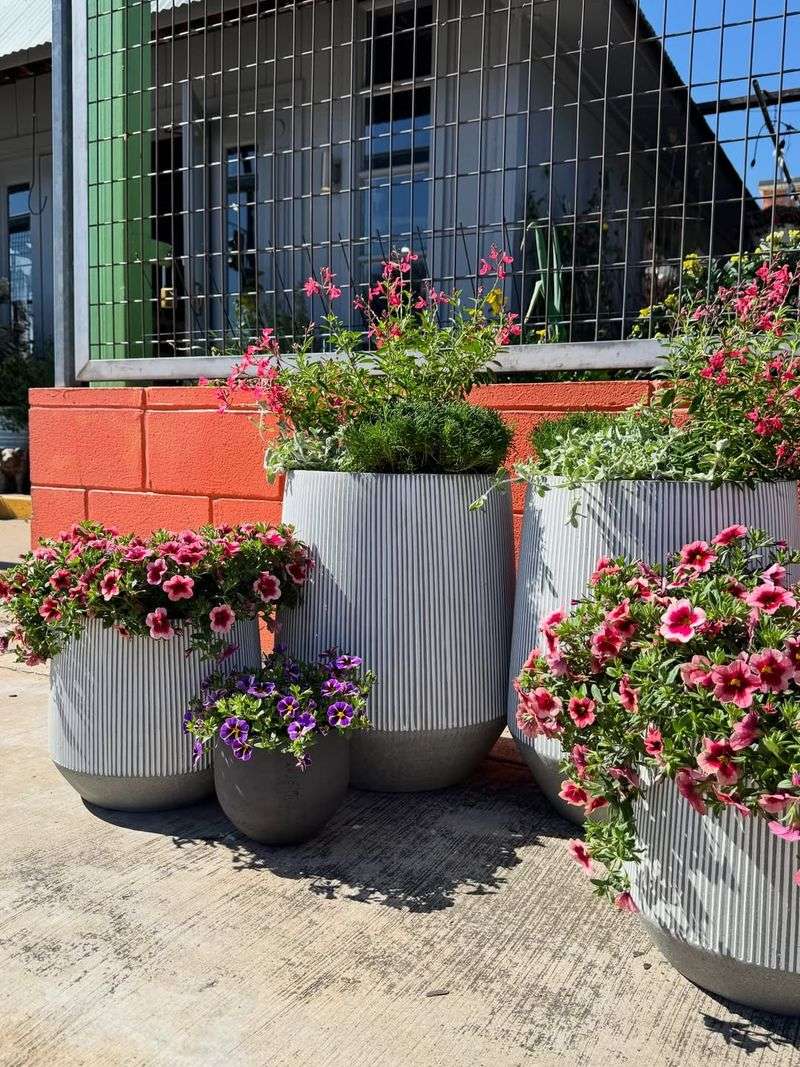
Soil volume is your best friend in the Arizona desert. A larger pot simply holds more soil, and more soil means more stored moisture between waterings.
During a Phoenix summer, that extra moisture buffer can be the difference between a plant that thrives and one that barely survives.
Small containers lose their moisture within hours on a 108-degree afternoon. Larger ones, especially those holding 15 or more gallons of soil, stay cooler and damp much longer.
If you have ever watered a small pot in the morning and found the soil bone dry by noon, you already understand this problem firsthand.
Your Arizona Garden Changes Every Week. Your Plan Should Too.
Gardening in Arizona changes quickly throughout the season. Every Friday you’ll receive a simple weekly plan showing exactly what to plant, prune, fertilize, harvest, and protect so you never miss the right timing.
Shrubs like yellow bells or roses need at least a 20×20-inch container in Arizona. Dwarf citrus trees do best in 24-inch pots or larger.
Going bigger on these plants is not just about root space, it is about giving the soil mass enough volume to buffer against rapid temperature swings.
Keep in mind that larger pots are also heavier, especially when wet. If you plan to move containers around your patio seasonally, consider pots with casters or lightweight double-walled plastic containers that still offer good soil volume without the back strain.
Watering habits shift when you move to bigger containers. Deep, thorough watering every few days often beats light daily watering.
Letting water reach the bottom of the pot encourages roots to grow downward, which keeps them cooler and more stable throughout the Arizona summer heat.
3. Small Pots Dry Out Quickly Under Strong Sun Exposure
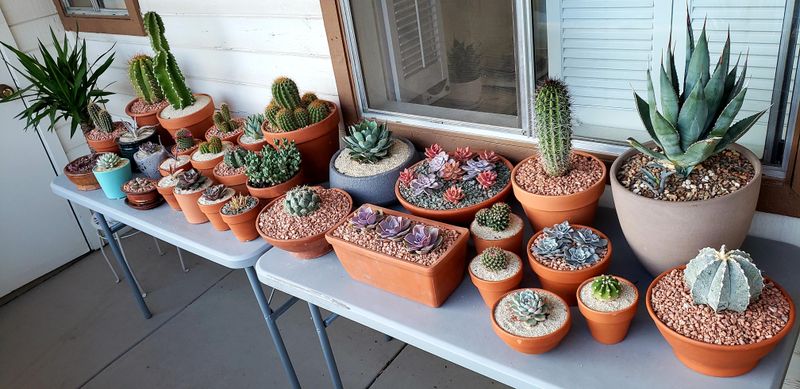
Put a 4-inch pot in direct Arizona sun and check back in two hours. Chances are the soil is already pulling away from the sides.
Small containers heat up from all directions simultaneously, and there is just not enough soil mass to hold any real moisture once temperatures climb.
Herbs are a perfect example of this struggle. Basil, cilantro, and parsley are popular choices for Arizona container gardens, but they get planted in tiny pots and then baked on a south-facing patio.
A 10×10-inch container is the minimum for most herbs here. Anything smaller is asking for constant stress and wilting by early afternoon.
Succulents are sometimes the exception. Plants like aloe or agave are built to handle dry conditions, so smaller pots can work if drainage is excellent.
But even desert-adapted plants benefit from a bit more soil volume when growing in containers rather than in the ground.
One trick that helps in Arizona is grouping small pots together. Clustering containers creates a microclimate where the pots shade each other slightly, reducing direct heat exposure on the sides.
It does not replace proper sizing, but it softens the impact on particularly hot days.
If you already have small pots that you love, consider dropping them inside a larger decorative container with some air space in between. That buffer zone insulates the inner pot, slows moisture loss, and keeps root temperatures lower without forcing you to repot everything from scratch.
4. Match Pot Depth To The Plant’s Root System For Better Growth
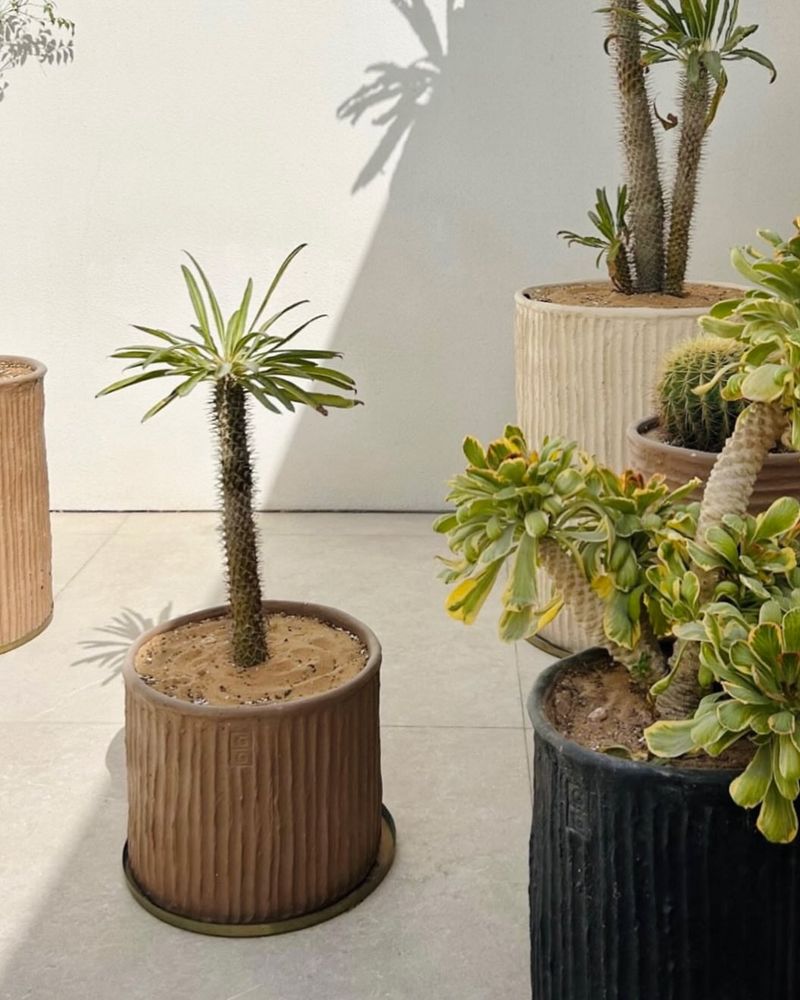
Not all roots grow the same way, and matching pot depth to root habit is one of the most overlooked parts of container gardening in Arizona. Shallow-rooted plants stuck in deep pots end up with soggy lower soil that never fully dries out, which invites root rot.
Deep-rooted plants in shallow pots run out of room fast and start showing stress signals within weeks.
Tomatoes are a classic example of a plant that needs real depth. A pot that is at least 18 inches deep gives the main taproot room to anchor properly and allows feeder roots to spread outward and downward.
Peppers need similar depth, around 14 to 16 inches minimum, to produce well in Arizona’s spring and fall growing windows.
On the flip side, strawberries, lettuce, and most annual flowers have shallow, fibrous root systems. A pot that is 8 to 10 inches deep is plenty for them.
Going deeper wastes potting mix and creates drainage issues without adding any real benefit to the plant.
Cacti and succulents are interesting because most of them spread roots wide rather than deep.
Wide, shallow containers suit them well and also allow for better air circulation around the base, which helps prevent moisture-related problems in Arizona’s monsoon season when humidity briefly spikes.
When shopping for pots, check both dimensions on the label. Width and depth are equally important, and the right combination depends entirely on what you plan to grow in it.
5. Drainage Holes Are Essential To Prevent Salt And Water Buildup
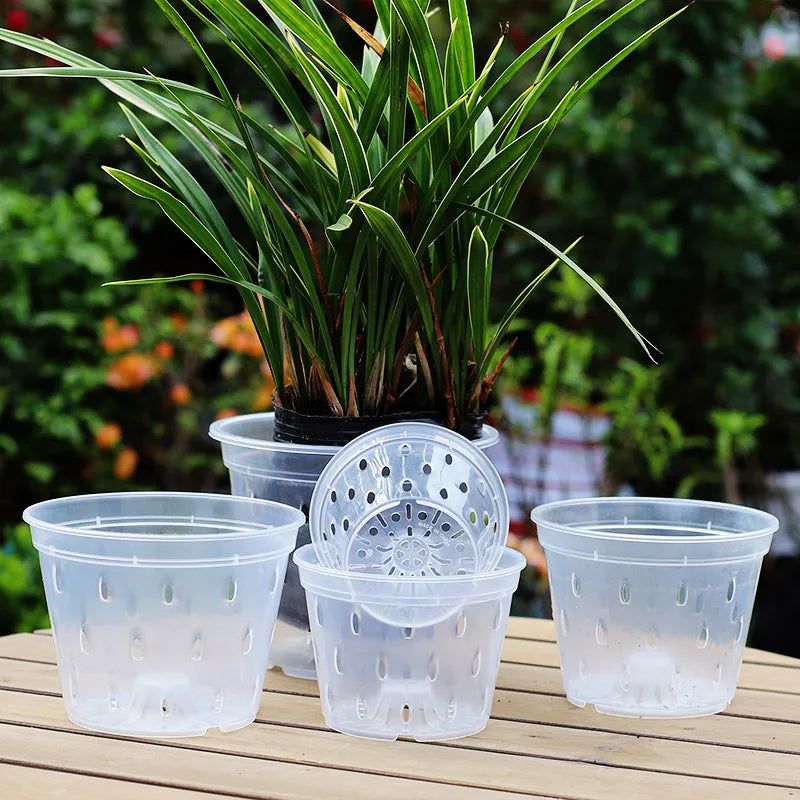
Arizona water is hard. Mineral content is high across most of the state, and when water evaporates from your container soil, it leaves behind salt and calcium deposits.
Without drainage holes, those minerals accumulate fast and start interfering with how roots absorb nutrients. You can feed a plant every week and still see yellowing leaves if salt buildup is blocking uptake.
Every container you use in Arizona needs drainage holes, period. Even if you are growing in a decorative pot without holes, drop a plastic nursery pot inside it and let that inner container drain freely.
Never seal the bottom of a pot with rocks or gravel alone and call it drainage. Water still pools at the bottom layer and creates exactly the conditions you are trying to avoid.
Flushing your containers periodically also helps. Once a month during the growing season, water deeply until water runs freely from the bottom for a full minute or two.
This pushes accumulated salts down and out of the root zone. It is a simple habit that makes a real difference in plant health over time.
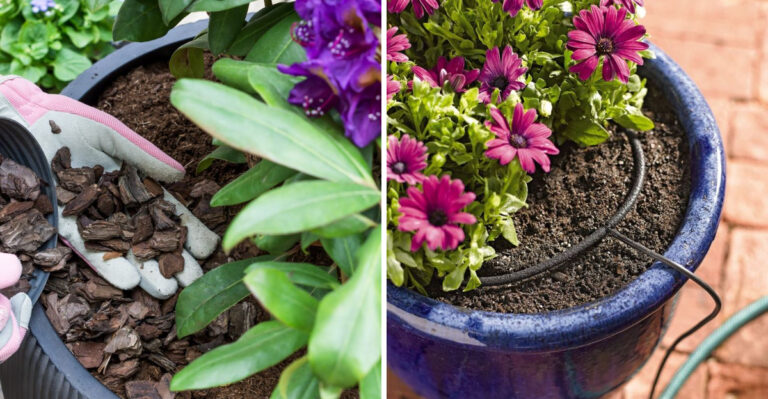
In Arizona’s summer heat, water evaporation from pots happens rapidly from the surface, which concentrates salts near the top of the soil. Mulching the surface with bark or gravel slows that evaporation and reduces how quickly salts build up near the crown of the plant.
Check drainage holes regularly. Roots, algae, and mineral deposits can clog them over time.
A clogged drainage hole turns a perfectly good pot into a problem waiting to happen.
6. Light Colored Or Insulated Pots Help Reduce Root Heat Stress
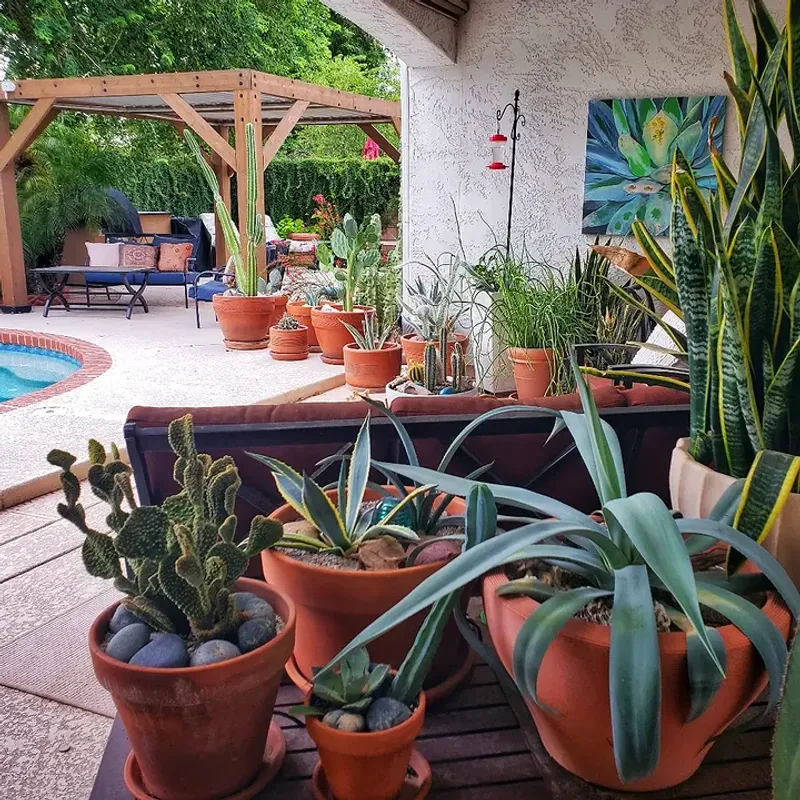
Black pots in an Arizona summer are basically solar ovens. A dark-colored container sitting in direct sun can reach internal soil temperatures well above 120 degrees, which is damaging to roots even on plants that love heat.
Root tissue breaks down at extreme temperatures, and once that happens, the plant cannot pull water no matter how much you give it.
Light-colored pots, especially white, pale gray, or cream tones, reflect a significant portion of solar radiation rather than absorbing it.
Double-walled or insulated containers take this a step further. An air gap between the inner and outer walls acts like insulation, slowing heat transfer from the outside surface to the soil inside.
These pots cost a bit more upfront but pay off quickly by reducing watering frequency and keeping roots in a healthier temperature range through the brutal summer months.
Glazed ceramic in lighter shades is another solid option for Arizona patios. Glazing adds a reflective surface layer, and the ceramic itself is a poor heat conductor compared to thin plastic or unglazed terracotta.
Placing any pot on an elevated stand or wood surface also reduces heat absorbed through the bottom from hot concrete or tile.
Pot placement matters as much as pot color. Even a light-colored container will overheat if it sits directly against a south-facing stucco wall with no afternoon shade relief.
7. Leave Room For Growth Without Choosing Oversized Containers
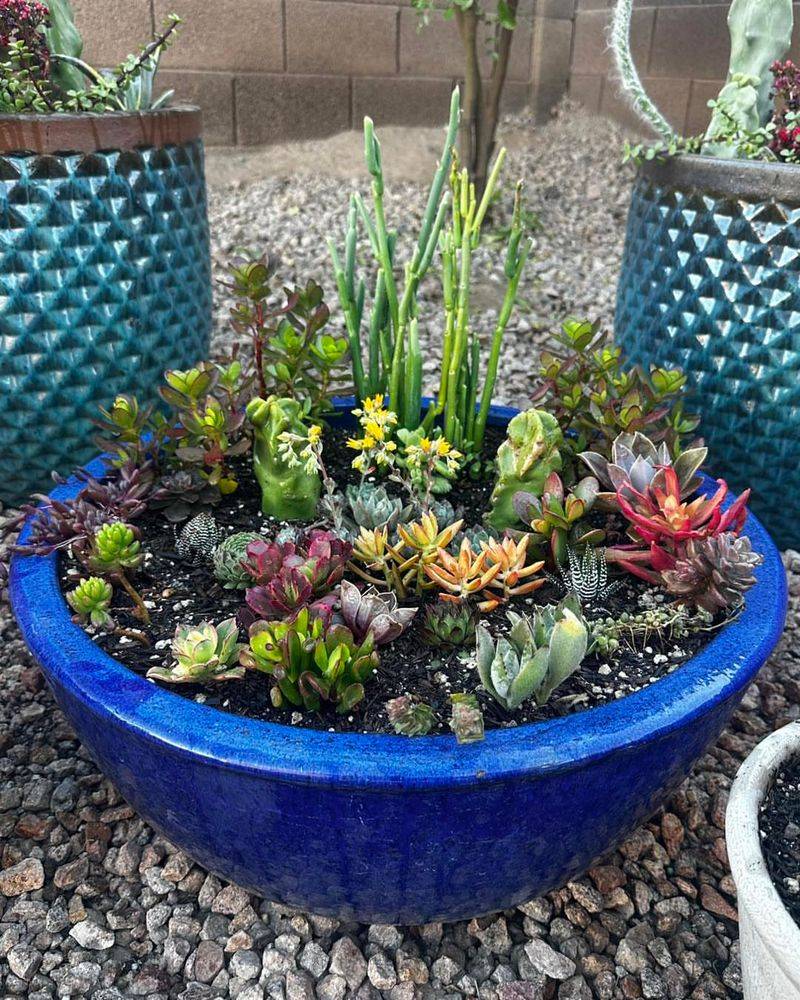
Bigger is not always better when it comes to container sizing. Dropping a small seedling into a massive pot might seem like a smart head start, but it creates a situation where most of the soil stays wet for too long because the roots have not yet spread enough to absorb moisture efficiently.
In Arizona’s summer, that standing moisture in an oversized pot leads to root problems faster than you would expect.
A good rule of thumb is to go one to two sizes up from the current container when repotting. If a plant is in a 1-gallon nursery pot, move it to a 2 or 3-gallon container.
Give it a season to fill that space, then step up again if needed. Gradual upsizing keeps the soil-to-root ratio balanced and reduces the risk of waterlogged conditions.
Fast-growing plants like squash or pumpkins are exceptions. They fill root space quickly and can handle being placed directly into a 20-inch or larger container without the gradual stepping approach.
Knowing your plant’s growth rate helps you make a smarter call about how much room to give it upfront.
For vegetables, Arizona’s two main growing seasons, fall through spring and a brief early summer window, do not always give plants enough time to outgrow a properly sized pot. Matching the container to the plant’s mature size for that season is more practical than planning years ahead.
Checking in on your containers every few weeks and watching for roots emerging from drainage holes is the easiest way to know when a plant is ready for its next size up.