The Simple Shade Cloth Setup Arizona Gardeners Use During Heat Waves
Heat waves can change an Arizona garden fast. Plants that looked healthy a few days earlier may suddenly start wilting, curling, or drying out before the afternoon even arrives.
Containers heat up quickly, soil loses moisture faster, and some vegetables stop growing once temperatures stay too high for too long.
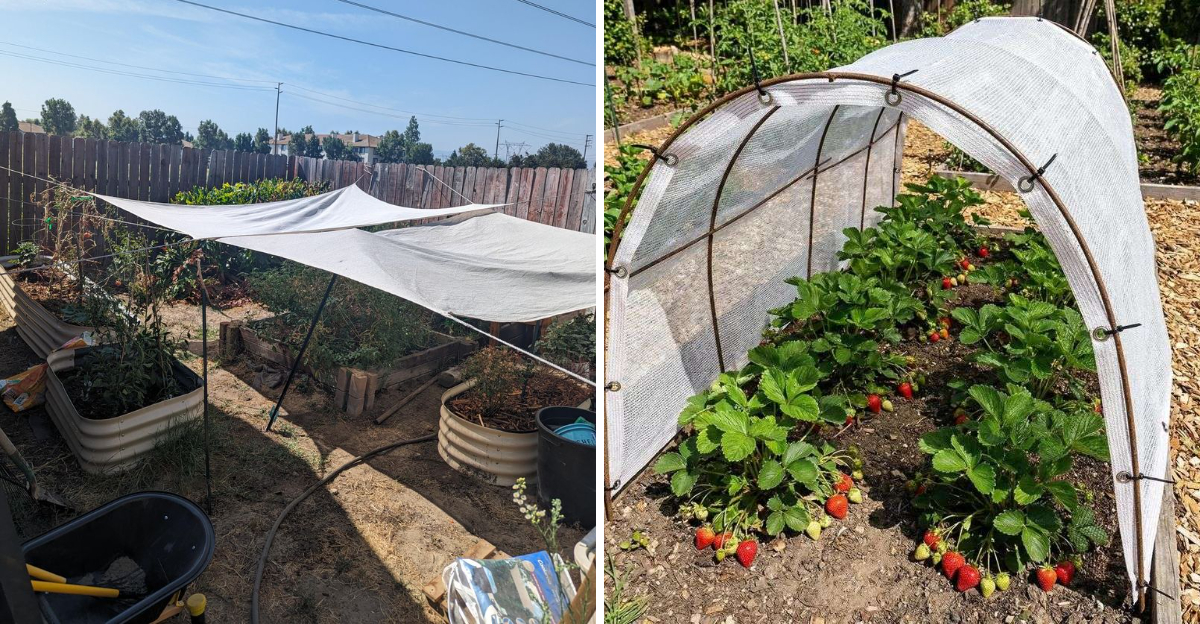
That is why many gardeners start using shade cloth before summer reaches its hottest stretch. A simple setup can help protect leaves from intense sun while still allowing enough light to reach the plant.
Even a small amount of filtered shade can reduce stress during the hottest part of the day.
Placement matters more than most people think. Areas near block walls, gravel, and patios often become much hotter during the afternoon.
Securing shade cloth early also helps prevent problems once windy weather starts showing up more often across the state.
1. Use Taller Frames To Keep Heat Away From Leaves
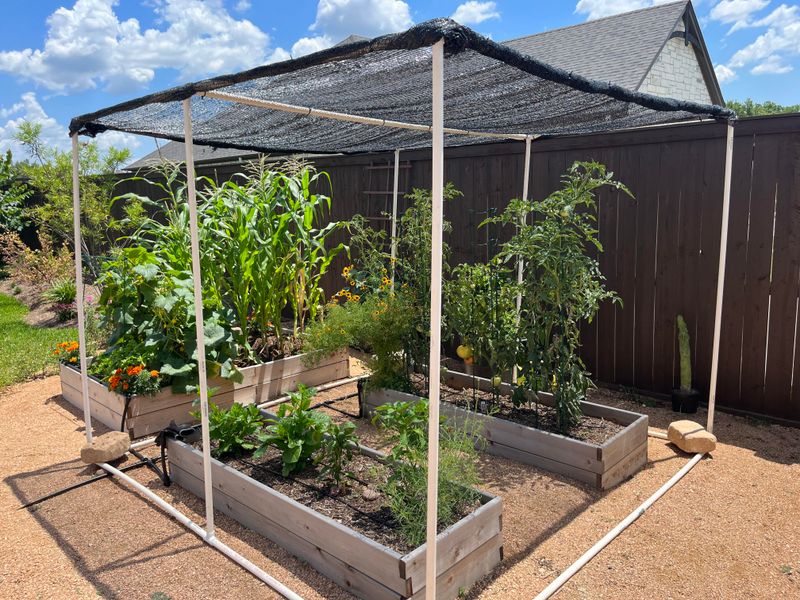
Height matters more than many gardeners realize once temperatures climb past 110 degrees in Arizona. A frame that sits too low can hold extra heat around plants and reduce airflow during the hottest part of the day.
Building the structure around five to six feet tall allows warm air to move through more freely instead of concentrating directly around the foliage.
Galvanized conduit, EMT pipe, and heavy duty PVC are all commonly used for shade structures in desert gardens.
Conduit and EMT usually last longer under intense UV exposure, while standard PVC may soften during prolonged extreme heat.
Whichever material you choose, securing poles at least 12 to 18 inches into the ground helps keep the structure stable once monsoon winds and dust storms arrive.
Horizontal crossbars spaced every few feet across the top help support the shade cloth properly and reduce sagging over time. Shade cloth clips, zip ties, and bungee loops are all practical ways to secure fabric without damaging the frame material.
Taller frames also improve access for watering, pruning, and harvesting because gardeners can move underneath more comfortably.
Many Arizona gardeners build walk in style structures specifically because they provide better airflow and make summer maintenance much easier during extreme heat.
2. Stretch Fabric Tightly To Prevent Sagging Over Plants
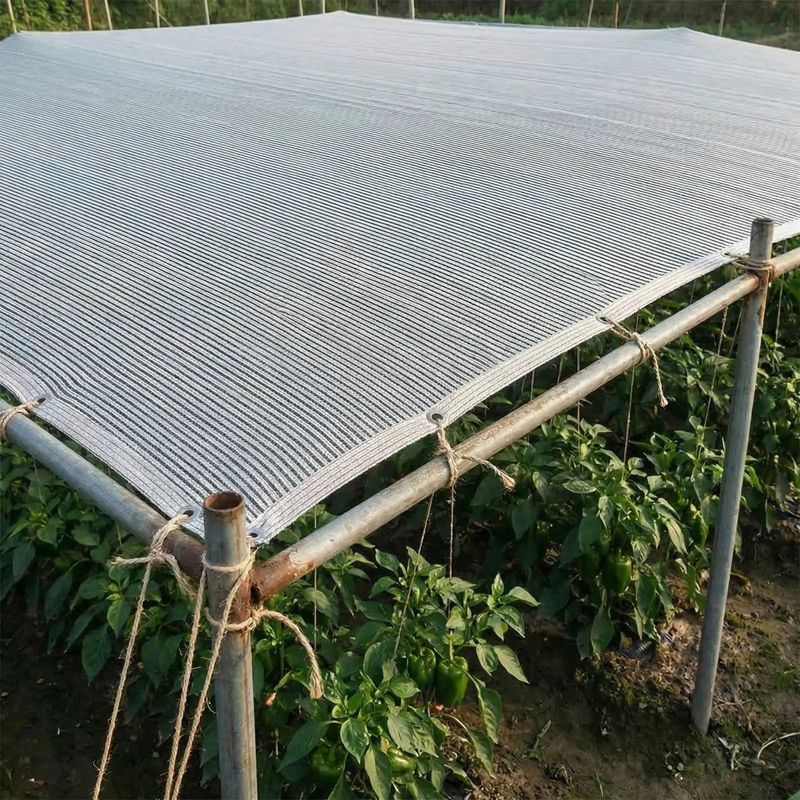
Loose shade cloth that droops down and touches plant leaves creates a whole new set of problems.
Direct contact between hot fabric and tender leaves can cause heat stress quickly, especially during July and August when temperatures stay high well into the evening.
Keeping the cloth stretched tightly is one of the simplest ways to protect plants more effectively. Start by securing one side of the fabric firmly before pulling it across to the opposite side of the frame.
Shade cloth clips, locking carabiners, or heavy duty zip ties spaced every 12 to 18 inches along the edges usually work well.
Pulling the material snug before attaching each clip helps prevent sagging once the fabric heats up and stretches slightly in the sun.
Woven shade cloth generally holds tension better than knitted fabric. Knitted cloth is lighter and resists fraying more easily, but it tends to stretch over time under intense desert sun.
Your Arizona Garden Changes Every Week. Your Plan Should Too.
Gardening in Arizona changes quickly throughout the season. Every Friday you’ll receive a simple weekly plan showing exactly what to plant, prune, fertilize, harvest, and protect so you never miss the right timing.
Checking the tension every few weeks during summer helps keep the setup stable because repeated heat cycles cause most materials to expand and contract.
Running ropes or bungee cords underneath the fabric between support poles adds extra stability across wider spans.
Gardeners covering large raised beds often install a center support line to prevent the middle from sagging. A tightly secured setup also sheds dust and debris more effectively once monsoon winds and summer dust storms move through desert areas.
3. Focus Coverage On West Facing Garden Areas
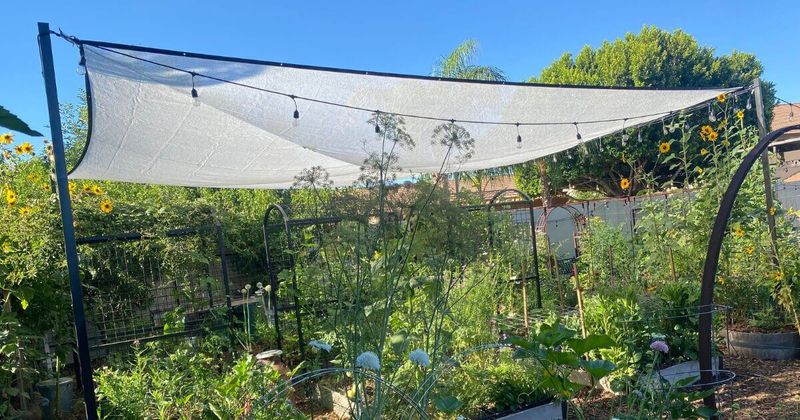
West-facing exposure is the toughest challenge in any desert garden.
After hours of morning sun, the afternoon sun hits from the west at a lower angle with concentrated intensity, and that is exactly when air temperatures in our state are already at their peak.
Plants that receive full western exposure during those hours often show leaf scorch, wilting, and reduced fruit production even when watered correctly.
Prioritizing shade cloth coverage on the west side of your garden makes a noticeable difference without requiring you to cover every square foot.
A vertical shade panel mounted on the western edge of a raised bed blocks the most damaging late-day rays while still allowing morning light to reach your plants from the east.
Morning sun is gentler and actually supports healthy photosynthesis during cooler hours.
Attaching vertical shade panels to existing fence posts or T-posts is one of the easiest approaches for gardeners across the Phoenix metro area and the Tucson basin.
Running the fabric from ground level up to about five or six feet catches most of the low western sun without blocking airflow.
Leaving a small gap at the bottom also helps hot air escape rather than building up along the soil surface.
Seasonal tracking of where shadows fall in your specific yard helps you fine-tune placement year after year. Sun angles shift noticeably between June and September, so what works perfectly in early summer may need slight adjustments by late August.
Spending a few minutes observing your yard at 3 or 4 p.m. tells you exactly where coverage is needed most.
4. Raise Containers Before Covering Sensitive Plants
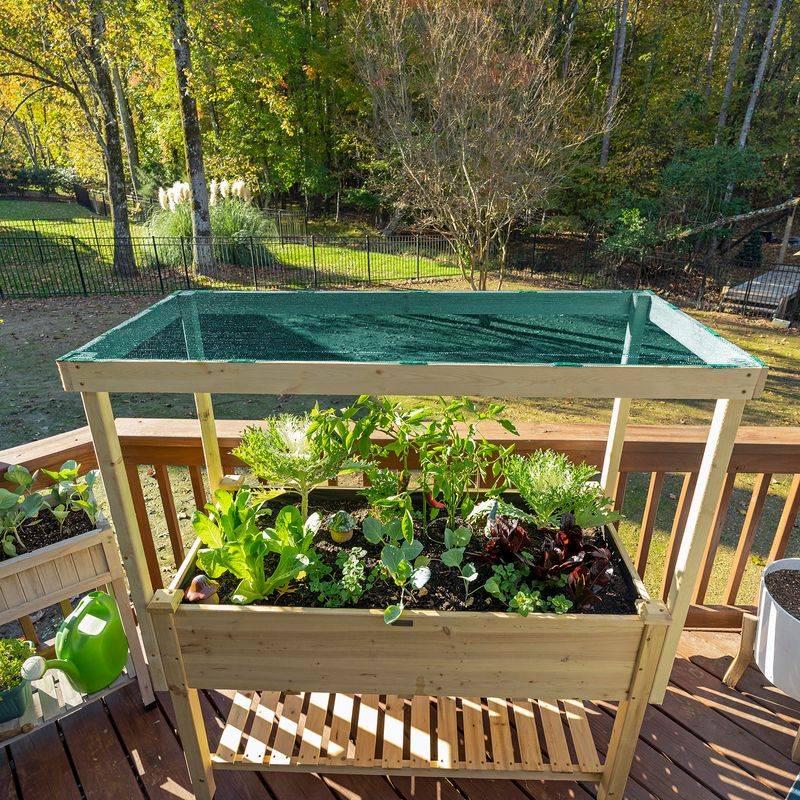
Container plants deal with heat very differently than plants growing directly in the ground.
Pots sitting on concrete, pavers, or bare desert soil absorb intense heat from below while also heating up from direct sun above, which can push root temperatures dangerously high during summer.
Raising containers slightly off the ground helps reduce that heat buildup significantly. Plant risers, wooden pallets, metal shelving, and even stacked bricks all work well for lifting pots away from hot surfaces.
Creating just a small air gap underneath containers helps reduce heat transfer from the ground. In Arizona, concrete patios can become extremely hot during summer afternoons, and that heat moves directly into any container sitting on the surface.
Ceramic and terra cotta pots also absorb and hold more heat than lighter colored plastic containers or fabric grow bags.
Using lighter containers or wrapping darker pots with burlap or reflective material can help lower heat absorption around the root zone.
Combining those methods with shade cloth gives sensitive plants much better protection during heat waves.
Grouping containers together beneath one larger shade structure also creates a small microclimate where nearby plants slightly cool the surrounding air through transpiration.
Many gardeners in Phoenix and Tucson move their most heat sensitive containers under shared shade structures during summer instead of trying to shade each plant separately.
It simplifies maintenance and usually produces better results through the hottest months.
5. Anchor Support Poles Before Dust Storm Season Starts
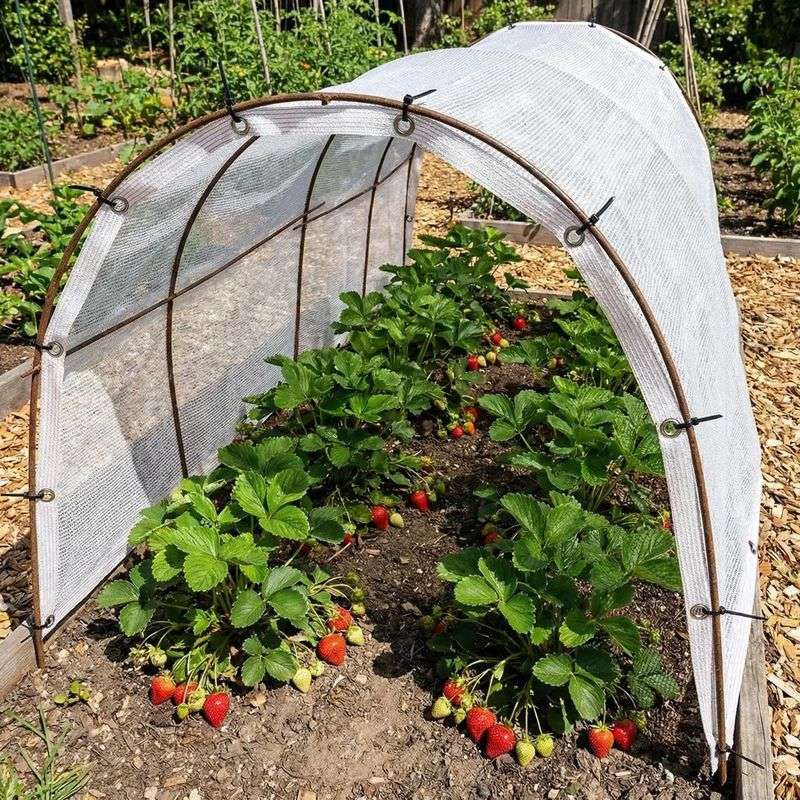
Haboob season is not the time to discover a shade structure was only loosely secured. Dust storms in Arizona arrive quickly, bring powerful wind gusts, and can easily damage anything that is not anchored properly.
A collapsed shade frame can snap poles, tear fabric, and damage nearby plants in only a few minutes during a strong storm. Driving support poles at least 18 inches into the ground creates a much more stable foundation than shallow installations.
In rocky or compacted soil, using a post driver or renting a small auger usually makes installation much easier. Loose sandy soil often requires deeper anchoring because it does not hold poles as firmly as heavier ground.
Cross bracing the frame with diagonal support lines greatly improves stability against strong side winds.
Running paracord or heavy duty rope from the upper corners down to angled ground stakes works similarly to the guy wire systems used on tents and canopies.
Tightening those support lines before monsoon season starts helps avoid rushed repairs once dust storms begin developing nearby. Checking stakes, clips, and frame connections after major storms is also a smart habit through summer.
Even strong structures can loosen slightly after repeated wind events, and catching small shifts early helps prevent bigger failures later.
6. Watch For Trapped Heat Beneath Dense Coverings
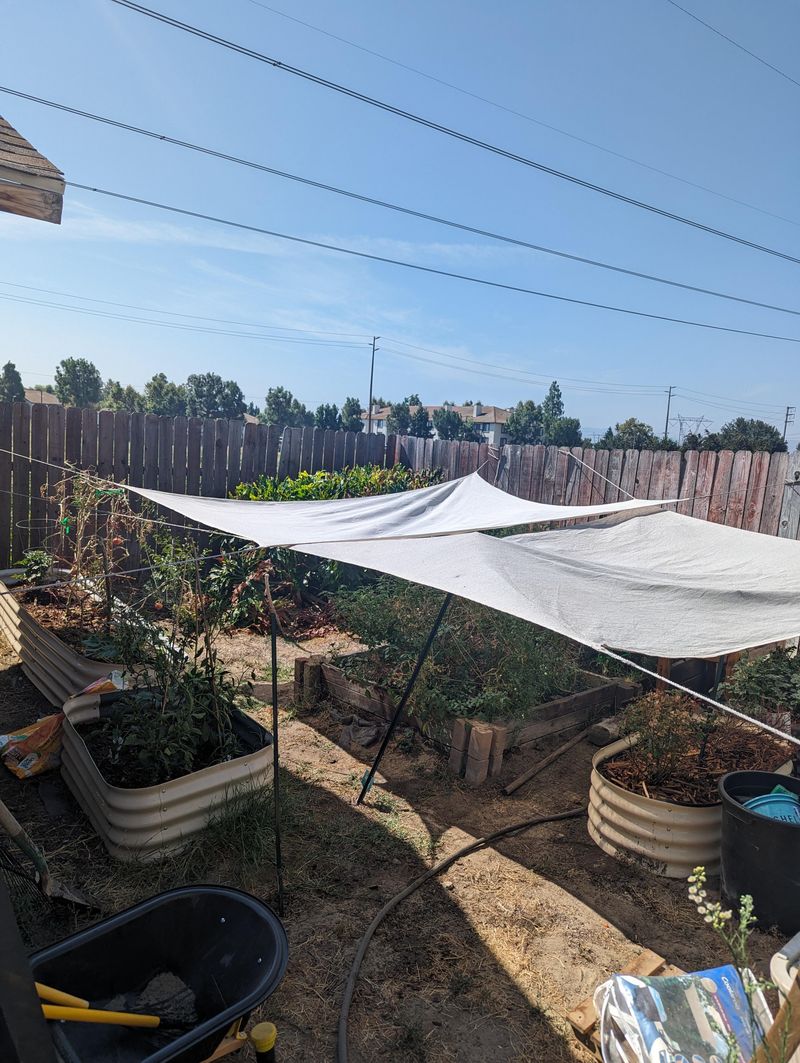
Shade cloth percentage makes a much bigger difference than many gardeners expect. A dense 70 or 80 percent cloth blocks a large amount of sunlight, but it can also make gardens feel stuffy during extreme summer heat if airflow is limited.
In Arizona, that becomes especially noticeable during long stretches of triple digit temperatures when hot air lingers beneath low coverings.
Checking temperatures beneath the shade cloth during peak afternoon hours helps reveal how well the setup is actually performing.
A simple thermometer placed near plant height gives a clearer picture than guessing by touch alone.
Some gardeners are surprised to find that heavy shade cloth still allows temperatures to build up if the structure sits too low or has poor ventilation around the sides.
Lighter shade percentages often work better for vegetables and flowering plants because they allow more air movement while still softening intense afternoon sun.
A 30 to 40 percent cloth is enough for many summer crops once the frame is tall enough to let heat escape naturally.
Open sides also help warm air move through the structure instead of collecting around the plants. Different yards heat up differently depending on walls, gravel, elevation, and nearby structures.
Gardens surrounded by block walls or reflective surfaces usually hold more heat through the evening than open areas with better airflow.
Testing different shade levels and watching how plants respond often works better than relying on one standard setup for every garden.
7. Reduce Extra Shading Once Plants Adjust Better
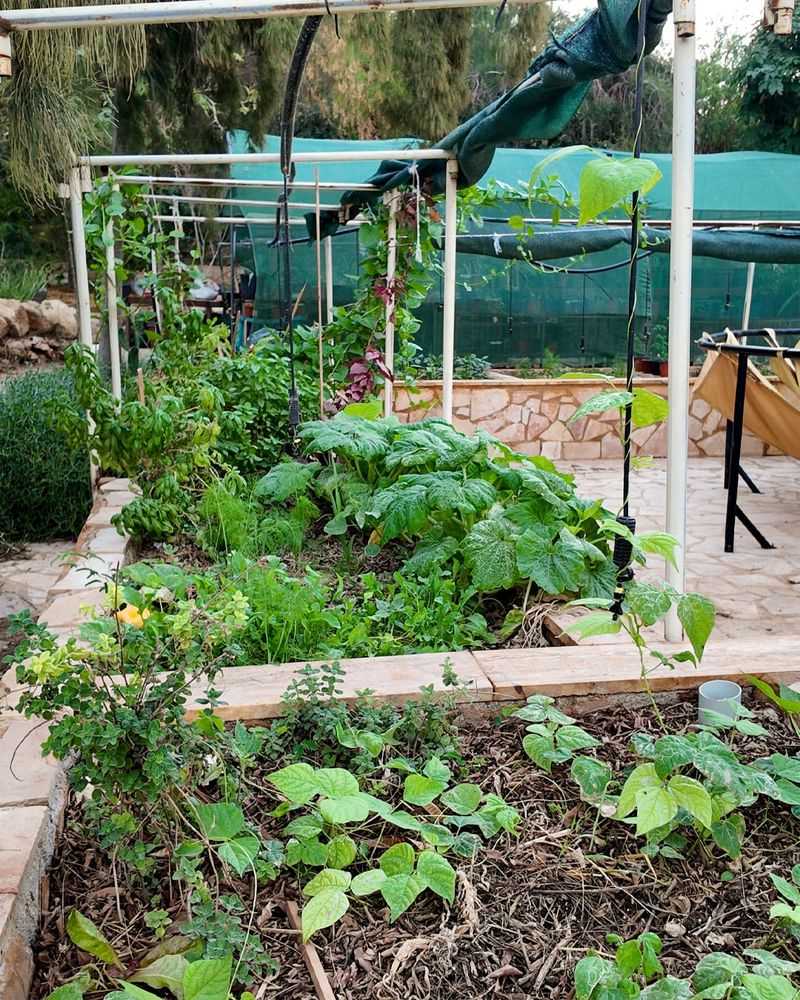
Heavy shade cloth coverage that makes perfect sense in July can actually hold plants back once temperatures start dropping in September and October.
Plants that have been under dense shade for weeks sometimes struggle to photosynthesize efficiently when light levels stay consistently low for extended periods.
Gradually reducing coverage as the season shifts gives them a chance to adjust without any sudden shock.
Watching your plants for visual cues is more reliable than following a strict calendar date. Leggy stems, pale coloring, and slower fruit development can all signal that a plant is reaching for more light than your current shade setup allows.
Once you spot those signs and nighttime temperatures start dropping below 85 degrees consistently, it is usually time to start pulling back some coverage.
Removing shade cloth from the east side of your frame first makes a smooth transition easier. Morning sun exposure is gentler and helps plants rebuild their tolerance for direct light gradually.
Pulling the western coverage last keeps protection in place during the hottest part of the day while still allowing more total light to reach the garden overall.
Across our state, the shift from brutal summer conditions to more manageable fall weather happens at different times depending on elevation.
Gardeners in the northern regions often start reducing shade in mid-September, while those in the low desert around Phoenix and Tucson may wait until early October before the adjustment feels right.
Staying observant and flexible with your setup produces far better results than rigidly sticking to a fixed schedule every single year.