7 Common Mistakes Texans Make When Planting Desert Willow
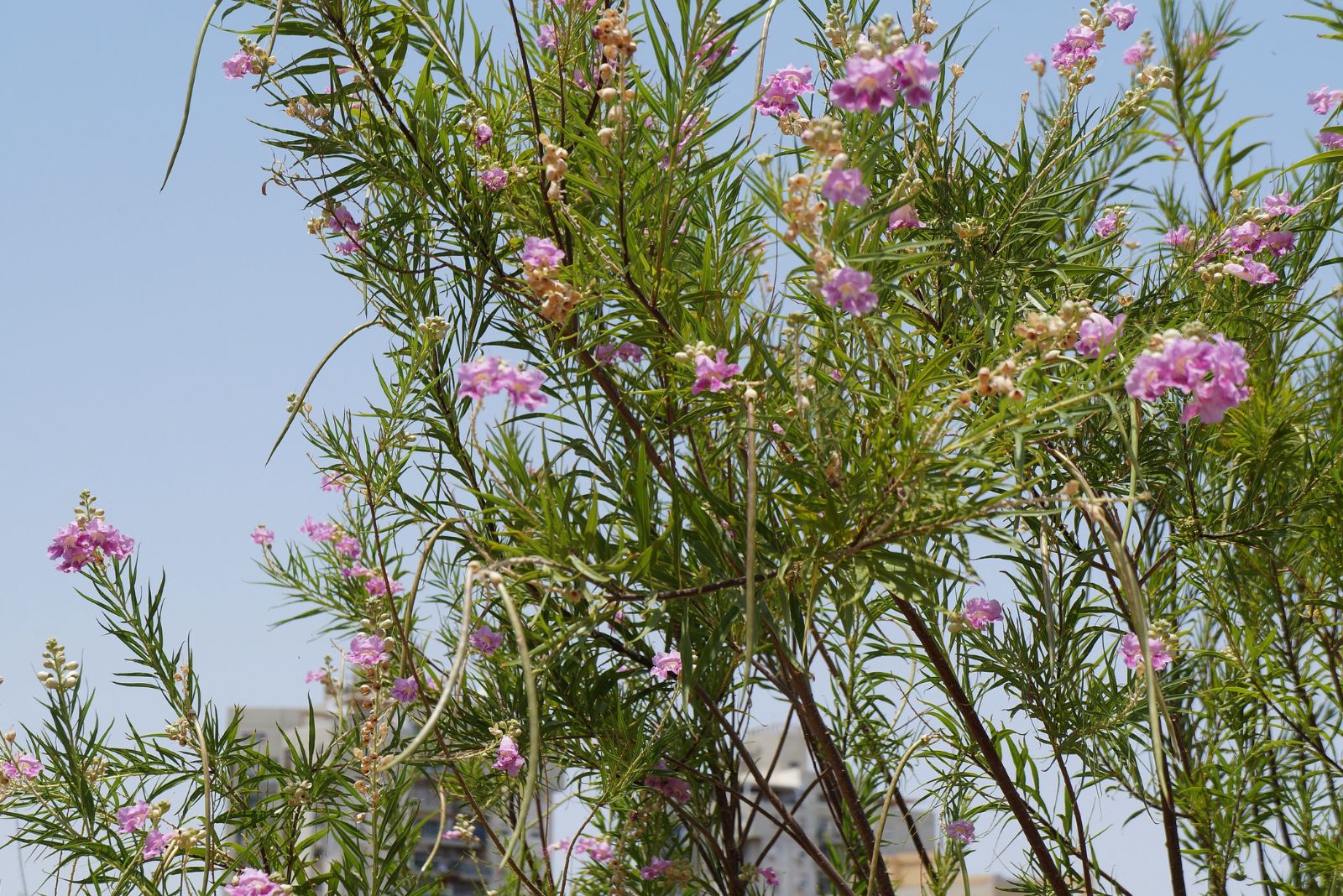
Desert willow has a lot going for it, so it is easy to see why so many Texans want one in the yard. It handles heat well, has a lighter, airy look than many other landscape trees, and puts out blooms that can make a dry space feel much more lively.
On paper, it sounds like an easy win. But that does not mean every desert willow planted in Texas gets off to a great start.
A lot of the problems people run into have less to do with the tree itself and more to do with the way it is planted in the first place.
That is what catches many gardeners off guard. A tree that seems tough enough to grow anywhere can still struggle if it goes into the wrong spot, gets too much attention, or is treated like a thirstier tree that needs constant help.
In many cases, good intentions are exactly what lead to trouble. Planting too deep, watering the wrong way, or picking a poor location can all slow it down fast.
If you want your desert willow to settle in, grow well, and actually show off what makes it special, avoiding those early mistakes matters more than most people realize.
1. Planting It In Soil That Stays Wet
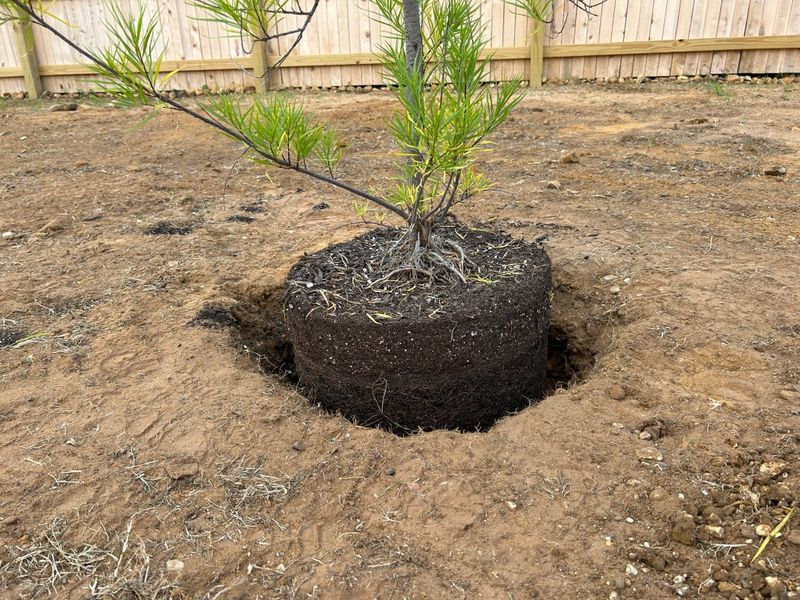
Soggy soil is one of the fastest ways to stress a desert willow, and it is a mistake that happens more often than you might think across Texas landscapes. This tree evolved in dry washes and rocky hillsides where water drains away quickly.
When roots sit in standing water for too long, they struggle to breathe and the plant weakens over time.
Poor drainage is especially common in yards with heavy clay soil, which is found in many parts of central and north Texas. Clay holds onto moisture and does not let it move through the ground fast enough for desert willow to stay healthy.
If you press your foot into the ground after rain and water squishes up, that spot is probably not right for this tree.
Before planting, do a simple drainage test by digging a hole about one foot deep and filling it with water. If the water is still sitting there after an hour, drainage is too slow.
You can fix this by mixing in coarse sand and organic compost, or by building a raised planting mound that lifts the roots above the wet zone.
Choosing the right spot from the start makes a huge difference. Look for areas with naturally fast-draining soil, such as slopes, raised beds, or gravel-heavy patches.
In Texas, rocky or sandy soils found in the Hill Country and west Texas are actually ideal. Getting the drainage right sets the whole foundation for a strong, long-lived tree.
2. Giving It Too Much Water
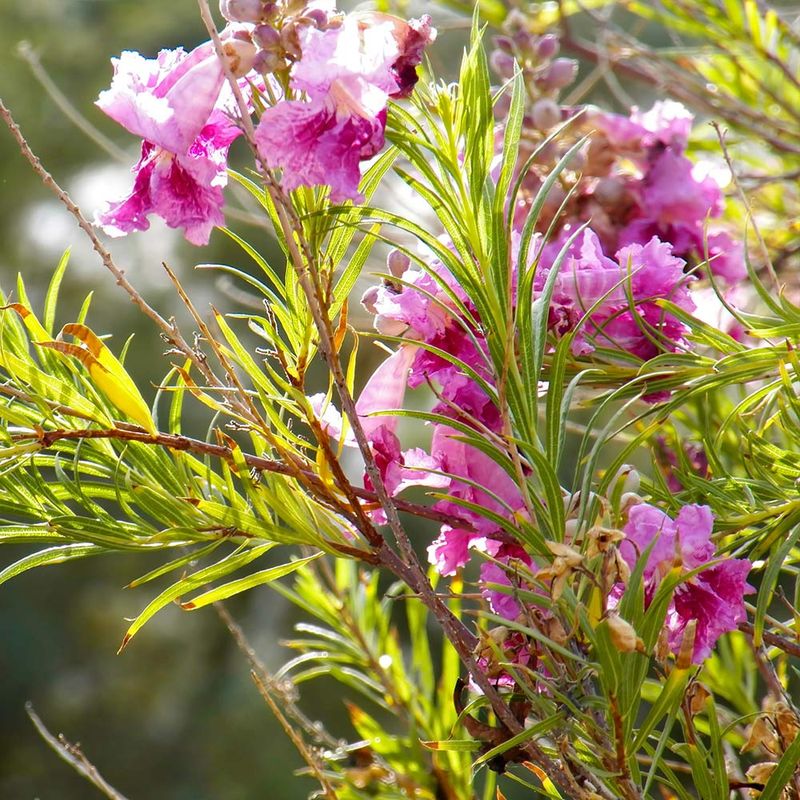
Ask any experienced Texas gardener about desert willow, and they will probably tell you that less water is almost always better with this tree.
Overwatering is one of the most common errors, especially when homeowners treat it the same way they would a thirsty ornamental tree from a wetter climate. Desert willow is built for dry conditions, and too much water can actually work against you.
Your Texas Garden Changes Every Week. Your Plan Should Too.
Gardening in Texas changes quickly throughout the season. Every Friday you’ll receive a simple weekly plan showing exactly what to plant, prune, fertilize, harvest, and protect so you never miss the right timing.
When you first plant a desert willow, some regular watering helps it get established over the first season. But many Texans keep up that same watering schedule for years, not realizing the tree no longer needs it.
Excessive moisture can reduce blooming, create weak and floppy growth, and make the roots more vulnerable to fungal problems.
A good rule of thumb is to water deeply but infrequently. Once the tree is established, usually after the first full growing season, rainfall in most parts of Texas is often enough to keep it going.
In drier regions like west Texas or during an extreme drought, a deep soak every two to three weeks in summer is usually plenty.
Watch the tree for clues. Yellowing leaves without any pest presence can be a sign of too much moisture.
Healthy desert willows in Texas tend to look a little lean and tough, which is completely normal. Trusting the tree to handle dry stretches is part of growing it successfully, and cutting back on water often brings on more flowers.
3. Choosing A Shady Planting Spot
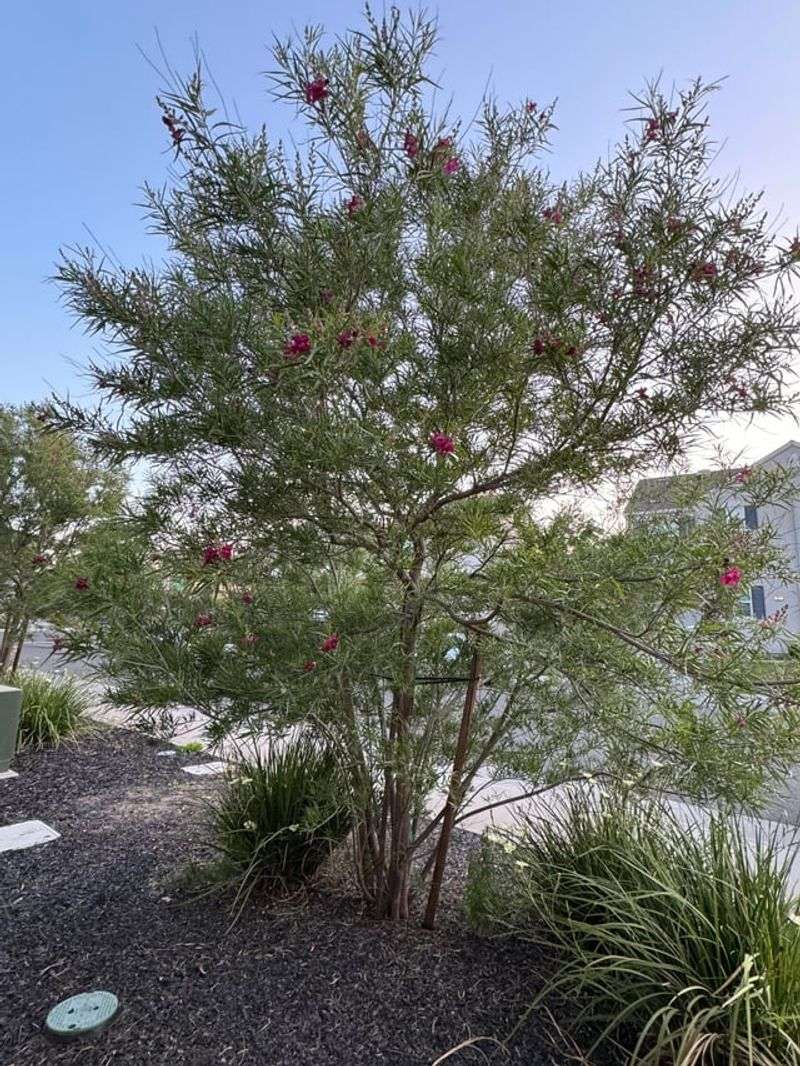
Full sun is non-negotiable for desert willow, and planting it in a shady spot is a setup for disappointment. This tree is native to the sun-baked landscapes of the Chihuahuan Desert and the dry canyons of west and central Texas.
It was made for long, hot days with maximum sun exposure, and it shows when you give it exactly that.
Shade causes desert willow to stretch toward light, creating a leggy, uneven shape. Flowering becomes sparse because the tree does not have enough solar energy to put into blooms.
In Texas, where sunshine is practically a year-round resource, there is really no excuse to plant this tree anywhere that does not get at least six to eight hours of direct sun each day.
Even partial shade from a nearby fence, building, or large tree can cut into its performance noticeably. Some Texans plant it close to the house for easy viewing, not realizing the structure blocks the afternoon sun.
Moving the planting site just a few feet can make a dramatic difference in how well the tree performs.
When scouting a location, spend a day watching how sunlight moves across your yard. Identify spots that stay bright from mid-morning through late afternoon.
Open areas, south-facing slopes, and spots away from large shade trees are ideal. In cities like San Antonio, Austin, and El Paso, there are plenty of sun-drenched corners just waiting for a desert willow to light up with blooms each season.
4. Expecting A Big, Dense Shade Tree
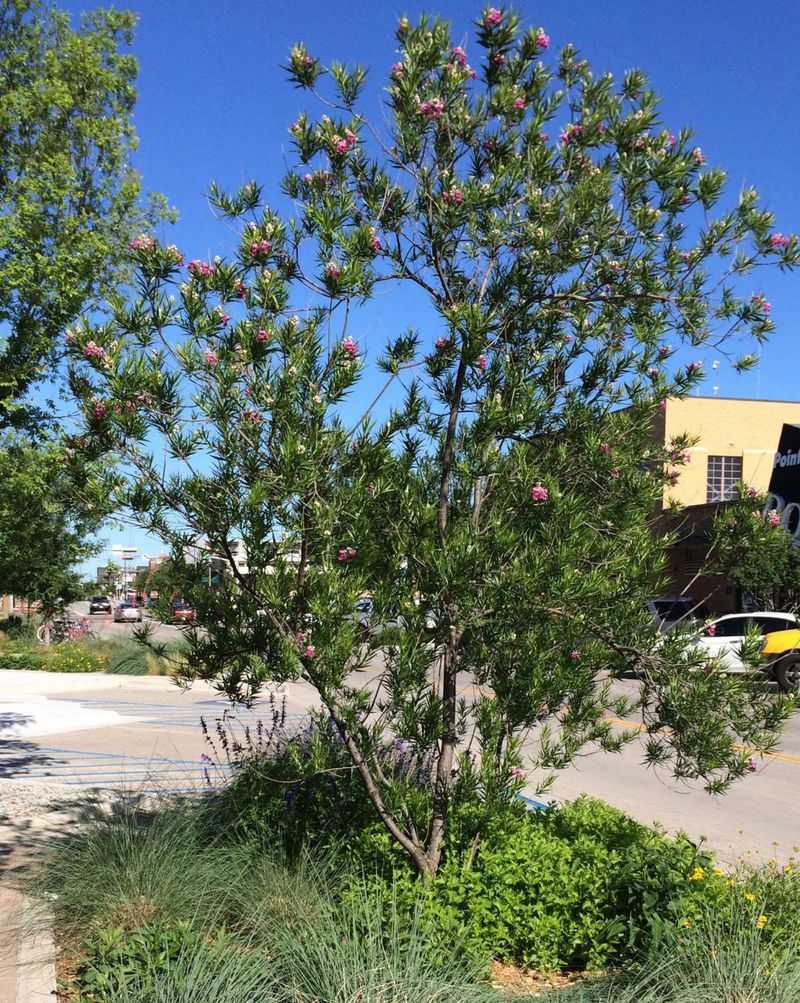
Picture this: a homeowner in suburban Houston plants a desert willow near their back patio, dreaming of deep, cooling shade by midsummer.
By July, the tree is blooming beautifully but the shade underneath is light and filtered, more like lace than a solid canopy. That is not a flaw in the tree. That is just what desert willow naturally does.
Desert willow is typically a small to medium-sized tree, usually reaching somewhere between 15 and 25 feet tall in Texas landscapes. Its canopy is open and airy, with narrow leaves that let sunlight pass through easily.
It is graceful and beautiful, but it is not a live oak or a cedar elm when it comes to shade production.
Texans who need serious shade for a patio or outdoor living area would be better served pairing desert willow with a larger shade tree nearby, or choosing a different species for that specific role.
Desert willow shines as an accent tree, a privacy screen, or a flowering focal point rather than a heavy-duty shade provider.
Understanding what this tree is actually good at changes everything. Its flowers attract hummingbirds and butterflies, it handles Texas heat without complaint, and it adds a wild, natural beauty that more manicured trees cannot match.
When you plant it with realistic expectations, you end up loving it. Going in with the wrong idea about its size and density is what leads to frustration, and that is easily avoided with a little research beforehand.
5. Overfeeding It With Fertilizer
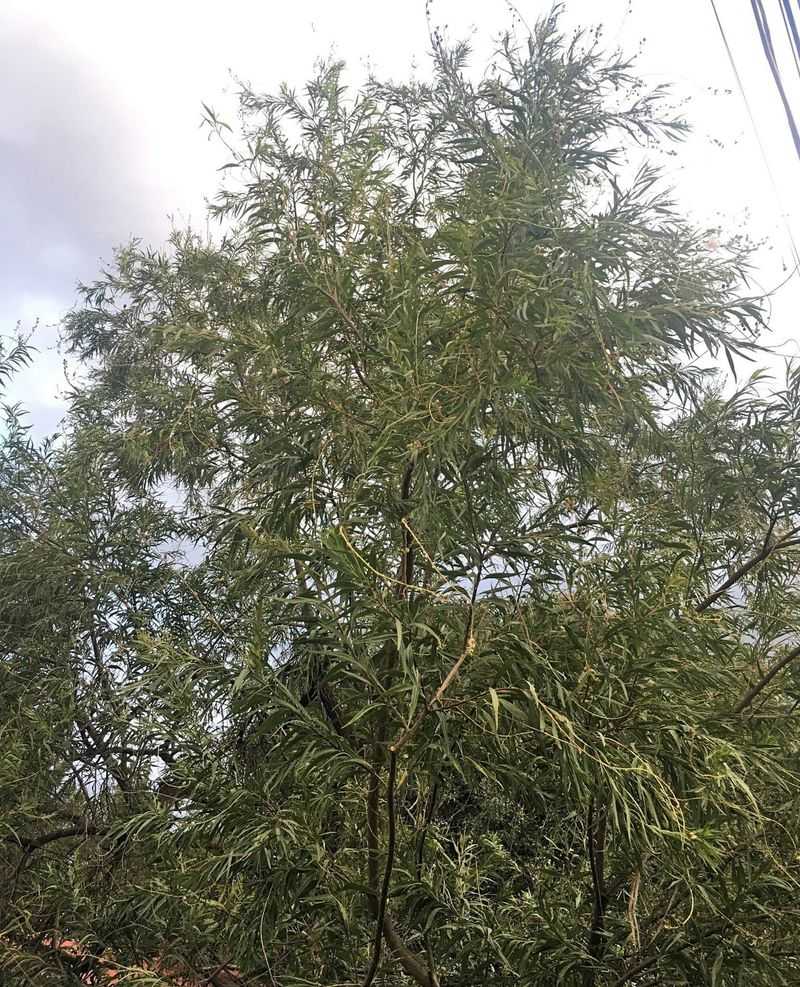
More fertilizer does not always mean a better tree, and desert willow is a perfect example of that.
Gardeners who are used to feeding roses, lawn grass, or vegetable gardens sometimes bring that same habit to their desert willow, which ends up doing more harm than good. This tree evolved in nutrient-poor soils and actually prefers lean conditions.
The Lady Bird Johnson Wildflower Center, located right here in Austin, Texas, notes that desert willow performs best when it is not pushed with heavy fertilization.
When you dump too much nitrogen into the soil, the tree responds by putting energy into fast, leafy growth instead of flowers.
The result is a tree that looks bushy and green but produces far fewer of the blooms that made you want to plant it in the first place.
Rapid, fertilizer-fueled growth also tends to be structurally weaker. Branches grow faster than the wood can harden properly, making them more likely to break in Texas storms or under their own weight.
The tree ends up looking overgrown and floppy rather than the graceful, natural shape desert willow is known for.
Skip the fertilizer entirely in most Texas soils, especially if the native ground already has decent organic content. If your soil is very sandy and truly nutrient-poor, a light application of balanced, slow-release fertilizer in early spring is all you need.
Let the tree tell you what it needs. Healthy color and steady growth without extra feeding is a sign that the soil is doing its job just fine.
6. Ignoring Its Natural Shape Until It Gets Messy
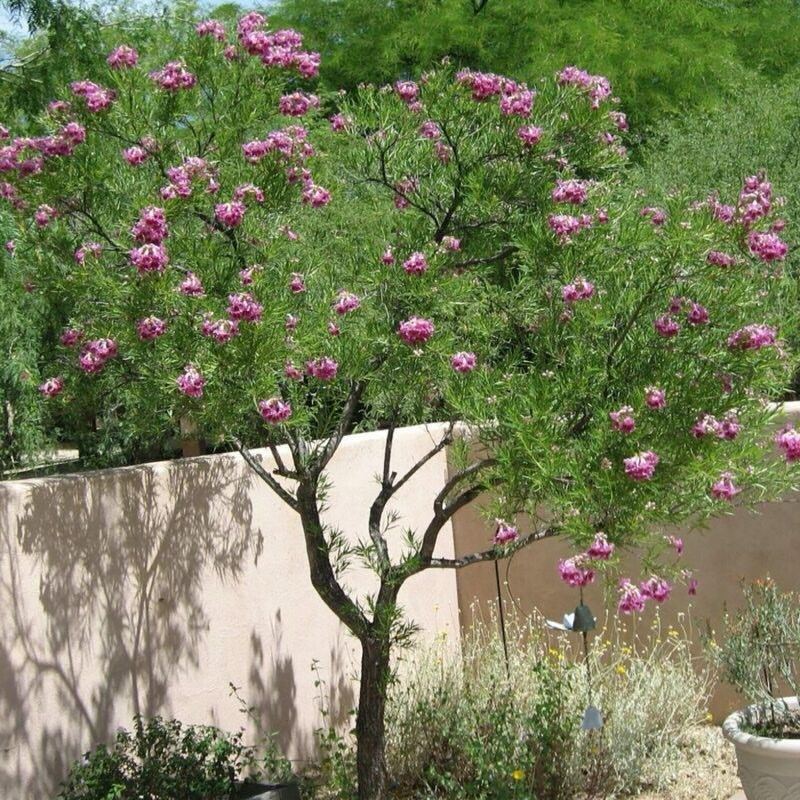
Desert willow has a naturally relaxed, multi-trunk growth habit that can look stunning when managed thoughtfully or turn into a tangled mess when left completely alone for years.
One of the quieter mistakes Texans make is not giving any thought to shaping it early, then facing a much bigger job down the road when the structure has already gone awkward.
The good news is that you have real options with this tree. Some people prefer to train it into a single-trunk tree form, which gives it a more polished, traditional look in a manicured yard.
Others love the natural, multi-stemmed shrub form, which has a wilder feel and works beautifully in native gardens or along fence lines. Either approach works well in Texas, but you need to decide early and start guiding the growth while the tree is still young and easy to shape.
Pruning in late winter, just before new growth begins in spring, is the best time to work on desert willow. Removing crossing branches, dry wood, and any growth heading in the wrong direction keeps the structure clean without setting back the blooms.
Since desert willow flowers on new wood, a well-timed late-winter trim actually encourages more flowers through the warmer months.
Waiting five or six years and then trying to fix a structurally messy tree is frustrating and requires heavy cuts that stress the plant.
A few minutes of thoughtful pruning each late winter season keeps things manageable, attractive, and healthy without any dramatic intervention later on.
7. Forgetting It Can Drop Seeds And Volunteer Seedlings
Not everyone thinks about what happens after the flowers fade, but with desert willow, there is a follow-up act worth knowing about. After blooming, the tree produces long, slender seed pods that can hang on the branches well into fall and winter.
When those pods open and drop seeds into your garden beds, you may start finding little volunteer seedlings popping up in unexpected spots the following spring. For some Texans, this is a pleasant surprise. Free trees!
But for others with tidy, planned landscapes, it becomes an ongoing chore to pull up seedlings before they get established. The seedlings grow quickly and can show up in lawn grass, mulched beds, or cracks in paving if seeds land in just the right spot.
The easiest way to get ahead of this is to choose a cultivar that produces fewer seeds or is marketed as seedless.
Several named cultivars available at Texas nurseries, such as Bubba and Lucretia Hamilton, are known for heavy blooming and reduced seed production. Asking about seed habits when you buy the tree is a smart move that most people skip.
If you already have a seeding desert willow in your Texas yard and the volunteers are becoming a nuisance, removing the seed pods before they fully open can cut down on the spread significantly.
It takes a little extra attention in late summer and fall, but it keeps the garden tidy without losing the beauty of the tree itself. A small effort goes a long way with this one.