Why So Many Florida Gardens Look Empty In March And What Experts Do Instead
March fools a lot of Florida gardeners. On paper, it feels like the month when everything should burst to life.
In reality, plenty of yards look flat, patchy, and strangely lifeless right when people expect spring color to steal the show. Beds fade.
Winter damage still lingers. Summer stars have not stepped in yet.
That awkward gap leaves many gardens looking empty, even in a state known for nonstop growing weather. The mistake is not always bad luck.
More often, it comes down to timing, plant choice, and a landscape plan that leans too hard on one season. The best gardens do not depend on hope and perfect weather.
They stay layered, structured, and visually alive through transitions that catch other yards off guard. That is where the real difference shows up.
Experts know how to keep March from becoming a quiet zone, and the moves they make can turn a dull, in-between garden into one that still looks full, colorful, and worth staring at.
1. Winter Damage Shows Up Fast
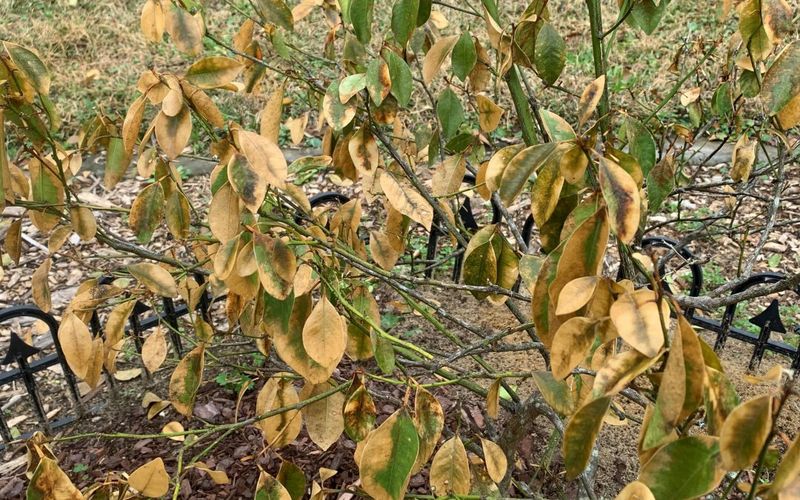
A single cold snap in January or February can leave a Florida garden looking rough for weeks. Tropical and subtropical plants like bird of paradise, ti plants, and bougainvillea are especially vulnerable to frost and wind chill.
By the time March rolls around, the damage is fully visible: brown leaf edges, mushy stems, and patches of foliage that never bounced back.
North and Central Florida gardeners tend to see the worst of this. A stretch of nights below 40 degrees can stress even plants that are considered cold-tolerant for the region.
South Florida is not completely safe either, since an unusual cold front can still catch tropical plants off guard.
Experts at UF IFAS Extension recommend waiting until new growth appears before pruning cold-damaged stems. Cutting too early can remove tissue that might still recover.
Patience is key in March, even when the damage looks severe.
Resist the urge to rip out plants that look rough. Give them until mid-March to show signs of life before making any decisions.
Mulching around the base and holding off on fertilizer until temperatures stabilize will help stressed plants recover more smoothly and fill back in faster.
2. March Exposes Every Bare Spot
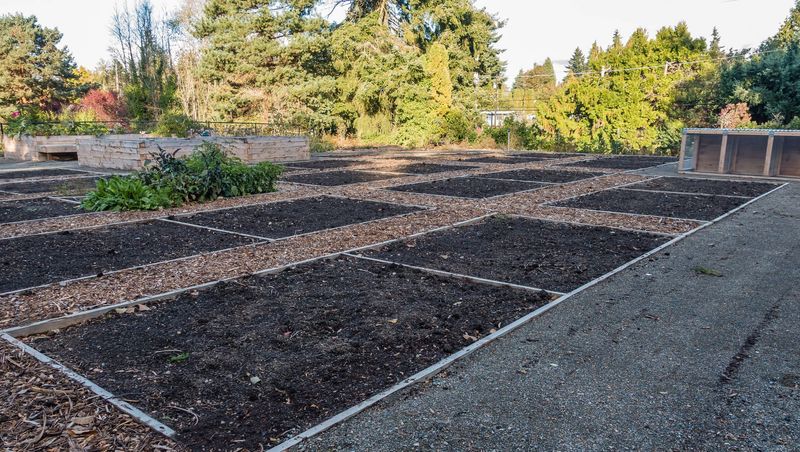
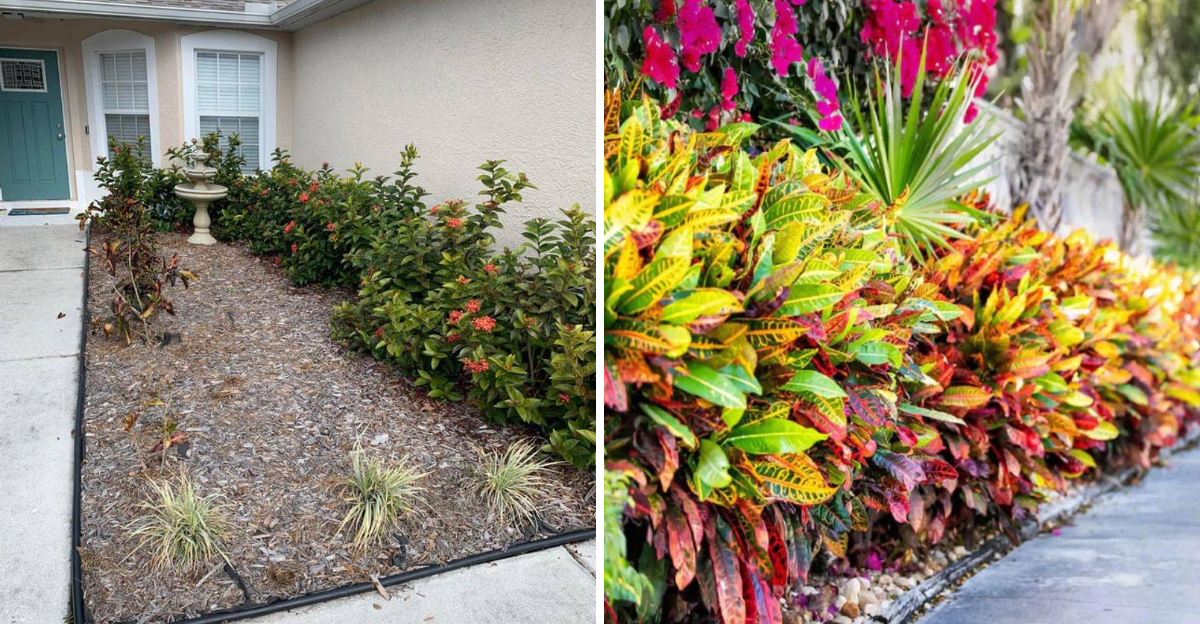
Bare spots in a garden are easy to overlook during the busy growing months. Lush summer growth has a way of hiding design gaps, crowding out empty spaces, and making even a poorly planned bed look decent.
March strips all of that away.
Without the fullness of summer foliage or the color burst of fall, the garden sits exposed. You can suddenly see exactly where plants are spaced too far apart, where something never filled in properly, or where a plant was removed and never replaced.
These are design weaknesses that have been quietly waiting to be noticed.
Landscape designers actually treat March as a diagnostic tool. Walking a garden in early spring tells them more about what needs fixing than any other time of year.
Your Florida Garden Changes Every Week. Your Plan Should Too.
Gardening in Florida changes quickly throughout the season. Every Friday you’ll receive a simple weekly plan showing exactly what to plant, prune, fertilize, harvest, and protect so you never miss the right timing.
The gaps you see now are the gaps that need addressing before warm-season growth returns and hides them again.
Take photos of your garden in March and use them as a planning guide. Note every open patch, every spot where the eye has nowhere to land, and every place where a taller or fuller plant could create structure.
That visual record becomes a practical shopping list for spring planting season.
3. Bloom Gaps Leave Beds Looking Flat
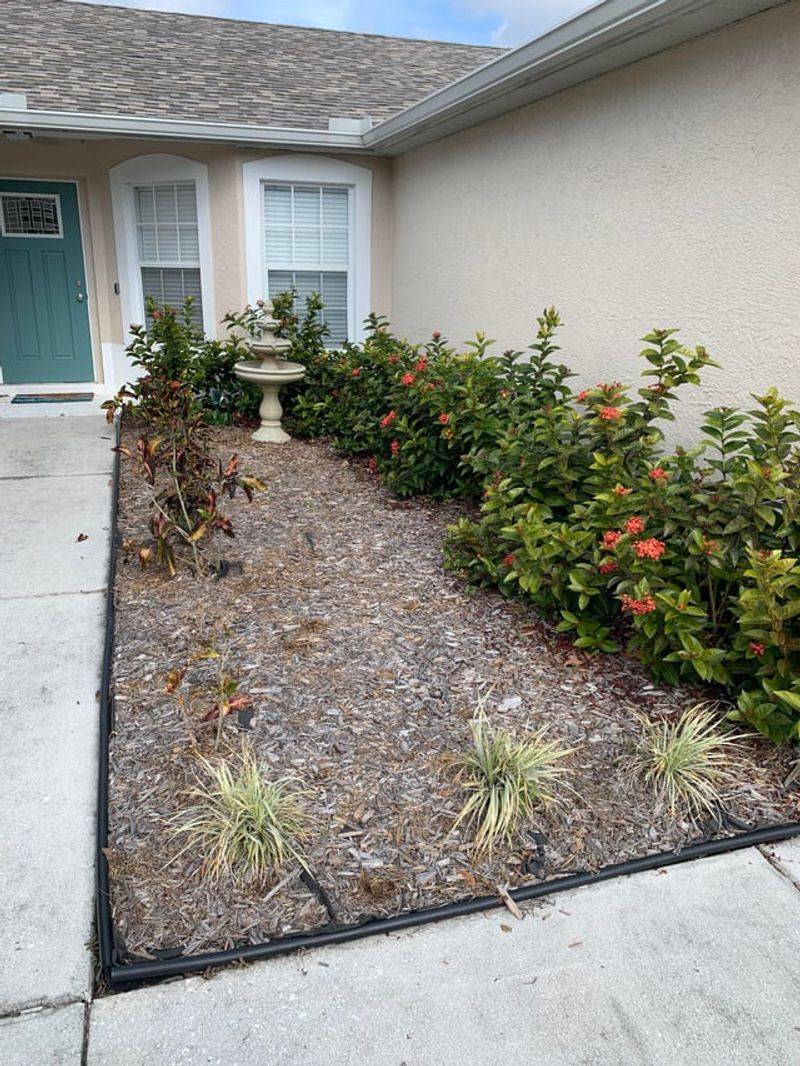
Florida gardeners love color, and there is nothing wrong with that. But gardens built almost entirely around flowering plants run into a serious problem in March.
Blooms come in cycles, and the gap between cool-season flowers wrapping up and warm-season flowers taking over can leave beds looking surprisingly flat.
Impatiens, petunias, and snapdragons tend to fade as temperatures climb in late February and March. Warm-season bloomers like pentas, portulaca, and vinca are not ready to perform yet.
That window in between can stretch for several weeks, leaving beds with nothing but tired foliage and empty patches.
Experienced Florida gardeners call this the bloom gap, and they plan around it deliberately. Rather than relying on flowers alone to carry the garden, they build beds with a mix of plants that offer interest even when nothing is in bloom.
Foliage texture, plant shape, and layered heights all play a role.
According to University of Florida Gardening Solutions, selecting plants with staggered bloom times is one of the most effective ways to avoid flat-looking beds. Mixing cool-season and warm-season plants with overlapping schedules helps ensure that as one fades, another is already stepping up to take its place.
4. Pros Build Around Seasonal Lulls
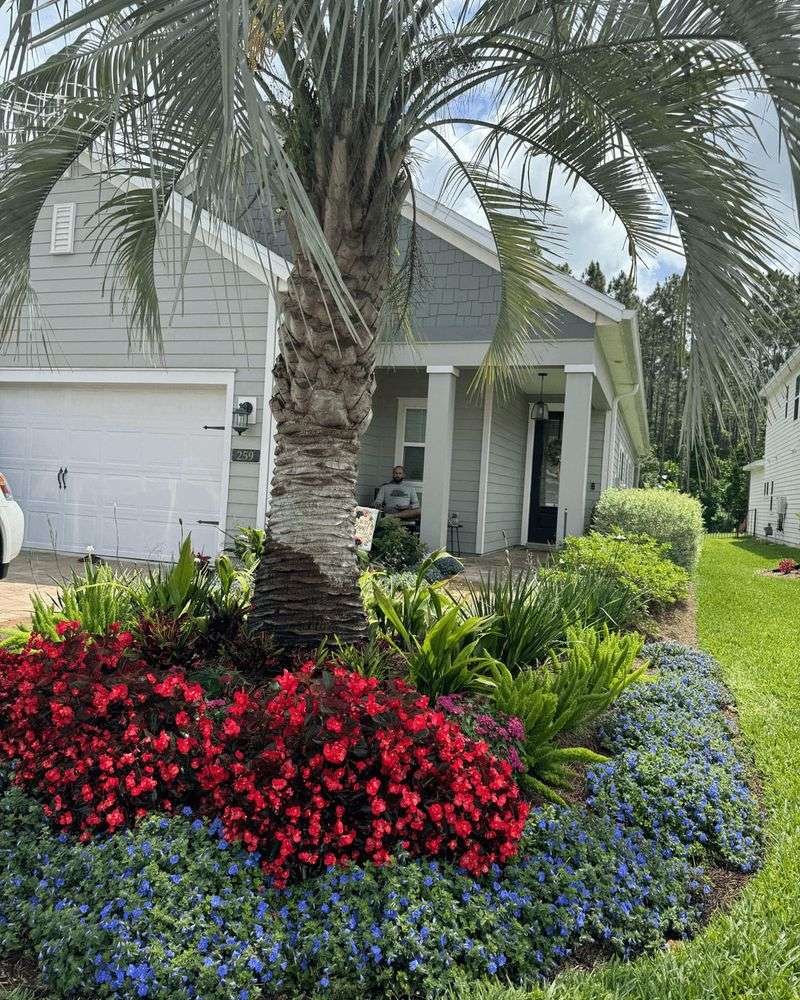
Ask any experienced Florida landscape designer what separates a great garden from a forgettable one, and the answer usually has nothing to do with flowers. It has everything to do with how the garden looks on its slowest days.
Professionals do not just plan for the peak moments. They plan for the lulls.
Seasonal lulls are predictable. March is one of them.
A skilled designer accounts for this by making sure that at least some plants in every bed are holding structure, texture, or visual weight year-round. That means choosing plants not just for their bloom but for their form, leaf color, and overall presence through every season.
UF IFAS Extension research on Florida-friendly landscaping consistently points to plant diversity as a key factor in landscape resilience. A garden with a wide variety of species, including evergreens, ornamental grasses, and structural shrubs, holds its visual appeal far longer than one built around a single season of interest.
Professionals also use anchor plants strategically. These are larger, reliable specimens that hold the garden together visually even when surrounding plants are between cycles.
Placing anchor plants at key focal points ensures the garden always has something strong to look at, no matter what month it happens to be.
5. Foliage Carries The Garden First
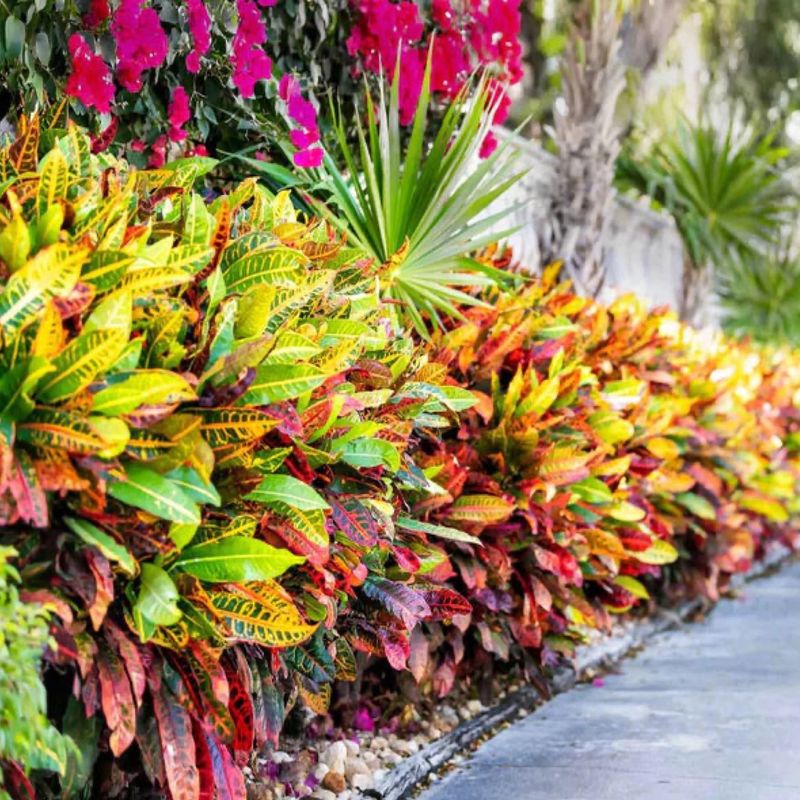
Flowers get all the attention, but foliage does most of the work. In a Florida garden that looks good in March, chances are the designer leaned heavily on plants chosen for their leaves rather than their blooms.
Bold textures, rich colors, and interesting shapes can carry a garden through weeks when nothing is flowering.
Crotons are a perfect example. Their bold patterns in red, orange, yellow, and green provide constant visual interest and perform reliably across Central and South Florida.
Purple heart, silver saw palmetto, and variegated ginger are other foliage-forward plants that thrive in Florida and look strong even during seasonal slowdowns.
University of Florida Gardening Solutions highlights the value of using plants with contrasting leaf textures to create depth and movement in a bed. Pairing fine-textured plants like ornamental grasses with broad-leaved tropicals creates a layered look that holds visual interest without relying on blooms at all.
Foliage also helps the eye move through a garden. When flowers are absent, a thoughtful mix of leaf shapes, sizes, and colors gives the viewer something to follow from one end of a bed to the other.
That sense of visual flow is what makes a garden feel designed rather than simply planted.
6. Layered Planting Changes Everything
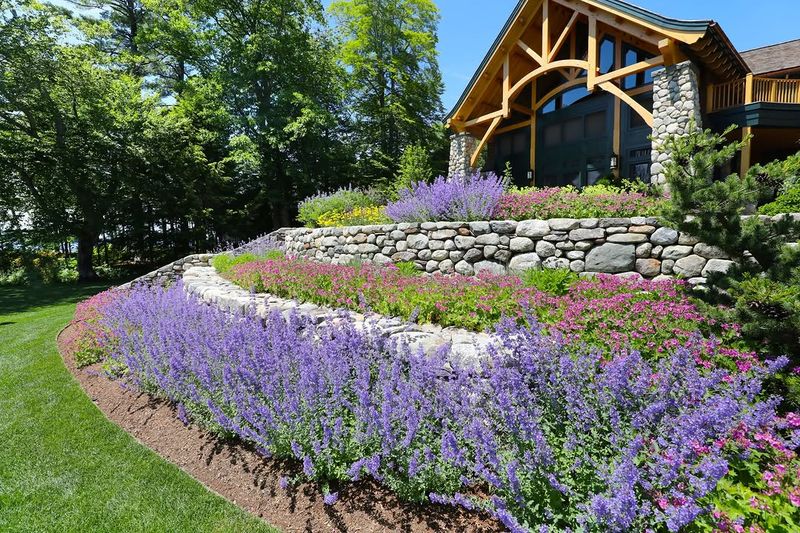
Flat gardens look empty. It is almost that simple.
When every plant in a bed sits at roughly the same height, the garden loses depth and visual energy. Layered planting is the technique that changes this, and it is one of the most reliable tools professionals use to keep Florida landscapes looking full year-round.
Layering means combining plants of different heights and growth forms in the same space. A canopy tree or large shrub creates the upper layer.
Mid-height flowering or foliage plants fill the middle. Low-growing ground covers and border plants anchor the front.
Each layer supports the others, and together they create a sense of fullness that a single flat row of shrubs simply cannot match.
In March, layered gardens hold up far better than flat ones. Even if the mid-layer plants are between bloom cycles, the upper and lower layers keep the bed looking structured and intentional.
The eye has multiple places to rest, and the overall composition still feels complete.
UF IFAS Extension recommends layered planting not just for aesthetics but also for ecological benefits. Multiple layers support pollinators, improve water retention, and reduce weeding.
Building layers into a Florida garden design from the start pays off visually and practically throughout every season of the year.
7. Color Comes From More Than Flowers
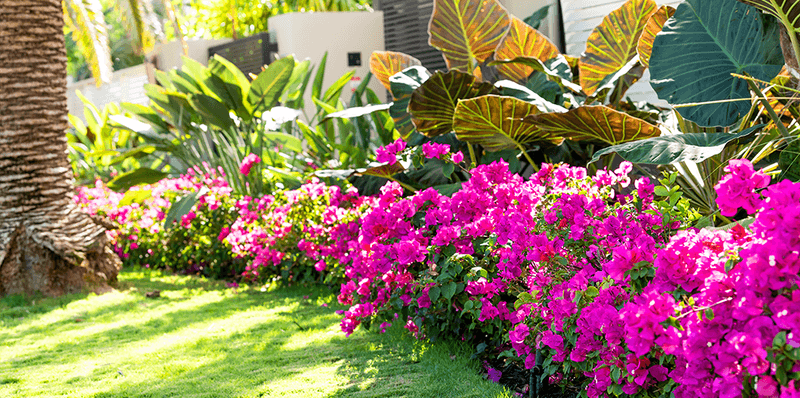
Most people think of color in a garden and immediately picture flowers. But seasoned Florida gardeners know that flowers are just one source of color among many.
Bark, berries, seed heads, and foliage tones can deliver just as much visual punch, and they often last far longer than any bloom cycle.
Beautyberry is a great Florida example. Its clusters of vivid purple berries appear in late summer and persist well into the cooler months, offering color long after most flowers have faded.
Firebush provides bright red-orange tubular flowers, but its foliage and stem color also carry visual weight between bloom periods.
Crape myrtles add another dimension. Even after their summer blooms drop, their smooth, peeling bark in shades of cinnamon and gray provides subtle year-round interest.
Ornamental grasses like muhly grass offer feathery pink plumes in fall that dry to soft tan and hold their form into early spring.
University of Florida Gardening Solutions encourages gardeners to evaluate each plant for its full-season contribution, not just its bloom. Asking what a plant looks like in March, not just in June, leads to smarter selections.
Building a palette of bark tones, berry colors, and foliage hues creates a garden that stays visually rich even when flowers are nowhere to be found.
8. Smart Florida Gardens Peak In Waves
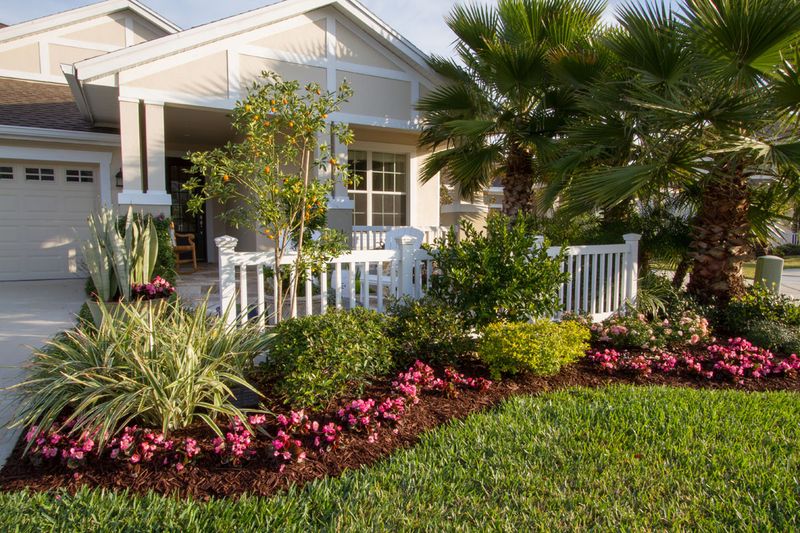
The best Florida gardens are not designed to peak once and fade. They are planned so that different plants take center stage at different times, creating a rolling sequence of interest that carries the garden through every month of the year.
Landscape professionals call this succession planting, and it is the backbone of any garden that consistently looks good.
The idea is straightforward. You map out which plants bloom or show their best color in each season, then fill any gaps with plants that shine during those quiet months.
March lulls become opportunities rather than problems when the planting plan accounts for them from the start.
In Florida, this approach works especially well because the growing season is so long. Unlike northern gardens that essentially shut down in winter, Florida gardens can support year-round interest with the right plant mix.
Native wildflowers, ornamental grasses, tropical shrubs, and cool-season annuals can be rotated and layered to keep something interesting happening in every corner of the yard.
UF IFAS Extension research on Florida-friendly landscaping supports this wave approach, noting that diverse plantings with staggered bloom and foliage cycles produce more resilient, visually consistent landscapes.
Planning for March during the previous fall planting season is exactly what separates a garden that looks great all year from one that only shines for a few weeks.