This Is The Best Way To Prune Blueberries In Ohio
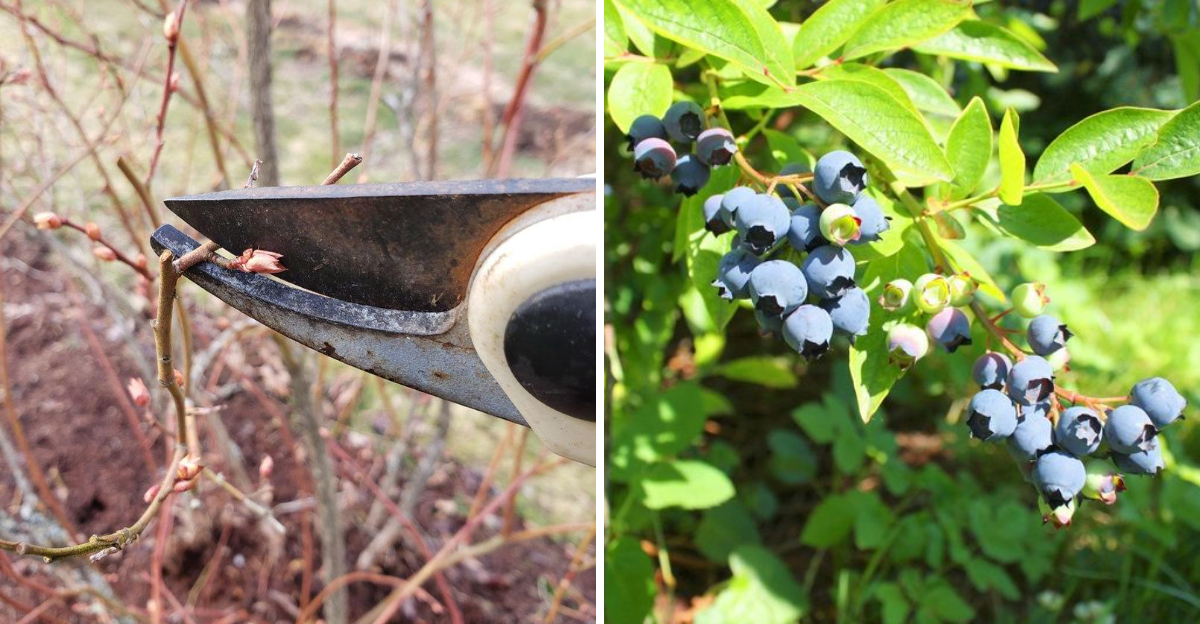
A blueberry bush can look healthy on the outside and still produce far less fruit than it should. That is what makes pruning so important in Ohio.
Without the right cuts, bushes get crowded, older wood starts taking over, and berry production slowly slips even while the plant keeps growing. Many gardeners either skip pruning out of fear or trim too lightly and wonder why the harvest never improves.
The truth is that a well-pruned blueberry bush does not just look better. It puts more energy into strong new canes, better airflow, and the kind of balanced growth that supports heavier crops.
In Ohio, where cold winters and seasonal timing matter, the way you prune can shape the entire season ahead. Get it right, and your bushes can stay vigorous, productive, and far easier to manage.
That kind of payoff makes pruning one of the smartest moves any blueberry grower can make.
1. Timing Is Everything When Pruning Blueberries In Ohio
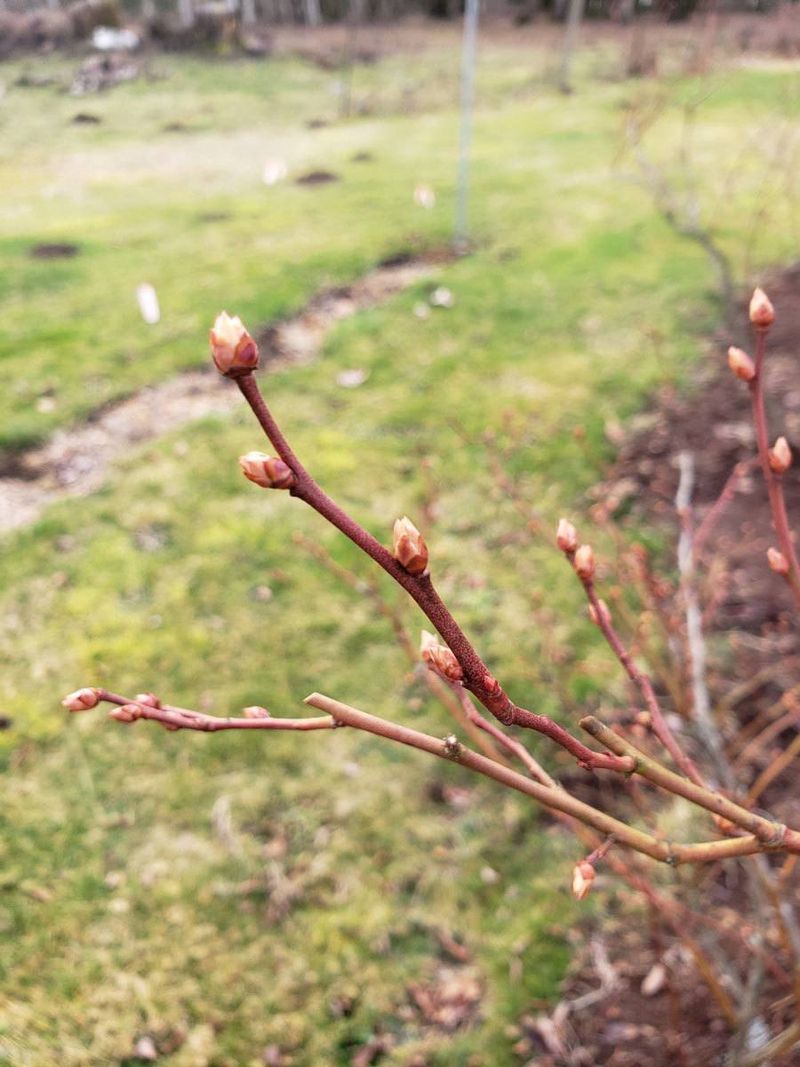
Late February through early March is the sweet spot for pruning blueberries in Ohio, and getting that window right makes a noticeable difference in how your plants perform all season long. Blueberry bushes should be pruned while they are still dormant, meaning after the coldest part of winter has passed but before new buds start actively pushing out growth.
At this stage, the plant is resting, stress is minimal, and the bare branches give you a clear, unobstructed view of the entire structure.
Ohio winters can be unpredictable, and that matters here. If a sharp cold snap is still in the forecast, hold off a few extra days.
Freshly cut wood can be more vulnerable to extreme cold, so watching your local weather before you start is a smart habit. Ohio State University Extension recommends dormant-season pruning as the standard approach for highbush blueberries grown in the Midwest.
Pruning too early, when hard freezes are still likely, can expose new cuts to damage. Pruning too late, after growth has already begun, wastes energy the plant already invested in those emerging buds.
Aim for that calm late-winter window and your bushes will have the best possible start heading into the growing season.
2. Spot Old Wood Fast And Prune With Confidence
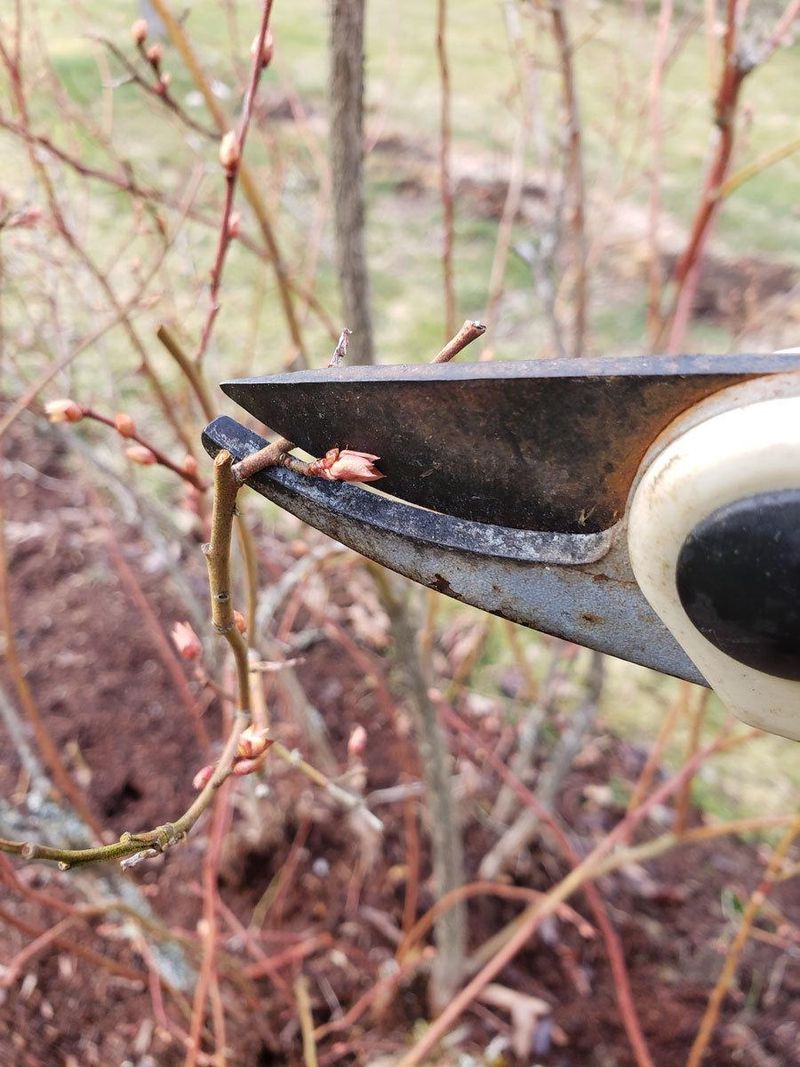
Walk up to your blueberry bush and take a close look at the canes. Younger canes, typically one to three years old, tend to have smooth bark with reddish or greenish tones and a relatively slender profile.
Older canes, those four years and beyond, usually show rougher, darker, grayish-brown bark, thicker bases, and noticeably less vigorous growth at their tips.
Blueberries produce the best fruit on two- to four-year-old wood, according to horticultural guidance from Ohio State University Extension. Once a cane passes that productive window, it starts contributing less to your harvest and more to the crowding problem.
Identifying this older wood is a skill that gets easier every year you practice it.
For beginners, a simple rule helps: if a cane is thicker than your thumb and its bark looks dark and peeling, it is likely past its prime. You do not need to memorize every cane’s exact age.
Your Ohio Garden Changes Every Week. Your Plan Should Too.
Gardening in Ohio changes quickly throughout the season. Every Friday you’ll receive a simple weekly plan showing exactly what to plant, prune, fertilize, harvest, and protect so you never miss the right timing.
Focus on comparing what you see in front of you. Thick, dark, and sluggish-looking canes are your best candidates for removal.
Slim, upright, vigorous canes with healthy color are the ones worth keeping and protecting as you work through the bush.
3. Clear Out Weak Growth To Boost Berry Production
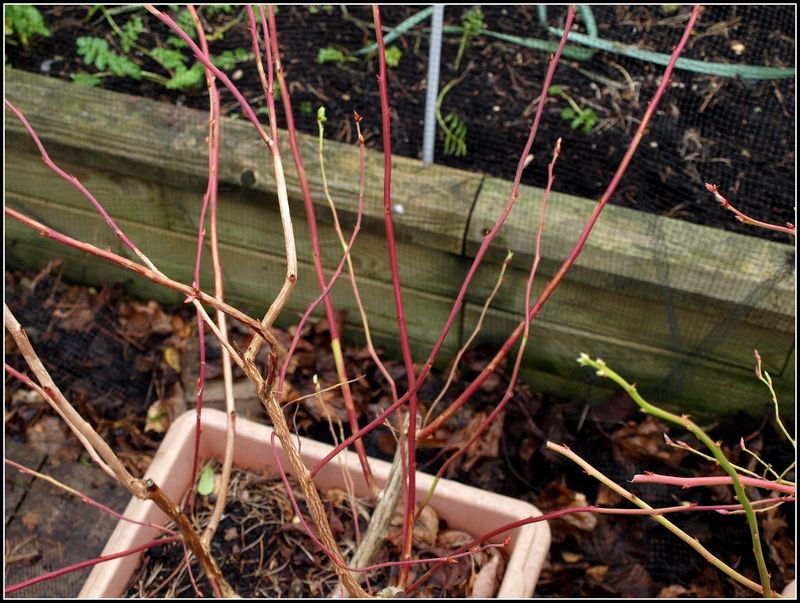
Before focusing on the larger structural canes, start your pruning session by clearing out the clutter. Weak, spindly shoots that are thinner than a pencil rarely produce quality fruit.
They compete for nutrients and water without giving much back, and removing them first makes it easier to assess the real structure of the bush underneath.
Low-hanging branches that droop toward the soil are another priority. When those branches touch the ground, especially under the weight of fruit later in summer, they can pick up soilborne pathogens and create moisture problems at the base of the plant.
Removing them improves sanitation and keeps the bush cleaner throughout the season.
Crossing branches are worth addressing too. When two canes rub against each other repeatedly, they create small wounds that can become entry points for disease.
Removing the weaker of the two crossing canes eliminates that friction and keeps both the remaining wood and the overall structure healthier. Damaged or broken wood from winter storms should also come out cleanly at this stage.
Taking care of all this low-quality growth first gives you a cleaner picture of the bush and makes the more important structural decisions that follow much easier to handle with confidence.
4. Let Sunlight In For Healthier Blueberry Bushes
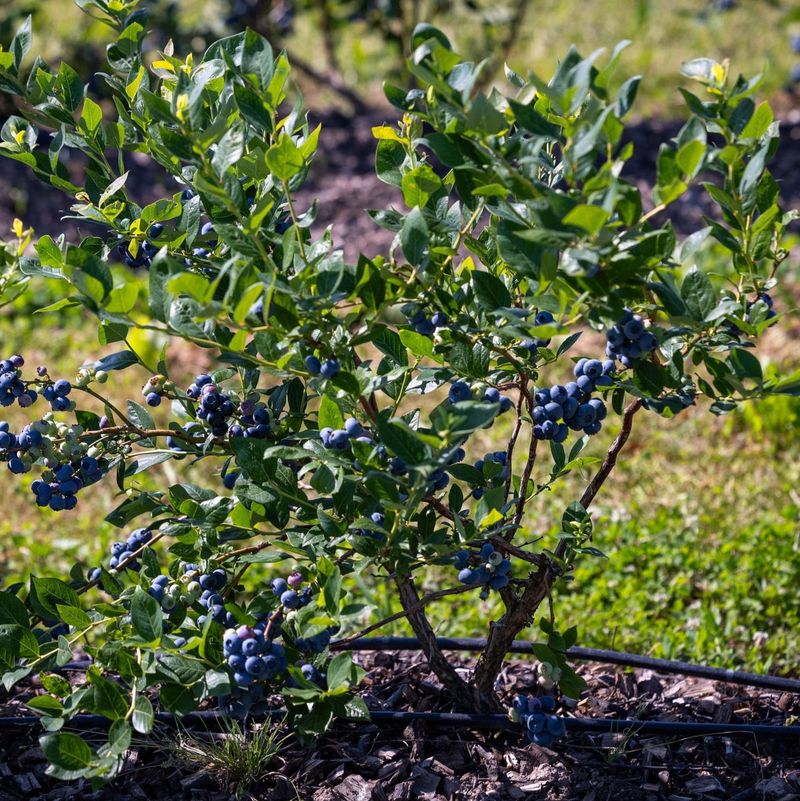
A crowded blueberry bush is a struggling blueberry bush. When canes are packed tightly together, sunlight cannot reach the interior fruiting wood, airflow drops, and humidity builds up in the center of the plant.
That combination creates ideal conditions for fungal problems like mummy berry and botrytis, both of which are real concerns for Ohio growers.
The goal is to create what horticulturists describe as an open, vase-like shape. Picture the bush as a cup with a hollow center rather than a solid ball of branches.
That open center allows sunlight to reach lower and interior fruiting wood, which directly improves berry size and ripening consistency. Better airflow through the canopy also helps foliage dry faster after rain, which reduces fungal pressure significantly.
To open up the center, remove canes that grow inward toward the middle of the bush rather than outward and upward. You do not need to strip the center bare.
The goal is creating space, not emptiness. Step back periodically as you work and look at the overall shape from a few feet away.
If you can see light passing through the center of the bush, you are on the right track. That simple visual check keeps your pruning purposeful and accurate.
5. Refresh Your Plants By Cutting Back Old Canes
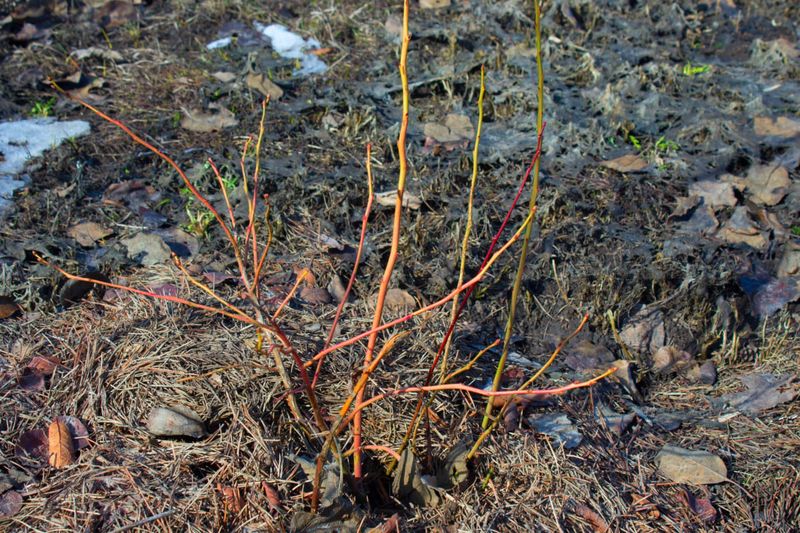
Renewal pruning is the practice of removing some of the oldest canes from your blueberry bush each year to make room for younger, more vigorous growth. Blueberries are long-lived plants, and without this gradual refreshing process, a bush can become dominated by old, unproductive wood over time.
The fruit does not disappear overnight, but yields shrink and berry quality gradually declines.
For mature, well-established bushes in Ohio, a general guideline from university extension sources suggests removing one to three of the oldest canes per plant each dormant season. This keeps the bush in a constant state of gentle renewal without shocking the plant by removing too much at once.
Each old cane you remove creates an opening that encourages strong new basal shoots to emerge from the crown of the plant in spring.
Severely neglected or overgrown bushes may need a staged renovation approach spread over two or three seasons rather than a single aggressive cutback. Removing too much wood at once can reduce the following year’s harvest significantly and stress the plant.
If your bush has not been pruned in several years, start conservatively, remove the most obviously old canes first, and continue the process gradually over the next couple of growing seasons for the best long-term results.
6. Shape Your Bushes For Bigger Easier Harvests
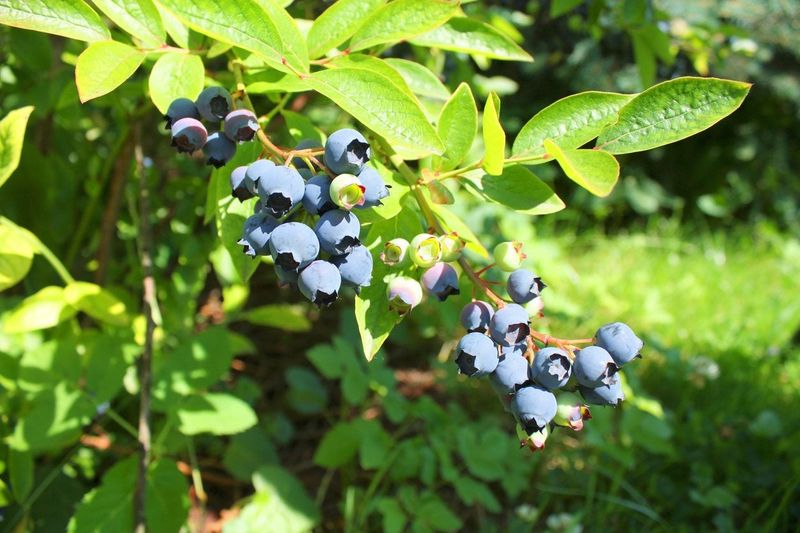
Good pruning is not just about plant health. It is also about making your own life easier come harvest time.
A blueberry bush that has been shaped with purpose tends to hold its fruit in reachable clusters rather than hiding berries deep inside a tangled mass of overlapping branches. That means faster picking, less frustration, and fewer missed berries left to drop and rot at the base.
Aim for a balanced structure with canes spreading outward and upward in a natural fan shape. Keeping the bush at a manageable height, typically between four and six feet for most highbush varieties common in Ohio, makes picking more comfortable and reduces the need for ladders or awkward reaching.
Heavily weighted canes that arch down to the ground can be shortened to encourage more upright growth and keep fruit off the soil.
Consistent annual shaping also prevents the dramatic renovation work that neglected bushes eventually require. A bush that gets a little attention each dormant season stays balanced and accessible without major intervention.
Think of the shaping process less like sculpting and more like a gentle annual tune-up. Small, thoughtful adjustments each year add up to a plant that works with you rather than against you every time you walk out to harvest.
7. Stop Making These Blueberry Pruning Mistakes
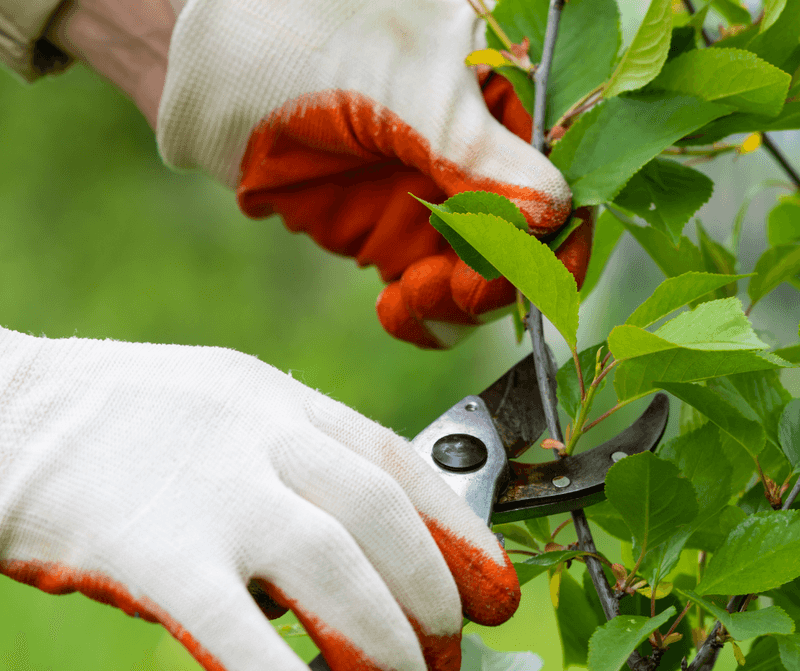
One of the most common blueberry pruning mistakes Ohio gardeners make is simply not pruning at all, or waiting until the bush is so overgrown that the job feels overwhelming. Skipping pruning for even a few years allows old, unproductive canes to crowd out younger wood, and the bush gradually loses its ability to channel energy into quality fruit.
Pruning at the wrong time is another frequent misstep. Cutting back blueberries in fall or early winter before the plant has fully hardened off can leave fresh wounds exposed to harsh Ohio cold.
Pruning too late in spring, after growth has already pushed out, wastes the energy invested in those new buds and can reduce that season’s fruit set noticeably.
Being too timid is just as problematic as being too aggressive. Many gardeners remove only a little wood each year because they are afraid of harming the plant, but leaving too many old canes in place defeats the purpose of pruning entirely.
On the flip side, removing more than one-third of the total canopy in a single season can stress the plant and reduce yields the following year. Balanced, consistent pruning that removes the right wood at the right time is what keeps bushes healthy and productive over the long run.
8. See The Results Of Proper Pruning In Ohio Gardens
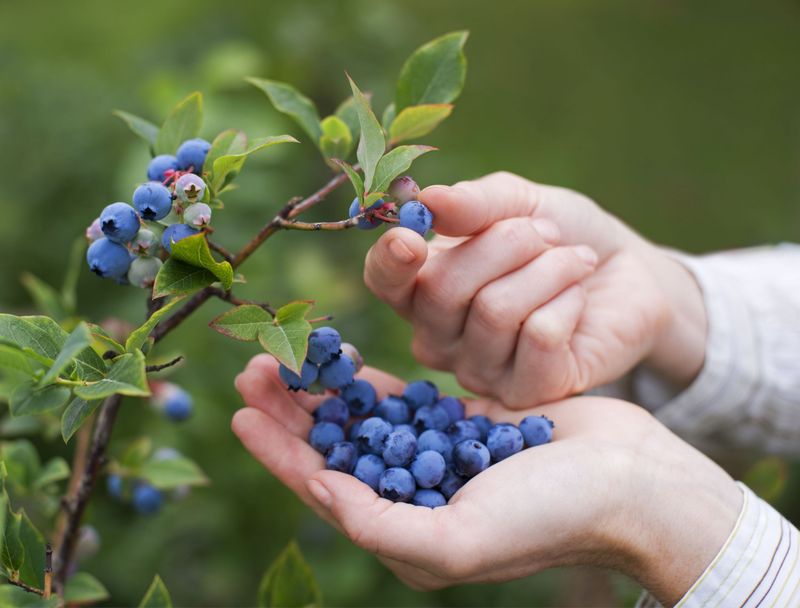
After a season or two of consistent, well-timed pruning, the difference in your blueberry bushes becomes genuinely visible. New basal shoots emerge more vigorously from the crown in spring, the canopy looks balanced and open, and the fruiting wood holds plump, well-developed berries rather than small or sparse clusters.
Gardeners who commit to annual pruning often notice that picking becomes faster and more satisfying simply because the fruit is easier to reach and better distributed across the plant.
Berry size and quality can improve noticeably when the bush is not wasting energy on dozens of unproductive old canes. The plant redirects resources into the canes that matter, and the results show up in the fruit.
Improved airflow through the open canopy also tends to reduce fungal issues over time, which means healthier foliage and fewer losses to disease pressure during Ohio’s humid summers.
Realistic expectations matter here. A single pruning session will not transform a neglected bush overnight, and results depend on soil health, proper fertilization, adequate moisture, and site conditions as much as pruning alone.
But gardeners who stick with a consistent annual pruning routine, using the timing, structure, and techniques described throughout this guide, build healthier, longer-lived blueberry plants that reward their effort reliably for many years ahead.