The Secret To Keeping Hydrangeas Blooming All Summer Long In Ohio
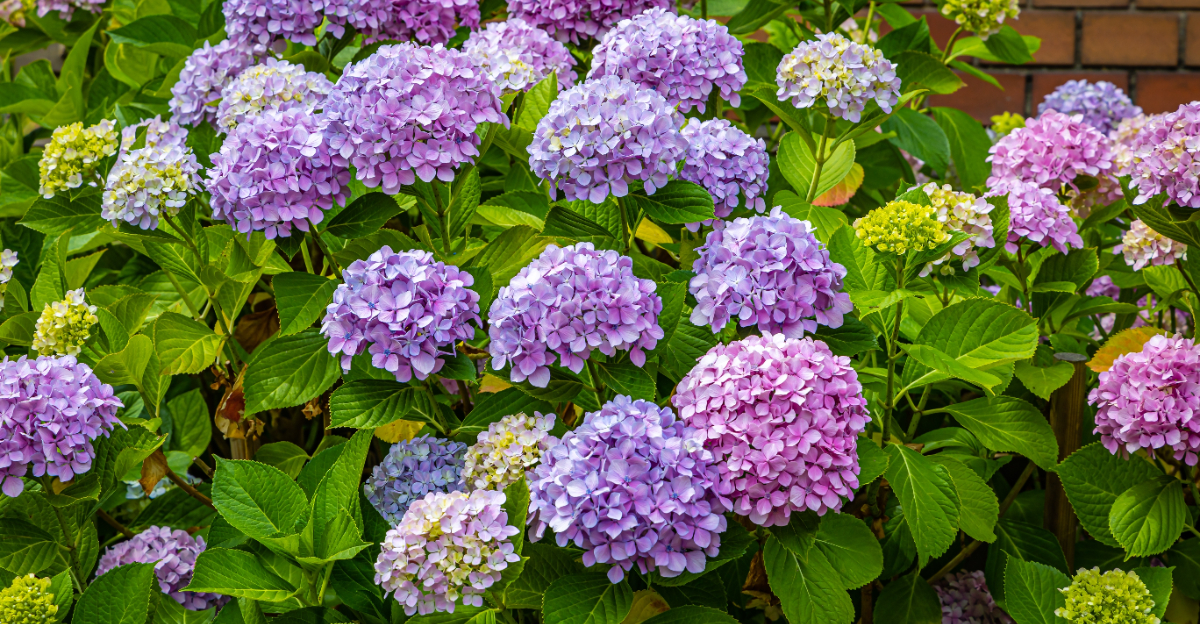
Hydrangeas are not difficult plants. That’s the part nobody says out loud.
They’re actually quite willing to bloom, quite capable of putting on a show from early summer deep into fall. Ohio’s climate isn’t the obstacle most gardeners assume it is either.
So why are so many hydrangeas giving two weeks of color and then shutting down for the season? The answer sits in a handful of small decisions that happen before the first bloom even opens.
Pruning timing, bloom wood, trimming, energy management. These aren’t complicated concepts, but they work together in a specific way that most gardening advice never quite connects for people.
Get that sequence right and the plant does the rest.
1. Know Which Hydrangea Type You Are Growing
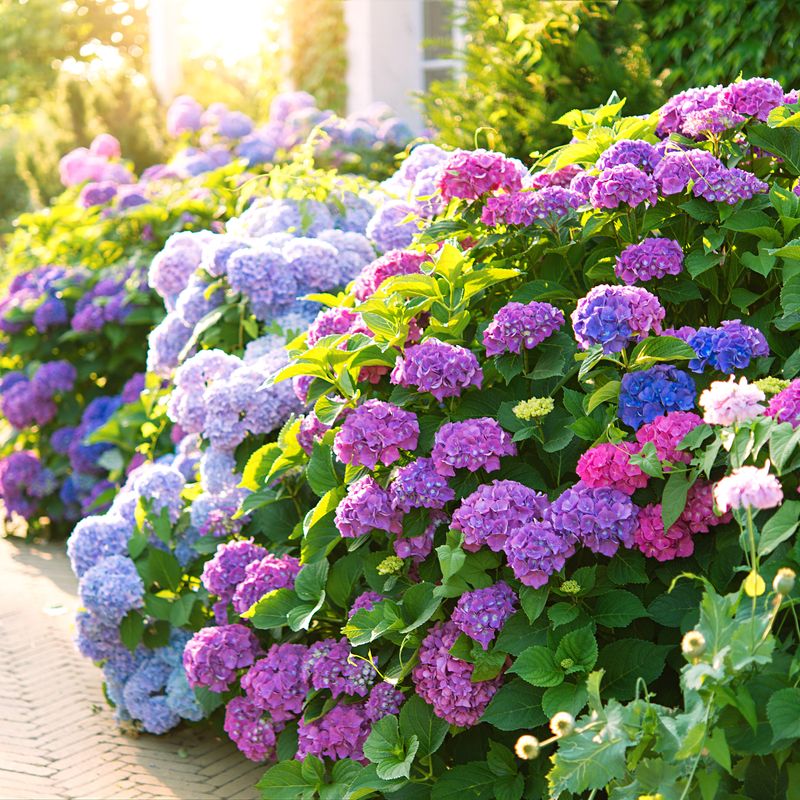
Before you prune, feed, or even water, the single most important thing you can do for your hydrangeas is figure out exactly which type you have. Bloom timing, pruning rules, and bud protection all depend on the species.
Guessing wrong is the fastest way to lose a whole season of flowers.
The most widely grown types in home landscapes are bigleaf hydrangea (Hydrangea macrophylla), smooth hydrangea (Hydrangea arborescens), and panicle hydrangea (Hydrangea paniculata).
Oakleaf hydrangea (Hydrangea quercifolia) and mountain hydrangea (Hydrangea serrata) also appear in many gardens.
Each one behaves differently. Bigleaf hydrangeas, including mopheads and lacecaps, typically bloom on old wood.
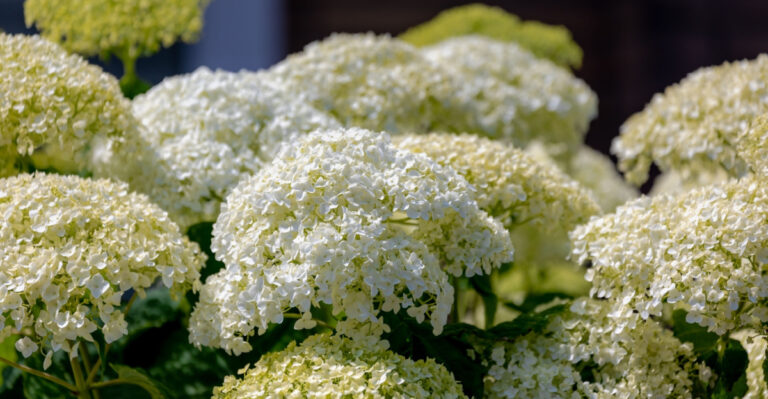
Smooth hydrangeas, like Annabelle, bloom reliably on new wood each year.
Panicle hydrangeas also bloom on new wood and tend to be the toughest performers in our growing season. Oakleaf and mountain types usually depend on old wood for their buds, similar to bigleaf varieties.
If you are not sure which type you have, check the flower shape, leaf texture, and stem color.
Taking a photo to your local extension office or nursery is a smart move. Many gardeners have accidentally pruned away an entire year of buds simply because they did not know their hydrangea type.
Identification is the foundation everything else is built on.
2. Choose Reblooming Varieties For The Longest Flower Show
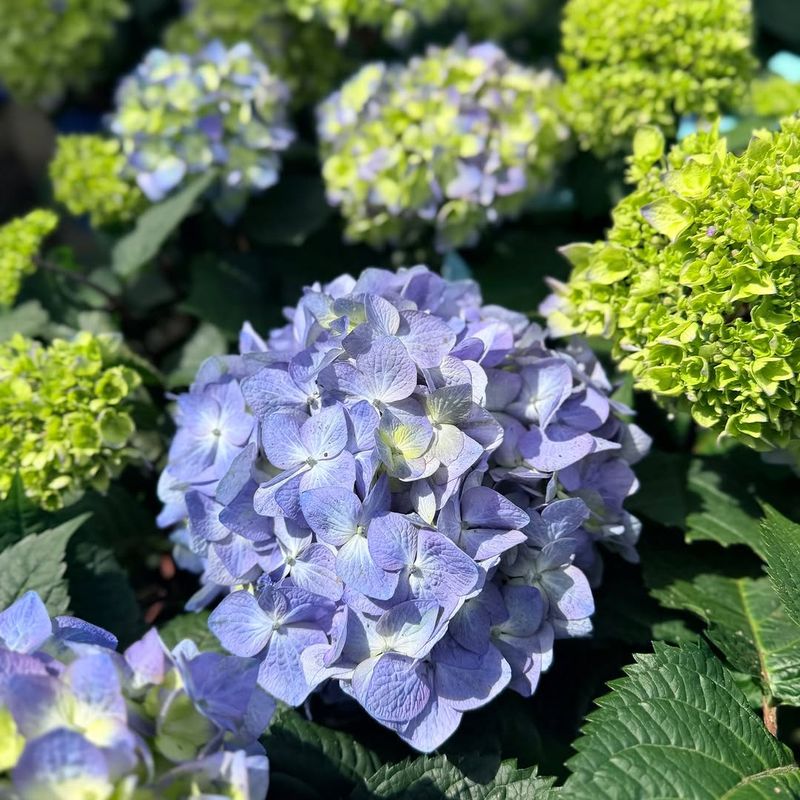
Some hydrangea varieties were bred specifically to give gardeners a longer window of color. For many people in this state, those reblooming types are a real game changer.
Varieties like Endless Summer, Bloomstruck, and Let’s Dance Rhythmic Blue can set buds on both old and new wood. That means even if a late cold snap wipes out the old-wood buds in spring, the plant can still push new buds and bloom later in summer.
This flexibility is especially helpful in frost-prone areas and northern parts of Ohio where surprise cold in April or May is not unusual. Reblooming varieties give the plant a second chance when old buds are lost.
That said, reblooming does not mean the shrub will be covered in flowers from June through September without any effort on your part.
These varieties still need the right light, consistent moisture, correct pruning, and healthy roots to perform well. Think of rebloomers as having better odds, not guaranteed results.
Your Ohio Garden Changes Every Week. Your Plan Should Too.
Gardening in Ohio changes quickly throughout the season. Every Friday you’ll receive a simple weekly plan showing exactly what to plant, prune, fertilize, harvest, and protect so you never miss the right timing.
Choosing a variety rated hardy to your zone is also important. A reblooming hydrangea that struggles through winter every year will spend more energy recovering than flowering.
Match the variety to your site and your zone for the best outcome.
3. Give Morning Sun And Afternoon Shade Where Needed
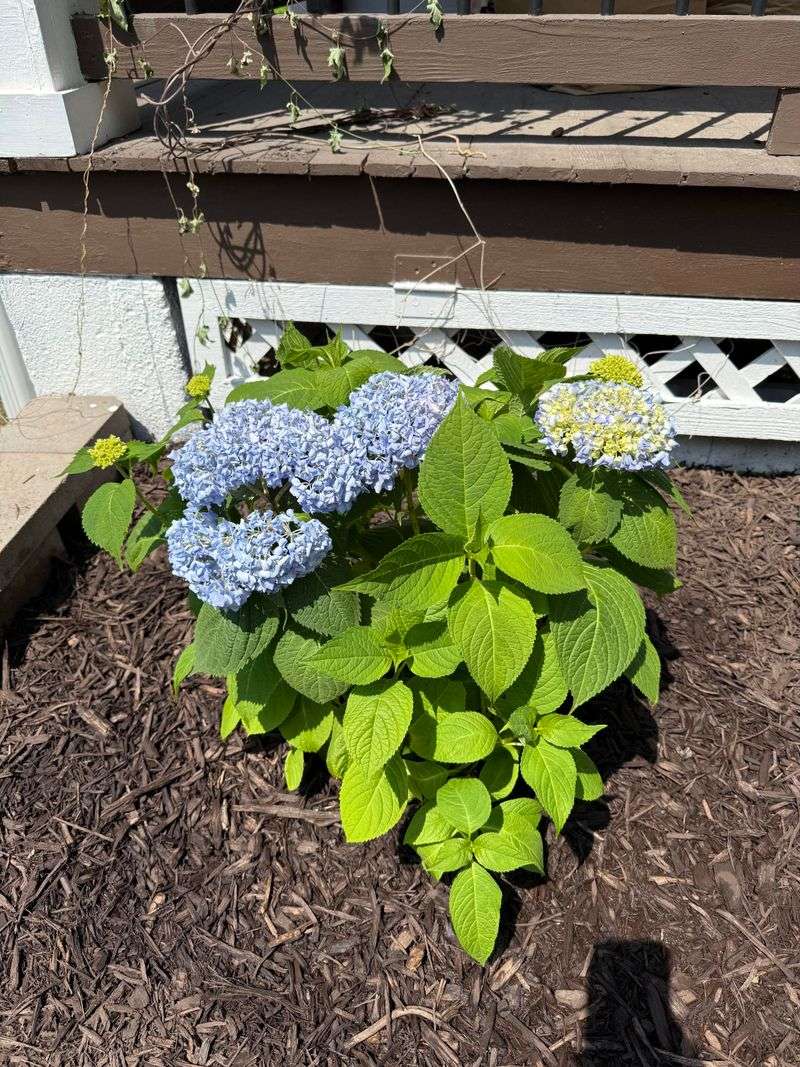
Light placement makes a bigger difference than most gardeners expect. Many hydrangeas, especially bigleaf types, perform best when they receive bright morning sun and some protection from the intense heat of the afternoon.
In the middle of summer, that west-facing afternoon sun can stress leaves and cause blooms to fade or droop faster than they should.
Planting bigleaf hydrangeas on the east side of a house, fence, or large tree is a classic strategy that works well in many parts of this state.
Morning light supports healthy growth and strong bud development without the heat stress that comes later in the day.
Afternoon shade does not mean full shade, though. Too little light overall will reduce flowering noticeably.
Panicle hydrangeas are the exception here. They can handle more direct sun than bigleaf types, as long as they have access to consistent soil moisture during hot stretches.
Smooth hydrangeas also tolerate more sun than bigleaf varieties in most situations. If your hydrangea is getting fewer flowers each year and the site has become shadier as nearby trees have grown, that reduced light could be the problem.
Adjusting placement or trimming overhead branches to let in more morning light can help bring the bloom count back up over time.
4. Keep Soil Moist Without Leaving Roots Soggy
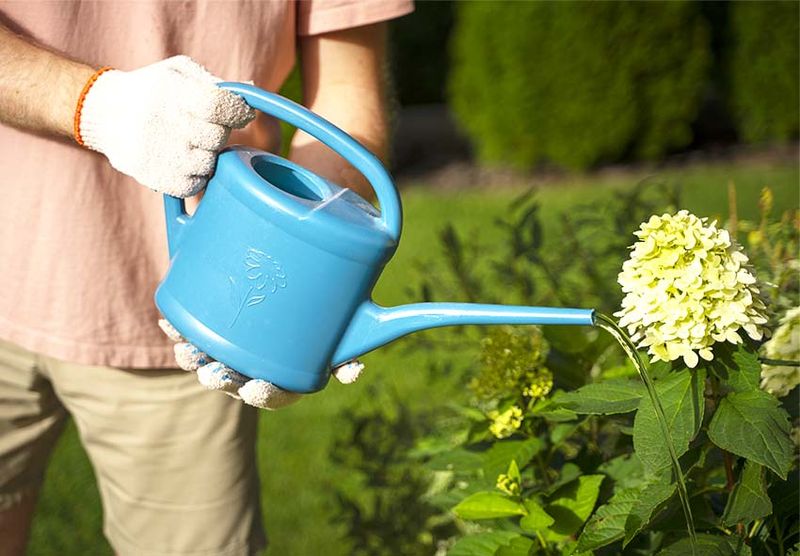
Hydrangeas have big leaves and large flower heads, which means they move a lot of water on warm days. Consistent soil moisture is one of the most important factors in keeping plants healthy and blooming through summer.
When moisture runs short during hot, dry spells, plants redirect energy away from flowers and toward basic survival.
Afternoon wilting on very hot days does not always mean the plant needs water right away. Soil that feels moist a few inches down is often still fine, and the plant may recover on its own once temperatures drop in the evening.
Before reaching for the hose, push a finger two to three inches into the soil near the root zone. If it feels dry, water deeply and slowly to encourage roots to reach down rather than stay shallow.
Soggy soil is just as harmful as dry soil. Roots sitting in standing water can develop rot, which weakens the plant and reduces blooming over time.
Raised beds, amended heavy clay soil, and well-draining planting sites all help prevent that problem. During extended dry stretches, deep watering two to three times per week is usually more effective than light daily watering.
Drip irrigation or a soaker hose at the base of the plant keeps water where the roots actually are.
5. Mulch Shallow Roots Before Summer Heat Builds
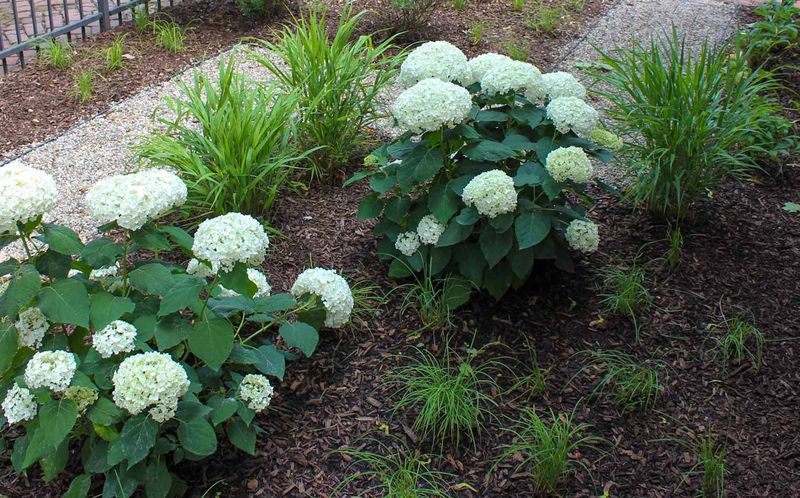
Hydrangeas have relatively shallow root systems, which makes them more sensitive to soil temperature swings and moisture loss than deeper-rooted shrubs.
A good layer of organic mulch around the root zone is one of the simplest and most effective things you can do to support consistent blooming through the warmer months.
Shredded bark, pine bark, composted leaves, or leaf mold all work well. Spread mulch two to three inches deep in a wide ring around the base of the plant, keeping it pulled back slightly from the crown and main stems.
Piling mulch directly against the stem can trap moisture and create conditions that weaken the plant over time.
Mulch does several helpful things at once. It holds soil moisture so the ground does not dry out as quickly between waterings.
It also keeps the root zone cooler during heat waves, which reduces stress on the plant. And as organic mulch breaks down slowly, it adds a small amount of nutrients back into the soil.
The best time to apply or refresh mulch is after the soil has warmed in late spring and after you have pulled any weeds from the bed.
Waiting until the soil is already warm helps avoid keeping roots too cool early in the season when the plant is pushing new growth.
6. Prune At The Right Time For Your Hydrangea Type
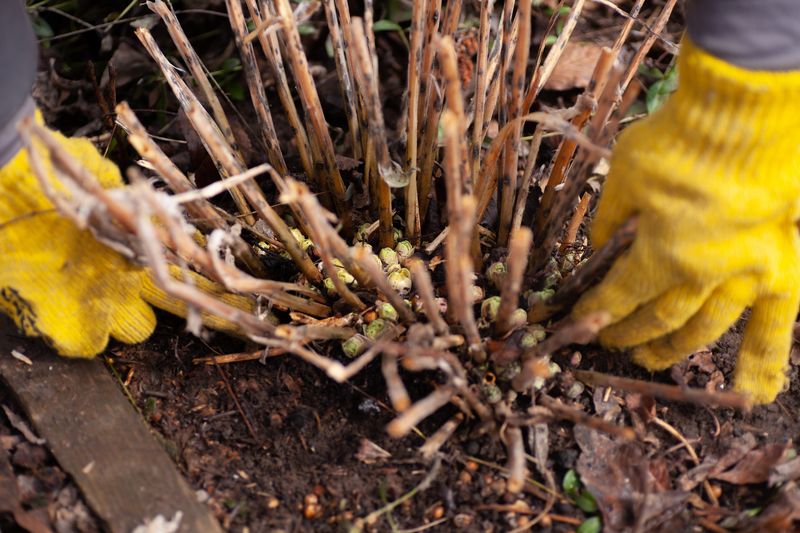
Pruning is the single most common reason hydrangeas fail to bloom, and the fix is almost always the same: match the pruning time to the hydrangea type. Old-wood bloomers set their flower buds on stems that grew the previous season.
If those stems get cut back in fall or early spring, the buds go with them and the plant skips flowering for that year.
Bigleaf, oakleaf, and mountain hydrangeas are old-wood bloomers in most cases. For these types, the safest pruning window is right after they finish flowering in summer.
Removing spent blooms and lightly shaping the plant at that point still leaves time for new stems to grow and set buds before cold weather arrives. Avoid cutting these types hard in fall or late winter.
Panicle and smooth hydrangeas bloom on new wood, which means they push buds on stems that grow in the current season. These types are far more forgiving and can be pruned back in late winter or early spring without losing the season’s flowers.
In fact, a light pruning on panicle hydrangeas in early spring often encourages stronger, more upright stems that support the large flower heads without flopping.
Knowing your type before picking up the pruners is the step that protects your bloom season every single year.
7. Feed Lightly Without Pushing Too Much Leaf Growth

Fertilizer can support healthy hydrangeas, but more is rarely better when it comes to flowering shrubs. Overfeeding, especially with high-nitrogen products, tends to push a flush of dark green leaves at the expense of flower buds.
If your hydrangea looks lush and full but produces very few blooms, excess nitrogen is worth considering as a possible cause.
A soil test is the most reliable way to know what your soil actually needs before adding anything. Your local extension office can help with testing, and the results take the guesswork out of fertilizing.
In general, a balanced slow-release fertilizer applied once in early spring, following label directions, is enough for most established hydrangeas growing in reasonably healthy soil.
Compost worked lightly into the soil around the plant each year can also improve soil structure. It provides a gentle, steady nutrient supply without the risk of pushing too much leaf growth.
Avoid heavy feeding in late summer, as pushing tender new growth late in the season can make stems more vulnerable when cold weather arrives. Fertilizer is a support tool, not a bloom guarantee.
A plant that is well-sited, properly pruned, and consistently watered will almost always outperform one that is heavily fed. This is especially true if the heavily fed plant is struggling with poor light or wrong pruning.
8. Protect Buds From Late Cold And Winter Damage
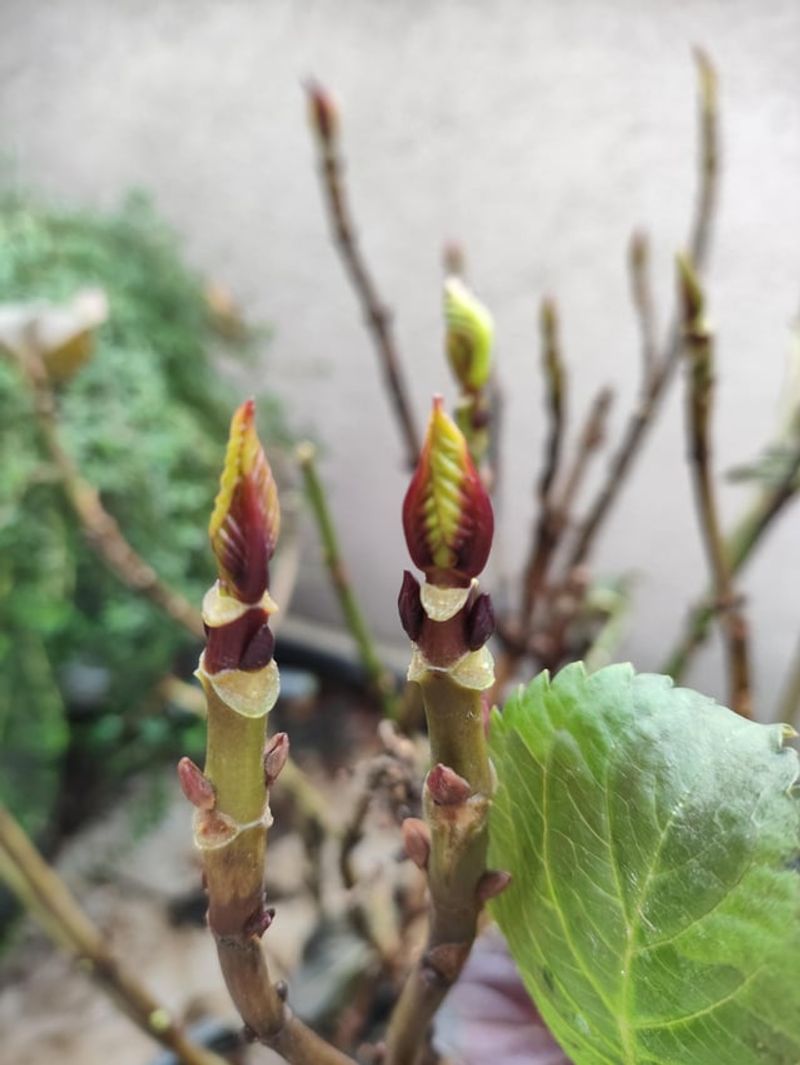
For old-wood bloomers like bigleaf and oakleaf hydrangeas, bud survival through winter and early spring is critical. It is the biggest obstacle to a reliable bloom season in many parts of this state.
Buds form on old stems in late summer and fall, then sit exposed through winter. A harsh cold stretch, a sudden temperature drop, or a late frost in April or May can damage or wipe out those buds before they ever open.
Ohio gardeners in northern regions and exposed or windy sites tend to see this problem more often than those in more sheltered southern areas. Choosing varieties rated hardy for your specific zone reduces risk.
Planting old-wood bloomers in a spot with some wind protection can also help buds survive cold stretches more reliably. Good options include areas near a fence, wall, or dense evergreen hedge.
Avoid cutting back old-wood hydrangeas heavily in fall, since removing stems also removes the stored buds.
If a surprise cold snap is forecast after buds have started to swell in spring, a temporary cover of burlap or a frost cloth overnight can offer some protection.
Do not leave covers on during warm daytime hours. Even with good protection, late cold is sometimes unavoidable.
That is another reason why reblooming varieties can be a smart choice for frost-prone gardens and exposed sites across this state.