Herbs Pennsylvania Gardeners Can Safely Plant Outdoors In April
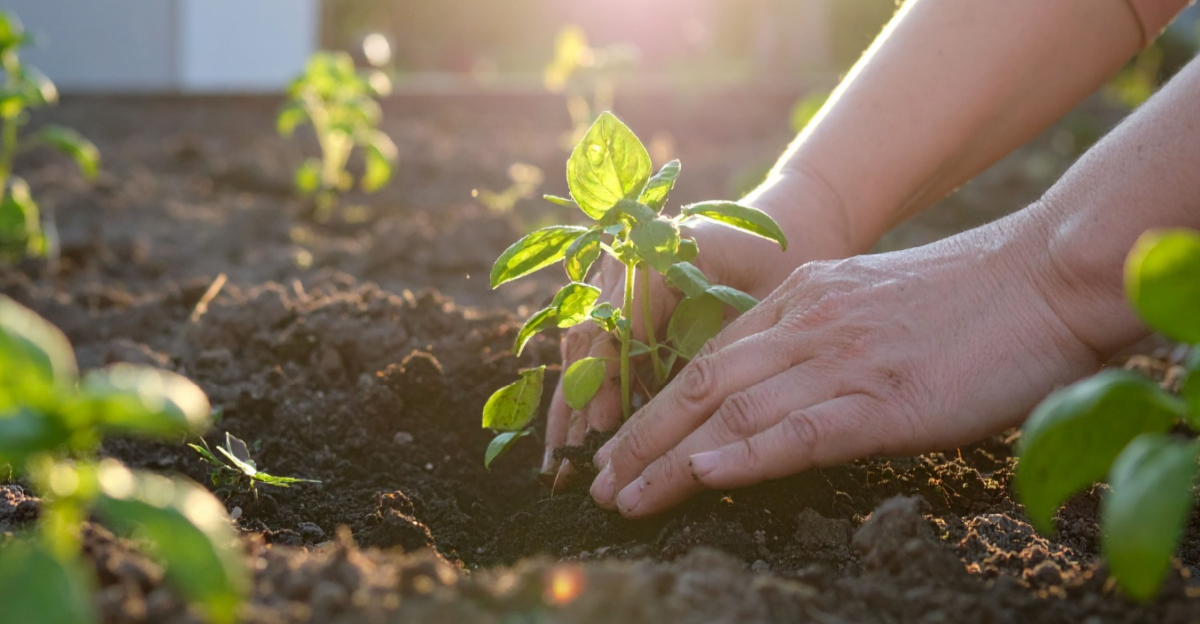
April gets Pennsylvania gardeners itching to plant just about everything, but spring does not always make it easy.
One stretch of mild weather can make the garden feel ready, then a chilly night or soggy soil changes the plan.
That is especially true with herbs. Some are happy to get started in cool April conditions, while others do much better once the air and soil warm a bit more.
Knowing the difference can save a lot of frustration early in the season.
For Pennsylvania gardeners hoping to grow fresh herbs at home, a smart April planting plan can make the whole garden feel easier, more productive, and a lot more enjoyable from the start.
1. Parsley Gets Off To A Strong Start In Cool Spring Weather
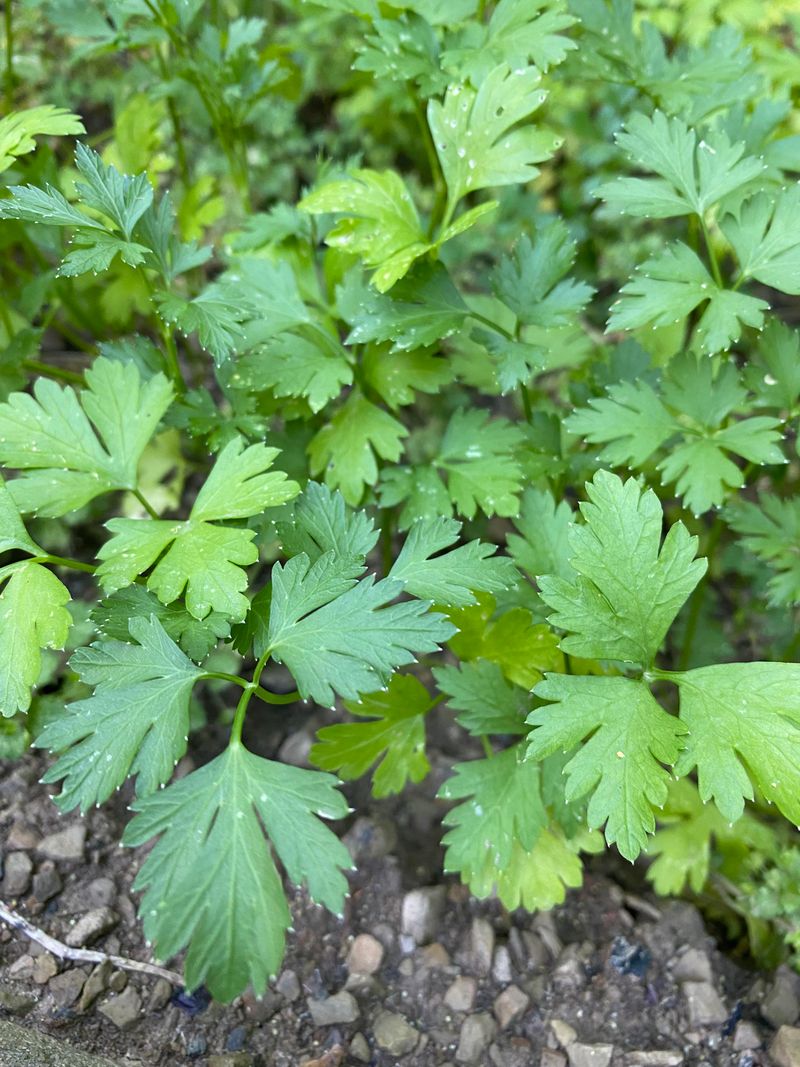
One of the most reliable herbs for early spring planting in Pennsylvania, parsley actually thrives when the soil is still on the cool side.
Unlike many herbs that sulk in chilly temperatures, parsley germinates and grows steadily when soil temps hover around 50 to 70 degrees Fahrenheit.
That makes April an ideal window, especially in southeastern Pennsylvania where the last frost often passes by mid-month.
You can start parsley from seed directly in the ground or use transplants for a quicker harvest. If you choose seeds, soak them overnight first since parsley is notoriously slow to sprout.
Transplants from a local nursery will establish faster and give you a head start on the season.
Plant parsley in a spot with full sun or partial shade, and make sure the soil drains well. Space plants about 6 to 8 inches apart.
In central and western Pennsylvania, where frost can linger into early May, keep a light row cover handy for overnight protection. Parsley is a biennial, so it will return the following spring, though flavor tends to be best in the first year.
2. Cilantro Loves Pennsylvania’s Cooler Early-Season Days
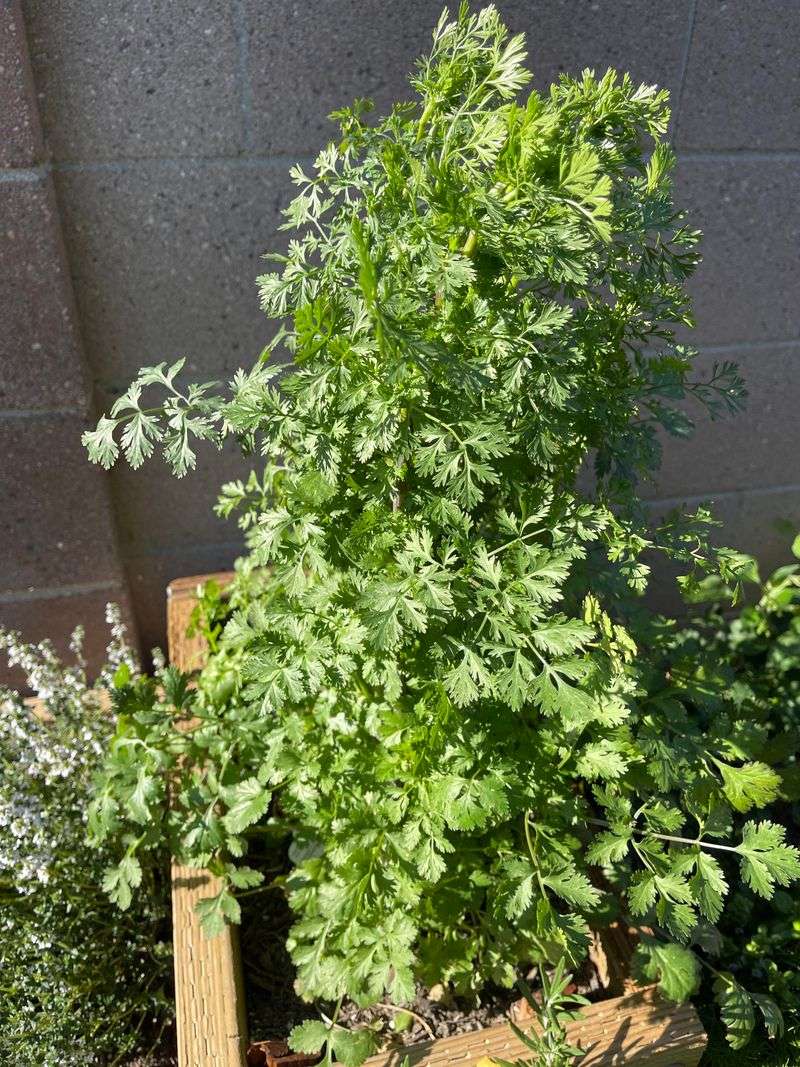
Cilantro has a reputation for bolting fast in heat, which is exactly why early April in Pennsylvania is such a sweet spot for this herb.
Cooler days and mild nights slow down the bolting process, giving you more time to enjoy those fragrant, lacy leaves before the plant rushes to seed.
In warmer parts of the state like the Philadelphia area, getting cilantro in the ground by early April is a smart move.
Direct seeding works best for cilantro since it does not transplant well due to its sensitive taproot. Scatter seeds about half an inch deep and thin seedlings to around 6 inches apart once they sprout.
A sunny spot with well-drained, moderately fertile soil suits cilantro well throughout the spring season.
Cilantro is an annual, so plan for successive plantings every few weeks to extend your harvest.
Once temperatures climb into the upper 70s consistently, the plant will bolt and shift its energy toward producing seeds, which you can actually harvest as coriander.
For central Pennsylvania gardeners, late April planting still works well before summer heat arrives in full force.
3. Chives Return Early And Keep Growing With Ease
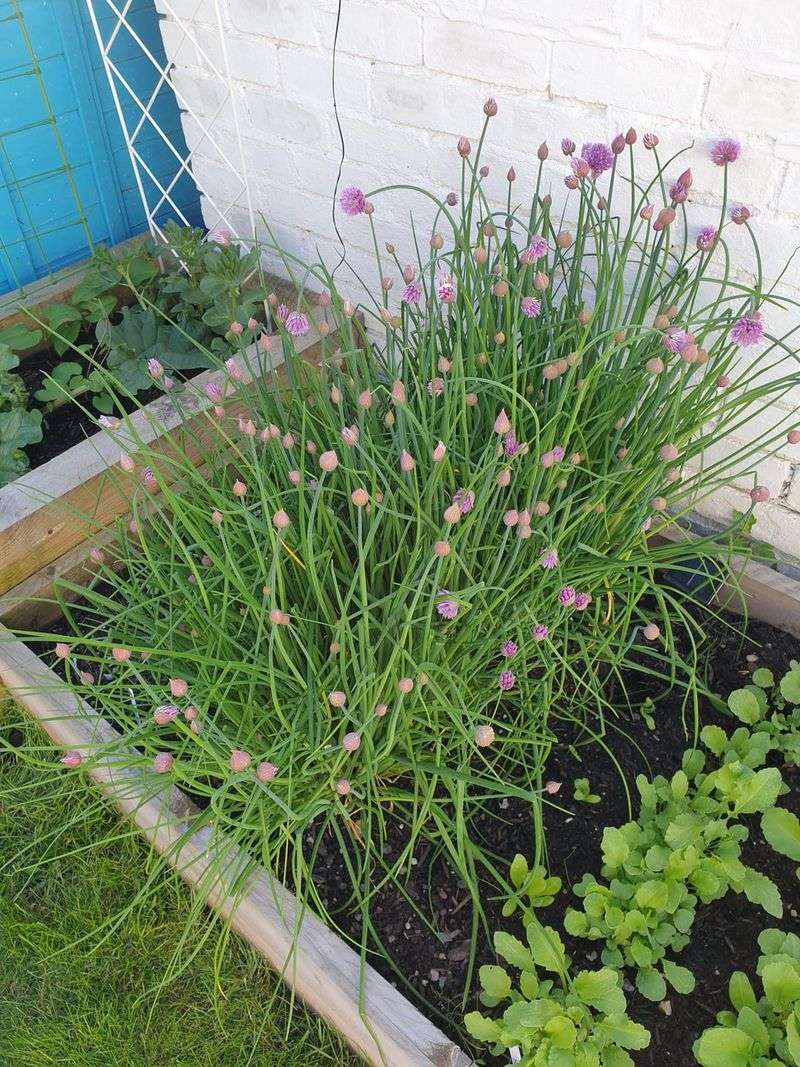
Few herbs announce the arrival of spring quite like chives pushing up through cool Pennsylvania soil. As a hardy perennial, chives often begin sprouting on their own in early April without any help from the gardener at all.
Your Pennsylvania Garden Changes Every Week. Your Plan Should Too.
Gardening in Pennsylvania changes quickly throughout the season. Every Friday you’ll receive a simple weekly plan showing exactly what to plant, prune, fertilize, harvest, and protect so you never miss the right timing.
If you already have an established clump, you may just need to clear away old debris and let nature do its thing.
For those starting fresh, chives can be grown from seed, but divisions from an existing plant are faster and more reliable. Plant divisions or transplants in a sunny spot with well-drained soil, spacing them about 6 inches apart.
Chives tolerate light frosts well, making them one of the safest herbs to put outdoors anywhere in Pennsylvania during early April without much worry.
Regular harvesting actually encourages chives to produce more growth, so snip the leaves frequently once they reach a few inches tall.
Let a few plants flower in late spring for a bonus of edible purple blooms.
Chives prefer consistent moisture but do not sit well in waterlogged conditions. They are low-maintenance, long-lived, and one of the most rewarding herbs a Pennsylvania gardener can keep in the ground year after year.
4. Thyme Brings Flavor To Sunny Pennsylvania Beds
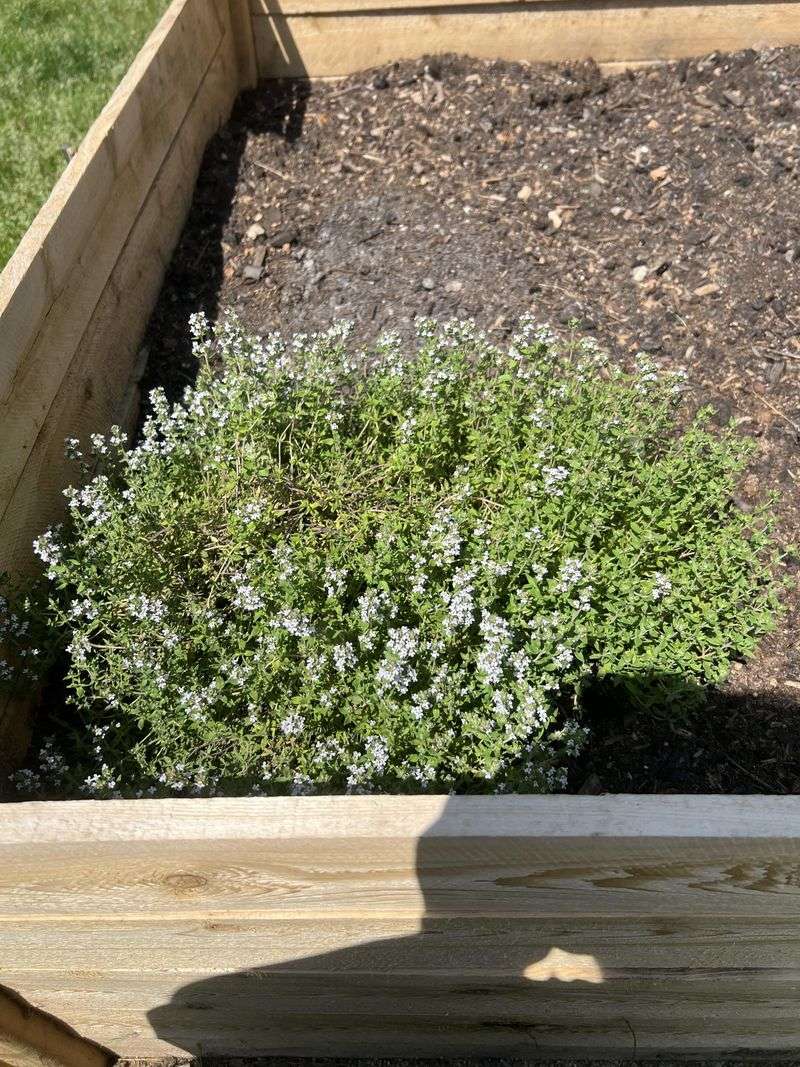
Thyme is the kind of herb that rewards gardeners who give it exactly what it wants: full sun, sharp drainage, and room to spread.
In Pennsylvania, April is a solid time to get thyme established outdoors, especially once the worst of the late frosts has passed in your zone.
Gardeners in southeastern Pennsylvania can usually plant thyme in early to mid-April, while those in central and western parts of the state may want to wait until the final week of the month.
Thyme grows well from transplants, cuttings, or divisions. Starting from seed is possible but slow, so most Pennsylvania gardeners prefer to buy young plants from a nursery and get them settled in before summer warmth arrives.
Space plants about 12 inches apart so air can circulate freely around the low, spreading stems.
This hardy perennial handles dry spells better than most herbs once it is established, but young plants appreciate consistent watering during their first few weeks outdoors.
Sandy or loamy soil with good drainage prevents root issues that can develop in heavier Pennsylvania clay.
Thyme stays relatively compact and looks attractive at the edge of a raised bed or along a stone garden path throughout the growing season.
5. Sage Settles In Well During Spring Planting Season
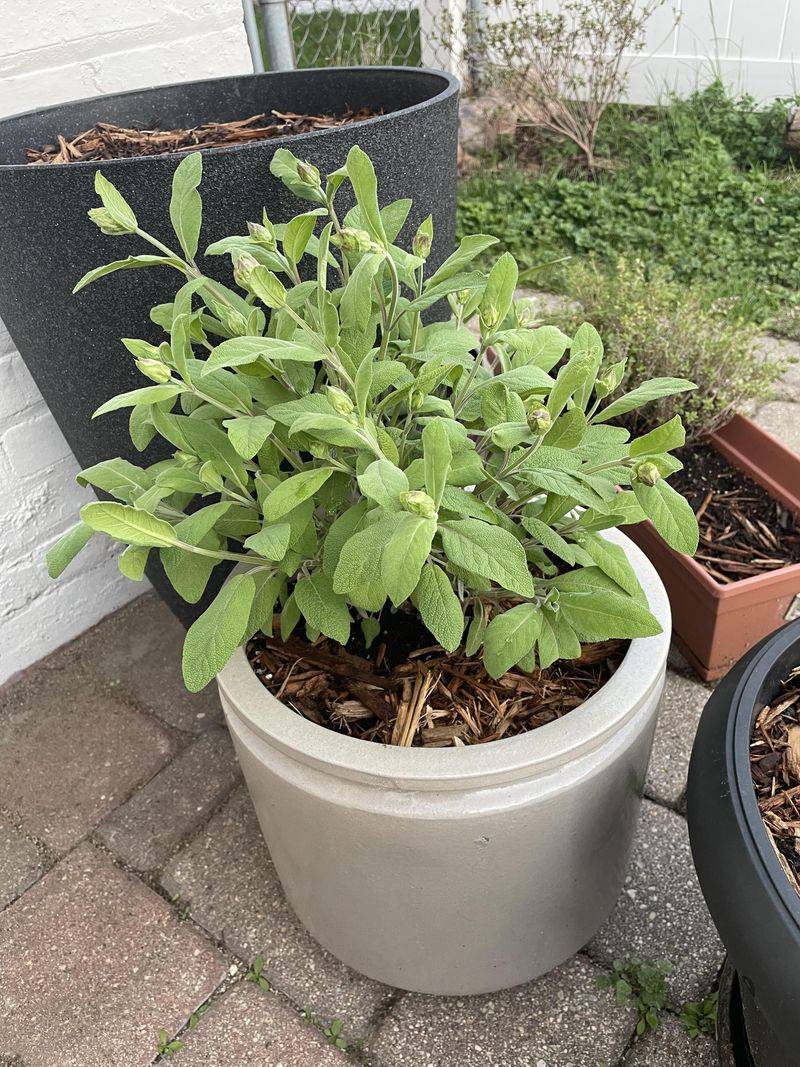
There is something satisfying about tucking a sage plant into a Pennsylvania garden bed in April and watching it quietly establish itself over the coming weeks.
Sage is a woody perennial that handles cool spring temperatures without much fuss, and April gives it enough time to develop a solid root system before summer heat arrives.
It is one of the more forgiving herbs for gardeners who are still learning what their soil and sun conditions can offer.
Transplants are the easiest way to get sage started outdoors in April. Seeds are an option but take considerably longer to reach a harvestable size.
Place sage in a spot that gets at least 6 hours of direct sunlight daily, and make sure the soil drains freely since this herb does not tolerate soggy roots.
Space sage plants about 18 to 24 inches apart to allow for their spreading, bushy growth habit. Once established, sage is fairly drought-tolerant and does not need heavy fertilizing.
Light harvesting in the first season helps the plant focus energy on root development rather than leaf production.
In Pennsylvania, sage typically overwinters well in zones 6 and above, making it a long-term addition to any herb garden.
6. Mint Grows Fast Once The Soil Starts Warming
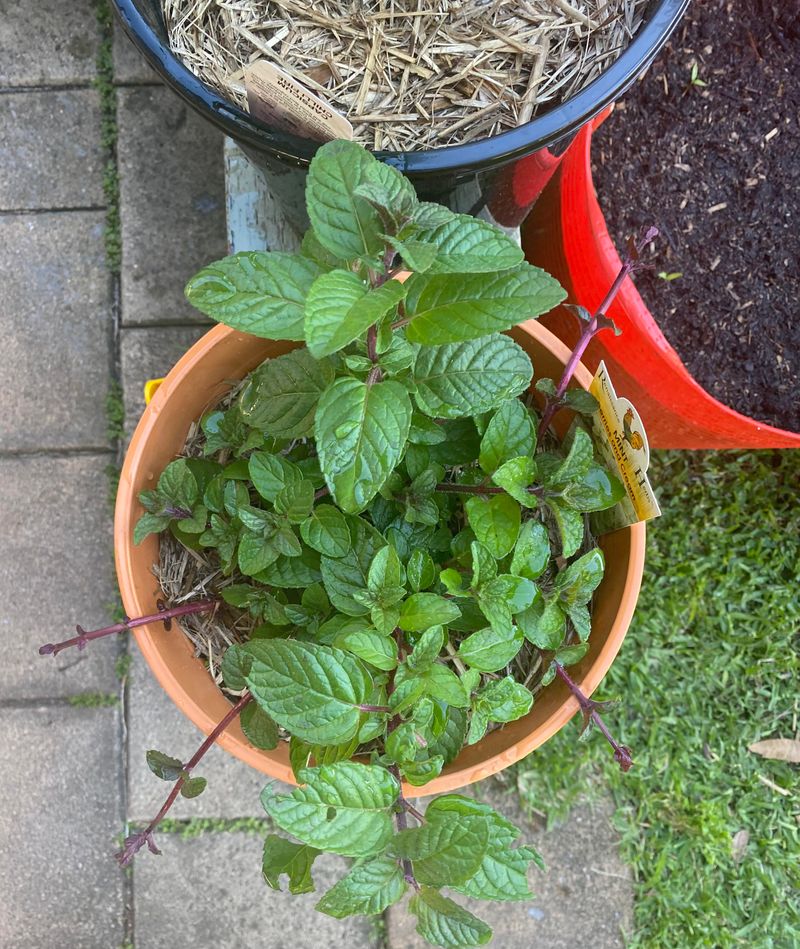
Ask any experienced Pennsylvania gardener about mint, and they will likely tell you two things: it grows enthusiastically, and it spreads even more enthusiastically.
By mid to late April, as soil temperatures begin to climb in Pennsylvania, mint hits its stride and can put on noticeable new growth almost week by week.
That energy is exactly what makes it so useful but also what makes containment a smart strategy from the start.
Planting mint in a container, or burying a pot in the ground to limit its spread, is a widely recommended approach for Pennsylvania herb gardens.
Mint spreads through underground runners that can quickly take over nearby plants if left unchecked.
Choose a spot with partial to full sun and moist, well-drained soil for the best growth.
Mint transplants are readily available at Pennsylvania nurseries in April and establish quickly once planted. Water regularly during dry spells since mint prefers consistent moisture more than most other herbs.
There are many varieties to explore, including spearmint, peppermint, and apple mint, each with a slightly different fragrance and flavor profile.
Harvesting frequently by pinching off stem tips encourages bushier, more productive growth throughout the spring and summer months.
7. Dill Fits Right In With Late-April Planting
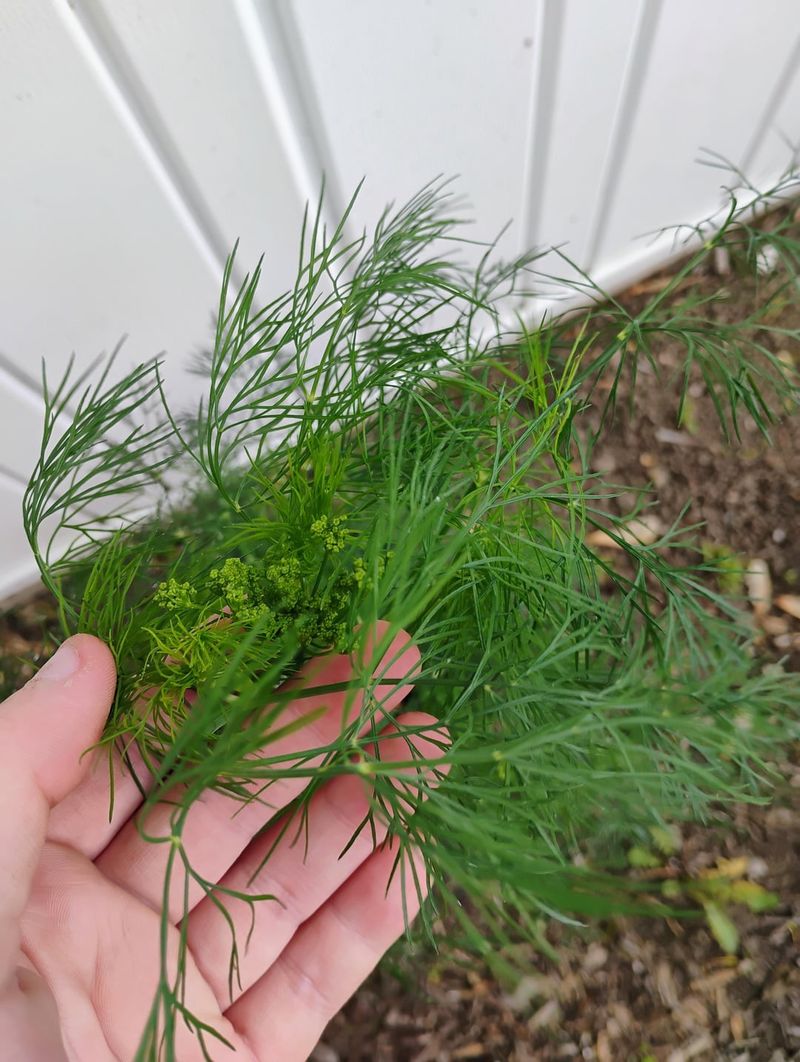
Dill is a cool-season annual that fits naturally into a Pennsylvania garden when planted in the latter half of April.
It prefers temperatures that are not too hot and not too cold, and late April in most parts of Pennsylvania hits that range reasonably well.
Sowing dill a bit too early in cold, wet soil can delay germination, so patience through early April often pays off.
Direct seeding is the preferred method for dill since, like cilantro, it does not transplant easily. Sow seeds about a quarter inch deep in a sunny spot with loose, well-drained soil.
Dill grows tall, sometimes reaching 3 to 4 feet, so placing it toward the back of a garden bed prevents it from shading shorter herbs nearby.
One of dill’s most useful qualities for Pennsylvania gardeners is its dual harvest potential.
The feathery leaves, often called dill weed, can be snipped throughout the season, while the seed heads that form later in summer are great for pickling.
Successive plantings spaced two to three weeks apart extend the harvest well into summer.
Watch for aphids on young plants, as dill can attract them, though it also draws beneficial insects that help balance the garden naturally.
8. Oregano Builds Flavor And Texture In The Herb Garden
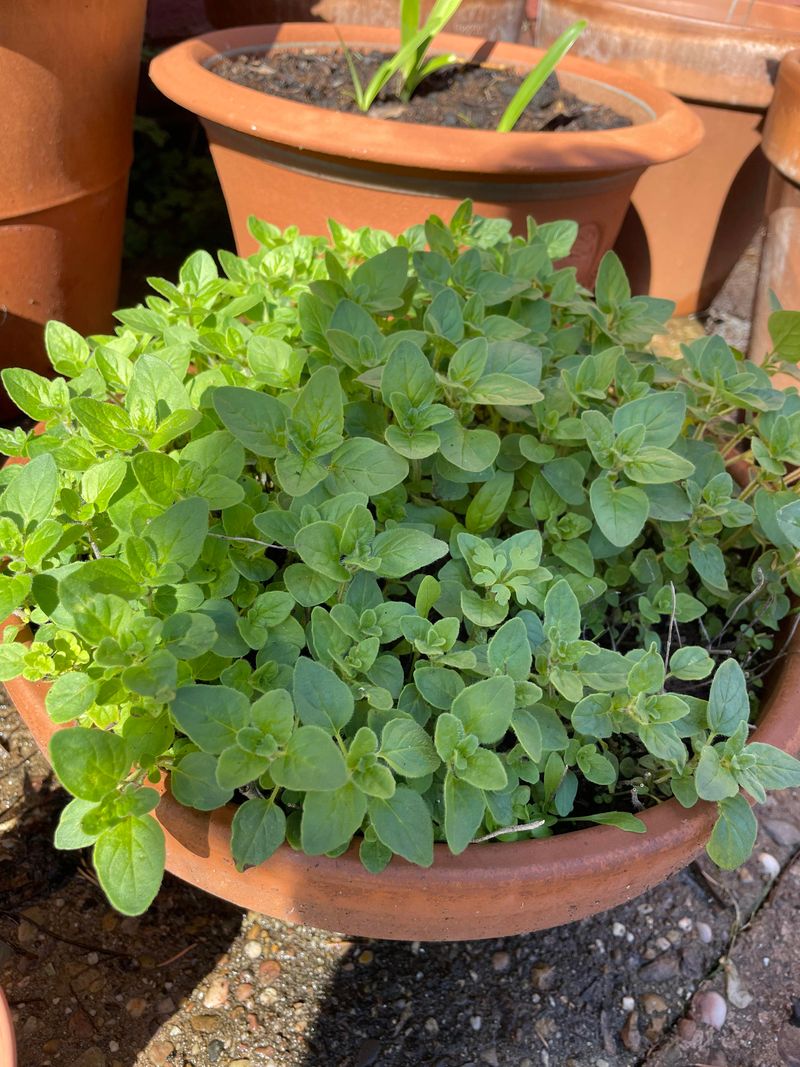
Oregano might be one of the most underrated herbs in a Pennsylvania spring garden. It comes back reliably year after year as a perennial, it tolerates dry spells once established, and its flavor actually intensifies as the season progresses.
Planting oregano outdoors in April gives it a long runway to settle in and develop the robust, aromatic leaves that make it such a staple in the kitchen.
Transplants are the most practical starting point for oregano in April. Seeds are an option but germinate slowly and produce plants with variable flavor quality.
Look for Greek oregano varieties at local nurseries since they tend to offer the strongest culinary flavor.
Plant in full sun with well-drained soil, spacing plants about 12 inches apart to allow for their spreading growth habit.
Oregano handles Pennsylvania’s spring weather well, including the occasional cool night that can linger through April.
Once established, it requires minimal attention beyond occasional watering during dry stretches.
Trim back stems regularly to prevent the plant from becoming too woody and to encourage fresh, tender new growth.
Oregano also works well in containers on a sunny patio, which makes it flexible for gardeners with limited outdoor bed space throughout the growing season.
9. Basil Waits For Warmer Days To Really Take Off
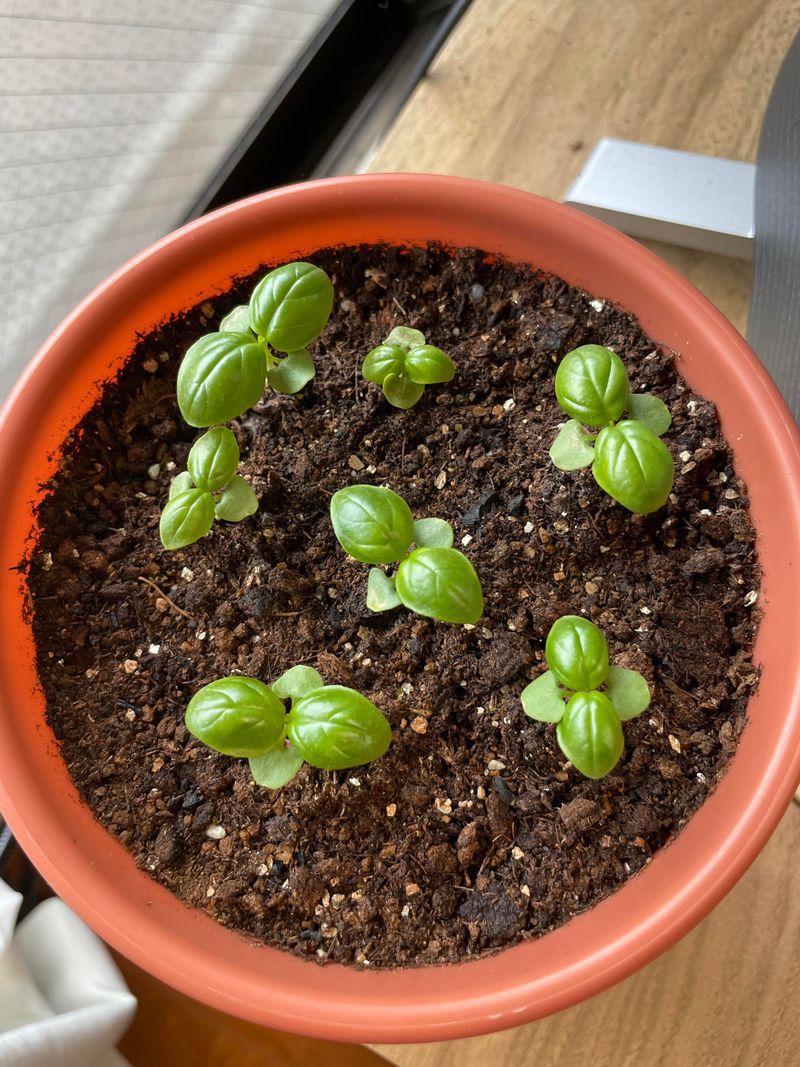
Basil is a bit of a diva among spring herbs, and Pennsylvania gardeners learn this quickly. It is highly sensitive to cold temperatures and will sulk, stall, or show dark spots on its leaves if exposed to prolonged chill.
That said, late April can work for basil in the warmer zones of southeastern Pennsylvania, especially if nighttime temperatures are consistently staying above 50 degrees Fahrenheit before you plant.
In central and western Pennsylvania, where frost risk extends further into May, late April planting is risky without frost protection.
A row cover or cloche kept nearby for unexpected cold snaps can make the difference between a thriving plant and a stressed one.
Transplants rather than direct seeds are the better choice for outdoor April planting since they give basil a head start.
Basil needs full sun, warm and well-drained soil, and good air circulation to do its best. Space plants about 12 inches apart and water at the base rather than overhead to reduce the chance of fungal issues.
Pinching off the top growth regularly keeps basil bushy and delays flowering.
For most Pennsylvania gardeners, treating basil as a warm-season annual and monitoring the forecast closely in April leads to the best results.
10. Rosemary Prefers A Mild Start Outdoors
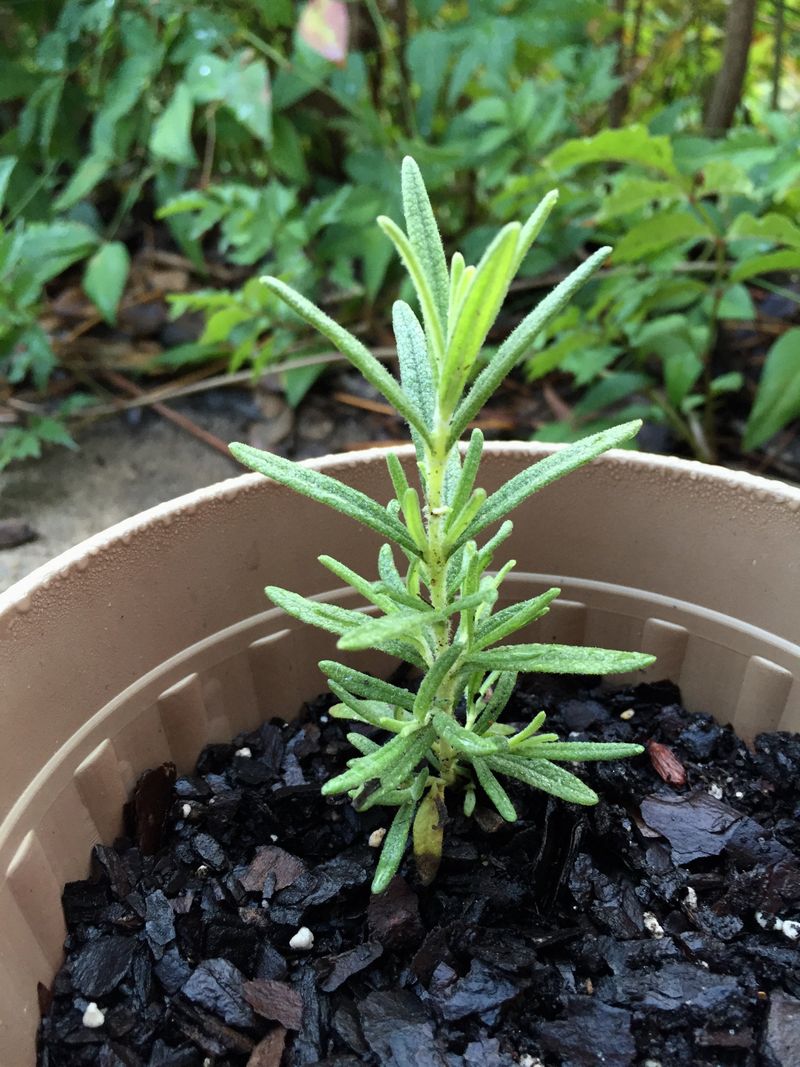
Rosemary occupies an interesting middle ground for Pennsylvania gardeners.
It is technically a perennial, but in much of Pennsylvania, especially zones 5b and 6a, it does not always survive harsh winters outdoors.
That reality shapes how most gardeners approach rosemary in April: getting it established early enough to enjoy all season, while keeping its long-term care plan flexible based on your specific location in the state.
April is a reasonable time to move rosemary outdoors in southeastern Pennsylvania, where milder conditions make outdoor overwintering more feasible.
In cooler parts of the state, treat rosemary as a container herb that spends the warmer months outside and returns indoors before hard frosts arrive in fall.
Either way, April planting gives the plant months of productive outdoor growth.
Rosemary demands excellent drainage above almost everything else. Heavy or consistently wet soil is one of the main reasons this herb struggles in Pennsylvania gardens.
Choose a raised bed or container filled with a gritty, well-draining mix, and place it in the sunniest spot available. Water moderately, allowing the soil to dry slightly between waterings.
Rosemary grows slowly at first but builds strong, fragrant stems over the season that are useful in the kitchen from early summer onward.
11. Lemon Balm Adds Fresh Growth With Very Little Fuss
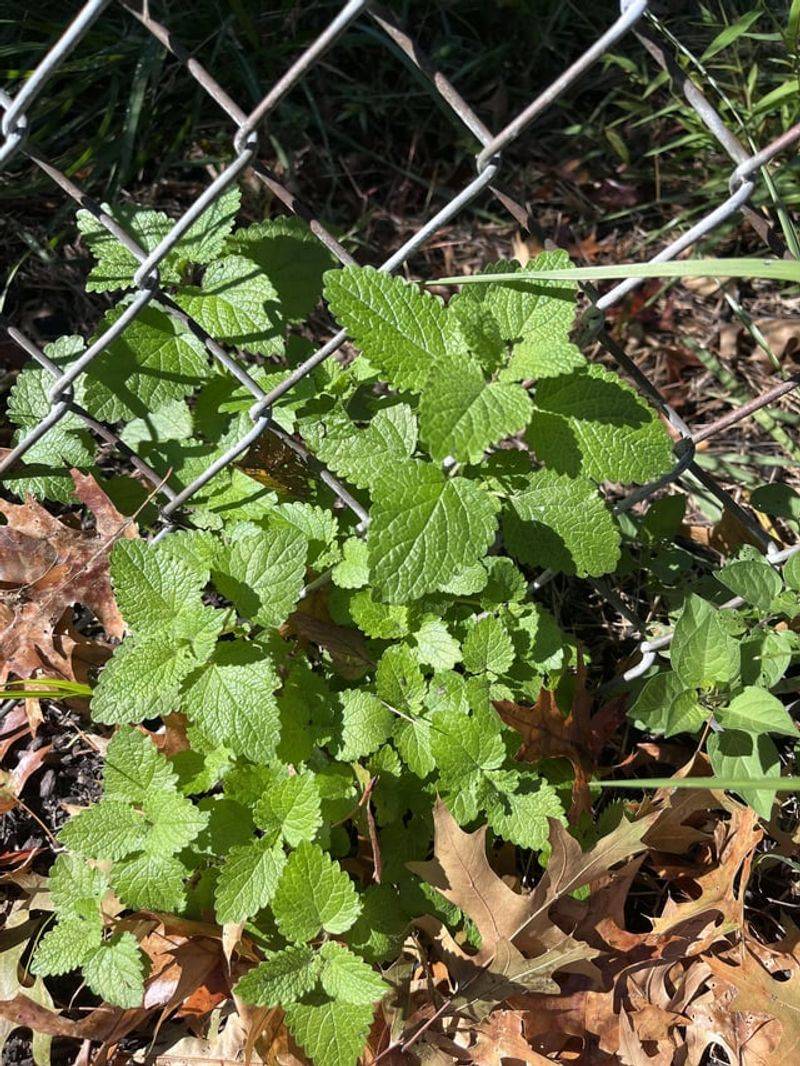
Lemon balm is one of those herbs that Pennsylvania gardeners often discover by accident and then wonder how they ever gardened without it. Related to mint, it shares some of that same enthusiastic growth energy once the soil starts warming in April.
The leaves carry a pleasant lemon scent that makes them popular for teas, culinary use, and even just brushing against as you walk through the garden.
As a perennial in most of Pennsylvania, lemon balm often returns on its own in spring from established roots.
For new plantings, transplants are easier to manage than seeds and establish quickly in April conditions.
Choose a spot with partial shade to full sun and soil that stays reasonably moist, though lemon balm adapts to a wider range of conditions than many herbs.
Like mint, lemon balm can spread aggressively through self-seeding if you allow it to flower freely.
Removing spent blooms or trimming the plant before it sets seed keeps it manageable in a mixed herb bed.
Container growing is another option for gardeners who want fresh lemon balm without worrying about spread.
Regular harvesting throughout spring and summer keeps the plant producing tender new leaves and maintains a compact, attractive shape in the garden.