9 Easy Pennsylvania Perennials That Come Back Without Effort
Some plants make gardening feel harder than it needs to be. They need extra feeding, constant dividing, careful watering, and just the right conditions to make it through the season looking decent.
Then there are the perennials that quietly do their job year after year without all the drama. In Pennsylvania, those are the plants many gardeners end up loving most.
When winters can be cold, summers can turn humid fast, and the weather never seems fully predictable, easy plants start to look very appealing.
That is part of the charm of dependable perennials. Once they are established, they return with far less fuss and still bring color, texture, and life back into the yard each season.
You do not have to hover over them or build your whole weekend around keeping them happy. They simply settle in and get on with it.
For anyone who wants a garden that looks good without becoming a second job, these kinds of perennials make a lot of sense. They take some of the pressure out of planting and give you more to enjoy with less to manage.
1. Black-Eyed Susan (Rudbeckia Hirta)
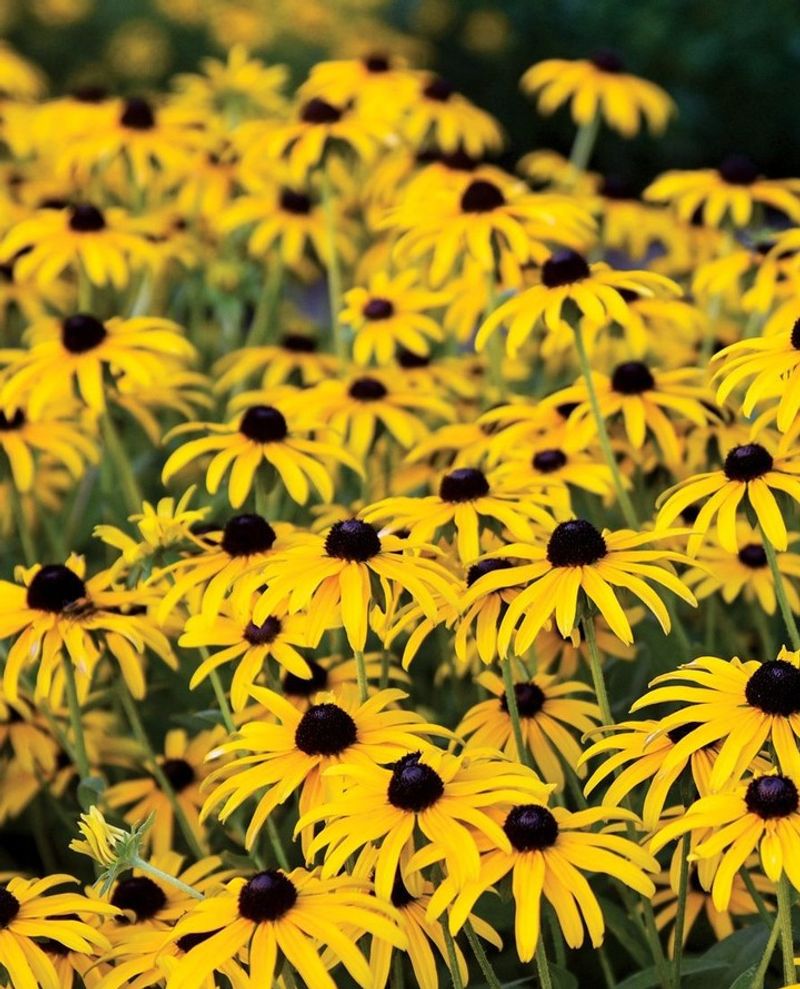
Few flowers say “summer” quite like the Black-Eyed Susan. With its bold yellow petals and deep brown center, this native wildflower lights up Pennsylvania gardens from June all the way through September.
It is one of those plants that just refuses to quit. Black-Eyed Susans are incredibly tough. They grow well in poor soil, handle drought without fuss, and thrive in full sun.
You do not need to fertilize them often or water them every day. Once they settle in, they take care of themselves.
They also self-seed, meaning they drop their own seeds and come back stronger the following year.
Pollinators absolutely love this plant. Bees and butterflies flock to the blooms all summer long, making your yard feel alive and buzzing with activity.
Birds also enjoy snacking on the seed heads in fall, so there is no reason to cut them back right away.
Planting Black-Eyed Susans is simple. Just find a sunny spot with decent drainage and put them in the ground.
They are native to Pennsylvania, so they are already built for the local climate. Expect them to spread gradually each year and fill in empty garden spaces beautifully.
2. Purple Coneflower (Echinacea Purpurea)
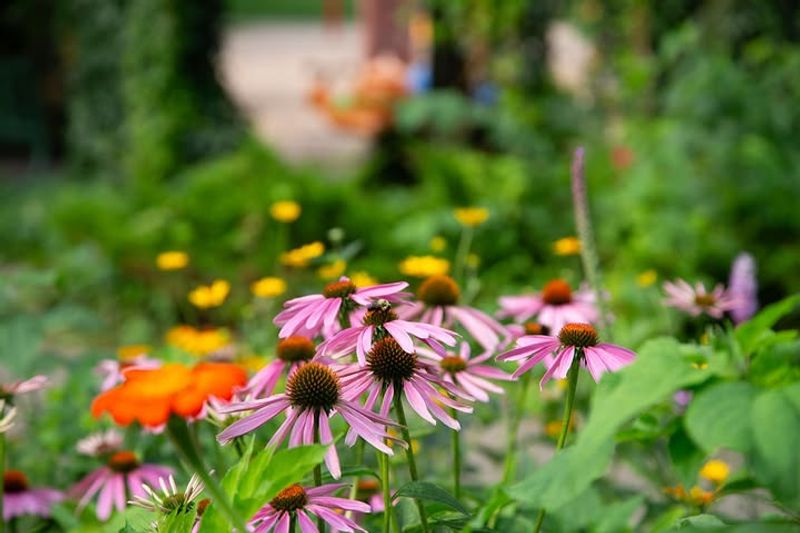
Ask any experienced Pennsylvania gardener which perennial they recommend first, and Purple Coneflower will almost always make the list.
It is a native plant with a long track record of thriving in the state’s varied weather, from hot humid summers to cold snowy winters.
The blooms are stunning. Each flower has rosy-purple petals that droop slightly around a spiky, cone-shaped center.
They bloom from midsummer into early fall, giving you weeks of color when many other flowers are already fading. Butterflies, bees, and even goldfinches are drawn to them constantly.
Purple Coneflower is drought-tolerant once it gets established, usually after the first season. It handles both heat and cold well, which is exactly what you need in Pennsylvania. It does not need rich soil or frequent feeding. Average garden soil works just fine.
Your Pennsylvania Garden Changes Every Week. Your Plan Should Too.
Gardening in Pennsylvania changes quickly throughout the season. Every Friday you’ll receive a simple weekly plan showing exactly what to plant, prune, fertilize, harvest, and protect so you never miss the right timing.
One of the best things about Echinacea is how long-lived it is. A single plant can thrive for many years with almost no help from you.
Leave the seed heads standing through winter, and birds will thank you for the meal. Fun fact: Echinacea has been used for centuries in herbal medicine to support immune health, making it both beautiful and historically fascinating.
3. Daylily (Hemerocallis Spp.)
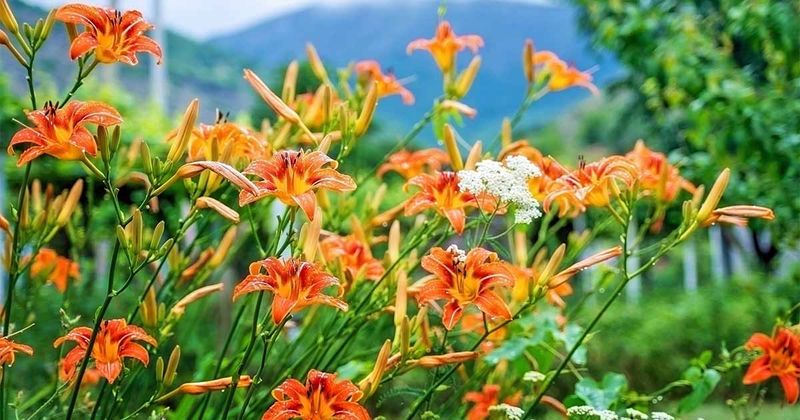
Daylilies have earned their reputation as one of the most forgiving plants you can put in the ground. They are not native to Pennsylvania, but you would never know it by how comfortably they grow here.
These plants adapt to almost any soil type, from sandy to clay-heavy, and they bounce back every spring without fail.
Each individual flower lasts only one day, which is actually where the name comes from. But do not let that fool you.
Each plant produces dozens of buds on tall stems, so you get weeks of continuous blooming throughout early to midsummer. Colors range from pale yellow and orange to deep red and almost purple.
Maintenance is about as low as it gets. Daylilies do not need much fertilizer, rarely get serious pest problems, and spread slowly on their own to fill in garden beds.
Dividing them every few years keeps them blooming at their best and gives you extra plants to share with neighbors.
Pennsylvania gardeners love daylilies because they work in almost any spot, sunny borders, hillsides, or even roadsides.
They are tough enough to handle summer heat and cold winters without any protection. Plant them once and enjoy them for decades with very little effort required on your part.
4. Bee Balm (Monarda Didyma)
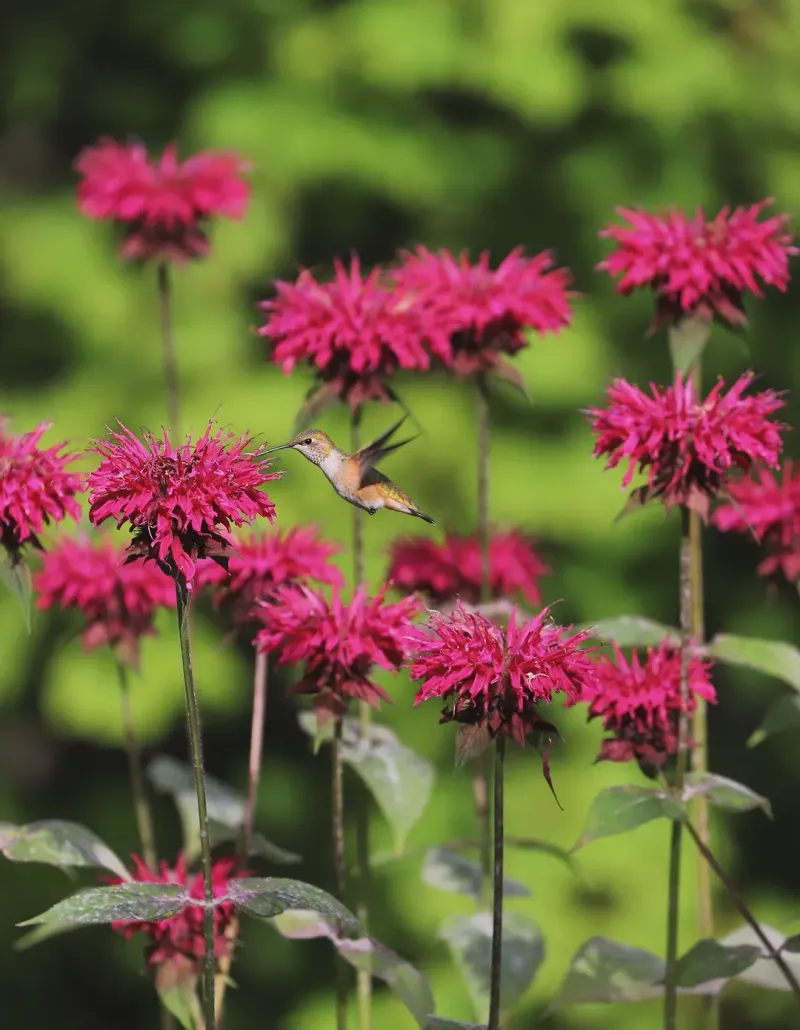
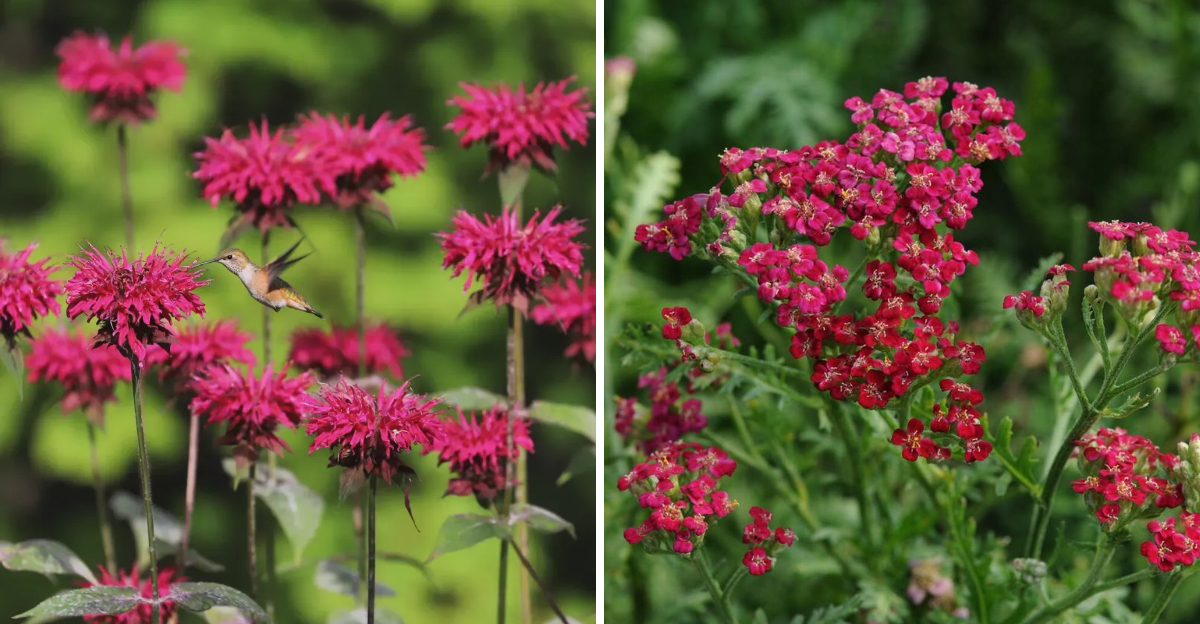
If your goal is to turn your Pennsylvania yard into a pollinator paradise, Bee Balm is your go-to plant. It produces wild, shaggy blooms in shades of red, pink, and purple that hummingbirds, butterflies, and bees simply cannot resist.
The show it puts on from midsummer into early fall is hard to beat. Bee Balm is a native plant that loves Pennsylvania’s humid summers. It grows best in moist, well-drained soil and does well in both full sun and partial shade.
Once established, it spreads naturally through underground roots, slowly filling in larger areas of your garden without any help from you.
The leaves have a pleasant minty fragrance when crushed, which is a bonus when you brush past the plant on a warm afternoon. That same scent also helps deter deer, which is great news for Pennsylvania gardeners who deal with frequent deer visits.
One tip worth knowing: Bee Balm can sometimes get powdery mildew on its leaves in very humid conditions. Planting it where air circulates well helps prevent this.
Choosing mildew-resistant varieties like ‘Jacob Cline’ or ‘Raspberry Wine’ is also a smart move. Overall, it comes back reliably every year and rewards minimal effort with maximum color and wildlife activity.
5. Sedum (Stonecrop)
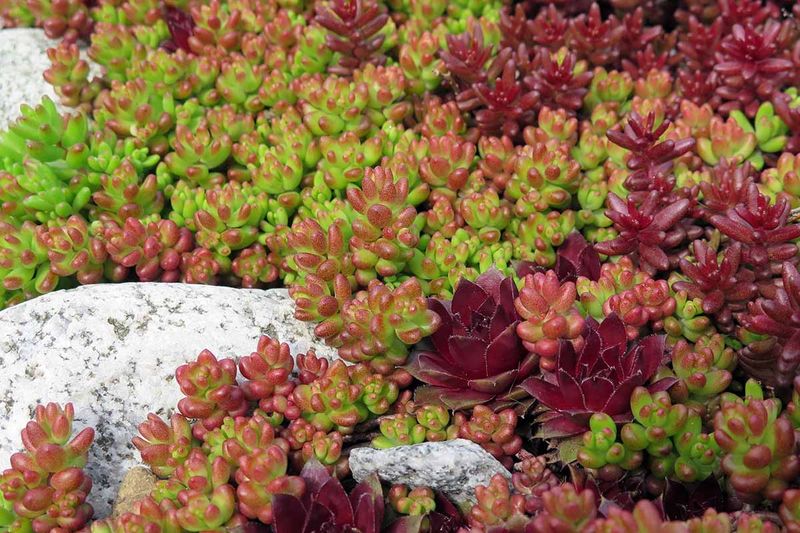
Stonecrop is the plant for gardeners who sometimes forget to water. Sedum stores water right inside its thick, fleshy leaves, which means it can handle dry spells that would stress out most other plants.
For sunny, dry spots in Pennsylvania yards where nothing else seems to want to grow, this is the answer.
There are many varieties to choose from. Low-growing types like ‘Dragon’s Blood’ work beautifully as ground cover, creeping along rocks and slopes.
Taller varieties like ‘Autumn Joy’ grow upright and produce large, flat flower heads that start out pink in late summer and slowly deepen to a rich rusty red by fall.
Sedum thrives in poor soil and actually prefers it. Adding too much compost or fertilizer can make the stems flop over.
Less is truly more with this plant. It needs very little water once established and almost no maintenance beyond cutting it back in early spring.
Pennsylvania winters are no problem for Sedum. It is cold-hardy and comes back reliably every spring.
The dried flower heads also add structure and interest to the winter garden, and birds like goldfinches enjoy picking seeds from them. Planting Sedum in a rocky or sandy area gives you a plant that thrives exactly where other plants struggle.
6. Coreopsis (Coreopsis Lanceolata)
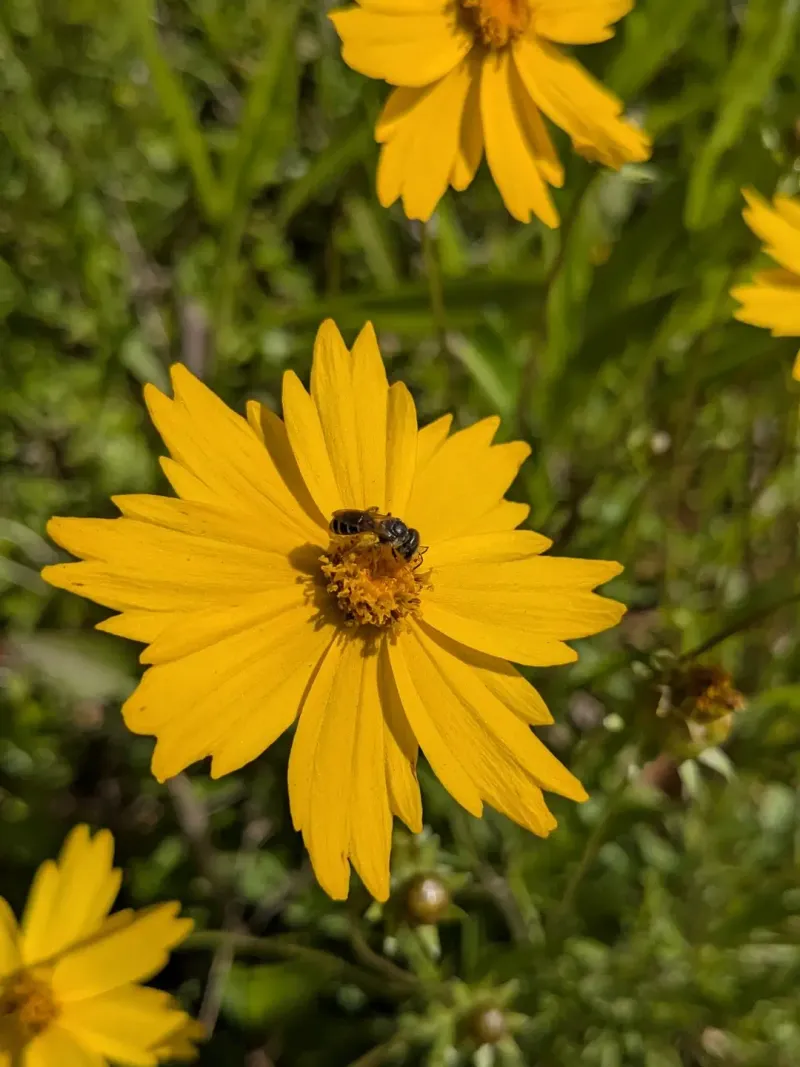
Sunny, cheerful, and almost impossibly easy to grow, Coreopsis is a perennial that earns its place in any Pennsylvania garden.
Also called tickseed, it produces bright yellow daisy-like flowers from late spring all the way through summer. Few plants bloom for as long or as consistently without needing constant attention.
Coreopsis is a native plant that has adapted perfectly to the conditions found across Pennsylvania. It handles heat, drought, and poor soil without skipping a beat.
You do not need to fertilize it heavily. In fact, too much nitrogen can push the plant to grow more leaves than flowers, so go easy on the plant food.
Deadheading, which means removing spent blooms, encourages even more flowers to form. But even if you skip that step, the plant keeps blooming on its own.
It also self-seeds gently, so you may find small new plants popping up nearby each year, slowly expanding your patch of gold.
Butterflies are huge fans of Coreopsis, and it pairs beautifully with other native perennials like Black-Eyed Susan and Purple Coneflower in a wildflower-style garden bed.
For Pennsylvania gardeners looking to create a low-maintenance, pollinator-friendly landscape, Coreopsis is one of the smartest and most rewarding choices you can make.
7. Hosta (Hosta Spp.)
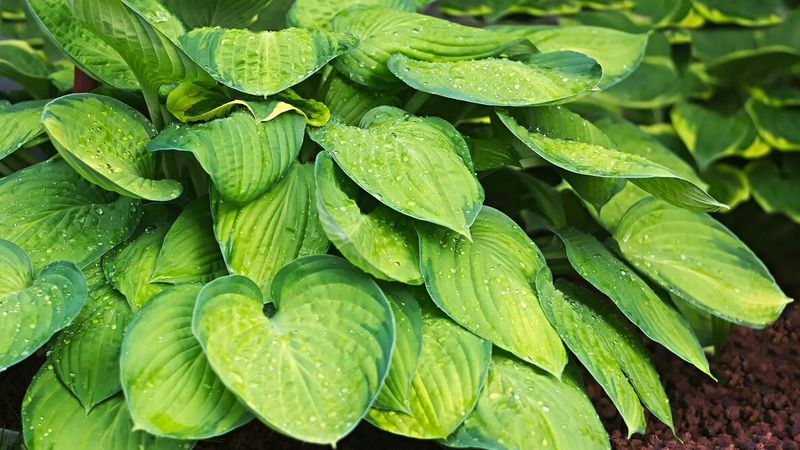
Shady spots in Pennsylvania yards can be tricky. Most flowering plants need full sun, so what do you do with that dark corner under the maple tree?
Plant a Hosta. These leafy perennials were practically made for shade gardens, and they come back bigger and more impressive every single spring.
Hostas are all about the foliage. Their large, bold leaves come in an amazing range of colors, from deep green and blue-green to golden yellow and bright white-edged varieties.
Some leaves are smooth and glossy, while others are deeply textured and almost crinkled. The variety available is genuinely impressive, and there is a Hosta for every size garden.
Growing Hostas in Pennsylvania is straightforward. They prefer moist, well-drained soil and do best with some shade, especially in the afternoon.
They are cold-hardy and handle the state’s winters without any extra protection. In spring, the tightly rolled shoots push up through the soil like little green fists, which is one of the most satisfying sights in the garden.
Slugs can occasionally bother Hosta leaves, especially in wet years. Placing crushed eggshells around the base of the plant is a simple, chemical-free way to discourage them.
Overall, Hostas are reliable, long-lived, and nearly effortless once they are settled into a good shady spot.
8. Yarrow (Achillea Millefolium)
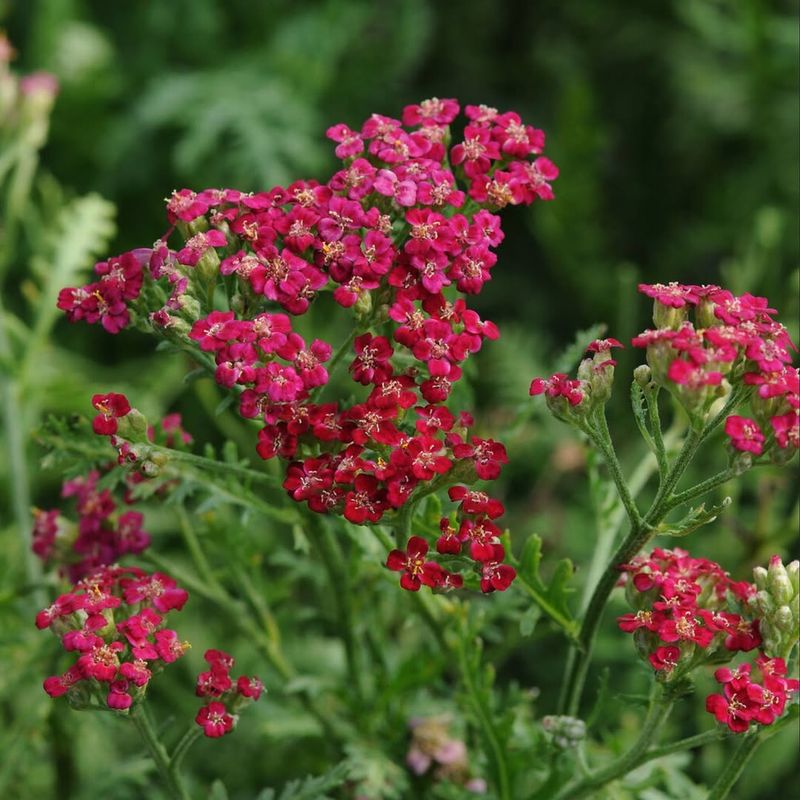
Yarrow has been growing wild across Pennsylvania’s fields and roadsides for centuries, which tells you everything you need to know about how tough this plant really is.
Its feathery, fern-like leaves and flat-topped flower clusters in white, yellow, pink, or red make it both practical and pretty in the garden.
What makes Yarrow stand out is its incredible ability to thrive in tough conditions. It handles drought, poor soil, and full sun without complaint.
If anything, giving it too much water or rich soil causes it to flop over and spread aggressively. Lean, dry conditions actually bring out its best performance.
Yarrow blooms from early summer through fall, and cutting back spent flower heads encourages a second round of blooms.
It spreads through underground runners, so you may need to divide it every few years to keep it from taking over. Those extra divisions are easy to transplant to new areas or share with friends.
Butterflies and beneficial insects are strongly attracted to Yarrow’s flower clusters, making it a great addition to a pollinator garden. It also works well as a cut flower and holds up nicely when dried.
Pennsylvania gardeners who want a worry-free, wildlife-friendly plant with old-fashioned charm will find Yarrow to be a perfect fit.
9. Wild Columbine (Aquilegia Canadensis)
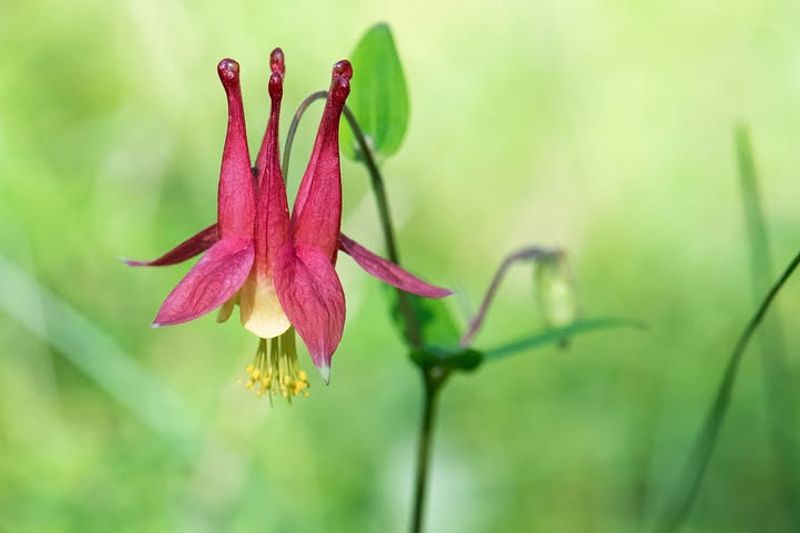
There is something almost magical about Wild Columbine. Its nodding red and yellow flowers dangle from slender stems like tiny lanterns, swaying gently in the spring breeze.
This native Pennsylvania woodland plant brings an airy, graceful beauty to shady garden spots that few other perennials can match.
Wild Columbine blooms in April and May, right when hummingbirds are returning from their winter migration.
The long, nectar-filled spurs on each flower are perfectly shaped for hummingbird beaks, making this plant a genuine favorite with early spring wildlife. Bumblebees also manage to access the nectar and visit frequently.
Partial shade suits Wild Columbine best, though it can handle more sun if the soil stays reasonably moist. It is not picky about soil quality and does well in rocky or woodland-style garden beds.
It self-seeds gently and naturally, spreading slowly without becoming invasive or overwhelming nearby plants.
Pennsylvania winters are handled with ease by this native plant. It goes dormant in summer after blooming, so pairing it with later-blooming plants helps fill in any gaps it leaves.
Fun fact: Native Americans historically used parts of the Wild Columbine plant for various purposes, giving this delicate flower a rich and interesting past worth appreciating every spring it returns to your garden.