These Are The Front Yard Plants California Gardeners Regret Planting Most
Some plants seem perfect for a California front yard. They promise color, texture, or a touch of elegance and look like they will effortlessly enhance curb appeal.
But over time, many gardeners regret planting them for one reason or another. Some grow too quickly and take over, crowding out other plants or even damaging fences and foundations with invasive roots.
Others demand more water and maintenance than anticipated, causing frustration when the hot, dry summers hit. Then, there are the ones that simply don’t thrive, leaving a yard looking patchy and tired.
Maybe it’s an overly ambitious shrub, a high-maintenance flower, or a plant that just doesn’t belong in the climate, these front yard regrets can end up feeling like a lot of work for minimal payoff.
Knowing which plants to avoid can save you time, money, and disappointment, leaving your front yard looking beautiful with less effort.
1. Ficus Tree
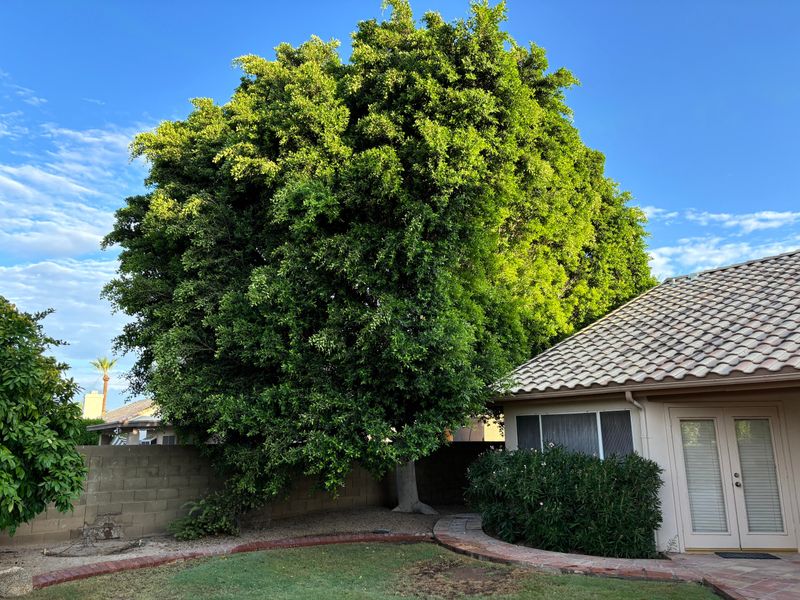
Few trees cause as much drama in a California front yard as the ficus. What starts as a neat, leafy shade tree quickly becomes a neighborhood problem.
The roots of a ficus are incredibly aggressive, and they do not stay politely underground.
In California, ficus roots are famous for cracking sidewalks, lifting driveways, and even sneaking into home foundations. Plumbers across the state have pulled ficus roots out of broken pipes more times than they can count.
Repairs can cost thousands of dollars, and the tree keeps growing back.
The canopy also grows very large and drops leaves constantly, which means endless sweeping and cleanup. Trimming a mature ficus is not a weekend project.
You often need to hire a professional arborist, and that gets expensive fast.
Many California cities have actually banned ficus trees near sidewalks because of the root damage they cause to public infrastructure. If you already have one, watch it closely and consider removal before the roots reach your plumbing or driveway.
Choosing a California native tree with a non-invasive root system will save you a lot of money and stress in the long run.
2. Bamboo (Running Types)
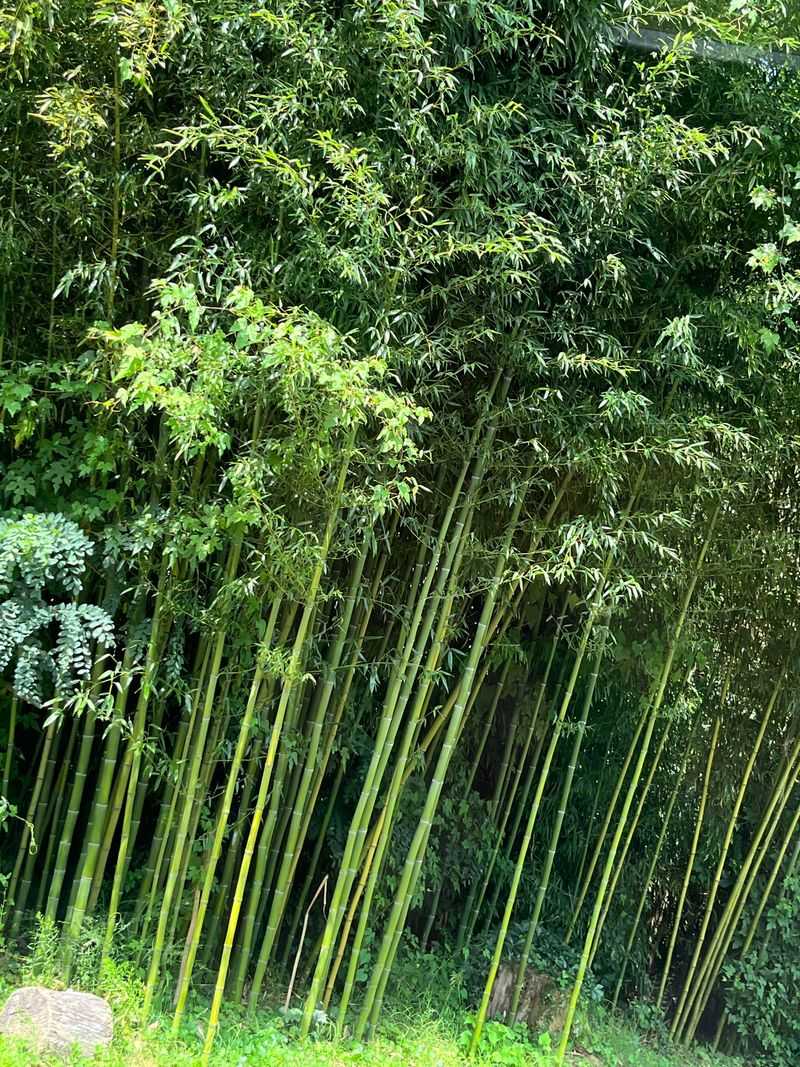
Once running bamboo gets comfortable in your yard, it basically refuses to leave. Varieties like Phyllostachys aurea spread through underground rhizomes that can travel several feet in a single growing season.
California gardeners across the state have spent years trying to remove it with little success.
The problem is that even a tiny piece of root left in the soil can sprout a whole new plant. You can dig, pull, and chop for weeks, and new shoots will still pop up through your lawn, under your fence, and even inside your neighbor’s yard.
That can seriously damage relationships with the people next door.
Running bamboo can also push through asphalt and crack concrete over time. It grows so densely that it blocks sunlight and crowds out every other plant nearby.
Once it takes over a section of your front yard, reclaiming that space takes serious effort and sometimes professional help.
If you love the look of bamboo, clumping varieties are a much safer choice for California gardens. They grow in tight clusters and stay where you plant them.
Your California Garden Changes Every Week. Your Plan Should Too.
Gardening in California changes quickly throughout the season. Every Friday you’ll receive a simple weekly plan showing exactly what to plant, prune, fertilize, harvest, and protect so you never miss the right timing.
Always check the label before buying, because the difference between running and clumping bamboo is enormous when it comes to long-term maintenance.
3. Pampas Grass
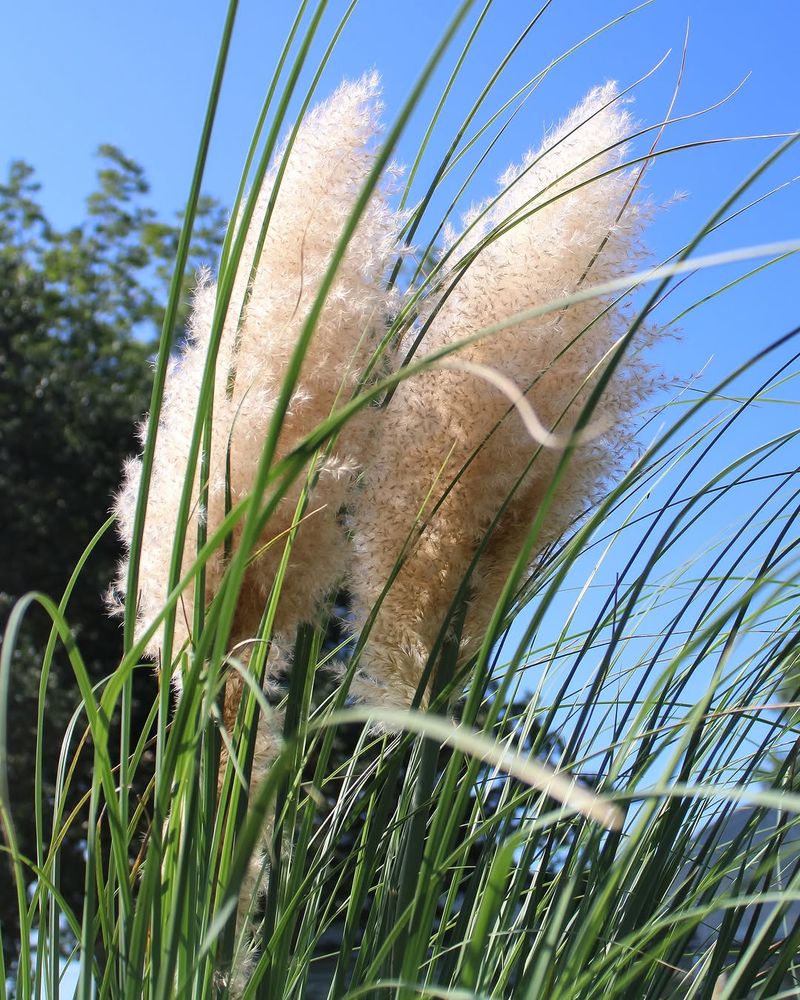
Pampas grass looks like something straight out of a magazine when it is young and freshly planted. Those tall, feathery plumes blowing in the breeze are genuinely eye-catching.
But give it a few years, and most California gardeners wish they had chosen something else entirely.
This plant grows extremely fast and gets very large. A single clump can reach ten feet tall and just as wide.
The leaves have sharp edges that can cut skin easily, making maintenance a painful and frustrating chore. Thick gloves and long sleeves are absolutely necessary just to trim it.
Pampas grass is also considered an invasive species in many parts of California. Each plant produces thousands of seeds that travel on the wind and sprout in wild areas, crowding out native plants and creating fire hazards.
California fire officials have listed it as a fire risk because the dry foliage burns intensely.
Removing a mature pampas grass plant is a major workout. The root system is dense and stubborn.
Many homeowners end up hiring professional help just to get it out of the ground. Native ornamental grasses like deer grass are a smarter, safer, and equally attractive choice for California front yards.
4. Ivy (English Ivy)
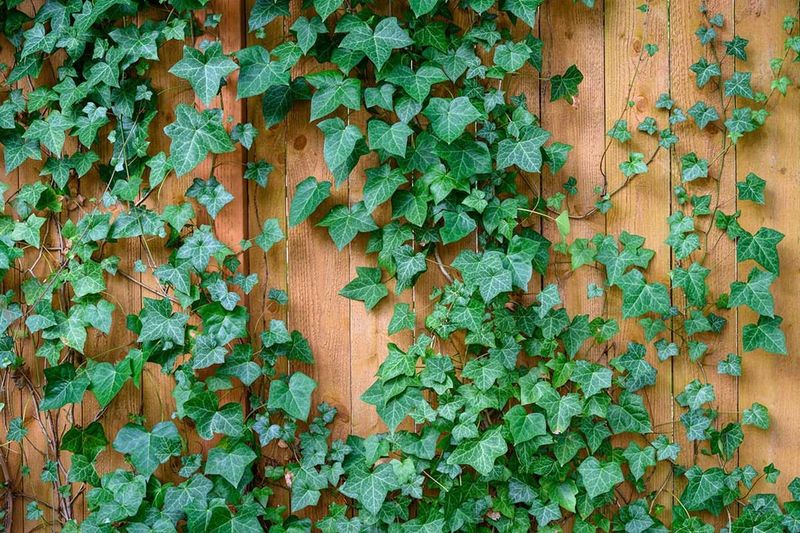
English ivy has a reputation for looking charming and classic on walls and fences, but California gardeners who have planted it often tell a very different story. It spreads fast, climbs everything in sight, and is incredibly difficult to control once established.
What looks tidy in spring turns into a jungle by fall.
The vines cling to walls, fences, and even tree trunks, and over time they can cause real structural damage. On trees, thick ivy growth blocks sunlight and adds weight that can make branches unstable.
On walls and fences, the roots work their way into cracks and slowly pull structures apart.
English ivy is also listed as an invasive plant in California. It spreads into wild areas and forms dense mats that block sunlight from reaching the ground, wiping out native plants and the wildlife that depends on them.
Birds do eat the berries, but then they spread seeds into natural areas where the plant does not belong.
Pulling ivy out by hand is exhausting work that takes multiple sessions over several months. Roots break off and regrow if you are not thorough.
California native ground covers like creeping sage or woolly thyme offer the same low-growing look without the invasive headaches that English ivy brings to your front yard.
5. Oleander
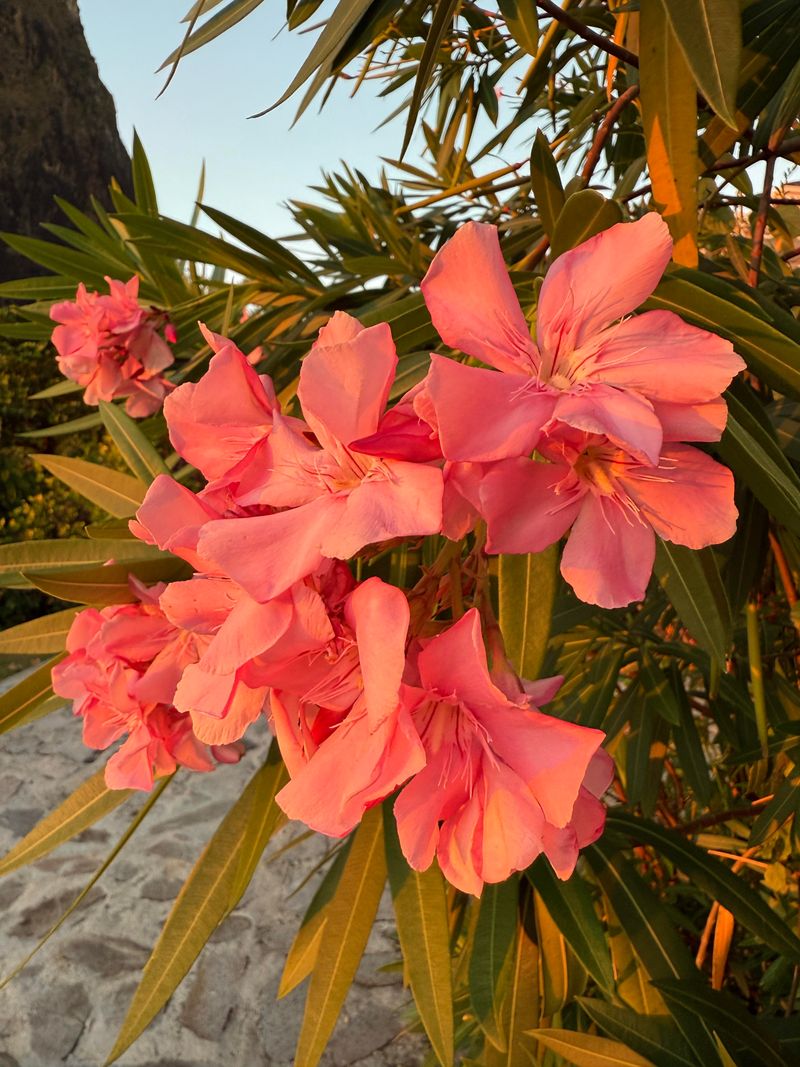
Oleander is practically everywhere in California. Drive through any neighborhood in the Central Valley, Southern California, or the Bay Area and you will spot those bright pink and white blooms lining fences and front yards.
It is tough, drought-tolerant, and colorful, which is exactly why so many people plant it without thinking twice.
The regret usually comes later. Oleander grows very fast and gets enormous if left untrimmed.
Regular pruning is a must, and that is where things get complicated. Every single part of this plant is highly toxic.
The sap, leaves, flowers, and even the smoke from burning clippings can cause serious illness in people, pets, and horses.
Families with young children or curious pets often realize too late how dangerous oleander really is. The plant looks harmless and pretty, but accidental contact with the sap during pruning can cause skin irritation.
Ingesting even a small amount is a medical emergency for animals and children.
Disposal of trimmings also requires care because you cannot simply toss them in a compost pile. Many California waste facilities have specific rules about oleander clippings.
Native shrubs like coyote brush or toyon offer similar toughness and drought tolerance with far fewer safety concerns for your family and pets.
6. Bottlebrush
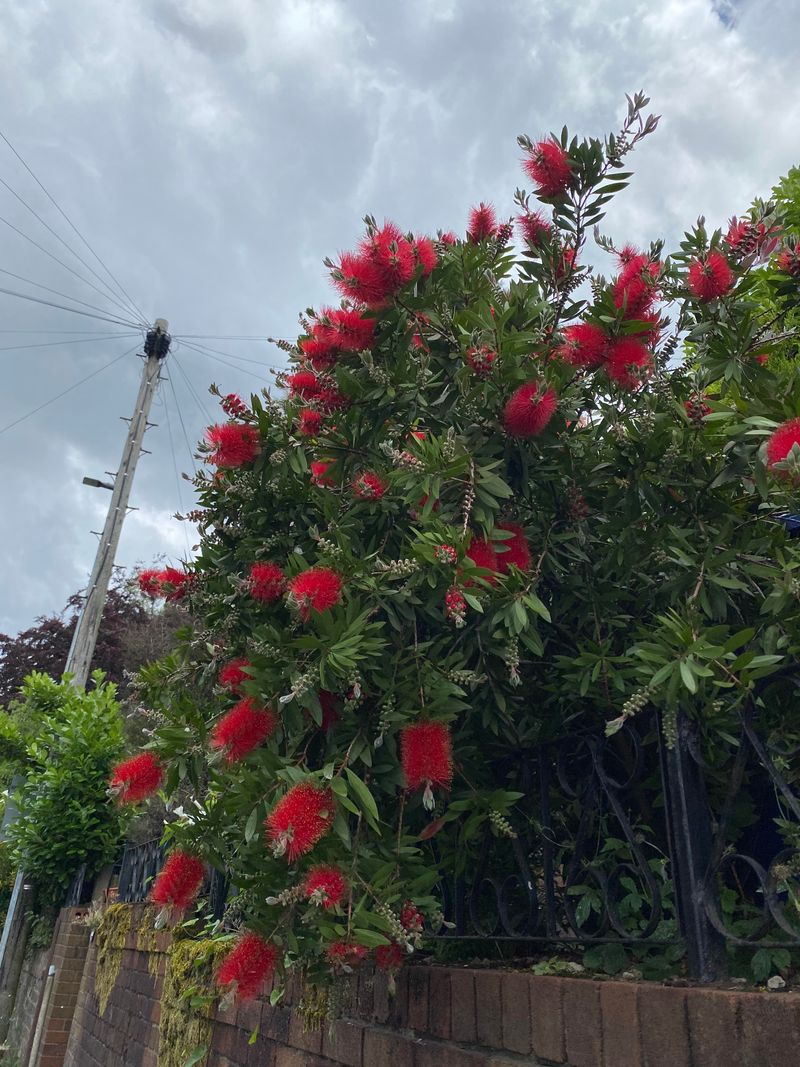
Bottlebrush trees are a California classic. Those vivid red, brush-shaped flowers attract hummingbirds and add a pop of color that is hard to beat.
Many gardeners plant one thinking it will stay small and manageable. Then reality sets in a few years down the road.
Without regular pruning, bottlebrush grows into a large, sprawling tree that drops flowers, seed capsules, and twigs constantly. The mess is relentless.
Driveways, walkways, and patios near a bottlebrush need frequent sweeping, and the sticky sap from the flowers can stain concrete and outdoor furniture.
The roots can also become a problem over time, particularly when the tree is planted too close to a home foundation, irrigation lines, or a driveway. California gardeners in drier inland areas sometimes find that bottlebrush grows even more aggressively than expected when given regular irrigation water.
Pruning bottlebrush into a manageable shape takes consistent effort and the right timing. Cut it at the wrong time of year and you lose the blooms entirely.
If you want hummingbird-friendly color in your California front yard without the mess, consider native plants like salvia or penstemon that are low-maintenance, drought-tolerant, and just as attractive to local wildlife.
7. Agapanthus
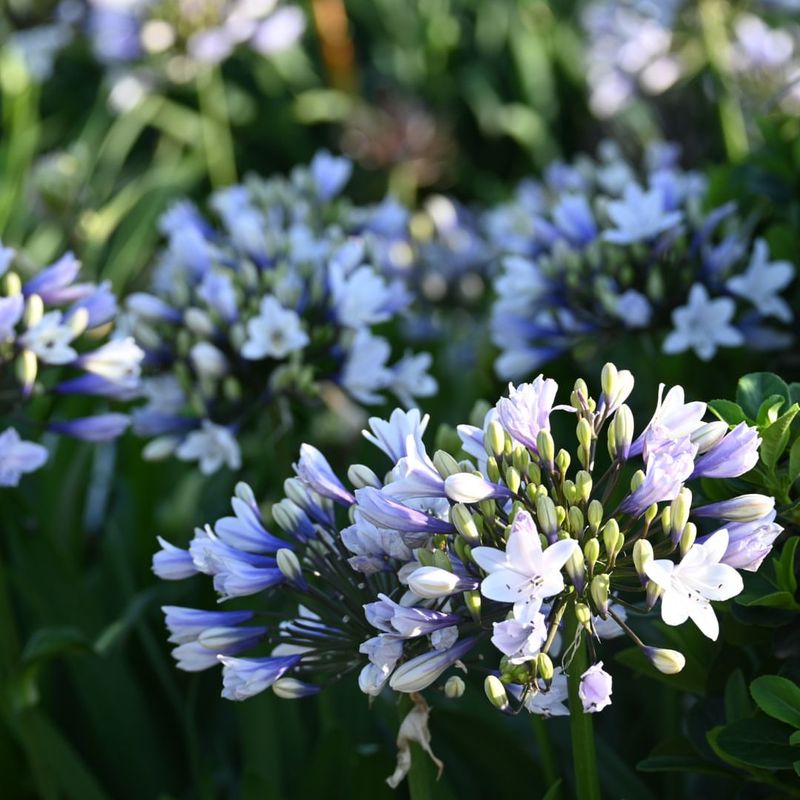
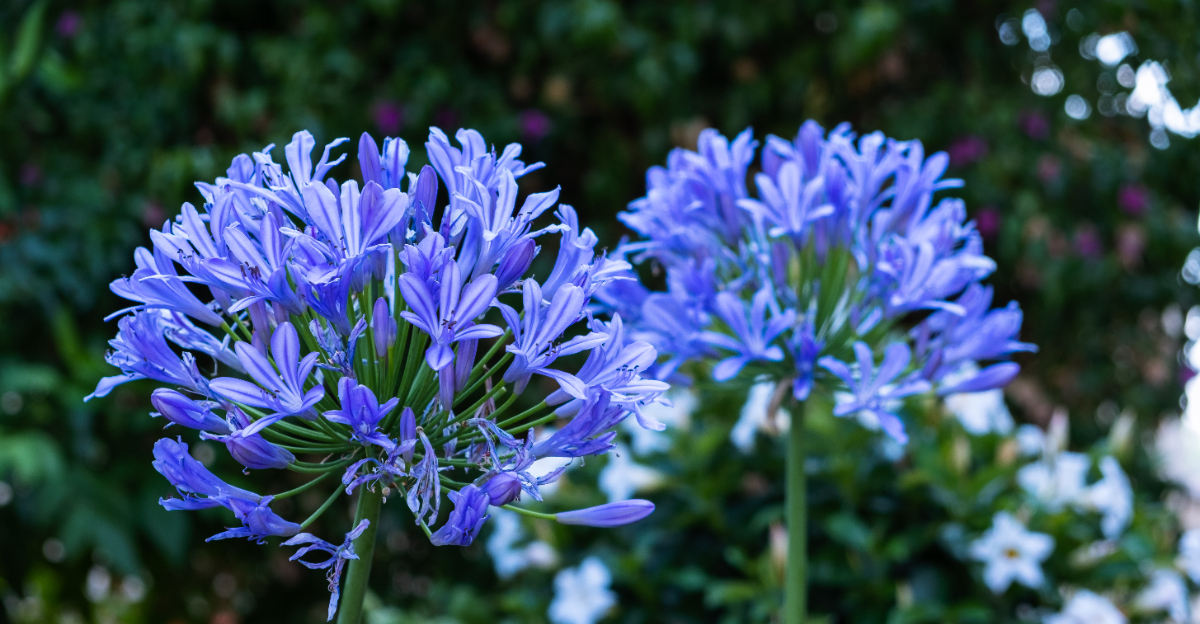
Agapanthus, also called Lily of the Nile, is one of the most popular plants in California front yards. The blue and purple flower clusters are stunning, and the plant is tough as nails.
It survives drought, neglect, and poor soil without much complaint. Sounds perfect, right?
Many gardeners eventually discover the downside.
Agapanthus spreads aggressively through underground rhizomes, forming thick, dense clumps that crowd out neighboring plants. Over time, a single plant can expand into a wide mass that is very difficult to divide or remove.
The roots are fleshy and tightly packed, making digging them out a real workout.
In some parts of California, particularly coastal areas, agapanthus has naturalized in wild spaces and is considered a potentially invasive plant. It outcompetes native species and reduces biodiversity in areas where it spreads beyond garden boundaries.
Several California counties have flagged it as a plant to watch carefully.
The sap can also cause skin irritation for some people, so wear gloves when handling it. If you already have agapanthus in your front yard, regular division every few years helps keep it in check.
For a similar look that supports California ecosystems, native blue-eyed grass or blue dicks are excellent alternatives worth exploring.
8. Ice Plant
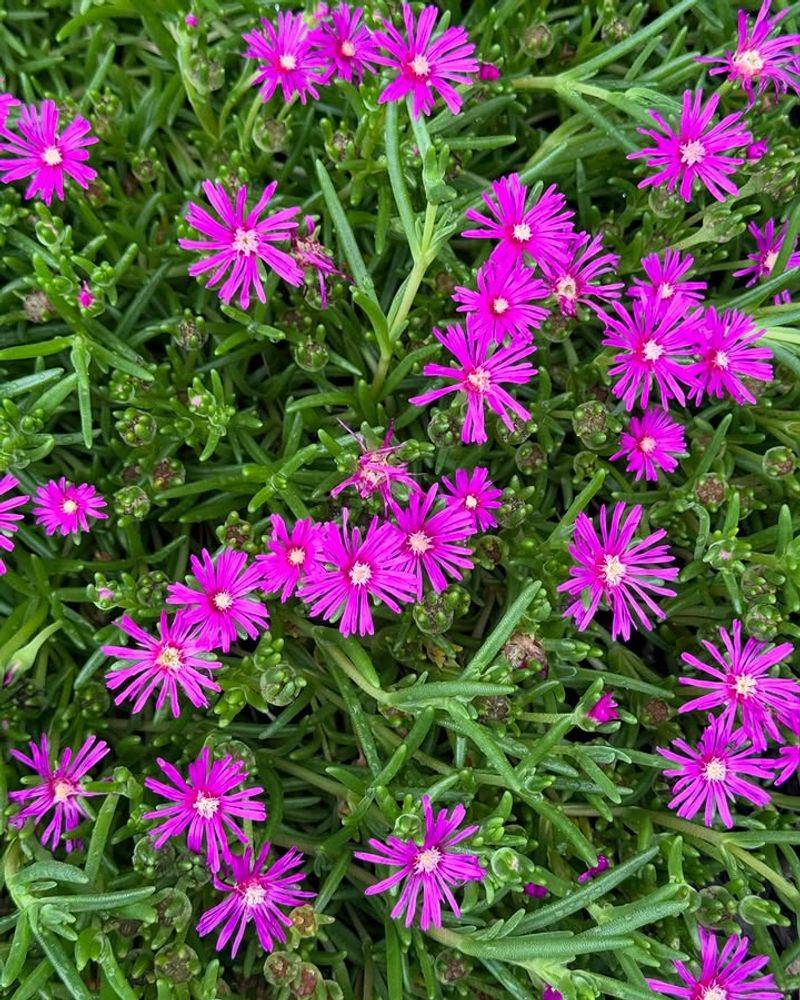
For a long time, ice plant was the go-to solution for California slopes and dry front yards. It is a succulent, it handles drought well, and the bright pink and purple flowers are cheerful and eye-catching.
Highway departments planted it everywhere across the state for erosion control. But the gardening community’s opinion on ice plant has shifted dramatically.
The problem is that ice plant forms a thick, heavy mat that actually holds moisture against the soil surface. On slopes, this added weight combined with wet soil can cause landslides, which is the opposite of what it was planted to prevent.
California has seen this happen on hillsides where ice plant was once considered a smart choice.
Ice plant also crowds out native plants aggressively. It spreads across large areas quickly, and once it takes over, removing it is a massive and time-consuming job.
The thick mats smother everything underneath, and pulling it all out by hand can take weeks of work.
California native plants like coyote brush, native buckwheat, or coffeeberry are far better choices for slopes and dry front yards. They prevent erosion effectively, support local birds and pollinators, and do not create the landslide risk that a heavy mat of ice plant can produce on steep ground.
9. Mexican Fan Palm
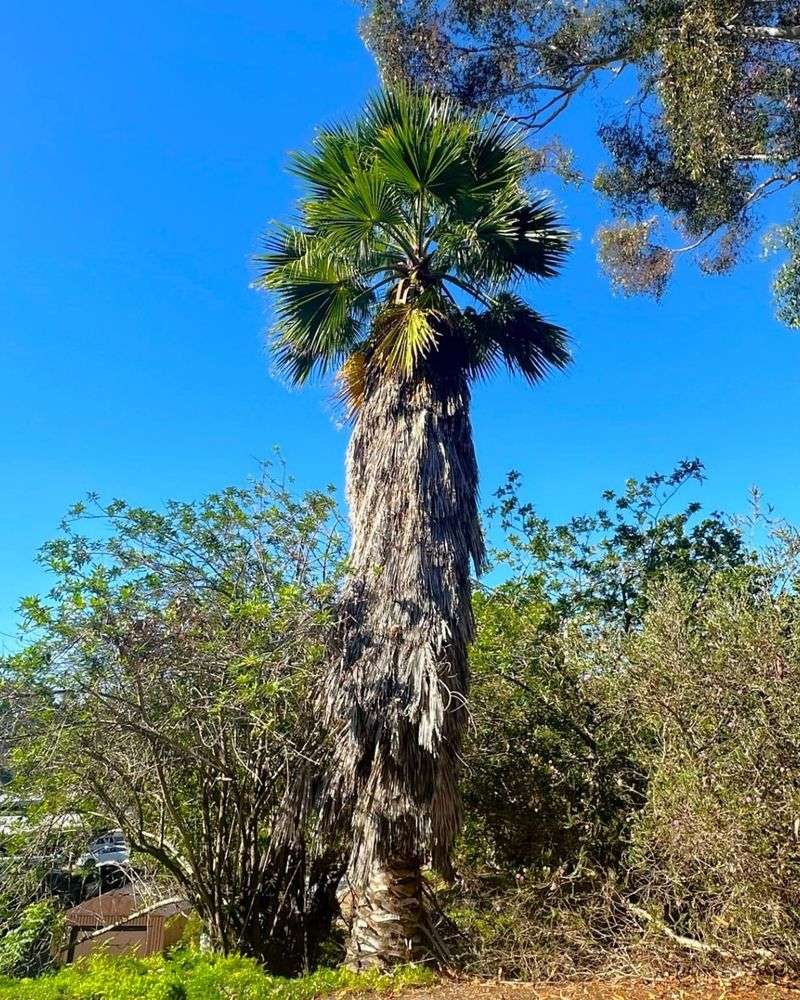
Mexican fan palms are one of the most recognizable trees in the California skyline. They shoot up incredibly fast and can eventually reach over 100 feet tall.
When they are young, they look tropical and stylish in a front yard. But they come with problems that most buyers do not think about at the nursery.
The biggest headache is the dead fronds. As the tree grows, old fronds dry out and hang below the green canopy, forming what is called a skirt.
That skirt is a fire hazard, a home for rats and other pests, and a constant source of falling debris. Trimming a tall Mexican fan palm requires a professional crew with the right equipment, and it is not cheap.
These trees also have shallow root systems that can buckle sidewalks and driveways over time. In high winds, which are common in many parts of California, the fronds and seed pods drop onto cars, roofs, and walkways.
The cleanup is constant and sometimes costly if a falling frond damages property.
California’s native Washingtonia filifera, the California fan palm, is a much better choice for front yards. It stays shorter, is more wildlife-friendly, and blends naturally into the local landscape without the extreme height and maintenance issues that come with the Mexican variety.
10. Privet
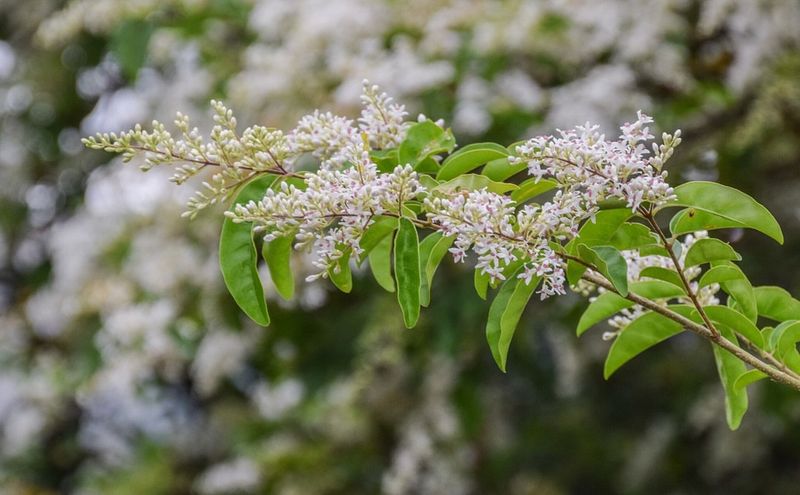
These hedges look neat and tidy when they are first planted, and that is exactly the appeal. Many California homeowners use them as privacy screens or property dividers, and they grow fast enough to give you that green wall in just a couple of seasons.
The problem is that fast growth never really stops.
Privet needs constant trimming to stay in shape. Skip a few weeks and it becomes a thick, unruly mass that is hard to tame.
The roots spread widely and aggressively, competing with nearby plants for water and nutrients. In a state where water conservation is a serious concern, privet is not exactly a responsible choice for a California front yard.
The white flowers that bloom in spring smell strongly, and many people find the scent unpleasant or even headache-inducing. The berries that follow are toxic to humans and pets, which is a real concern for families.
Birds eat the berries and spread seeds into natural areas, making privet an invasive species in many parts of California.
Native hedging plants like toyon, coffeeberry, or lemonade berry provide excellent privacy screening with far less maintenance. They also support California’s native birds and pollinators in a way that privet simply cannot.
Swapping out privet for a native hedge is one of the smartest upgrades a California gardener can make.