The California Rosemary Pruning Tricks That Keep Its Shape
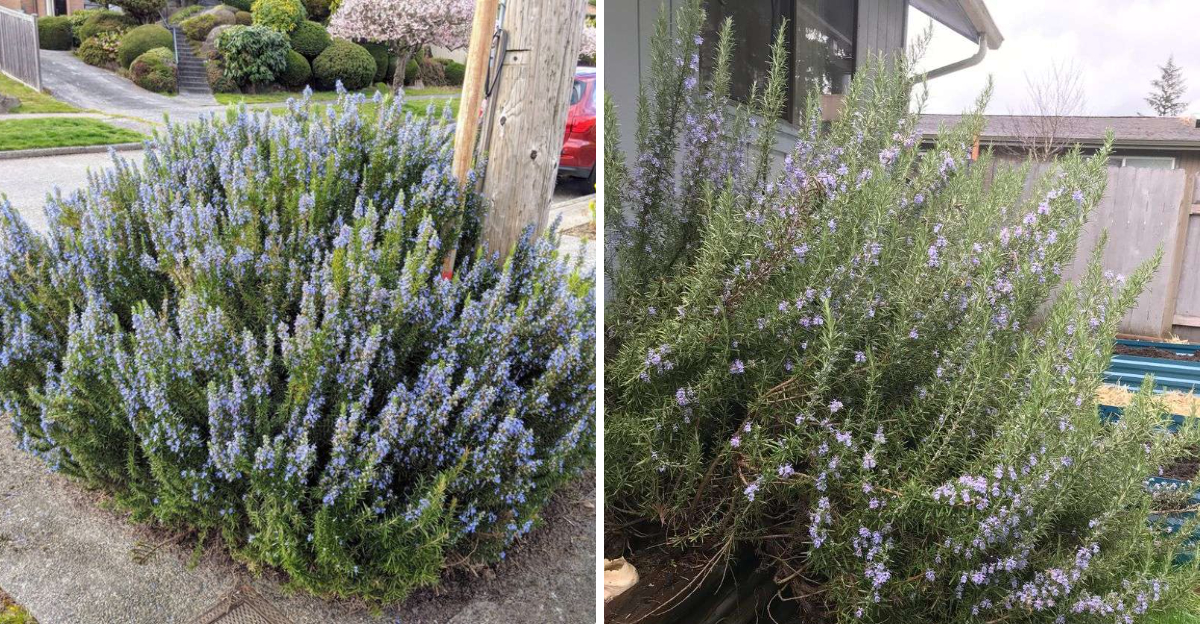
Rosemary is supposed to be the easy one. It’s drought-tolerant, low-maintenance, and practically grows itself in California’s climate. For a while, it cooperates.
Then one season it does not, and suddenly there is a sprawling, woody, lopsided shrub where a neat herb used to be. The frustrating part is that the plant did not fail.
The pruning approach did. In many parts of California, the dry and sunny climate can push rosemary to grow fast in unpredictable spurts.
The shape gets away from you quietly, a little more each season, until the problem is obvious and the fixes feel drastic. And drastic pruning on rosemary, as many California gardeners have discovered the hard way, tends to make things considerably worse.
The good news is that keeping rosemary looking sharp does not require much effort. It requires the right approach, applied consistently.
The right pruning habits make rosemary look like it belongs in a magazine. The wrong ones turn it into a woody, lopsided shrub that no amount of water or fertilizer can fix. So, want to find out which side of that line your current approach falls on?
1. Trim Green Tips To Keep Rosemary Shapely
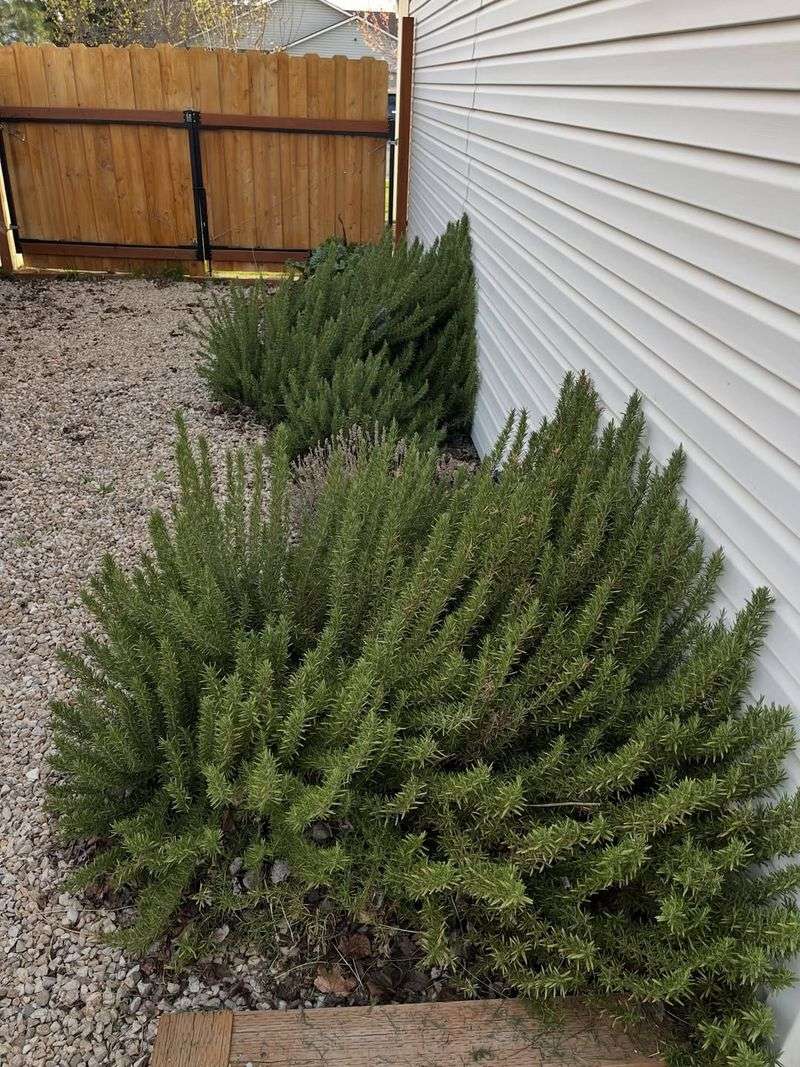
Small cuts have an outsized influence on rosemary. A light trim of the soft, green leafy tips is one of the most effective shaping tools available, and most gardeners overlook it entirely.
When you snip just the new growth at the end of each stem, the plant responds by pushing out more side shoots. More side shoots mean a fuller, bushier shape over time. The plant gets denser without getting larger, which is exactly the goal.
Think of it as a precision haircut rather than a dramatic chop. The plant stays neat, proportional, and actively growing in the right direction.
One to two inches off the tips is enough. Done regularly through the growing season, that modest trim outperforms one big annual cut by a significant margin. The plant never gets out of hand because it never gets the chance to.
Container-grown rosemary on a California patio responds especially well to this approach. Limited root space means the plant needs consistent light pruning to stay in proportion with its pot.
Grab the snips every few weeks during active growth and clip those green tips cleanly. The plant rewards that consistency with tighter form, more fragrant growth, and a shape that holds through the season without drama.
It is one of the simplest habits in the garden, and one of the most effective.
2. Avoid Bare Wood To Protect The Form
Bare wood on rosemary is not a starting point. It is closer to an endpoint. Unlike many other shrubs, rosemary has a limited ability to regenerate from old, woody stems that have lost their leaves.
Cut back into that brown, rough base and the odds of seeing fresh new growth from that spot are not good. What tends to remain is a stubby, bare stem that sits there looking dejected for months.
Your California Garden Changes Every Week. Your Plan Should Too.
Gardening in California changes quickly throughout the season. Every Friday you’ll receive a simple weekly plan showing exactly what to plant, prune, fertilize, harvest, and protect so you never miss the right timing.
The plant’s regrowth potential lives almost entirely in the green, leafy portions of the stems. That is where the active tissue is.
That is where new growth comes from. Remove it, and the bare section below rarely bounces back.
This is one of the most common and costly pruning mistakes in California gardens. Spring brings the urge to cut everything back hard after a long season, and rosemary often pays the price.
Large bare patches appear, and filling them back in takes far longer than most gardeners expect.
Protect the plant’s form by treating the woody base like a skeleton. It supports everything above it, and it needs to stay intact.
Keep cuts well above the bare wood and firmly in the green zone. That boundary is not a suggestion.
It is the line between a plant that recovers quickly and one that struggles for an entire season. Stay in the green, and the shape stays where you want it.
3. Shape Lightly Instead Of Chopping Hard
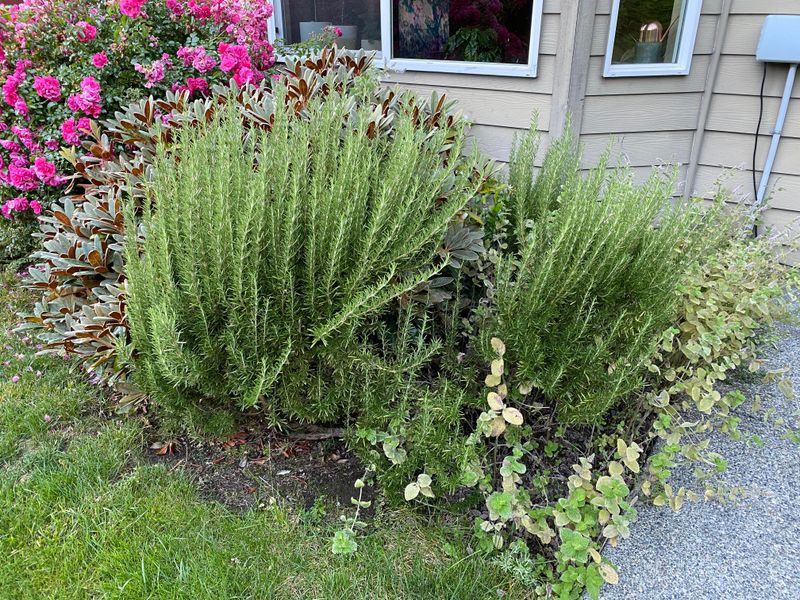
Restraint is genuinely one of the best pruning tools available. With rosemary, doing less consistently outperforms doing a lot all at once.
Hard pruning stresses the plant. When a large portion of growth disappears at once, rosemary has to redirect energy into recovery rather than new productive growth.
In California’s hot, dry summers, that recovery demand hits at the worst possible time.
Light shaping every four to six weeks during active growth keeps the plant tidy without overwhelming it. The shape stays controlled, the plant stays healthy, and the whole process takes less time than managing an overgrown shrub after months of neglect.
Think of it as guiding the plant rather than fighting it. A small correction here, a light trim there, and rosemary naturally holds a compact, attractive form.
The difference between a well-maintained rosemary and an overgrown one is not one dramatic session with hedge shears. It is a series of small, regular interventions spread across the season.
Gardeners who trim lightly and often tend to end up with rosemary that looks intentional and full. Gardeners who wait for the plant to demand attention tend to end up with a more complicated situation.
The plant responds well to consistency. A few minutes of light shaping every few weeks keeps things exactly where you want them, season after season.
4. Sanitize Pruners Before Shaping Rosemary
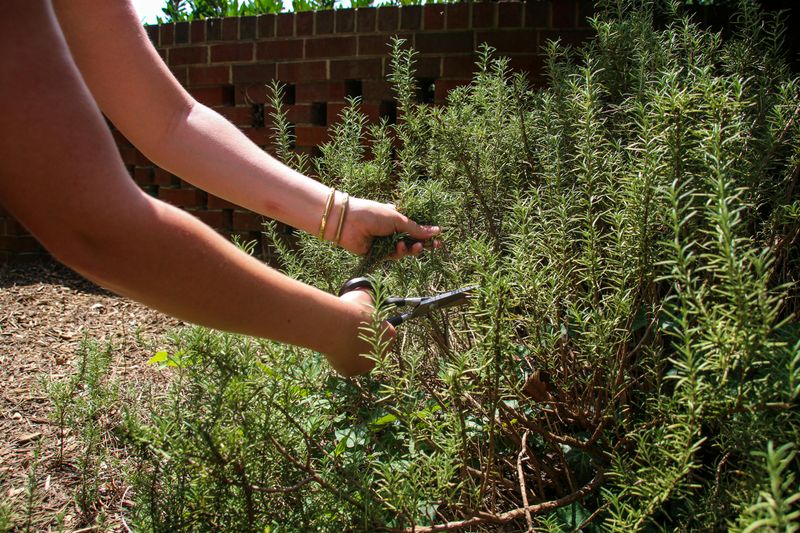
Clean tools are not optional with rosemary. They are part of the pruning process.
A pruner that touched a struggling plant last week can introduce problems to a healthy one today without any visible warning.
The cut itself creates an entry point, and an unclean blade delivers whatever it last contacted directly into that wound.
California gardens deal with a range of fungal pressures depending on the region. Coastal humidity, morning dew, and warm temperatures all create conditions where pathogens survive on tool surfaces longer than most gardeners expect.
Luckily, the fix takes about ten seconds. Wipe the blade with rubbing alcohol or a diluted bleach solution before starting and between plants.
Let it dry briefly before the next cut. That small pause breaks any potential transmission before it starts.
Dull blades deserve equal attention. A dull edge crushes stem tissue rather than cutting cleanly, leaving a ragged wound that takes longer to close and invites more trouble than a sharp cut would.
Sharpening pruners at the start of the season and checking the edge periodically keeps every cut working in the plant’s favor. So, clean tools, sharp blades, and a ten-second wipe routine. The rosemary benefits immensely.
5. Cut Above Leafy Growth For Cleaner Regrowth
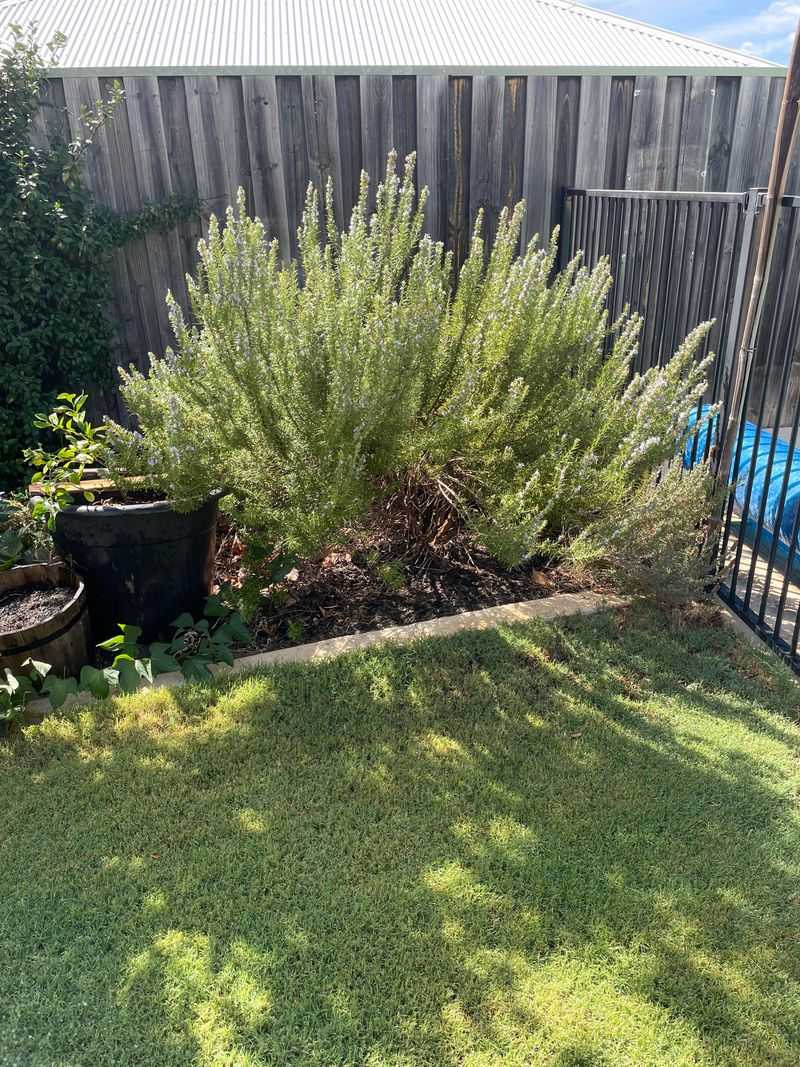
One misplaced cut on rosemary can leave an awkward bare stub staring back at you for weeks. Where the cut lands matters just as much as how much you take off.
The rule is straightforward. Always cut just above a set of healthy, green leaves or a visible side shoot.
That leafy node below the cut is where new growth emerges. Leave it intact and it gets to work quickly. Skip it, and the stem below the cut may not recover at all.
Cutting above active leafy growth gives the plant a clear direction for its energy. The stem below retains living tissue and a growth point to work from. Regrowth comes back cleaner, faster, and more predictable as a result.
Take a moment before each cut to look closely at the stem. Find the nearest cluster of green leaves below your intended cut point. Snip about a quarter inch above that cluster.
This small pause adds almost no time to the pruning process. The difference in outcome, however, is significant. Well-placed cuts close up cleanly and push out fresh growth with minimal delay.
Poorly placed cuts leave stubborn stubs that take forever to respond and often cause the stem below to deteriorate further.
This is the kind of technique that feels minor until you see the results. Clean cuts above healthy nodes keep rosemary looking structured, full, and genuinely sharp throughout California’s long growing season.
6. Thin Selected Stems To Open Woody Centers
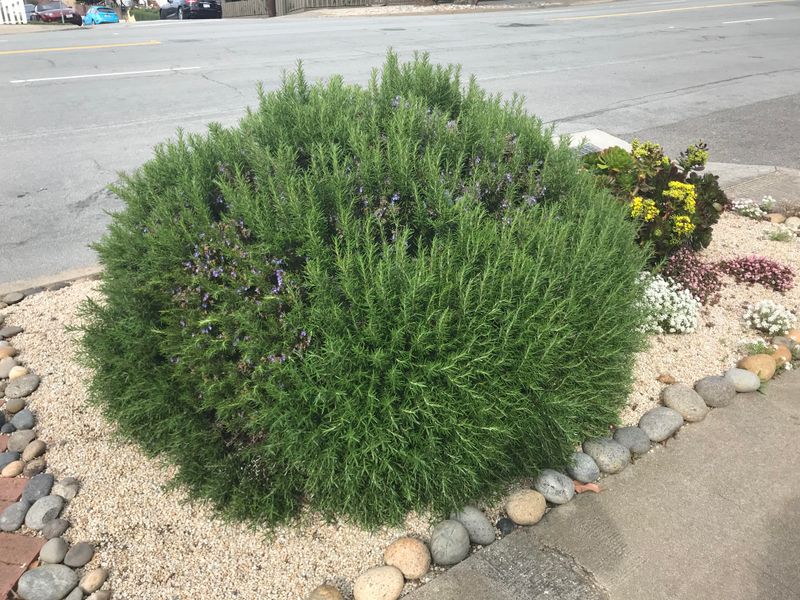
A rosemary plant can look full and healthy from the outside while quietly struggling in the middle. When the center gets too dense, air and light stop reaching inner stems.
Weak, unproductive growth follows, and the plant develops that hollow, woody core that is difficult to reverse.
Selective thinning addresses that problem directly without disrupting the plant’s overall shape. The approach is targeted.
Choose a handful of the oldest, woodiest stems growing into the center of the plant and remove them entirely at the base. Not a haircut across the whole surface.
A deliberate removal of a few specific stems from the inside out. Think of it as editing rather than rewriting.
Opening the center improves airflow significantly. In California gardens dealing with coastal humidity or heavy morning dew, that improved circulation reduces the conditions that favor fungal problems.
Better light penetration into the interior also encourages new leafy growth from within the plant. Measure the work as you go. Remove a few stems, step back, and assess. The goal is breathing room, not a hollow center.
This technique works particularly well on mature rosemary that has been growing in a California landscape for several years. That classic dense, mounded form benefits from occasional thoughtful thinning far more than from surface shearing.
The result is a plant that looks full from the outside and healthy all the way through.
7. Prune After Flowers To Refresh The Plant
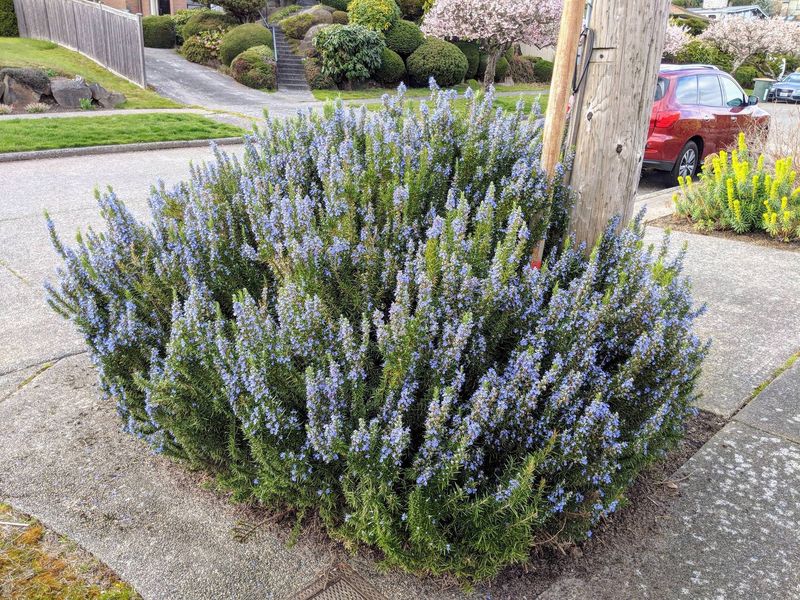
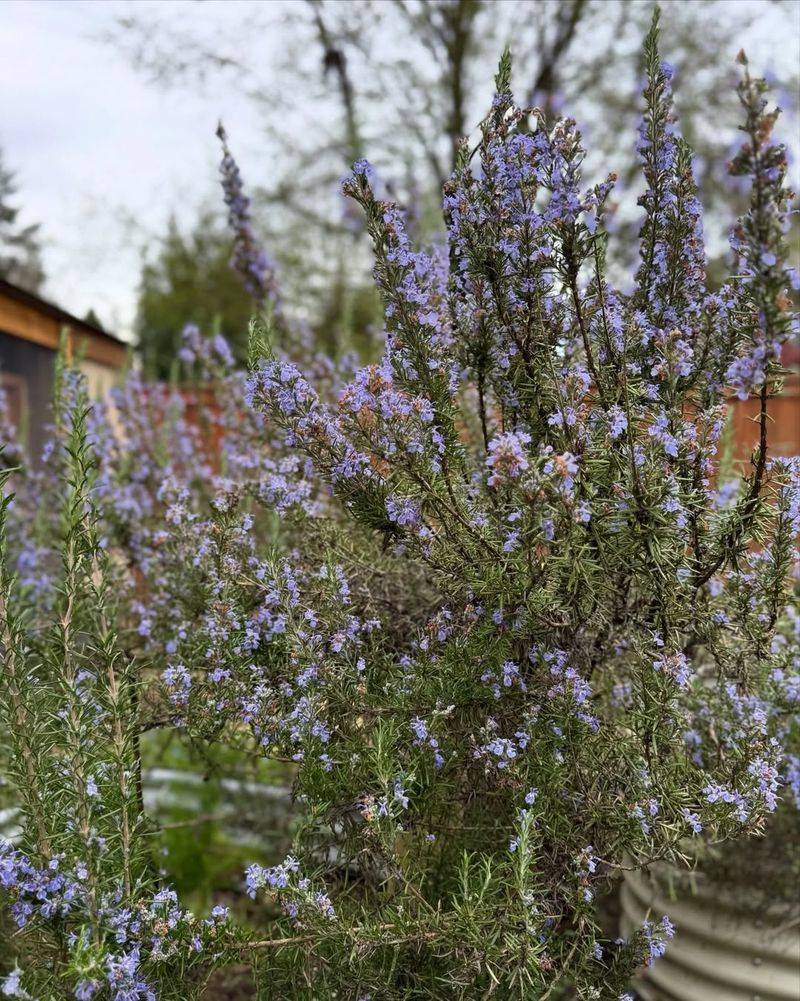
Rosemary flowers are worth enjoying. The soft blue-purple blooms bring pollinators in and add genuine charm to any California garden.
Once those blooms start to fade, though, the plant is sending a clear signal. It is time for a post-bloom trim. This timing is not arbitrary. Flowering draws significantly on the plant’s energy reserves.
Once that cycle wraps up, there is a natural opening to redirect that energy toward fresh vegetative growth. A light trim at this transition point encourages the plant to push out new leafy shoots and restore a compact, tidy shape.
Watching the plant rather than the calendar is the smarter approach here. Rosemary in California can bloom at different times depending on variety and microclimate. The bloom finishing is the cue, not a specific month.
Keep the post-bloom pruning focused and light. Trim flowering stems back by about a third, cutting just above healthy green growth as described earlier.
This is not the moment for a major overhaul. It is a gentle reset that helps the plant fill back in beautifully before the next growing push.
Done consistently after each bloom cycle, this habit has a compounding effect on plant health and shape over multiple seasons.
A rosemary that gets a timely post-bloom trim tends to stay fuller, more compact, and better looking year after year than one that gets ignored until it demands attention.
8. Keep Cuts Small For A Natural Shape
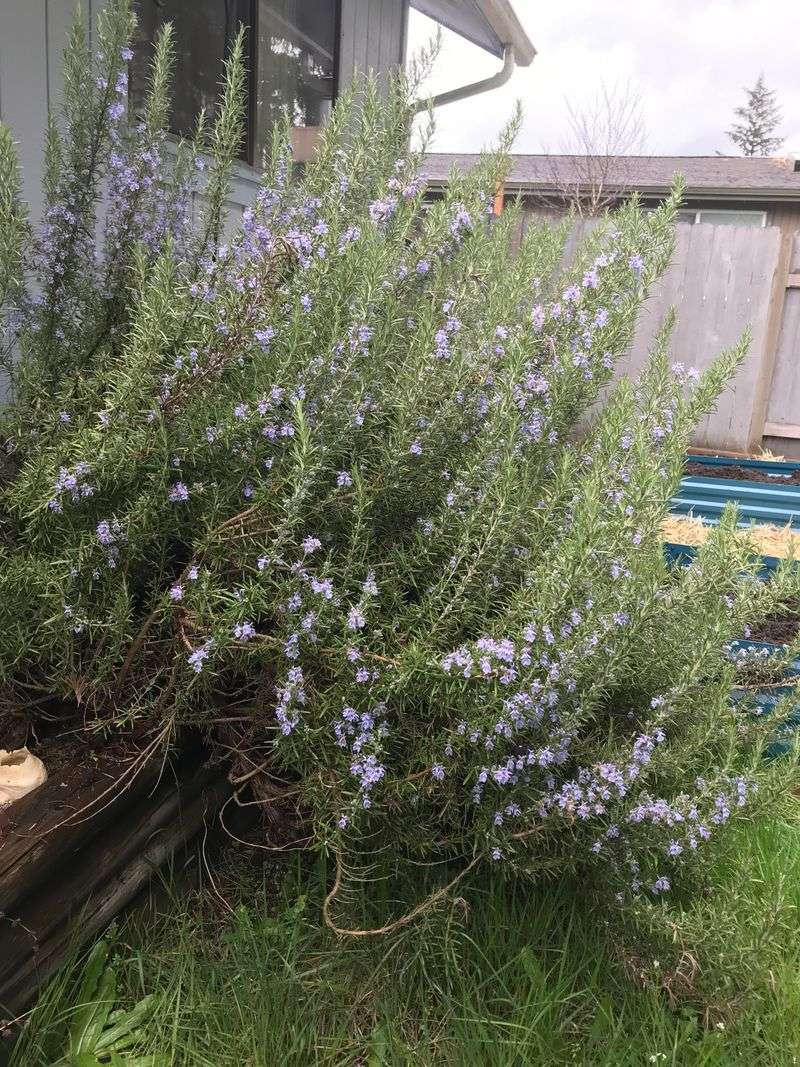
The most attractive rosemary plants tend to look like they grew that way on their own. No obvious shearing lines.
No geometric flat spots. Just a beautifully natural mound of fragrant, dense green growth.
That effortless look is almost entirely the product of many small, deliberate cuts made consistently over time. It does not happen by accident, and it does not happen from one big session with hedge shears.
Sweeping cuts with large shears leave rosemary looking stiff and rigid, like a shrub that received a bad buzz cut and has not quite recovered its dignity.
Small, individual snips with hand pruners give far more control over the final shape. Each cut follows the plant’s natural curves rather than imposing a fixed geometric form from the outside. The results accumulate gradually. A small correction on a wayward stem here.
A light trim to bring a side branch back in line there. Over weeks and months, the plant settles into a shape that feels both intentional and completely organic.
Small cuts also put less stress on the plant. Less tissue removed at once means faster recovery and less disruption to overall health and productivity.
The fragrance stays strong, the growth stays dense, and the shape stays exactly where you want it without the plant ever looking like it just survived something traumatic.
For rosemary that genuinely looks like a California garden showpiece, patience and precision are the two tools that matter most. Small cuts, applied consistently, are what get you there.