The 10 Plants Oregon Gardeners Should Never Plant Again
Some plants in Oregon that seemed like a good fit at first quickly turn into problems. They can spread uncontrollably, require more attention than expected, or simply fail to thrive in the state’s cool, wet climate.
Certain varieties may crowd out native plants or demand more sunlight than the garden can provide.
Others might not be able to handle the heavy rains, making them more trouble than they are worth. These plants can cause frustration and add unnecessary maintenance.
Opting for more suited alternatives ensures a beautiful, low-maintenance garden that flourishes year after year. Avoiding these troublemakers makes the job easier and your garden much more enjoyable.
1. English Ivy
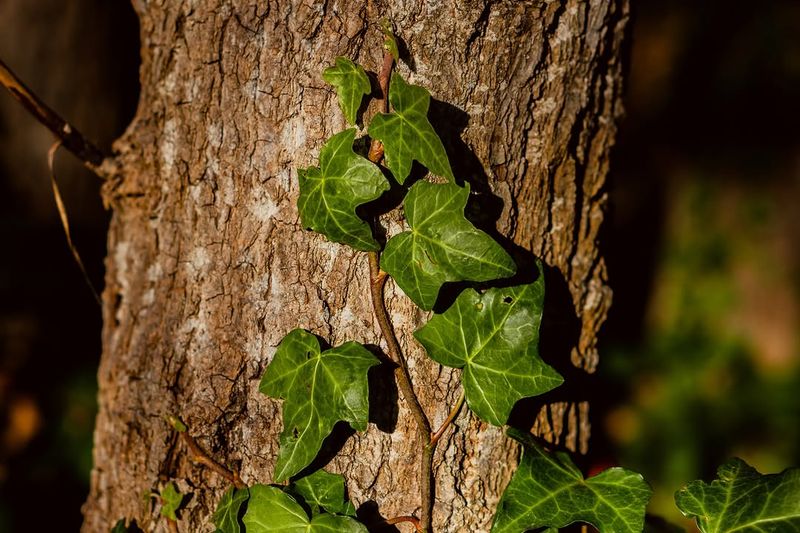
Walk through almost any Portland neighborhood and you will spot it creeping up fences, trees, and walls. English Ivy looks tidy and classic, but underneath that polished appearance is one of Oregon’s most aggressive invaders.
It was originally brought over from Europe as a decorative groundcover, and for a while, people thought it was a great low-maintenance option.
The problem is that English Ivy spreads fast and far. Its runners creep across the ground and up tree trunks, forming thick mats that block sunlight from reaching native plants below.
When it climbs trees, the added weight and shade can seriously weaken them over time.
Birds eat the berries and spread the seeds into forests and natural areas, making it nearly impossible to contain. Oregon’s mild, wet climate is basically a dream environment for this plant.
Portland even has volunteer programs dedicated to removing it from local parks.
Instead of English Ivy, try native groundcovers like Oregon grape or wild ginger. These plants support local insects and birds without taking over.
Removing English Ivy takes patience, but your garden and Oregon’s ecosystems will be much better for it.
2. Butterfly Bush
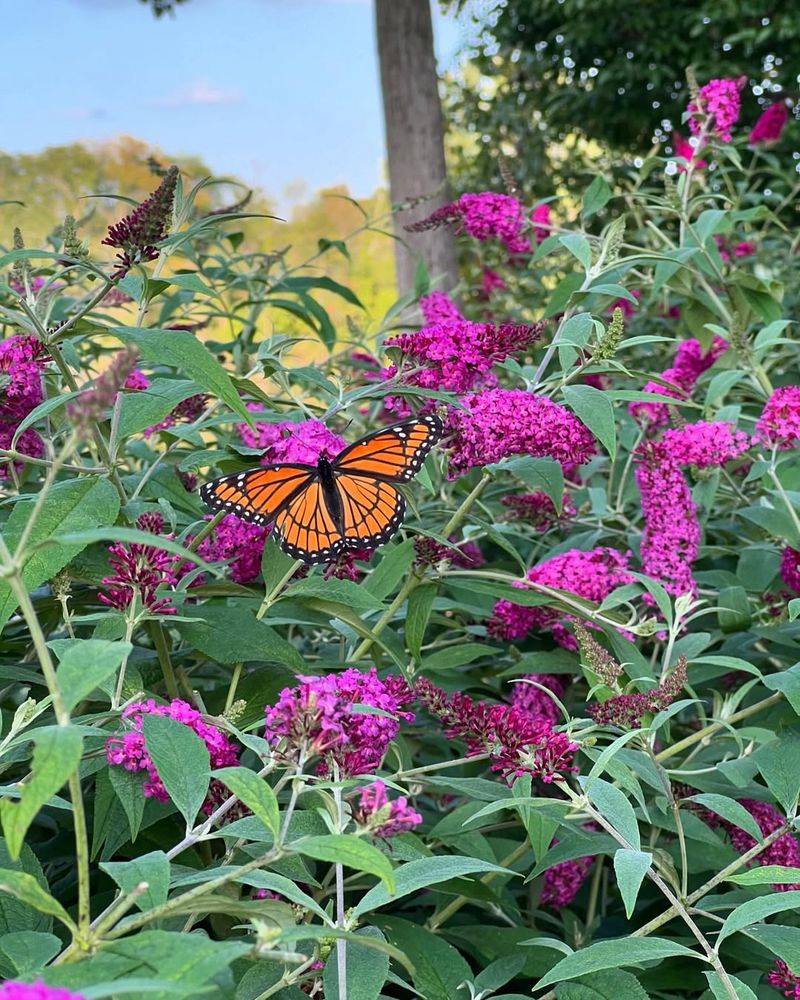
It sounds like the perfect garden plant. The name alone makes it seem like a pollinator paradise, and yes, butterflies do land on those colorful flower spikes.
But Butterfly Bush, originally from China, has a dark side that Oregon gardeners need to know about.
The flowers produce huge amounts of seeds, and those seeds travel easily on the wind. Once they land in a natural area, they germinate quickly and crowd out native shrubs and wildflowers.
Oregon’s rivers and open meadows are especially vulnerable to this kind of takeover.
Here is the tricky part: Butterfly Bush actually does very little for native butterflies beyond providing nectar. Native bees and butterfly caterpillars need native plants to complete their life cycles.
So while adult butterflies may visit, the plant does not support the full ecosystem the way native options do.
Oregon has placed several varieties on its noxious weed list, and sterile cultivars are sometimes offered as alternatives. However, even those should be chosen carefully.
Better choices for Oregon gardeners include native plants like red flowering currant or Oregon lilac, which truly support local pollinators from egg to adult.
3. Yellow Flag Iris
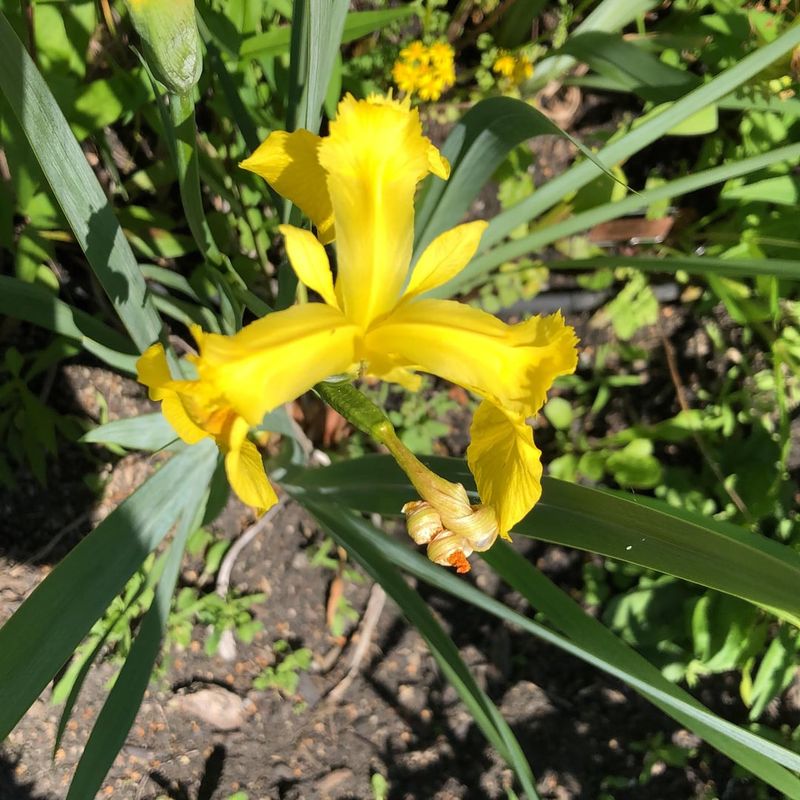
Few plants look as elegant along a pond’s edge as Yellow Flag Iris. Those tall, sword-like leaves and cheerful yellow blooms make it a popular choice for water gardens.
Your Oregon Garden Changes Every Week. Your Plan Should Too.
Gardening in Oregon changes quickly throughout the season. Every Friday you’ll receive a simple weekly plan showing exactly what to plant, prune, fertilize, harvest, and protect so you never miss the right timing.
But in Oregon, this European native has become a serious problem in wetlands, streams, and marshes.
Yellow Flag Iris spreads through both seeds and thick underground rhizomes. Once it gets established near water, it forms dense colonies that push out native cattails, rushes, and other wetland plants.
This disrupts the habitat that fish, birds, and amphibians depend on for shelter and food.
The plant is also toxic to livestock and can cause skin irritation in people who handle it without gloves. Oregon’s waterways have seen significant damage from this plant, and removal efforts are both costly and time-consuming.
Even small pieces of root left in the ground can regrow.
If you love the look of iris near water, consider planting native blue flag iris instead. It provides similar beauty without the ecological risks.
Oregon’s wetlands are some of the most valuable ecosystems in the Pacific Northwest, and keeping Yellow Flag Iris out of your garden helps protect them for future generations.
4. Purple Loosestrife
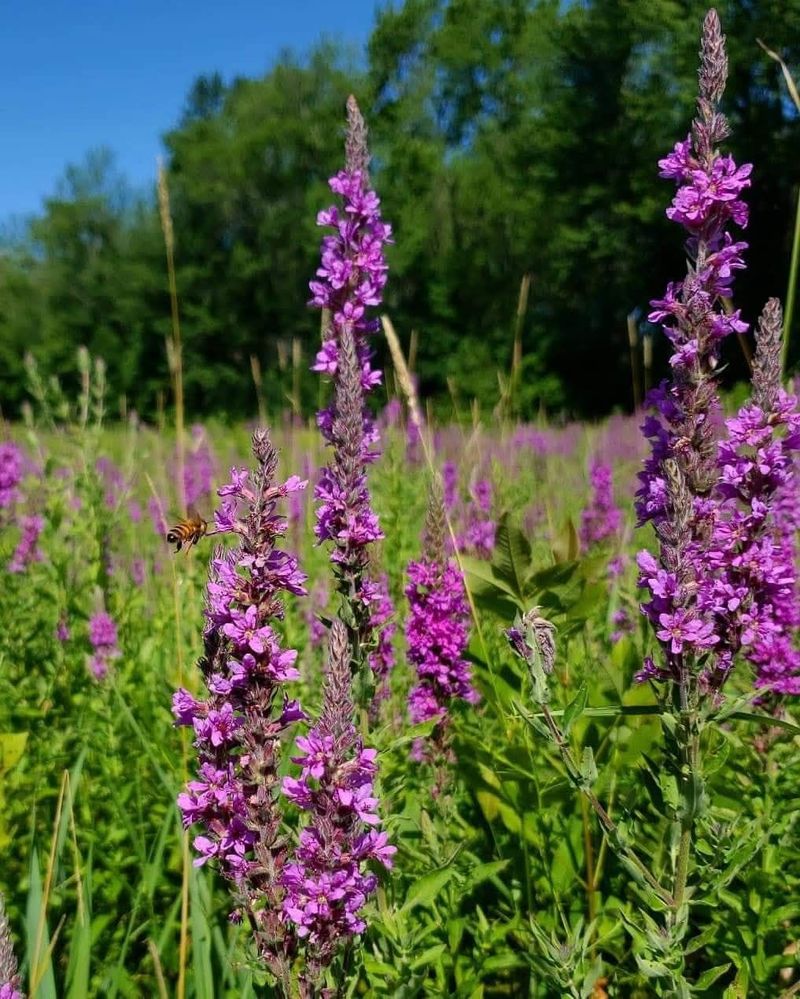
Brilliant magenta-purple flower spikes make Purple Loosestrife one of the most visually striking plants you will ever see growing near water. It looks like it belongs on a postcard.
Unfortunately, it also belongs on Oregon’s list of the most damaging invasive wetland plants.
A single mature plant can produce up to two million seeds in one season. Those seeds spread by water, wind, and even on the boots of hikers.
Once established, Purple Loosestrife forms wall-to-wall stands that completely replace native vegetation. Wetland birds, frogs, and fish lose the food and shelter they need to survive.
Oregon has been fighting this plant for decades. State agencies and volunteers spend enormous amounts of time and money trying to manage it.
In some areas, biological control insects have been released to help slow its spread, but the battle is far from over.
Planting Purple Loosestrife in an Oregon garden, even far from natural waterways, is a risk not worth taking. Seeds can travel long distances before finding wet ground to sprout in.
Native alternatives like rose spirea or blue vervain offer similar color and height while actually supporting Oregon’s native wildlife instead of replacing it.
5. Himalayan Blackberry
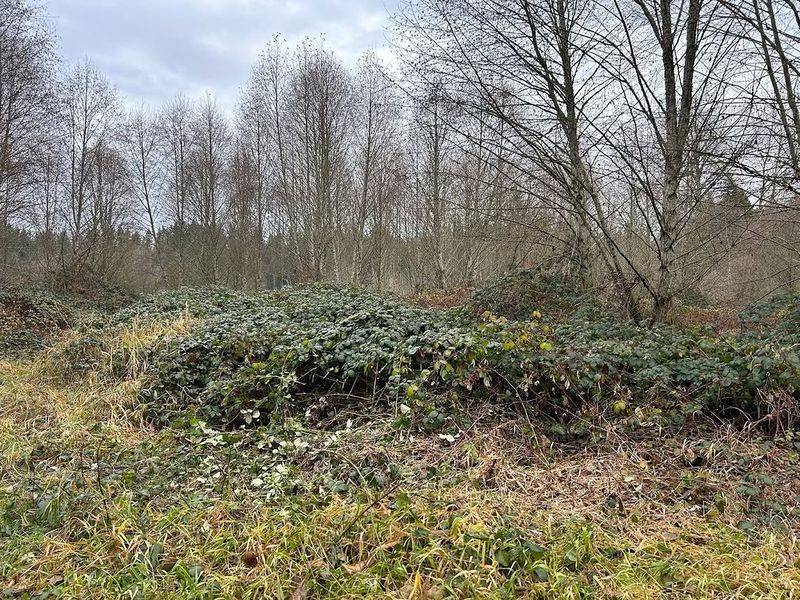
Ask almost any Oregon gardener about Himalayan Blackberry, and you will likely get a groan. This plant is everywhere in the Pacific Northwest, and once it gets a foothold, it is remarkably hard to get rid of.
The canes are thick, thorny, and arch up to ten feet high, forming impenetrable thickets along roadsides, riverbanks, and open lots.
It was introduced to North America in the late 1800s as a fruit crop, and the berries are genuinely delicious. That is part of what makes it so tricky.
People hesitate to remove it because of the free fruit. But the ecological damage it causes far outweighs a summer of free cobbler ingredients.
Himalayan Blackberry spreads through seeds spread by birds and through root systems that can reach ten feet underground. Cutting it back only encourages faster regrowth.
In Oregon, it has taken over riverbanks, shading out native plants and contributing to erosion.
Native alternatives like trailing blackberry or salmonberry produce fruit and provide wildlife habitat without the aggressive takeover.
If you are managing an existing patch in Oregon, consistent removal during the growing season combined with covering the area with mulch or native plants gives you the best chance of reclaiming your space.
6. Bamboo (Running Types)
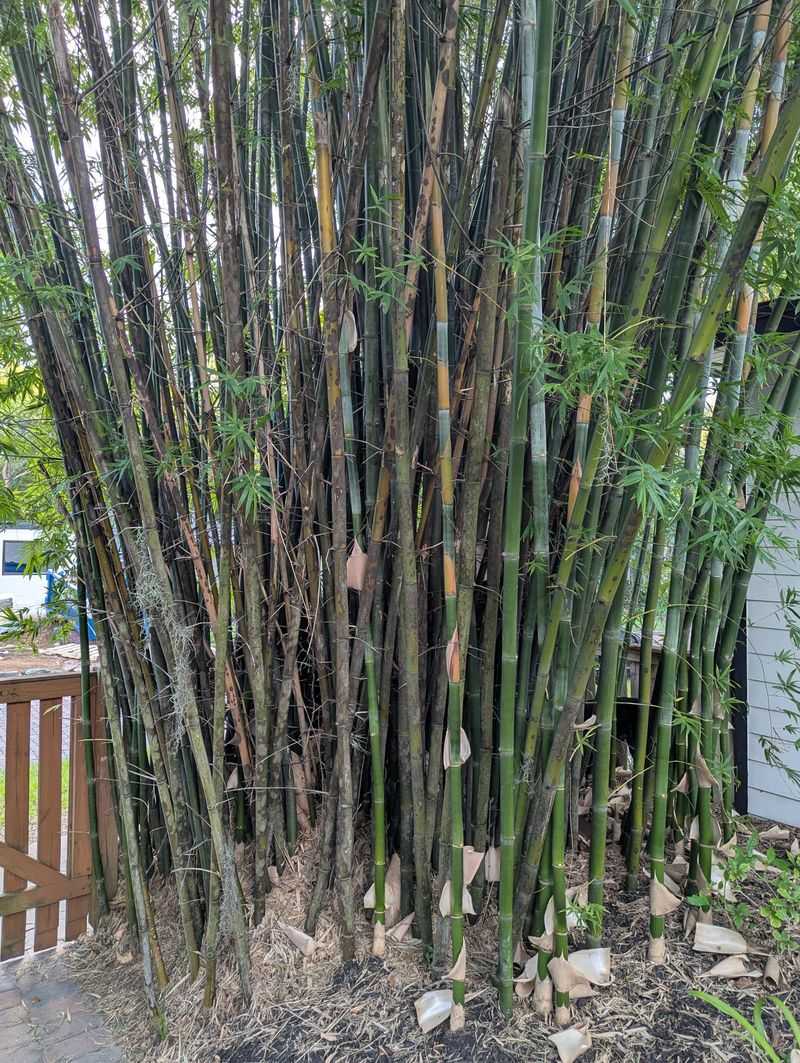
Bamboo has a certain magic about it. The tall, swaying canes create an almost instant privacy screen and give any yard a lush, tropical feel.
That appeal is exactly why so many Oregon gardeners have planted it, and why so many of those same gardeners now regret the decision.
Running bamboo spreads through underground rhizomes that can travel fifteen feet or more in a single season. Those roots push under fences, through driveways, and into neighboring yards.
Some homeowners have found bamboo popping up inside their homes through gaps in the foundation. Removing it can take years of persistent effort.
In Oregon’s mild climate, running bamboo thrives with very little encouragement. It does not need much water or fertilizer, and it has almost no natural predators here.
Once established, a full removal often requires heavy equipment and professional help.
Clumping bamboo varieties are a safer alternative if you love the look. They spread much more slowly and stay in a defined area.
Native ornamental grasses like tufted hairgrass or blue wild rye give a similar airy texture in the garden without any of the underground invasion risks. Your neighbors will thank you for choosing wisely.
7. Morning Glory (Bindweed Types)
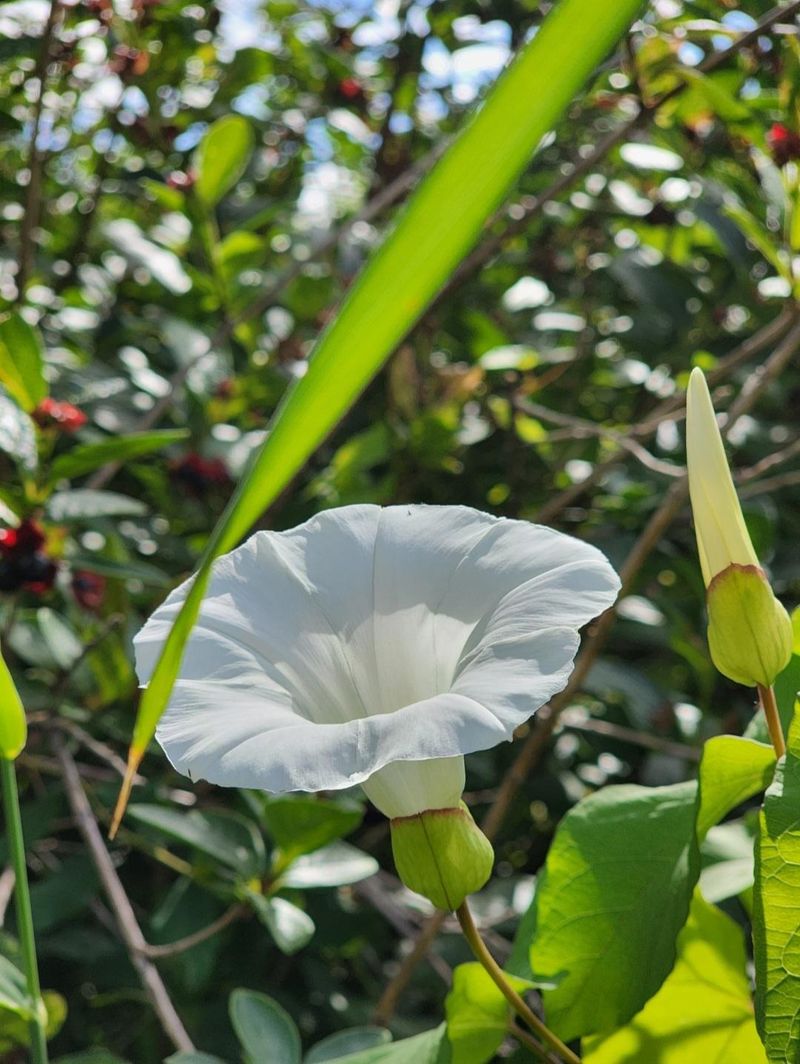
Those delicate trumpet-shaped flowers in pink, purple, and white look absolutely charming climbing up a trellis. Morning glory has been a cottage garden favorite for generations, but the bindweed types, particularly field bindweed, are a completely different story from the well-behaved annual varieties.
Bindweed is a perennial weed that spreads both by seed and by deep, fleshy roots that can reach ten feet underground. Pull it and it snaps back.
Dig it up and any root fragment left behind sprouts a new plant. In Oregon gardens, it can completely take over a vegetable bed or flower border in just one season.
The seeds remain viable in the soil for up to fifty years. That is not a typo.
Gardeners who think they have cleared an area are often surprised when bindweed returns season after season. It twines tightly around other plants, blocking their light and stunting their growth.
If you love flowering vines, native options like western clematis or Pacific bleeding heart offer beautiful blooms without the underground chaos. For trellis coverage, stick to annual morning glory varieties that are clearly labeled non-invasive.
Always read plant labels carefully, because the bindweed types are sneaky and often sold without clear warnings.
8. Pampas Grass
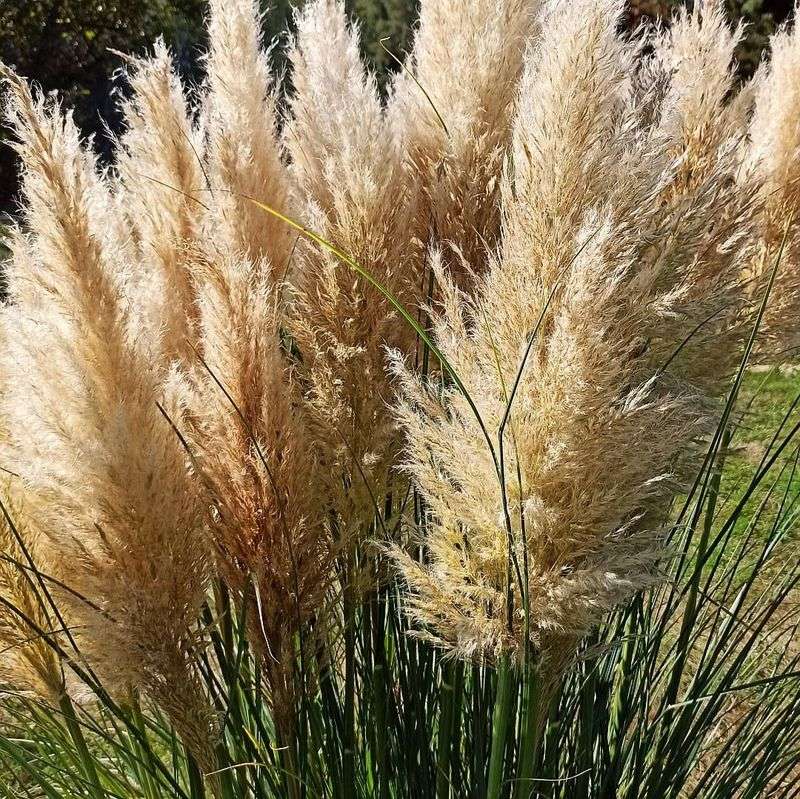
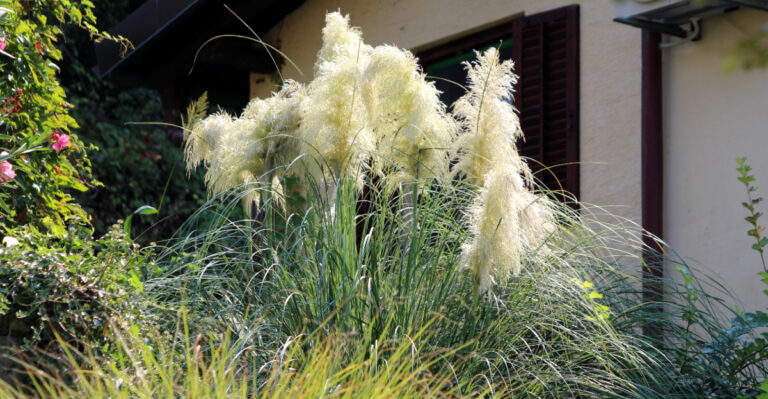
Few plants make a bolder statement in a landscape than Pampas Grass. Those enormous silvery-white plumes swaying in the breeze look dramatic and sophisticated.
It is easy to see why it became a landscaping trend. But in Oregon, planting Pampas Grass is a decision many gardeners come to regret.
Each plume can release up to one million seeds, and Oregon’s wind carries them far and wide.
Pampas Grass has naturalized along Oregon’s coast and in disturbed areas throughout the state, crowding out native dune plants and grasses that coastal wildlife depends on.
The plant itself is extremely difficult to remove once established.
The leaves have sharp edges that can cut through gloves and skin, making manual removal unpleasant. The root clumps are massive and heavy, often requiring machinery to pull out.
In fire-prone areas, the dry dead leaves inside the clump create a significant fire hazard.
Oregon’s coastal ecosystems are especially fragile, and Pampas Grass has already done measurable damage along the Pacific shoreline. Native ornamental grasses like blue oat grass or feather reed grass provide similar visual drama in the garden.
They give you that graceful, swaying look without threatening the natural landscapes that make Oregon so special.
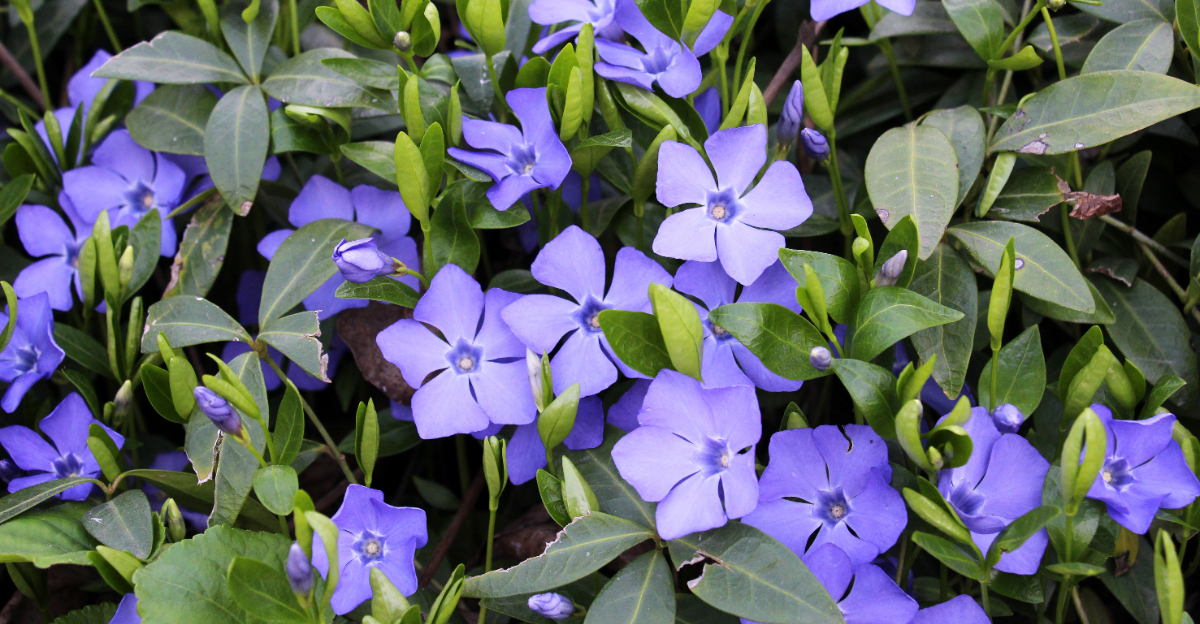
9. Periwinkle (Vinca)
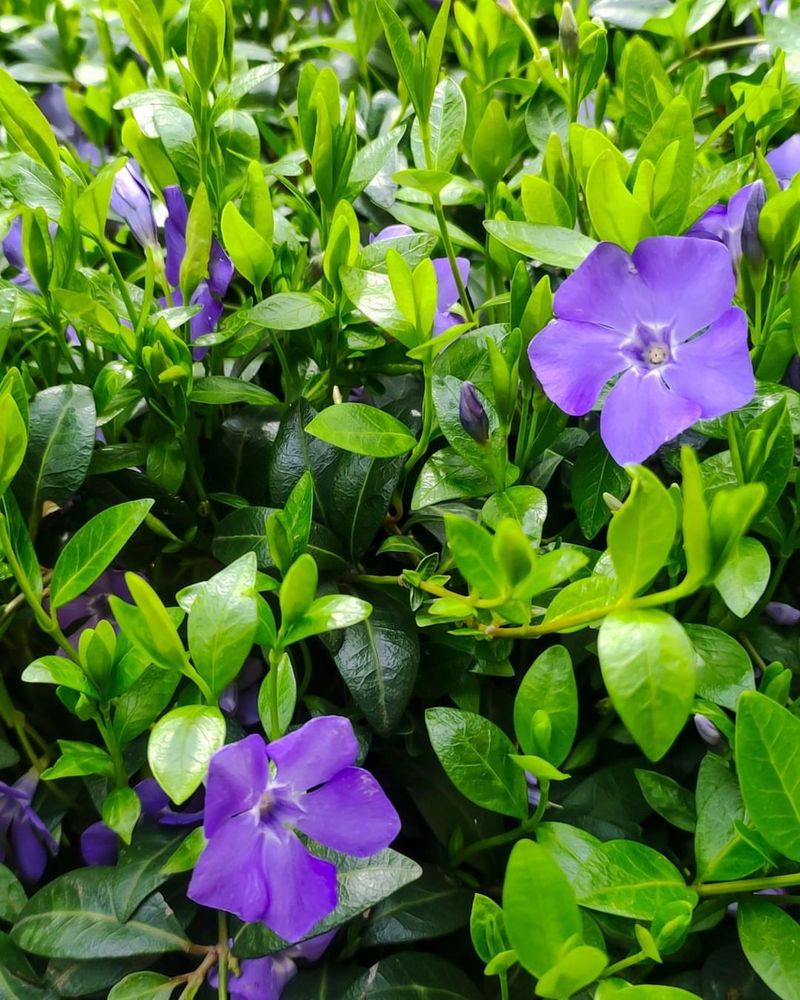
Shady spots under trees can be tough to fill with plants, and Periwinkle seems like the perfect solution. It is evergreen, low-growing, and covered in pretty blue-purple flowers each spring.
Garden centers sell it in abundance, and it has been planted in Oregon yards for decades. The problem is what happens when it escapes the garden.
Periwinkle spreads by sending out long runners that root wherever they touch the ground. It forms dense, thick mats that completely block light from reaching the soil below.
Native wildflowers, ferns, and tree seedlings simply cannot push through. In Oregon’s forests and natural areas, Periwinkle has replaced diverse understory plant communities with a single-species carpet.
Birds and small mammals that rely on native groundcover plants for food and nesting material find very little value in a Periwinkle mat.
The plant also does not break down quickly when it does eventually shed leaves, further suppressing soil activity and native seed germination.
For shady spots in an Oregon garden, native alternatives like sword fern, wild ginger, or vanilla leaf create beautiful, low-maintenance groundcovers that support the local ecosystem.
They may not establish quite as fast as Periwinkle, but the long-term benefit to Oregon’s native plant communities makes every bit of extra patience worthwhile.
10. Japanese Knotweed
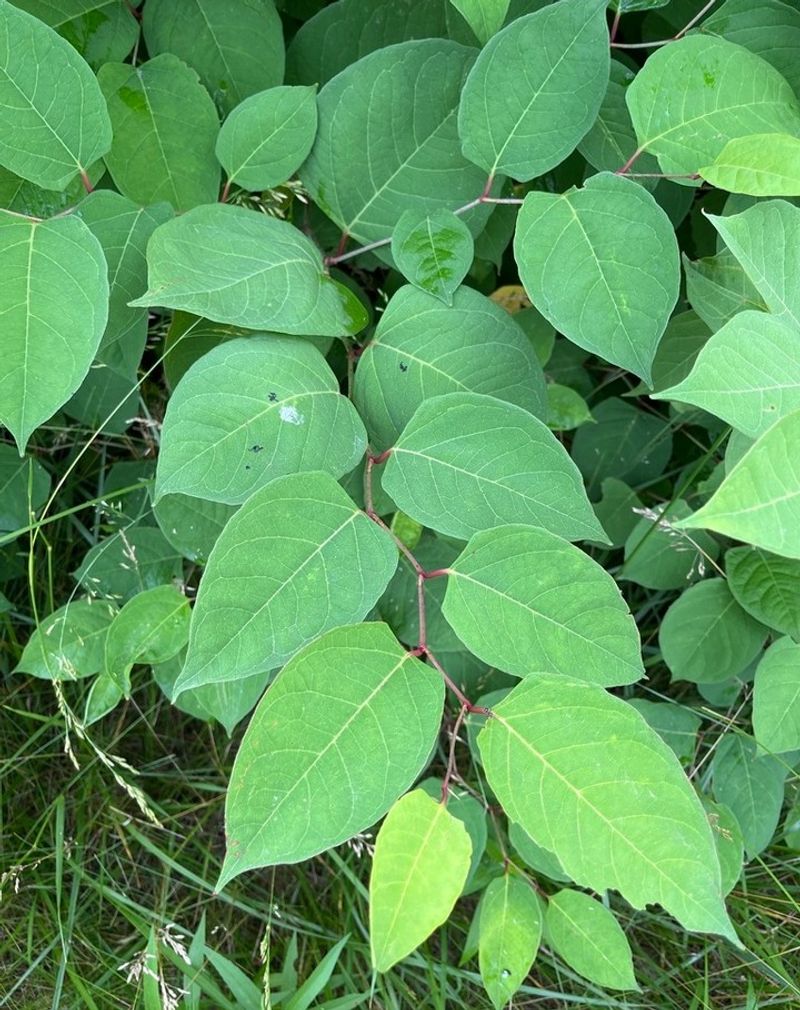
If there is one plant that strikes real fear into the hearts of Oregon property owners, it is Japanese Knotweed. Originally brought from Asia as an ornamental plant in the 1800s, it has since earned a reputation as one of the most aggressive invasive plants on the planet.
It is not an exaggeration.
Japanese Knotweed grows up to ten feet tall in a single season and spreads through rhizomes that can reach thirty feet from the parent plant. Tiny root fragments as small as a fingernail can sprout a new plant.
It pushes through asphalt, concrete foundations, and retaining walls. In the United Kingdom, mortgage lenders have refused loans on properties with active infestations.
Along Oregon’s rivers and streams, Japanese Knotweed has taken over entire banks, replacing native vegetation and increasing erosion. The hollow stems look a little like bamboo, which sometimes causes people to mistake it for something harmless.
It is anything but harmless.
Oregon law requires reporting Japanese Knotweed sightings in many counties, and removal efforts must be done carefully to avoid spreading root fragments. If you spot it on your property, contact your local county weed control board right away.
Early action is the single most effective tool for keeping this plant from taking permanent hold.