These Fruit Trees Are Easier For Oregon Backyards Than Peaches
Peach trees sound dreamy until Oregon weather starts adding complications. A backyard peach can be picky about timing, disease pressure, and those damp spring stretches that seem to last forever.
One minute you are imagining warm fruit straight off the branch. The next, you are dealing with leaf curl and wondering why the tree looks personally betrayed by the forecast.
Luckily, peaches are not the only fruit trees worth planting. Some options fit Oregon backyards with less drama and still bring a harvest worth bragging about.
They can handle local conditions more gracefully, which means fewer headaches for gardeners who just want fruit without a full time side quest.
The trick is knowing which trees are naturally better matched to the region. A smart fruit tree can make the backyard feel productive without demanding constant rescue missions. Peaches may get the romance, but easier trees often win the season.
1. Figs Are The Low-Fuss Backyard Favorite
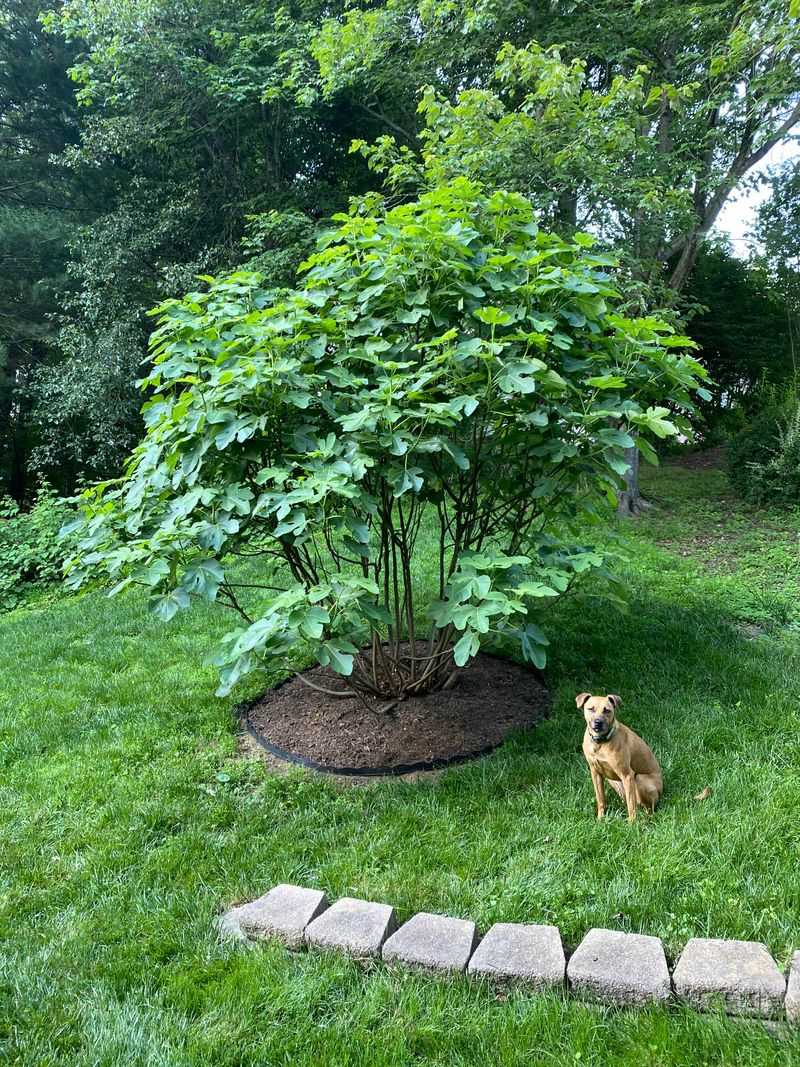
Few backyard trees are as rewarding and forgiving as the fig. Once established, a fig tree practically takes care of itself.
It does not need a pollinator, it rarely gets serious diseases, and it produces loads of sweet fruit every season.
In the milder parts of our state, especially in the Willamette Valley, figs absolutely love the climate.
The warm, dry summers give the fruit plenty of time to ripen fully. Even in cooler areas, varieties like Brown Turkey and Desert King perform surprisingly well.
Figs prefer well-drained soil and a sunny spot along a south-facing wall or fence. That extra warmth from reflected heat helps the fruit develop its rich, honey-like sweetness. You can also grow figs in large containers if your space is limited.
Pruning is simple. Just remove dead or crossing branches in late winter before new growth starts. You do not need to spray for pests or apply complicated fertilizer schedules to get a good harvest.
One quirky fact about figs is that the fruit is actually an inverted flower. What you eat is the inside of a closed blossom.
That unusual biology is part of what makes figs so easy to grow since they do not rely on open flowers that can be damaged by late spring rain.
For beginner gardeners or anyone tired of babying finicky trees, figs are a fantastic place to start.
2. Persimmons Handle Oregon Gardens With Less Drama
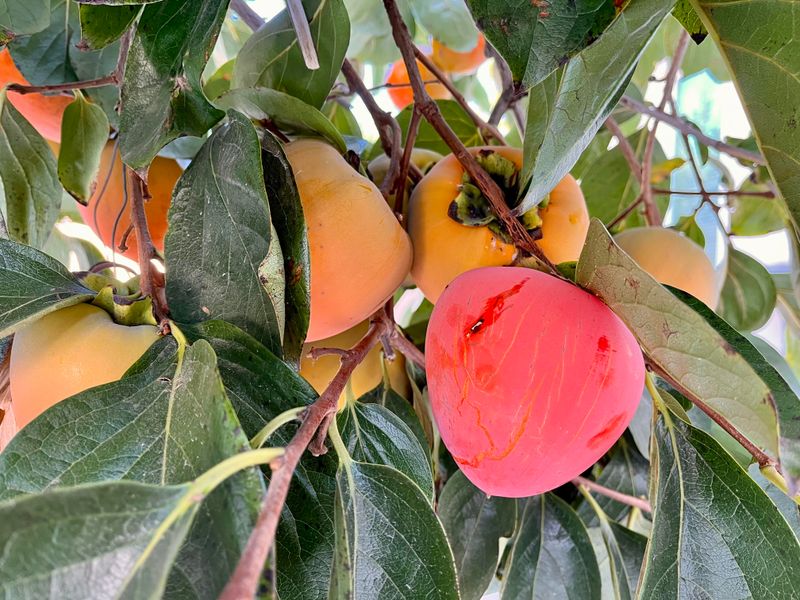
There is something almost magical about a persimmon tree in the fall. The bright orange fruits hang on the branches like little lanterns long after the leaves have dropped. It is one of the most beautiful sights a backyard can offer.
Beyond the looks, persimmons are genuinely tough trees. They handle wet winters, clay soils, and summer heat without complaining.
Both American and Asian varieties grow well here, though Asian types like Hachiya and Fuyu tend to produce larger, sweeter fruit.
Fuyu persimmons are non-astringent, which means you can eat them while they are still firm, almost like an apple.
Hachiya types need to soften fully before eating, but the resulting flavor is rich and almost pudding-like. Either way, you end up with something truly delicious straight from your own yard.
Your Oregon Garden Changes Every Week. Your Plan Should Too.
Gardening in Oregon changes quickly throughout the season. Every Friday you’ll receive a simple weekly plan showing exactly what to plant, prune, fertilize, harvest, and protect so you never miss the right timing.
Persimmons rarely need spraying for pests or diseases. They also have deep roots that help them handle both dry spells and soggy conditions. Once the tree settles in after the first couple of years, it becomes extremely self-sufficient.
Planting in a spot with full sun and decent drainage gives the best results. Adding a layer of mulch around the base helps retain moisture during dry summers.
Compared to peaches, which demand precise timing and frequent attention, persimmons ask for very little. They reward patient gardeners with reliable harvests year after year without the stress.
3. Mulberries Grow Fast And Ask For Little
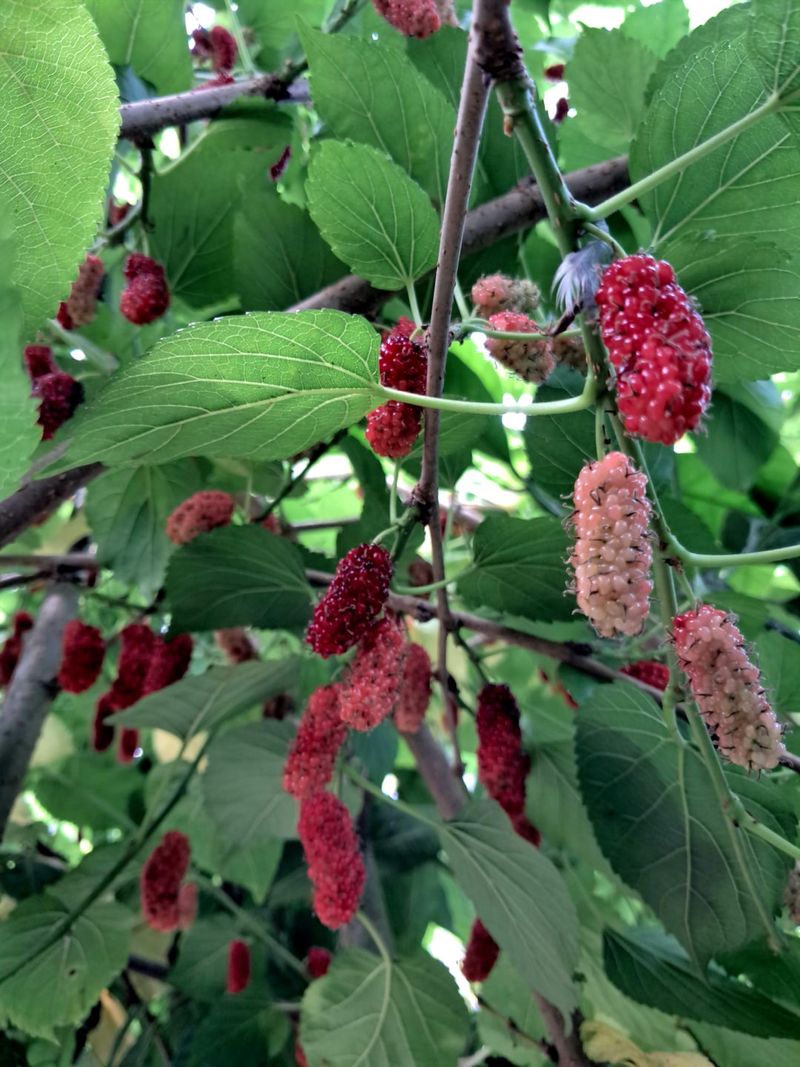
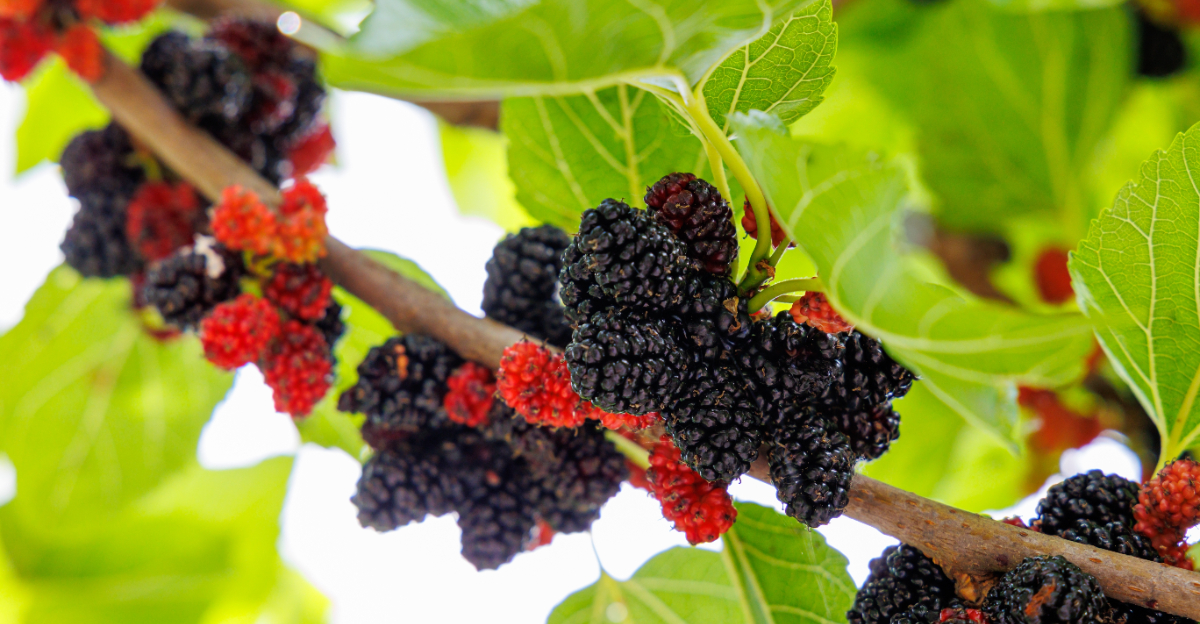
Mulberries might be the most underrated fruit tree you can grow in a home garden. They grow fast, fruit heavily, and honestly do not care much about soil quality or weather. If you want results quickly without a lot of effort, mulberry is hard to beat.
Trees can start producing fruit within just two to three years of planting. The berries look like elongated blackberries and taste like a cross between a blackberry and a raspberry with a little extra sweetness.
They are fantastic fresh, in jams, or baked into pies and cobblers. One thing to keep in mind is that mulberries are messy.
The falling fruit stains sidewalks, patios, and anything else underneath the tree. Planting away from paved areas or parking spots saves a lot of cleanup headaches later on. Our state’s mild, wet winters and warm summers suit mulberries perfectly.
They are naturally disease resistant and rarely attract the same pest pressure that peaches and other stone fruits do. You will spend far less time worrying and far more time harvesting.
Red mulberry is native to North America, while white and black mulberry varieties originally came from Asia.
All three grow well here, though black mulberry tends to produce the richest-tasting fruit.
For families with kids or anyone who just wants an abundant, no-drama fruit tree, mulberry is a seriously smart backyard choice that delivers season after season.
4. Asian Pears Give You Crisp Fruit Without Peach Problems
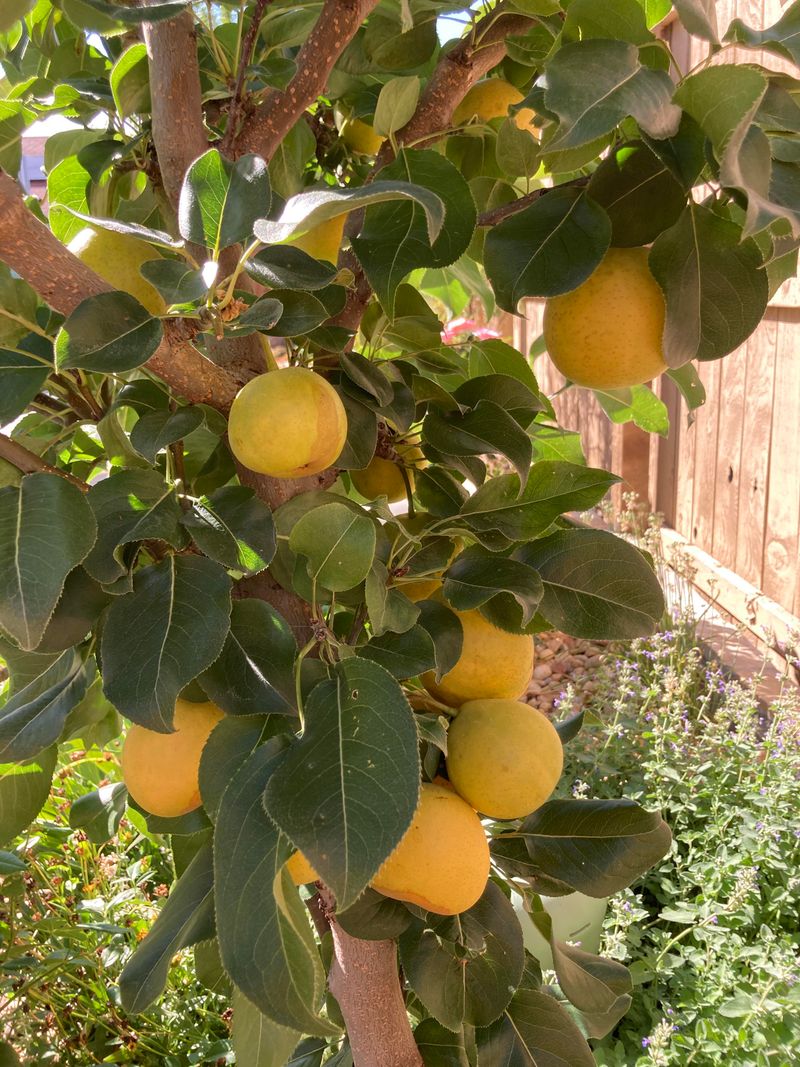
Crunchy, juicy, and refreshing, Asian pears are like nature’s version of a perfectly ripe apple crossed with a pear.
Unlike European pears, you eat them crisp right off the tree. There is no waiting around for them to soften on the counter.
These trees do extremely well across much of our state. They are more tolerant of wet spring weather than peaches, and they handle the temperature swings common in many parts of the Pacific Northwest without skipping a beat.
Fire blight can be an issue, but choosing resistant varieties like Hosui, Shinseiki, or Chojuro keeps that problem manageable.
Most Asian pear trees need a second variety nearby for cross-pollination. Planting two different varieties within about 50 feet of each other usually does the trick.
The reward is a heavy crop of beautiful round fruits that store well in the refrigerator for weeks after harvest.
Asian pears are not as demanding as peaches when it comes to thinning, spraying, or dealing with brown rot.
Their thick skin helps protect the fruit from common fungal problems that devastate peach crops during rainy seasons.
The trees themselves have an elegant, upright shape that fits nicely into smaller yards. They also put on a lovely show of white blossoms in early spring before the leaves emerge.
For any gardener who has struggled with peaches, switching to Asian pears can feel like a breath of fresh air and a much tastier harvest.
5. European Pears Are A Classic Easier Choice
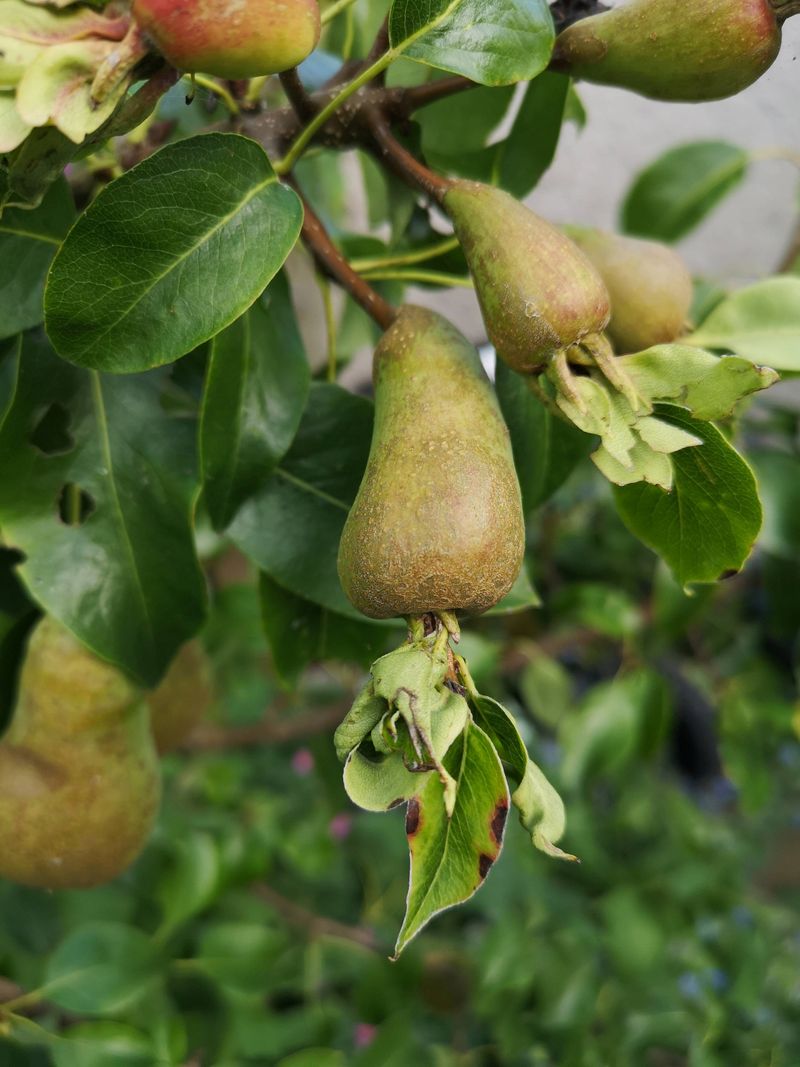
There is a reason European pears have been grown in home gardens for centuries. They are reliable, productive, and well-suited to cooler, wetter climates like the ones found across much of our state.
Varieties like Bartlett, Bosc, and Comice have been thriving here for generations. Unlike peaches, pears do not need a long hot summer to ripen well.
They actually prefer mild temperatures and can handle more cloud cover and rain without losing fruit quality.
That makes them a natural fit for western valleys and coastal areas where summers stay relatively cool.
European pears need to be harvested before they are fully ripe and then allowed to ripen off the tree at room temperature.
This sounds tricky at first, but once you learn the timing, it becomes second nature. The payoff is buttery, sweet fruit that is hard to match at any grocery store.
Fire blight is the main disease concern, but selecting resistant varieties and pruning carefully keeps it under control. Avoid heavy nitrogen fertilizing, which encourages the soft new growth that fire blight loves to attack.
Two different varieties are usually needed for good pollination, though some are partially self-fertile. Spacing them about 20 to 25 feet apart works well in most backyard settings.
Compared to the constant battle that peaches often require in wet climates, European pears offer a much calmer growing experience with consistently rewarding results each harvest season.
6. Plums Are Usually More Forgiving Than Peaches
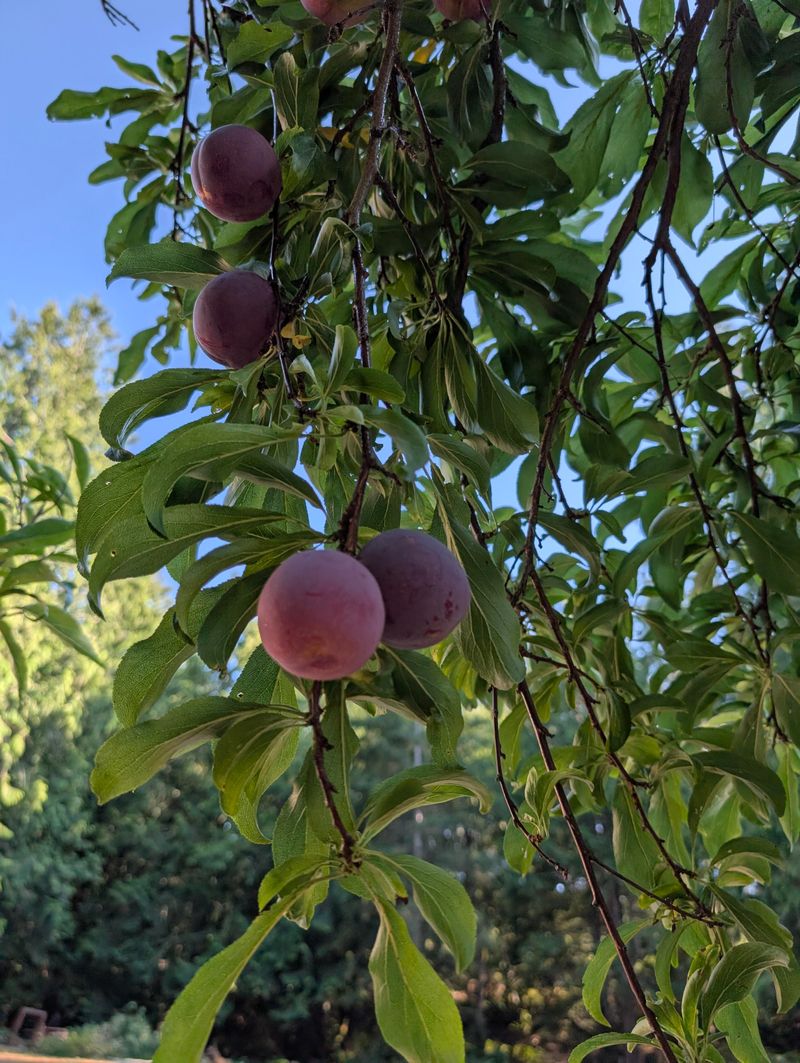
Plums have a well-earned reputation for being some of the toughest and most adaptable fruit trees a home gardener can grow.
They tolerate heavier soils, wetter conditions, and more temperature variation than peaches ever could. In a place like ours, that resilience matters a lot.
European plums like Italian prune plums are especially popular here and for good reason. They ripen reliably even in cooler summers, resist brown rot better than peaches, and produce consistently heavy crops.
Many older neighborhoods still have Italian prune trees that have been fruiting for 50 years or more with minimal care.
Japanese plum varieties like Santa Rosa and Methley are also worth growing, especially in warmer inland areas.
They tend to ripen earlier in the season and offer a juicier, sweeter flavor profile. Some Japanese types need a pollinator nearby, so check the label before you plant.
Plums do appreciate some annual pruning to keep the canopy open and the fruit size up. Thinning the fruit early in the season, when they are still small, helps prevent branches from breaking under a heavy load.
Pests like aphids and plum curculio can show up, but they are generally easier to manage than the disease pressure that plagues peach trees in wet climates.
Whether you want fresh eating, canning, or drying into prunes, plums deliver a versatile and dependable harvest that rarely lets backyard growers down.
7. Sour Cherries Can Be Easier Than Sweet Cherries
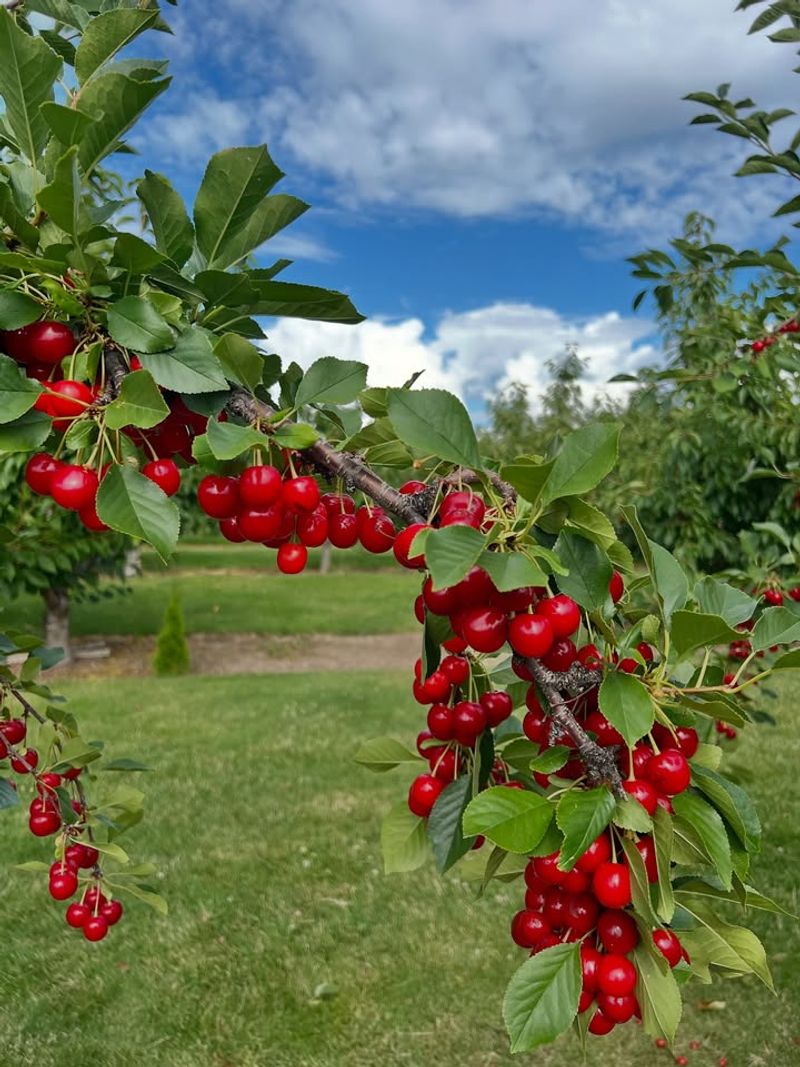
Sweet cherries get all the glory, but sour cherries are the ones that actually make backyard growing feel manageable.
Varieties like Montmorency are smaller trees, self-fertile, and far more tolerant of the cool, wet springs that are so common across our region.
Sweet cherries are notoriously picky. They crack in the rain, need pollinators, and can grow into enormous trees that are hard to manage. Sour cherries sidestep most of those headaches entirely.
They stay compact, usually reaching 10 to 15 feet tall, which makes harvesting and netting against birds much easier.
The flavor of sour cherries is tart and bright, which makes them absolutely perfect for pies, jams, sauces, and preserves.
Once you taste a homemade sour cherry pie made with fruit from your own tree, store-bought versions will never feel the same again.
Sour cherry trees tend to be more disease resistant than sweet varieties, though they can still get leaf spot in very wet years. Keeping the canopy pruned open for good airflow dramatically reduces that risk.
Full sun and well-drained soil are the main requirements for a healthy tree. They also appreciate a layer of mulch to keep roots cool during dry summer stretches.
For anyone who has tried and struggled with sweet cherries, switching to a sour variety can completely change the experience.
Less fuss, a more manageable tree, and a reliable harvest of seriously flavorful fruit every single summer.
8. Disease-Resistant Apples Make Backyard Growing Simpler
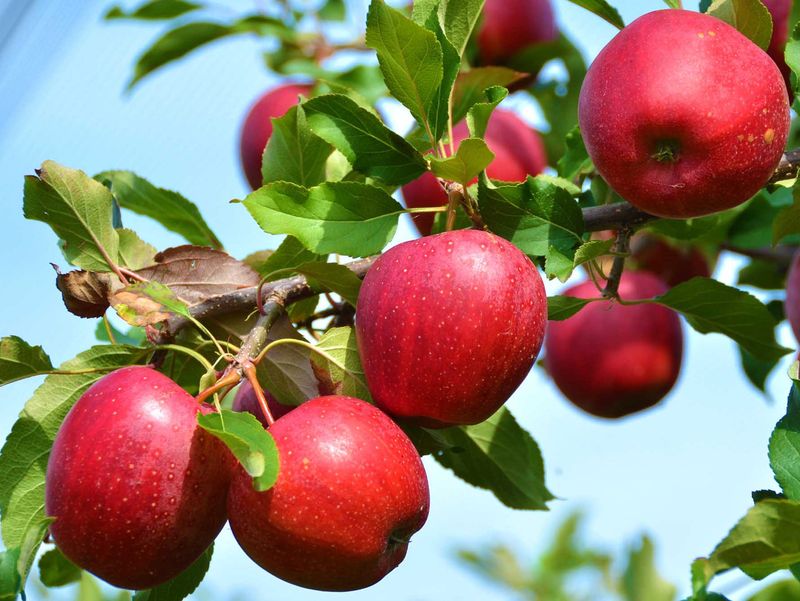
Apples have been grown in home gardens here for well over a hundred years, and for good reason.
They are adaptable, productive, and available in an enormous range of flavors and ripening times.
The key to easy apple growing in our wet climate is choosing disease-resistant varieties from the start.
Standard apple varieties like old-fashioned Transparent or Cox’s Orange Pippin can struggle badly with scab and powdery mildew in rainy conditions.
Newer disease-resistant varieties like Liberty, Goldrush, Pristine, and Enterprise were specifically bred to handle those problems. They need little to no spraying and still produce beautiful, tasty fruit.
Apples need a second variety nearby for cross-pollination, but most neighborhoods already have apple trees growing somewhere close.
Even a crabapple tree can serve as a pollinator, so you may not need to plant two trees if neighbors already have one nearby.
Annual pruning is important for apples. Keeping the center of the tree open allows sunlight and airflow to reach all the branches, which reduces disease pressure and improves fruit size and flavor.
It sounds complicated, but basic pruning really comes down to removing crowded, crossing, or downward-growing branches each winter.
Compared to peaches, which demand near-perfect timing on sprays and often fail in wet springs, disease-resistant apples are a much more relaxed growing experience.
With the right variety, a backyard apple tree can produce bushels of fresh fruit year after year without turning into a full-time gardening project.