The 9 California Plants That Grow Massive Show-Stopping Flowers
Some plants don’t just bloom, they put on a full-on show. In California gardens, where sunshine is plentiful and growing seasons stretch long, certain plants take full advantage and produce flowers that are impossible to ignore.
We’re talking oversized blooms, bold colors, and that wow factor that instantly grabs attention.
These are the kinds of plants that stop people in their tracks. A single flower can steal the spotlight, and when several open at once, it turns your garden into something that feels almost over the top in the best way.
Even a small space can feel dramatic with the right choices. The best part is many of these big bloomers thrive in California’s conditions with surprisingly little fuss.
Give them sun, a bit of care, and they’ll reward you with flowers that don’t just blend in, they take over the scene.
1. Tree Peony
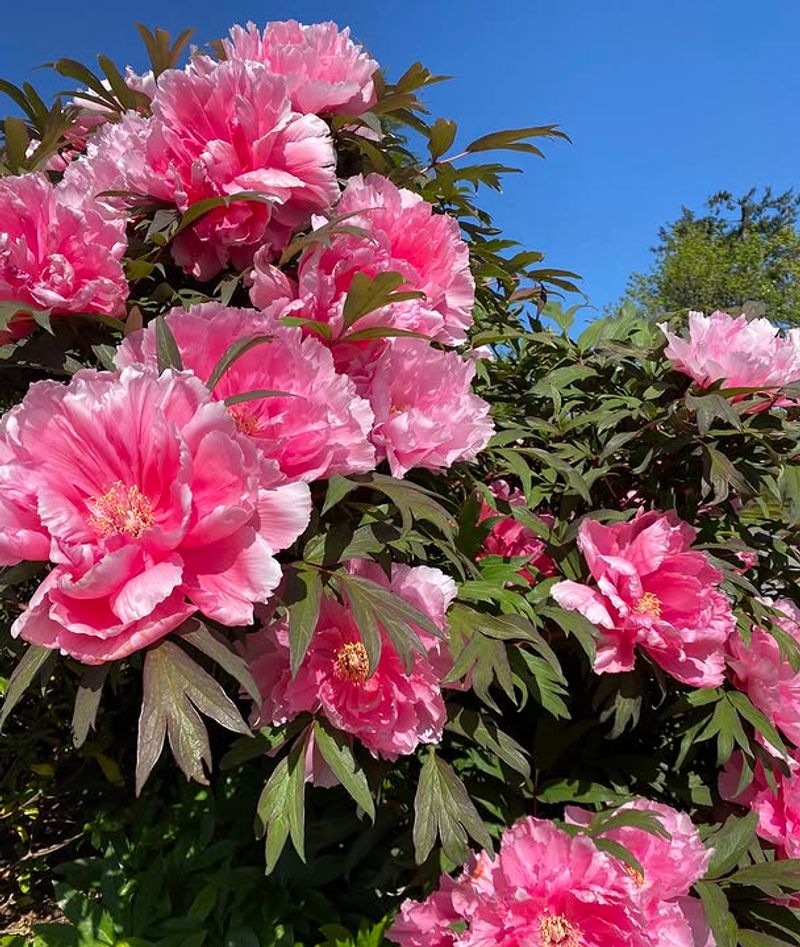
Few flowers in the garden world command attention quite like a tree peony in full bloom. Unlike the more common herbaceous peony that disappears underground each winter, the tree peony keeps its woody stems year-round.
In California, this plant thrives beautifully in coastal and inland garden beds with good drainage.
The blooms can reach up to 12 inches across, making them some of the largest flowers you can grow. Colors range from pure white and soft pink to deep burgundy and vivid yellow.
Each flower looks almost too perfect to be real, like something out of a painting.
Tree peonies prefer a spot with morning sun and afternoon shade, especially in warmer California regions. They are slow growers but incredibly long-lived, sometimes blooming for decades.
Plant them in rich, well-draining soil and give them room to spread out. Avoid overwatering, as soggy roots are their biggest enemy.
Once established, they need very little care and reward you with stunning flowers every spring. Adding a layer of mulch around the base helps keep moisture in and roots cool during hot California summers.
2. Dinnerplate Dahlia
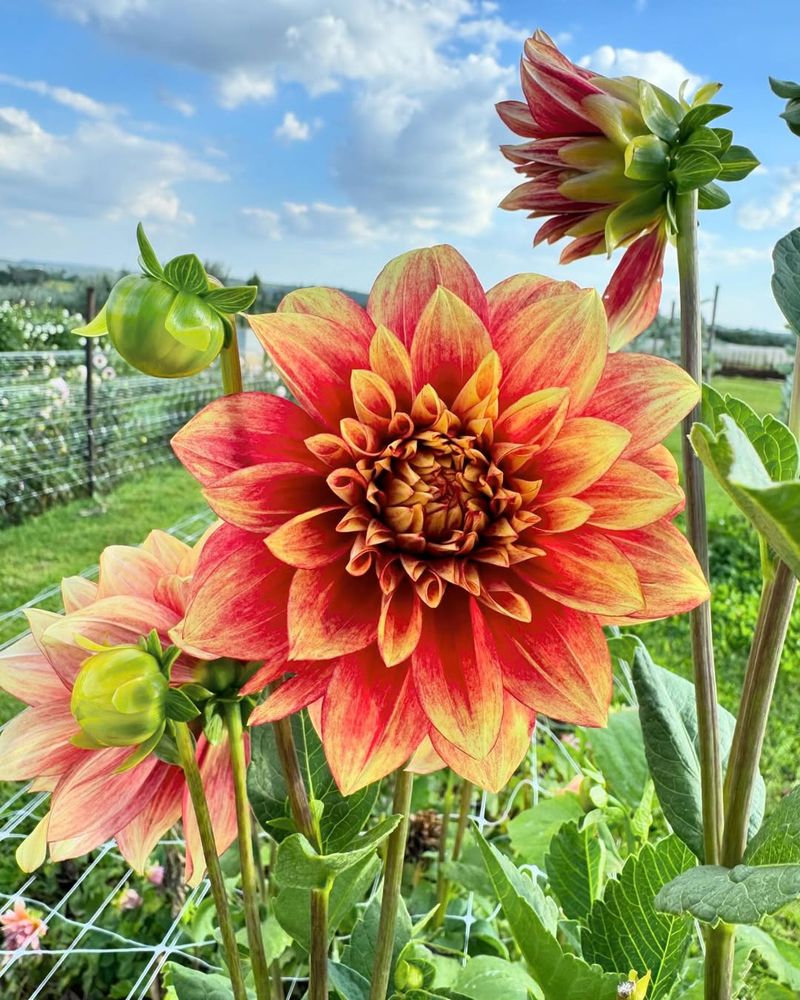
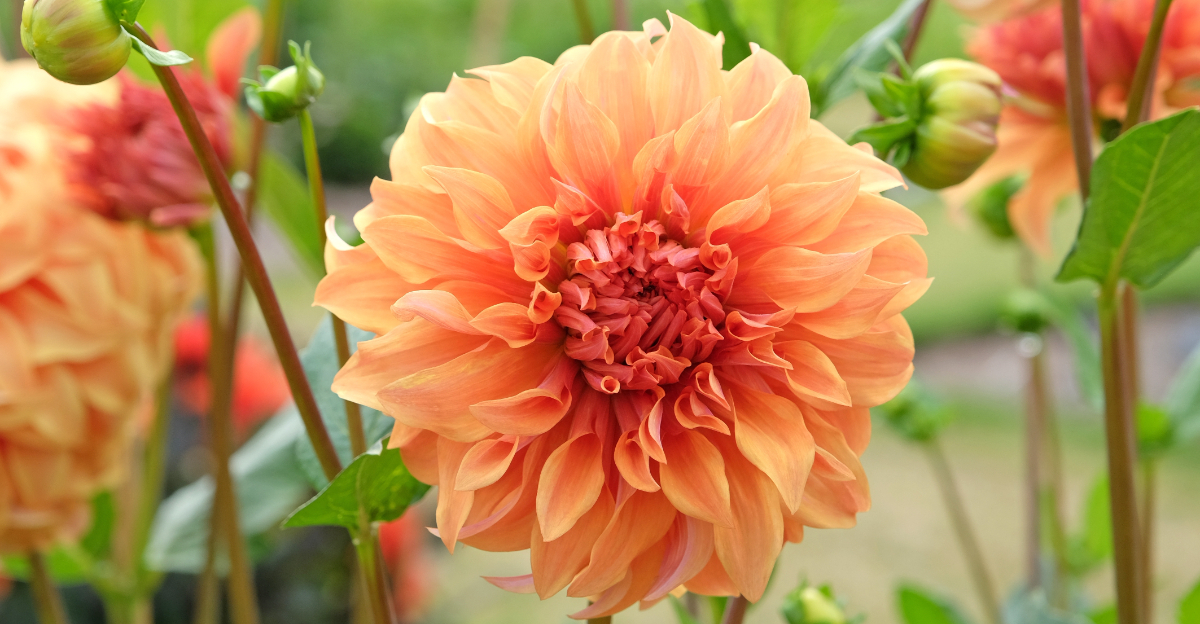
Imagine a flower so wide it actually matches the size of a dinner plate. That is exactly what dinnerplate dahlias deliver, and California gardeners absolutely love them for it.
These jaw-dropping blooms can measure anywhere from 10 to 14 inches across, making them one of the biggest flowers you can grow in a home garden.
They come in nearly every color imaginable, from rich burgundy and coral orange to soft lavender and creamy white. The petals are layered in tight, organized rows that create a full, lush look.
Planted in a sunny California border or raised bed, they become instant focal points that draw every eye.
Dahlias grow from tubers that you plant in spring after the last frost threat has passed. They love full sun and rich, well-draining soil.
Tall varieties need staking to keep those heavy blooms upright. Deadheading spent flowers encourages even more blooms throughout summer and fall.
In mild California climates, tubers can often stay in the ground year-round. Regular feeding with a low-nitrogen fertilizer keeps plants healthy and producing flowers consistently all season long.
Your California Garden Changes Every Week. Your Plan Should Too.
Gardening in California changes quickly throughout the season. Every Friday you’ll receive a simple weekly plan showing exactly what to plant, prune, fertilize, harvest, and protect so you never miss the right timing.
3. Hibiscus (Tropical And Hardy Types)
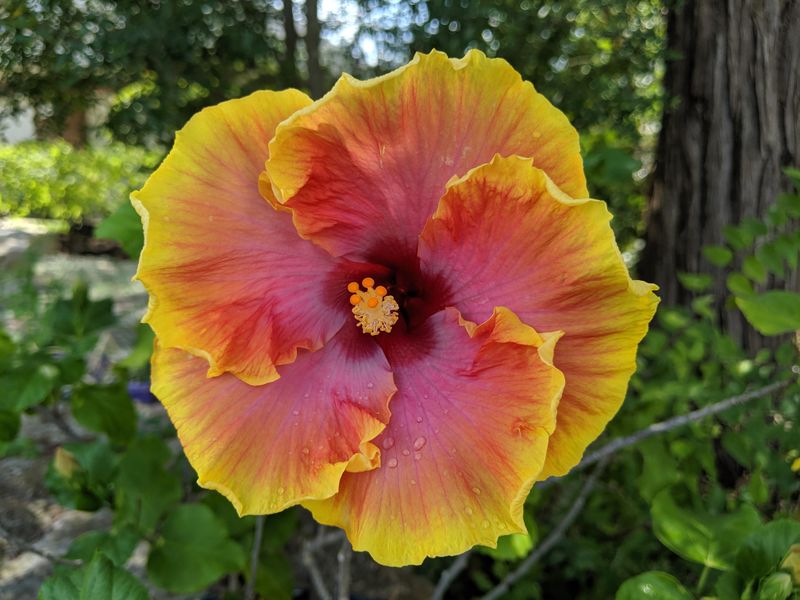
Walk through any Southern California neighborhood in summer and you are almost guaranteed to spot a hibiscus showing off its oversized blooms. Tropical hibiscus varieties produce flowers that can reach 6 to 12 inches wide, in shades of red, pink, orange, yellow, and even multicolored patterns.
They are bold, cheerful, and almost impossible to miss.
California’s warm coastal and southern climates are perfect for tropical hibiscus. These plants love heat, humidity, and full sun.
Hardy hibiscus varieties are a great option for cooler inland areas, producing equally massive blooms on tougher, more cold-tolerant plants. Both types attract hummingbirds and butterflies like magnets.
Plant hibiscus in a sunny spot with moist but well-draining soil. They respond well to regular feeding during the growing season.
Tropical types can be grown in large containers and moved indoors during cold snaps in Northern California. Prune them back in late winter to encourage fresh new growth and a better flower show.
With the right care, hibiscus plants bloom repeatedly throughout the warm months, giving your California garden a tropical, resort-style feel that never gets old.
4. Angel’s Trumpet (Brugmansia)
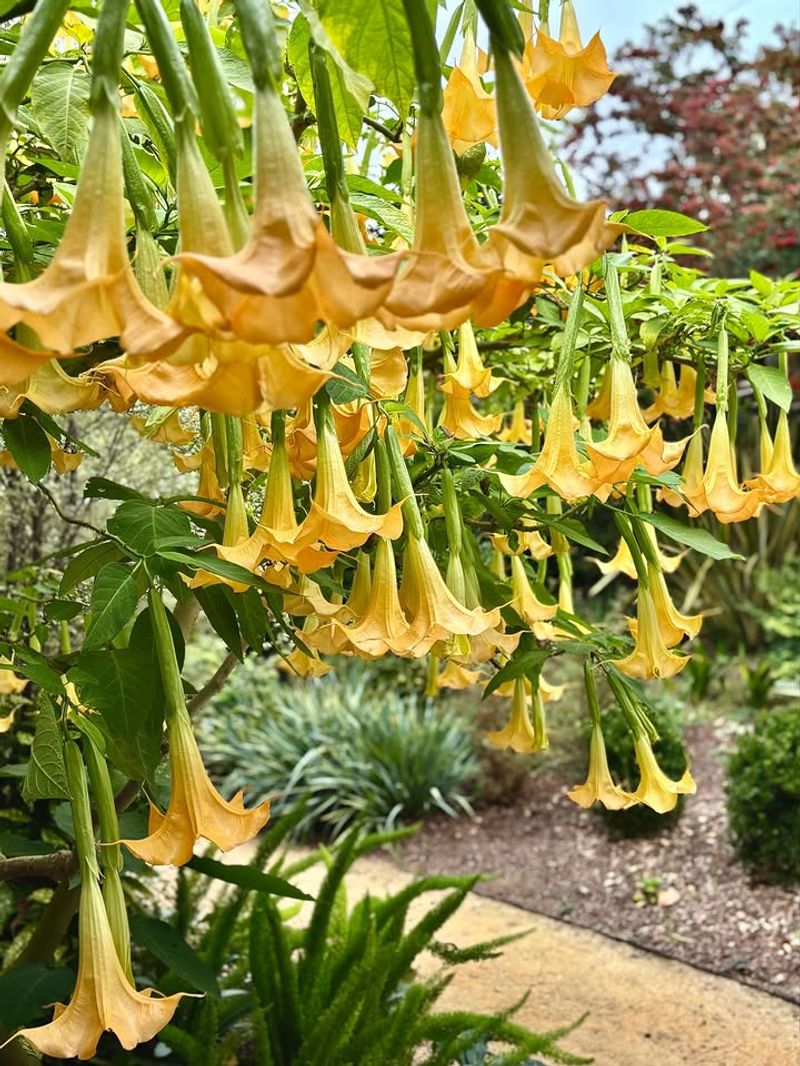
There is something almost magical about standing near an angel’s trumpet at dusk. The long, pendulous blooms hang downward like elegant chandeliers, releasing a sweet, intoxicating fragrance as the evening cools.
Each trumpet-shaped flower can measure between 12 and 20 inches long, making them some of the most dramatic blooms in any California garden.
Brugmansia thrives in California’s warm coastal and southern regions where frosts are rare or mild. It grows quickly into a large shrub or small tree, sometimes reaching 10 feet tall or more.
Flowers come in shades of white, yellow, peach, pink, and soft orange. A single plant in full bloom can carry dozens of flowers at once.
Plant angel’s trumpet in a sheltered spot with full to partial sun and rich, well-draining soil. It is a thirsty plant and needs consistent watering during warm months.
Feed it regularly with a balanced fertilizer to keep it blooming through summer and fall. Note that all parts of this plant are toxic if eaten, so keep it away from children and pets.
In cooler California areas, it can be grown in large containers and brought inside during cold weather to protect it.
5. Magnolia
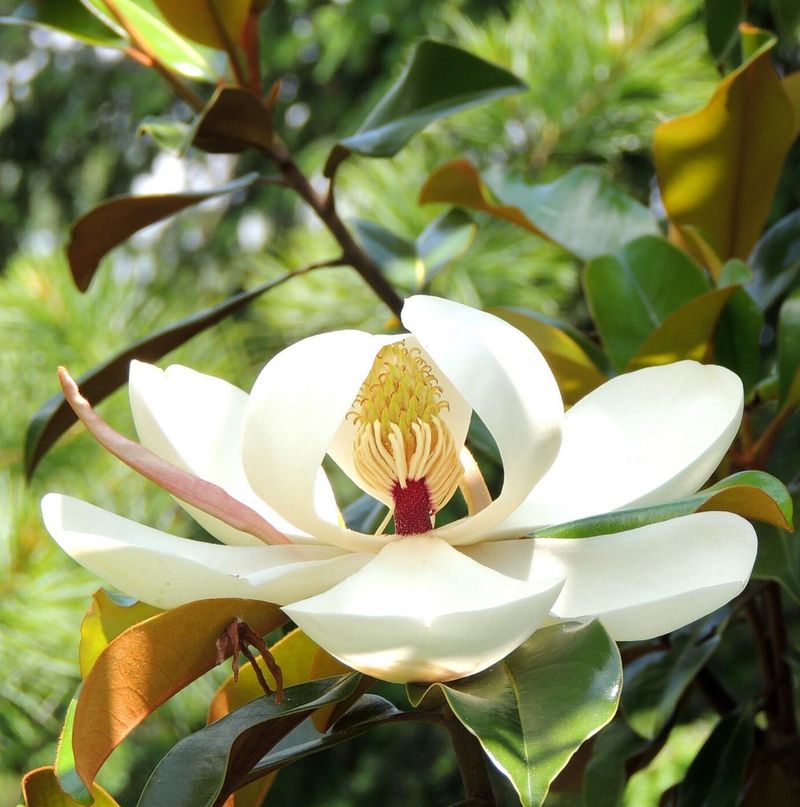
Southern magnolia is the kind of tree that makes you stop your car just to take a second look. Its creamy white flowers can grow up to 10 inches across and carry a rich, lemony fragrance that fills the air around them.
In California, Magnolia grandiflora is a popular landscape tree that thrives in both coastal and inland areas.
The tree itself is impressive year-round, with large, glossy dark green leaves that have a bronze-brown underside. It can grow 60 to 80 feet tall at maturity, so it works best in spacious yards or as a grand street tree.
Smaller cultivars like ‘Little Gem’ are available for gardens with less space and still produce those gorgeous oversized blooms.
Magnolias prefer full sun and deep, well-draining, slightly acidic soil. They are relatively drought-tolerant once established, which suits California’s dry summers well.
Young trees benefit from regular watering and mulching around the base to retain soil moisture. Avoid planting near sidewalks or driveways, as the roots and leaf litter can cause issues over time.
With patience and proper placement, a magnolia becomes a stunning, long-lived centerpiece in any California garden.
6. Rose (Large-Flowered Varieties)
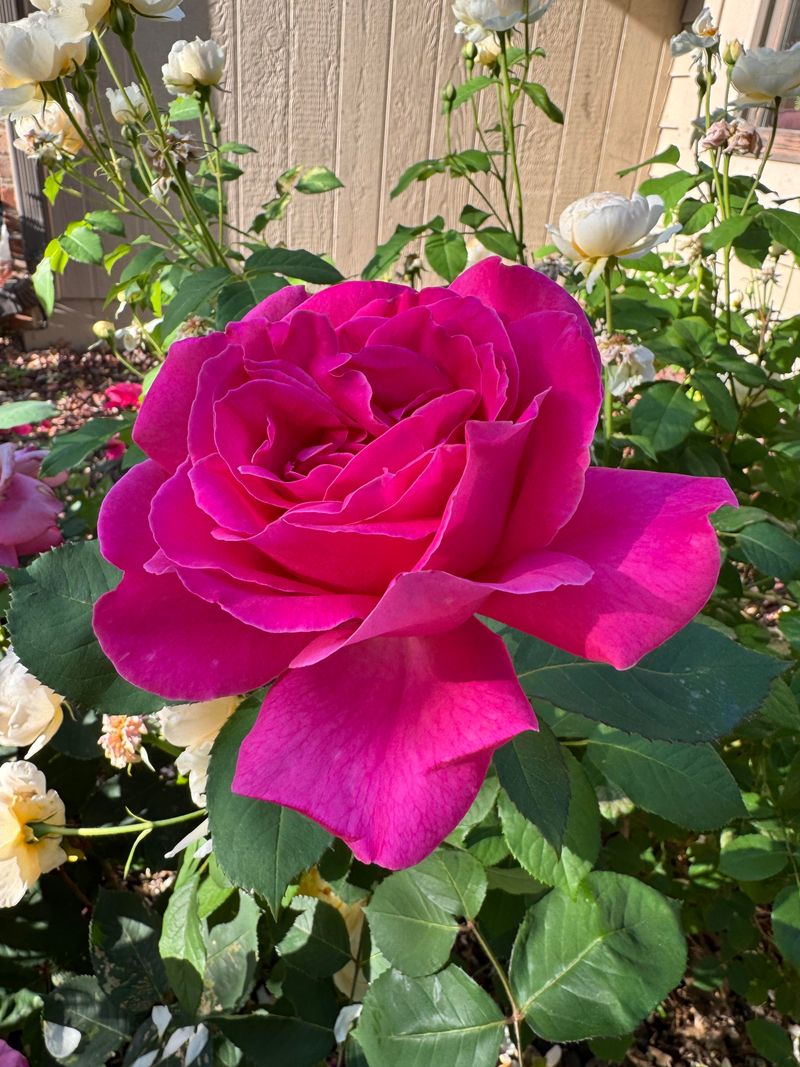
California has long been one of the best places in the country to grow roses, and the large-flowered varieties take that reputation to a whole new level. Hybrid tea roses and grandiflora types produce blooms that can measure 5 to 6 inches across, with layers of silky petals in colors ranging from classic red and blush pink to deep purple and bright coral.
The state’s mild winters and long growing seasons give roses more time to bloom compared to most other parts of the country. Cities like Pasadena and San Jose are famous for their stunning rose gardens, and home gardeners across California grow them with great success.
Large-flowered varieties like ‘Mr. Lincoln,’ ‘Queen Elizabeth,’ and ‘Peace’ are longtime favorites that deliver big, fragrant blooms season after season.
Roses need full sun, at least six hours a day, and rich, well-draining soil. Regular feeding with a rose-specific fertilizer keeps plants vigorous and blooming.
Prune in late winter or early spring to shape the plant and encourage strong new growth. Watch for common issues like aphids and powdery mildew, especially in cooler coastal California areas.
Good air circulation around plants helps keep foliage healthy and reduces disease pressure significantly.
7. Camellia
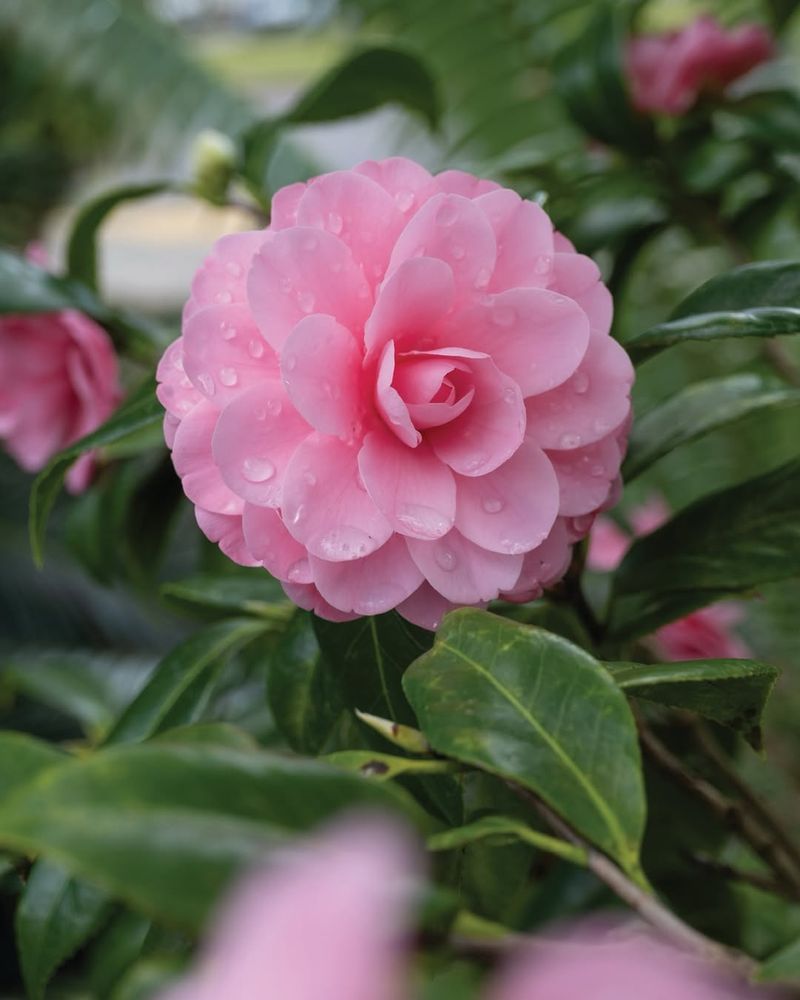
When most flowers take a winter break, camellias are just getting started. These evergreen shrubs bloom from late fall through early spring, filling California gardens with large, perfectly shaped flowers during the quietest season of the year.
Blooms on large-flowered varieties can reach 5 to 6 inches across and look almost like they were crafted by hand.
Camellias are a beloved fixture in Northern California gardens, particularly in the Bay Area and along the coastal foothills where the mild, moist winters suit them perfectly. They come in hundreds of varieties, with flowers in shades of white, pink, red, and bicolor combinations.
The formal double varieties look especially striking and are often used in cut flower arrangements.
These shrubs prefer dappled shade or morning sun with afternoon protection, especially in hotter California inland areas. They need acidic, well-draining soil and regular watering during dry spells.
Avoid planting them in spots with reflected heat from walls or pavement. Feed with an acid-forming fertilizer in early spring and again after flowering.
Camellias are long-lived plants that grow slowly but steadily, eventually becoming large, graceful shrubs loaded with blooms each winter that genuinely brighten up the cooler months.
8. Hydrangea
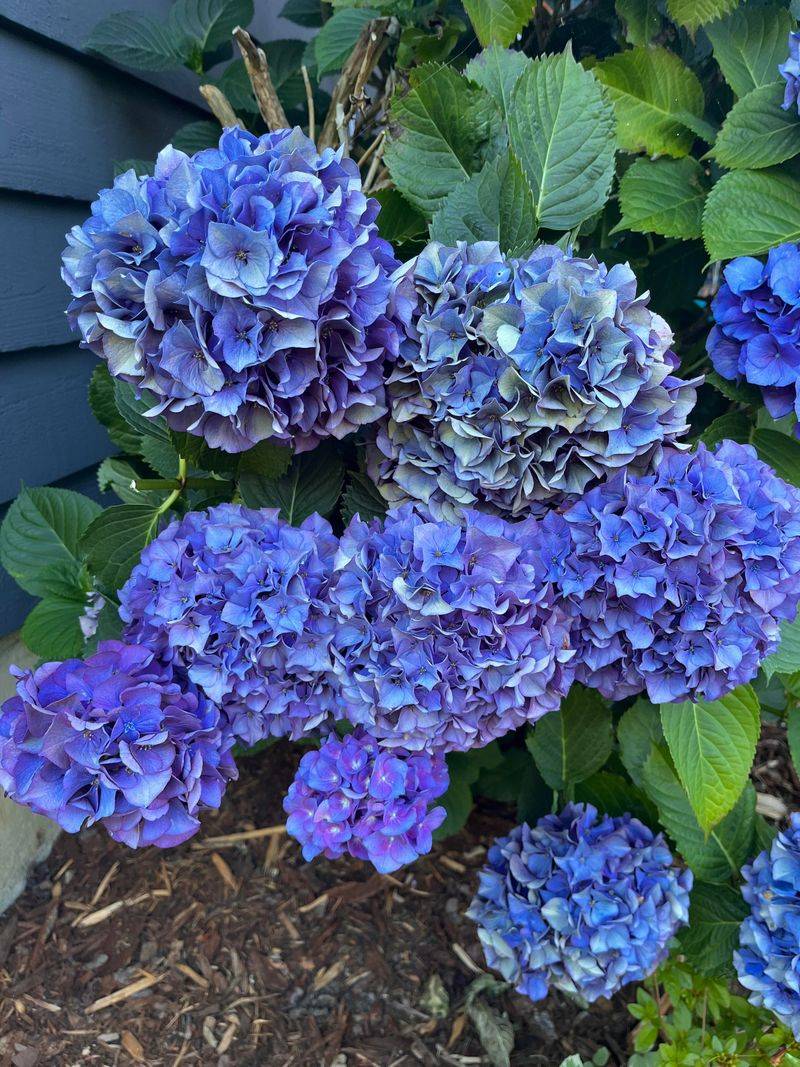
Few plants deliver the same sense of abundance as a hydrangea in full bloom. The flower clusters, called mopheads or lacecaps depending on the variety, can measure 8 to 12 inches across and are made up of dozens of small florets packed tightly together.
The result is a bold, lush display that looks almost over-the-top in the best possible way.
California’s coastal regions are especially well-suited for hydrangeas. The cool, moist air near the Pacific keeps plants happy and blooming for weeks.
In areas like Carmel, Santa Cruz, and the Sonoma Coast, hydrangeas grow into massive shrubs covered in flowers from early summer through fall. Soil pH actually affects bloom color in some varieties, with acidic soil producing blue flowers and alkaline soil shifting them toward pink.
Plant hydrangeas in a spot with morning sun and afternoon shade to protect the blooms from scorching in hotter California areas. They need consistent moisture and rich, organic soil.
Mulching heavily around the base helps retain water during dry spells. Prune with care, as most varieties bloom on old wood and cutting them back too hard can reduce flowering.
With the right spot and regular watering, hydrangeas put on a flower show that is hard to beat.
9. Oriental Poppy
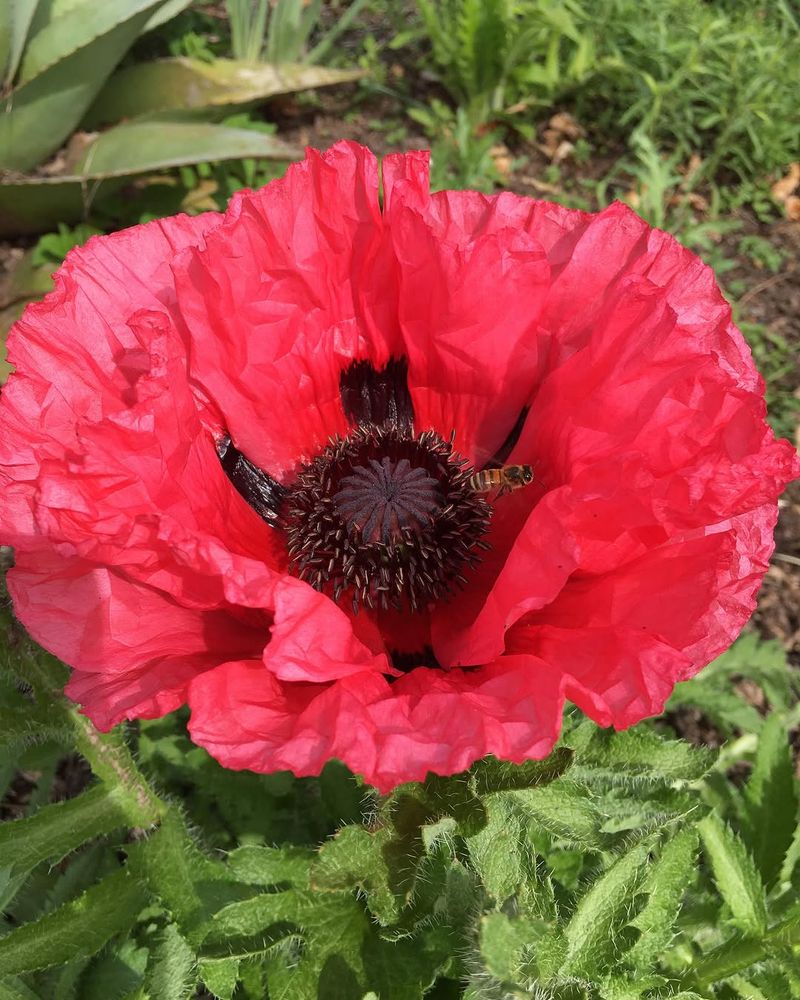
Bold, bright, and almost impossibly vivid, the Oriental poppy is one of spring’s most dramatic performers.
The flowers look like they are made from crinkled crepe paper, with wide, tissue-thin petals in shades of orange-red, salmon, pink, and white, each centered with a striking dark purple-black blotch.
Blooms can reach 6 inches or more across, making them hard to overlook in any garden setting.
In California, Oriental poppies bloom best in late spring, typically from April through June depending on the region. They love full sun and well-draining soil, which suits many parts of the state perfectly.
Once they finish blooming, the foliage fades away in summer, so pairing them with later-blooming plants helps fill the gap they leave behind.
Plant Oriental poppies from bare-root divisions or transplants in fall for best results. They are surprisingly drought-tolerant once established, making them a smart choice for water-conscious California gardeners.
Avoid overwatering, especially in summer when the plant is dormant. They do not like to be moved once settled, so choose their spot carefully.
With minimal fuss, these poppies return year after year, getting bigger and more floriferous with each passing season in your California garden.