7 Compact Native Plants That Outperform Big Shrubs In Pennsylvania
When it comes to landscaping in Pennsylvania, bigger isn’t always better. While large shrubs can dominate a garden, they can also take up more space than you need, require heavy maintenance, and sometimes overshadow the beauty of smaller plants.
That’s where compact native plants come in. They offer all the beauty and benefits of larger shrubs without taking over your yard.
Plus, they tend to be hardier and better suited to local growing conditions, thriving in Pennsylvania’s climate with little fuss.
These compact plants can still add plenty of texture, color, and even fragrance to your garden, but they won’t crowd out other plants or demand constant pruning.
Many native varieties are perfect for attracting pollinators, providing natural habitat for wildlife, and conserving water.
If you’re looking for a more sustainable, low-maintenance garden that still packs a punch, these compact native plants are the way to go. Your yard will look just as lush, but with less effort!
1. Eastern Red Columbine
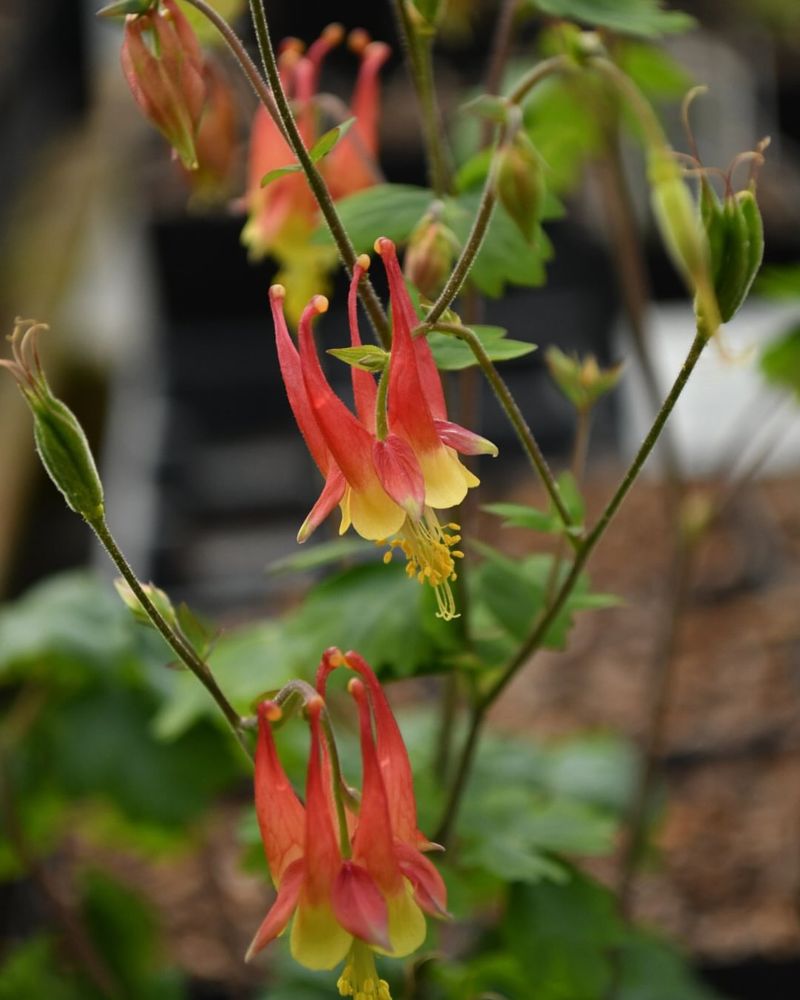
Picture this: it’s early spring in Pennsylvania, and while most of your garden is still waking up, Eastern Red Columbine is already putting on a show.
Its bold red and yellow flowers nod gently in the breeze, drawing in hummingbirds and early pollinators before most other plants even have buds. That kind of energy in a plant that only grows 12 to 18 inches tall is pretty remarkable.
Eastern Red Columbine thrives in shaded or partially shaded spots, making it ideal for those tricky corners of your yard where big shrubs would feel cramped and out of place.
It actually prefers rocky or well-drained soil, which is great news for Pennsylvania gardeners dealing with less-than-perfect conditions.
The plant is incredibly low-maintenance once it gets established, and it naturally self-seeds, so you may find new plants popping up in unexpected and delightful spots each year.
Unlike large shrubs that can crowd out other plants and block light, this compact beauty plays well with neighbors. It works beautifully alongside ferns, wild ginger, and other native woodland plants.
Gardeners across Pennsylvania love it because it brings wildlife value, seasonal color, and a cottage-garden charm without demanding much in return.
If you want a plant that works harder than its size suggests, Eastern Red Columbine is a fantastic place to start your native garden journey.
2. Wild Ginger
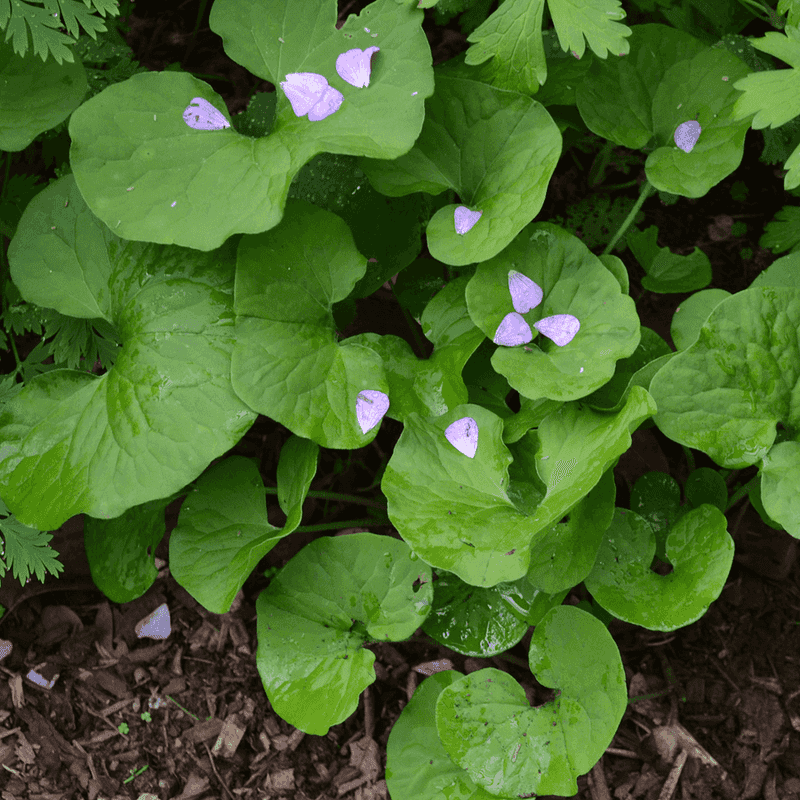
Not every garden hero stands tall. Wild Ginger proves that staying low to the ground can be just as powerful as reaching for the sky.
Growing only 6 to 12 inches tall and spreading out 12 to 18 inches wide, it forms a thick, lush carpet of heart-shaped leaves that looks stunning in shaded Pennsylvania gardens. Once it fills in, it creates a groundcover so dense that weeds simply cannot compete.
One of the coolest things about Wild Ginger is its hidden flower. Tucked beneath the leaves near the soil, its small reddish-brown bloom is easy to miss but fascinating up close.
It’s pollinated by ground-level insects, which makes it a clever and unique part of the ecosystem. In Pennsylvania’s wooded landscapes, this plant fits right in alongside tree roots and forest floor companions like trillium and Jack-in-the-pulpit.
Your Pennsylvania Garden Changes Every Week. Your Plan Should Too.
Gardening in Pennsylvania changes quickly throughout the season. Every Friday you’ll receive a simple weekly plan showing exactly what to plant, prune, fertilize, harvest, and protect so you never miss the right timing.
Compared to large shrubs that demand regular pruning, watering, and space management, Wild Ginger is refreshingly easygoing. It spreads slowly and steadily, filling in gaps without becoming invasive or aggressive.
It handles dry shade well, a condition that stumps many gardeners trying to find plants that actually thrive under dense tree canopies.
If your Pennsylvania yard has a shaded area that feels bare or difficult to plant, Wild Ginger is one of the smartest, most reliable solutions you can choose. It is truly a quiet powerhouse in any native plant garden.
3. Panicled Aster
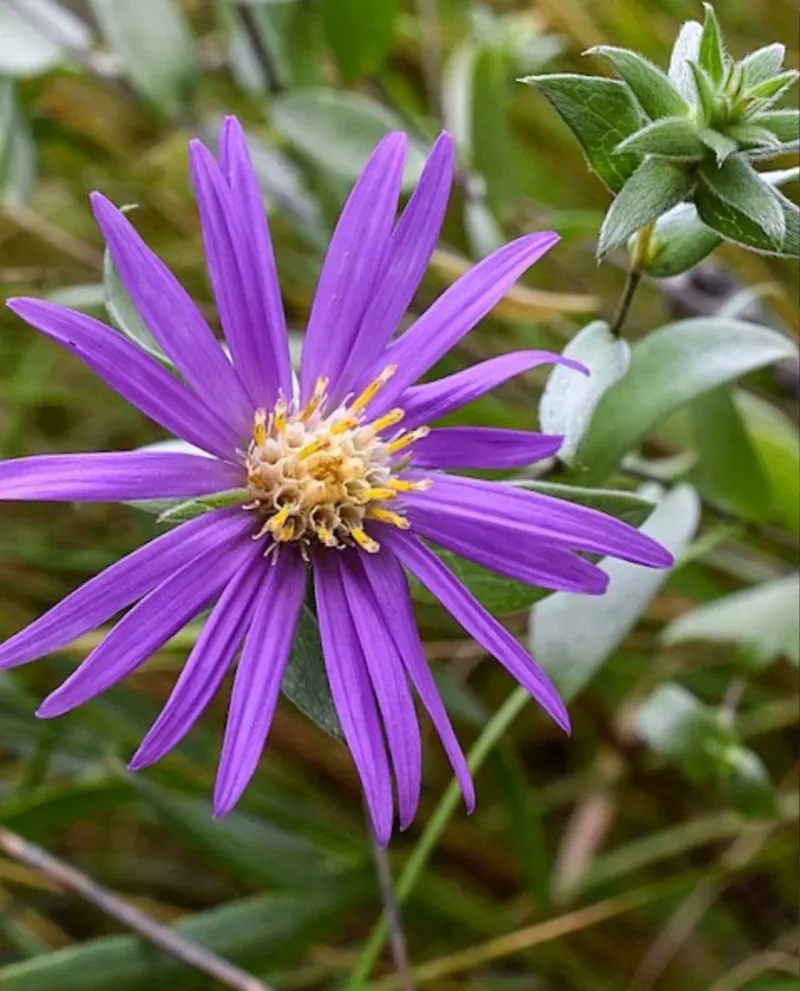
Most gardens in Pennsylvania start to look tired by late summer, but Panicled Aster is just getting started.
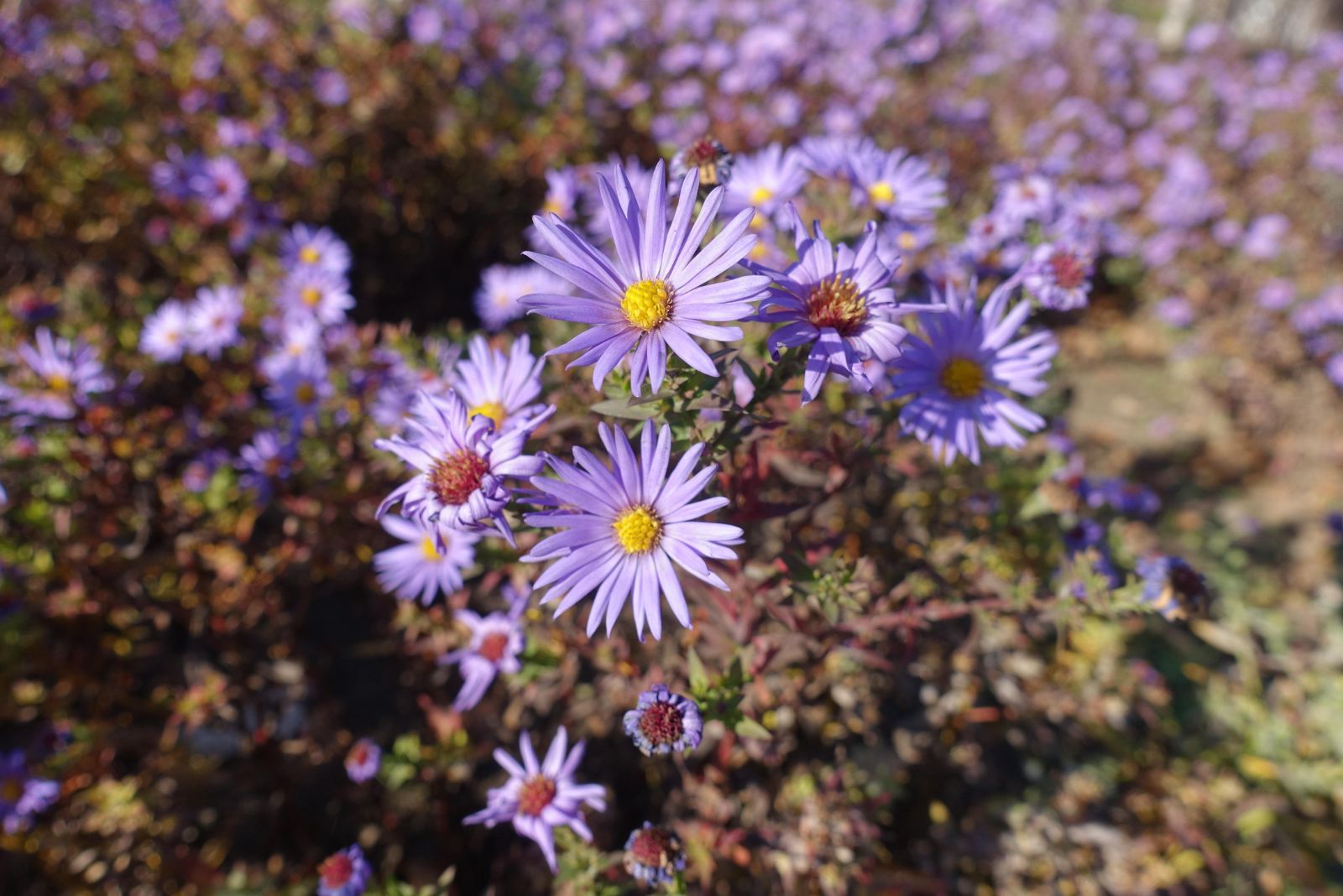
This native aster bursts into bloom from late summer all the way through fall, covering itself in cheerful purple flowers that attract butterflies, bees, and other pollinators searching for late-season nectar. It is like a lifeline for pollinators when most other flowers have already faded.
Growing 12 to 24 inches tall, Panicled Aster fits comfortably into spaces where large shrubs would overwhelm the landscape. It has a naturally rounded, bushy shape that actually looks a lot like a small shrub without any of the maintenance headaches.
You do not need to prune it heavily or worry about it taking over. It stays tidy, blooms reliably, and comes back strong year after year in Pennsylvania’s variable climate.
What really sets this plant apart is its incredible value to local wildlife. Native bees absolutely love it, and it is known to support specialist bee species that depend on native asters for survival.
Gardeners who want to create a true pollinator garden in Pennsylvania will find that Panicled Aster earns its spot every single season.
Plant it in a sunny border, along a driveway, or at the edge of a meadow planting, and watch the wildlife activity explode each fall. Few plants pack this much ecological punch into such a compact, manageable size.
4. Virginia Bluebells
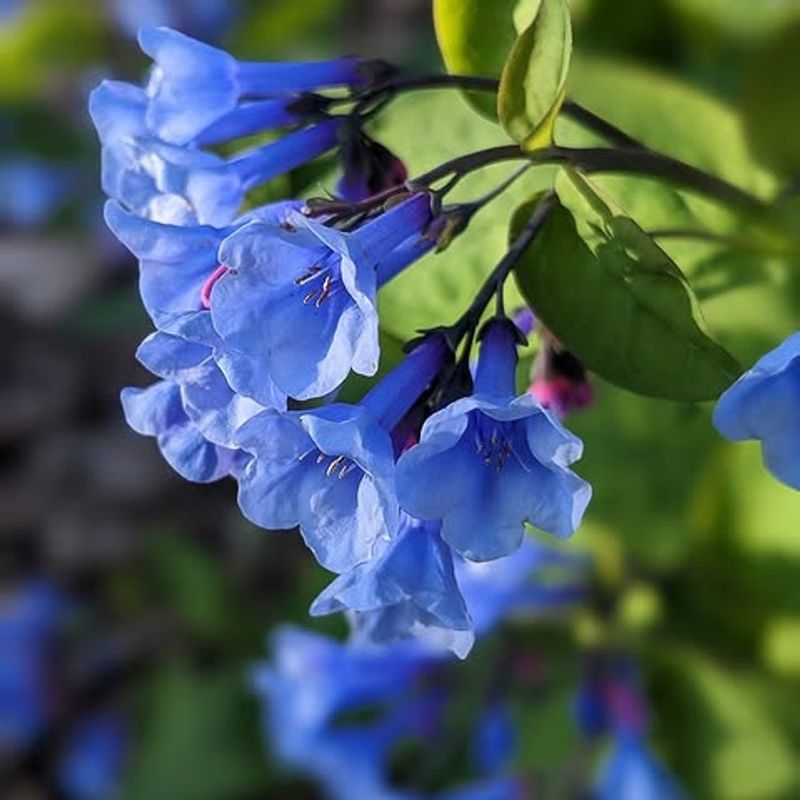
There is something almost magical about walking into a Pennsylvania woodland in early spring and seeing Virginia Bluebells in full bloom. The clusters of soft, sky-blue bell-shaped flowers seem to glow in the filtered light beneath the trees.
It is one of those plants that stops people in their tracks and makes them want to know exactly what they are looking at.
Virginia Bluebells grow 12 to 18 inches tall and thrive in moist, shaded spots, especially near streams or low-lying areas where the soil stays consistently damp. They bloom in early spring and then go dormant by early summer, which is actually a smart strategy.
While they rest underground, other plants fill in around them, keeping the garden looking full and lively all season long. Pairing them with ferns or hostas helps cover the space they leave behind.
Compared to large shrubs, Virginia Bluebells are a dream for smaller Pennsylvania gardens. They take up very little room, need almost no care once established, and return faithfully each spring with their stunning blue blooms.
They also attract early-season pollinators like bumblebee queens that are just waking up and hungry for nectar. Fun fact: the flowers actually start out pink and slowly turn blue as they mature, giving the plant two colors at once during peak bloom.
If you want early spring color without committing a huge chunk of your garden to one plant, Virginia Bluebells are absolutely worth planting.
5. Spotted Bee Balm
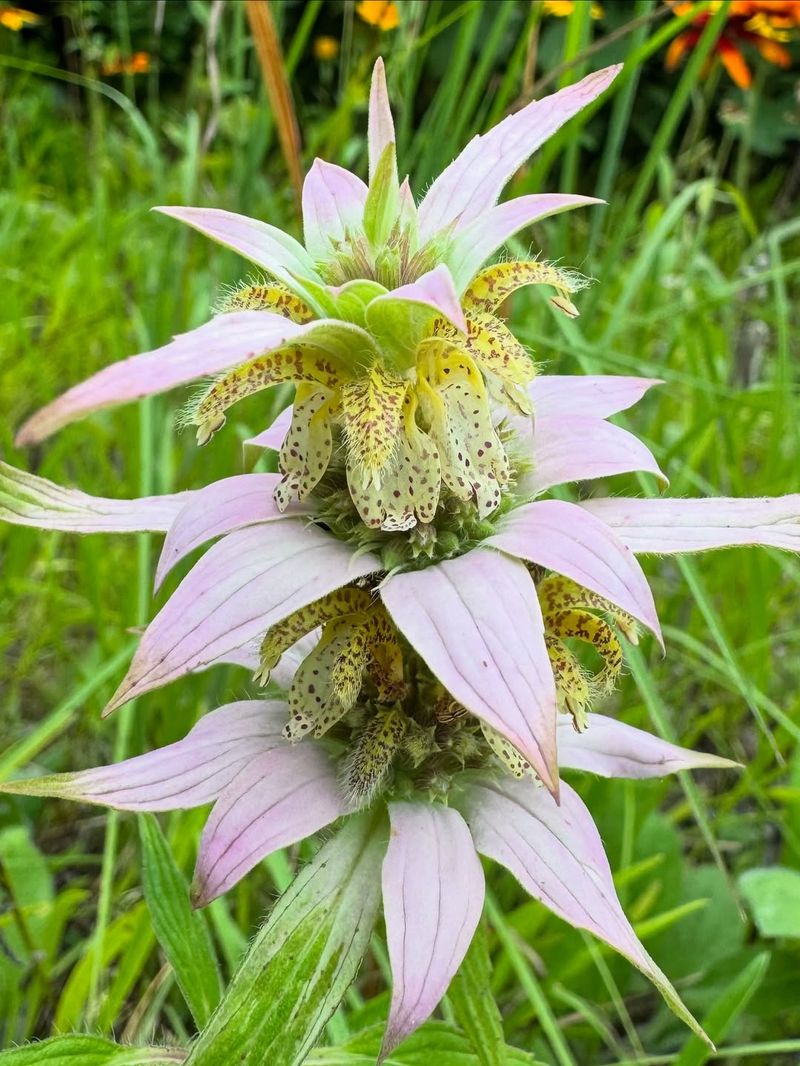
Spotted Bee Balm might be one of the most underrated native plants in all of Pennsylvania. At first glance, its stacked layers of pale yellow flowers surrounded by showy purple and pink bracts look almost too exotic to be a local wildflower.
But it is completely native, completely hardy, and absolutely beloved by pollinators of every kind. Bumblebees, native bees, and even hummingbirds cannot resist it.
Growing 12 to 18 inches tall, Spotted Bee Balm fits easily into sunny garden borders, rain gardens, and meadow plantings across Pennsylvania. It thrives in dry to medium soils, which makes it a great option for spots that do not get much irrigation.
Unlike large shrubs that can struggle in poor or sandy soil, Spotted Bee Balm actually seems to enjoy leaner conditions. Less fussing means more time enjoying your garden.
The plant has a long bloom season that stretches through summer, giving pollinators a reliable food source when many other flowers are past their peak. The aromatic foliage is another bonus, releasing a pleasant herbal scent when brushed or touched.
It also has a history of use in traditional herbal medicine among Indigenous peoples of eastern North America, which adds a fascinating layer of cultural richness to an already impressive plant.
For Pennsylvania gardeners who want a compact, wildlife-friendly, low-maintenance option that still delivers serious visual impact, Spotted Bee Balm belongs at the top of your planting list without question.
6. Eastern Foamflower
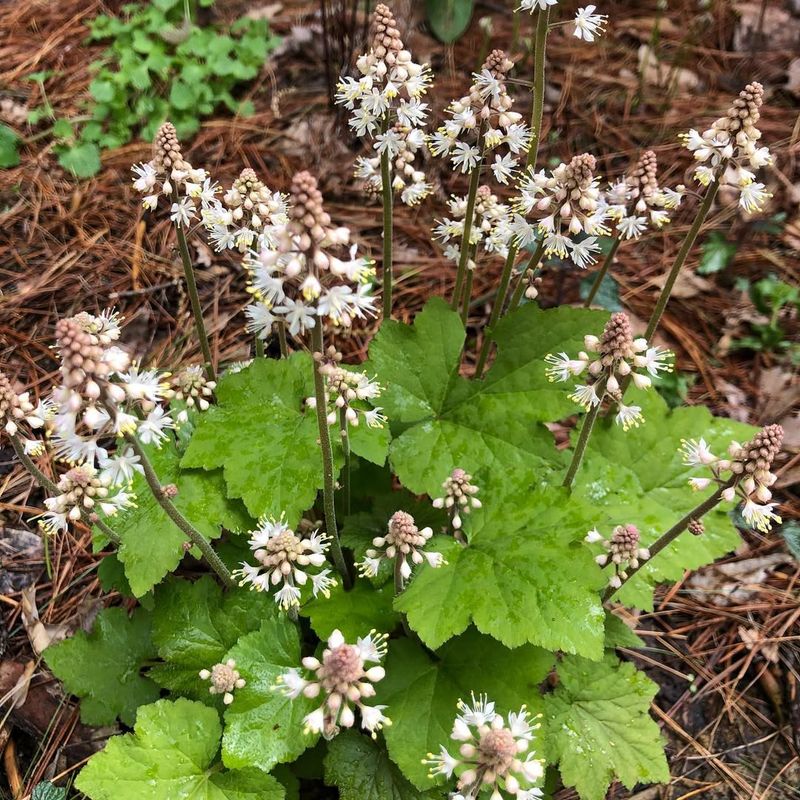
Eastern Foamflower earned its whimsical name honestly. In spring, it sends up slender spikes covered in tiny white flowers that look like soft, feathery foam floating above the garden floor.
Growing just 6 to 8 inches tall and spreading 12 to 18 inches wide, it is one of the most charming groundcover plants you can grow in a shaded Pennsylvania garden. And it earns every bit of that charm.
What makes Foamflower such a standout compared to large shrubs is how gracefully it fills difficult spaces. Deep shade under mature trees, steep slopes that are hard to mow, narrow beds along house foundations: Foamflower handles all of these with ease.
Its lobed, maple-like leaves stay attractive all season, and some varieties even develop burgundy or bronze markings that add extra visual interest long after the flowers fade in late spring.
Pennsylvania gardeners who have tried to grow grass or other plants under dense tree canopies know the frustration of bare, muddy patches that never seem to fill in. Foamflower solves that problem naturally and beautifully.
It slowly spreads by runners, creating a lush, weed-suppressing mat that keeps the soil protected and the garden looking tidy. It pairs wonderfully with Wild Ginger, ferns, and Virginia Bluebells for a layered woodland garden look.
Unlike bulky shrubs that can feel heavy and overwhelming in small spaces, Foamflower keeps things light, airy, and absolutely lovely from spring through fall in Pennsylvania landscapes.
7. Barren Strawberry
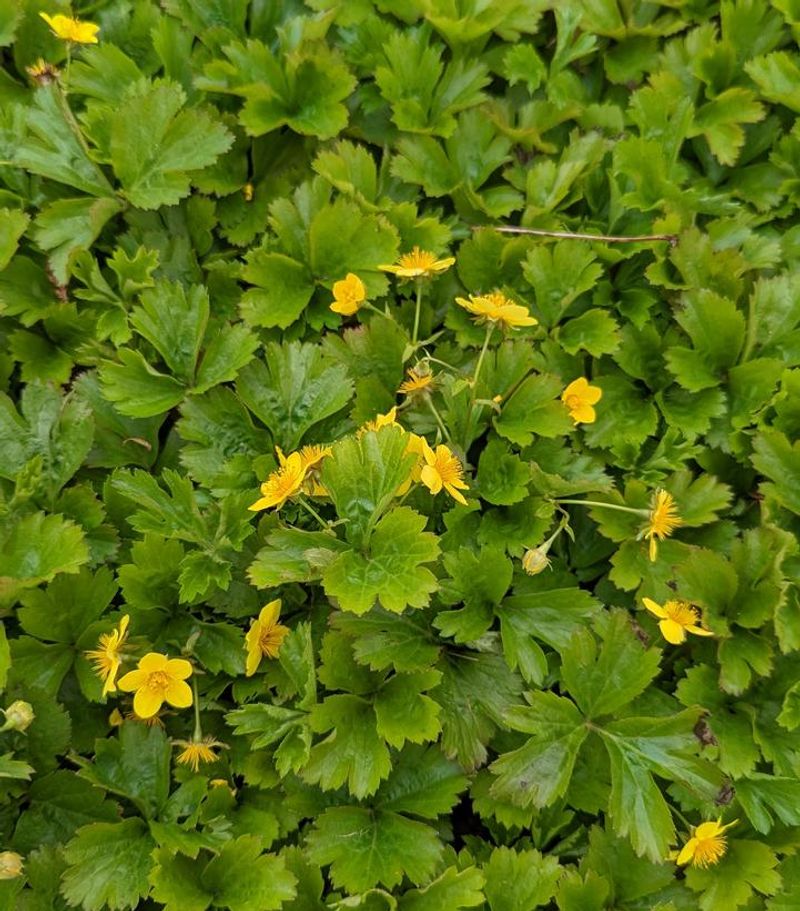
Do not let the name fool you. Barren Strawberry may not produce edible fruit, but it delivers something many gardeners value even more: reliable, evergreen coverage that looks great in every season.
Growing 6 to 8 inches tall and spreading 12 to 18 inches wide, it forms a dense, glossy mat of foliage that stays green even through Pennsylvania winters. That kind of year-round presence is hard to find in a plant this small.
Each spring, Barren Strawberry brightens up garden beds with cheerful yellow flowers that resemble tiny wild roses. Bees and small insects visit the blooms readily, making it a quiet but consistent contributor to your local Pennsylvania ecosystem.
After the flowers fade, the plant settles back into its role as a dependable, weed-blocking groundcover that requires almost zero attention from the gardener. No pruning, no deadheading, no drama.
Large shrubs often leave bare soil underneath their branches, creating weedy, messy-looking garden beds. Barren Strawberry fills that kind of space perfectly, spreading under and around larger plants while keeping the ground covered and attractive.
It handles both sun and partial shade, giving Pennsylvania gardeners plenty of flexibility when planning where to use it. Slopes, edges, rock gardens, and shaded corners all work beautifully.
If you are searching for a native plant that punches well above its weight in terms of landscape value, seasonal interest, and sheer toughness, Barren Strawberry deserves a serious look and a permanent spot in your garden plan.